
Library | ESG issues
Reporting & Disclosures
Reporting and disclosures provide transparency on a company’s financial performance, strategy, and sustainability practices. Clear, reliable disclosures improve stakeholder trust, inform investment decisions, and drive corporate accountability.
Refine
620 results
REFINE
SHOW: 16


Sustainable Finance Roundup January 2026: Geopolitics, Energy Transitions, and Systemic Risk
This month’s sustainable finance article roundup examines a landscape increasingly shaped by geopolitics and climate risk, as near-term fragmentation, energy security, and affordability pressures collide with intensifying long-term threats from climate change, biodiversity loss, and water stress. The works featured analyse how these dynamics are reshaping capital allocation, disclosure, and resilience planning, demonstrating the growing need for sustainable finance to integrate geopolitical risk with real-economy transition.
Corporate climate responsibility monitor series
The Corporate Climate Responsibility Monitor is a recurring research series that independently assesses the transparency, integrity and credibility of corporate climate strategies. It evaluates how major global companies set, disclose and implement emission reduction targets, using a consistent methodology to enable year-on-year comparison across sectors.
Canadian pension climate report card series
The Canadian Pension Climate Report Card is an annual benchmark series assessing how major Canadian pension funds manage climate-related risks and align investment and stewardship practices with climate science. It applies a consistent, comparative framework using publicly disclosed information to evaluate governance, targets, engagement and integration over time.
Global landscape of climate finance series
Global Landscape of Climate Finance is a recurring benchmark series produced by Climate Policy Initiative that provides a consistent overview of global climate finance flows. It examines sources, instruments, uses, and geographic distribution of finance to track progress and comparability across years.
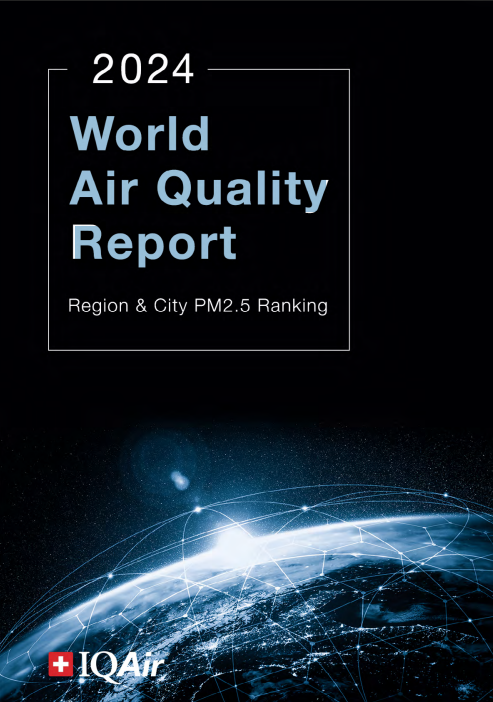
IQAir world air quality series
The World Air Quality Report is an annual research series assessing global air quality using ground-level PM2.5 monitoring data. It provides consistent country, regional and city-level comparisons, supported by transparent methodology and harmonised datasets to inform policy, research and investment analysis.
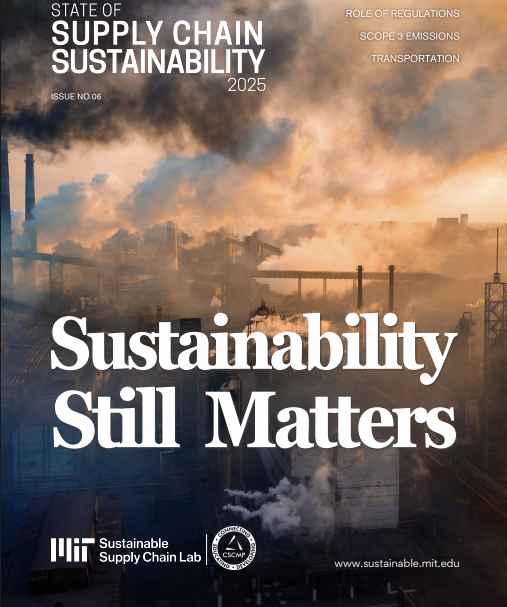
State of supply chain sustainability series
The State of Supply Chain Sustainability is an annual benchmark series that examines how organisations define, govern, and implement environmental and social sustainability across global supply chains. It provides a consistent research framework to track evolving practices, pressures, and management approaches over time.
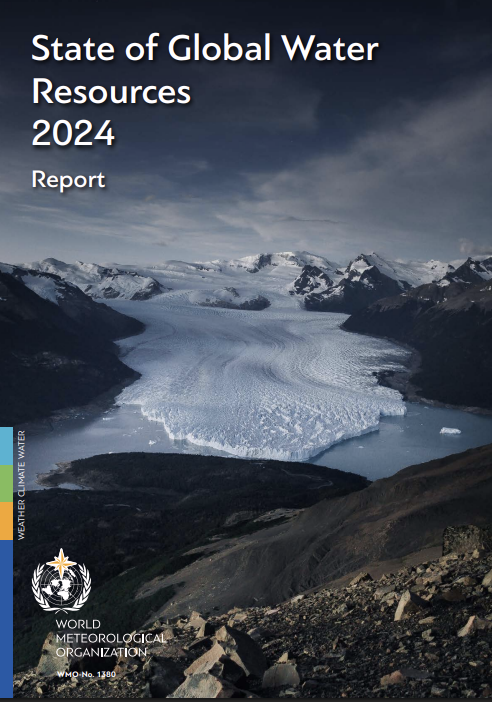
State of global water resources series
The State of Global Water Resources is an annual benchmark series produced by the World Meteorological Organization. It provides a consistent, global overview of freshwater conditions across key components of the hydrological cycle, supporting comparative assessment and decision-making across regions and time.
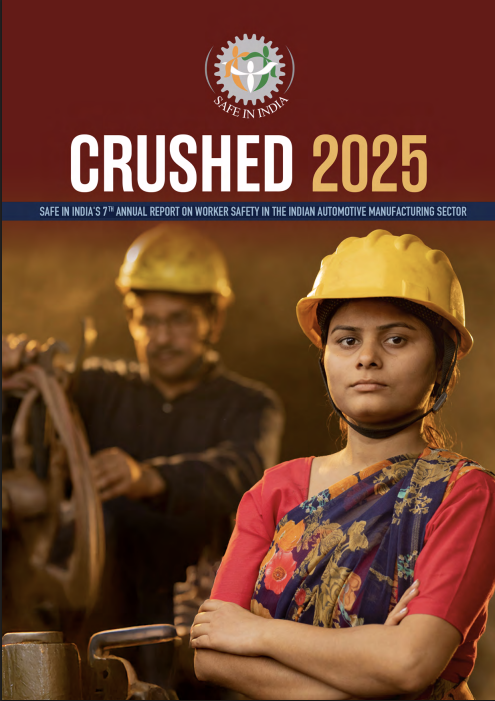
Crushed series
CRUSHED is a longitudinal research series by the Safe in India Foundation assessing worker safety in India’s automotive manufacturing and supplier ecosystem. Drawing on annual field evidence across multiple years, the series tracks workplace conditions, governance practices, and enforcement gaps to support consistent analysis over time.
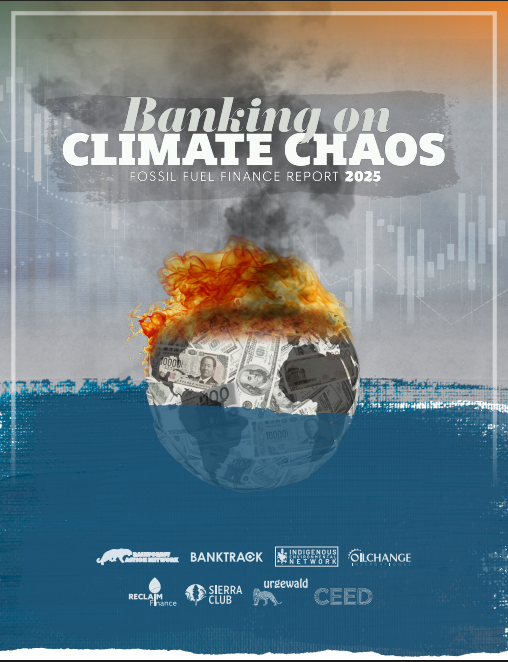
Banking on climate chaos series
The Banking on Climate Chaos is a multi-year research series assessing how major global banks finance fossil fuel activities. It provides a consistent framework to review lending and underwriting linked to fossil fuels and expansion, supporting year-on-year comparison and broader analysis of banking practices.
Endowment impact benchmark series
The Endowment Impact Benchmark is a benchmark series that provides a structured assessment and benchmarking framework for endowments and foundations. It evaluates policies, governance, management and transparency related to sustainable and impact investing, enabling consistent comparison and ongoing progress tracking across participating institutions.
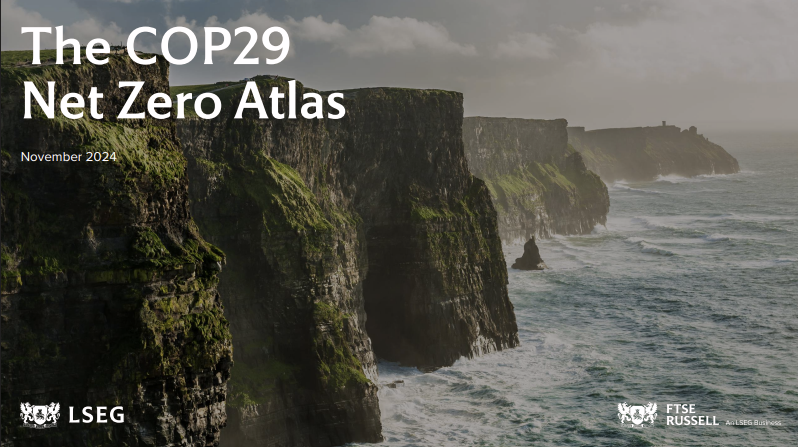
Net zero atlas series
The COP Net Zero Atlas is an annual research series examining transition and physical climate risks across major economies. It provides a structured framework to assess national climate commitments, policy pathways and exposure to climate hazards, supporting comparative analysis for investors and policymakers.
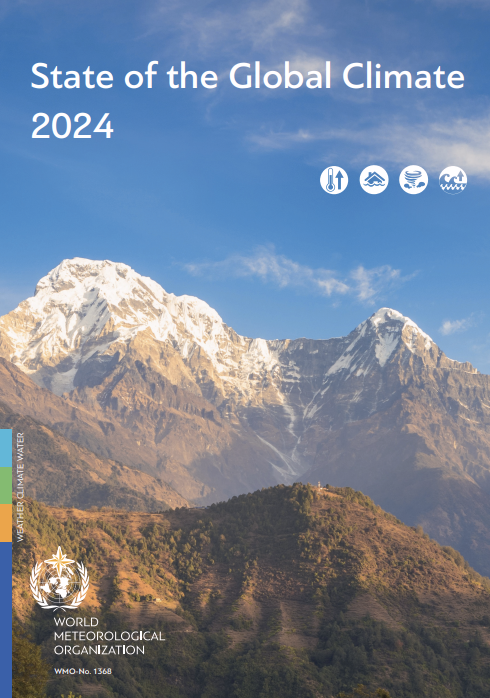
State of the global climate series
The State of the Global Climate is an annual benchmark series produced by the World Meteorological Organization that synthesises authoritative observations across the climate system, including the atmosphere, oceans and cryosphere, to provide a consistent, comparable evidence base for global climate monitoring, policy analysis and long-term assessment.
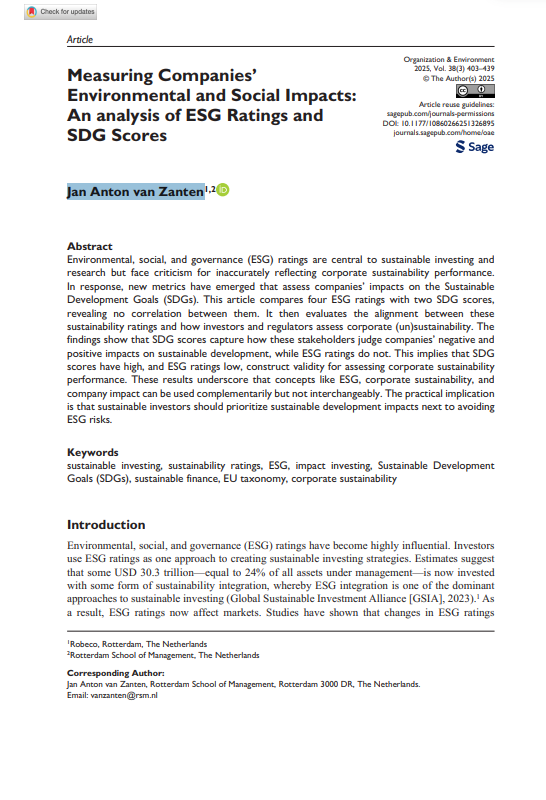
Measuring companies’ environmental and social impacts: An analysis of ESG ratings and SDG scores
This study compares ESG ratings with SDG scores across major providers. It finds little correlation. SDG scores align with investor exclusions and EU Taxonomy assessments, while ESG ratings largely measure financial risk exposure, not real-world environmental or social impacts.
Climate risk self-assessment survey series
This series presents APRA’s Climate Risk Self-Assessment Surveys, which review how APRA-regulated entities approach governance, risk management, metrics, targets and disclosure of climate-related financial risks. It provides a consistent, periodic view of industry practices and alignment with prudential guidance over time.
Directors’ duties navigator: Climate risk and sustainability disclosures series
This is a series of legal and governance primers examining directors’ duties and corporate disclosure obligations in relation to climate and sustainability risks. It provides jurisdictional analysis and practical guidance to support board oversight, risk management and reporting as regulatory and market expectations evolve.
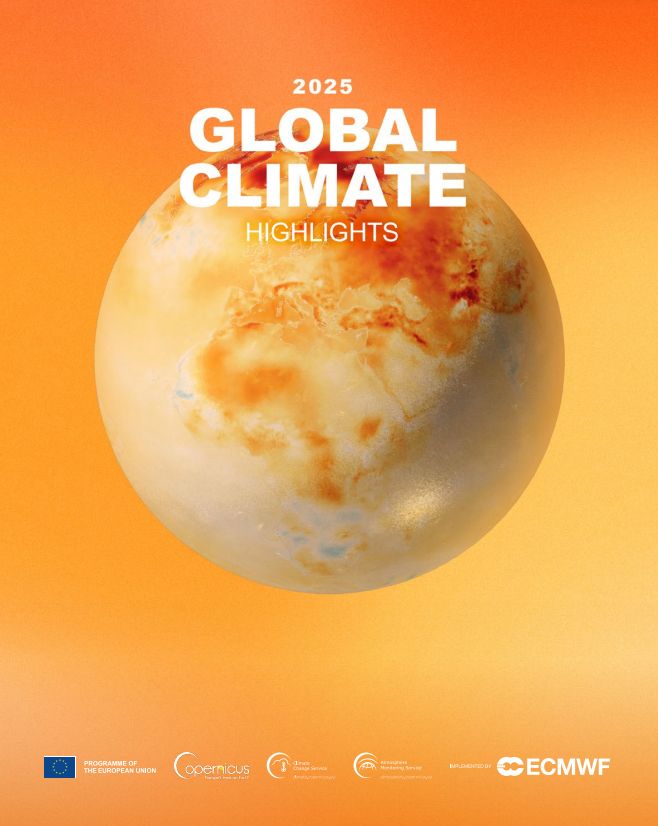
Global climate highlights series
This benchmark series provides a recurring, standardised overview of global climate conditions, produced using consistent observational and reanalysis datasets. It tracks changes across key climate indicators to support comparability over time and inform assessment of longer-term climate trends within a recognised reference framework.


