
Library | ESG issues
Risk Management
Risk management is the process by which organisations identify, assess, prioritise and respond to threats to their objectives. In sustainable finance it extends conventional financial risk to cover environmental, social and governance exposures, including physical and transition climate risk, nature dependencies, human rights liability and conduct risk. Many of these are long dated, systemic and poorly captured by traditional models. Sound practice connects risk identification to governance, disclosure and capital allocation rather than treating it as a reporting exercise.
Team Altiorem recommends

Refine
328 results
REFINE
SHOW: 16


Ulula
Ulula offers innovative solutions for responsible supply chains and worker engagement. Their platform provides real-time data collection and analysis to help organisations monitor human rights risks and ensure ethical sourcing. Ulula enables businesses to drive transparency, reduce modern slavery risks, and meet global sustainability and compliance standards effectively.

Responsible Minerals Initiative (RMI)
Responsible Minerals Initiative (RMI) helps companies ensure responsible mineral sourcing from conflict-affected regions. RMI provides tools, standards, and guidance for supply chain transparency, risk management, and ethical sourcing practices.
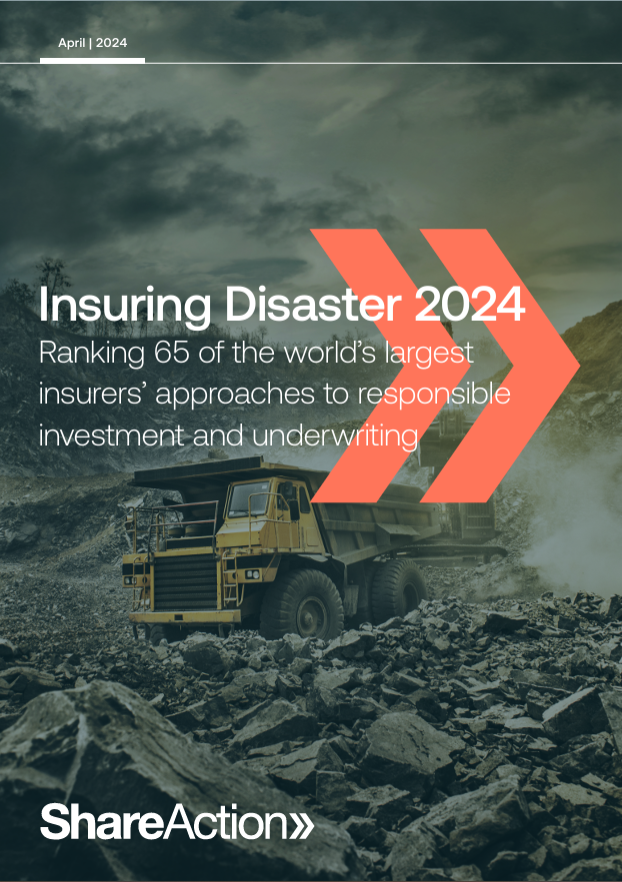
ShareAction's insuring disaster benchmark series
The "Insuring Disaster" series by ShareAction evaluates the responsible investment and underwriting practices of the world's largest insurers, focusing on their approaches to critical environmental and social issues. This benchmark series highlights the industry's impact on climate, biodiversity, and human rights, offering actionable recommendations for improvement.

Conflict sensitivity in projects: Practical measures for private sector clients
This report provides practical measures for private sector clients to incorporate conflict sensitivity in their projects. It emphasises the importance of understanding and managing conflict risks to avoid exacerbating violence, promote social cohesion, and enhance investment resilience in fragile and conflict-affected environments.

Ernst & Young (EY)
Ernst & Young (EY) is a global professional services organisation offering audit, tax, transaction, and advisory services. EY helps businesses navigate complex challenges, improve performance, and manage risk. Their expertise includes digital transformation, sustainability, and strategic growth.

Briefing for finance: Climate action
Climate change poses a significant risk to businesses, with potential for financial and operational disruption. However, addressing climate change also presents opportunities for innovation, resilience, and improved reputation. Organisations can mitigate these risks and capitalise on these opportunities by setting net-zero targets, developing transition plans, and integrating climate considerations into decision-making processes.

GRESB
GRESB (Global Real Estate Sustainability Benchmark) is an organisation providing ESG data and insights for the financial sector. It helps investors and managers evaluate ESG performance, enhance sustainability practices, and improve transparency in real estate and infrastructure investments.
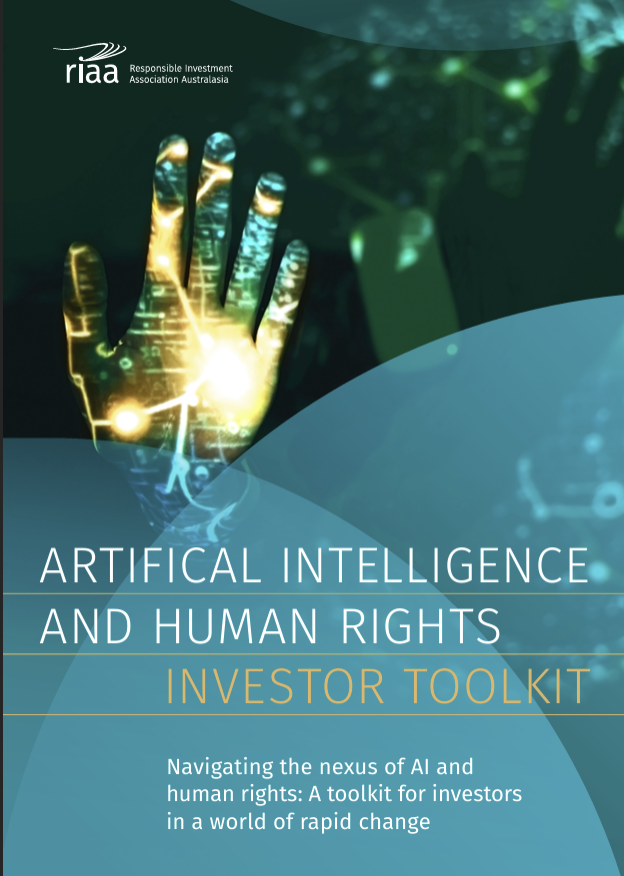
Artificial intelligence and human rights investor toolkit
This toolkit aims to provide investors with guidance on how to navigate the intersecting terrain of AI and human rights. It covers the various aspects of AI implementation that have potentially significant implications for human rights, and how investors can engage with companies on these issues. Its focus is on emerging risks and opportunities for investors in the context of rapidly evolving technologies and the ethical challenges they pose.

Jefferies
Jefferies is a global investment bank and financial services company offering capital markets, advisory, trading, and research services. Known for its expertise in various industries, Jefferies provides strategic advice, equity and debt underwriting, and asset management. Visit Jefferies' website to learn about their innovative financial solutions and market insights.

Interfaith Center on Corporate Responsibility (ICCR)
The Interfaith Center on Corporate Responsibility (ICCR) is a coalition of faith-based investors advocating for sustainable and ethical business practices. ICCR engages companies on issues such as climate change, human rights, and corporate governance. They aim to promote long-term social and environmental sustainability in corporate conduct.

Global Association of Risk Professionals (GARP)
Global Association of Risk Professionals (GARP) is a leading professional association dedicated to advancing the practice of risk management. GARP provides education, certification, and networking opportunities for risk professionals. It offers globally recognised programs such as the Financial Risk Manager (FRM) certification.
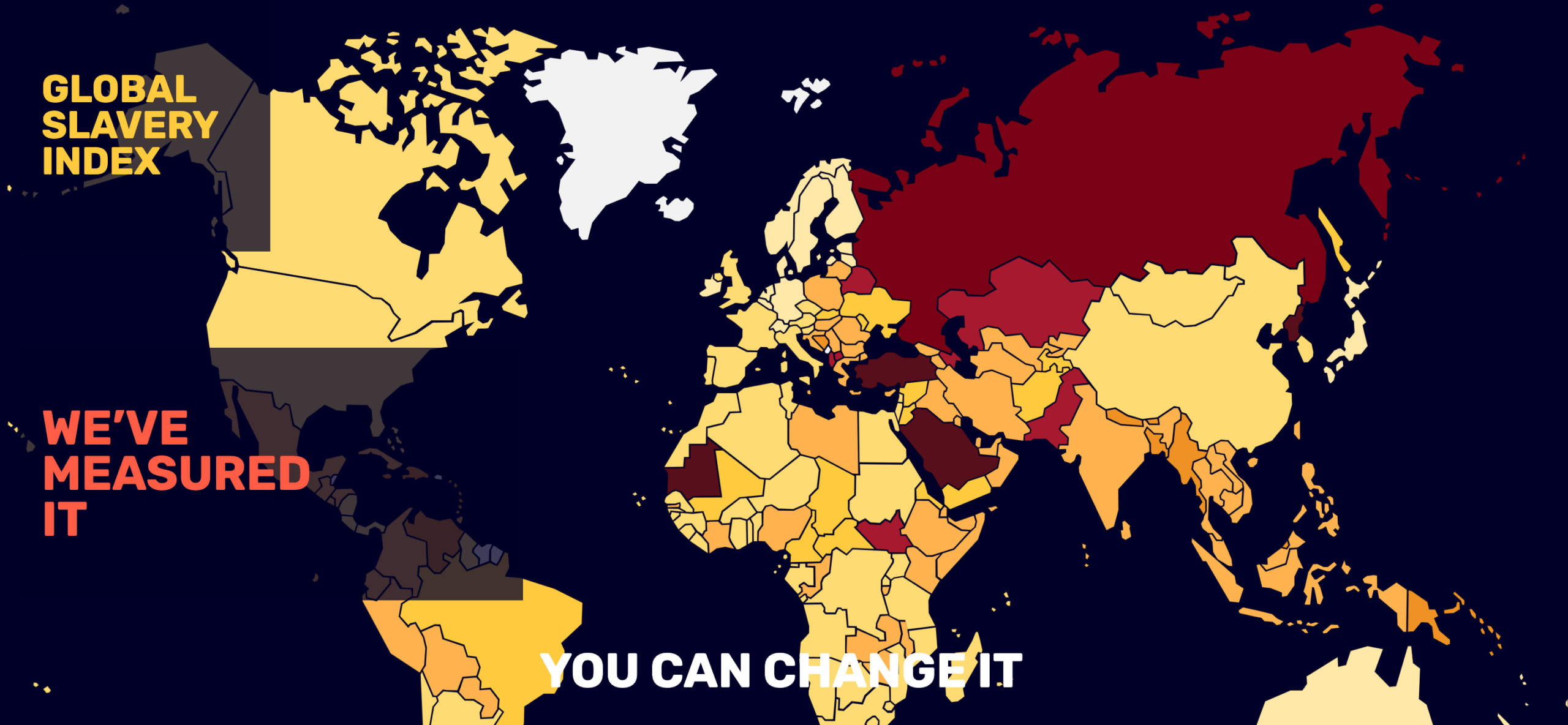
Global Slavery Index
The Global Slavery Index (GSI) by Walk Free provides comprehensive data on the prevalence of modern slavery in 160 countries, detailing how many people are affected, their vulnerabilities, and governmental responses.

The Investment Integrated Project (TIIP)
The Transparency International Initiative Project (TIIP) is dedicated to enhancing transparency and integrity in global finance. TIIP focuses on combating corruption, promoting ethical business practices, and providing resources for financial institutions to integrate ESG (environmental, social, and governance) criteria.

PGIM
PIMCO Global Advisory (PGIM) is an investment management company based in the United States. They offer investment solutions across a variety of asset classes to institutional and individual investors. PGIM is a subsidiary of Prudential Financial, Inc.
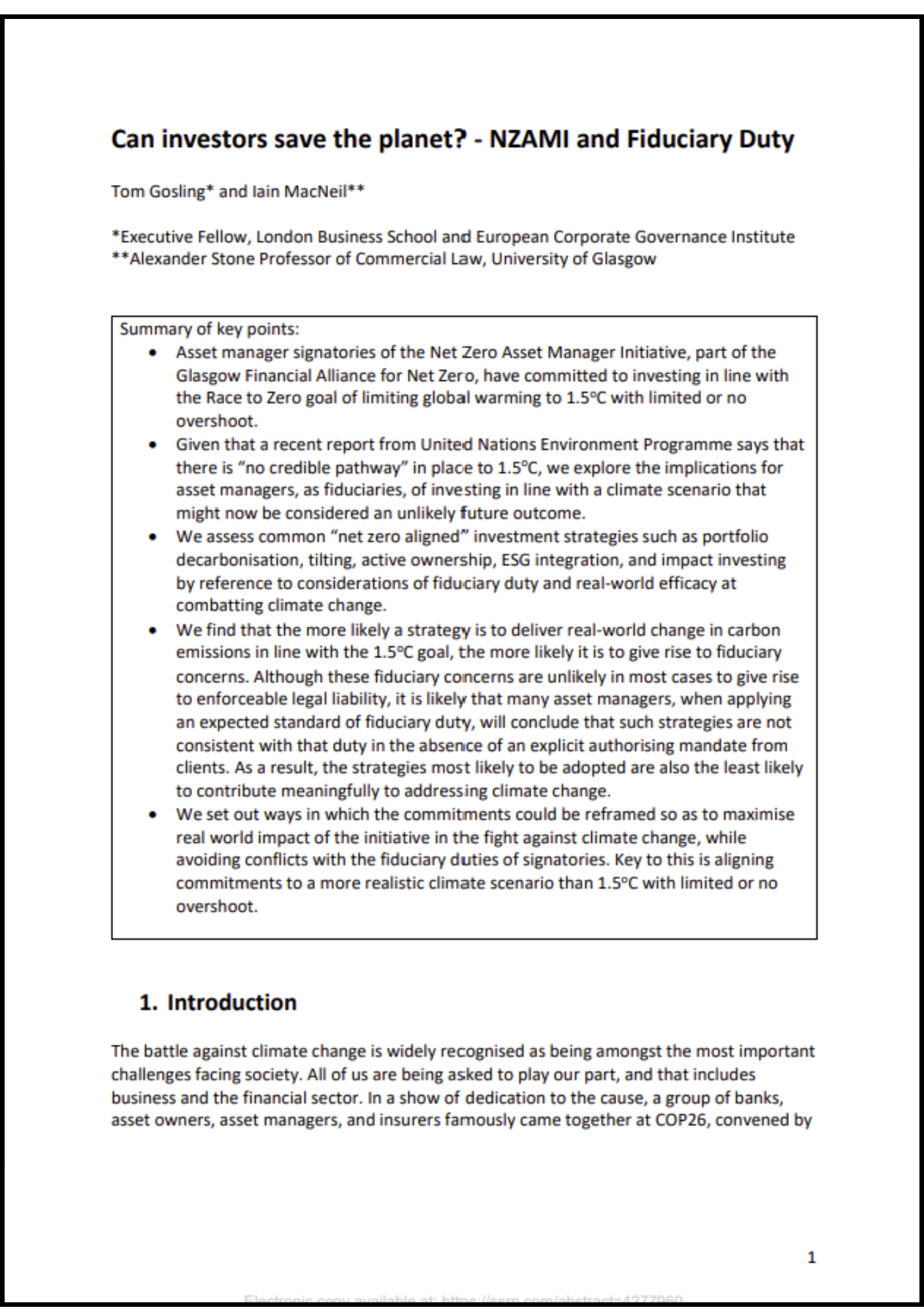
Can investors save the planet? - NZAMI and fiduciary duty
The report evaluates asset managers' strategies aligning with the Race to Zero goal of limiting global warming while considering the possibility of a different climate scenario. It finds impactful environmental approaches might pose fiduciary challenges. Authors propose revising commitments to enhance climate impact while upholding fiduciary duties.

Cross Dependency Initiative (XDI)
XDI Systems (Cross Dependency Initiative) is a mission-driven company dedicated to accelerating action on climate change by embedding physical climate risk data in all decisions. As experts in physical climate risk, they provide actionable results to clients globally, collaborating with governments, NGOs, companies, banks, and communities to address climate challenges collaboratively.


