
Library | ESG issues
Social
The social pillar in ESG (environmental, social, and governance) assesses a organisation’s impact on people and society. It covers labour practices, diversity and inclusion, human rights and community engagement. Prioritising social responsibility not only benefits society but also mitigates risks, strengthens reputation, and creates long-term value for businesses and investors.
Refine
1331 results
REFINE
SHOW: 16


Our Watch: Change the story and key frameworks
Change the Story is an evidence-based national framework developed by Our Watch to guide the primary prevention of violence against women in Australia. It examines social, economic and cultural drivers of gender inequality and outlines coordinated actions across institutions and communities to address these underlying causes.

Our Watch
Our Watch is an Australian not-for-profit organisation leading primary prevention of violence against women and children. It promotes gender equality through research, frameworks, education and workplace programmes. Initiatives such as “Change the Story” support policy and practice change, helping organisations address drivers of gender-based violence across communities, workplaces and institutions.
Investor democracy
Examines investor democracy in pension funds using deliberative mini-publics and a binding member vote. Finds informed deliberation shifts preferences towards impact investing despite potential lower returns, with broader member support leading to increased allocations, demonstrating how structured participation can guide sustainable investment decisions.
IFC's performance standards on environmental and social sustainability
The IFC Performance Standards (2012) form part of the Sustainability Framework, setting requirements for clients to identify, manage, and mitigate environmental and social risks in financed projects. They comprise eight standards covering areas such as labour, resource efficiency, biodiversity, and community impacts, and are widely used as a global benchmark for responsible investment.
Forever wild series
This series outlines the Forever Wild Initiative’s approach to financing and managing large-scale wilderness landscapes through blended capital models, community co-design, and nature-based enterprises. It documents the development of equitable nature finance structures that integrate conservation, economic activity, and social outcomes across landscapes.

University of Oxford
University of Oxford is a world-leading university and research institution based in Oxford, England. Founded in the 12th century, it delivers teaching and interdisciplinary research across sciences, humanities and social sciences, advancing knowledge and innovation to address global challenges and inform policy, industry and society.
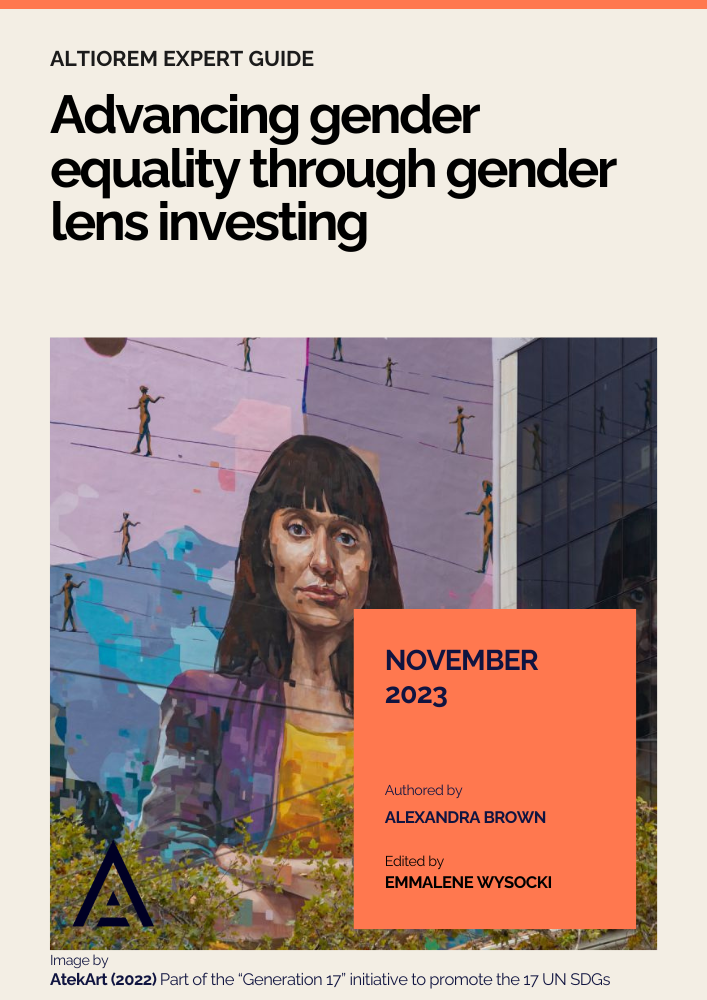
Advancing gender equality through gender lens investing
Examines gender lens investing as an approach integrating gender analysis into investment decisions to promote equality and returns. Outlines strategies, benefits, challenges, and case studies, linking to SDGs and emphasising measurement, engagement, and diverse investment practices.

Driving positive social change through co-operatives and mutual enterprises (CMEs)
This guide explains how co-operatives and mutual enterprises can support social change through democratic governance, member focus and long-term value. It argues they can improve stability, competition and sustainability in finance, while noting challenges including regulation, capital raising and market awareness.
Good practices for handling whistleblower disclosures
ASIC report outlines good practices for whistleblower programmes, based on a review of selected firms. It highlights governance, culture, training, monitoring, and use of disclosures to improve performance, alongside executive accountability and board oversight to ensure compliance with Corporations Act requirements.
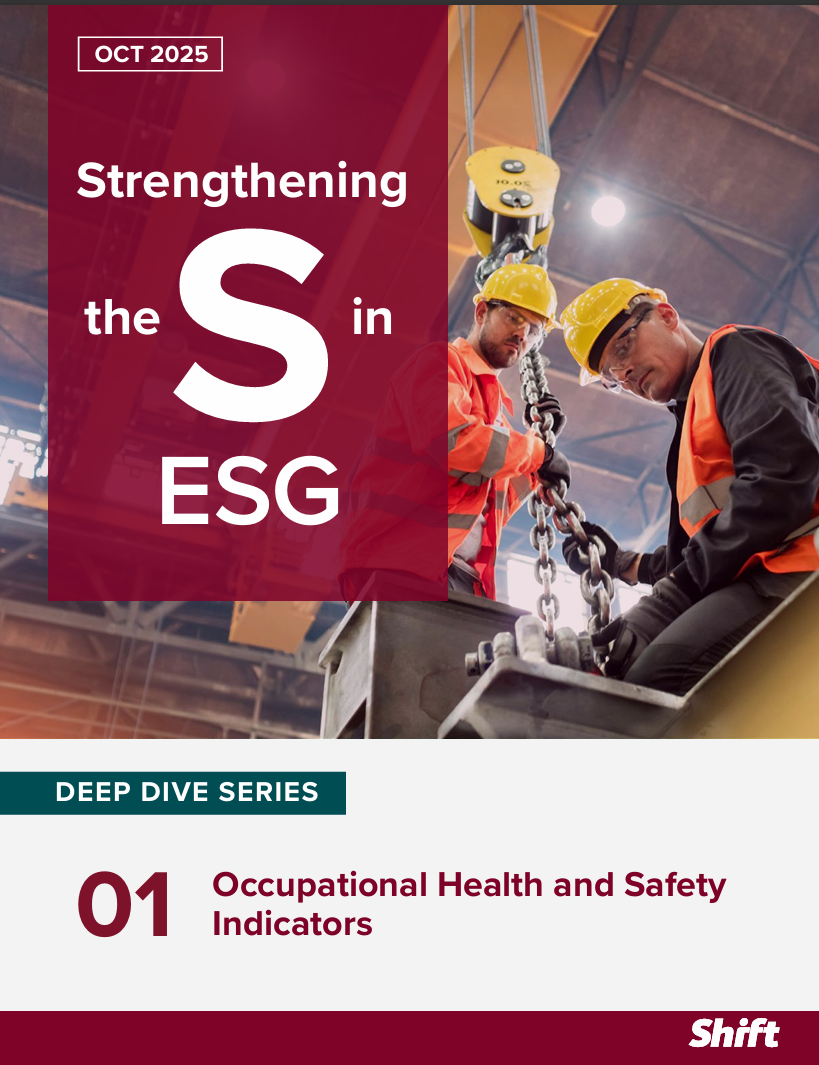
Strengthening the S in ESG series
Strengthening the S in ESG is a research series examining the design and use of social indicators and metrics within ESG frameworks. It provides guidance and analysis to improve how companies’ impacts on people are measured, supporting more decision-useful insights for investors and better alignment with real business practices.
Human rights due diligence in the financial sector: A compendium of industry case studies and practice
Examines how financial institutions implement human rights due diligence, aligned with UNGPs and OECD guidelines, using case studies. Highlights challenges in data, prioritisation and leverage, and emphasises integrating human rights into governance, risk processes and client engagement to manage impacts across lending, investment and insurance activities.
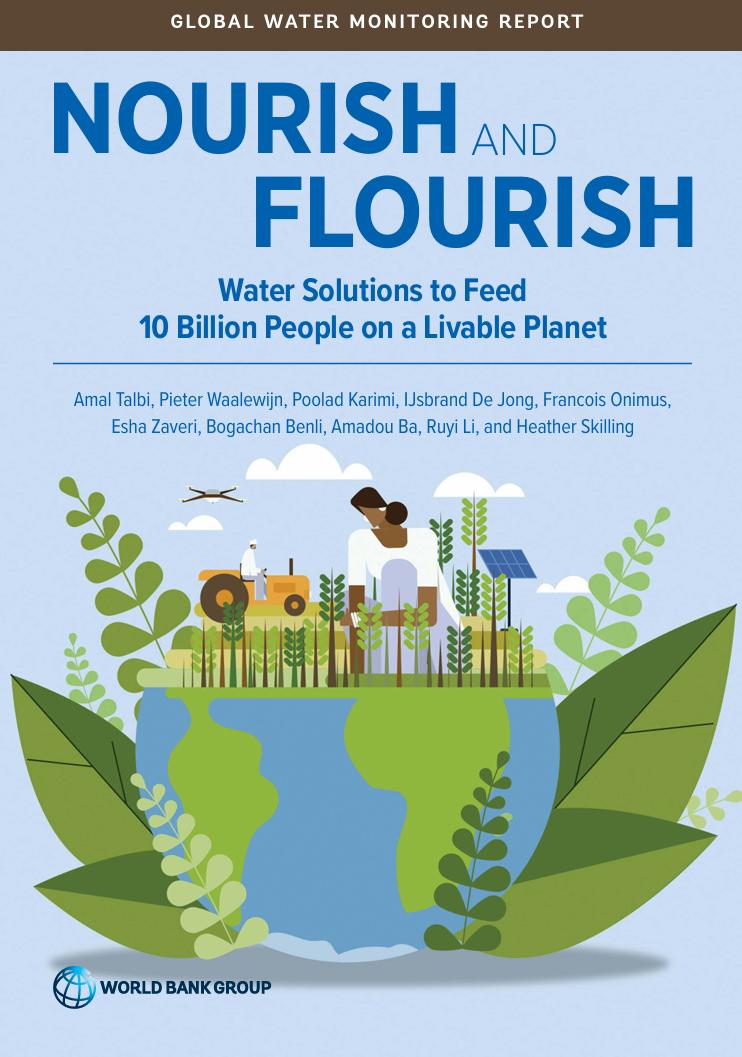
Nourish and flourish: Water solutions to feed 10 billion people on a livable planet
This World Bank report outlines transforming agricultural water management to feed 10 billion people sustainably. It introduces a water-food nexus framework, highlights inefficiencies in current systems, and emphasises data-driven, service-oriented irrigation and financing reforms to improve productivity, resilience, and environmental outcomes.
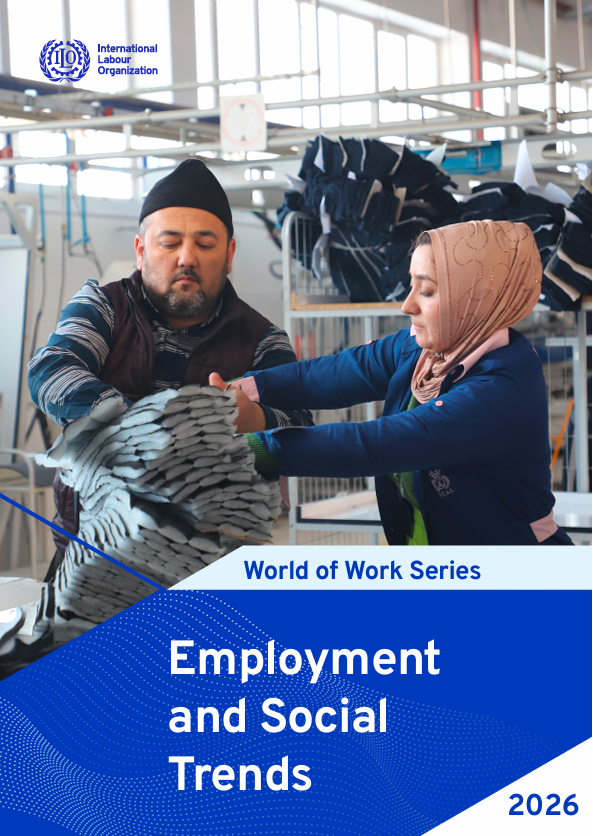
World of work series: Employment and social trends
Global labour markets remain resilient amid uncertainty, but decent work deficits persist. Informality, working poverty and gender gaps remain widespread, especially in low-income countries. Productivity growth is weak, and demographic shifts and AI add risks. Economic growth alone is insufficient to improve employment quality or social outcomes.
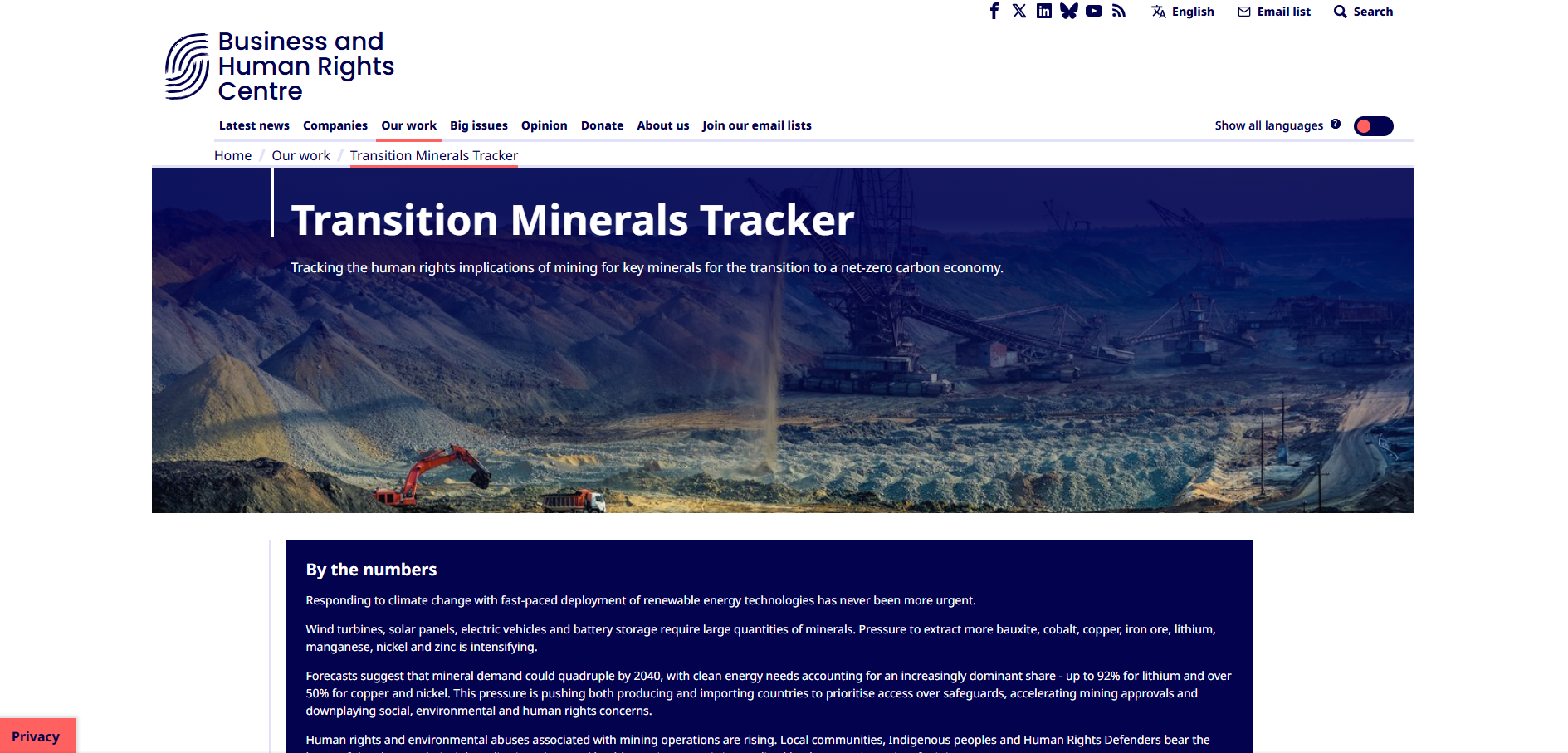
Transition Minerals Tracker
The Transition Minerals Tracker is an online database by the Business & Human Rights Resource Centre that tracks human rights risks linked to mining key minerals for the energy transition. It compiles company data, policies and allegations, enabling users to assess exposure to social and governance risks across global mining operations.
Mind the gap: An insurance climate vulnerability assessment
APRA assesses Australia’s home insurance protection gap under climate scenarios, finding affordability pressures may increase uninsured households from one in seven to one in four by 2050. Rising weather risks and economic factors drive premiums, widening financial system risks, particularly in regional areas, with implications for households, insurers and banks.

University of New South Wales (UNSW Sydney)
University of New South Wales (UNSW) is a leading Australian public research university based in Sydney, offering undergraduate and postgraduate degrees across disciplines including business, engineering and law. UNSW focuses on innovative research, sustainability and global partnerships, supporting industry engagement and delivering education that improves societal outcomes locally and internationally.


