
Library | ESG issues
Targets & Accountability
Targets and accountability are essential for ensuring organisations and governments follow through on commitments to sustainability, climate action, and social responsibility. Setting measurable and transparent targets such as net-zero goals, emissions reductions, diversity benchmarks, and human rights protections allows for tracking progress and holding entities accountable. Clear, data-driven targets strengthen stakeholder trust and help align financial and business strategies with long-term sustainability objectives.

Refine
354 results
REFINE
SHOW: 16



Survey of Aotearoa New Zealand investors: Climate policies and actions series
This benchmark series examines the climate-related investment policies and actions of institutional investors in Aotearoa New Zealand. It monitors progress in embedding climate risks into financial decision-making, target setting, and investment in climate solutions, providing transparency and accountability across the local investment sector.
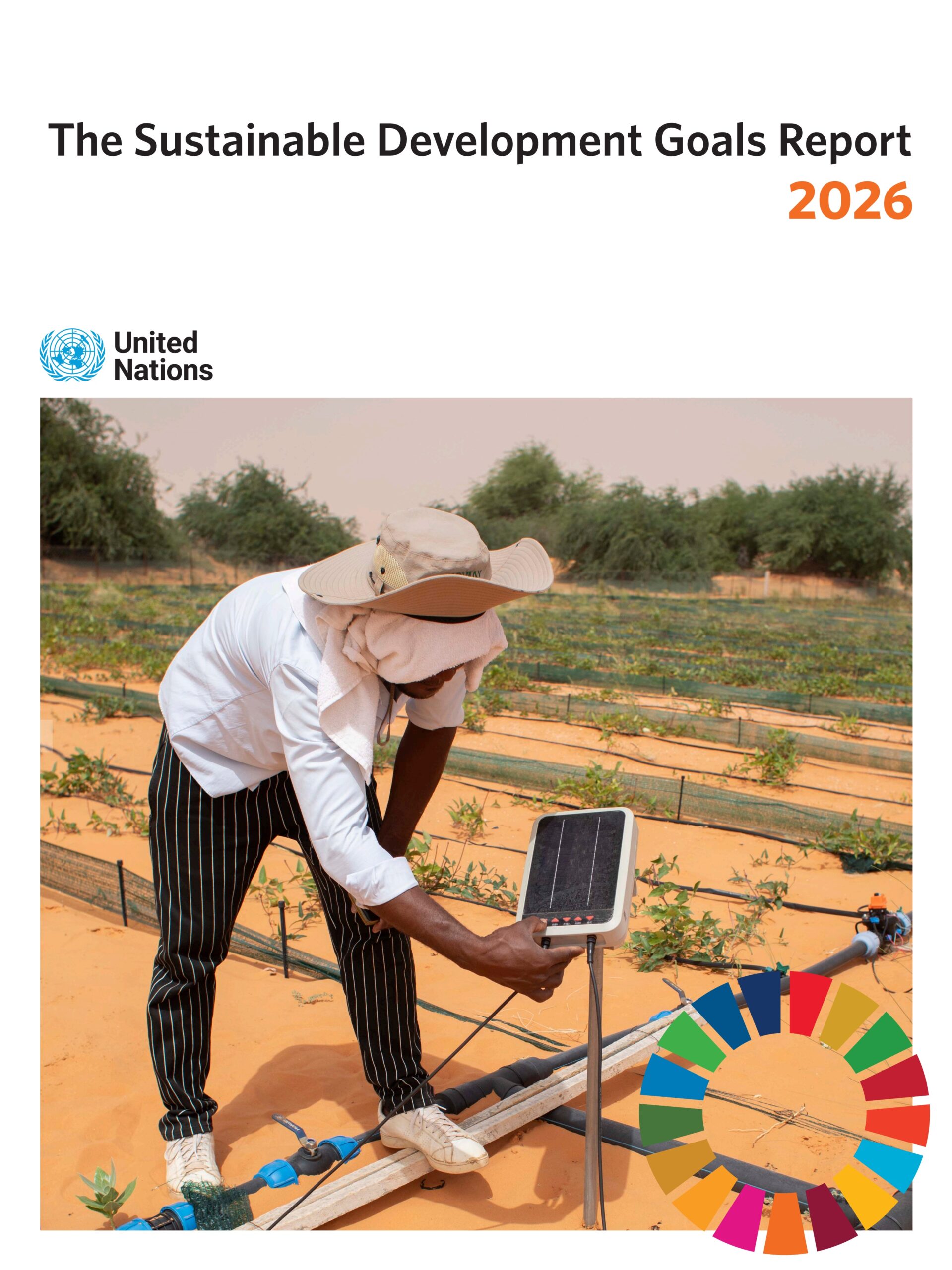
The Sustainable Development Goals Report 2026
This 2026 report evaluates global progress towards the Sustainable Development Goals. It reveals that only 36 per cent of targets are on track, with progress hindered by financing gaps and climate crises. The document also highlights the critical role of data and AI in future monitoring.
The GIIN Climate Solutions Investing Framework: A resource for asset owners to move from ambition to allocation
This research provides a framework for asset owners to evaluate climate mitigation investment strategies. It outlines foundational concepts and four criteria for selection: identifying climate theses, quantifying decarbonisation contributions, understanding prioritisation, and managing uncertainties. The resource aims to help investors transition from climate ambition to effective capital allocation.
Impact of an Enterprise Template 1.3
A structured Excel-based template from Impact Frontiers used to measure and report enterprise impact performance using the five dimensions of impact and the ABC classification system.
State of sustainable business 2026
This 2026 research identifies a shift toward a pragmatic era in corporate sustainability, dominated by regulatory compliance. Key findings reveal a disconnect between sustainability teams and executives, stagnant budgets, and a focus on direct operations. AI adoption is rising for reporting, though formal governance remains nascent.
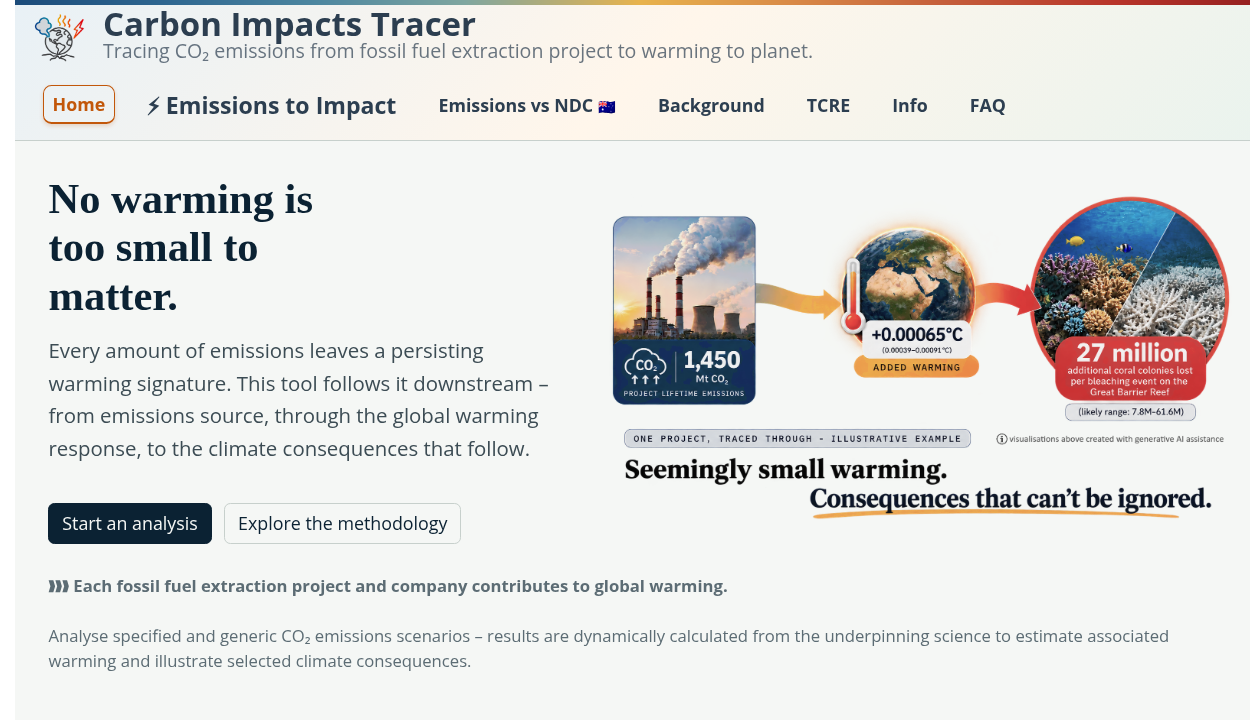
Carbon Impacts Tracer
The Carbon Impacts Tracer is a scientific tool that links CO2 emissions from specific fossil fuel projects and companies to global warming impacts. It enables users to quantify climate consequences such as heat stress, crop loss, and coral degradation.
The Omnibus I Directive and the EU sustainable finance trilemma: Sustainability, simplification and harmonization
This research analyses Directive (EU) 2026/470 (Omnibus I Directive), which simplifies the Corporate Sustainability Reporting Directive and Corporate Sustainability Due Diligence Directive. It examines how narrowing regulatory scope and removing substantive obligations impacts the balance between sustainability, simplification, and harmonisation within the European Union's financial framework.
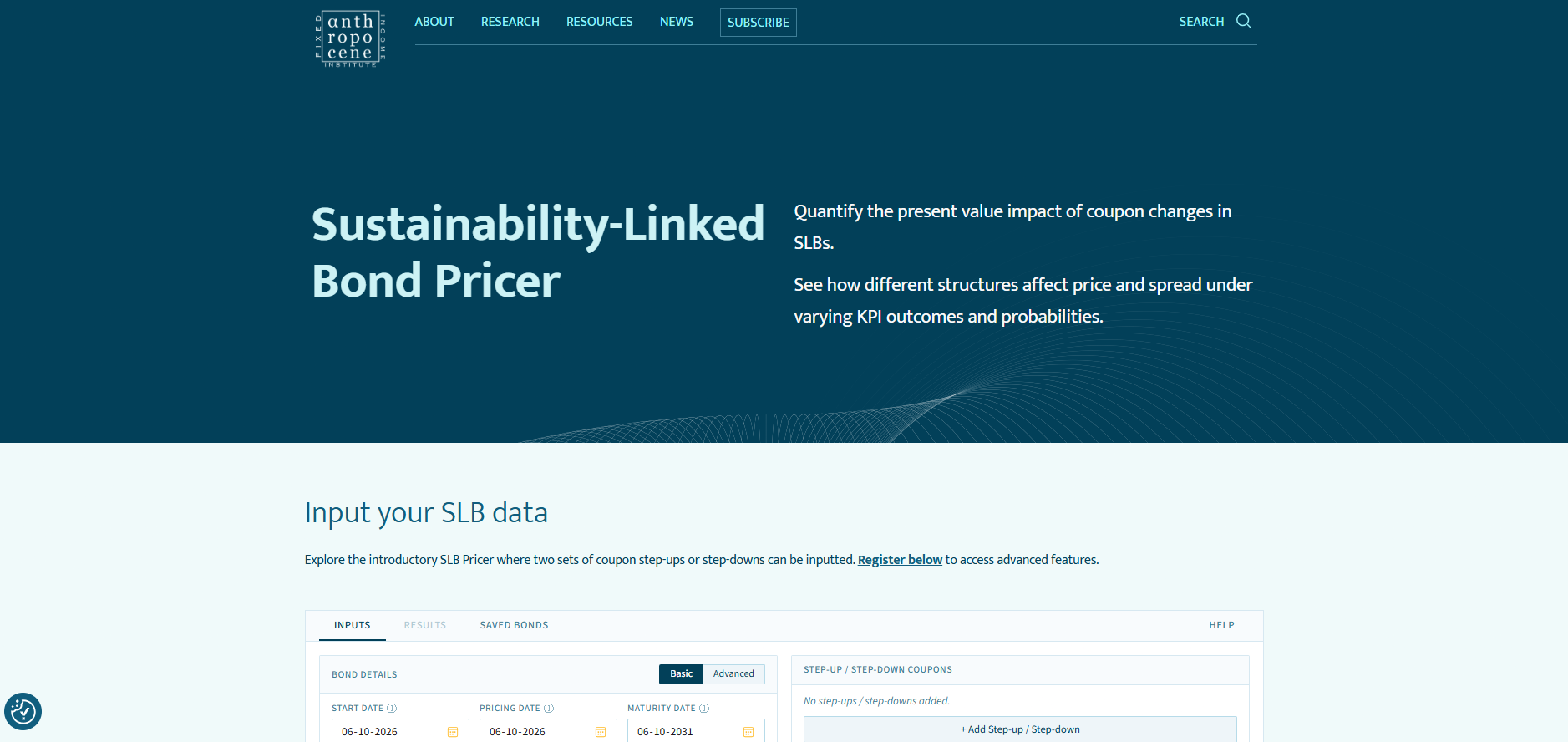
Sustainability-Linked Bond (SLB) Pricer
Developed by the Anthropocene Fixed Income Institute, the SLB Pricer helps investors value the embedded options and step-up features of Sustainability-Linked Bonds. It provides a quantitative framework to ensure bond structures remain robust and ambitious.
Governing climate credibility: Reviewing the governance of climate and sustainability standards
An independent review of governance across five leading climate standard-setters: GHGP, GRI, ISO, ISSB, and SBTi. The report evaluates structures, finance, and independence, identifying strengths and transparency gaps. It offers recommendations to enhance accountability, resource governance effectively, and ensure long-term credibility for net zero objectives.
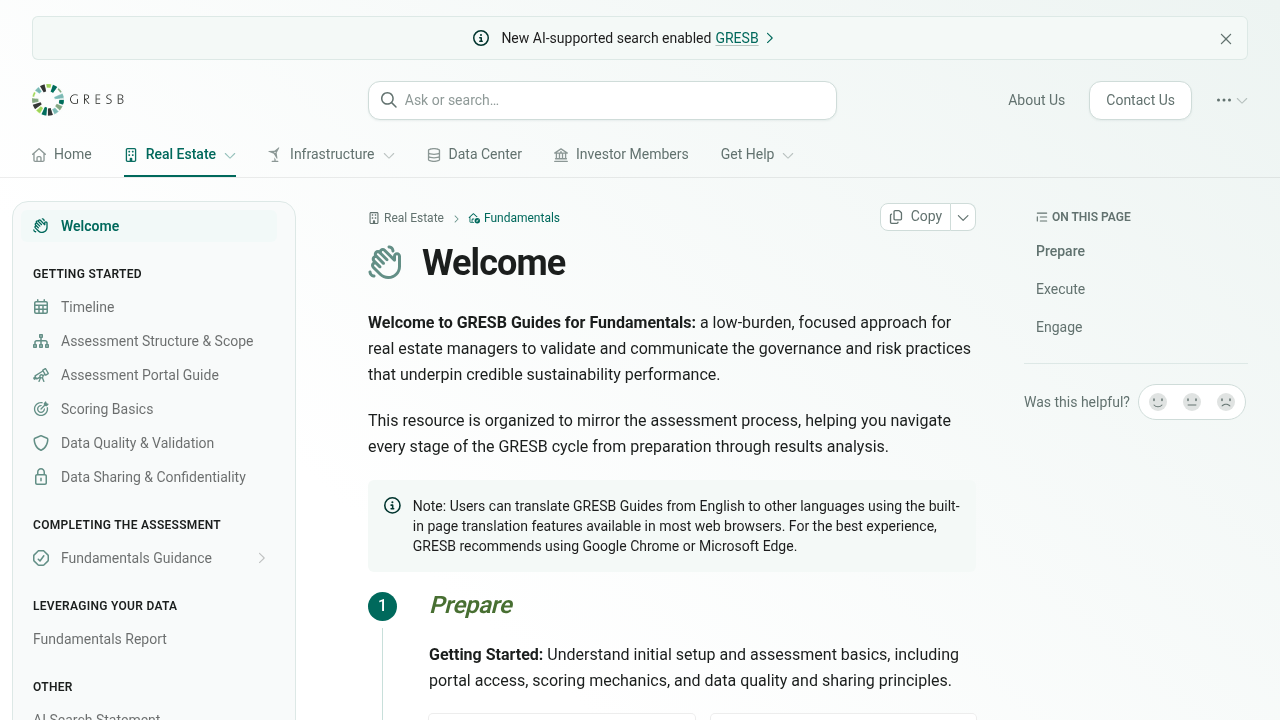
GRESB Guides
GRESB Guides is a comprehensive documentation hub providing methodology, reference manuals, and scoring documents for GRESB’s global ESG benchmarks in real estate and infrastructure. It helps finance professionals navigate reporting requirements and interpret sustainability performance data.
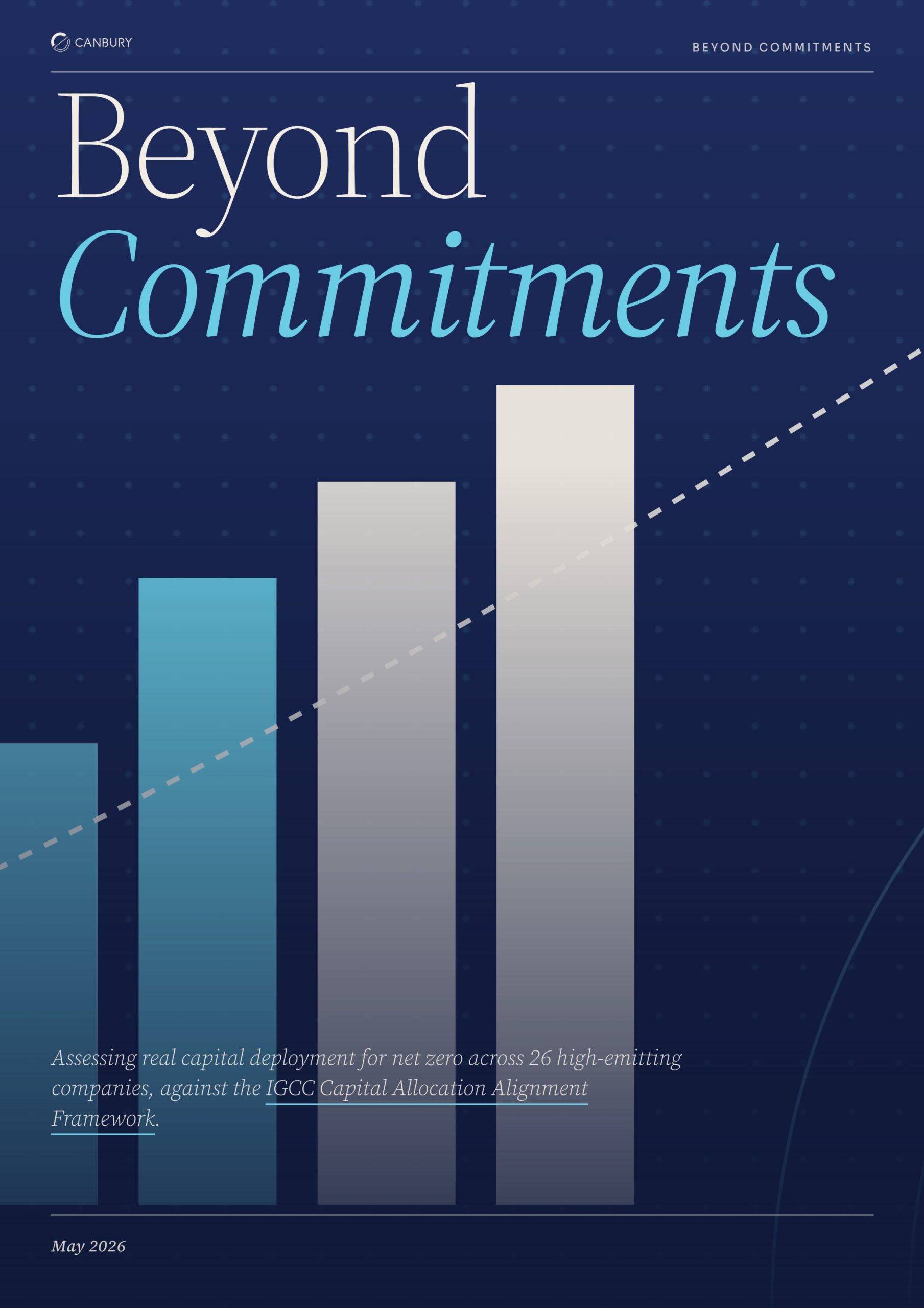
Beyond commitments: Assessing real capital deployment for net zero across 26 high-emitting companies, against the IGCC Capital Allocation Alignment Framework
This research assesses capital allocation alignment with net-zero commitments across 26 high-emitting companies using the IGCC Framework. It finds that while climate strategies are strong, capital sourcing and fossil fuel phase-down plans lag. European companies lead in performance, while the Americas and oil and gas sectors trail significantly.
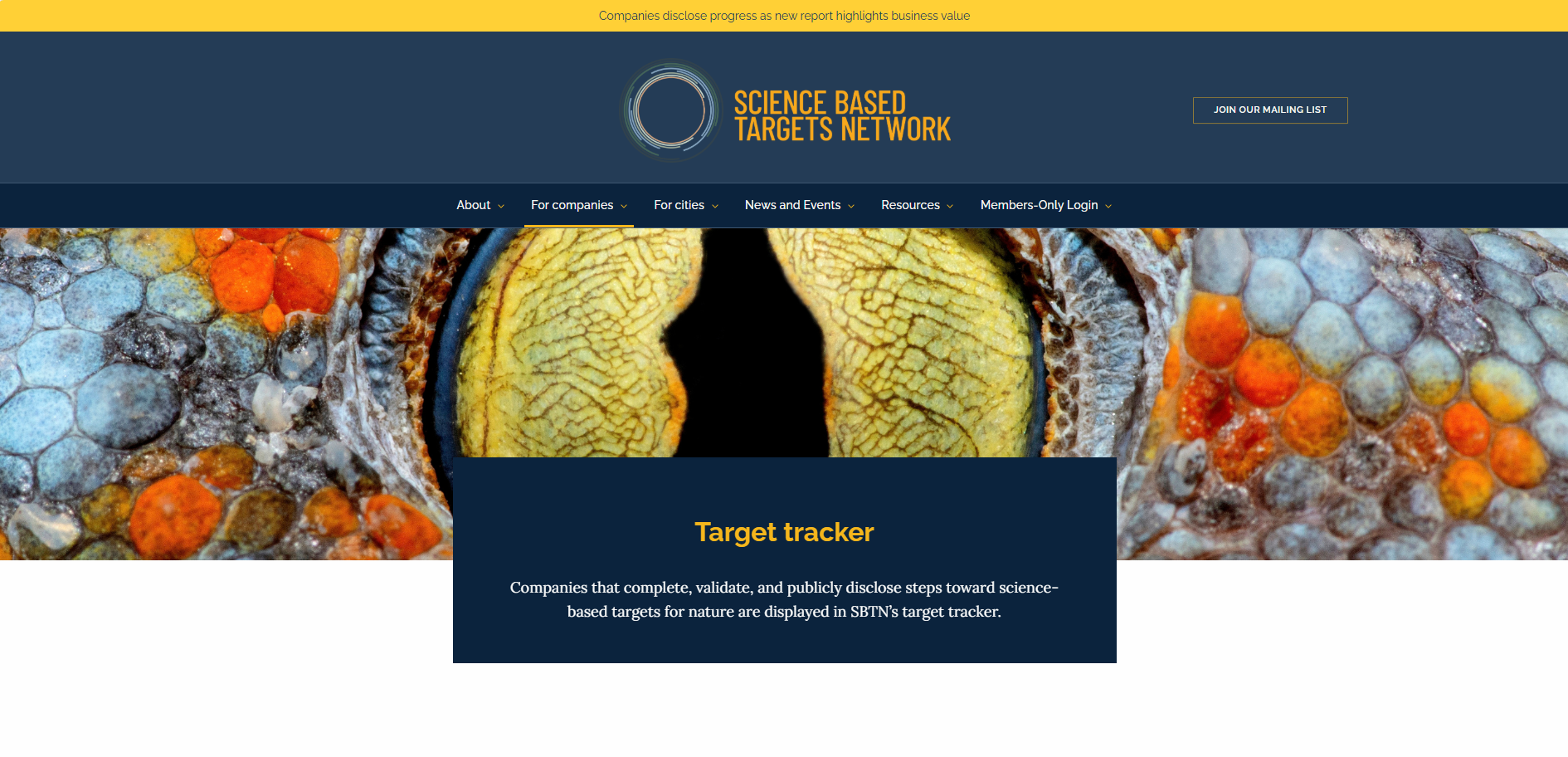
Science Based Targets Network Target Tracker
The SBTN Target Tracker is a public database that monitors companies setting science-based targets for nature. It provides finance professionals with verified data to assess corporate progress on land, water, and biodiversity goals.
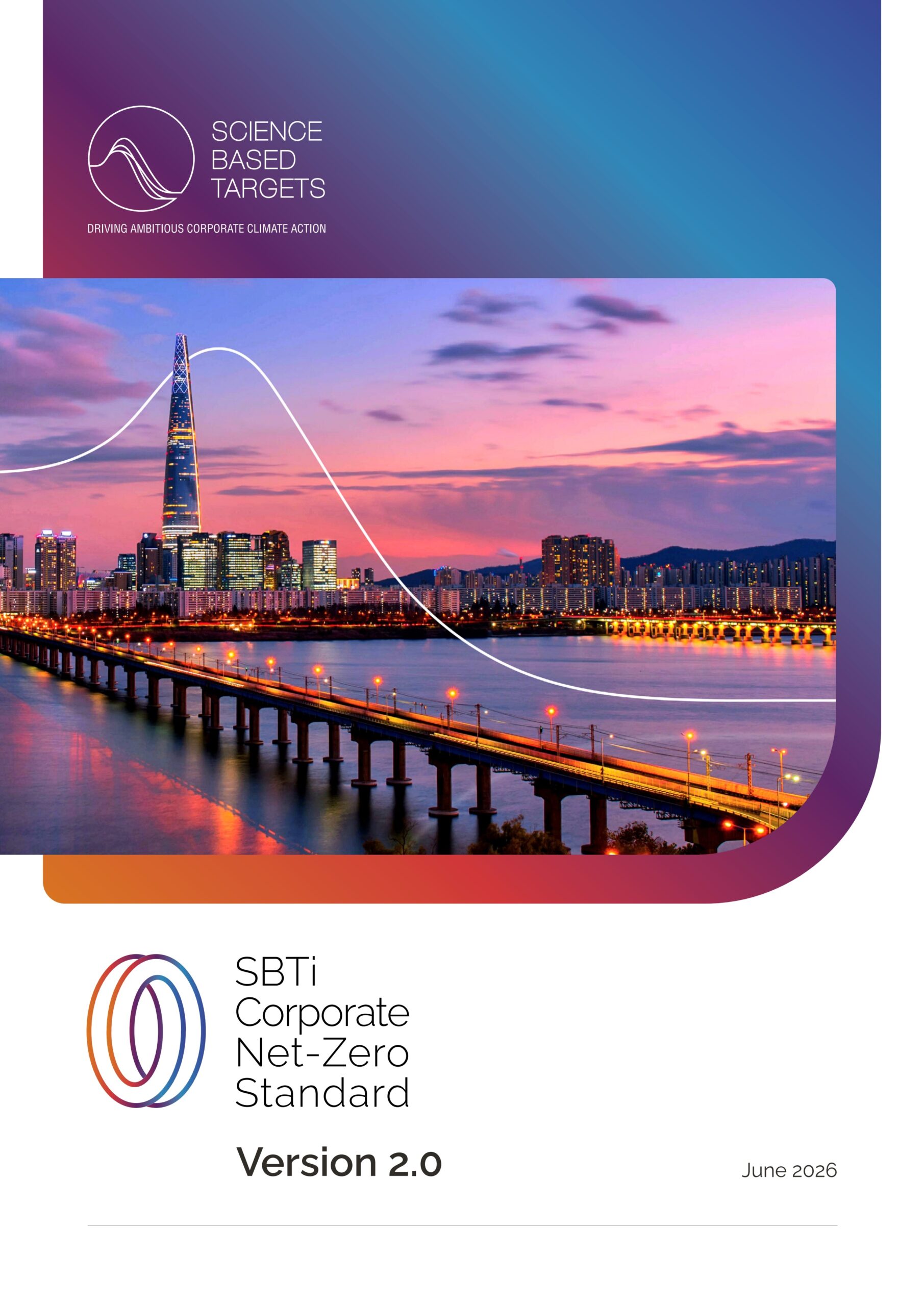
SBTi Corporate Net-Zero Standard version 2.0
The SBTi Corporate Net-Zero Standard Version 2.0 provides a framework for science-based target setting and implementation. It introduces an implementation hierarchy, transition planning requirements, and a voluntary Ongoing Emissions Responsibility programme. The standard focuses on context-specific targets and best-efforts delivery to reach net-zero by 2050.
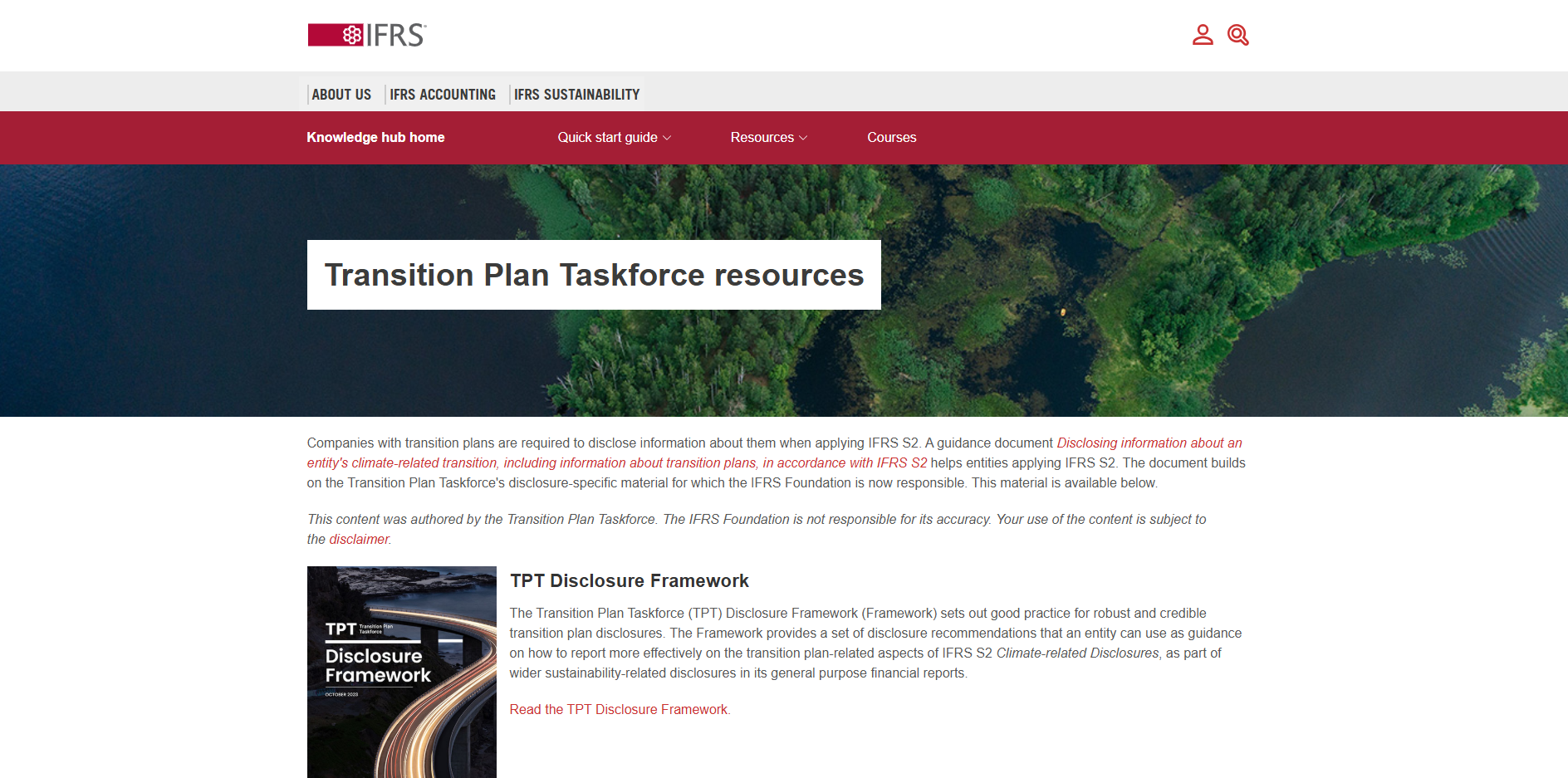
Transition Plan Taskforce Resources
A suite of guidance materials, including the TPT Disclosure Framework and sector-specific guides, designed to help organisations create and disclose robust climate transition plans in alignment with IFRS S2.
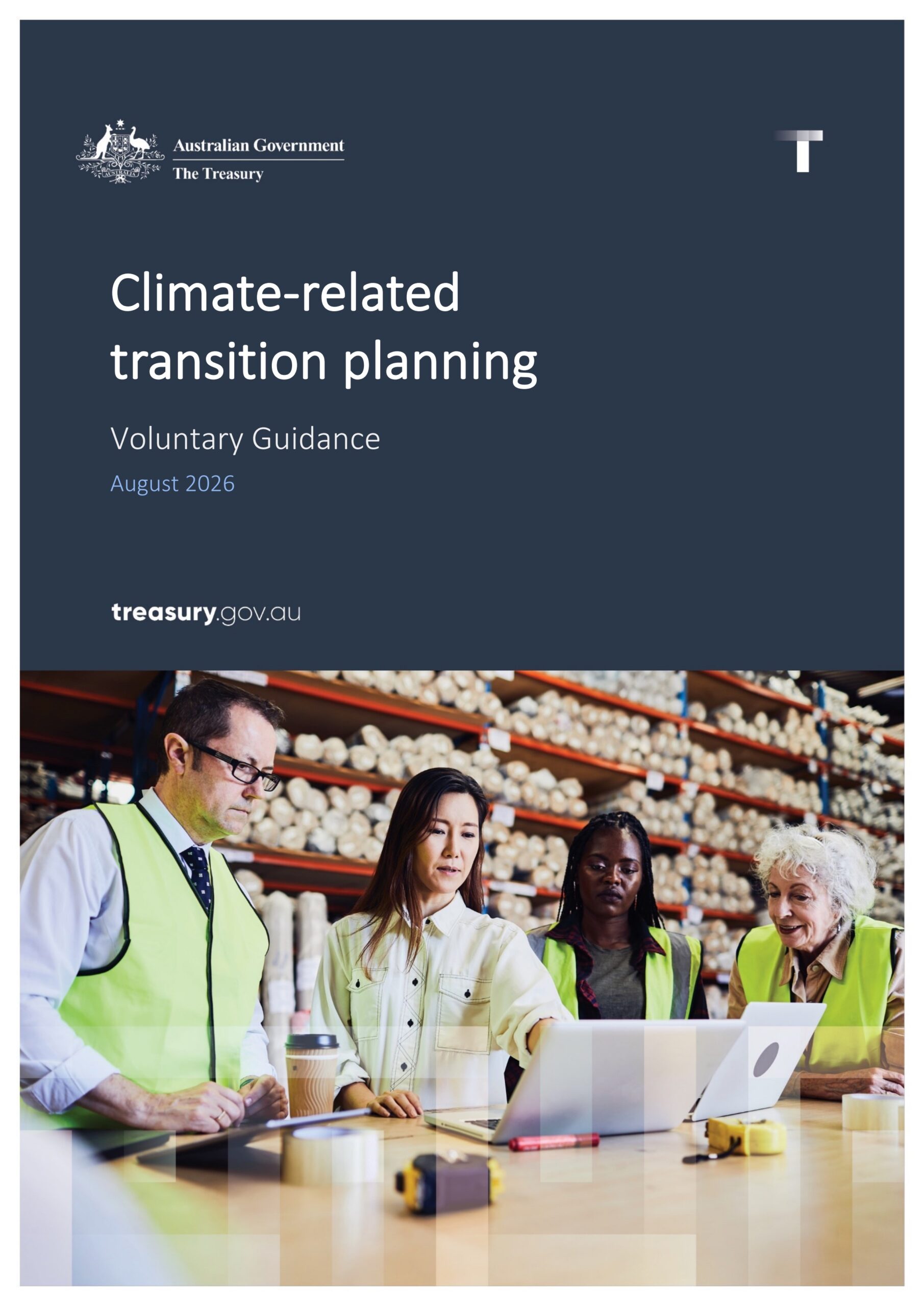
Climate-related transition planning: Voluntary guidance
This voluntary guidance from the Australian Treasury helps organisations develop climate-related transition plans. It details a four-stage process—assessing position, setting ambitions, planning actions, and implementation—to manage risks and align with Australia’s net zero targets, building on international standards and domestic policy to enhance business resilience.
BSI Net Zero Barometer Report Series
This benchmark series examines the UK business landscape's transition to net zero. It tracks commitment levels, drivers, and barriers among senior decision-makers. The research explores how organisations are reframing sustainability as a commercial necessity and highlights the demand for government support, financial incentives, and standardised guidance to achieve 2050 targets.


