
Library | SDGs
GOAL 01: No Poverty
Refine
89 results
REFINE
SHOW: 16


More critical than ever: Strengthening growth and resilience through the multilateral development banks
This report examines the critical role of Multilateral Development Banks in driving growth and resilience. It highlights challenges from declining official aid and geopolitical fragmentation, while proposing reforms to scale financing, accelerate project delivery, and target concessional resources toward the world’s poorest and most vulnerable nations.
Poverty in Scotland 2026
This report analyses poverty in Scotland, revealing that 17% of people live in poverty. It highlights missed reduction targets, particularly for children, and argues for radical local government reform. The research emphasises the need for stable funding and improved public communication to effectively address deepening economic hardship.
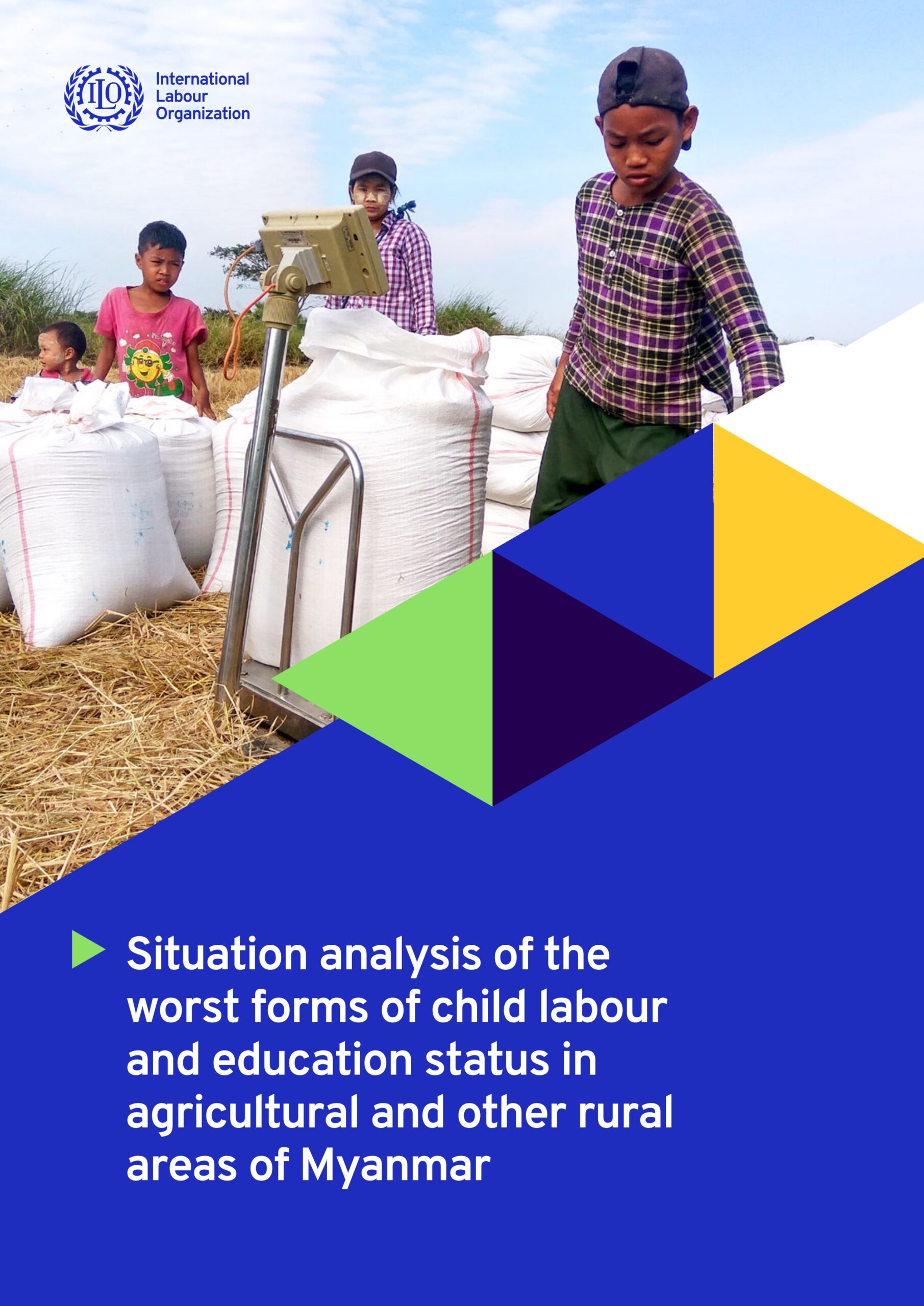
Situation analysis of the worst forms of child labour and education status in agricultural and other rural areas of Myanmar
This report examines child labour and education in rural Myanmar. It highlights how poverty, conflict, and natural disasters, including a 2025 earthquake, drive child labour. It provides strategic recommendations for the ARISE project to improve education access, strengthen livelihoods, and eliminate hazardous work for children.
Upgrading financial markets
This field experiment in rural Sierra Leone evaluates upgrading Village Savings and Loan Associations into digital financial service agents. While infrastructure expands access, introducing consumer feedback mechanisms significantly improves service quality, transaction usage, and household shock mitigation. Results demonstrate that accountability is essential for developing functional, scalable financial markets.
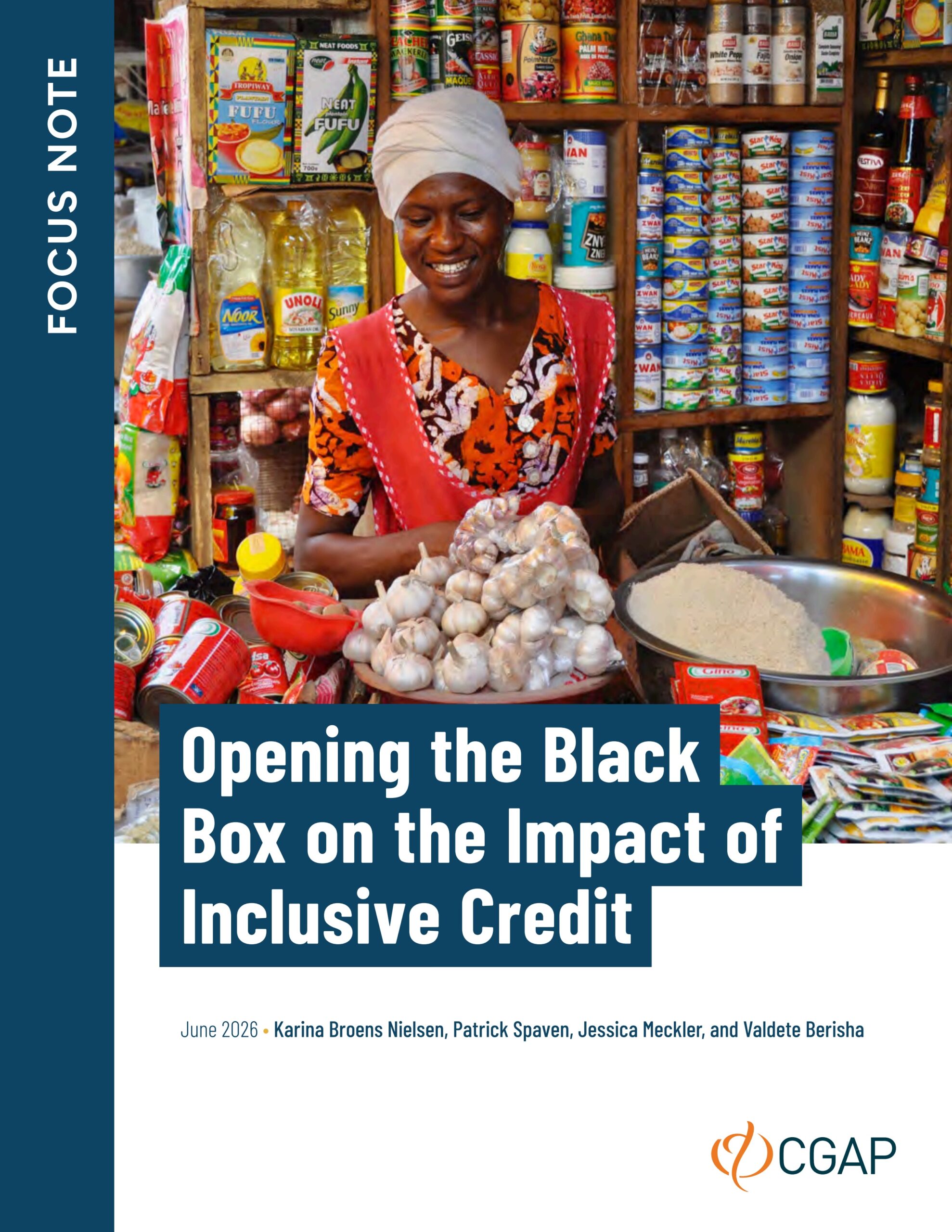
Opening the black box on the impact of inclusive credit
This report examines inclusive credit's impact using a five-factor framework: who, how, what for, where, and when. Drawing on 405 studies and machine learning analysis, it advocates for "precision credit"—matching product design to borrower circumstances—to move beyond average effects and ensure meaningful developmental outcomes in emerging markets.
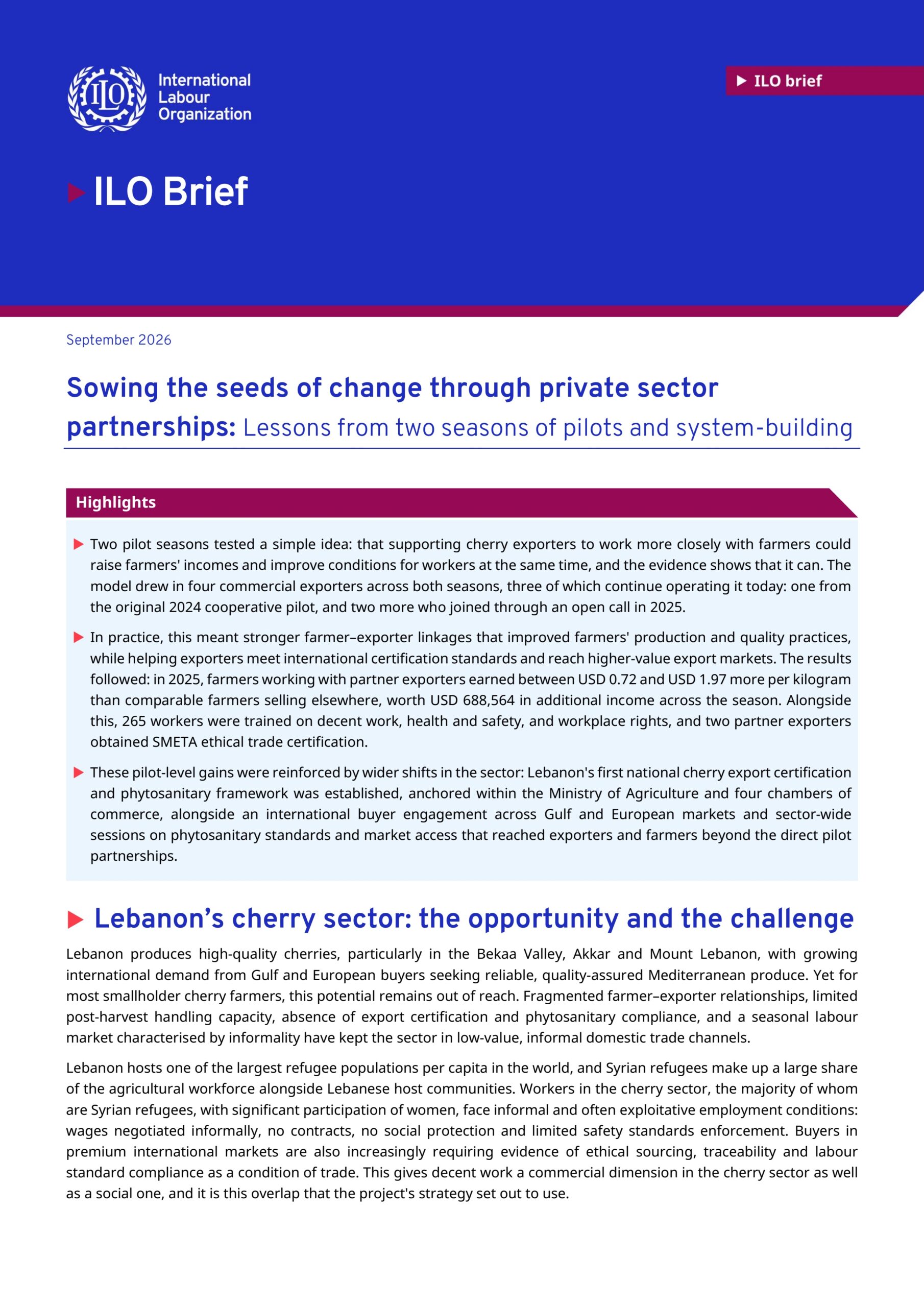
Sowing the seeds of change through private sector partnerships: Lessons from two seasons of pilots and system-building
This ILO report evaluates the BOUZOUR project's efforts to strengthen Lebanon’s cherry sector through private sector partnerships. By establishing a national phytosanitary framework and improving exporter-farmer linkages, the initiative increased farmer incomes by USD 688,564 in 2025, enhanced worker conditions, and expanded access to high-value international markets.

Hidden in plain sight: Unlocking actionable insights in client data
CGAP introduces Precision Causal Modelling to help financial providers identify which product configurations work for specific client segments. Piloted across five institutions, the methodology revealed delivery gaps of 32 to 84 percentage points. Key findings highlight the importance of right-sizing loans and monitoring delinquency trajectories to improve client outcomes.
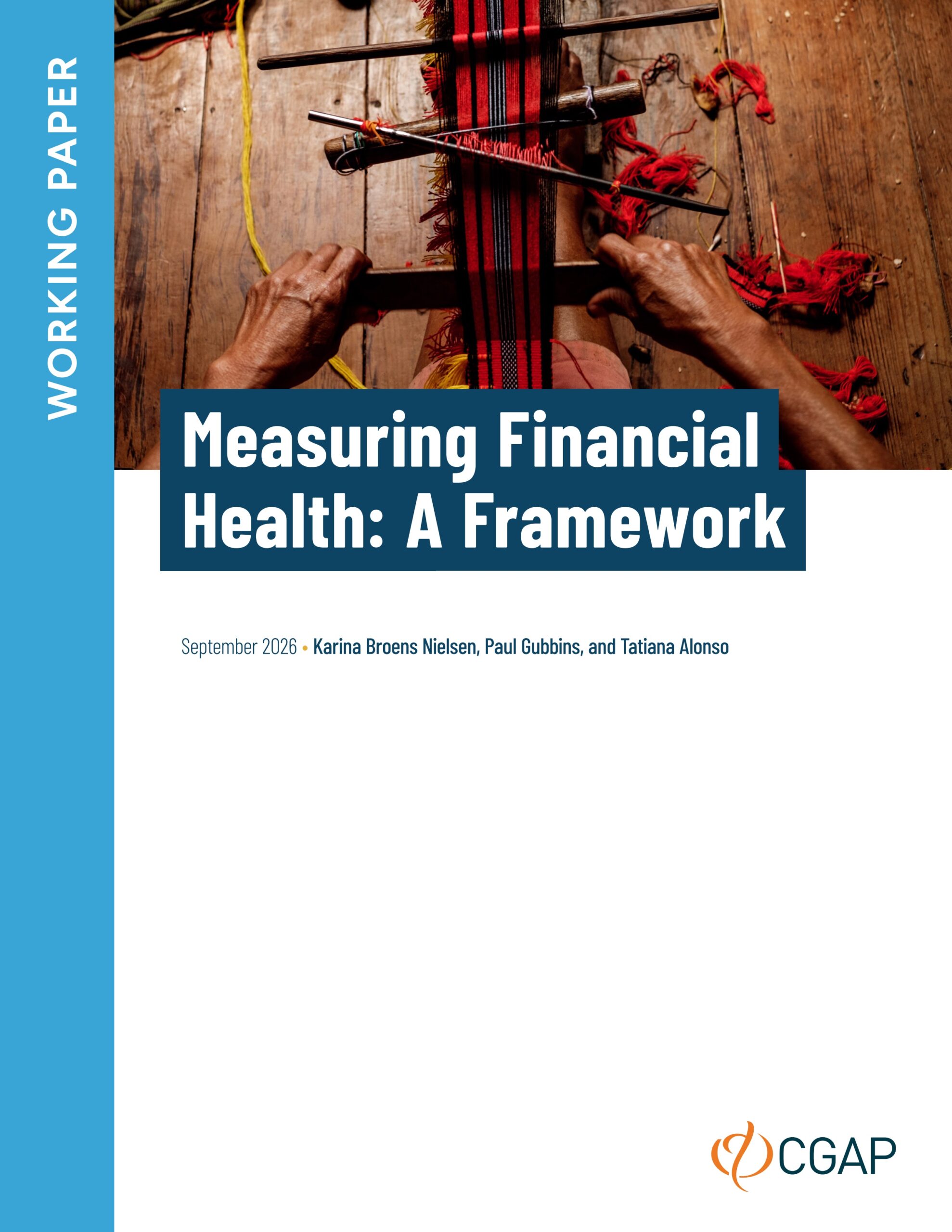
Measuring financial health: A framework
This working paper introduces a multidimensional framework for measuring financial health, grounded in 70 global initiatives. It translates G20/GPFI definitions into 17 indicators across six constructs, providing financial sector authorities with practical tools for diagnostic, evaluative, and early warning analysis using administrative and survey data.
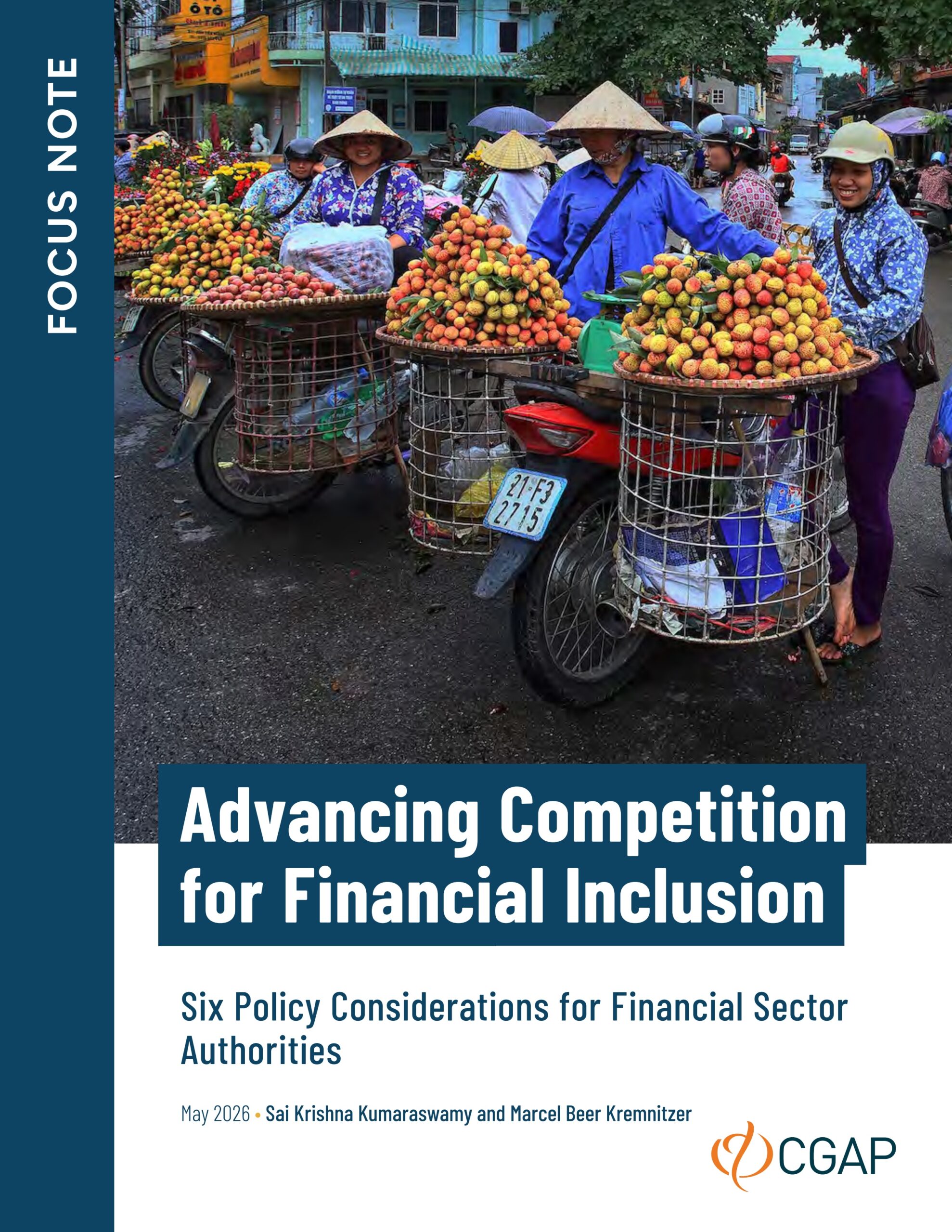
Advancing competition for financial inclusion: Six policy considerations for financial sector authorities
This report provides six policy considerations for financial sector authorities to promote competition and advance financial inclusion. Drawing on eight country case studies, it explains how regulators can use existing mandates, coordinate across sectors, and leverage infrastructure design to address market concentration and support digital financial innovation.
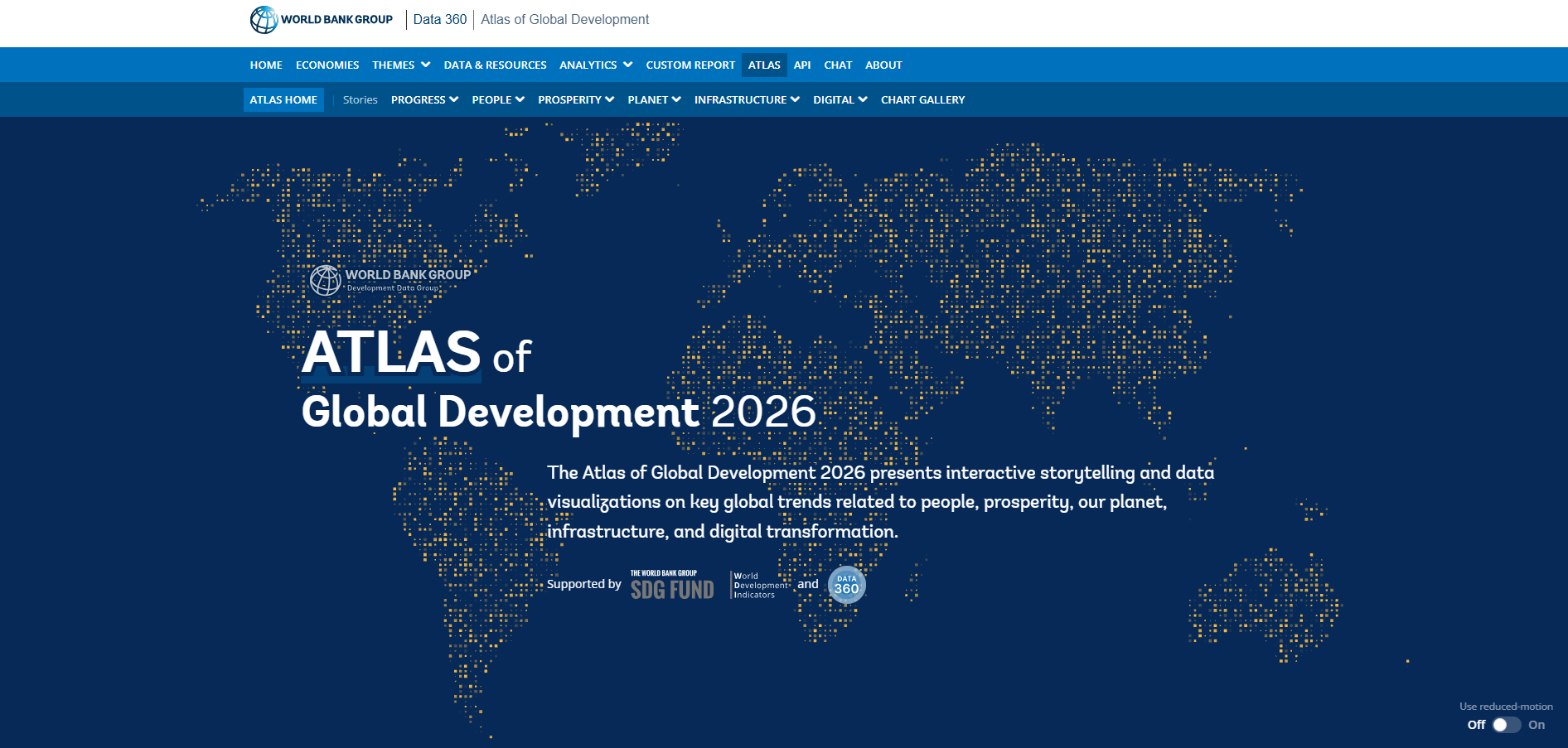
Atlas of Global Development 2026
An interactive data platform from the World Bank tracking 75 years of global progress across people, prosperity, planet, infrastructure, and digital themes.
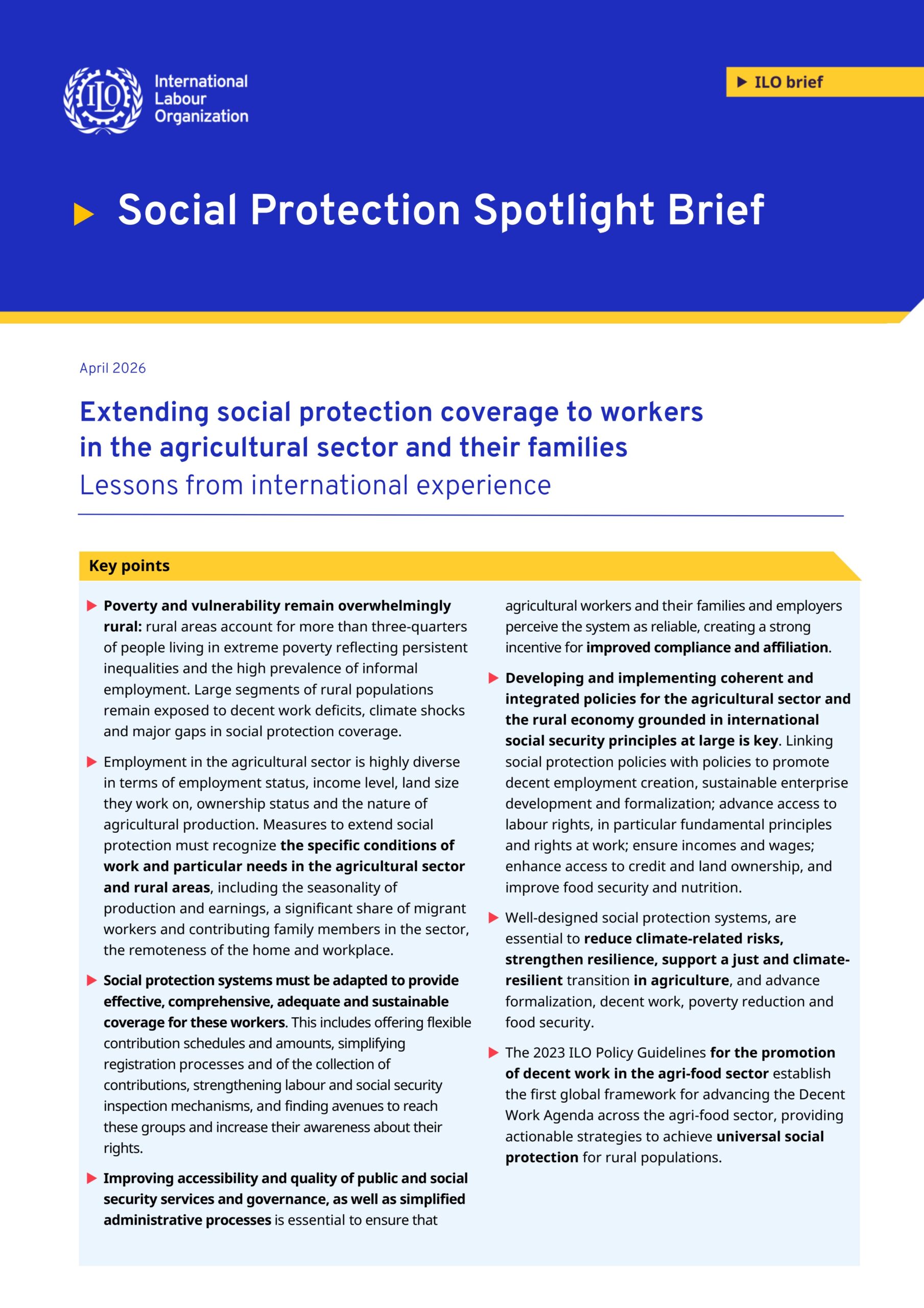
Extending social protection coverage to workers in the agricultural sector and their families: Lessons from international experience
Report examines extending social protection to agricultural workers. Highlighting that rural areas account for more than three-quarters of the extreme poor, it identifies barriers like legal exclusion and informal employment. It presents international solutions, including flexible contribution schedules and mobile service delivery, to achieve universal coverage for rural populations.
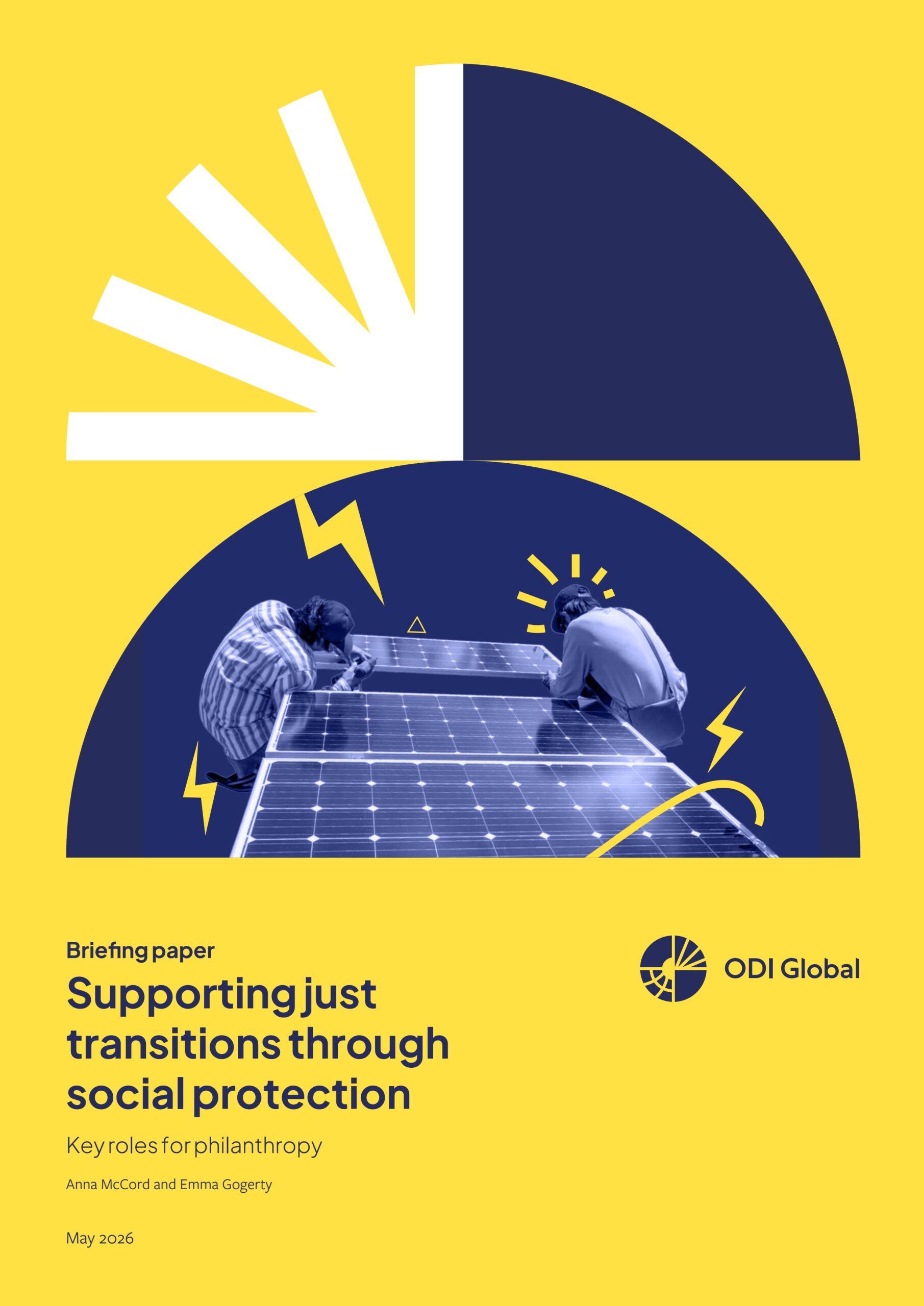
Supporting just transitions through social protection: Key roles for philanthropy
This briefing paper explores how philanthropy can support just transitions to net zero through social protection. It examines the socio-economic risks of decarbonisation, identifies systemic coverage gaps, and highlights catalytic roles for philanthropic capital in capacity building, research, and policy alignment to ensure an inclusive transition.
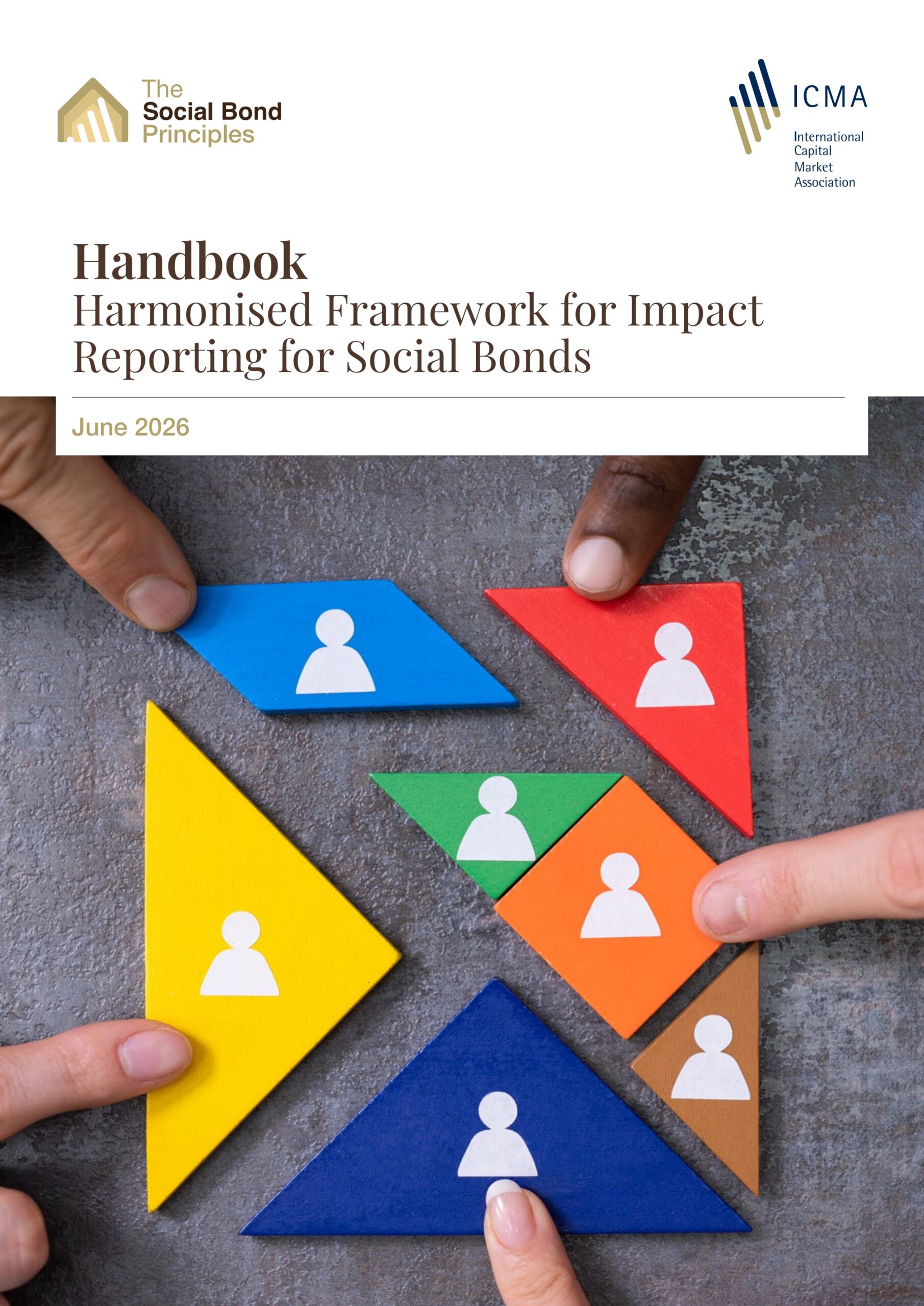
Handbook: Harmonised framework for impact reporting for social bonds
This handbook provides a harmonised framework for impact reporting on social bonds. It outlines core principles, recommendations, and sector-specific metrics for categories including affordable housing, essential services, and basic infrastructure. The document aims to enhance transparency and integrity in the social bond market through standardised reporting practices.
Profits and social impacts: Complements vs. tradeoffs for lenders in three countries
This research examines the tradeoff between lender profits and social impact using machine learning across three countries. It demonstrates that algorithmic targeting significantly boosts profit margins in South Africa and the Philippines but may reduce financial inclusion for women and low-income borrowers unless balanced strategies are implemented.
Global report on food crises series
The Global Report on Food Crises is an annual benchmark series tracking acute food insecurity, malnutrition and forced displacement in countries facing food crises. Produced by FAO, WFP and the Global Network Against Food Crises, it delivers consensus-based, multi-agency analysis to guide humanitarian and development decision-making globally.
Interest rate caps, competition, and strategic borrowing: Evidence from Kenya
This paper examines Kenya's 2016 interest rate regulation, which capped bank lending rates but exempted the digital platform M-Shwari. Using borrower-level administrative data and a structural model, the authors find that the M-Shwari carve-out preserved credit access for high-risk borrowers, while a uniform cap would have eliminated it entirely.


