
Library | SDGs
GOAL 01: No Poverty
Refine
85 results
REFINE
SHOW: 16


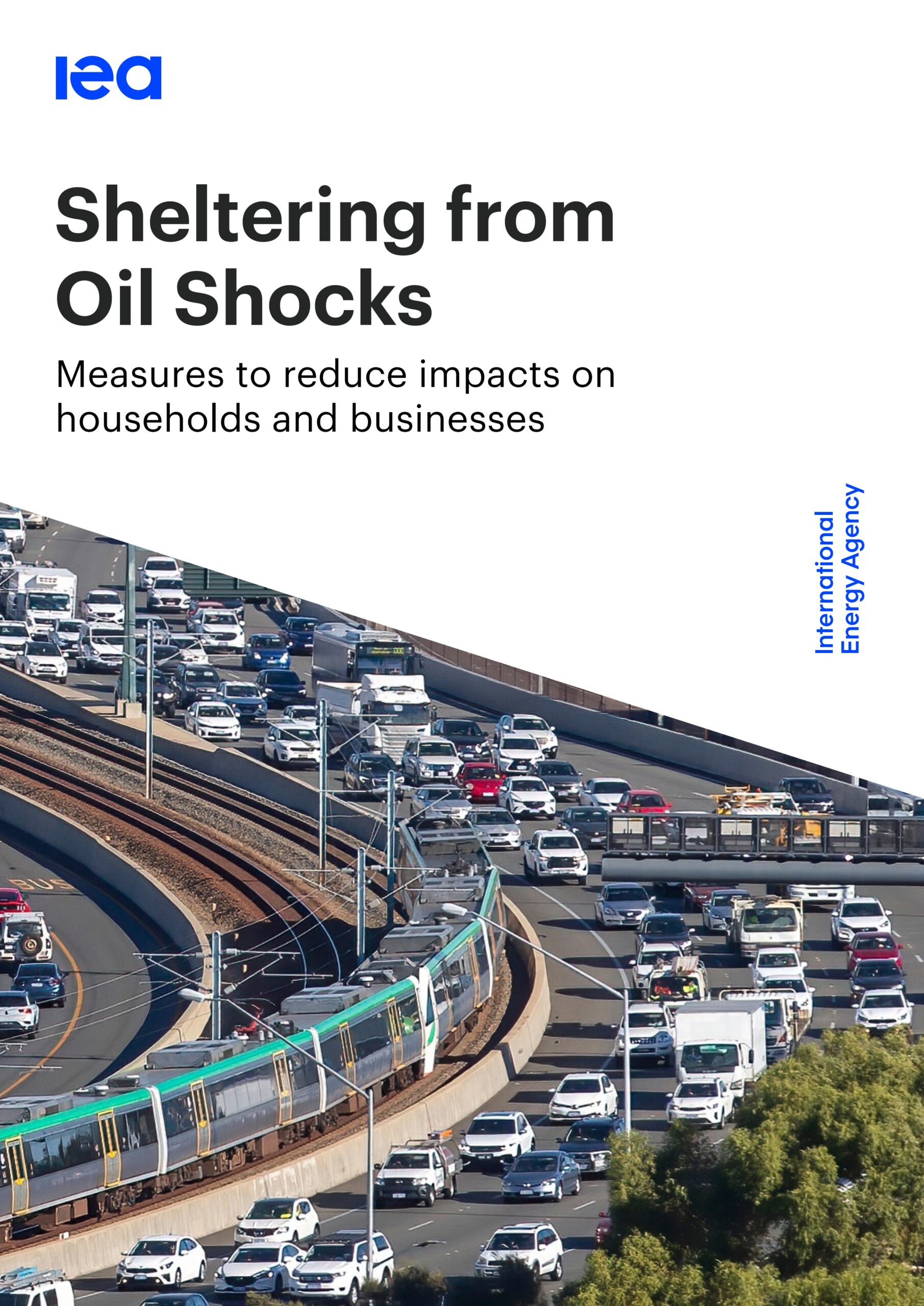
Sheltering from oil shocks: Measures to reduce impacts on households and businesses
This International Energy Agency report outlines measures to reduce the impact of oil supply disruptions on households and businesses. It details short-term and structural strategies across road and air transport, industry, and cooking fuels to lower demand and shield vulnerable consumers from rising energy costs.
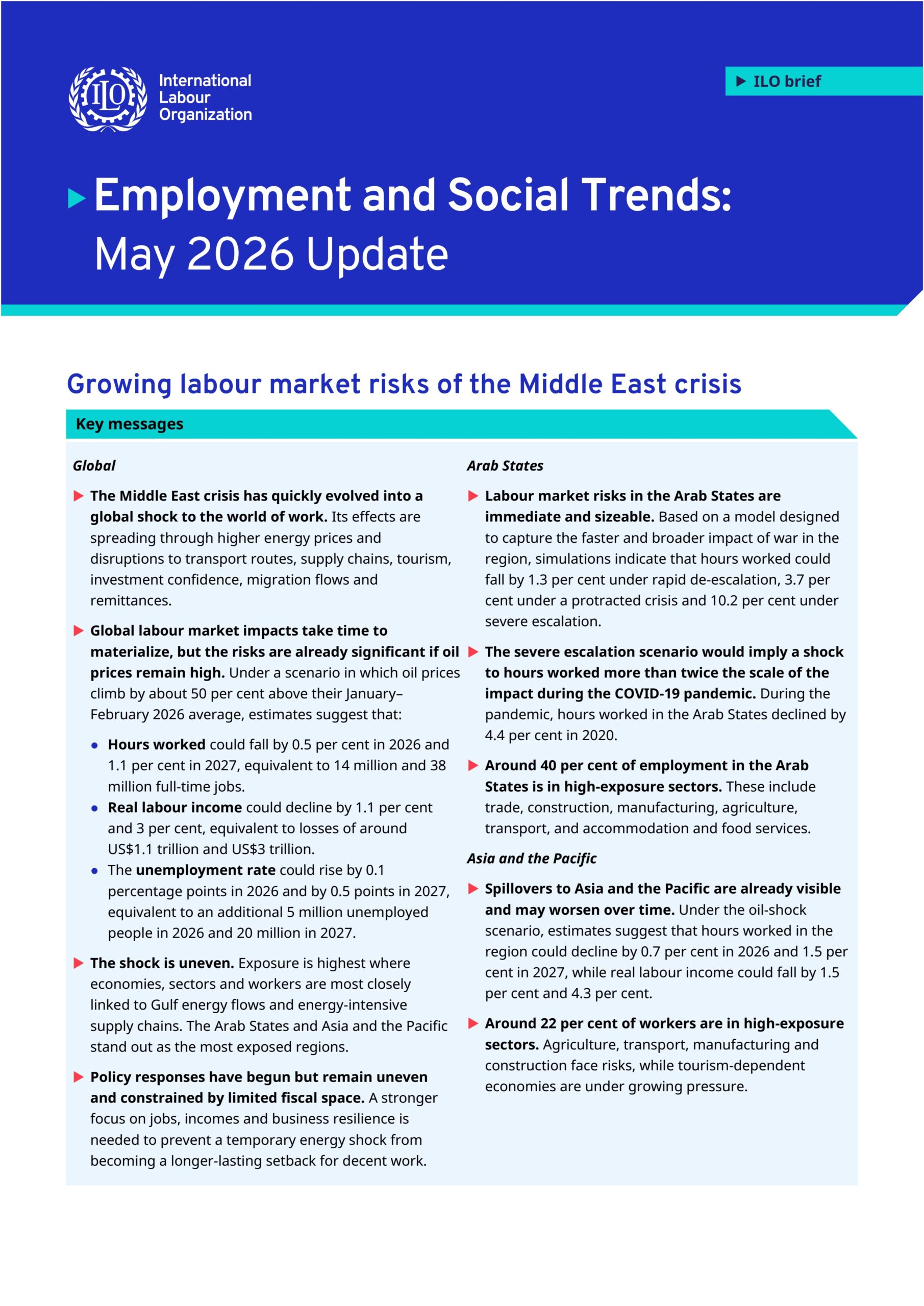
Employment and social trends: May 2026 update: Growing labour market risks of the Middle East crisis
This report analyses the global labour market risks of the Middle East crisis. It estimates significant potential declines in working hours and real labour incomes, highlighting heightened vulnerabilities in the Arab States and the Asia-Pacific region due to disrupted energy markets, supply chains, and transport routes.
Digitalisation and innovation: Opportunities and risks for financial health
This report examines the impact of digital innovation on financial health. It outlines opportunities in payments, credit, savings, and insurance, whilst highlighting emerging risks such as fraud, overindebtedness, and ill-suited investments. The authors propose policy responses to enhance regulatory frameworks and promote responsible digitalisation in financial services.
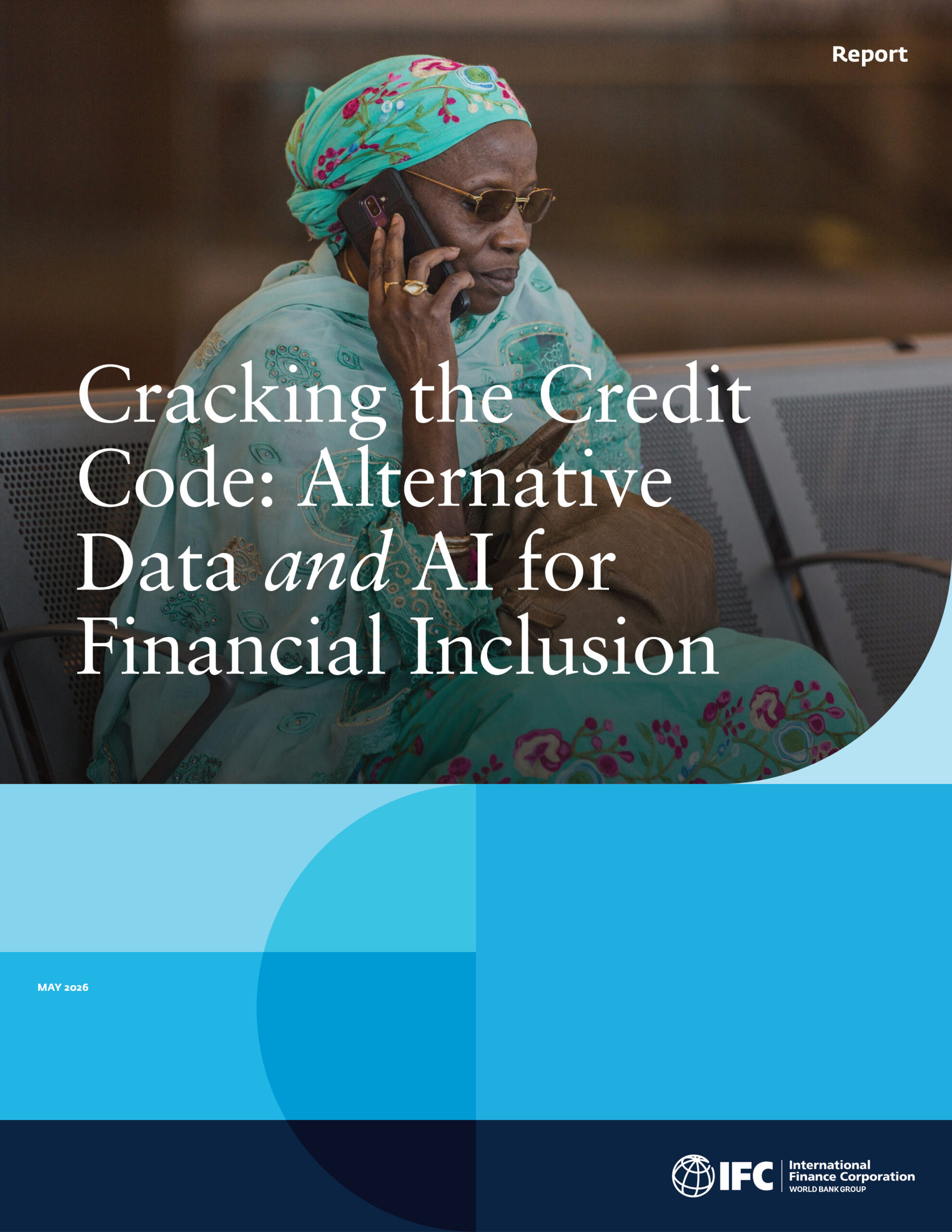
Cracking the credit code: Alternative data and AI for financial inclusion
This report explores how alternative data and artificial intelligence are redefining credit scoring to enhance financial inclusion for women and underserved borrowers. It analyses market trends, evaluates the risks of algorithmic bias, and provides actionable recommendations to scale responsible, inclusive credit access across emerging markets.
Pipe dreams: How oil and gas fail to deliver economic development in Africa
This 2026 report analyses the economic impact of oil and gas extraction across 13 African nations. Finding that fossil fuels exacerbate poverty, vulnerability, and corruption rather than delivering sustained growth, it advocates for a rapid, just transition to decentralised renewable energy to ensure future economic stability and development.
Closing the rural Credit divide: Pathways to increase PRONAF access for smallholders
This report analyses regional disparities in Brazilian smallholders' access to the PRONAF credit programme. Expanding technical assistance and co-operative membership are critical complementary policies to improve financial inclusion and climate resilience.
How poverty fell
Global extreme poverty fell mainly within cohorts, with substantial household churn and varied exit pathways. Sector shifts, migration, occupation changes and women’s labour force participation contributed unevenly; most households exited poverty without these changes.

Joseph Rowntree Foundation (JRF)
Joseph Rowntree Foundation (JRF) is a UK-based social change charity focused on tackling poverty and inequality. Through research, policy analysis and collaboration, JRF produces evidence, reports and data on housing, work, social security and living standards to inform policy and drive action towards a UK without poverty.
UN SDG Portal
The United Nations SDGs platform (sdgs.un.org) is an online hub for the 2030 Agenda and 17 Sustainable Development Goals, offering goals, targets, indicators, events, publications and global actions to track and support SDG implementation. It also includes registries of voluntary commitments and multi-stakeholder partnerships.
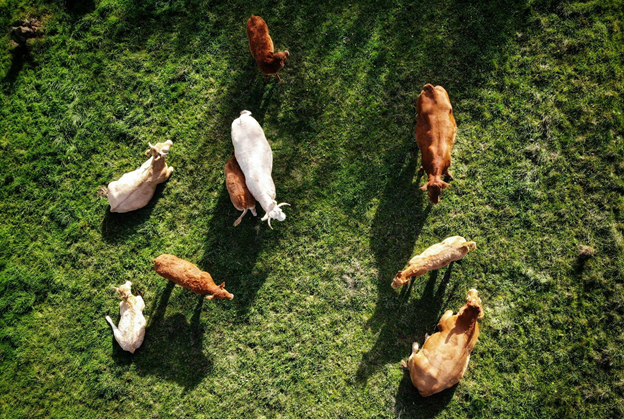
The Other Half of the Transition: Why Livestock Deserves as Much Attention as Energy
This article highlights the major climate impact of livestock and explains why the absence of clear roadmaps, metrics, and financing strategies has left the sector far behind the energy transition. It proposes policy reforms, mitigation hierarchies, and justice-centered pathways to unlock effective and equitable change.
Financing Africa's low carbon green economy transition: Africa's climate finance needs
This report outlines how African states must spend at least US$2.5tn by 2030 to meet climate commitments. It shows that emission reduction makes up close to 80% of spending, with plans for adaptation to climate change costed at US$418 billion.
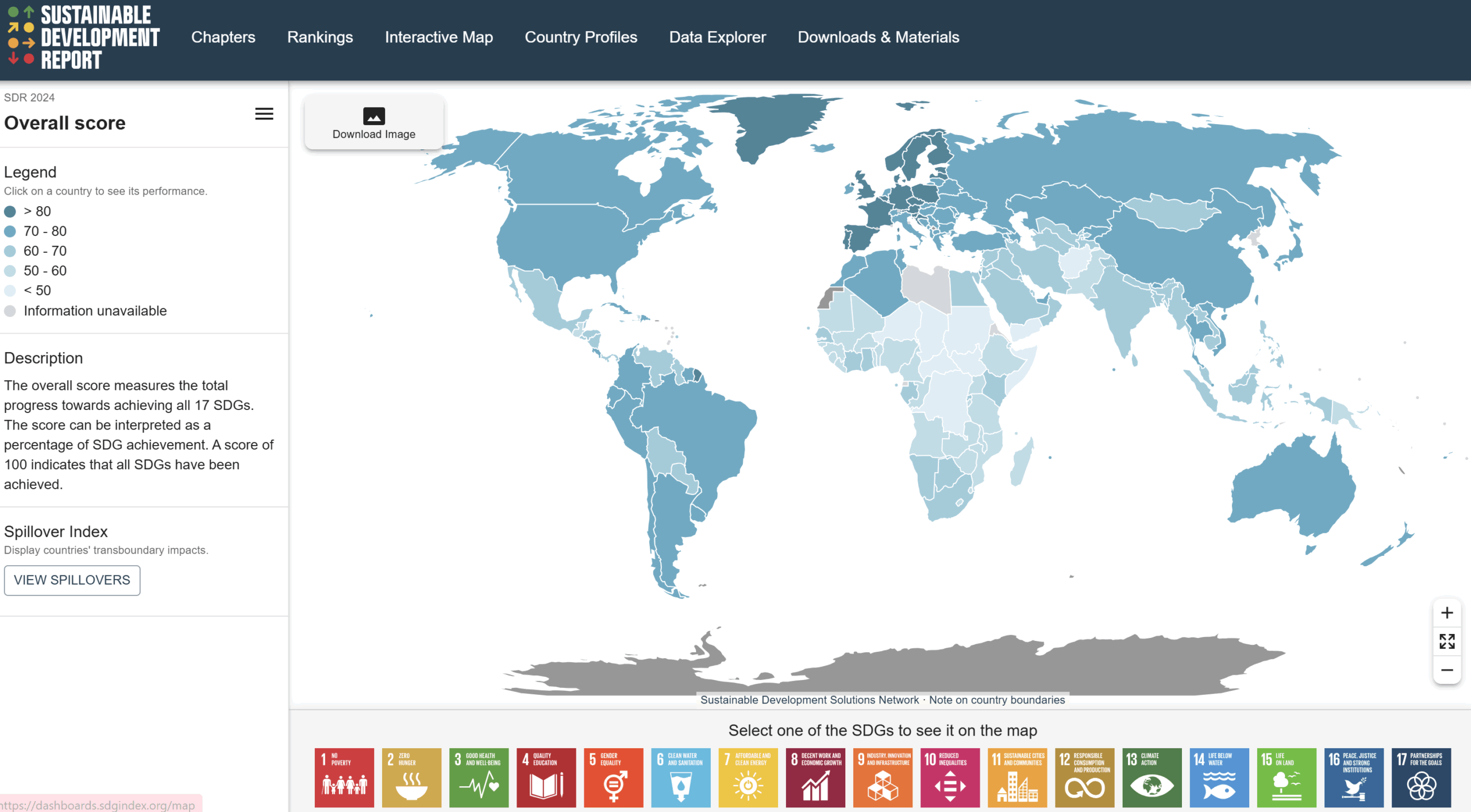
Sustainable development report interactive map
The Sustainable Development Report's interactive map evaluates the progress of all 193 UN Member States towards the 17 Sustainable Development Goals. Each country's performance is scored, with 100 indicating full achievement. Users can explore individual goals and assess transboundary impacts through the Spillover Index.

Free Prior and Informed Consent: An indigenous peoples’ right and a good practice for local communities
This manual explores the unique characteristics of indigenous food systems. It highlights their sustainability and resilience, particularly in the context of climate change, and underscores the importance of preserving and learning from these traditional practices.

Early warning systems and early action in fragile, conflict-affected and violent contexts: Addressing growing climate and disaster risks
The report explores the implementation of early warning systems (EWS) in fragile, conflict-affected, and violent (FCV) contexts, emphasising climate and disaster risk management. It identifies key challenges like limited governance and data availability, proposes governance coordination, regional cooperation, and technology integration as solutions, and advocates for conflict-sensitive and community-based approaches to build resilience and save lives.

Adapt now: A global call for leadership on climate resilience
The report highlights the urgent need for global climate adaptation. It presents evidence and solutions across key sectors—food, water, infrastructure, cities, and finance—emphasising economic benefits, social equity, and environmental preservation. This call to action seeks transformative planning, finance mobilisation, and inclusive leadership for a resilient future.

Global partnerships case study: Measuring and managing financial inclusion outcomes
This case study explores how Global Partnerships adopts outcomes-focused impact measurement and management (IMM) practices. It highlights the importance of tracking both development and intermediate outcomes in financial inclusion to ensure investments genuinely benefit underserved populations and achieve measurable social impact while mitigating potential risks.


