
Library | SDGs
GOAL 05: Gender Equality
Refine
113 results
REFINE
SHOW: 16


Mobile internet and employment: Evidence from 52 countries
This report analyses the impact of 3G expansion on employment across 52 countries from 2004 to 2023. It finds that while connectivity increases participation in low-income regions, it is associated with declining employment in mature economies. Gender gaps remain persistent, particularly regarding youth disengagement in poorer contexts.
Empowering consumers as partners in sustainability: Case studies on financial regulation and implementation
This report by Fair Finance Asia examines financial regulation through case studies in Thailand, Pakistan, Indonesia, and Cambodia. It highlights systemic gaps in consumer protection, cybersecurity, gender-responsive inclusion, and ESG accountability. Recommendations are provided for regulators and banks to strengthen consumer engagement and promote sustainable finance practices across Asia.
Closing the gender health gap: The investment case and capturing Australia's window of opportunity
This report identifies the gender health gap as a systemic market failure and significant investment opportunity. Closing this gap could boost the global economy by US$1 trillion annually by 2040. In Australia, the opportunity is valued at US$24.8 billion per year, offering a time-limited ten-year window for investors.
Firm pay, amenities, and inequality
This research assesses firm-specific amenity valuations using discrete choice experiments linked to German administrative records. It finds that amenities widen between-firm inequality by 20% in variance terms. Furthermore, gender differences in valuations contribute to female sorting into lower-wage firms, as women prioritise non-wage attributes more highly.
Preference for explainable AI
This research investigates the demand for explainable AI in high-stakes credit settings. It finds that decision-makers strategically avoid explanations that reveal racial or gender bias to preserve moral wiggle room. Additionally, behavioural biases cause individuals to undervalue explanations even when they complement private information and improve decision accuracy.
Women's empowerment principles series
This series examines how businesses integrate women’s empowerment and gender equality across leadership, workplaces, marketplaces and communities. It uses the Women’s Empowerment Principles Gender Gap Analysis Tool to assess corporate policies and practices, support benchmarking and identify opportunities for businesses to strengthen gender equality approaches over time.
Profits and social impacts: Complements vs. tradeoffs for lenders in three countries
This research examines the tradeoff between lender profits and social impact using machine learning across three countries. It demonstrates that algorithmic targeting significantly boosts profit margins in South Africa and the Philippines but may reduce financial inclusion for women and low-income borrowers unless balanced strategies are implemented.
Anti-harassment policy and the startup labor market
This paper studies the effects of state-level NDA-weakening laws on hiring in over 50,000 U.S. VC-backed startups from 2014–2022. Anti-harassment reforms reduce female hiring by approximately 8%, concentrated among junior women and small startups, while also triggering internal restructuring including more female promotions and male manager departures.
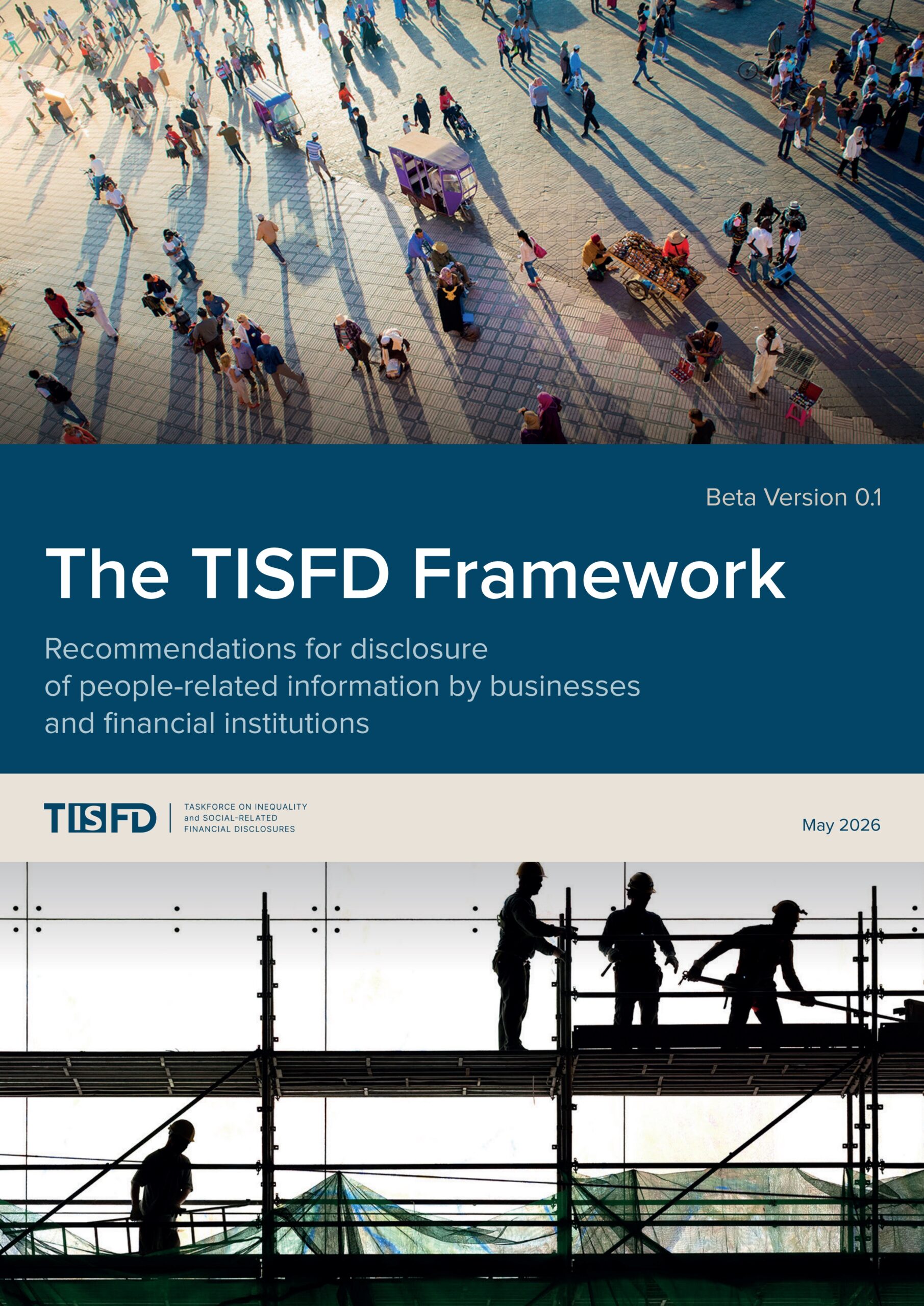
The TISFD framework: Recommendations for disclosure of people-related information by businesses and financial institutions
The TISFD Framework (Beta Version 0.1) presents draft disclosure recommendations for businesses and financial institutions on people-related impacts, dependencies, risks and opportunities. Building on ISSB, GRI and ESRS standards, it covers governance, strategy, and impact and risk management pillars, with metrics and targets to follow in future iterations.
Voice without influence? Global investor voting rationale disclosures in Korea
This study examines whether global institutional investors’ voting rationale disclosures influence Korean firms’ gender diversity and climate-related policies. It finds stronger investor focus on board gender diversity than climate risk, limited influence on large firms, greater impact on smaller firms’ emissions reductions, and evidence that voting rationales affect the credibility of sustainability reporting.
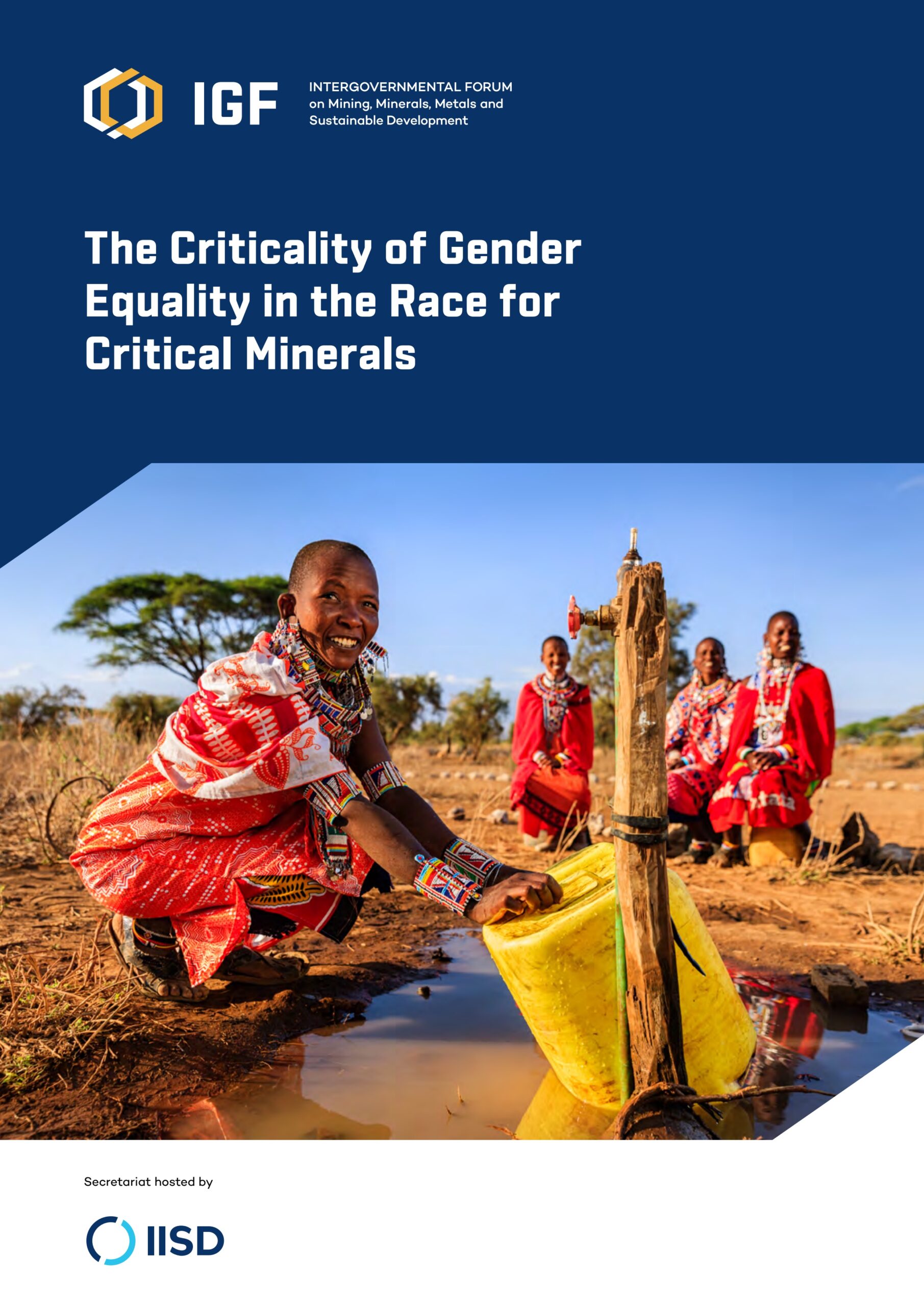
The criticality of gender equality in the race for critical minerals
This report explores how the rising demand for critical minerals risks exacerbating long-standing gender inequalities within the mining sector. It provides factual recommendations for governments and organisations to implement gender-responsive impact assessments, inclusive consultation, and equitable benefit-sharing mechanisms to safeguard women's rights globally.
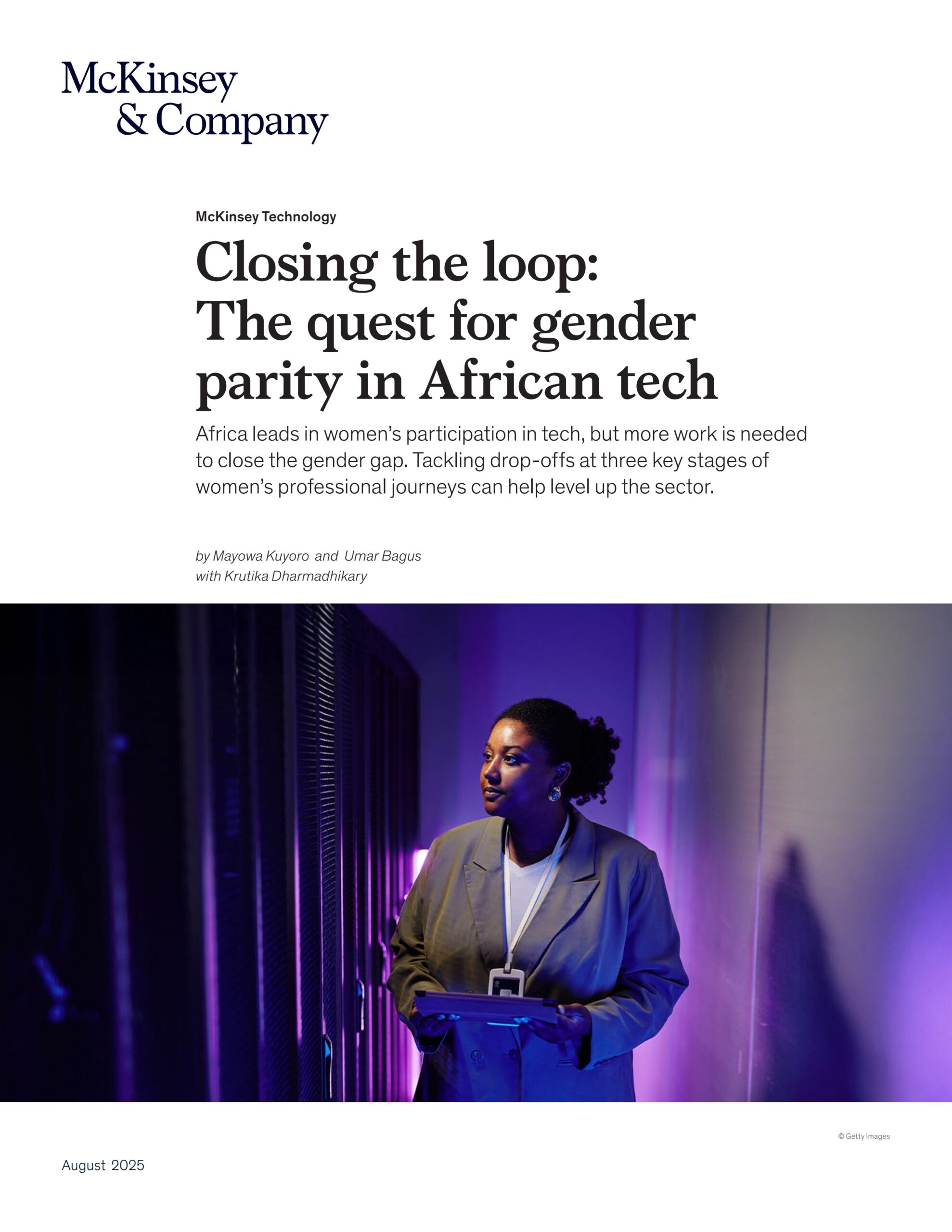
Closing the loop: The quest for gender parity in African tech
This report examines gender parity in Africa's technology sector. While Africa leads in women's STEM representation globally, significant drop-offs occur at key career stages. The research identifies barriers such as biases and funding gaps, offering actionable strategies to enhance recruitment, support career progression, and increase access to start-up financing.
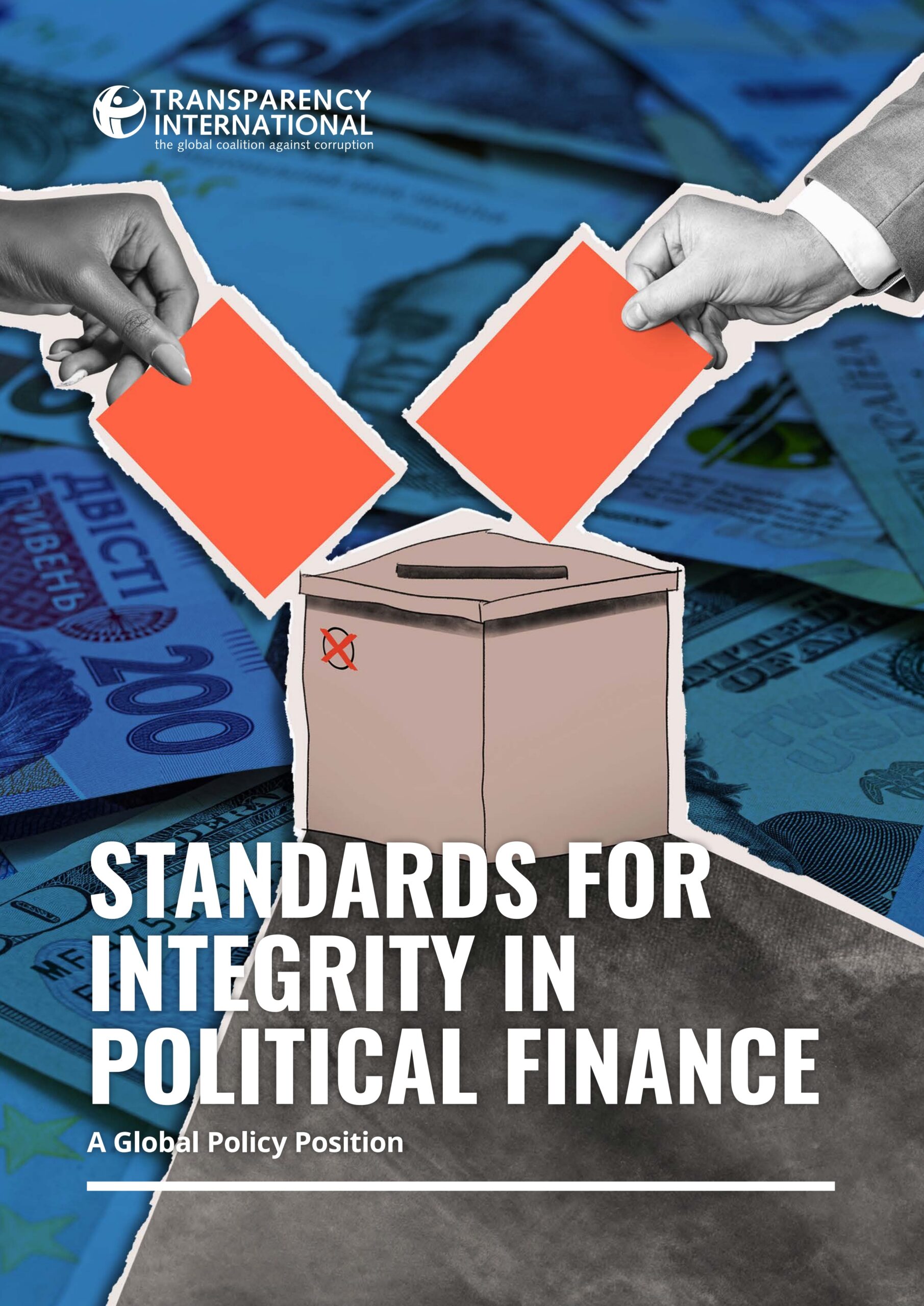
Standards for integrity in political finance: A global policy position
This report outlines global standards for integrity in political finance. It advocates for comprehensive reforms spanning transparency, limits on donations and expenditure, gender equality in funding, state neutrality, and robust accountability to prevent corruption and level the electoral playing field worldwide.
OHCHR Knowledge Gateway
The OHCHR Knowledge Gateway provides access to human rights knowledge, practices, and resources to support implementation of international standards.
CARE for women: Investing in care delivery to improve women’s lives and livelihoods
This report examines the 34% of the global women's health gap caused by care delivery failures. Focusing on cardiovascular risk and perinatal depression, it outlines the CARE framework to standardise screening and referral pathways, demonstrating that preventative care investments yield a three- to six-fold return.
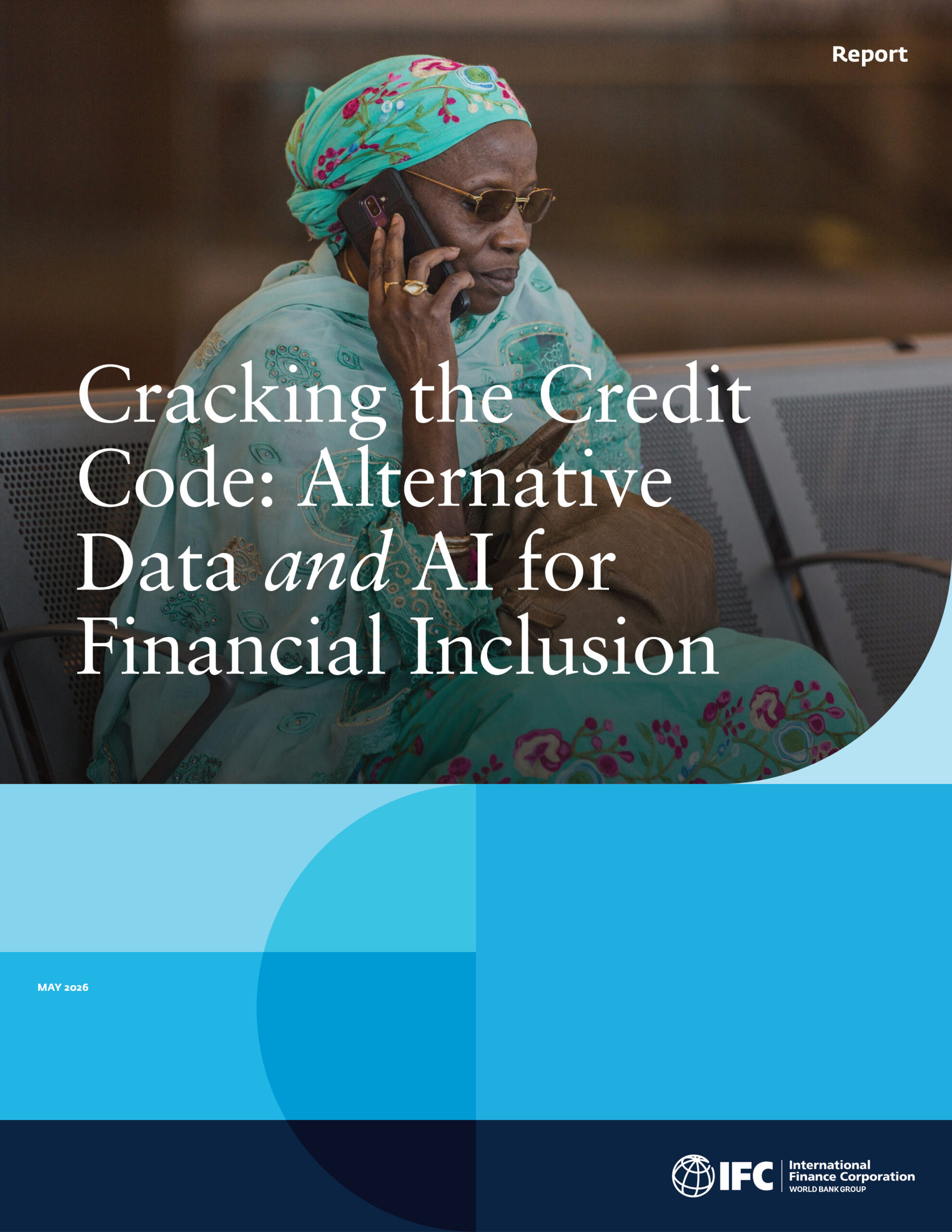
Cracking the credit code: Alternative data and AI for financial inclusion
This report explores how alternative data and artificial intelligence are redefining credit scoring to enhance financial inclusion for women and underserved borrowers. It analyses market trends, evaluates the risks of algorithmic bias, and provides actionable recommendations to scale responsible, inclusive credit access across emerging markets.


