
Library | SDGs
GOAL 09: Industry, Innovation and Infrastructure
Refine
301 results
REFINE
SHOW: 16


Public finance in the digital era: Emerging themes 2026
This report explores emerging themes in digital-era public financial management (PFM) for 2026. It examines the integration of artificial intelligence, digital public infrastructure, and earth observation to improve fiscal oversight, tax administration, and public welfare, while highlighting risks from declining international aid and proprietary software lock-in.
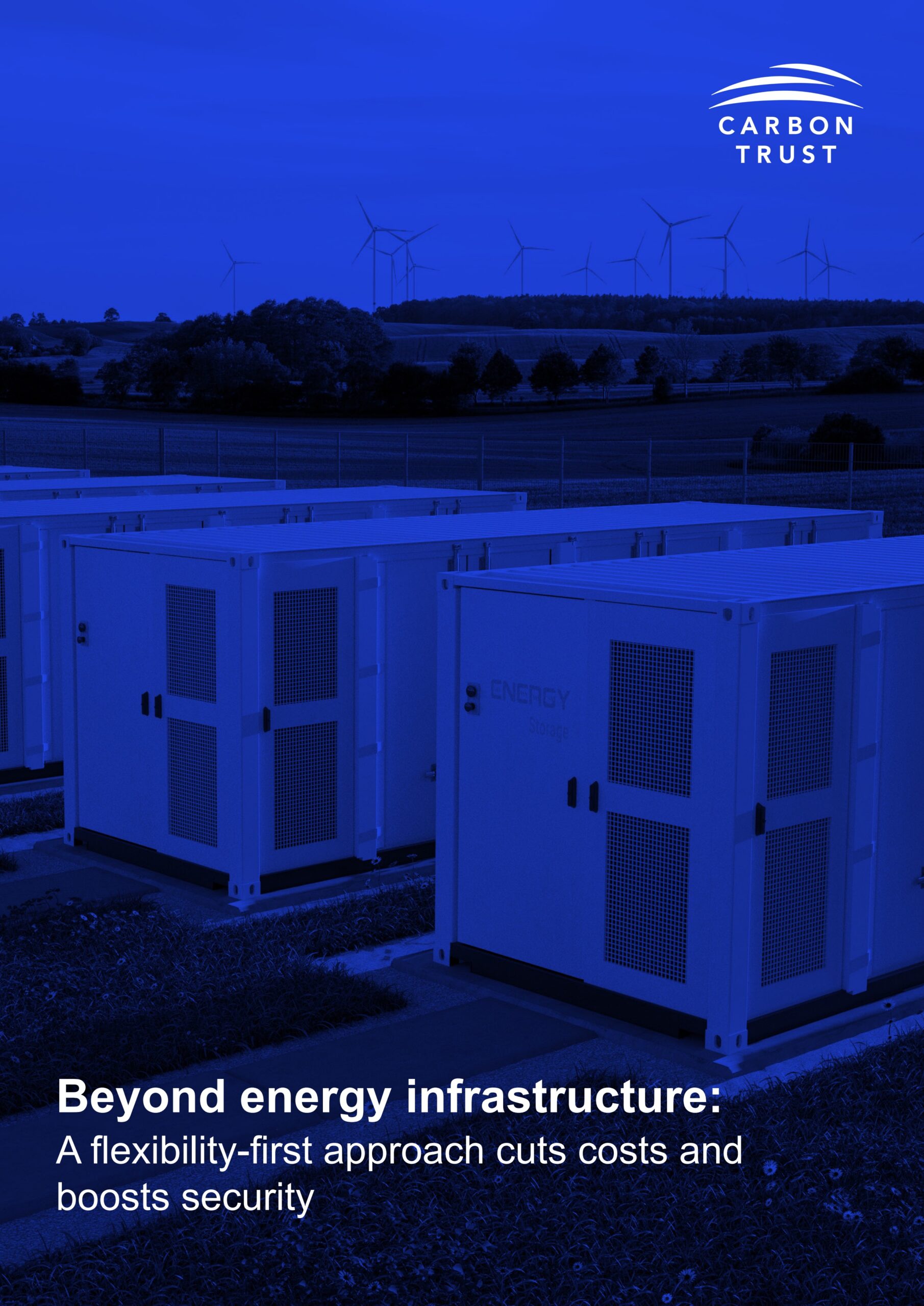
Beyond energy infrastructure: A flexibility-first approach cuts costs and boosts security
This report argues that power system flexibility is core infrastructure essential for energy security and affordability. It demonstrates how quantifying flexibility can reduce costs, citing potential annual savings of £9.6–£16.7 billion in Great Britain by 2050. Policymakers are encouraged to prioritise flexibility-first design over traditional infrastructure-heavy build-out.
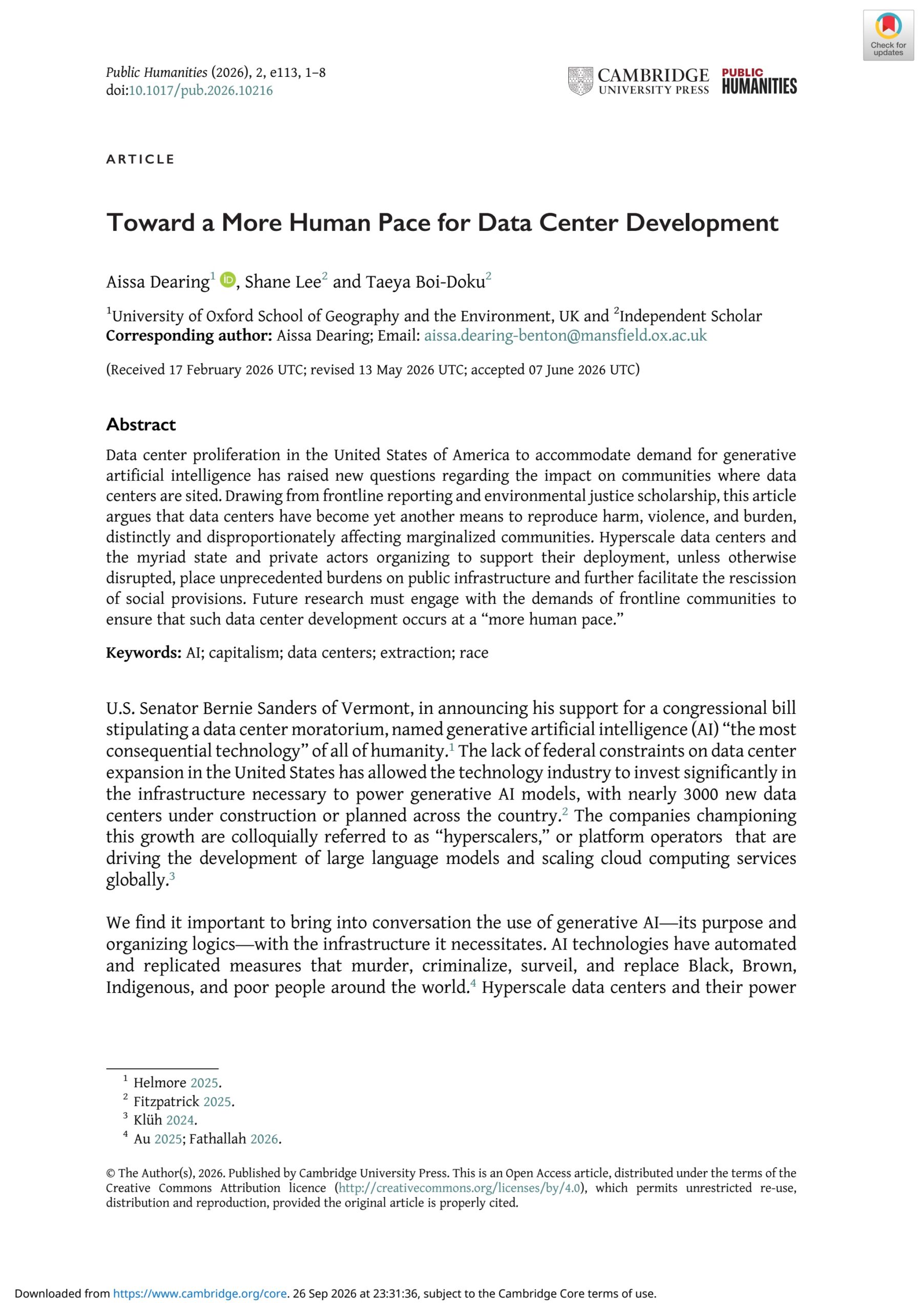
Toward a more human pace for data center development
This research examines the environmental and social impacts of rapid data centre expansion in the United States. It highlights how generative AI infrastructure disproportionately burdens marginalised communities through pollution, increased utility costs, and resource depletion. The authors call for a "more human pace" centred on environmental justice.
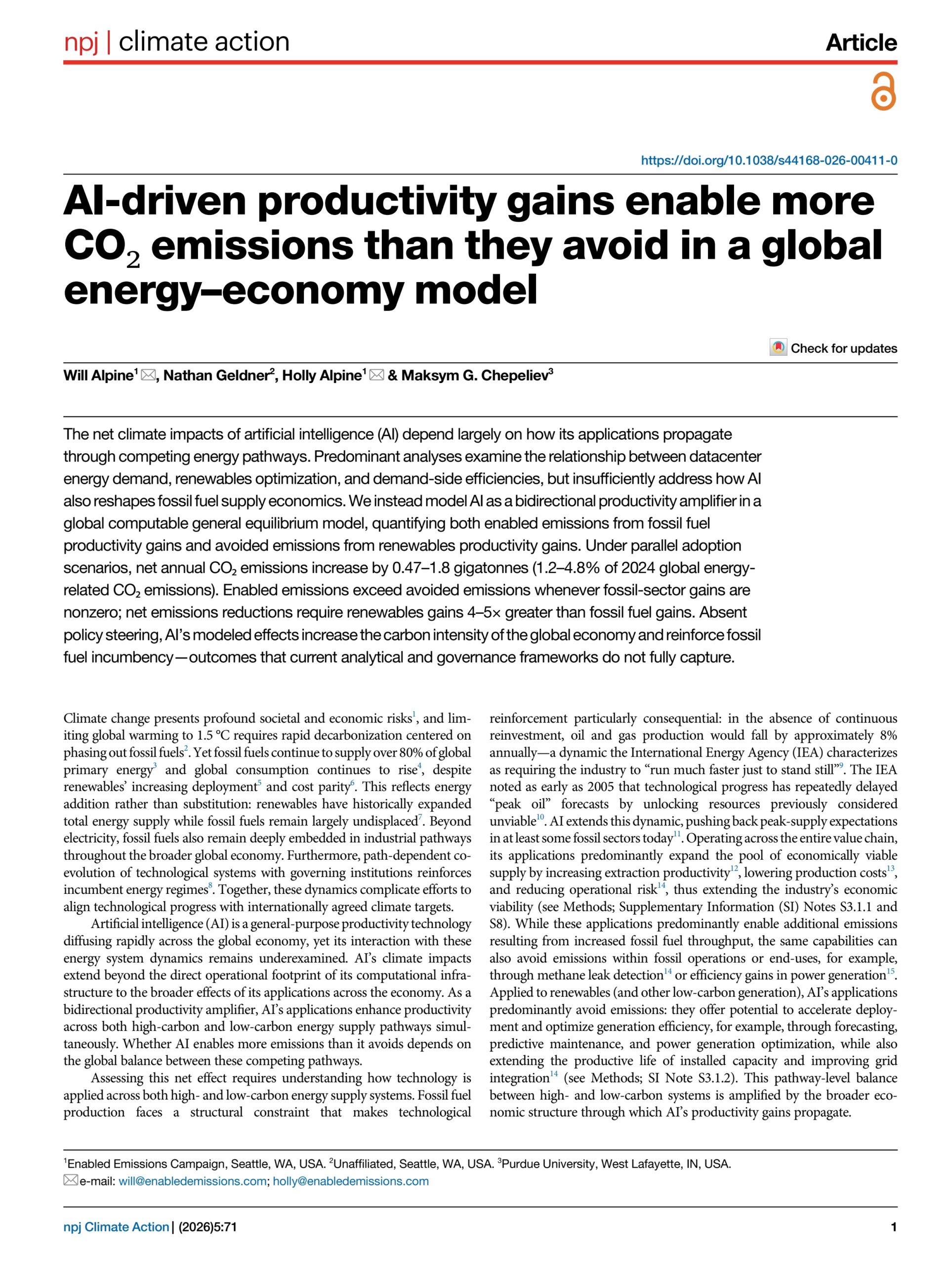
AI-driven productivity gains enable more CO₂ emissions than they avoid in a global energy–economy model
Research using a global energy-economy model indicates that AI-driven productivity gains increase net annual CO2 emissions by 0.47–1.8 gigatonnes under parallel adoption. Enabled emissions from fossil sectors consistently exceed avoided emissions from renewables. Achieving net reductions requires renewable productivity gains to be four to five times greater than fossil gains.
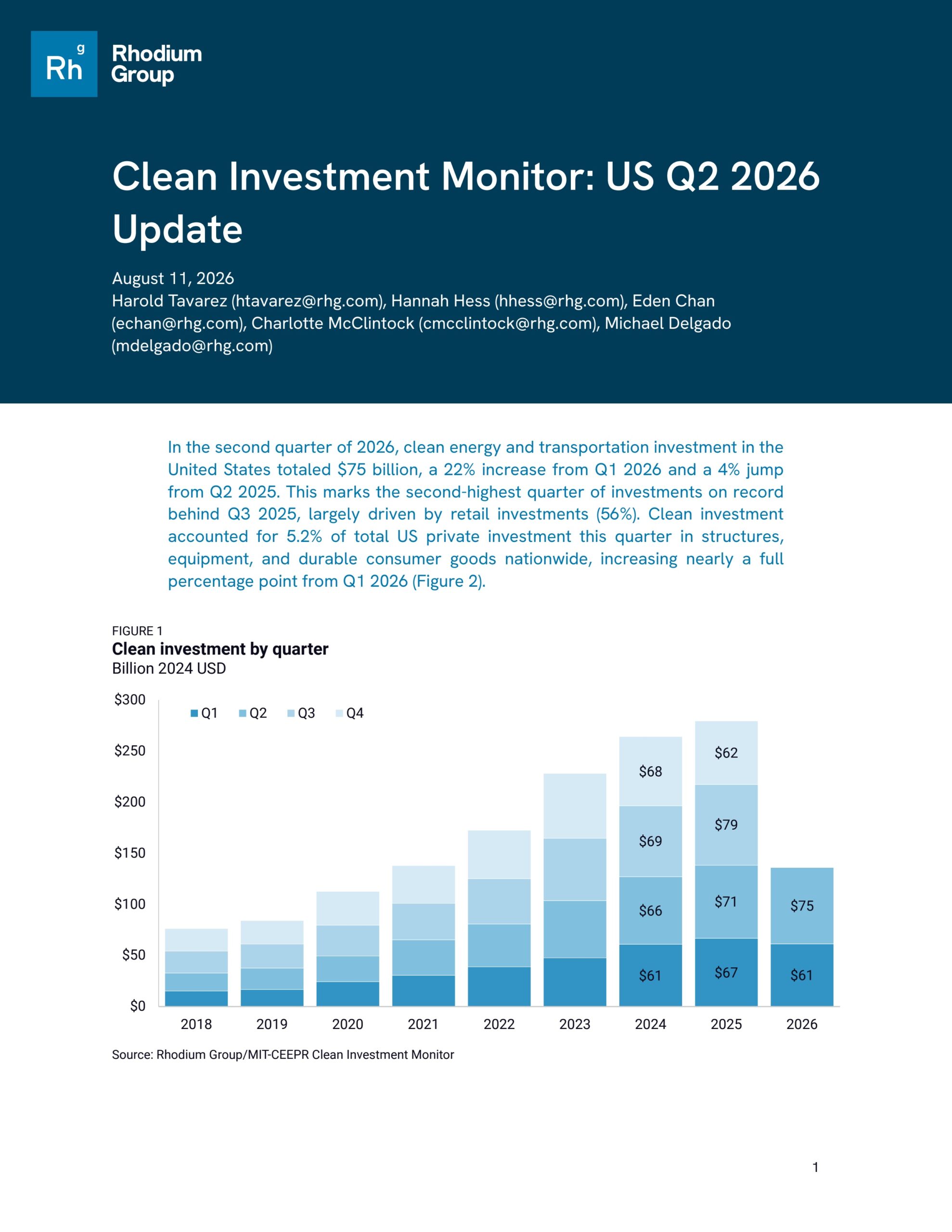
Clean investment monitor: US update series
The Clean Investment Monitor: US Update is a benchmark series providing a comprehensive database of clean energy and transportation investment across the United States. Produced by Rhodium Group and MIT-CEEPR, it tracks the manufacture and deployment of greenhouse gas emission-reducing technologies across manufacturing, energy and industry, and retail segments.
Leveraging technological solutions for human rights due diligence
This report distils lessons from 25 organisations on leveraging technology to strengthen human rights due diligence in value chains. It categorises various tools, provides case studies, and outlines practical steps for responsible AI adoption, emphasising that technology must complement, rather than replace, human judgement and meaningful stakeholder engagement.
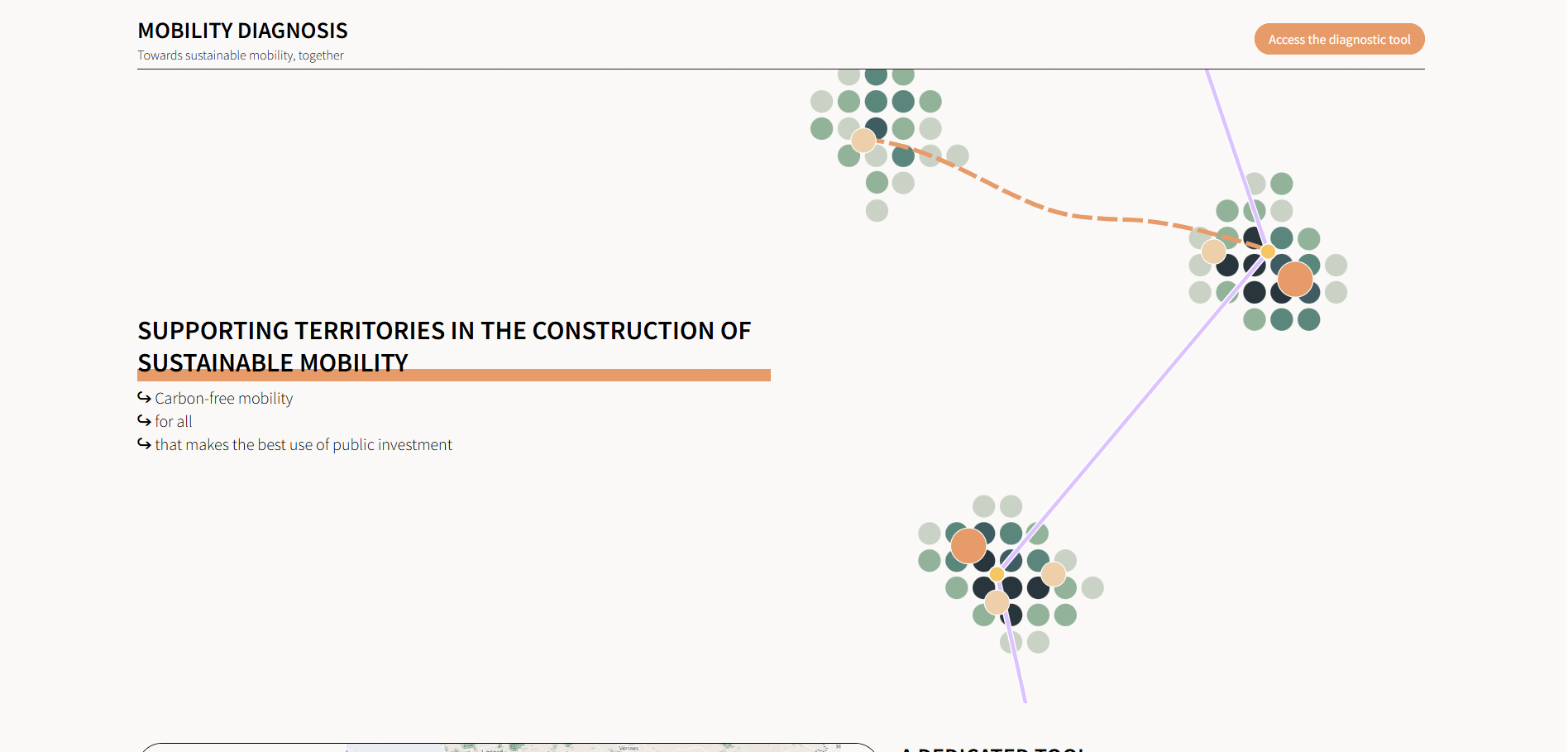
Mobility Diagnosis
Mobility Diagnosis is an open-source territorial analysis tool supported by ADEME. It helps local authorities and planners design decarbonised transport strategies by centralising data on travel practices and geographical profiles.
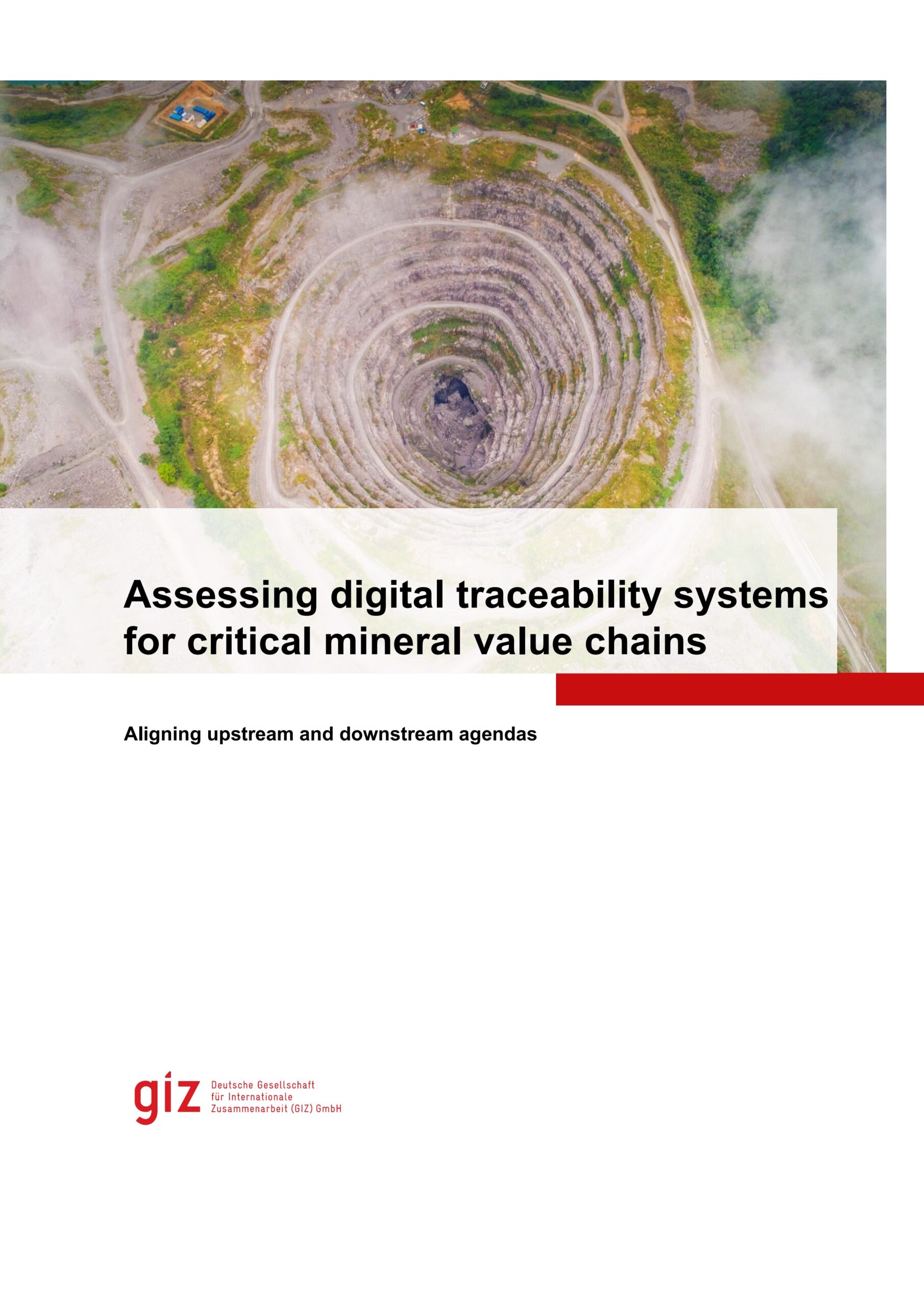
Assessing digital traceability systems for critical mineral value chains: Aligning upstream and downstream agendas
This report assesses digital traceability systems for critical raw materials, evaluating their architecture, feasibility, and impact. It emphasises aligning downstream regulatory demands with upstream producer realities, recommending that traceability should support due diligence and inclusion—particularly for artisanal mining—rather than serving as a standalone compliance burden.
Advancing competition for financial inclusion: Six policy considerations for financial sector authorities
This report provides six policy considerations for financial sector authorities to promote competition and advance financial inclusion. Drawing on eight country case studies, it explains how regulators can use existing mandates, coordinate across sectors, and leverage infrastructure design to address market concentration and support digital financial innovation.

Solutions to protect consumers from fraud in digital finance
Curating 56 successful fraud protection solutions, this report details strategies across intelligence sharing, telecom security, and biometrics. It highlights how AI-driven oversight and multi-sector collaboration, such as Malaysia's NSRC and UK's reimbursement rules, can reduce losses and restore consumer trust in digital financial ecosystems.
Expanding the investible market for adaptation: The value and path for institutional investors
This report examines the business case for institutional investors to prioritise climate adaptation. It identifies a multi-billion dollar annual financing gap and outlines how resilience expertise enhances investment performance. A framework of recommendations is provided to help investors navigate asset, network, and economy-level resilience within the Australian context.
Worlds apart: Contrasting US-China approaches to scaling clean technology manufacturing
Global clean technology manufacturing investment has declined significantly, led by pullbacks in China and the United States. While China addresses overcapacity, US investment reversed following the One Big Beautiful Bill Act. This report explores the diverging drivers, policy shifts, and future competitive landscape for both nations.

Circular economy practice in India: Three case studies
This report examines India’s transition to a circular economy, highlighting policy frameworks like Extended Producer Responsibility and NITI Aayog’s strategic focus areas. Through case studies of Siemens, Tata Steel, and Volvo Construction Equipment, it demonstrates how circular principles drive resource efficiency, waste reduction, and business value.
Reconsidering supply chains and industrial policy from the economic security perspective
This report analyses supply chain resilience and industrial policy through the lens of economic security. It evaluates market failures in supply chain investment, examines cases of Chinese economic coercion, and assesses Japanese semiconductor subsidies for TSMC and Rapidus, emphasizing the roles of diversification, existing industrial clusters, and international research collaboration.
Role of Japanese firms in the East Asian electronics industry: A supply chain network perspective
This research analyses Japan's position in the East Asian electronics supply chain using network science. While Japan remains a vital upstream supplier of components and equipment, its dominance in mainstream semiconductors has declined. Conversely, Japanese firms maintain strong leadership within automotive clusters and unique electronics-automation-utilities ecosystems.
Redirecting sovereign capital to accelerate Indonesia’s energy transition
This report examines Indonesia’s sovereign wealth fund, Danantara, and its role in the energy transition. It highlights the fiscal risks of subsidy-dependent energy SOEs and recommends a strategic shift towards renewables. Drawing on global SWF experiences, it advocates for portfolio diversification to ensure long-term profitability and national energy security.


