
Library | SDGs
GOAL 10: Reduced Inequality
Refine
300 results
REFINE
SHOW: 16


Counting what counts: A compass of progress for people and planet
This report presents a new framework and a dashboard of 31 indicators proposed by the UN High-Level Expert Group to measure societal progress beyond GDP. It emphasises equitable, inclusive and sustainable well-being, offering actionable recommendations for global adoption and enhanced statistical capacity by 2027.
Digitalisation and innovation: Opportunities and risks for financial health
This report examines the impact of digital innovation on financial health. It outlines opportunities in payments, credit, savings, and insurance, whilst highlighting emerging risks such as fraud, overindebtedness, and ill-suited investments. The authors propose policy responses to enhance regulatory frameworks and promote responsible digitalisation in financial services.
OHCHR Knowledge Gateway
The OHCHR Knowledge Gateway provides access to human rights knowledge, practices, and resources to support implementation of international standards.
Flood risk, insurance, and housing in the United States
This research provides household-level estimates of flood risk exposure across socioeconomic groups in the US. It reveals that high-income households own a disproportionate share of floodplain property wealth, whilst a vulnerable subset of low-income, uninsured homeowners faces severe financial risks from flood damage and rising insurance premiums.
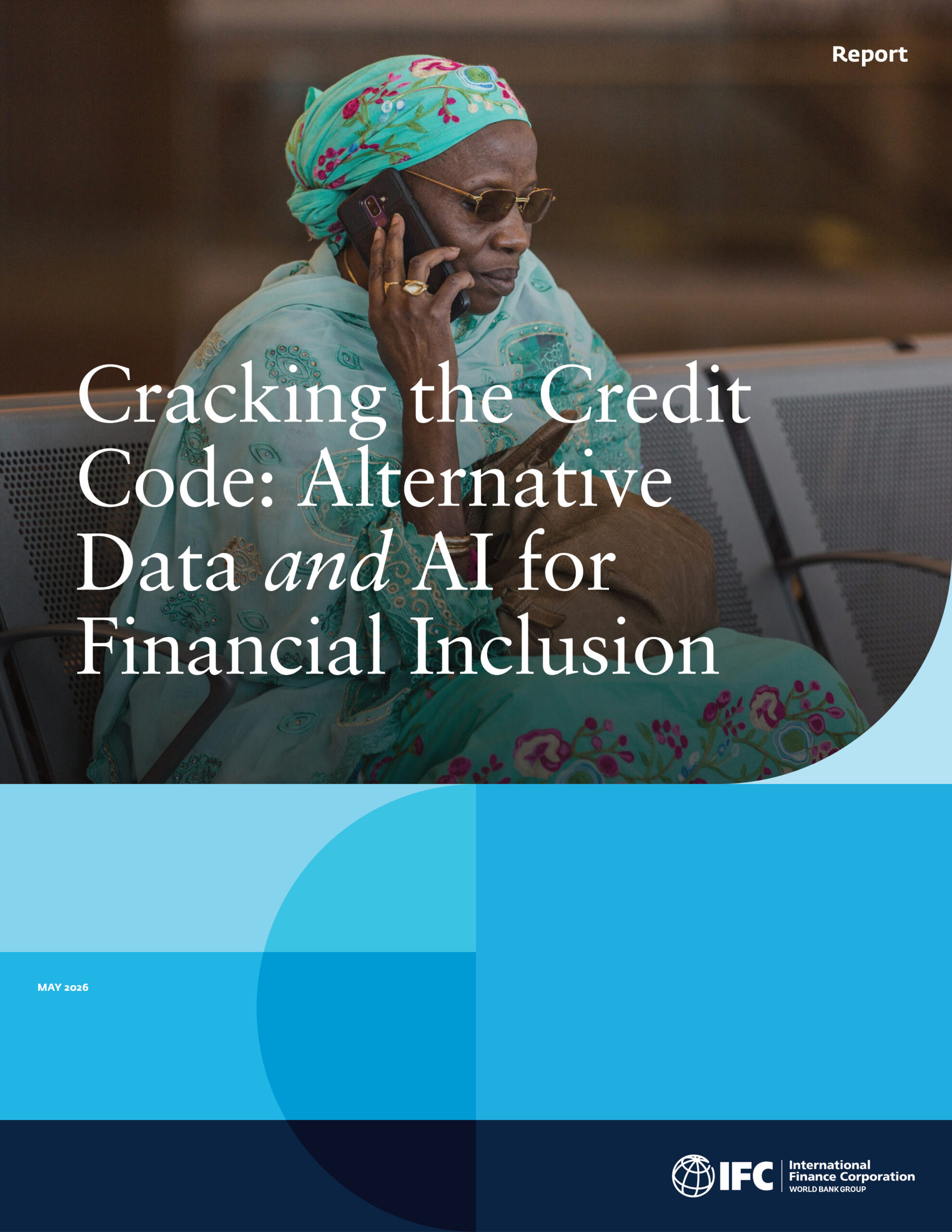
Cracking the credit code: Alternative data and AI for financial inclusion
This report explores how alternative data and artificial intelligence are redefining credit scoring to enhance financial inclusion for women and underserved borrowers. It analyses market trends, evaluates the risks of algorithmic bias, and provides actionable recommendations to scale responsible, inclusive credit access across emerging markets.
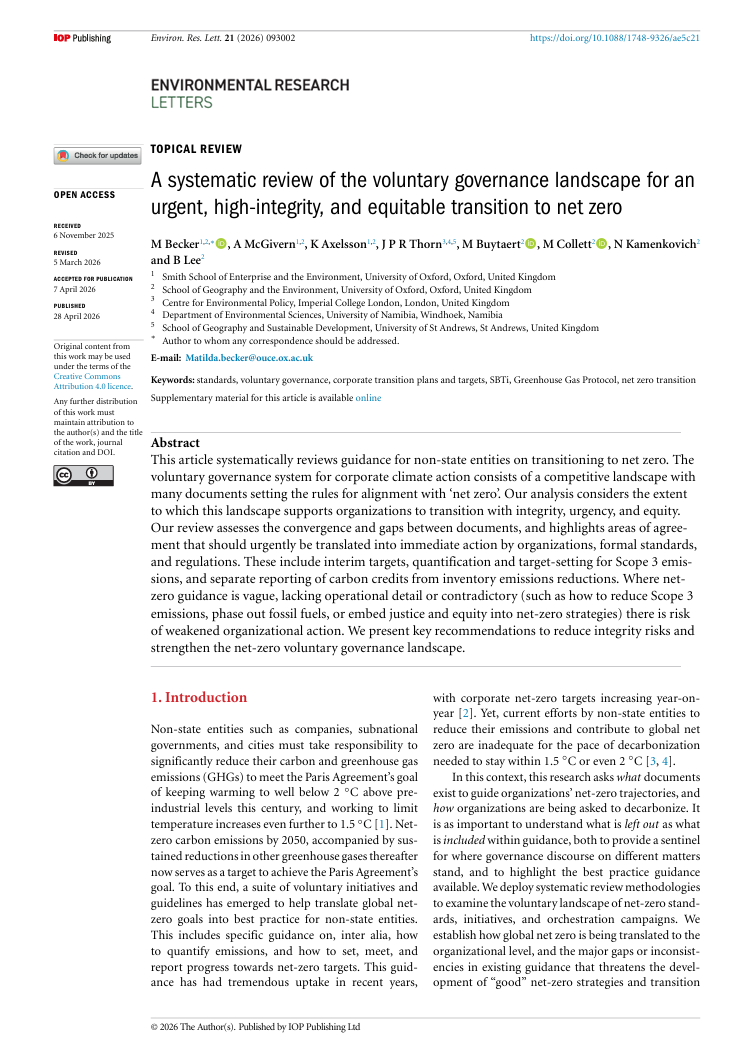
A systematic review of the voluntary governance landscape for an urgent, high-integrity, and equitable transition to net zero
This systematic review analyses 36 voluntary governance documents to assess how well they guide non-state entities towards an urgent, high-integrity, and equitable net-zero transition. It identifies consensus areas, like science-based targets, alongside critical gaps in operational detail, equity, and accountability, highlighting the need for robust standards and regulation.
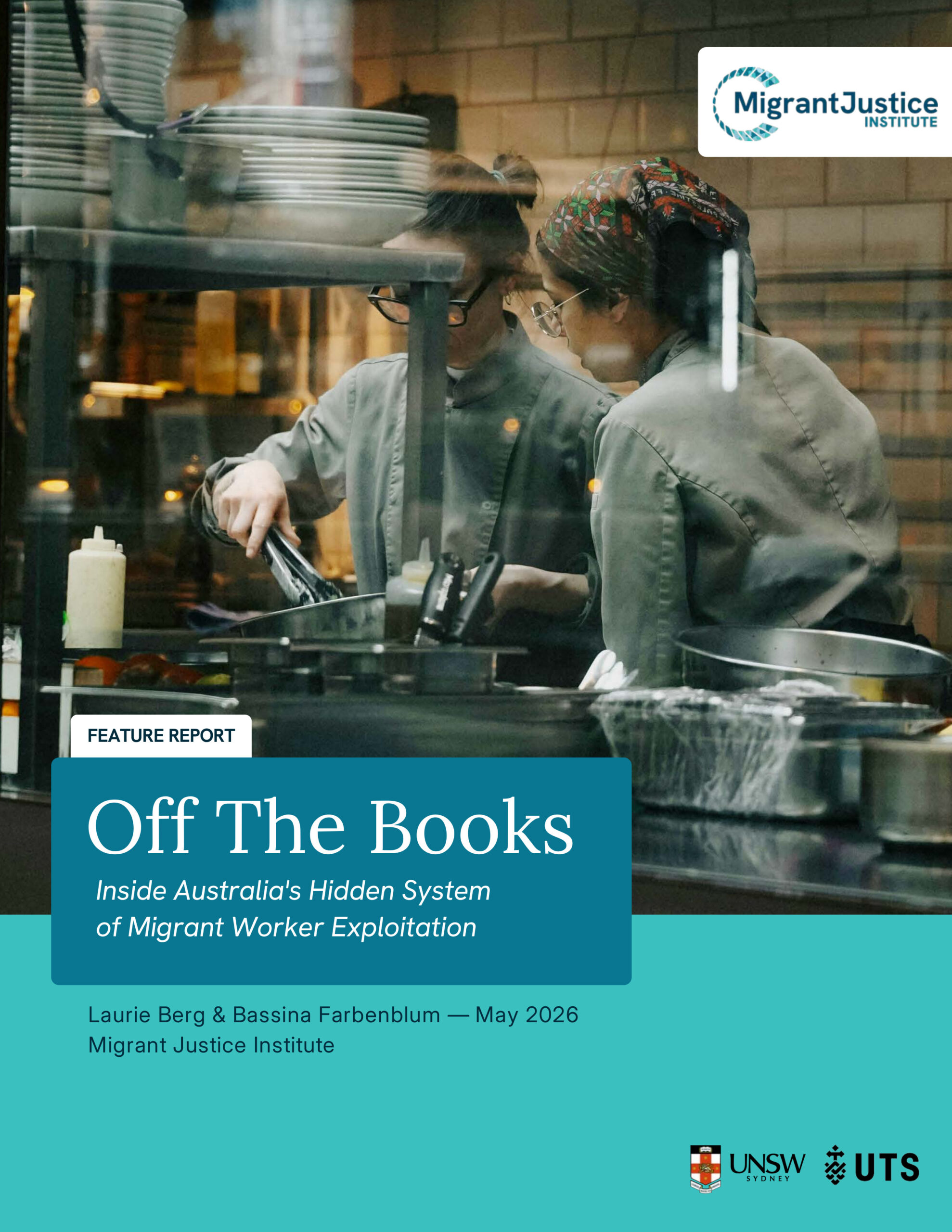
Off the books: Inside Australia's hidden system of migrant worker exploitation
This report analyses the systemic underpayment of temporary migrant workers in Australia. Surveying almost 10,000 individuals, it reveals two-thirds receive less than their legal entitlements. Employers frequently utilise insecure structures, such as misclassified independent contracting and casual work, to evade their responsibilities under the Fair Work Act.
Acceleration is not a strategy: A framework for directing AI towards public value before it's too late
This report outlines a framework for European governments to steer artificial intelligence towards public value rather than just accelerating sector growth. It recommends implementing AI directionism by targeting high-impact uses, preparing priority sectors for adoption, curbing big tech monopolies, and ensuring the economic benefits are broadly shared.
Closing the rural Credit divide: Pathways to increase PRONAF access for smallholders
This report analyses regional disparities in Brazilian smallholders' access to the PRONAF credit programme. Expanding technical assistance and co-operative membership are critical complementary policies to improve financial inclusion and climate resilience.
How poverty fell
Global extreme poverty fell mainly within cohorts, with substantial household churn and varied exit pathways. Sector shifts, migration, occupation changes and women’s labour force participation contributed unevenly; most households exited poverty without these changes.
RIAA Conference Australia 2026 - Companion Resources
Responsible investment has moved well beyond principles and pledges. Today’s challenges require practical capability and informed judgement. The RIAA Conference is a must-attend event for finance, sustainability and industry practitioners who want to focus on the key themes for responsible investment in 2026 and what implementation really looks like. Designed as an immersive, hands-on experience, the program focuses on the systems that underpin strong financial performance, and will help you understand how climate, nature, technology, governance and regulation intersect.
These specially curated companion resources have been recommended by the conference speakers and Altiorem team.
These specially curated companion resources have been recommended by the conference speakers and Altiorem team.
Equity in principle, misalignment in practice: Adaptation finance governance in the adaptation fund and green climate fund
The report argues that adaptation finance through the Adaptation Fund and Green Climate Fund formally prioritises equity, vulnerability and country ownership, but remains constrained by voluntary funding, access barriers and project-based delivery, limiting alignment with Global South priorities.
SAIL: Systems Aware Investing Launchpad
SAIL (Systems Aware Investing Launchpad) is an AI-enhanced platform developed by TIIP to support institutional investors in implementing system-level investing strategies. It provides tools for strategy development, benchmarking, reporting and collaboration, helping users assess and manage systemic environmental, social and financial risks.
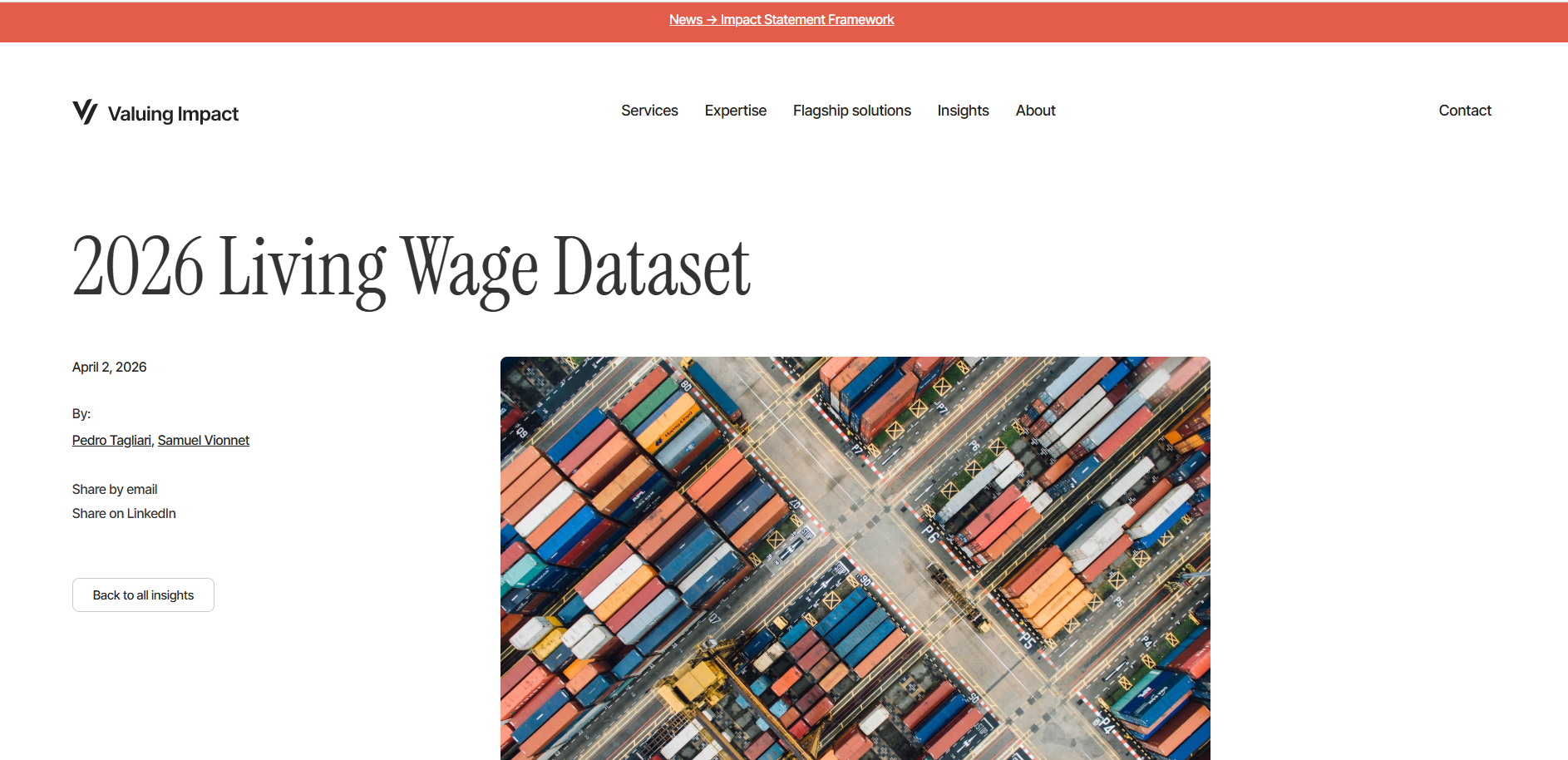
2026 Living Wage Dataset
The 2026 Living Wage Dataset by Valuing Impact is a free global database covering 217 countries and eight household scenarios. It uses the Anker and Anker methodology with updated cost-of-living data to estimate living wages for urban and rural households, supporting sustainability, labour practice and supply chain analysis.
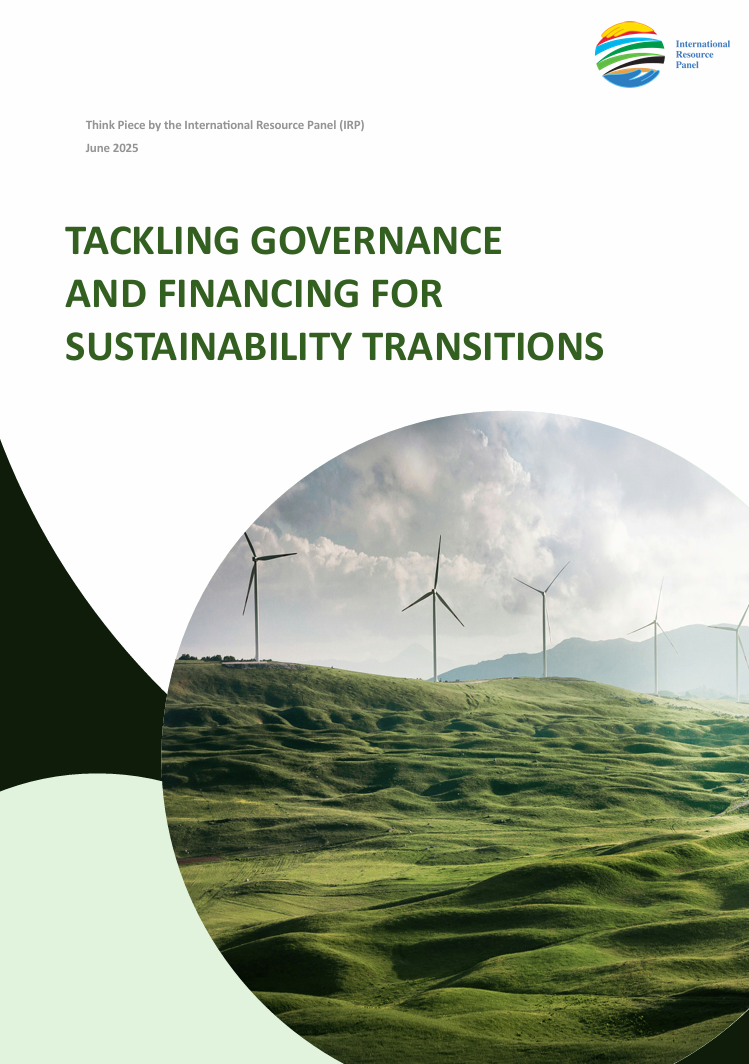
Tackling governance and financing for sustainability transitions
The report argues current financial systems misallocate capital towards resource-intensive activities, hindering sustainability transitions. It recommends policy, governance and financial reforms to redirect investment towards resource efficiency, low-carbon development and equitable transition pathways, particularly in resource-dependent economies.
Indigenous wisdom and co-creation towards decolonisation: A review of Indigenous inclusion in management education
This review finds Western business schools have often excluded Indigenous knowledge, and argues decolonising management education requires Indigenous self-determination, truth-telling, trust-building, co-created curricula and relational pedagogies grounded in Indigenous wisdom and communities.


