
Library | SDGs
GOAL 13: Climate Action
Refine
998 results
REFINE
SHOW: 16


Climate Outreach
Climate Outreach is a UK-based climate communication charity specialising in public engagement with climate change. It provides research, tools and training to help organisations develop effective climate narratives, reach diverse audiences and inspire action, supporting governments, businesses and NGOs to communicate climate issues in accessible, people-focused ways.

ARC Centre of Excellence for Climate Extremes
ARC Centre of Excellence for Climate Extremes (CLEX) is an Australian climate science research centre focused on understanding and predicting climate extremes. It produces research, reports and briefing notes on extreme weather, drought and climate risk, supporting policymakers and industry to assess impacts of climate change and improve resilience and forecasting capabilities.
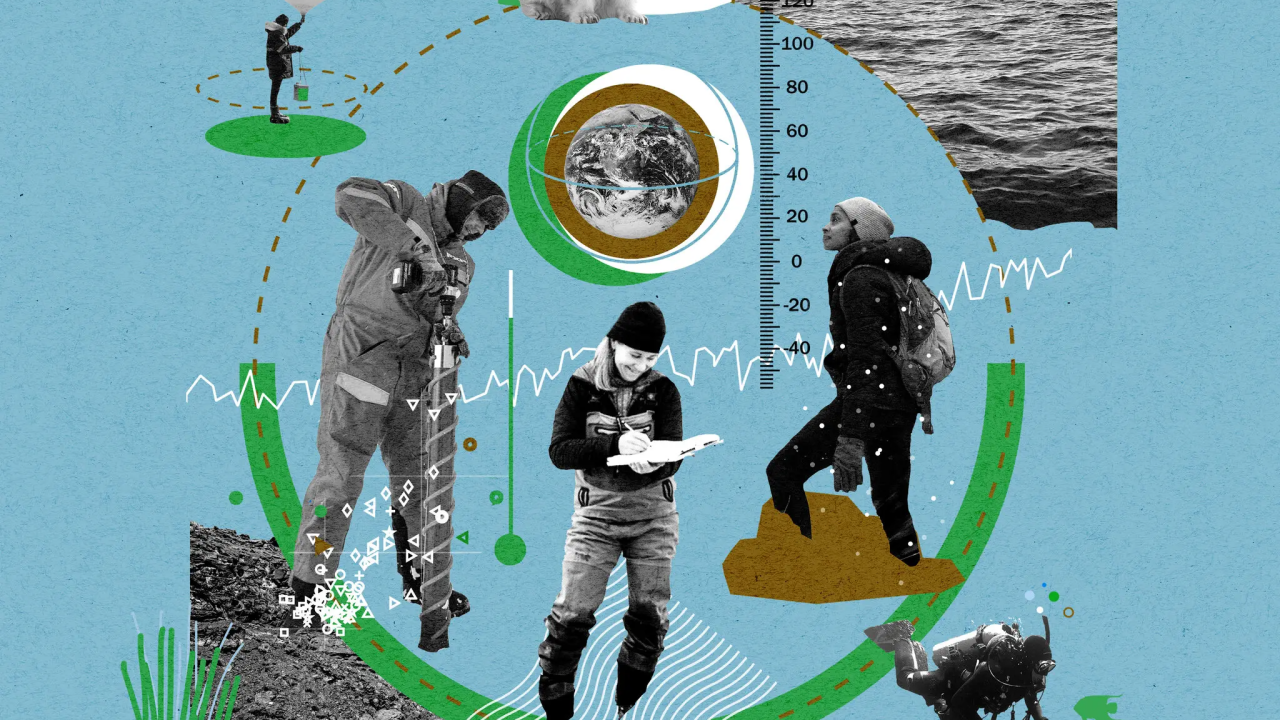
Private doubts, collective conformity: the Power and fragility of climate narratives
This article examines why current climate frameworks persist despite widespread professional skepticism, highlighting institutional incentives and “preference falsification” as key drivers. It calls for more open, cross-sector dialogue focused on diagnosing real problems and unlocking practical, system-level solutions.
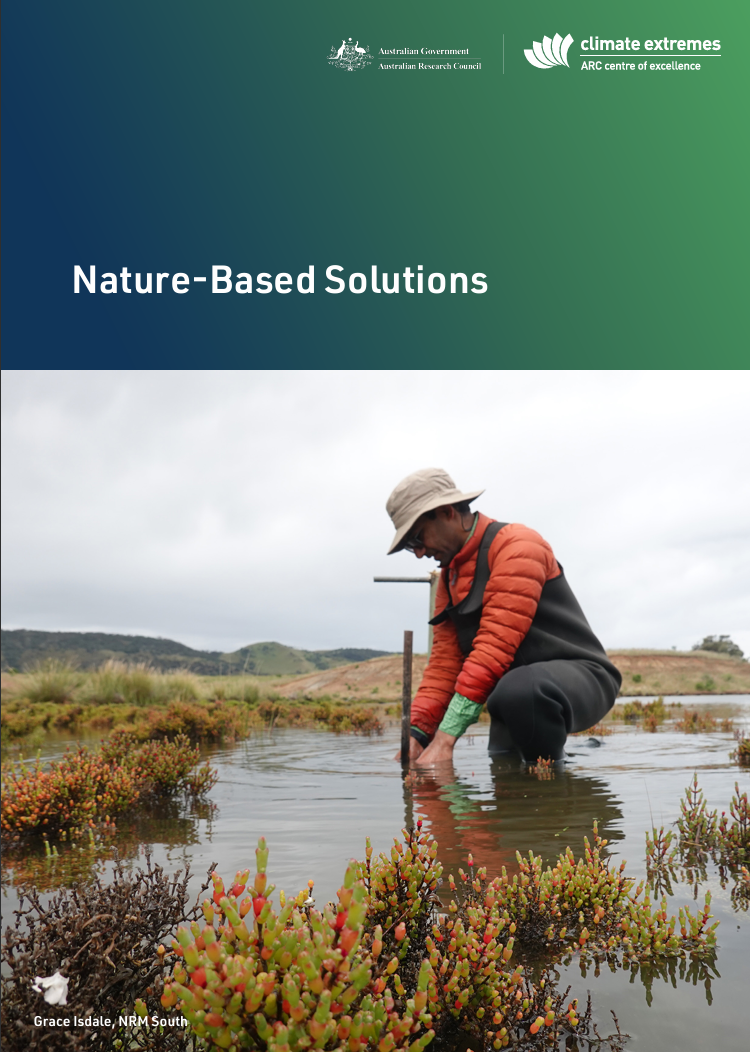
Nature-based solutions
This report explains nature-based solutions as ecosystem protection, restoration and management measures that can support climate mitigation, adaptation and biodiversity. It stresses their carbon-storage limits, vulnerability to disturbance, and the risk of overreliance in net-zero claims without deep emissions cuts.
Investor climate action plans series
This series provides guidance for investors on developing and assessing climate action plans using the ICAPs Expectations Ladder. It outlines approaches across investment, corporate engagement, policy advocacy, disclosure and governance to support alignment with net zero pathways and improve management of climate-related risks and opportunities.
Corporate climate governance
Examines how mandatory climate disclosure regimes reshape corporate governance by integrating climate risk into decision-making. Develops a spectrum from “thin” to “thick” governance, showing a shift towards stakeholder-oriented models, enhanced risk management, and long-term value optimisation, with implications for fiduciary duties and corporate strategy.
Climate-nature scenario development for financial risk assessment
This report develops integrated climate-nature scenarios for financial risk assessment, showing that combined climate and nature policies provide a fuller view of agricultural, biodiversity and ecosystem-service risks than separate approaches, with implications for central banks, supervisors and future stress-testing frameworks.
The circular economy: A 'triple play' solution for achieving China's climate objectives
The report argues that a circular economy can help China meet climate goals by cutting emissions in hard-to-abate sectors, securing critical materials for renewable energy, and improving climate resilience, while outlining policy actions on design, resource management, investment, measurement, and cross-sector collaboration.
Untapped potential: Asset owners and climate policy influence
Assesses major asset owners’ influence on climate policy, finding limited stewardship and advocacy despite significant potential. Most score poorly on climate lobbying oversight and transparency, with few aligning engagement to net zero goals. Highlights gaps in managing asset managers and industry associations, and calls for stronger, coordinated policy engagement.
How does climate risk affect global equity valuations? A novel approach
The report presents a probabilistic, state-dependent valuation framework for global equities under climate risk, finding that strong abatement could limit revaluation losses to 5–10%, while continued weak abatement could imply declines of around 40%, with tipping points worsening losses.
Australian financial institutions’ views on climate and clean energy opportunities in South and Southeast Asia
Assesses Australian financial institutions’ views on climate and clean energy investment in South and Southeast Asia, highlighting growth potential, limited current exposure, key risks, and barriers. It emphasises blended finance, policy support, and government intervention to mobilise private capital and scale regional investment.
The 12th national risk assessment: Property prices in Peril
First Street argues climate risk is reshaping US housing via higher insurance costs and climate-driven migration, with projected net residential property value losses of about US$1.2 trillion by 2055 and 84% of census tracts facing some negative valuation effects.
Incentivising climate action with executive remuneration in Australia
Provides a framework for linking climate goals to executive remuneration in Australia, emphasising alignment with credible transition strategies, measurable and sector-specific metrics, appropriate weighting, and transparent disclosure. Highlights growing adoption, implementation challenges, and guiding principles to improve investor engagement and incentive effectiveness.
Taking the lead on climate action and sustainable development: Recommendations for strategic national transition planning at the centre of a whole-of-system climate response
The report outlines principles for national transition planning to drive a coordinated, whole-of-economy shift to net zero. It proposes five pillars—strategy, implementation, engagement, metrics and governance—to align policy, mobilise finance, enhance accountability, and support sustainable development and climate resilience.
Sustainable and responsible investment for central banks
NGFS reports outline how central banks can integrate sustainable and responsible investment into corporate, sovereign and broader portfolio management, using climate metrics, risk and impact frameworks, governance arrangements and practical implementation guidance, while recognising data gaps, methodological limits and trade-offs with mandates and core investment objectives.
Breaking down silos: Navigating the intersection of environmental and social risks for investors
Examines how environmental and social risks interact to create compounding financial impacts for investors. Presents a systems-based framework and agrifood case study illustrating portfolio volatility, credit risk and supply disruptions. Recommends integrated risk assessment, value-chain finance, stewardship and blended finance to strengthen portfolio resilience.


