
Library | SDGs
GOAL 15: Life on Land
Refine
343 results
REFINE
SHOW: 16


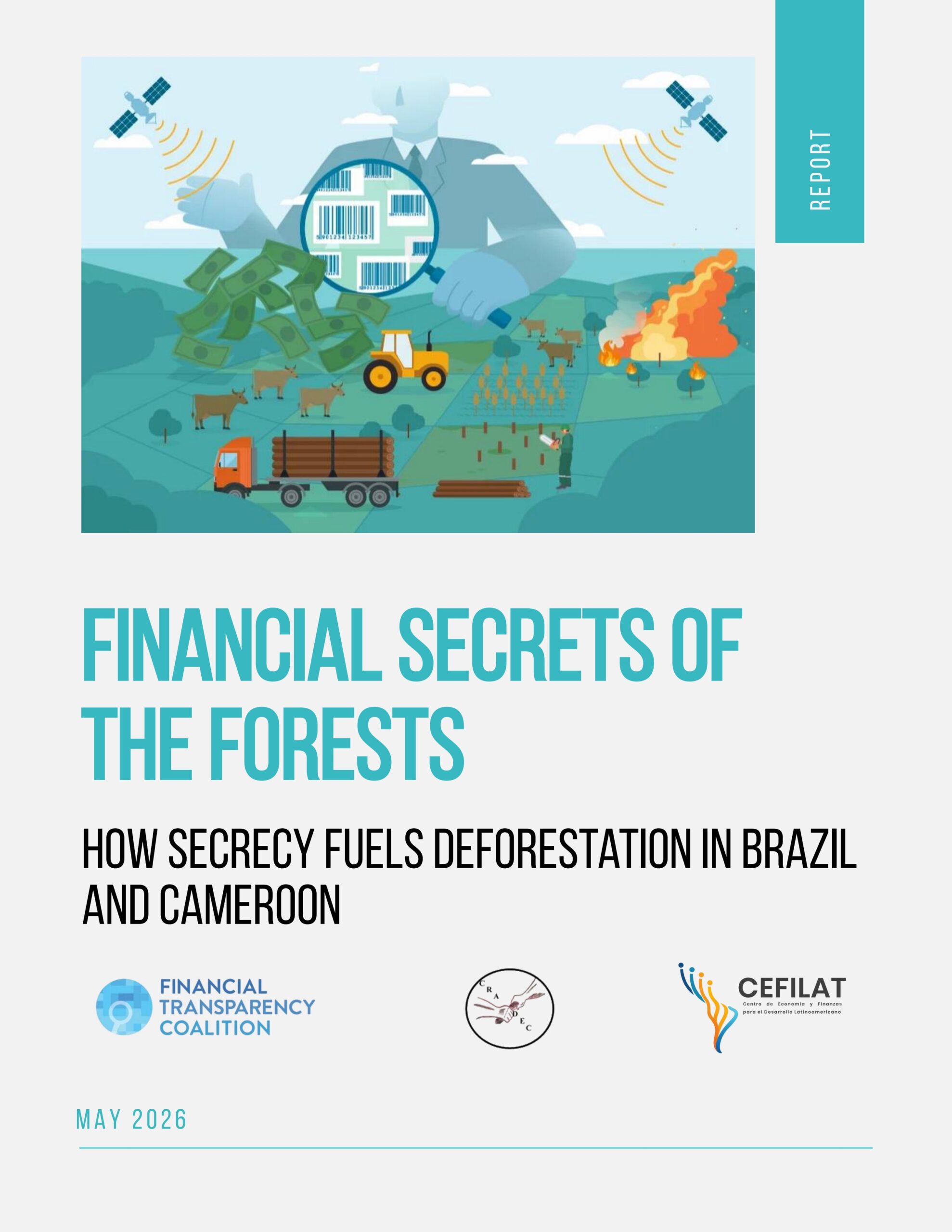
Financial secrets of the forests: How secrecy fuels deforestation in Brazil and Cameroon
This report examines illicit financial flows linked to deforestation in Brazil and Cameroon, estimating trade mispricing losses at US$289 million per year in Cameroon and US$214 million in Brazil. It finds that financial and land ownership secrecy enables illicit deforestation and recommends public beneficial ownership registries and supply chain transparency measures.
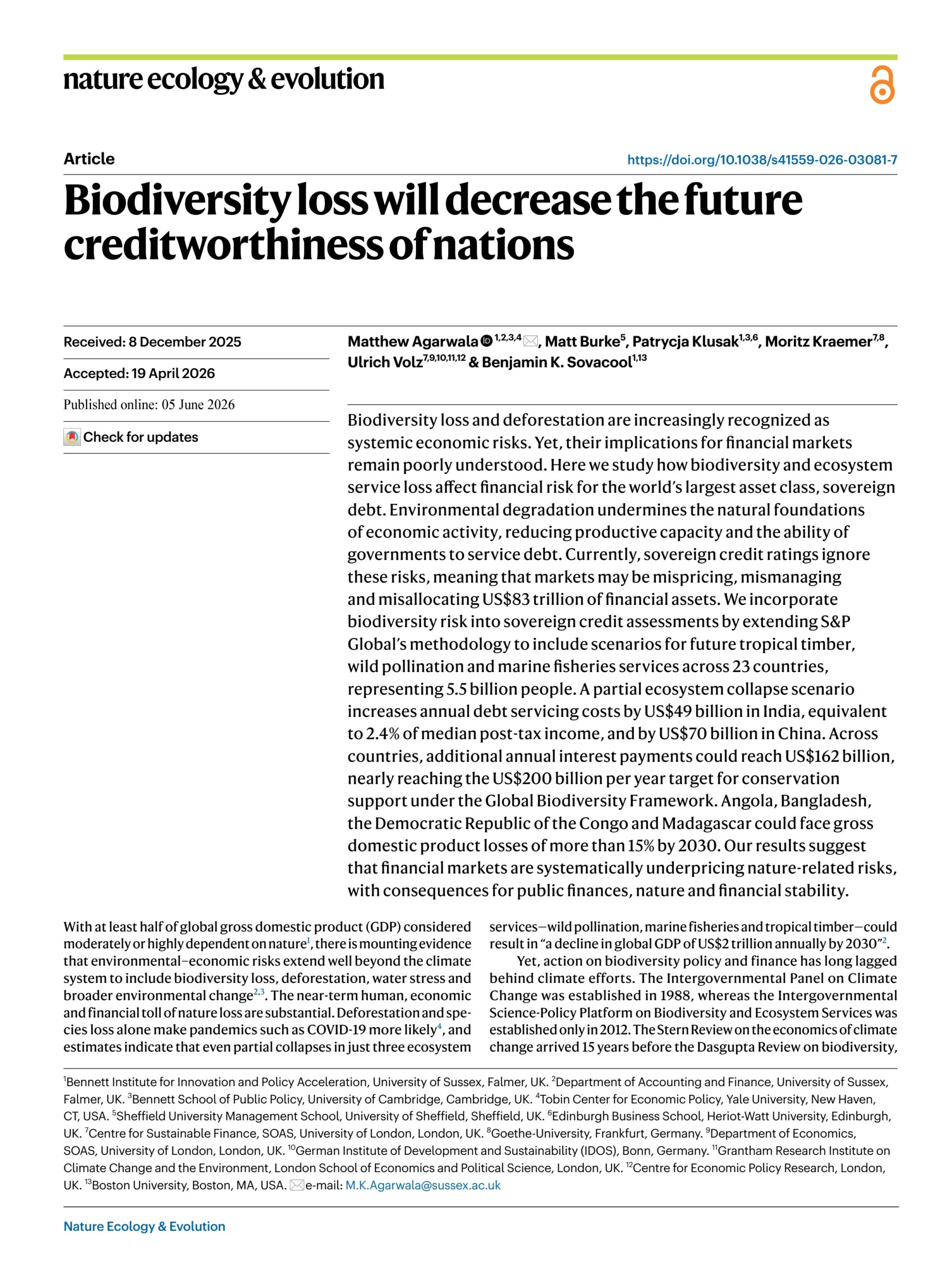
Biodiversity loss will decrease the future creditworthiness of nations
This study examines how biodiversity and ecosystem service loss affect sovereign creditworthiness across 23 countries. Using ecological-economic modelling, it finds that a partial ecosystem collapse could generate US$162 billion in additional annual debt servicing costs globally, highlighting that sovereign credit ratings are systematically underpricing nature-related financial risks.
Nature-based solutions for a sustainable critical minerals value chain
This report examines how nature-based solutions (NbS) can be integrated into critical minerals mining. Drawing on case study research and expert events at Climate Week NYC and COP30, it identifies six resilience-building NbS categories and highlights the need for systems-based planning, community collaboration, and improved financing mechanisms.
How to use consensus state of nature metrics to understand business dependencies on ecosystem services
This briefing note explains how businesses and financial institutions can configure the NPI consensus State of Nature metrics to understand their dependencies on ecosystem services. It outlines a four-step practical process, identifies where the metrics provide strong insight, and highlights where complementary indicators are needed.
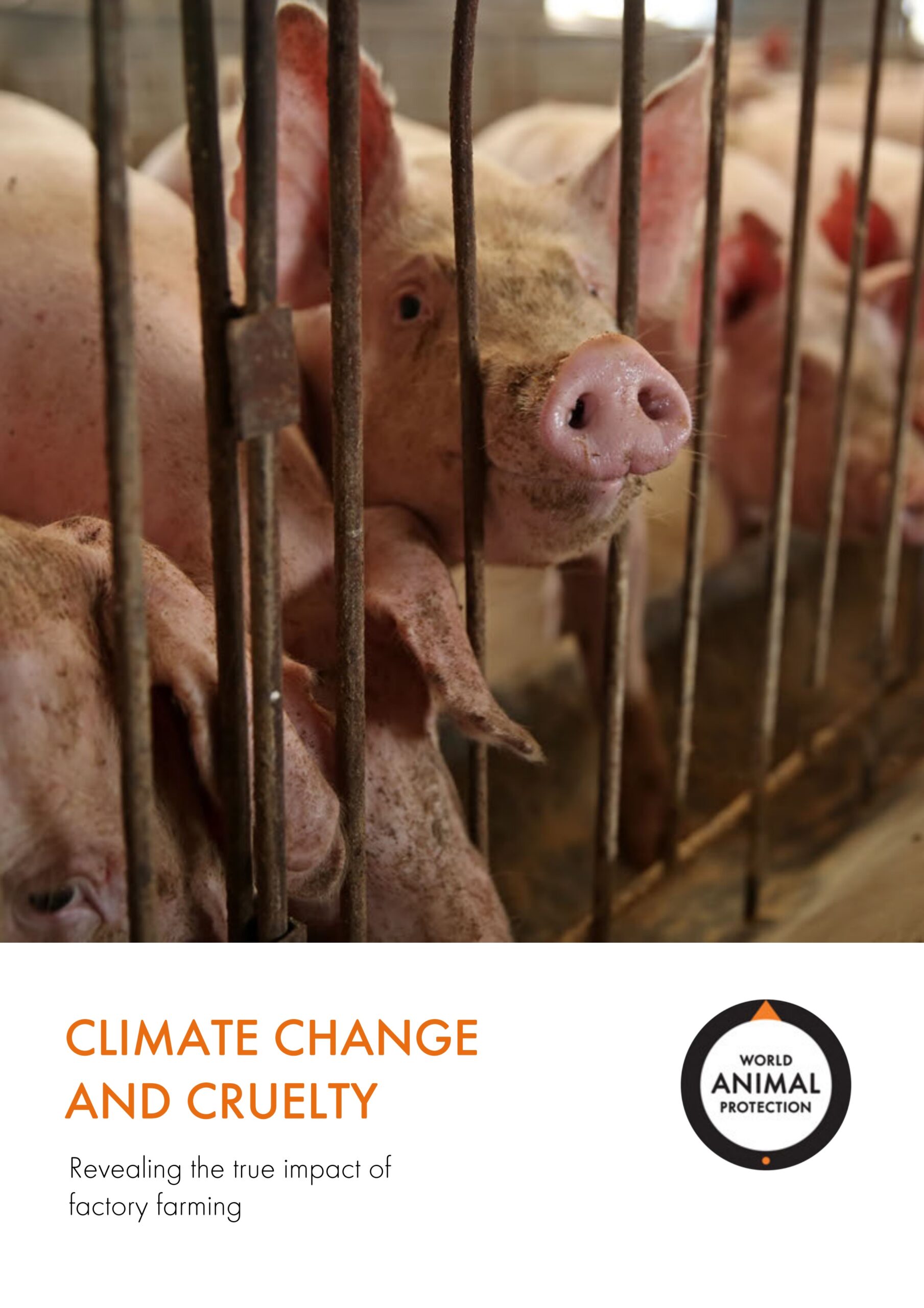
Climate change and cruelty: Revealing the true impact of factory farming
This World Animal Protection report examines the climate and environmental impacts of factory farming in Brazil, China, the USA and the Netherlands. It models scenarios for reduced meat consumption and higher welfare production, finding that eating less and better could halve the climate impacts of chicken and pork by 2040.
The accountability framework operational guidance series
The Accountability Framework Operational Guidance series provides practical guidance for companies on implementing responsible agricultural and forestry supply chains. The series covers environmental protection, human rights, workers’ rights, Indigenous Peoples’ and local communities’ rights, supply chain management, reporting, remediation, and compliance with voluntary commitments and applicable law.
A guide to the New Zealand emissions trading scheme: 2026 update: Design, evolution, and current state
This guide outlines the design, evolution, and current state of the New Zealand Emissions Trading Scheme as of March 2026. It covers sectoral coverage, unit supply, price controls, free allocation, forestry, and emissions trends, including recent legislative changes to agricultural obligations and the 2050 biogenic methane target.
The European chemical sector's influence on biodiversity policy
This report analyses how major European chemical companies and industry associations influence biodiversity policy in the EU and US. It reveals that no assessed company aligns fully with science-based biodiversity goals, highlighting oppositional lobbying against critical regulations concerning pesticides, PFAS, and harmful chemicals.
2025 Water sector engagement report
Royal London Asset Management's 2025 report presents findings from a two-year engagement programme with 11 UK water utility companies across four pillars: climate change adaptation, biodiversity, affordability, and antimicrobial resistance. Nearly all companies showed improvement from baseline scores, with biodiversity recording the most notable progress.
Business models and investments for nature: Full report, 2nd edition
This report by the EU Business & Biodiversity Platform presents ten existing finance practices for investing in nature across sectors including forestry, regenerative agriculture, green infrastructure, and urban ecosystems. It explores how financial instruments such as green bonds, blended finance, and sustainability-linked loans can be structured, scaled, and replicated to help close the biodiversity finance gap.

Cracking the code: Using nature data to understand the impact of the ASX200
This report analyses the nature-related impacts of Australia's ASX200 companies. It finds that utilities, energy, and materials sectors exert the highest direct environmental pressures, whereas financials and retail sectors possess significant supply chain impacts. The report advocates for TNFD-aligned disclosures and proactive investor stewardship to mitigate systemic risks.
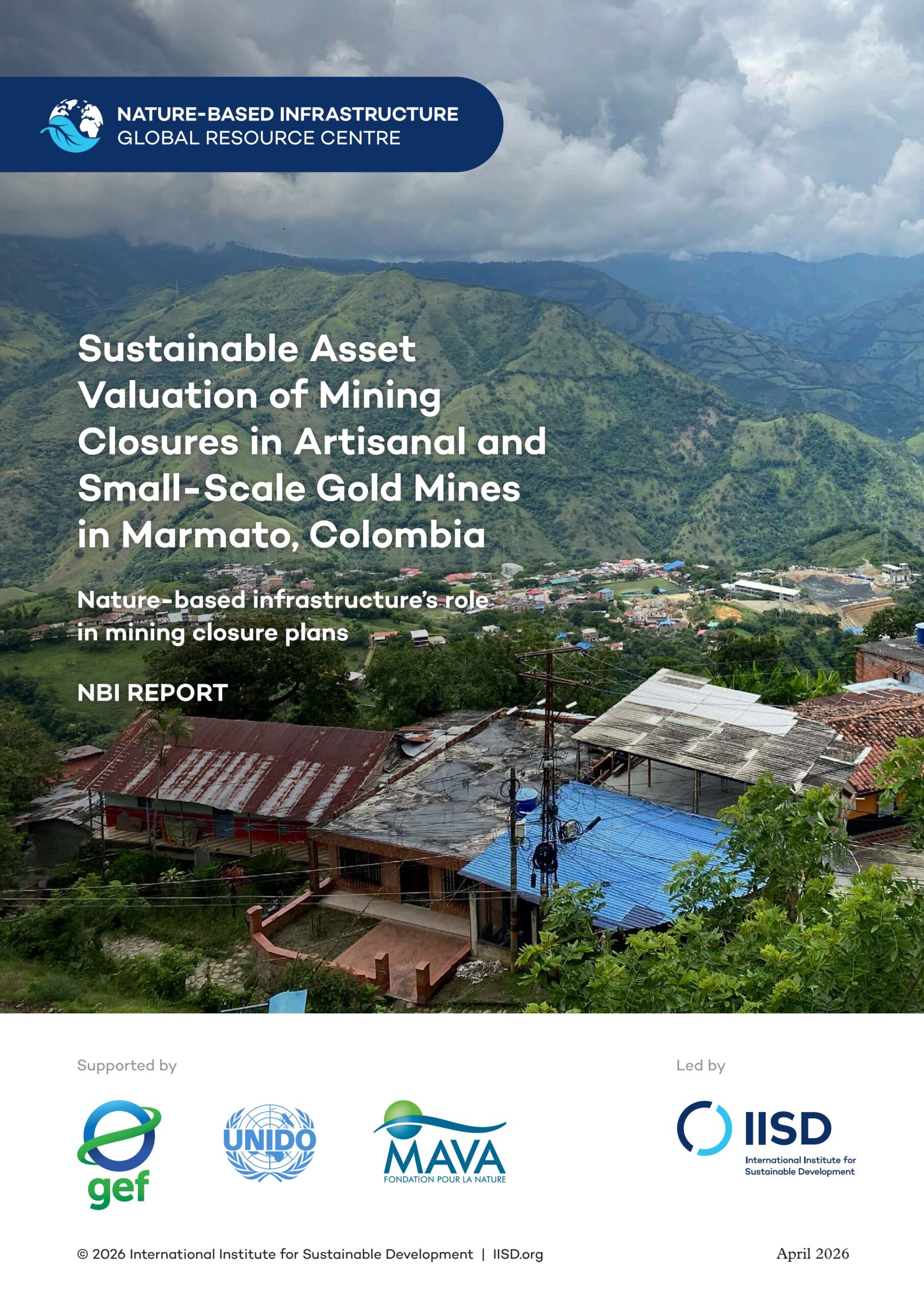
Sustainable asset valuation of mining closures in artisanal and small-scale gold mines in Marmato, Colombia: Nature-based infrastructure’s role in mining closure plans
This report assesses mine-closure strategies for artisanal and small-scale gold mining in Marmato, Colombia. Applying a systems-based valuation methodology, it highlights the economic and environmental benefits of progressive formalisation and closure, emphasising early risk reduction, physical stabilisation, and ecosystem rehabilitation to improve territorial safety.
Finance for biodiversity data catalogue
The FfB Biodiversity Data Catalogue is an online tool designed to help financial institutions navigate the nature-related data landscape.
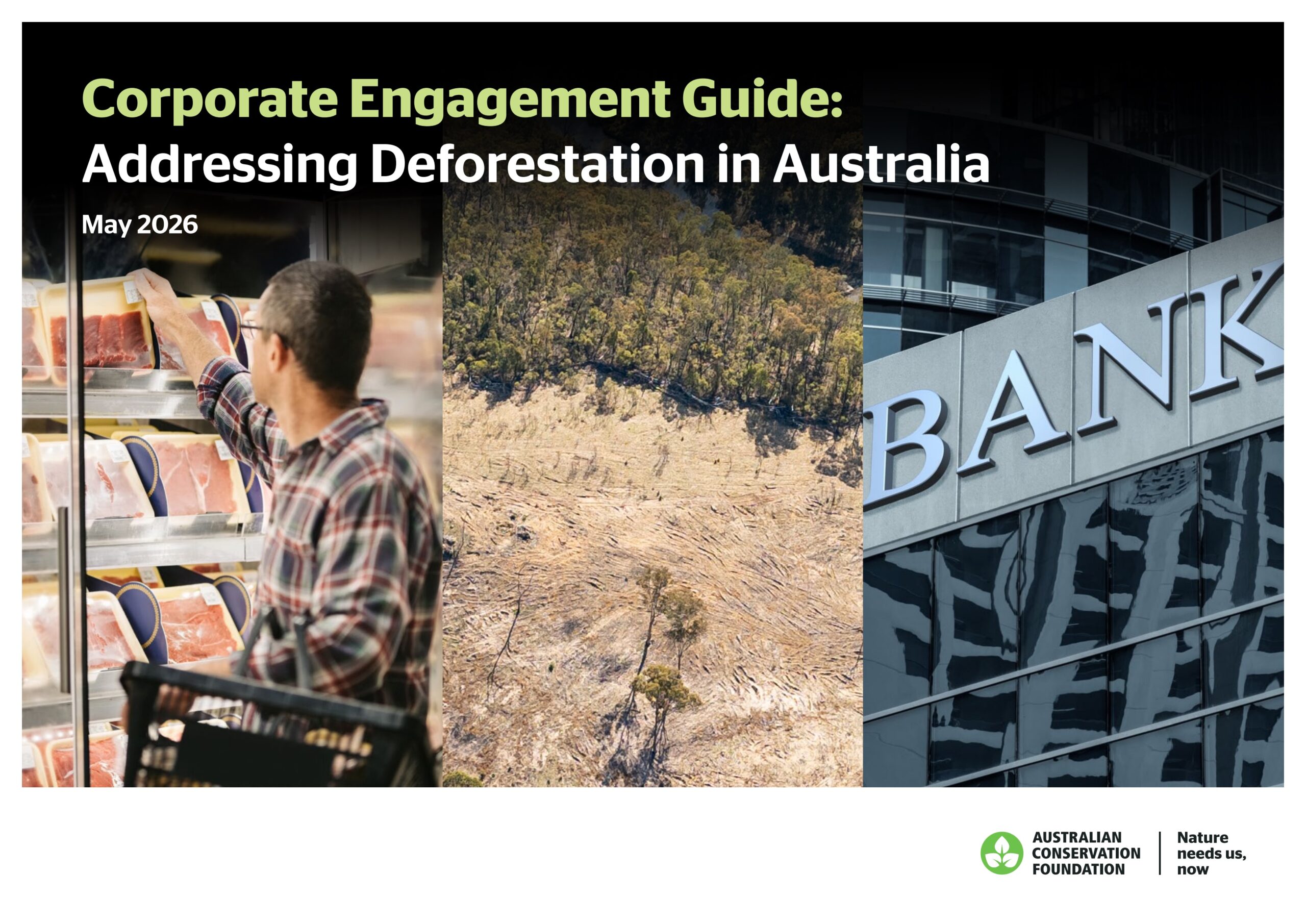
Corporate engagement guide: Addressing deforestation in Australia
This corporate engagement guide provides institutional investors with a step-by-step pathway to address deforestation within Australia's largest listed supermarkets and banks. It evaluates the current progress of major companies and offers actionable guidance to implement robust deforestation-free commitments, safeguard financial stability, and mitigate systemic economic risks.
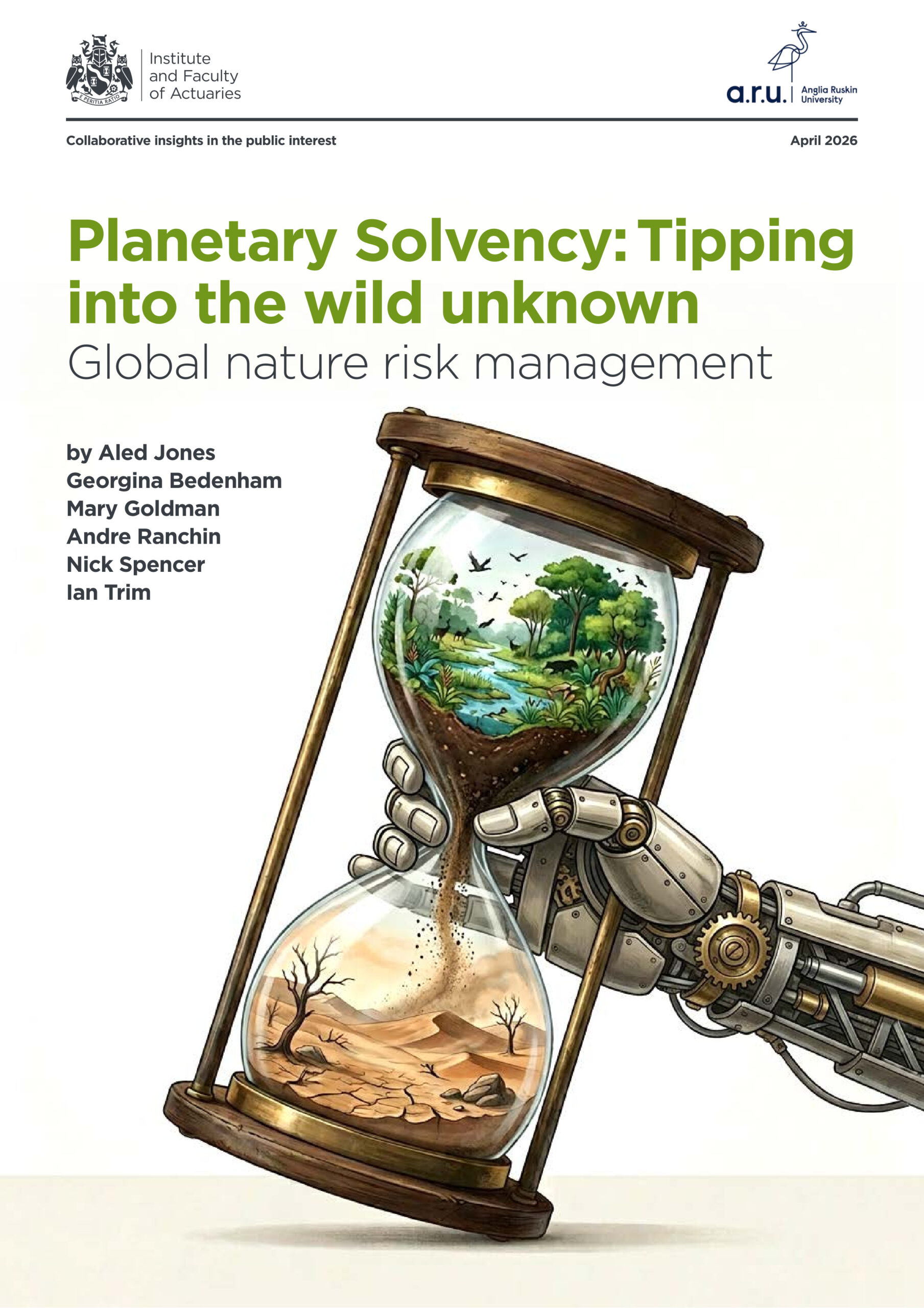
Planetary solvency: Tipping into the wild unknown: Global nature risk management
This report outlines how the degradation of global ecosystems threatens societal and economic resilience. It highlights immediate risks to food systems and health, long-term ecosystem tipping points, and the necessity of integrating biodiversity into financial models. Actuaries and policymakers are urged to adopt systemic, narrative-based risk management strategies.
Value of nature: The investment case for nature-based solutions
This report examines how Ecosystem Service Valuation (ESV) can scale finance for Nature-based Solutions (NbS). By revealing the distribution of socio-economic benefits and costs across stakeholders, ESV provides a standardised framework to inform financial mechanisms and structure effective public-private partnerships.


