
Library | SASB Sustainability Sector
Extractives and Minerals Processing
Refine
310 results
REFINE
SHOW: 16


Climate TRACE
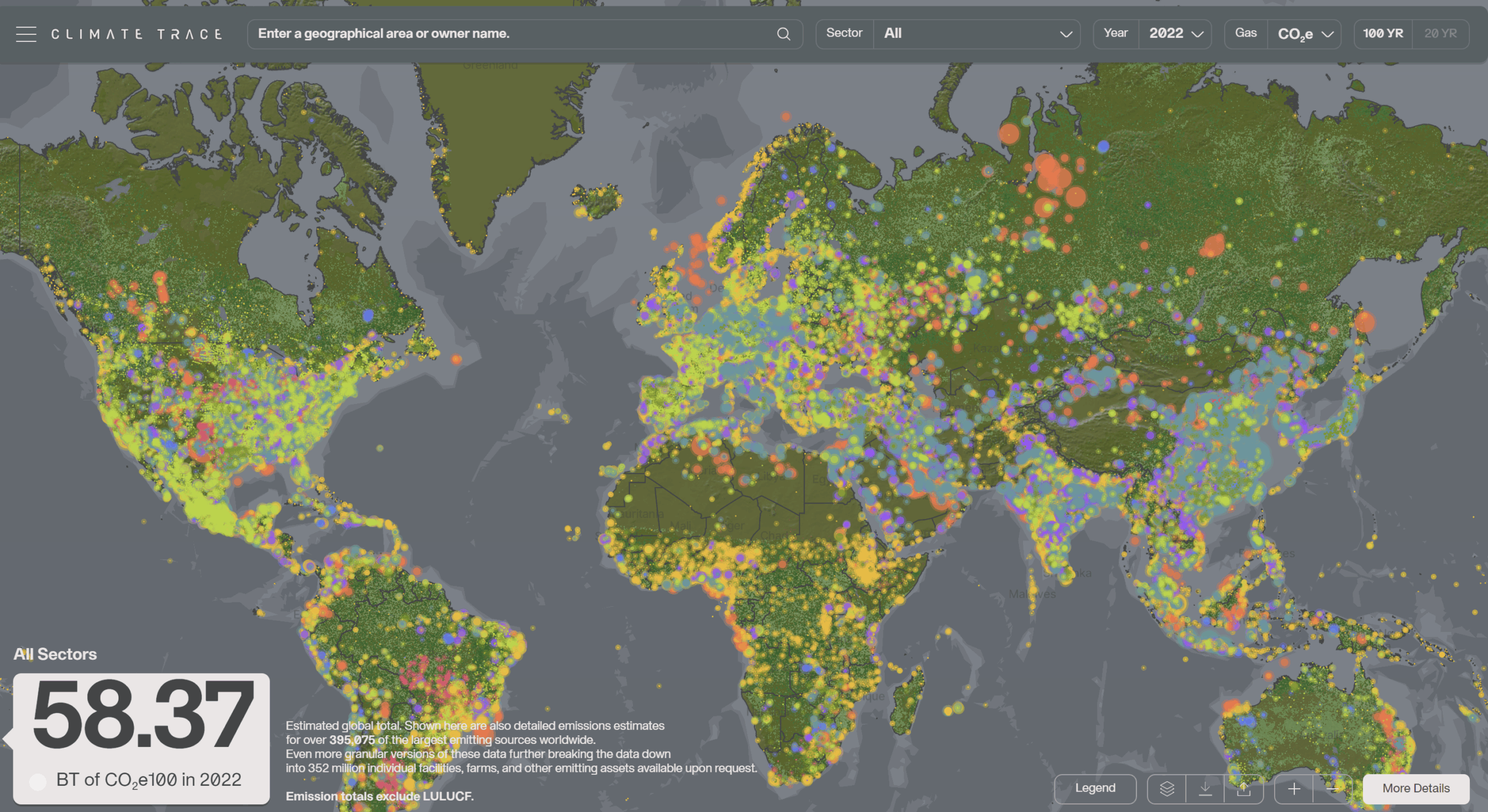
Climate TRACE is a comprehensive tool for tracking global greenhouse gas emissions. Utilising satellite data and AI, it provides real-time insights, helping finance professionals assess environmental impacts and make informed decisions. This tool supports ESG integration and sustainability in financial practices.

Energy transition risks and opportunities initiative's series
Energy Transition Risk and Opportunities Initiative (ET Risk) provides finance professionals with tools to assess energy transition risks and opportunities. The project focuses on sustainable finance, ESG impacts, and climate change, helping users make informed investment decisions.

Business Council of Co-operatives and Mutuals (BCCM)
Business Council of Co-operatives and Mutuals (BCCM) is Australia's peak body for co-operatives and mutuals, across various sectors, including agriculture, banking, health, housing, and retail. Representing diverse sectors, BCCM advocates for sustainable business models, offering resources, research, and support.

Financial crimes and land conversion: Uncovering risk for financial institutions
This report outlines the risks financial institutions face due to land conversion and related financial crimes. It emphasises the convergence of land conversion with crimes like money laundering and corruption, highlighting the need for robust due diligence and risk assessment. It introduces an Environmental Crimes Financial Toolkit to aid institutions in mitigating these risks.

Respecting Indigenous rights: An actionable due diligence toolkit for institutional investors
This toolkit offers practical guidance for investors to respect Indigenous rights. It covers understanding and incorporating these rights into investment policies, assessing and addressing impacts, and ensuring Free, Prior, and Informed Consent. This toolkit aims to mitigate risks and uphold international human rights standards.

Banking on climate chaos: Fossil fuel finance series
The "Banking on Climate Chaos" benchmark report examines global banks' financing of fossil fuel companies, highlighting trends and policy shifts impacting climate goals. This series offers critical insights into financial institutions' roles in supporting fossil fuel expansion and their climate commitments.

Bankrolling ecosystem destruction: The EU must stop the cash flow to businesses destroying nature
The report analysed the financial flows of 135 companies in ecosystem risk sectors and found that 22.1% (US$278b) of credit and 9.4% (US$65b) of investment came from EU-based financial institutions from 2015 to 2023. The report recommends that EU regulation should align finance with global environmental targets to prevent financial flows from contributing to ecosystem destruction.
Accounting for impact: Financial and sustainability reporting of relocating graves in South Africa
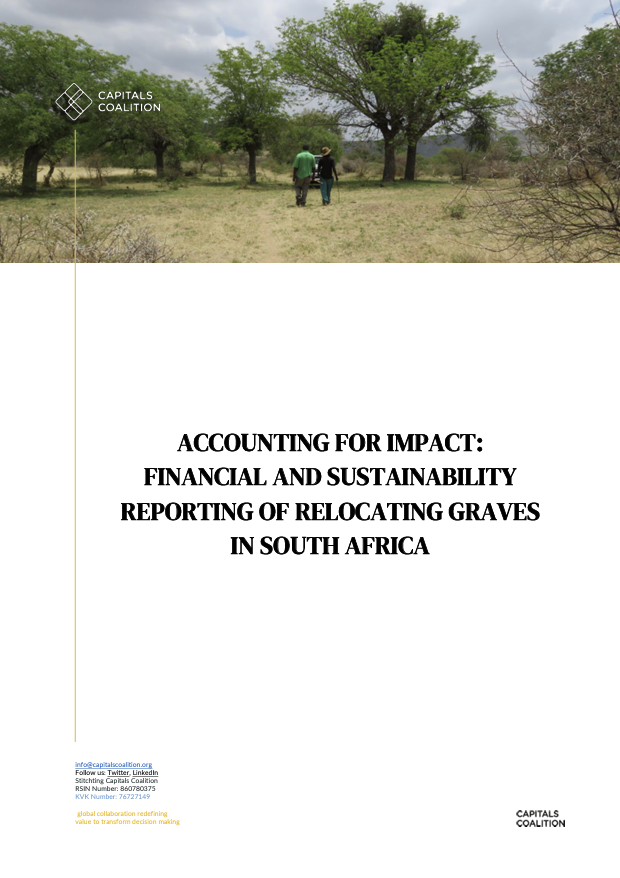
This report delves into reporting sustainability impacts alongside financial data, using the case of relocating graves due to mining in South Africa. It highlights the necessity of clearer disclosure guidelines, improved stakeholder engagement, cultural heritage preservation, and recognising societal implications beyond financial metrics. Companies must navigate complexities and prioritise transparency.

Decarbonization, population disruption and resource inventories in the global energy transition
The study underscores the necessity of macro-level planning for energy decarbonisation. It delves into the geographical intricacies and dynamics of mineral resource extraction during the transition, providing an empirical foundation to evaluate spatial impacts and demographic shifts. It reveals potential risks and disparities in risk distribution, emphasizing targeted planning's importance.

Measuring what matters: Australia's first well-being framework
Measuring What Matters is Australia's first wellbeing framework, published in July 2023 by the Commonwealth of Australia. It seeks to deepen our understanding of how Australians are faring beyond traditional economic indicators. The framework includes 50 wellbeing indicators under the themes of healthy, secure, sustainable, cohesive, and prosperous societies.

Australian material flow analysis to progress to a circular economy
This report provides a comprehensive material flow account for Australia in 2019 to support the assessment of its circular economy progress. The report highlights key areas where policy interventions can improve material intensity, resource efficiency, and waste minimisation. It also evaluates Australia's circularity indicators and performs well on three proposed indicators.

Getting ahead of the curve on dynamic materiality: How U.S. investors can foster more inclusive capitalism
This discussion paper highlights tools and opportunities for US investors to foster sustainable and responsible value creation in order to support more inclusive and thriving economy. It also discusses the risks posed to portfolios by social and environmental risks and how diversified investors can mitigate them.
Equitable Origin
Equitable Origin (EO) is a global non-profit organisation dedicated to advancing responsible resource management. Through rigorous standards and certification processes, EO promotes sustainable practices in the energy, mining, and agricultural sectors. Their focus on equitable and environmentally friendly operations ensures a balance between economic development and environmental conservation.

Definitions for responsible investment approaches
This report provides definitions for different responsible investment approaches - Screening, ESG Integration, Thematic Investing, Stewardship, and Impact Investing. It aims to standardise terminology, enabling investors to communicate their responsible investment practices with clarity, consistency, and confidence.

Constructive corporate engagements: From a corporate perspective
This research focuses on constructive corporate engagement. This report analyses survey results from 100 senior company directors and interviews with ten executives to examine the drivers of successful engagements. Insights include the importance of collaborating with companies, focusing on material issues, and using standard metrics for success.

Climate horizons
This report explores how Australian companies and investors should manage and disclose climate-related risks and opportunities. It suggests scenario-based analysis is a key tool for this, which can be consistent with Australia's international climate commitments and the recommendations of the Financial Stability Board's Task Force on Climate-related Financial Disclosures (TCFD).


