
Library | SASB Sustainability Sector
Financials
Refine
802 results
REFINE
SHOW: 16


Final report on the amending guidelines on product oversight and governance arrangements for retail banking products to take into account products with ESG features and greenwashing risks
The EBA's final report amends the 2016 Product Oversight and Governance (POG) Guidelines to incorporate ESG features and greenwashing risks for retail banking products. Key changes include requirements for manufacturers and distributors to prevent greenwashing, extended scope to non-bank consumer credit providers, and an application date of 11 January 2027.
Social performance measurement: Practical insights and tips for financial institutions
This report by Shift distils insights from practitioner clinics for financial institutions on social performance measurement. It identifies key challenges and misperceptions, and provides eight practical tips for building more effective human rights due diligence measurement approaches, covering HRDD maturity assessment, theory of change, and quantification at scale.

Weapons, dual use tech and financial institutions
This Shift briefing examines how financial institutions should approach human rights due diligence in relation to weapons and dual-use technologies. It identifies four key challenges, six anchors grounded in international humanitarian law, and six practical approaches to support responsible defence-related lending and investment decisions.
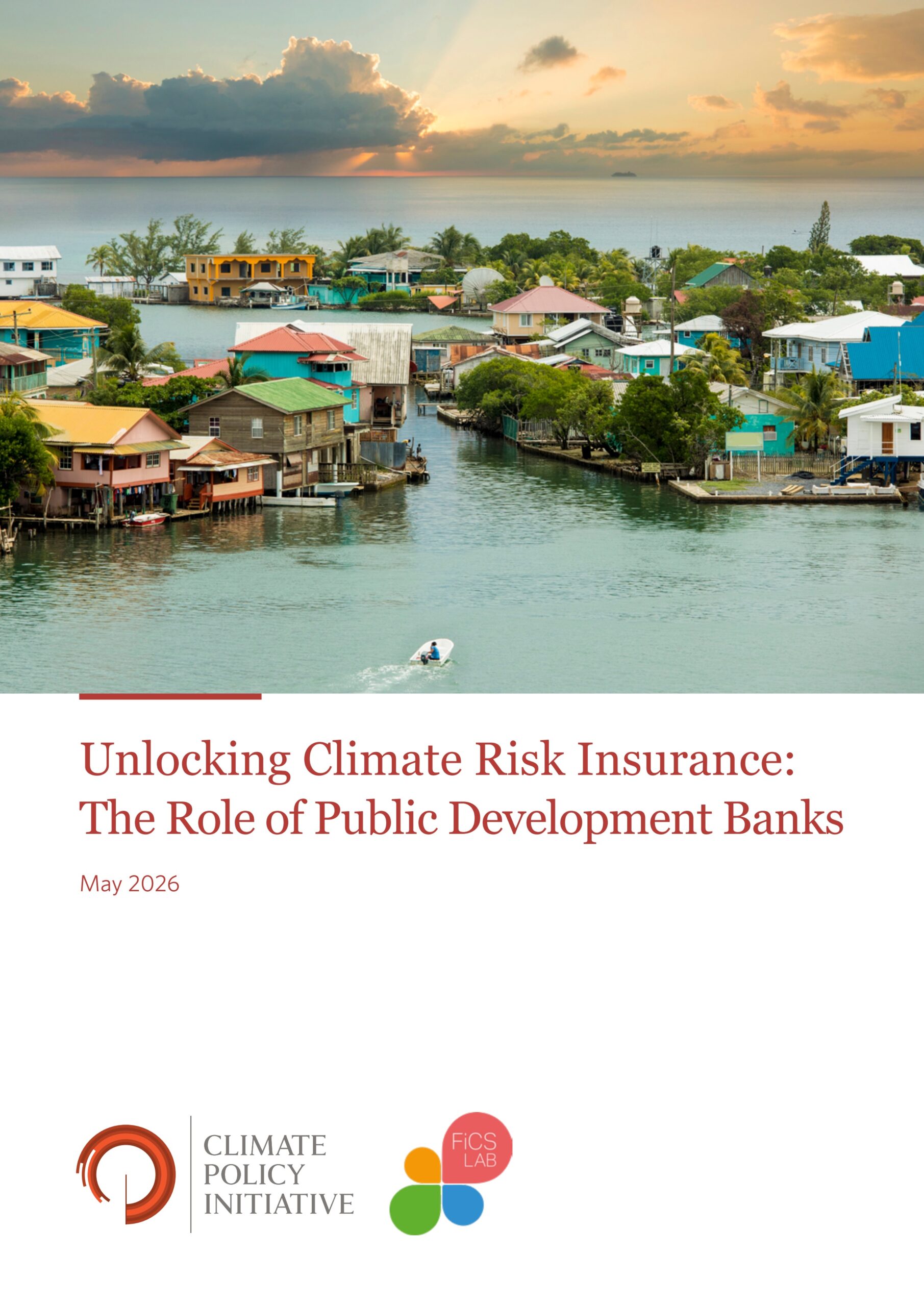
Unlocking climate risk insurance: The role of public development banks
This report examines how public development banks (PDBs) can expand climate risk insurance in emerging markets and developing economies. It identifies five key barriers to insurance uptake, analyses distinct roles for national, regional, and multilateral development banks, and provides recommendations to scale insurance solutions that build climate resilience.
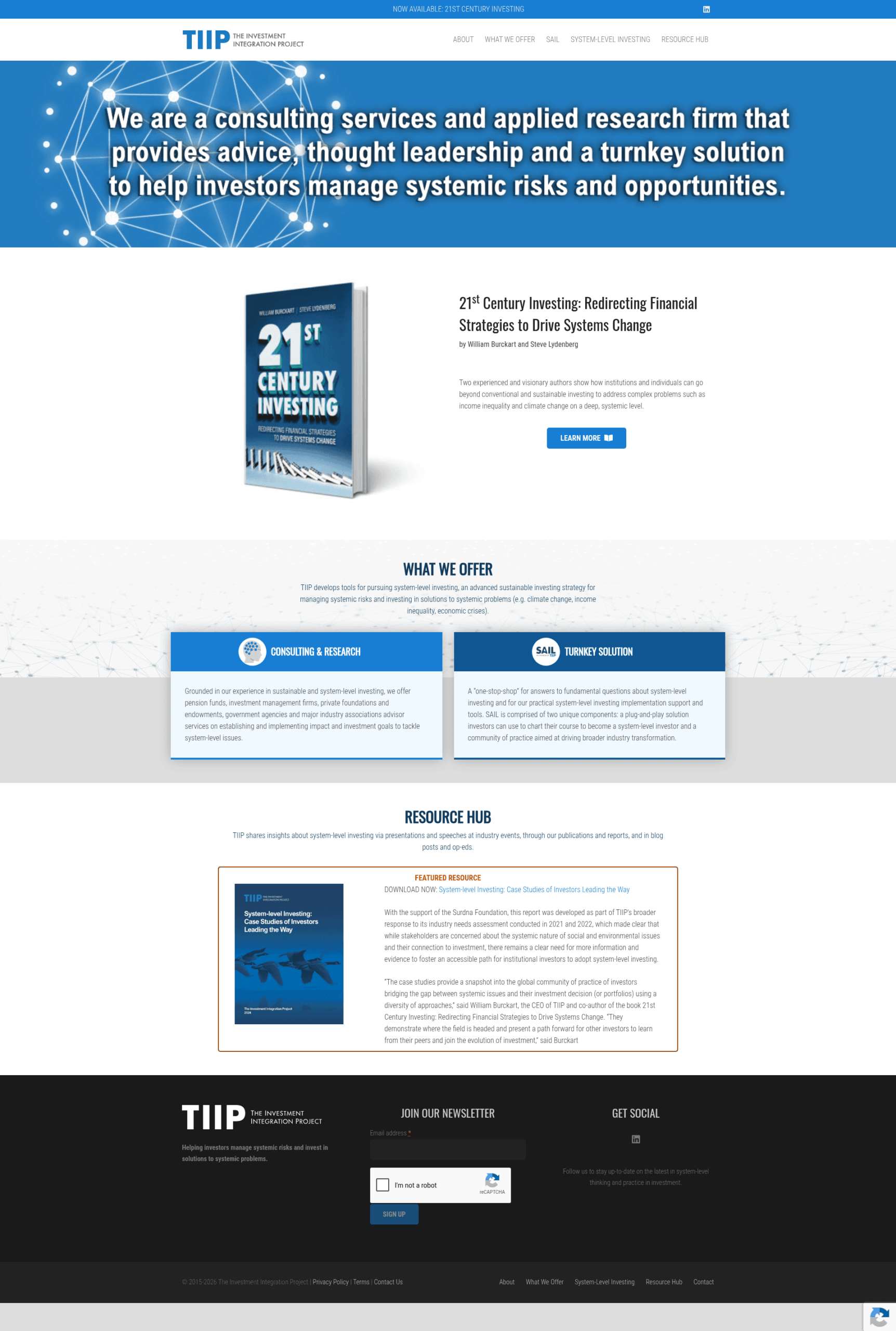
TIIP: The Investment Integration Project
TIIP develops tools and advisory services for system-level investing, helping institutional investors manage systemic risks related to climate change and inequality.

Climate Central
Climate Central Resources is an online library of climate science content, interactive tools, graphics and datasets. It provides evidence-based information on climate change impacts, extreme weather, sea level rise and climate risk, supporting analysis, communication and decision-making across sectors, including finance.
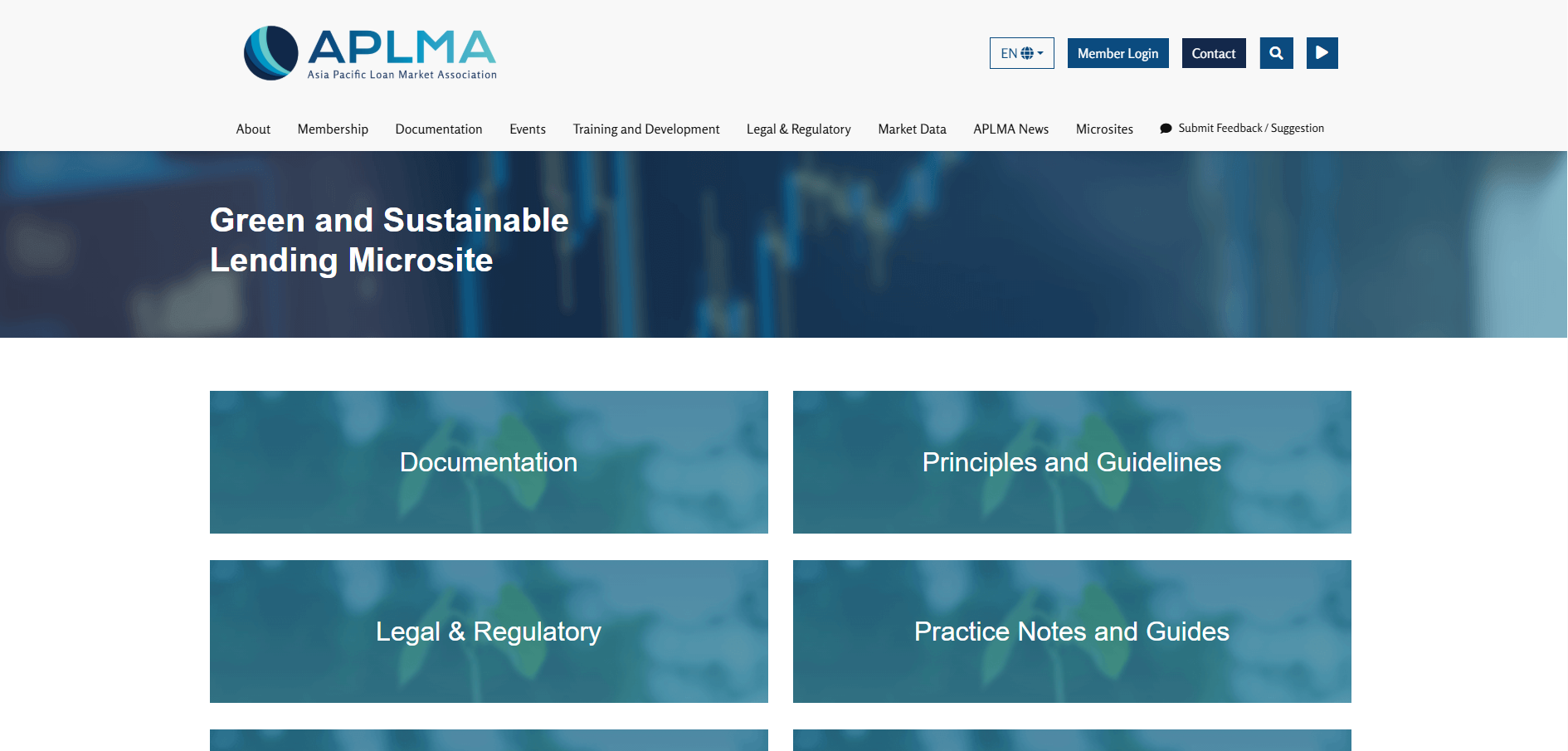
APLMA: Green and Sustainable Lending Microsite
The APLMA Green and Sustainable Lending Microsite provides documentation, principles, guidelines, and market data for sustainable lending.
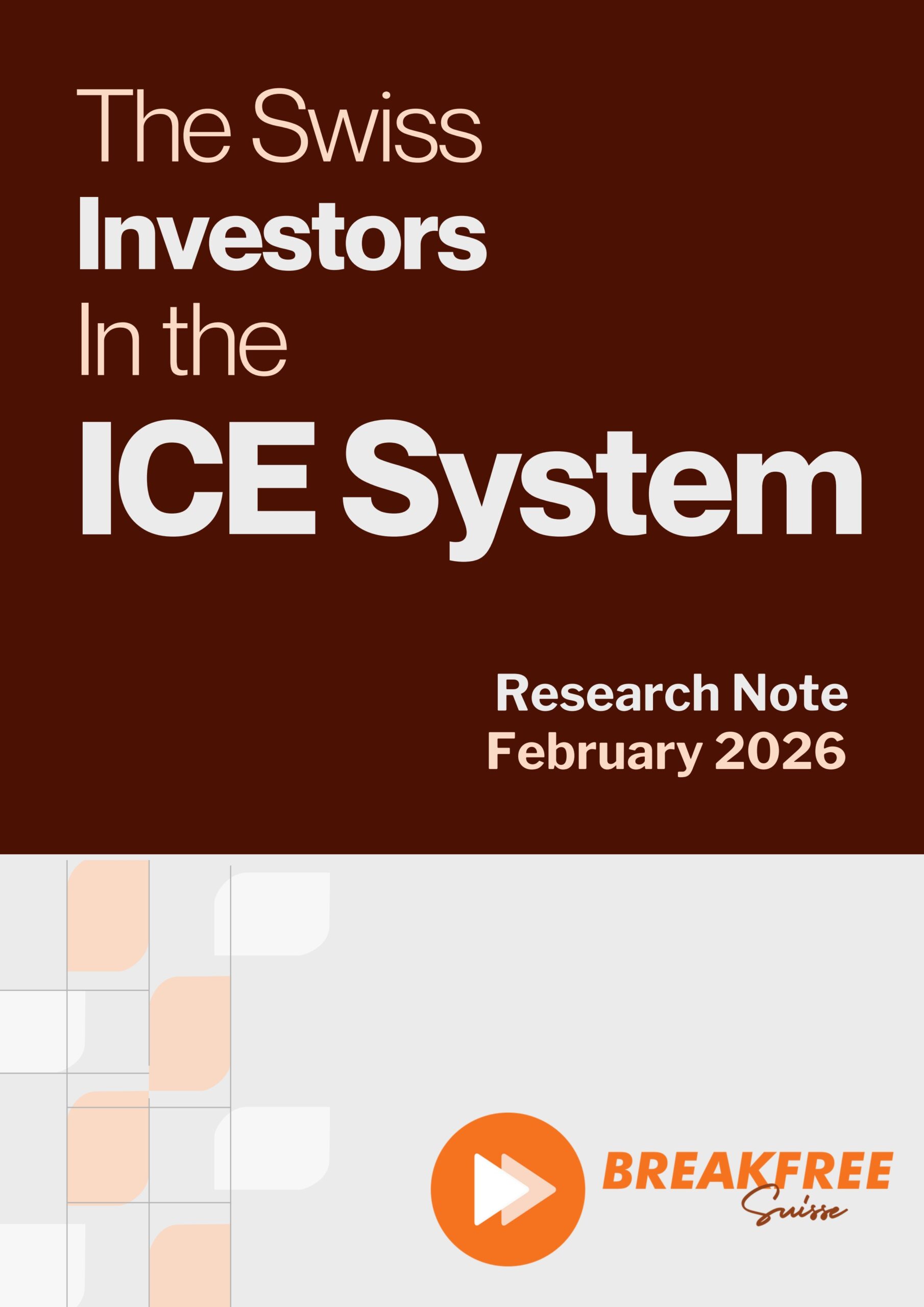
The Swiss investors in the ICE system
This BreakFree Suisse research note examines Swiss institutional investors — including UBS, SNB, Zurich Insurance, and others — holding billions of dollars in US ICE contractors Palantir, AT&T, Geo Group, and CoreCivic. The report argues these investments conflict with the investors' stated human rights policies and ESG commitments.
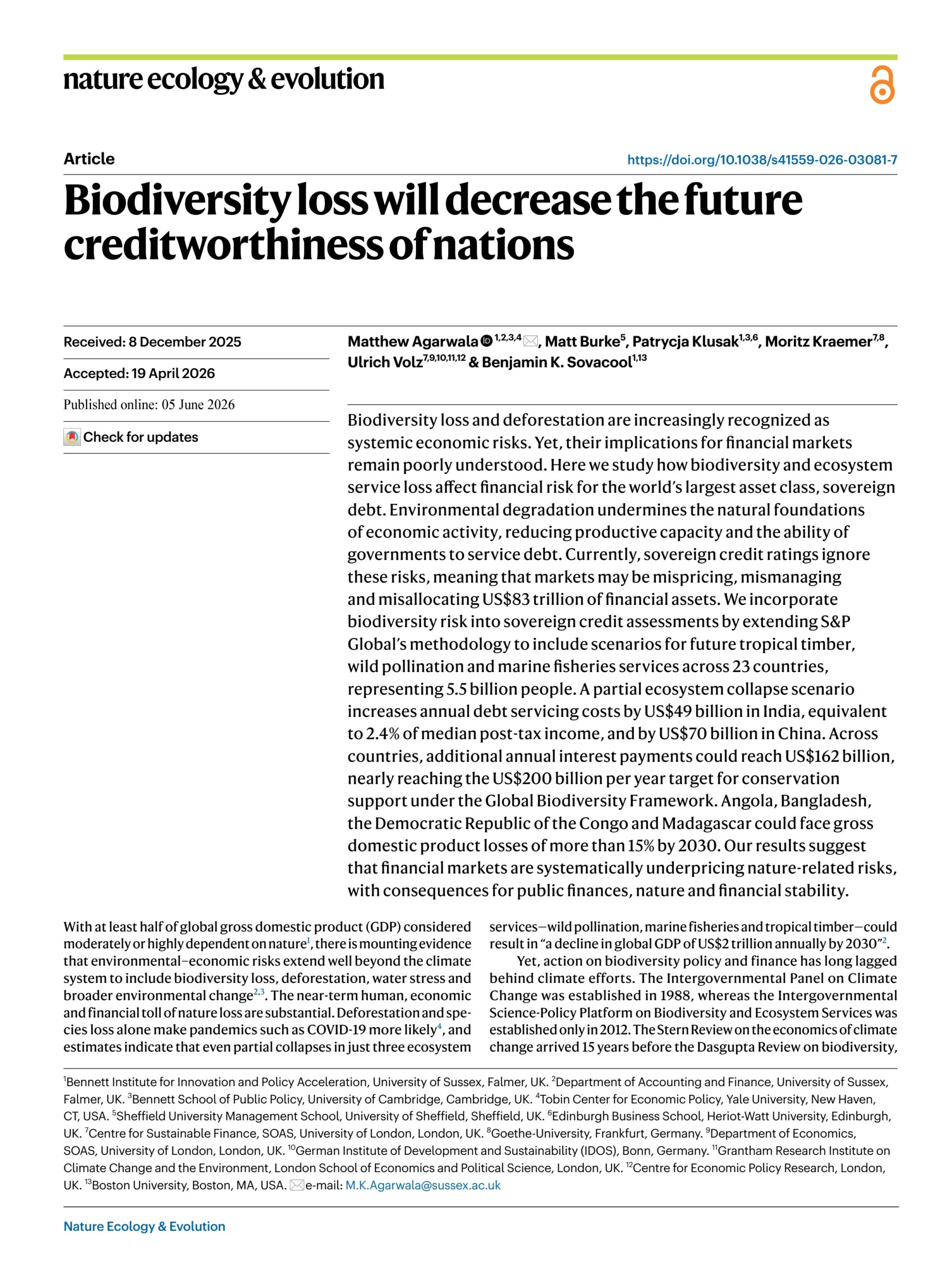
Biodiversity loss will decrease the future creditworthiness of nations
This study examines how biodiversity and ecosystem service loss affect sovereign creditworthiness across 23 countries. Using ecological-economic modelling, it finds that a partial ecosystem collapse could generate US$162 billion in additional annual debt servicing costs globally, highlighting that sovereign credit ratings are systematically underpricing nature-related financial risks.
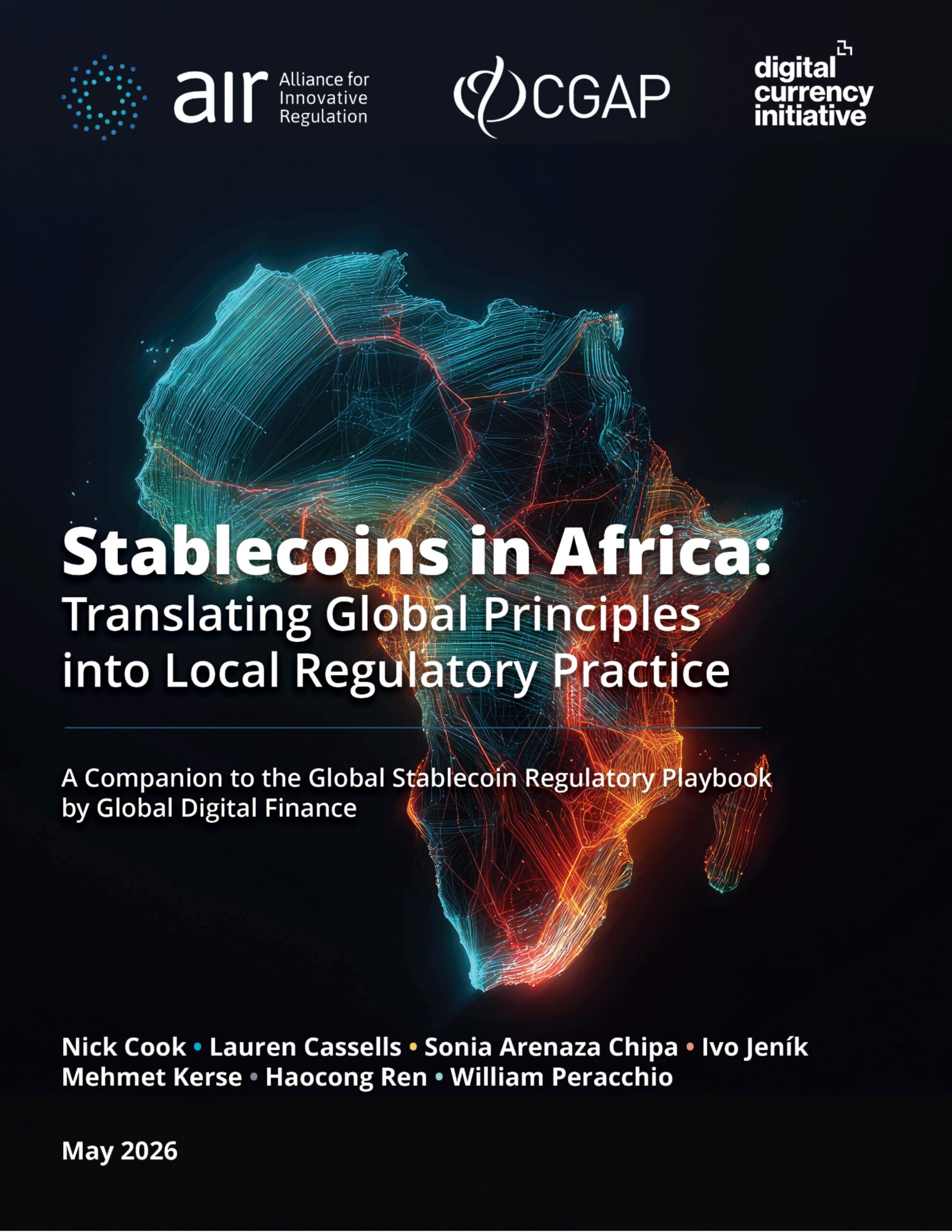
Stablecoins in Africa: Translating global principles into local regulatory practice
This paper is the African Chapter of GDF's Global Stablecoin Regulatory Playbook. It examines how global stablecoin regulatory principles can be applied across Africa's diverse markets, addressing reserve management, consumer protection, AML/CFT compliance, and cross-border coordination, while accounting for local financial infrastructure, dollarisation risks, and varying supervisory capacity.
The benefits of access: Evidence from private meetings with portfolio firms
This paper analyses over 4,700 private meetings between a large active asset manager and portfolio firms using proprietary data from Standard Life Investments (2007–2015). Meetings transmit soft information that influences analyst recommendations and fund manager trading, generating statistically significant abnormal returns and profitable trading decisions.
SRI Connect – Market buzz: SRI/ESG market trends & dynamics
This resource provides an introductory overview of Sustainable and Responsible Investment (SRI) and ESG, explaining key concepts, motivations, terminology, market developments and investment strategies. It is designed to help newcomers understand how sustainability considerations are incorporated into investment practice and the broader sustainable investment industry.
EU Funding Watch
EU Funding Watch curates calls, grants and opportunities across the European funding landscape for impact ecosystem practitioners.
Mindful Money Fund Checker
Free NZ tool to check and compare KiwiSaver funds against ethical issues of concern using publicly available data and portfolio analytics.
Modeling ghost GDP: Macro-financial risk and diversified portfolios in the age of artificial intelligence, automation, and populism
This PDI working paper stress-tests four AI-driven labour displacement scenarios against US macro-financial data, modelling cascading losses across household debt, corporate credit, equities, pensions, insurance, and fiscal channels. Total economy-wide value at risk ranges from approximately $15–18 trillion (Light) to $62–72 trillion (Aggressive). Predistributive mechanisms are proposed as structural solutions.
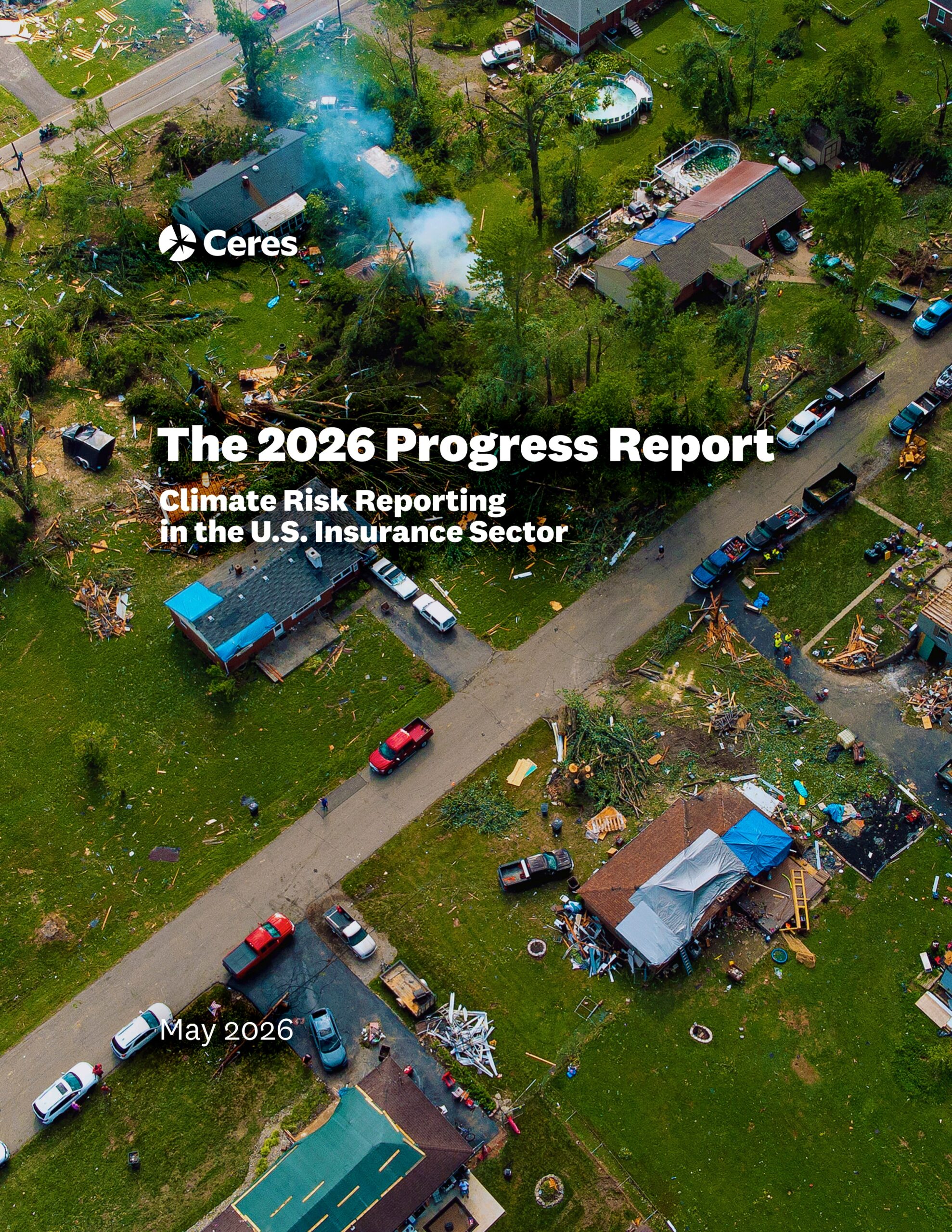
The progress report: Climate risk reporting in the U.S. insurance sector series
This benchmark series assesses the quality and comprehensiveness of climate risk reporting by U.S. insurance companies against the Task Force on Climate-related Financial Disclosures (TCFD) framework. It tracks industry-wide reporting practices, disclosure maturity, governance, strategy, risk management, and metrics over time to evaluate progress in climate-related financial risk disclosure.


