
Library | SASB Sustainability Sector
Financials
Refine
802 results
REFINE
SHOW: 16


Trust, financial literacy, and financial behaviors: Shaping retirement security
This NBER working paper examines how trust in financial institutions and government programmes, and financial literacy, shape retirement security for Americans aged 50+. Using 2020 Health and Retirement Study data, it finds trust in financial institutions supports retirement saving, while trust in government programmes reduces private saving, with notable racial disparities.
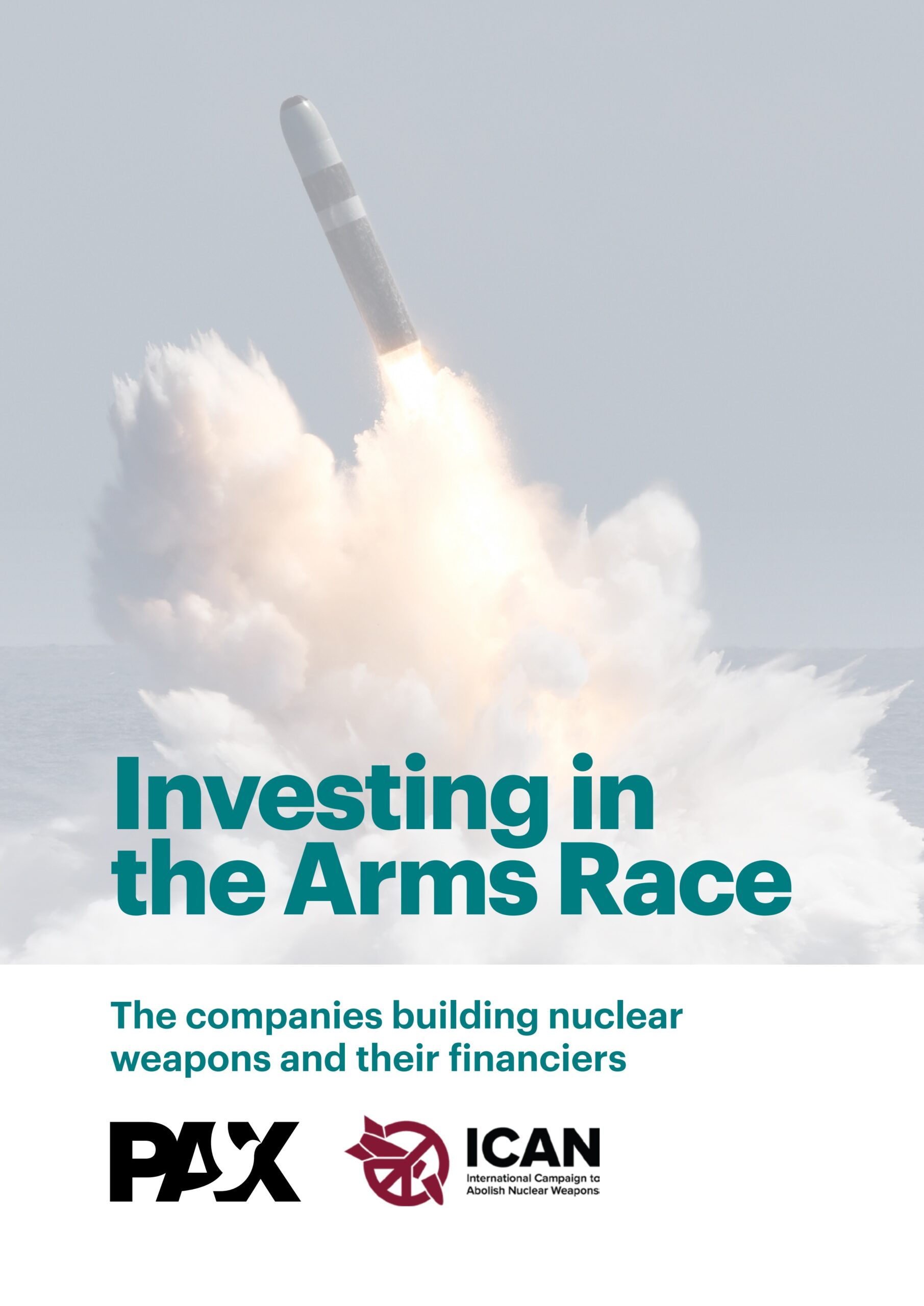
Investing in the arms race: The companies building nuclear weapons and their financiers
This report analyses 25 companies producing nuclear weapons and their financial backers. Highlighting over $1 trillion in total investments and financing from 301 institutions, it urges the financial sector to use its leverage to reject nuclear armament and make choices that benefit global security and humanity.
From fragmentation to insight: Why data convergence matters for scaling impact
This report examines the need for data convergence in impact investing to address fragmentation. It advocates adopting a structured, Theory of Change-based data model to standardise information across portfolios. Such a structure enhances interoperability, streamlines data management, and enables advanced analytics, ultimately improving decision-making and scaling impact effectively.
Beyond the illusion of innovative climate finance at scale in Africa: A market-informed blueprint for Kenya's just and resilient climate transition
This report examines why Kenya's climate finance gap persists despite strong institutions, renewable energy leadership and financial inclusion gains. It identifies seven flawed assumptions and recommends a nationally co-ordinated country investment platform to mobilise domestic capital, align incentives and deliver a just and resilient climate transition.
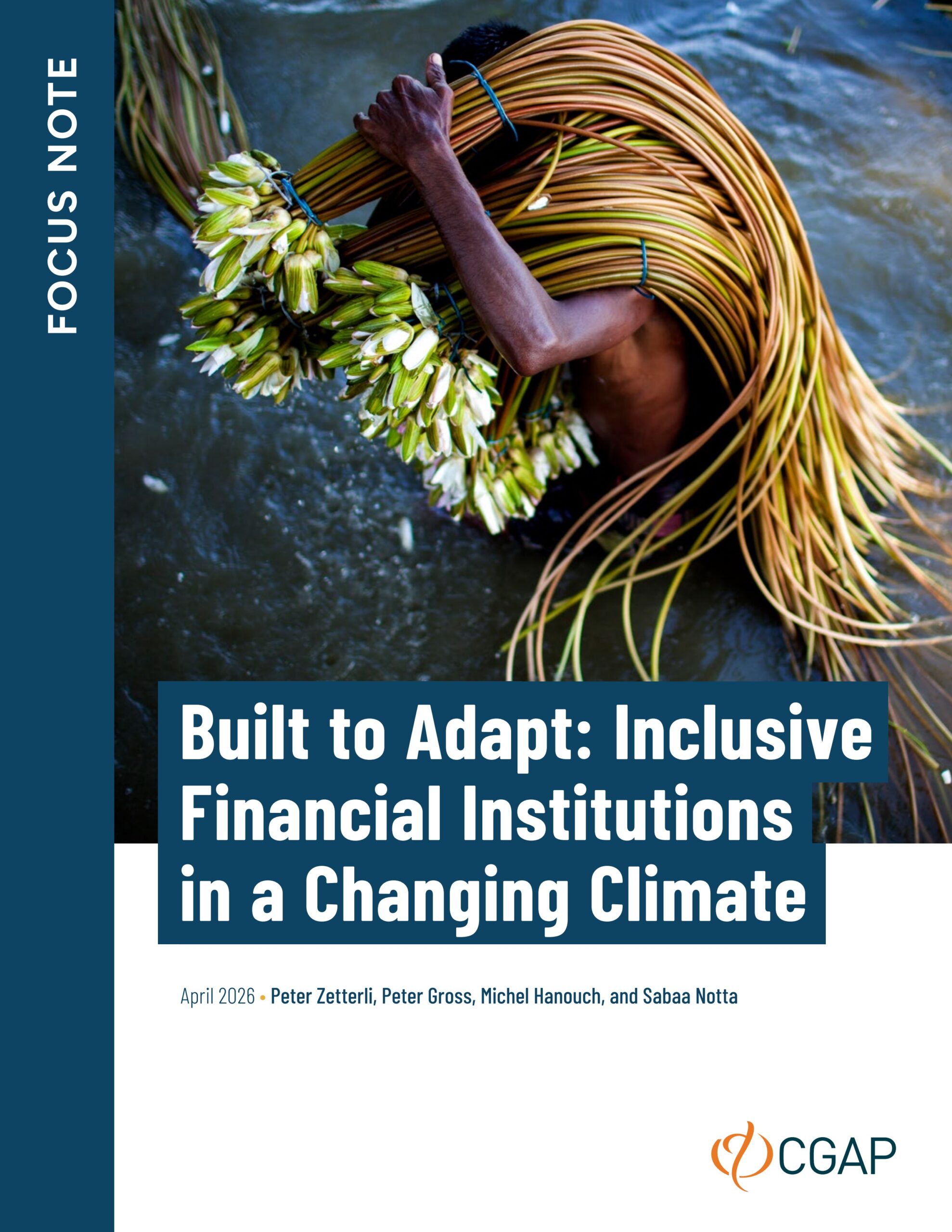
Built to adapt: Inclusive financial institutions in a changing climate
This report explores how inclusive financial institutions can build climate resilience for themselves and their clients. It outlines strategies for risk assessment, innovative risk financing, and adapting product offerings. By adopting a mutually beneficial approach, providers can maintain their social mission while navigating intensifying climate impacts.
Socially-minded investors and corporate behavior
This report examines whether socially-minded investors influence corporate behaviour through voting, managerial incentives, or identity investing. It concludes that existing channels offer limited impact and evaluates potential legal reforms, such as binding shareholder votes and mandatory disclosures, to better align corporate actions with these investors' preferences.

Cracking the code: Using nature data to understand the impact of the ASX200
This report analyses the nature-related impacts of Australia's ASX200 companies. It finds that utilities, energy, and materials sectors exert the highest direct environmental pressures, whereas financials and retail sectors possess significant supply chain impacts. The report advocates for TNFD-aligned disclosures and proactive investor stewardship to mitigate systemic risks.
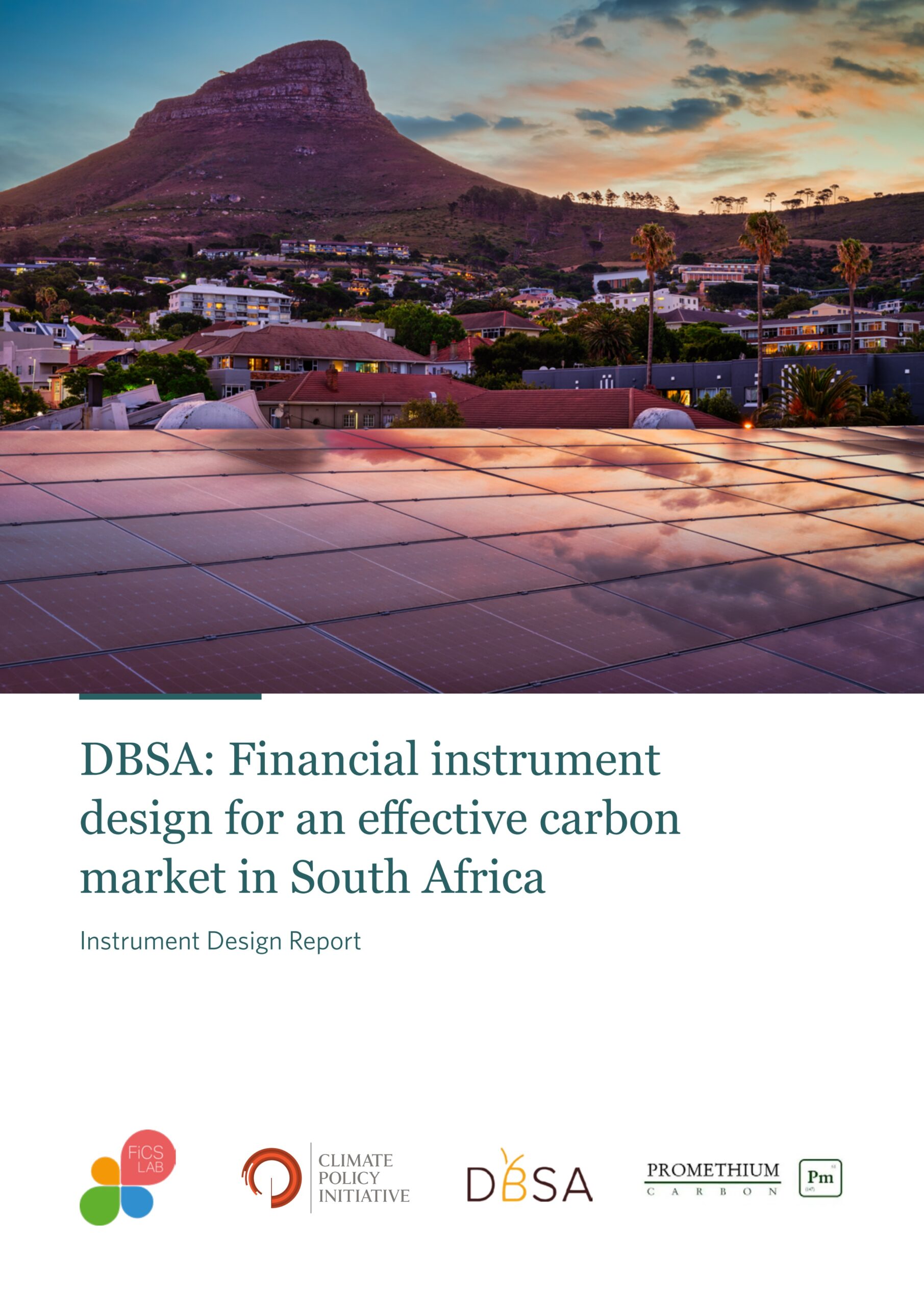
DBSA: Financial instrument design for an effective carbon market in South Africa
The Development Bank of Southern Africa details two proposed financial instruments to support the domestic voluntary carbon market: a carbon credit-backed bond and a repurchase facility. These tools aim to mobilise private capital, address early-stage funding shortages, and improve liquidity for carbon reduction projects.
LP Scan
ImpactAlpha’s LP Scan is a dealflow and market intelligence resource that tracks limited partner (LP) activity, fund allocations and investment trends across impact investing. It provides insights into institutional investors, capital flows and fundraising activity to help market participants identify opportunities and understand developments in sustainable and impact finance.
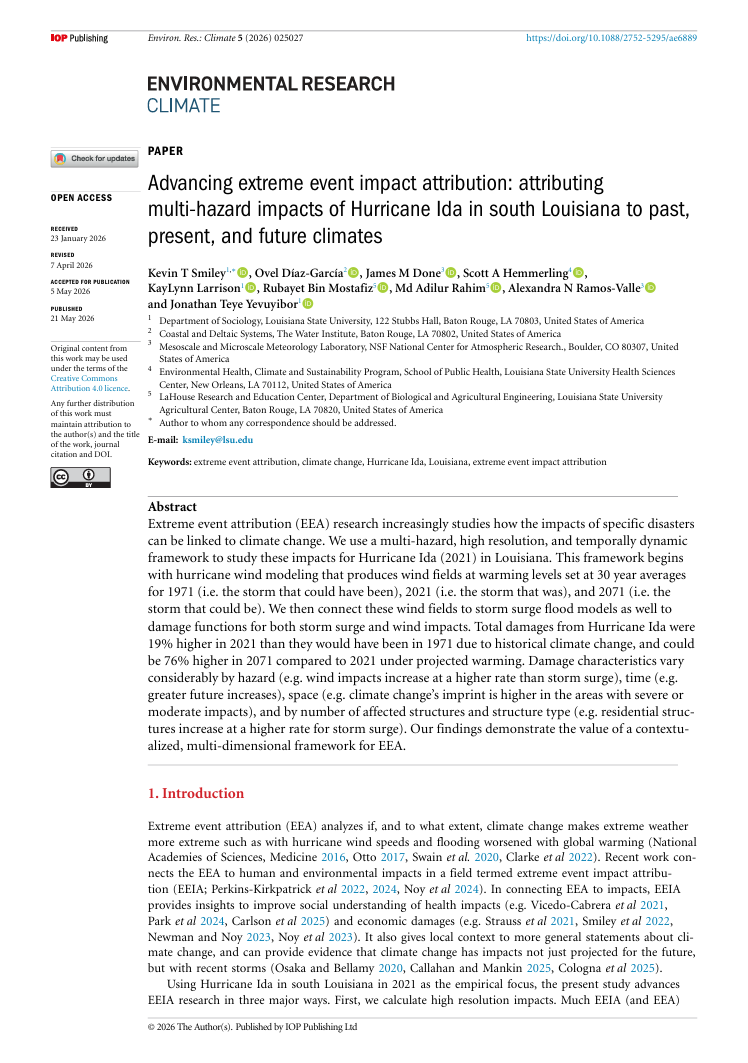
Advancing extreme event impact attribution: Attributing multi-hazard impacts of Hurricane Ida in south Louisiana to past, present, and future climates
This report examines the impacts of Hurricane Ida in south Louisiana, using a multi-hazard framework to attribute economic damages to historical and projected climate change. It finds that total damages were 19% higher in 2021 due to historical climate change and could be 76% higher by 2071.
Digitalisation and innovation: Opportunities and risks for financial health
This report examines the impact of digital innovation on financial health. It outlines opportunities in payments, credit, savings, and insurance, whilst highlighting emerging risks such as fraud, overindebtedness, and ill-suited investments. The authors propose policy responses to enhance regulatory frameworks and promote responsible digitalisation in financial services.
Finance for biodiversity data catalogue
The FfB Biodiversity Data Catalogue is an online tool designed to help financial institutions navigate the nature-related data landscape.
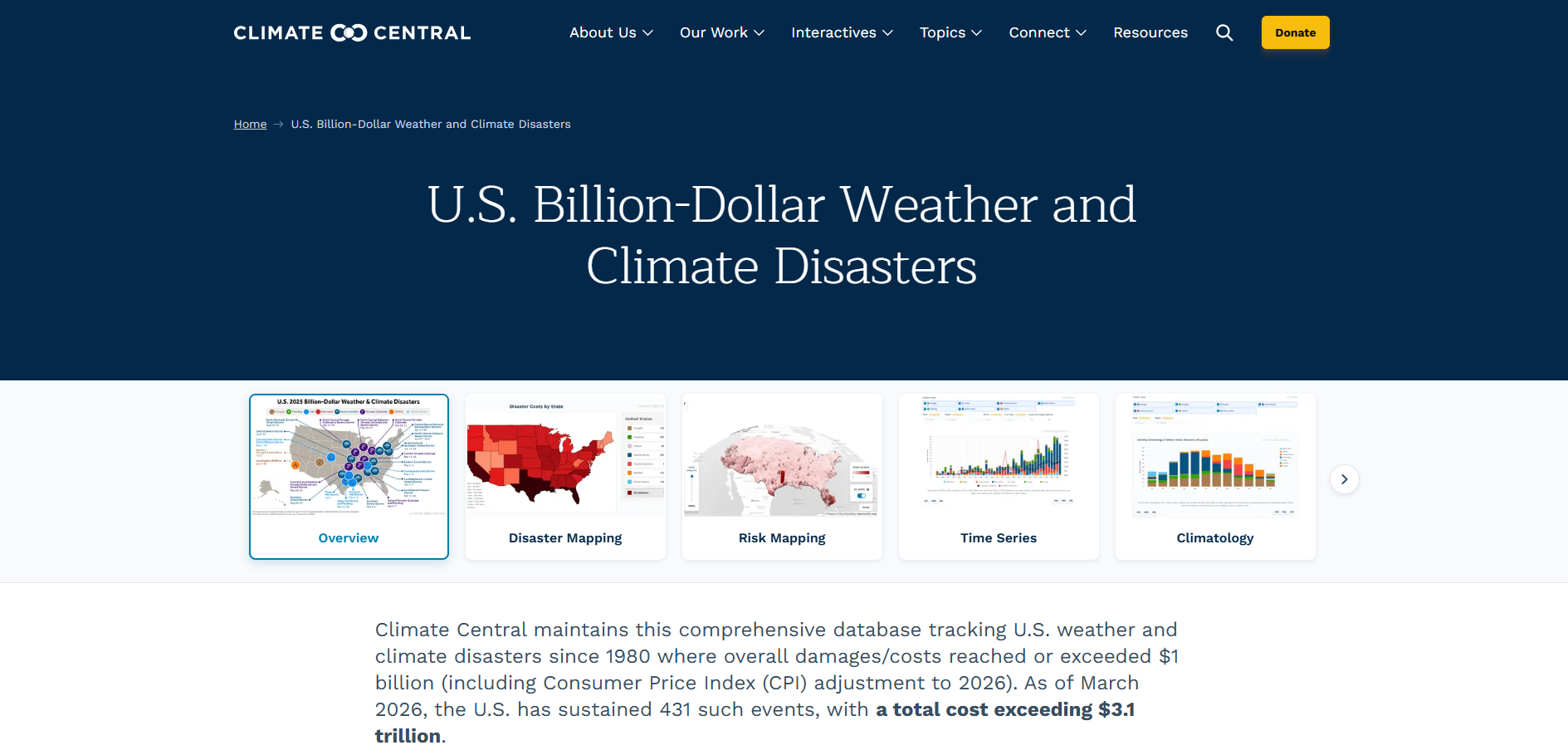
U.S. billion-dollar weather and climate disasters database
Climate Central’s database tracks the most costly U.S. weather and climate disasters since 1980, providing data on events causing $1 billion in damage.
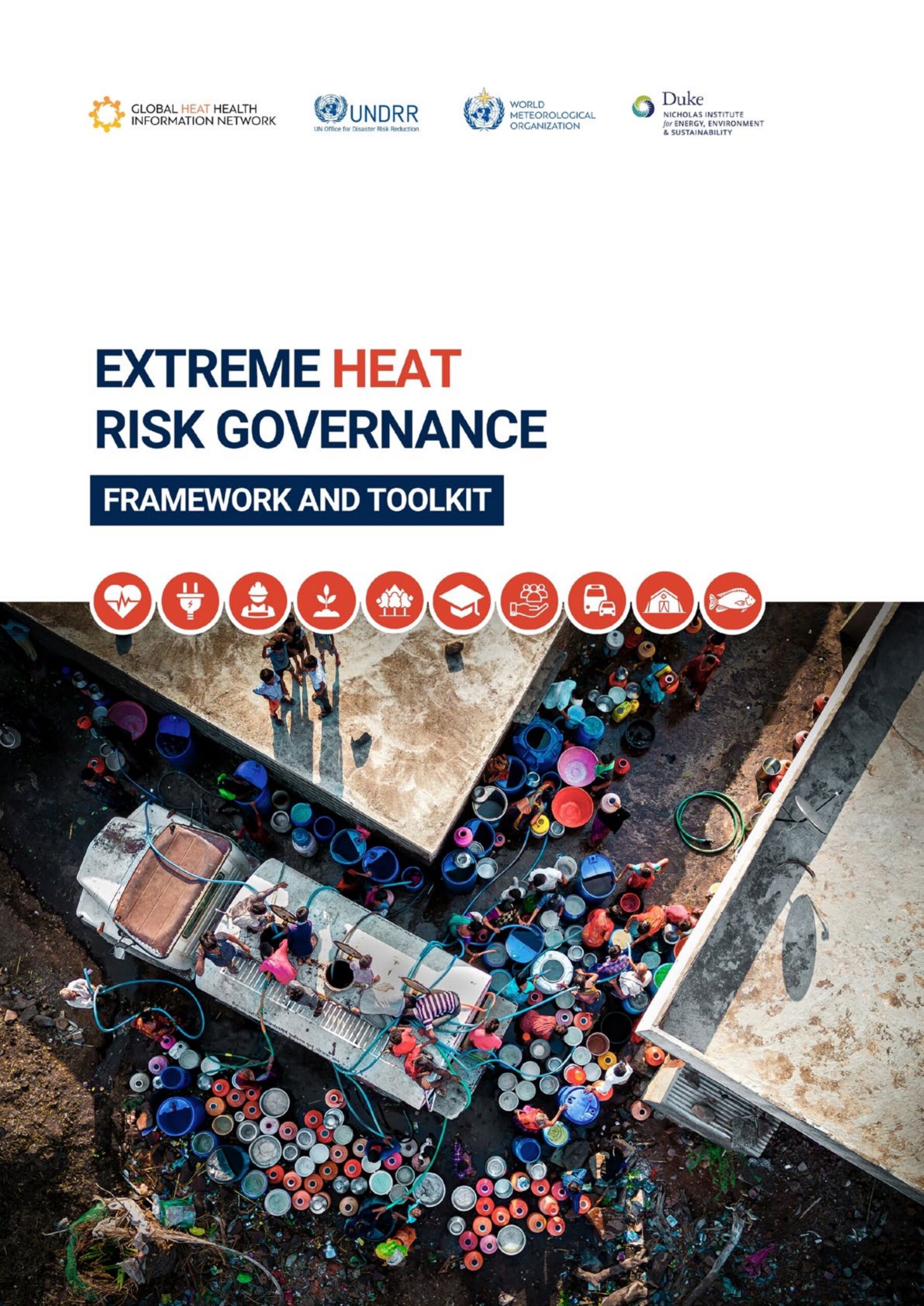
Extreme heat risk governance: Framework and toolkit
This report presents a comprehensive framework and toolkit to help governments and stakeholders manage extreme heat risk. It provides actionable guidance, a maturity assessment tool, and strategies to operationalise governance and develop effective heat action plans across multiple sectors and timescales.
The state of sustainable finance (2025-2030) global architecture, jurisdictional approaches and emerging trends
This report examines global sustainable finance architecture and institutional shifts from 2025 to 2030. It assesses regulatory approaches across nine major jurisdictions, highlighting the European Union as the benchmark. The analysis identifies structural trends, including transition finance scaling, nature risk integration, and the harmonisation of sustainability reporting.


