
Library | Finance relevance
Bankers and financiers
Refine
835 results
REFINE
SHOW: 16


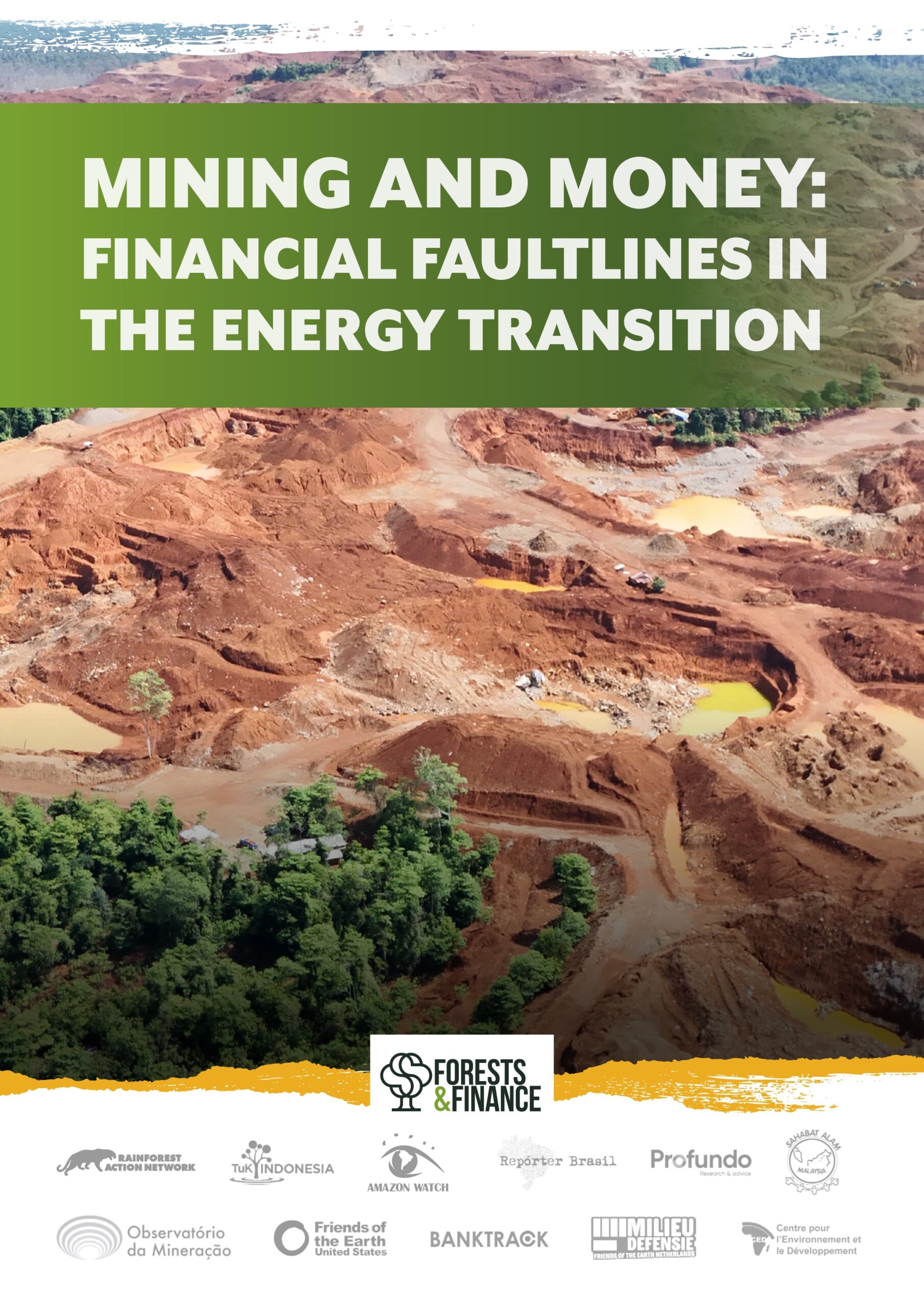
Mining and money: Financial faultlines in the energy transition
This report highlights how global finance enables destructive transition mineral mining. Between 2016 and 2024, banks provided USD 493 billion in credit despite weak ESG policies. Case studies in Indonesia, Brazil, DRC, and Australia reveal widespread environmental damage and human rights abuses, necessitating urgent regulatory and institutional reform.

ROSI™ Real Estate: How Affordable Housing Providers Can Create Financial Value While Supporting Resident Stability
A research-based framework from NYU Stern that quantifies the financial value of sustainability in real estate, specifically showing how affordable housing providers improve financial performance by supporting resident stability.
The State of Cities Climate Finance: Part 2: The enabling conditions for mobilising urban climate finance
Produced by the World Bank and CCFLA, this report examines frameworks for mobilising urban climate finance. It introduces a conceptual framework based on country, city, and climate-specific elements. Findings highlight that cities generate 70% of global emissions and require urgent investment through improved planning, fiscal systems, and carbon pricing.
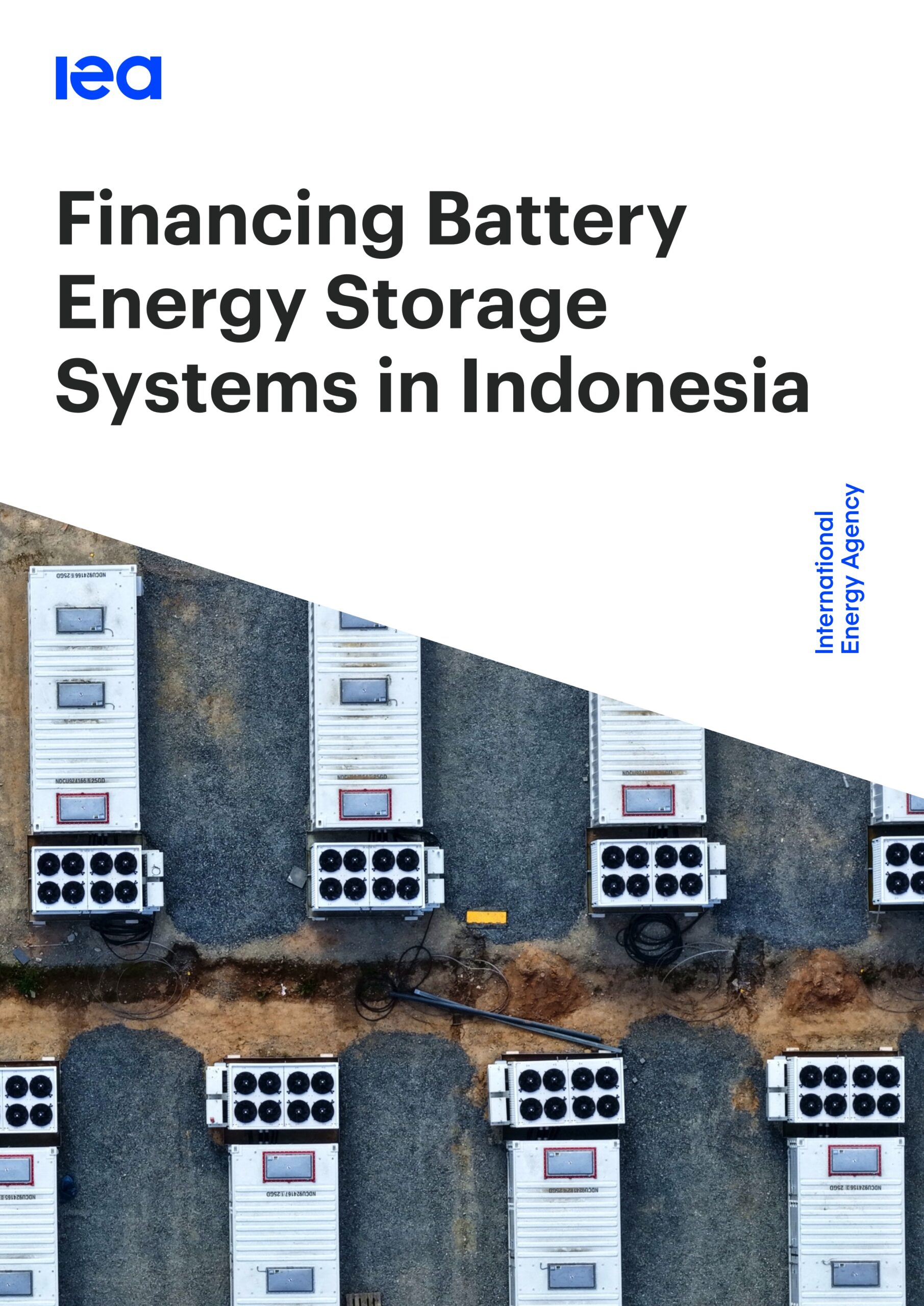
Financing battery energy storage systems in Indonesia
This report analyses financing requirements for 9.6 GW of battery energy storage in Indonesia’s RUPTL 2025-2034. Total investment needs reach USD 5 billion. It evaluates business models and the role of concessional funding in bridging bankability gaps for standalone and hybrid projects across various island systems.
The petrochemical blind spot: Plastics, fertilisers and bank profits
This research report explores the petrochemical industry’s environmental and human rights impacts, documenting how European banks provide billions in financing to major chemical firms. It highlights the sector’s role in driving fossil fuel demand and recommends that financial institutions implement robust plastics policies and cease financing industry expansions.
Adaptation Insights 02: Investing in nature: Pathways to scale investments in nature-based solutions for climate adaptation
This report examines pathways to scale nature-based solutions for climate adaptation, highlighting their superior benefit-cost ratios compared to traditional infrastructure. It identifies strategies to mobilise private capital, utilise standardised valuation metrics, and leverage carbon markets to support long-term maintenance and resilience across vulnerable regions, particularly in Africa.
Building capacity to identify and assess nature-related financial risks
This report examines nature-related financial risks in the Indonesian and Malaysian palm oil sectors. Using scenario analysis, it evaluates how an intensified El Niño and ecosystem degradation affect production, costs, and credit risk. Findings highlight the vulnerability of upstream producers and the necessity for banks to assess nature-based dependencies.
Assessing biodiversity-related financial risks: Navigating the landscape of existing approaches
This OECD report examines methodologies for assessing biodiversity-related financial risks. It identifies physical and transition transmission channels, reviews metrics like Mean Species Abundance, and highlights the implications of the Kunming-Montreal Global Biodiversity Framework. The findings inform a new supervisory framework for central banks to manage ecosystem-related instability.
Governing digital assets and crypto-enabled financial crime
This report examines the growth of crypto-enabled financial crime and the resulting governance gap. It proposes a four-layer multilateral framework to harmonise international standards between bodies like the FATF and INTERPOL. The strategy aims to protect financial integrity through technical integration and cross-border cooperation without suppressing permissionless innovation.
Principles of Indigenous Just Transition
The Principles of Indigenous Just Transition, developed by the Indigenous Environmental Network, provide 11 core guidelines for a regenerative economy. The tool helps investors and developers ensure that energy transitions respect Indigenous sovereignty and avoid extractive practices.
Private equity’s accountability deficit: The case for mandatory disclosure
This research identifies an accountability crisis in private equity due to declining arm’s-length exits and opaque valuations. It proposes mandatory financial disclosure for significant portfolio companies to prevent resource misallocation and systemic risks, drawing parallels to the failure of the conglomerate movement in the twentieth century.
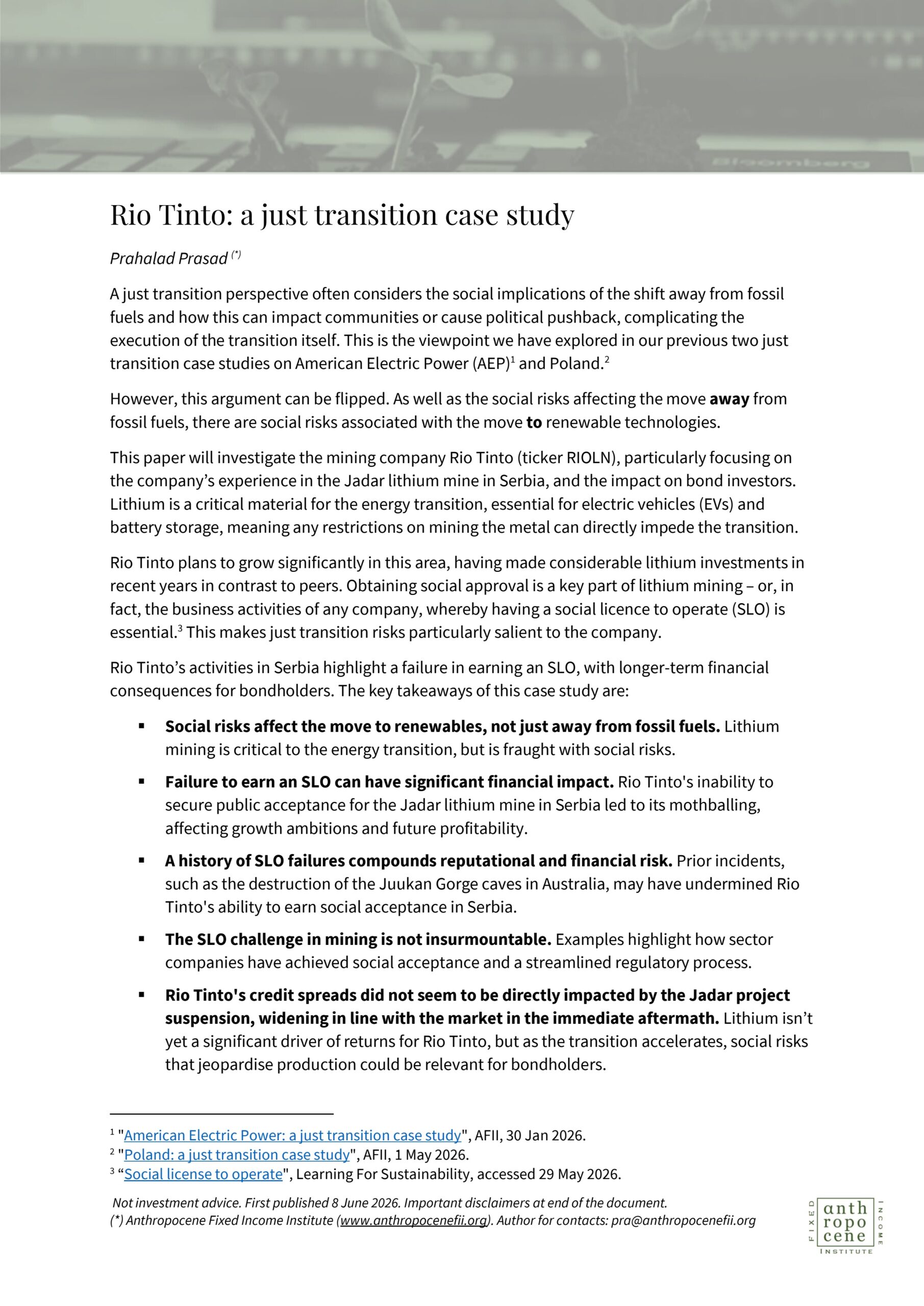
Rio Tinto: A just transition case study
This report examines Rio Tinto’s failure to secure a social licence to operate for the Jadar lithium mine in Serbia. It highlights how social risks associated with the energy transition can lead to project abandonment, financial losses, and reputational damage, ultimately impacting bondholders as lithium production becomes more material.
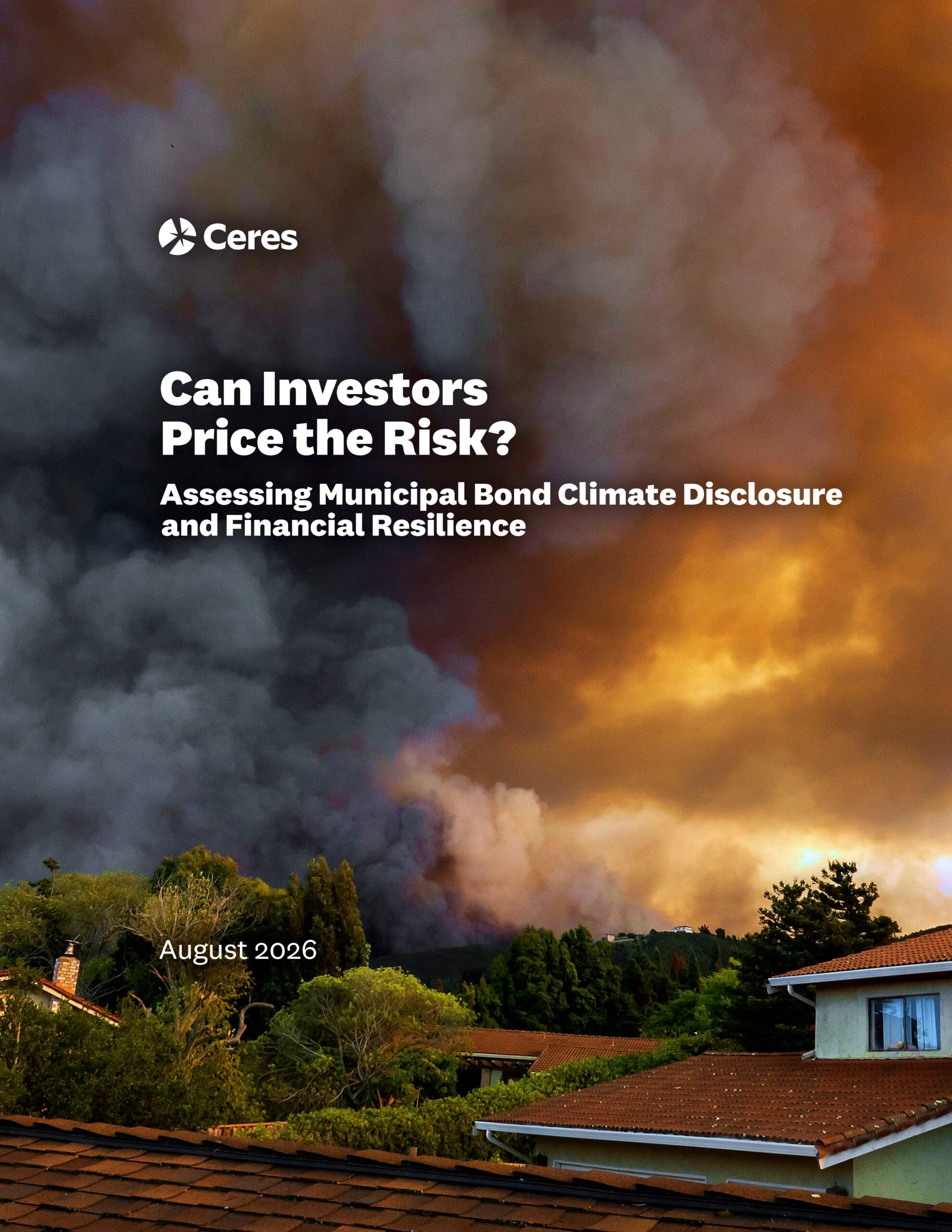
Can investors price the risk? Assessing municipal bond climate disclosure and financial resilience
This report analyses climate risk disclosure in the $4.4 trillion US municipal bond market. Examining 60 high-risk offerings, it finds 33% omit climate references. Disclosures are often generic and backward-looking, lacking the TCFD-aligned metrics necessary for investors to price risk accurately and reward resilience investments.
Scaling up blue finance to support mangrove-based livelihoods in the Philippines
This report examines mobilising blue finance for mangrove restoration in the Philippines to enhance climate resilience and livelihoods. It proposes a debt-for-mangrove swap framework using multilateral development bank debt management tools. Key recommendations include establishing a mangrove trust fund and improving governance of marine protected areas to attract investment.
The macroeconomic case for investing in climate adaptation
This report synthesises evidence from 300 studies to establish the macroeconomic case for climate adaptation. It projects global GDP per capita losses of 8% by 2050, rising to 12% in lower-income countries. Proactive adaptation offers median benefit-cost ratios of 4:1, bolstering fiscal stability and accelerating sustainable development.
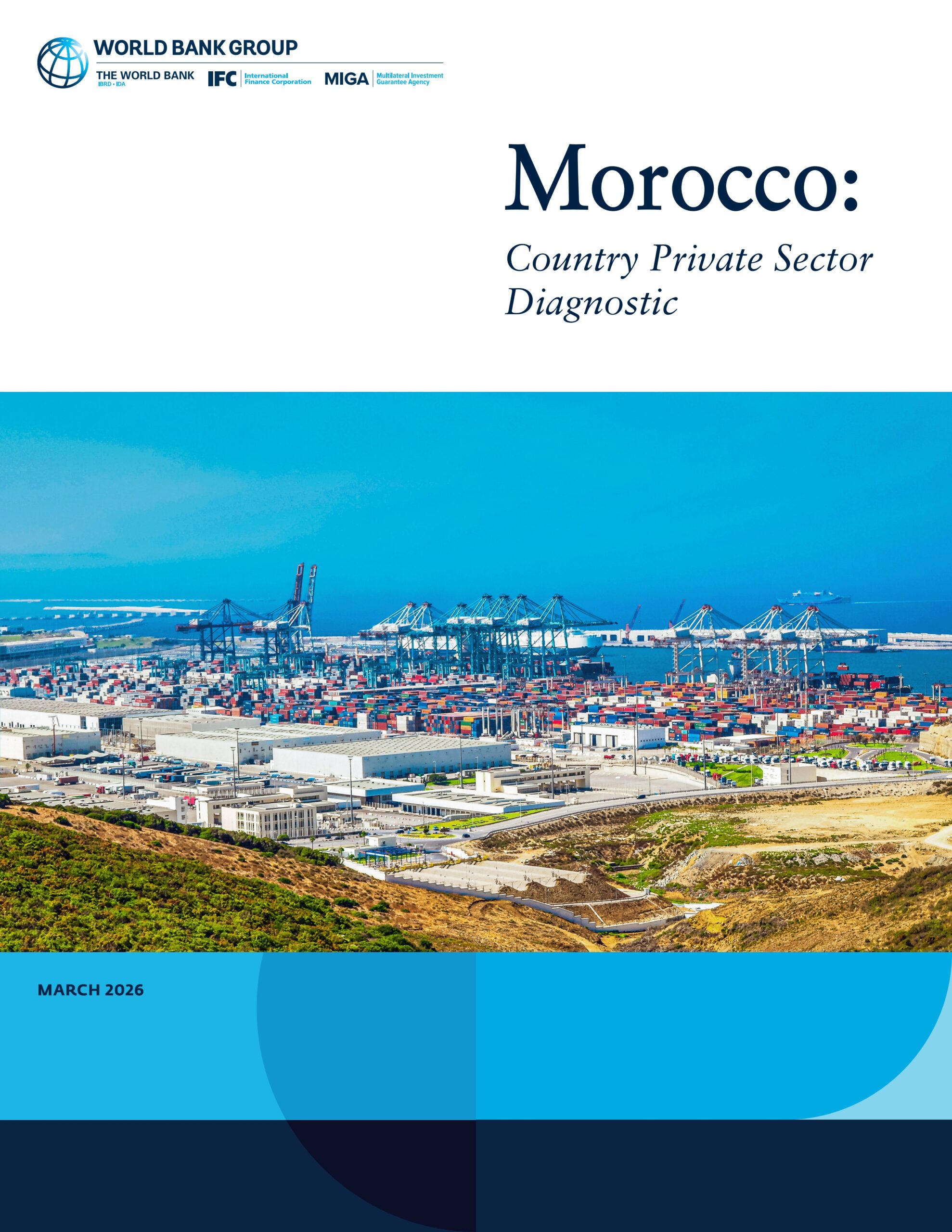
Morocco: Country private sector diagnostic
This World Bank Group report identifies policy actions to unlock private investment in Morocco's decentralised solar, low-carbon textiles, argan oil, and marine aquaculture sectors. It estimates these sectors could collectively catalyse US$7.4 billion in investment and create 166,000 jobs through targeted regulatory reforms and infrastructure improvements.


