
Library | Finance relevance
Bankers and financiers
Refine
707 results
REFINE
SHOW: 16


Stablecoins in Africa: Translating global principles into local regulatory practice
This paper is the African Chapter of GDF's Global Stablecoin Regulatory Playbook. It examines how global stablecoin regulatory principles can be applied across Africa's diverse markets, addressing reserve management, consumer protection, AML/CFT compliance, and cross-border coordination, while accounting for local financial infrastructure, dollarisation risks, and varying supervisory capacity.
Don't mess with the ETS: Priorities for the upcoming EU emissions trading system revision
Carbon Market Watch presents a 10-point plan for improving the EU Emissions Trading System ahead of its upcoming revision. The report argues against weakening the cap, free allocation phase-out, or the Market Stability Reserve, and calls for expanded coverage of aviation, shipping, and biomass, alongside eliminating fossil fuel subsidies from ETS revenues.
Trust, financial literacy, and financial behaviors: Shaping retirement security
This NBER working paper examines how trust in financial institutions and government programmes, and financial literacy, shape retirement security for Americans aged 50+. Using 2020 Health and Retirement Study data, it finds trust in financial institutions supports retirement saving, while trust in government programmes reduces private saving, with notable racial disparities.
Investing in the arms race: The companies building nuclear weapons and their financiers
This report analyses 25 companies producing nuclear weapons and their financial backers. Highlighting over $1 trillion in total investments and financing from 301 institutions, it urges the financial sector to use its leverage to reject nuclear armament and make choices that benefit global security and humanity.
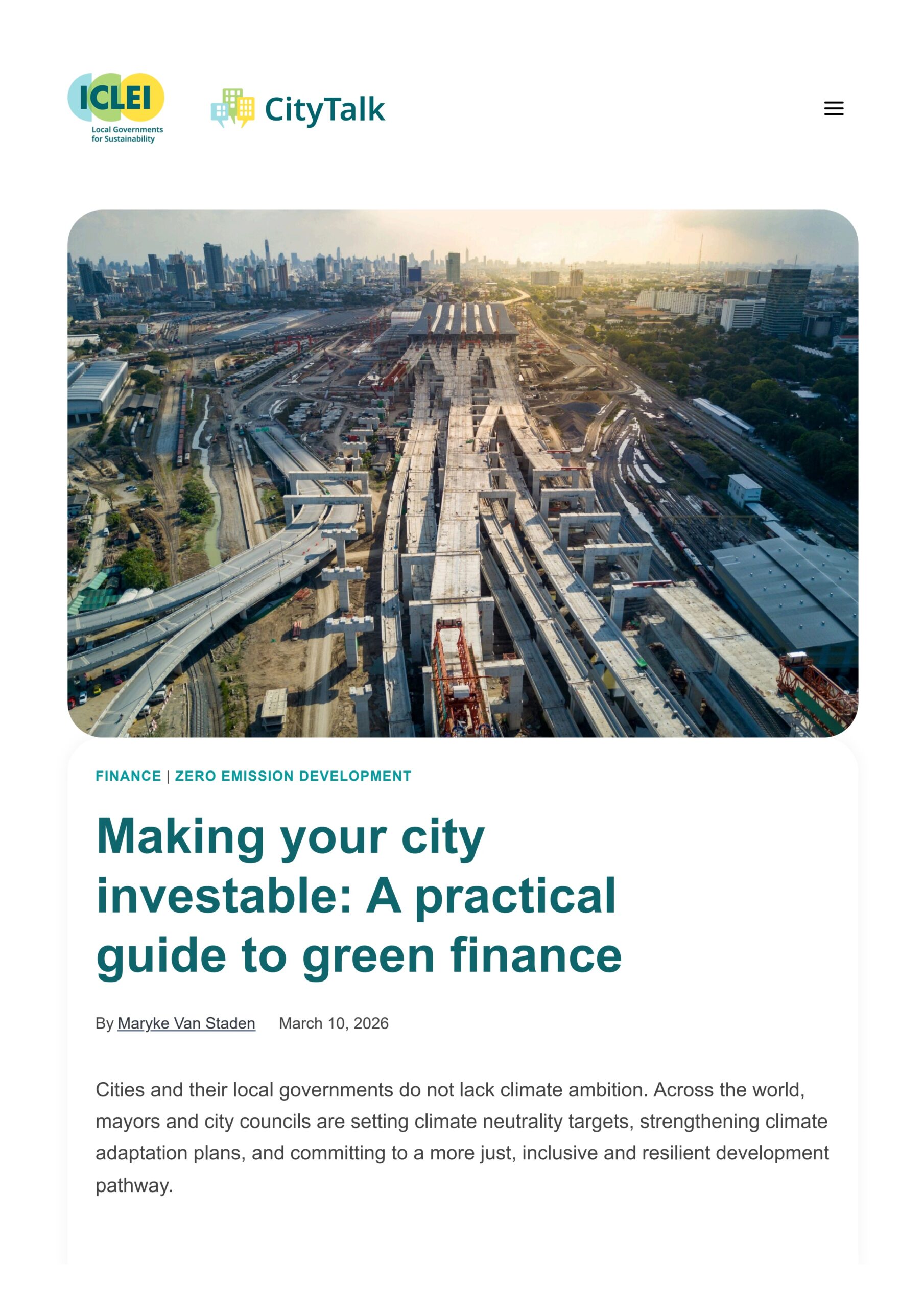
Making your city investable: A practical guide to green finance
This guide outlines how local governments can access green finance by shifting from ad hoc initiatives to embedded institutional strategies. Highlighting successful international examples, it emphasises the importance of transparent governance, predictable project pipelines, and standardised reporting to build investor confidence and secure long-term climate capital.
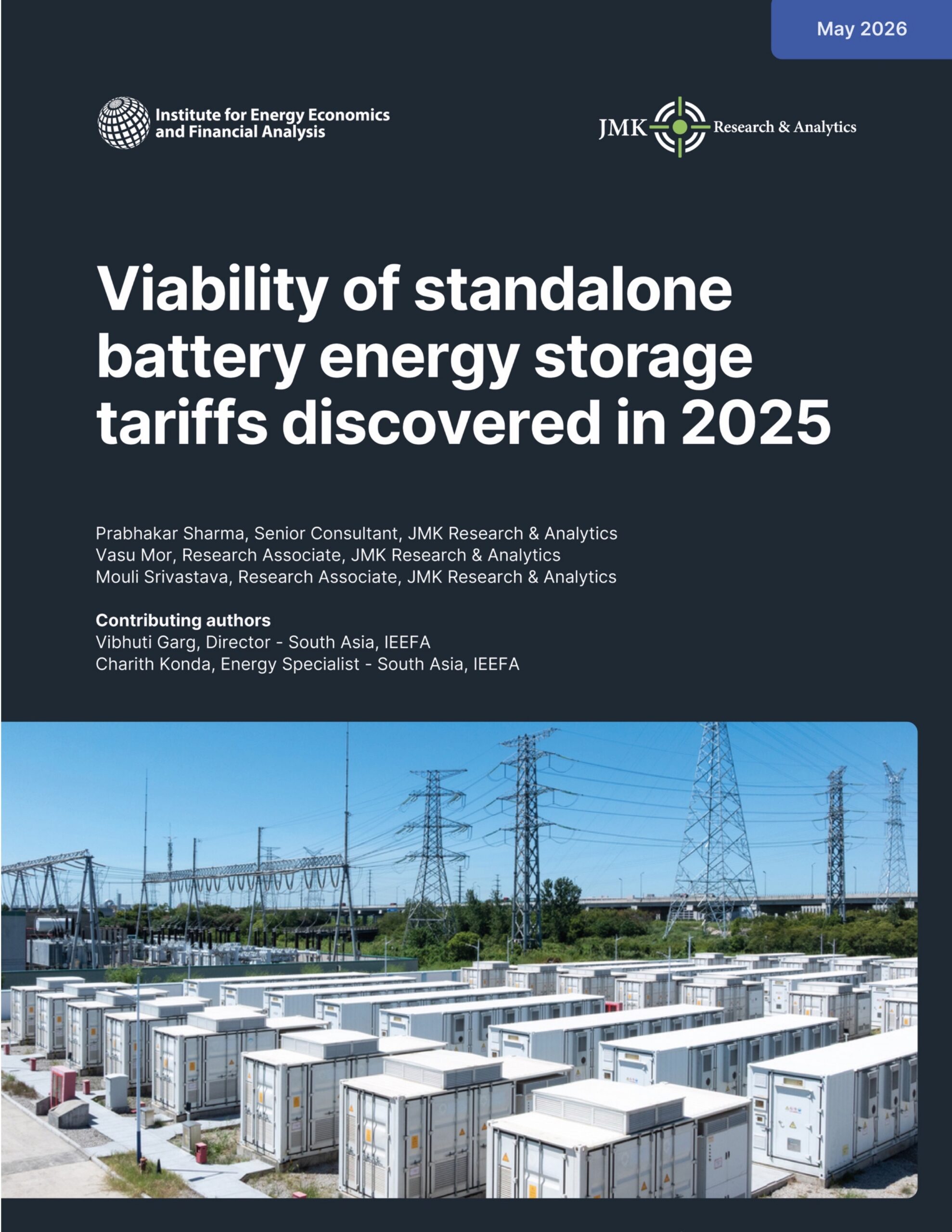
Viability of standalone battery energy storage tariffs discovered in 2025
This report examines the viability of standalone battery energy storage tariffs in India during 2025. It highlights a significant divergence between aggressive tariff reductions and actual project costs, evaluating associated execution risks, supply chain dependencies, and the need for procurement framework reforms to ensure sector resilience.
Beyond the illusion of innovative climate finance at scale in Africa: A market-informed blueprint for Kenya's just and resilient climate transition
This report examines why Kenya's climate finance gap persists despite strong institutions, renewable energy leadership and financial inclusion gains. It identifies seven flawed assumptions and recommends a nationally co-ordinated country investment platform to mobilise domestic capital, align incentives and deliver a just and resilient climate transition.
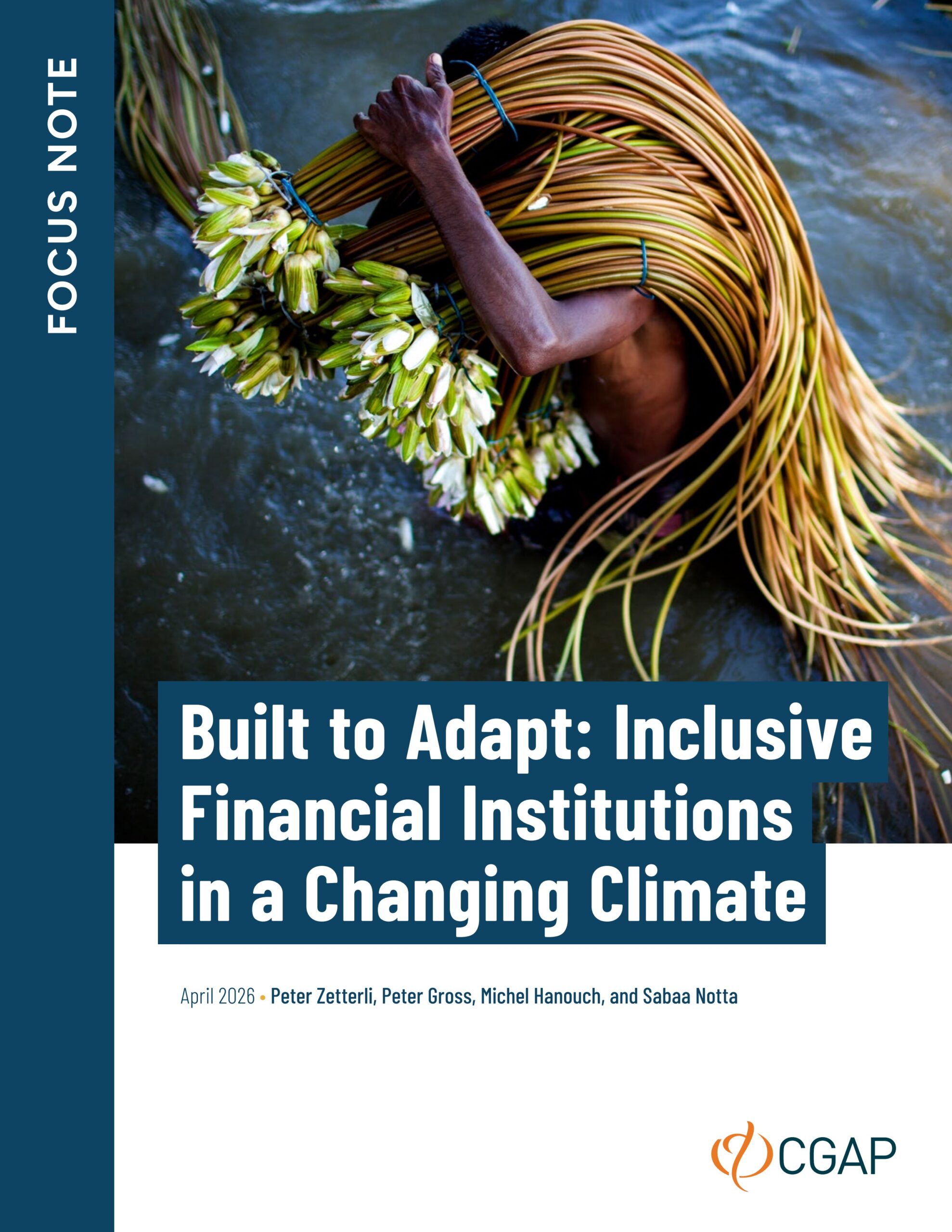
Built to adapt: Inclusive financial institutions in a changing climate
This report explores how inclusive financial institutions can build climate resilience for themselves and their clients. It outlines strategies for risk assessment, innovative risk financing, and adapting product offerings. By adopting a mutually beneficial approach, providers can maintain their social mission while navigating intensifying climate impacts.
Business models and investments for nature: Full report, 2nd edition
This report by the EU Business & Biodiversity Platform presents ten existing finance practices for investing in nature across sectors including forestry, regenerative agriculture, green infrastructure, and urban ecosystems. It explores how financial instruments such as green bonds, blended finance, and sustainability-linked loans can be structured, scaled, and replicated to help close the biodiversity finance gap.
DBSA: Financial instrument design for an effective carbon market in South Africa
The Development Bank of Southern Africa details two proposed financial instruments to support the domestic voluntary carbon market: a carbon credit-backed bond and a repurchase facility. These tools aim to mobilise private capital, address early-stage funding shortages, and improve liquidity for carbon reduction projects.
Digitalisation and innovation: Opportunities and risks for financial health
This report examines the impact of digital innovation on financial health. It outlines opportunities in payments, credit, savings, and insurance, whilst highlighting emerging risks such as fraud, overindebtedness, and ill-suited investments. The authors propose policy responses to enhance regulatory frameworks and promote responsible digitalisation in financial services.
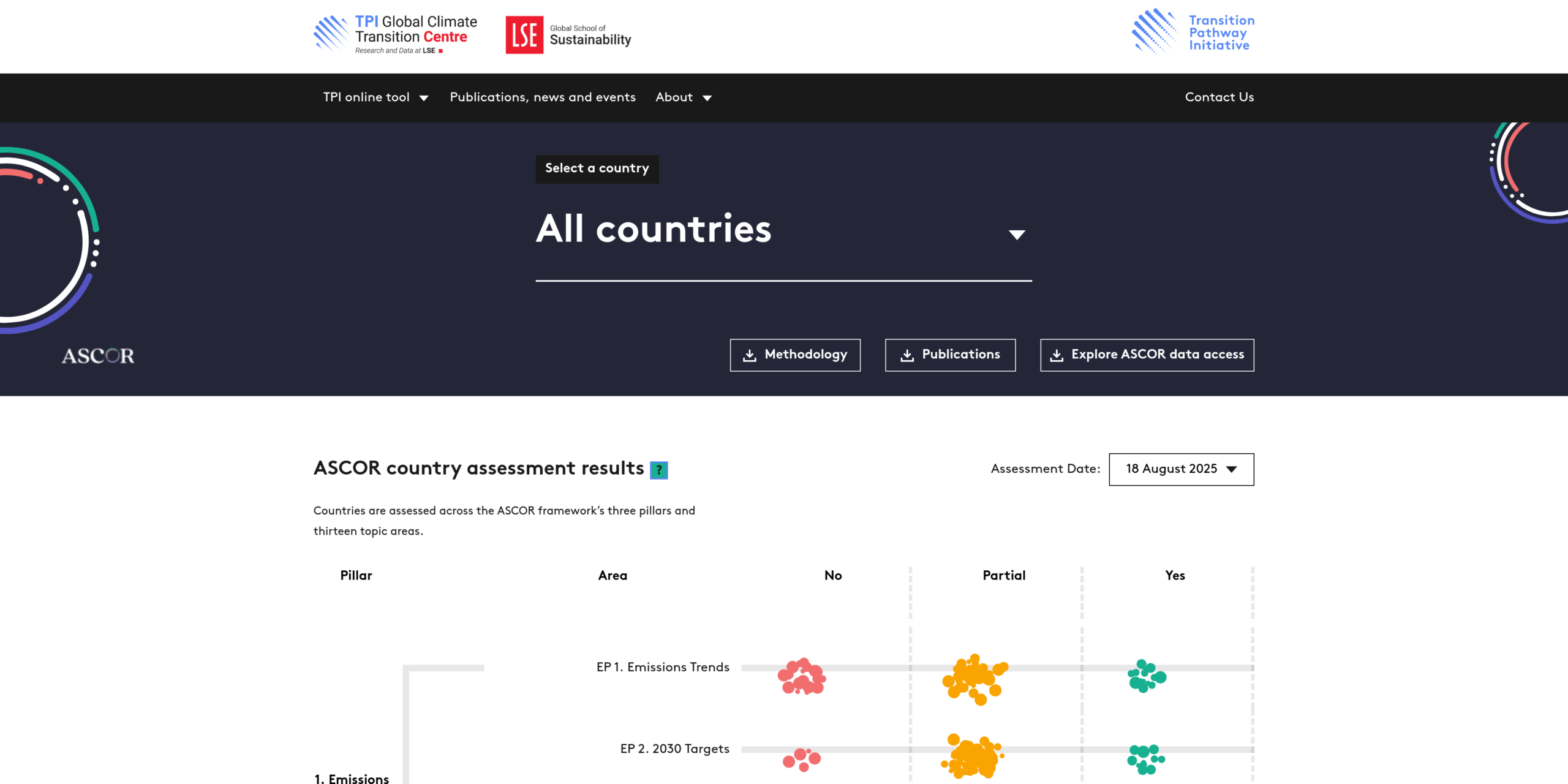
ASCOR Tool
The ASCOR Tool is an investor-led framework for assessing how countries manage the low-carbon transition and the impacts of climate change.
Corporate engagement guide: Addressing deforestation in Australia
This corporate engagement guide provides institutional investors with a step-by-step pathway to address deforestation within Australia's largest listed supermarkets and banks. It evaluates the current progress of major companies and offers actionable guidance to implement robust deforestation-free commitments, safeguard financial stability, and mitigate systemic economic risks.
Tax Incentives in national investment laws: Bridging the gap between tax and investment policy-makers
This report analyses how tax incentives are embedded and governed within national investment laws across emerging markets and developing economies. It highlights coordination gaps between investment and tax authorities, the dominance of tax holidays, and the need for stronger anti-cumulation safeguards to prevent unintended revenue losses.
Cracking the credit code: Alternative data and AI for financial inclusion
This report explores how alternative data and artificial intelligence are redefining credit scoring to enhance financial inclusion for women and underserved borrowers. It analyses market trends, evaluates the risks of algorithmic bias, and provides actionable recommendations to scale responsible, inclusive credit access across emerging markets.
Underwriting the future of resilience: Developing insurable and bankable infrastructure
This report explores how the insurance industry assesses physical climate risks for new social infrastructure projects. It identifies five key enablers to integrate climate resilience across project lifecycles, advocating for early stakeholder engagement and forward-looking risk assessments to ensure long-term asset insurability, bankability, and value in a changing climate.


