
Library | Finance relevance
Impact investors
Refine
750 results
REFINE
SHOW: 16


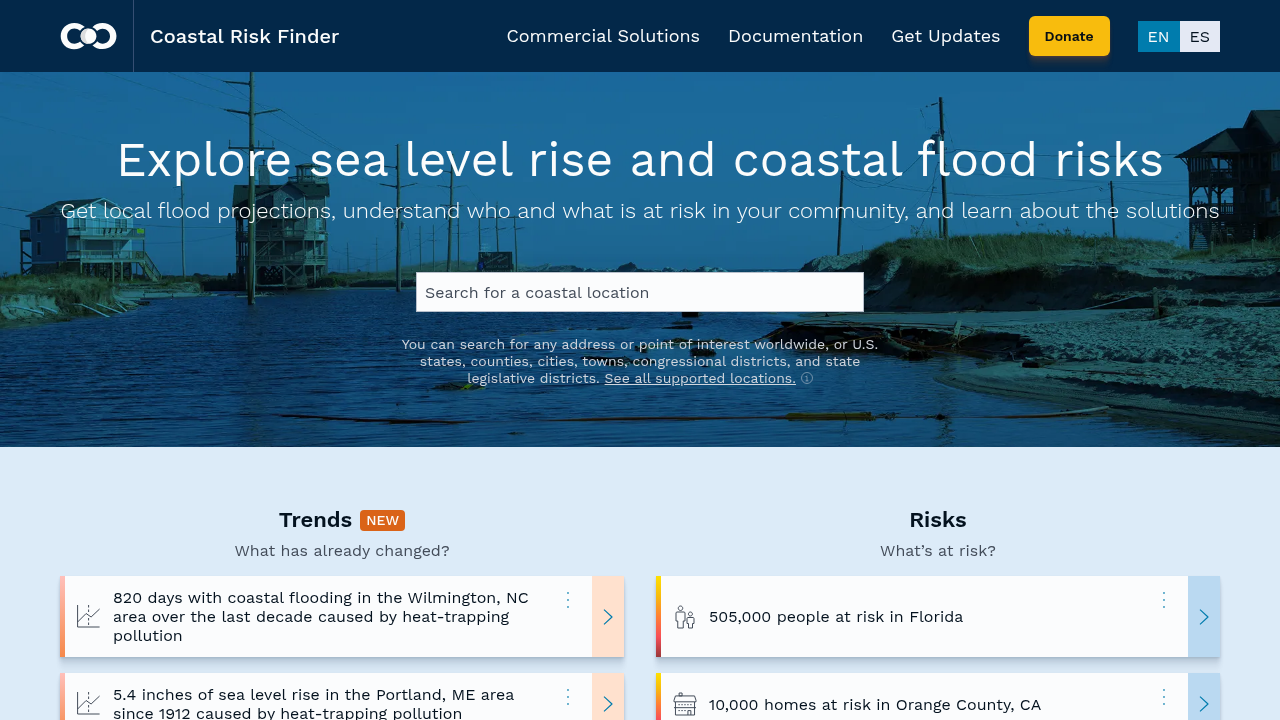
Coastal Risk Finder
Coastal Risk Finder is an interactive mapping tool by Climate Central that provides localized sea level rise and flood risk projections. It helps users assess geographic vulnerability and population exposure through 2100.

Nature as infrastructure: Recommendations to strengthen landscapes for climate adaptation and disaster risk reduction in Australia
This paper advocates for scaling natural infrastructure to mitigate Australia's escalating climate disaster costs. It demonstrates that every dollar invested in natural capital returns approximately nine dollars in benefits. Key recommendations include empowering First Nations stewardship, integrating natural values into financial decision-making, and securing multi-year funding for regional aggregators.
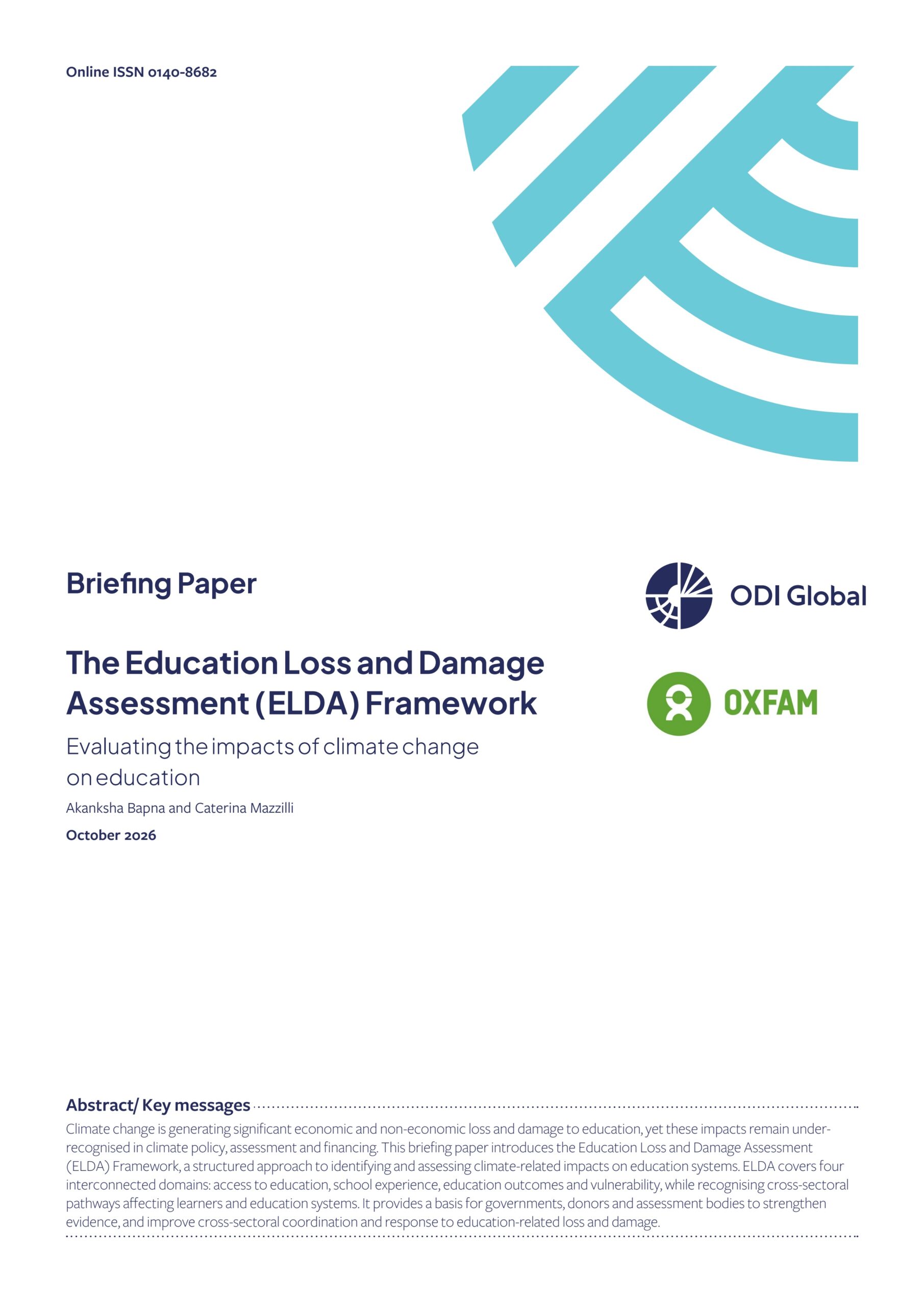
The Education Loss and Damage Assessment (ELDA) Framework: Evaluating the impacts of climate change on education
This report introduces the Education Loss and Damage Assessment (ELDA) framework to evaluate climate impacts on education. Between 2005 and 2024, disruptions affected 130 million children, causing $1.3 billion in damage. The framework assesses access, experience, and outcomes to help governments and donors improve cross-sectoral coordination and response evidence.
More critical than ever: Strengthening growth and resilience through the multilateral development banks
This report examines the critical role of Multilateral Development Banks in driving growth and resilience. It highlights challenges from declining official aid and geopolitical fragmentation, while proposing reforms to scale financing, accelerate project delivery, and target concessional resources toward the world’s poorest and most vulnerable nations.
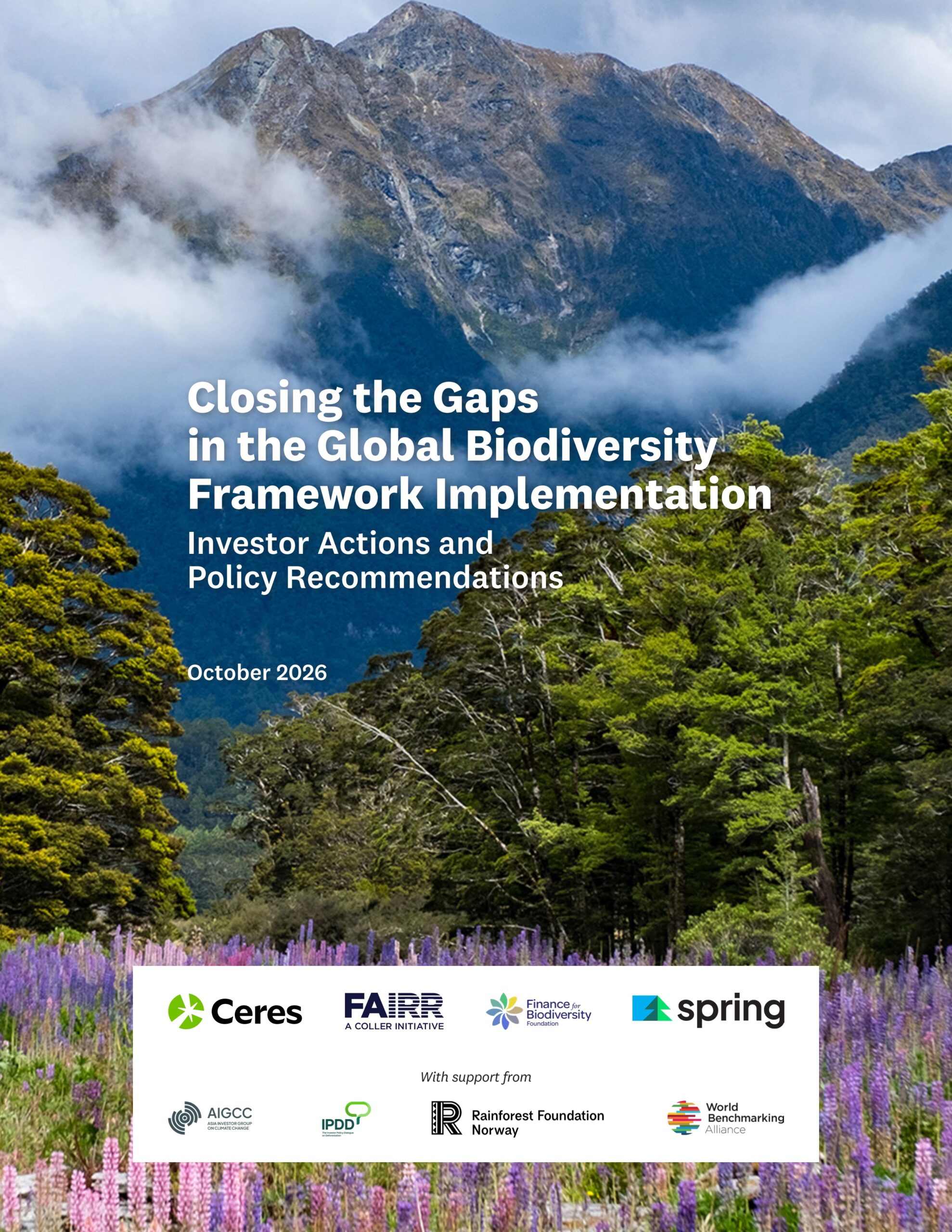
Closing the gaps in the Global Biodiversity Framework implementation: Investor actions and policy recommendations
This report analyses actions by over 800 investors to address nature and biodiversity risk. It highlights progress in corporate engagement and disclosure while identifying critical policy gaps. Six key government actions are recommended to accelerate private sector contributions toward the Kunming-Montreal Global Biodiversity Framework targets.
Driving circular economy innovation in India and Kenya
This report evaluates the Circular Economy Innovation Cluster (CEIC) programme in Bengaluru and Nairobi from 2023-2025. It identifies impacts including 124 collaborations, support for 1,550 informal workers, and a potential reduction of 218 kt CO2eq annually through upstream innovation and enhanced ecosystem coordination.
Thematic notes on clear, fair & not misleading sustainability-related claims: Addressing greenwashing risks in support of sustainable investments: Third note: impact claims
This ESMA report provides guidance on avoiding greenwashing in sustainability impact claims. It outlines four key principles—accuracy, accessibility, substantiation, and timeliness—while defining theoretical concepts like intentionality and additionality. Practical do’s and don’ts for funds and bonds help market participants ensure communications are clear, fair, and not misleading.
State of blended finance 2026
This report evaluates the 2025 blended finance market, noting its resilience despite record official development assistance contractions. It highlights a shift towards middle-income markets and the rising role of financial intermediaries. The analysis introduces risk-mitigation models and examines country platforms in Brazil, Indonesia, and Lesotho to scale private investment.
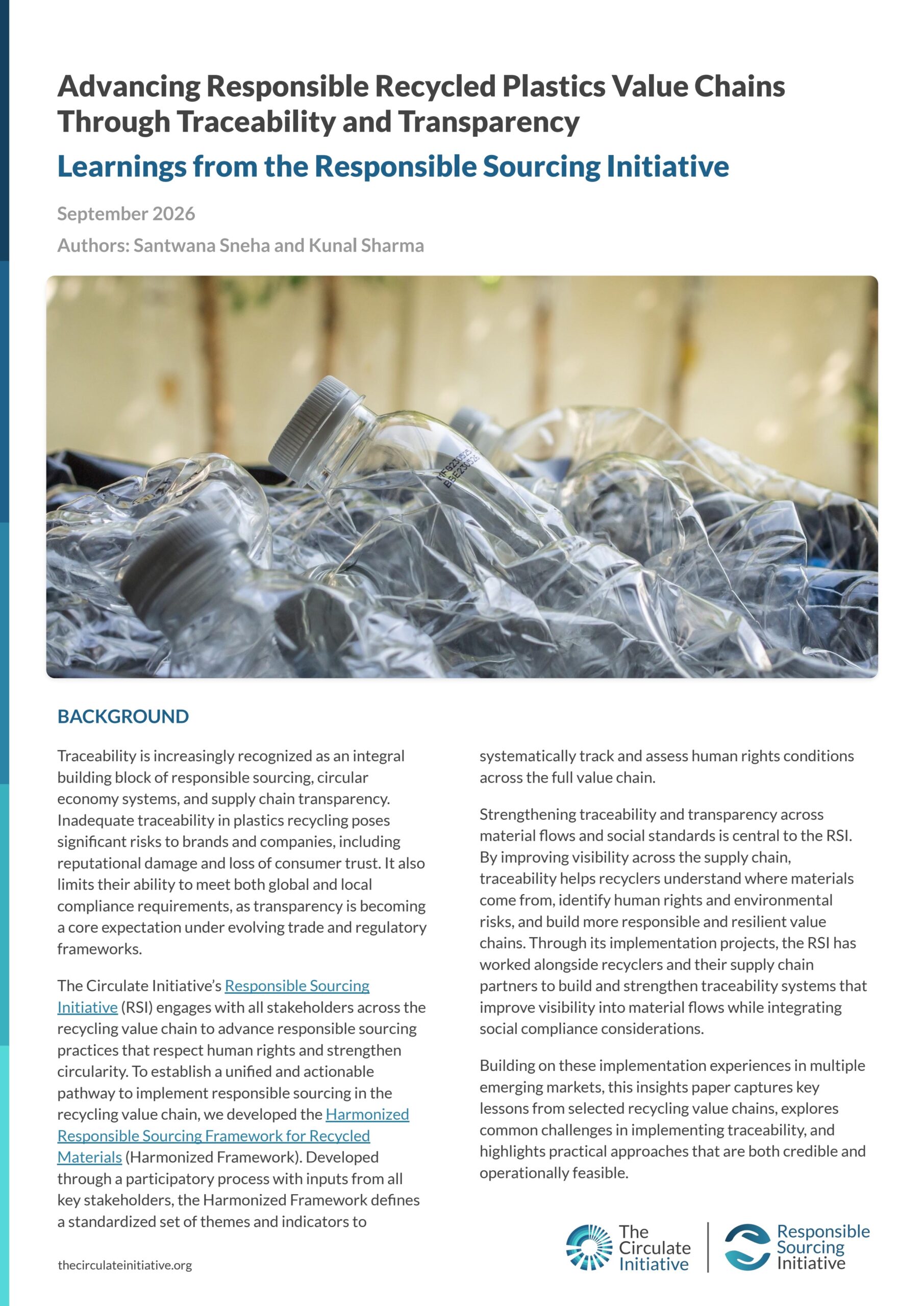
Advancing responsible recycled plastics value chains through traceability and transparency: Learnings from the Responsible Sourcing Initiative
This report explores implementing traceability in recycled plastics value chains. Drawing on pilots in Viet Nam and Indonesia, it identifies misaligned incentives and data governance as primary barriers. It recommends integrating traceability into existing business processes and provides a decision framework to support organisations at different maturity stages.
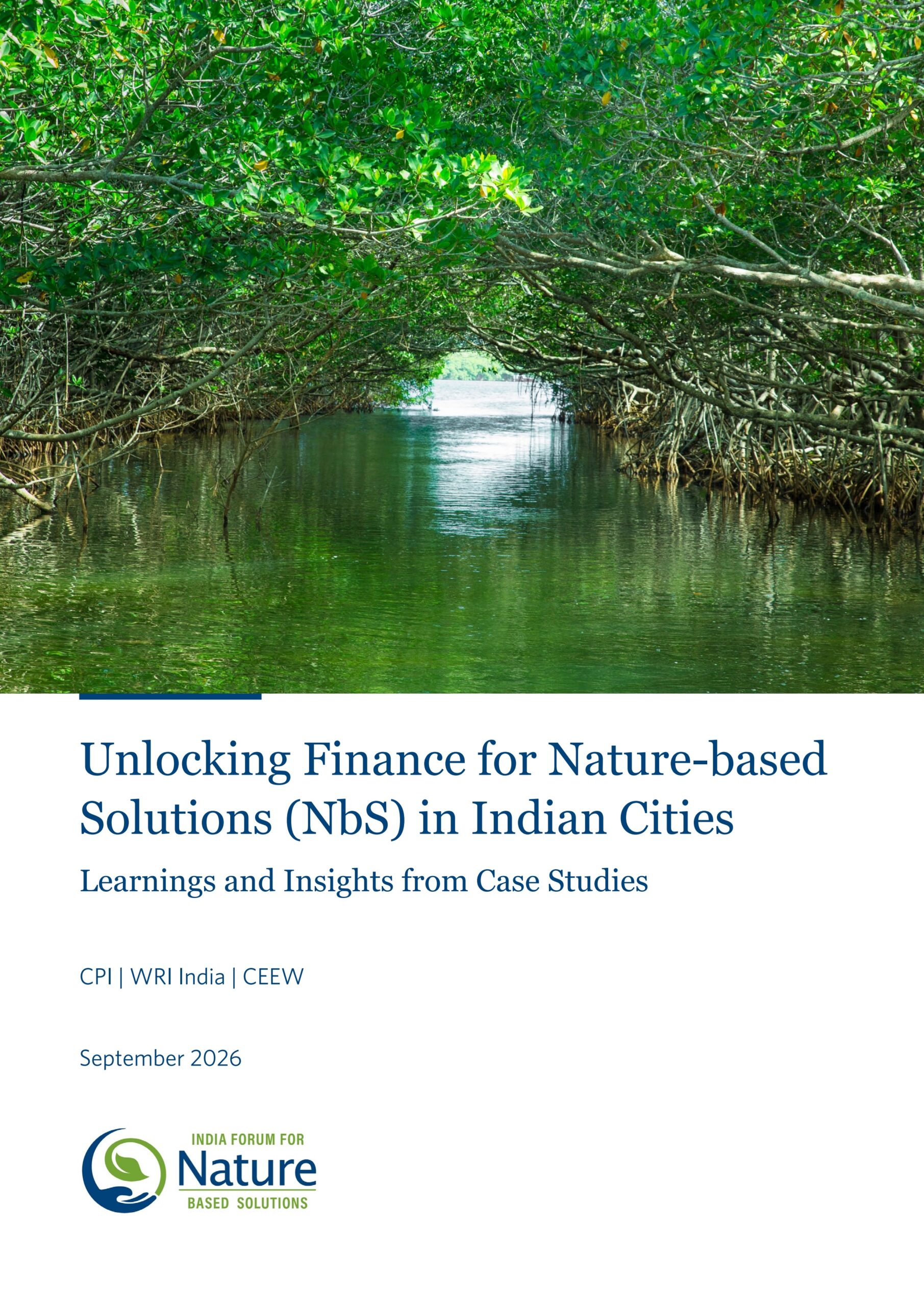
Unlocking finance for nature-based solutions (NbS) in Indian cities: Learnings and insights from case studies
This report examines nine Indian nature-based solutions (NbS) case studies to evaluate financing mechanisms and institutional frameworks. It highlights the importance of reducing technical risk through feasibility studies, aligning with national policies, and sequencing capital to support project scalability and long-term sustainability in urban environments.
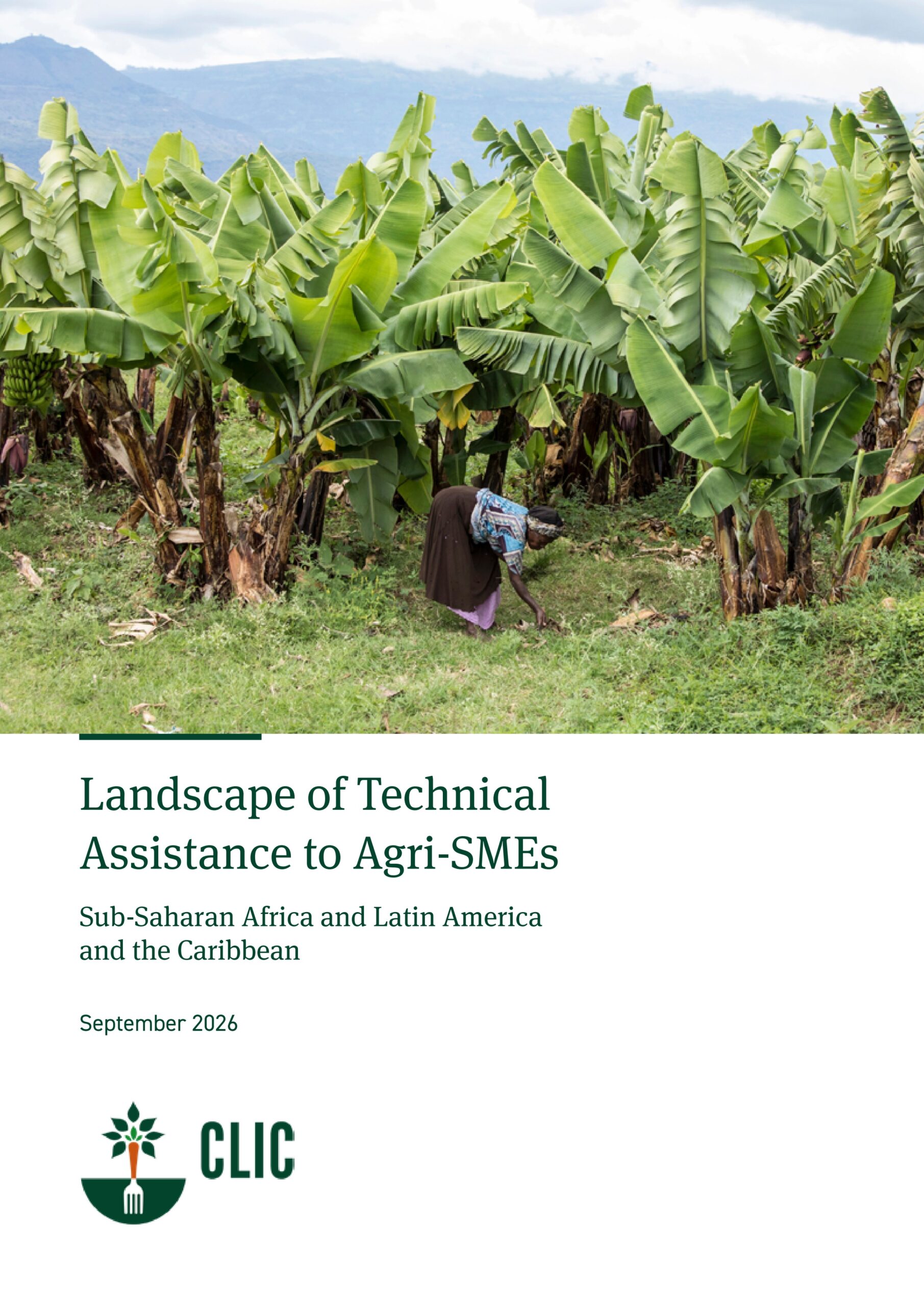
Landscape of technical assistance to agri-SMEs: Sub-Saharan Africa and Latin America and the Caribbean
This report maps the technical assistance ecosystem for agri-SMEs in sub-Saharan Africa and Latin America. It identifies structural gaps in information, pre-investment funding, and coordination. The analysis offers strategies to strengthen the ecosystem, highlighting the importance of nature integration and supporting local providers to improve investment readiness.
Beyond greenwashing: ESG disclosure substance, investor flows, and fund behavior
This research examines mutual fund ESG disclosures in shareholder letters. It finds that only 'opportunistic' disclosures focused on financial value attract significant investor flows. While aggregate data suggests greenwashing, granular analysis reveals 'impact' disclosures result in genuine portfolio improvements. However, opportunistic claims increase outflow risks if performance disappoints.
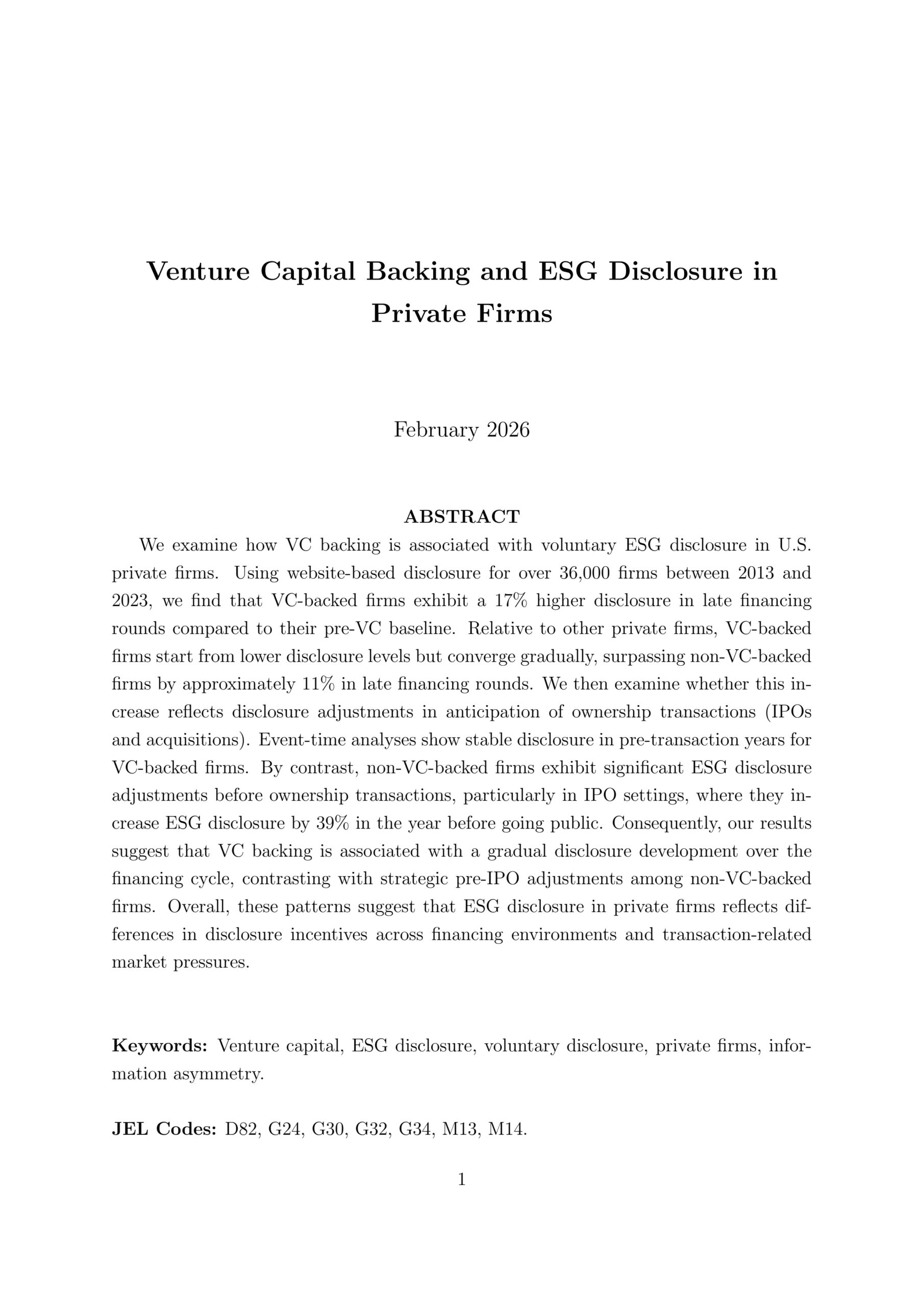
Venture capital backing and ESG disclosure in private firms
This research examines the association between venture capital backing and voluntary ESG disclosure in U.S. private firms. It finds that VC-backed firms develop disclosure gradually through professionalisation. Conversely, non-VC-backed firms exhibit strategic disclosure increases immediately before initial public offerings to reduce information asymmetry.
Pricing in resilience: The future of financial services for soil health
This research examines how agricultural finance, markets and policy are transitioning soil health from a conservation goal to a financial metric. It details five forces driving structural carbon demand and seven financial innovations, including carbon warrants and digital verification, designed to reprice risk and unlock institutional capital for regenerative agriculture.
Measuring what matters: A practical framework to integrate health into urban climate action
This report introduces a practical framework for integrating health co-benefits into urban climate monitoring. It details a five-step process for selecting robust indicators across air pollution, active travel, and sustainable diets. The framework helps cities justify climate policies, enhance accountability, and strengthen public support through evidence-based decision-making.
Cultivating investment: Resilient agriculture can pay off for food companies
Extreme weather and climate change are destabilising agricultural supply chains, eroding traditional risk-management effectiveness. This report demonstrates how investing in regenerative agriculture builds resilience, potentially safeguarding $500 million in annual profits. It provides a framework for companies and investors to mitigate financial risks and secure long-term value.


