
Library | Finance relevance
Investment managers / asset managers
Refine
1407 results
REFINE
SHOW: 16


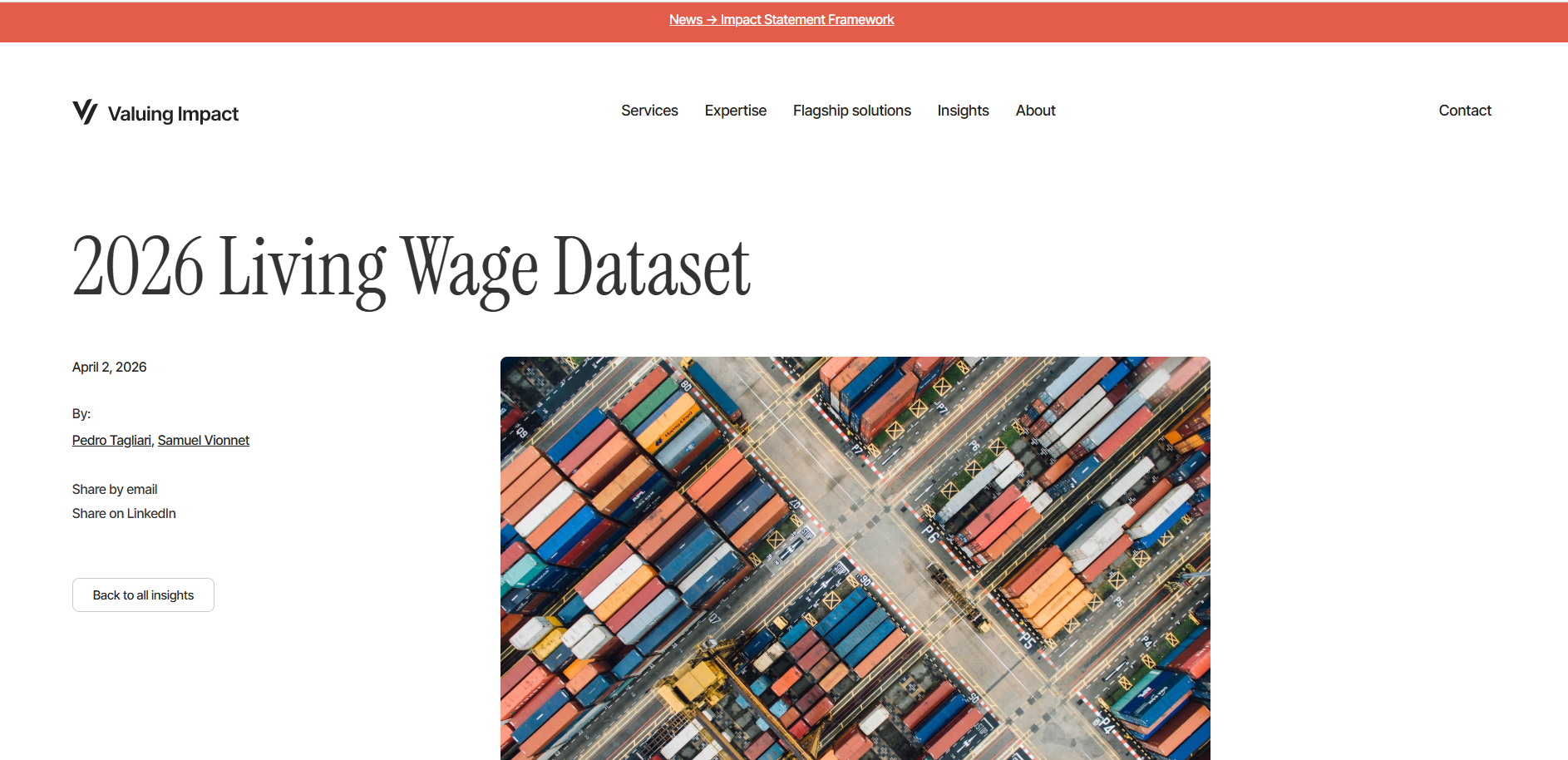
2026 Living Wage Dataset
The 2026 Living Wage Dataset by Valuing Impact is a free global database covering 217 countries and eight household scenarios. It uses the Anker and Anker methodology with updated cost-of-living data to estimate living wages for urban and rural households, supporting sustainability, labour practice and supply chain analysis.
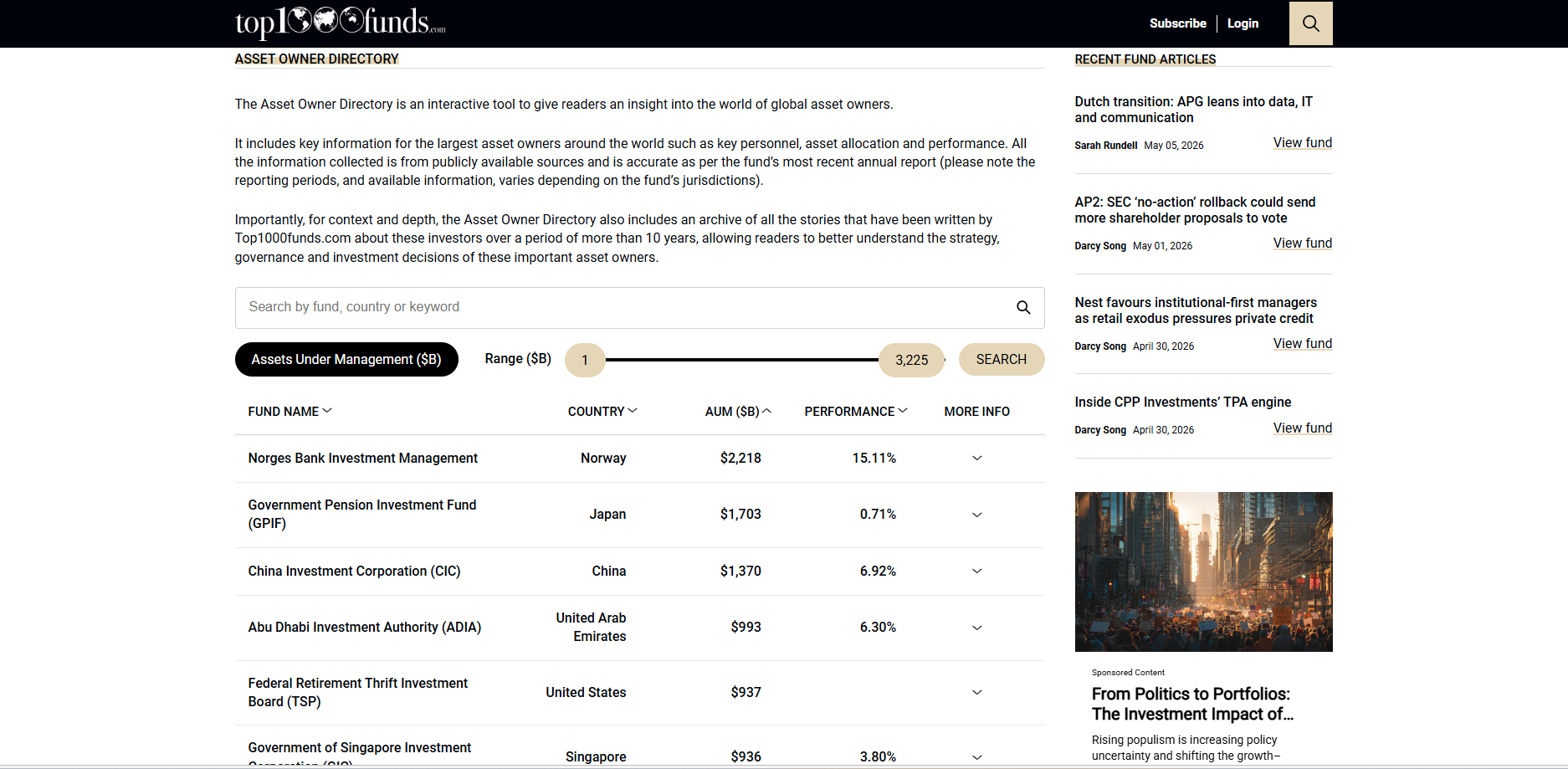
The Asset Owner Directory
The Top1000funds.com Asset Owner Directory is an interactive database of global asset owners. It provides publicly sourced information on key personnel, asset allocation and performance, alongside an archive of related articles covering investors’ strategy, governance and investment decisions.
Tackling governance and financing for sustainability transitions
The report argues current financial systems misallocate capital towards resource-intensive activities, hindering sustainability transitions. It recommends policy, governance and financial reforms to redirect investment towards resource efficiency, low-carbon development and equitable transition pathways, particularly in resource-dependent economies.
Discussion paper on state of nature measurement
Discussion paper outlines integrating state of nature metrics into TNFD, GRI and SBTN frameworks. It proposes embedding consensus metrics from the Nature Positive Initiative across assessment, disclosure, transition planning and target-setting, highlighting ecosystem extent and condition as central to evaluating nature-related dependencies, risks and opportunities.
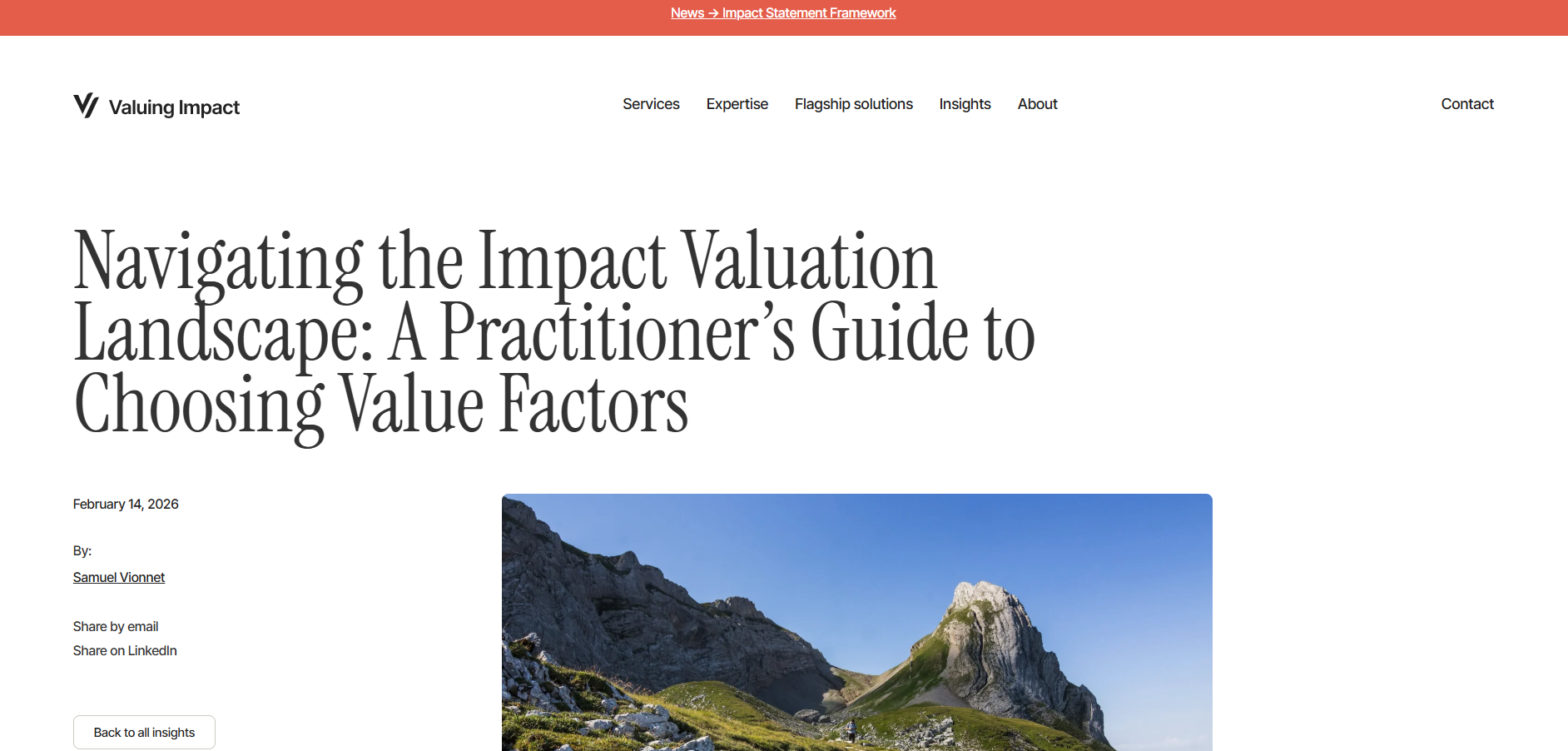
Navigating the impact valuation landscape: A practitioner’s guide to choosing value factors
A practitioner guide that maps available impact valuation methods and value factor sources, comparing their scope, methodology and use cases. It helps users select appropriate data sources for monetising social and environmental impacts, addressing fragmentation and inconsistencies across existing valuation approaches.
Physical risk guide: For asset owners and asset managers
Guide outlines frameworks for assessing, managing and reporting physical climate risks in investment portfolios. It covers exposure mapping, hazard identification, financial impact metrics (e.g. AAL, Climate VaR), scenario analysis, adaptation strategies and regulatory alignment, emphasising integration into governance, risk management and disclosure processes.
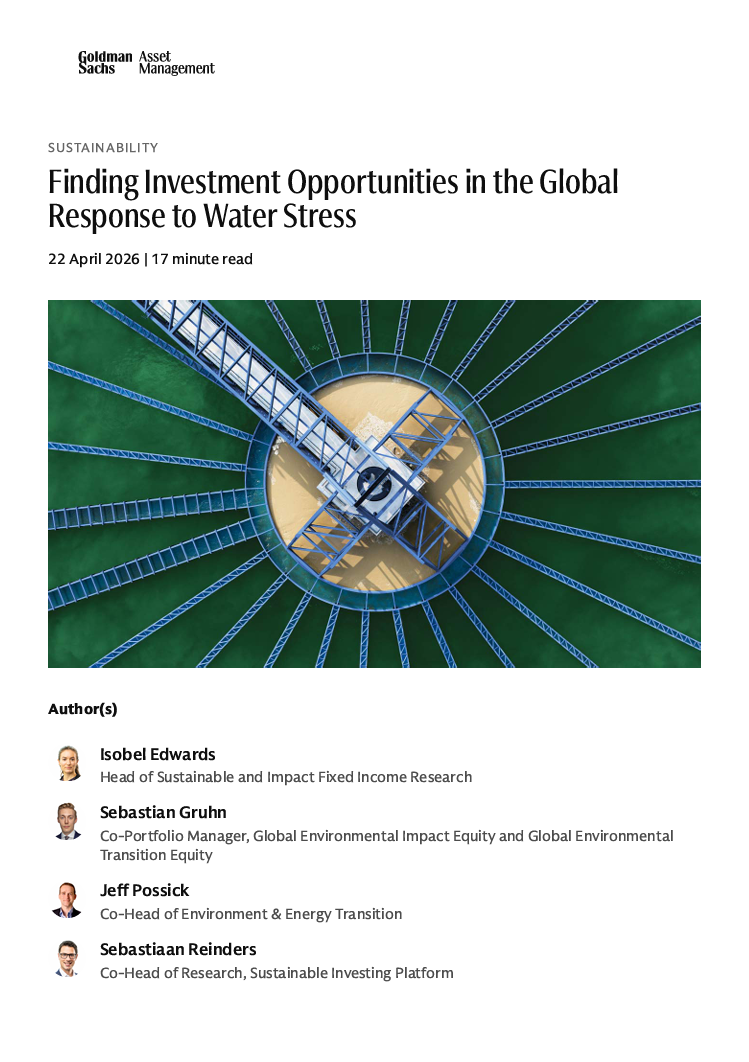
Finding investment opportunities in the global response to water stress
Examines investment opportunities arising from global water stress, focusing on infrastructure renewal, risk management and efficiency gains. Outlines how investors can identify growth across asset classes and technologies addressing water scarcity, supporting resilience, cost reduction and long-term economic trends.
A director’s guide to mandatory climate reporting: Version 2
Provides guidance for directors on Australia’s mandatory climate reporting regime, outlining regulatory requirements, governance expectations, and disclosure obligations under AASB S2. Explains implementation timelines, assurance pathways, and practical steps to manage climate-related risks, opportunities, and reporting processes within corporate reporting frameworks.
OECD Green Finance and Investment library
OECD’s Green Finance and Investment series provides policy analysis and guidance to mobilise public and private finance for green growth. It examines how regulatory frameworks and investment strategies can scale funding for low-carbon, climate-resilient and resource-efficient infrastructure, technologies and businesses.
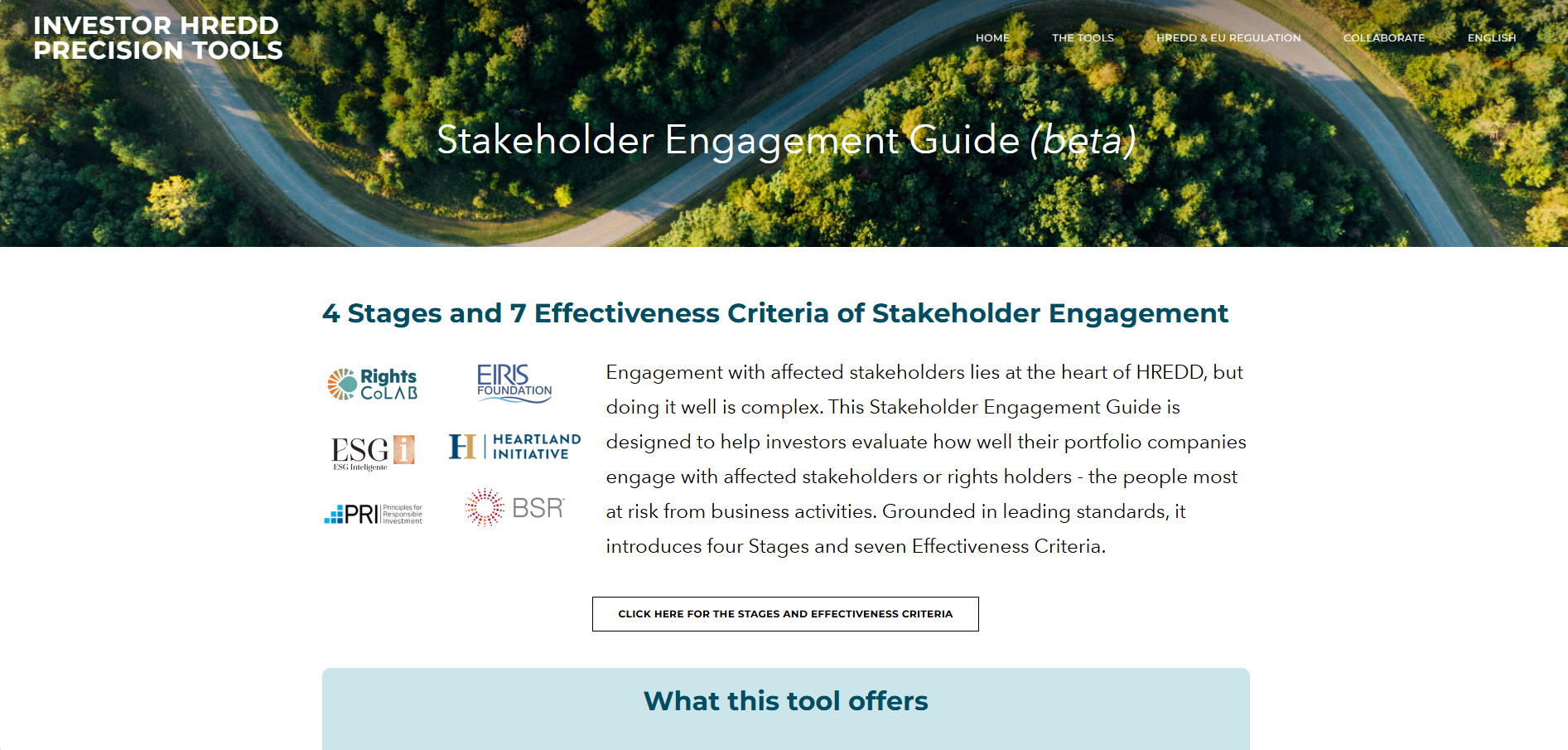
Stakeholder Engagement Guide (beta)
The Stakeholder Engagement Guide is an investor-focused tool for assessing how portfolio companies engage with affected stakeholders within human rights and environmental due diligence. It outlines four stages and seven effectiveness criteria, providing questions, indicators and examples to evaluate engagement quality and identify risks and improvements.
Investor democracy
Examines investor democracy in pension funds using deliberative mini-publics and a binding member vote. Finds informed deliberation shifts preferences towards impact investing despite potential lower returns, with broader member support leading to increased allocations, demonstrating how structured participation can guide sustainable investment decisions.
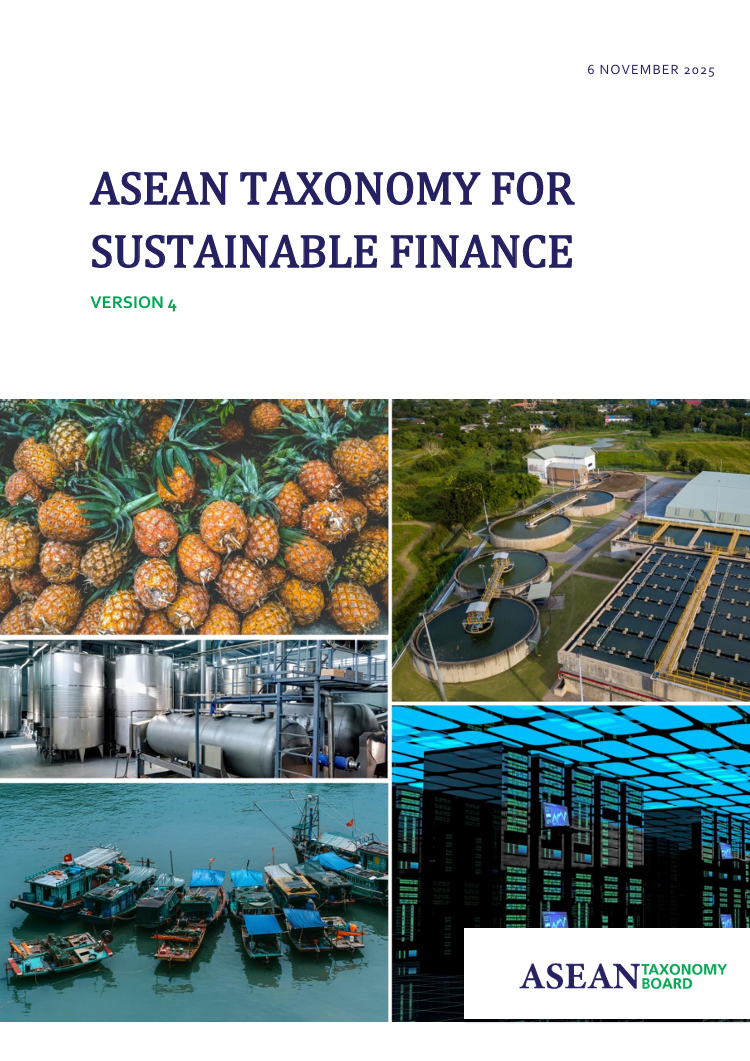
ASEAN taxonomy for sustainable finance series
The ASEAN Taxonomy for Sustainable Finance is a benchmark series that provides a common framework to classify sustainable economic activities across ASEAN. It guides financial institutions, policymakers and market participants in assessing environmental objectives, supporting an orderly transition and alignment with regional and international sustainable finance standards.
Roadmap for ASEAN sustainable capital markets
Provides a five-year strategic roadmap to develop ASEAN sustainable capital markets, outlining four priority areas: strengthening disclosures, expanding sustainable products, building capacity, and enhancing regional connectivity. It aims to mobilise private capital, improve transparency, and align markets with sustainability goals and international frameworks.
ESRS–ISSB standards: Interoperability guidance
Guidance outlines alignment between ESRS and ISSB sustainability standards, focusing on climate disclosures, materiality and reporting requirements. It maps corresponding provisions, highlights differences, and explains how entities can achieve compliance with both frameworks to improve efficiency and consistency in sustainability reporting.
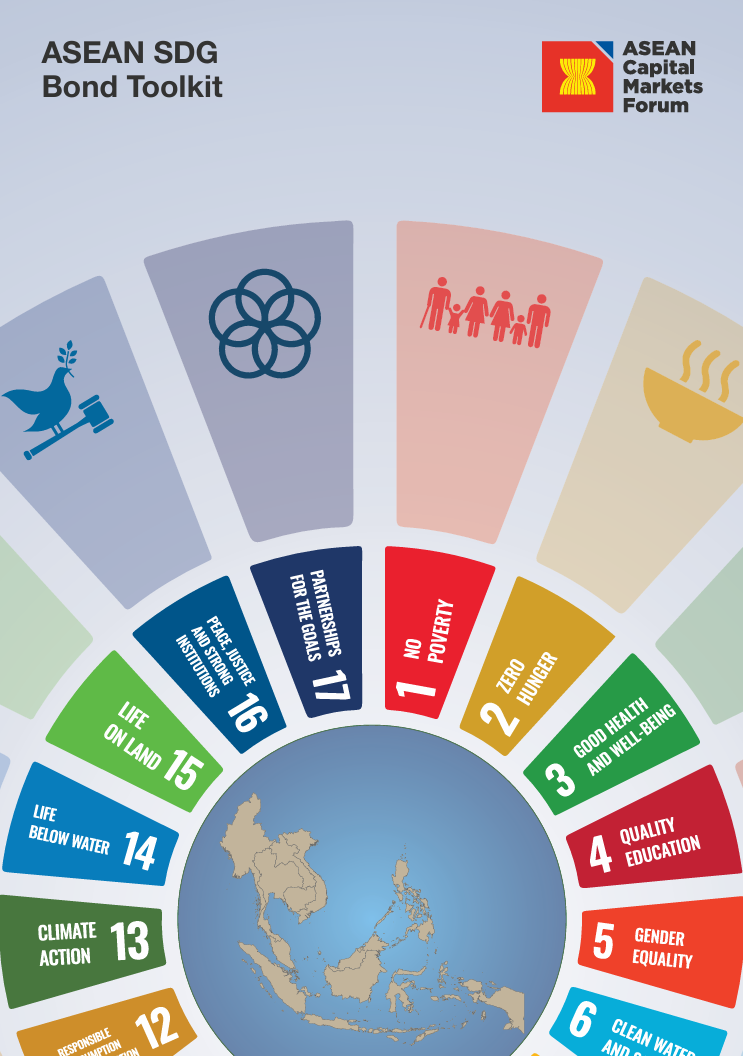
ASEAN SDG Bond Toolkit
Provides practical guidance for issuing SDG bonds in ASEAN, outlining principles, processes, and frameworks aligned with green, social and sustainability bond standards. It explains SDG mapping, eligibility criteria, reporting practices, and market context to support issuers in mobilising capital for sustainable development.
Handbook of sustainable finance
This handbook explains sustainable finance concepts, ESG scoring, regulation, reporting, sustainable products, impact investing, biodiversity, climate risk measurement, transition and physical risk modelling, portfolio construction, stress testing and risk management for finance practitioners.


