
Library | Asset Class
Digital Assets
Assets that exist in digital form, including cryptocurrencies, tokenised securities and blockchain-based instruments.
Refine
26 results
REFINE
SHOW: 16


Code of practice on transparency of AI-generated content
The European Union's Code of Practice on Transparency of AI-Generated Content provides guidance on meeting AI Act transparency obligations. It addresses machine-readable marking, detection, labelling of deepfakes and AI-generated text, technical reliability, compliance processes and disclosure requirements for providers and deployers of artificial intelligence systems.

Building bridges for sustainable supply chains: A partner workshop focused on timber and cocoa in Ghana
This report summarises a June 2026 workshop regarding Ghana’s national timber and cocoa sustainability systems. It examines digital traceability, governance, and interoperability between national frameworks and voluntary standards. Key recommendations include strengthening data quality, ensuring sustainable financing, and aligning national systems with international climate standards to improve market recognition.
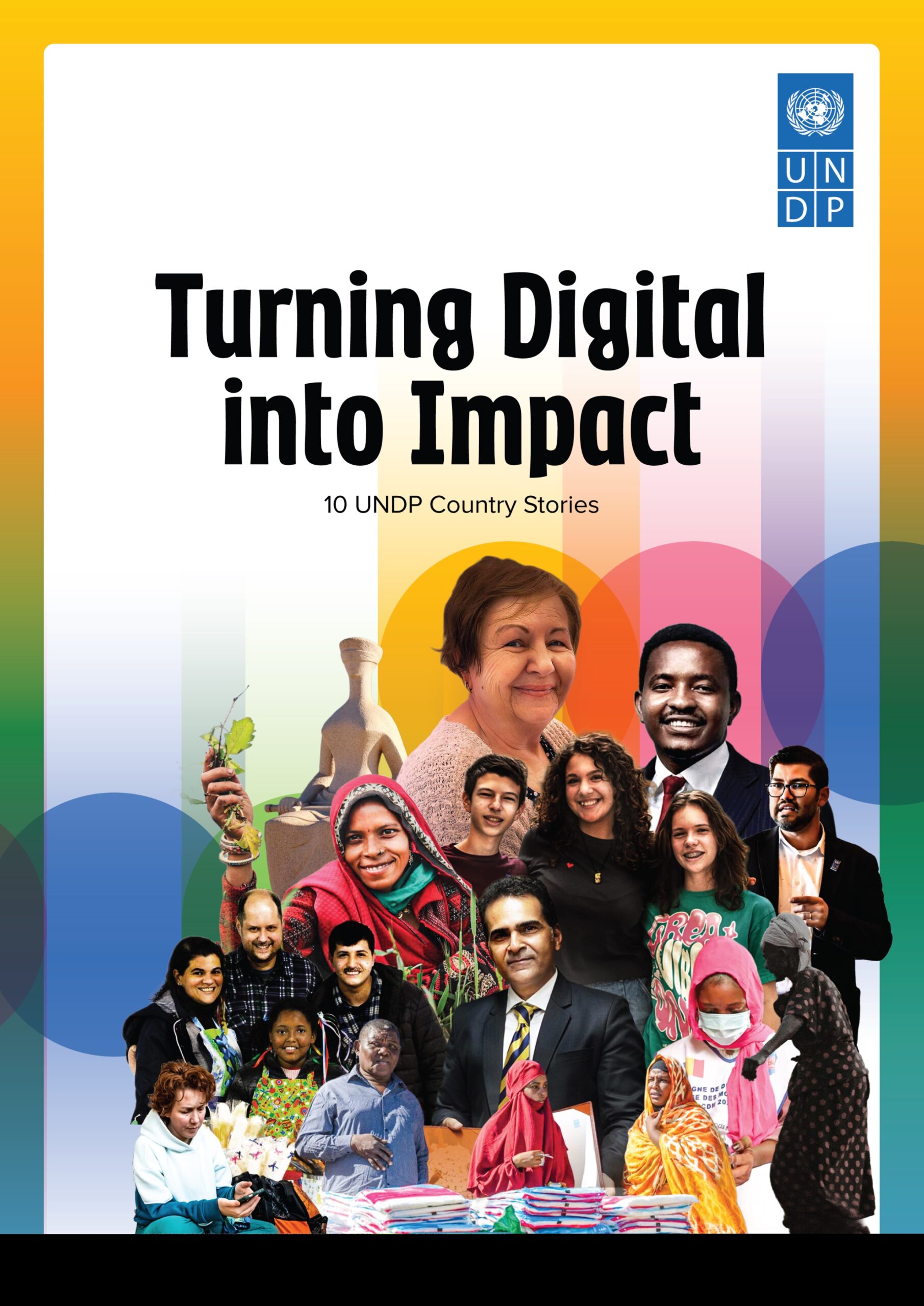
Turning digital into impact: 10 UNDP country stories
This report details ten UNDP initiatives demonstrating how digital transformation drives social impact. Covering nations like Brazil, India, and Ukraine, it showcases human-centred technological investments that improve justice systems, healthcare delivery, and climate resilience. The findings emphasise that institutional change and trust-building are as critical as the technology itself.
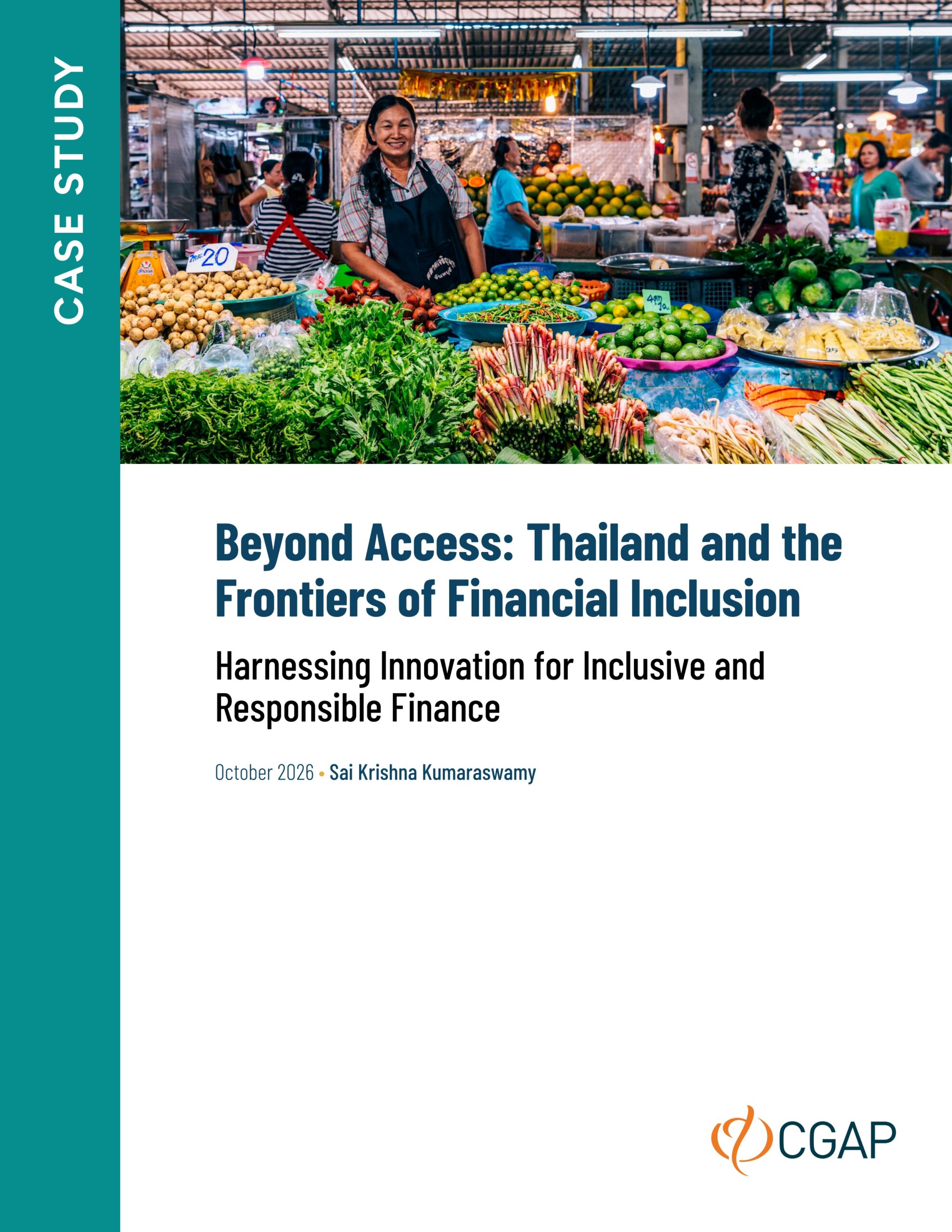
Beyond access: Thailand and the frontiers of financial inclusion: Harnessing innovation for inclusive and responsible finance
This report examines Thailand's transition to second-generation financial inclusion. It analyses the evolution of digital finance, regulatory innovations in digital public infrastructure, and strategies for consumer protection. The study highlights policy considerations for managing risks like household debt and fraud while fostering a competitive and inclusive financial ecosystem.
EU law and regulation for the digital world
This report by the Centre for European Policy Studies examines the growing complexity of EU digital legislation. It provides 20 recommendations to reform the 'digital acquis', focusing on the Digital Markets Act, Digital Services Act, and AI Act, while advocating for improved impact assessments and simplified regulatory processes to enhance competitiveness.

Governing digital assets and crypto-enabled financial crime
This report examines the growth of crypto-enabled financial crime and the resulting governance gap. It proposes a four-layer multilateral framework to harmonise international standards between bodies like the FATF and INTERPOL. The strategy aims to protect financial integrity through technical integration and cross-border cooperation without suppressing permissionless innovation.
Governing decentralized social media in a centralized policy world
This report examines the challenges of regulating decentralised social media like Mastodon and Bluesky within centralised policy frameworks. It highlights how community-governed moderation offers alternatives to corporate control and recommends that Canada adopts proportionate, tiered regulations to support digital sovereignty and public-interest infrastructure.

Pricing in resilience: The future of financial services for soil health
This research examines how agricultural finance, markets and policy are transitioning soil health from a conservation goal to a financial metric. It details five forces driving structural carbon demand and seven financial innovations, including carbon warrants and digital verification, designed to reprice risk and unlock institutional capital for regenerative agriculture.
Upgrading financial markets
This field experiment in rural Sierra Leone evaluates upgrading Village Savings and Loan Associations into digital financial service agents. While infrastructure expands access, introducing consumer feedback mechanisms significantly improves service quality, transaction usage, and household shock mitigation. Results demonstrate that accountability is essential for developing functional, scalable financial markets.
Regulating artificial intelligence in finance: Lessons from Singapore
This research analyses Singapore's multi-layered approach to regulating artificial intelligence in finance. It evaluates frameworks like the FEAT Principles and Project MindForge while identifying risks such as deepfakes and bias. The paper recommends establishing a dedicated regulatory sandbox and shared responsibility frameworks to manage evolving technological and third-party risks.

Assessing digital traceability systems for critical mineral value chains: Aligning upstream and downstream agendas
This report assesses digital traceability systems for critical raw materials, evaluating their architecture, feasibility, and impact. It emphasises aligning downstream regulatory demands with upstream producer realities, recommending that traceability should support due diligence and inclusion—particularly for artisanal mining—rather than serving as a standalone compliance burden.
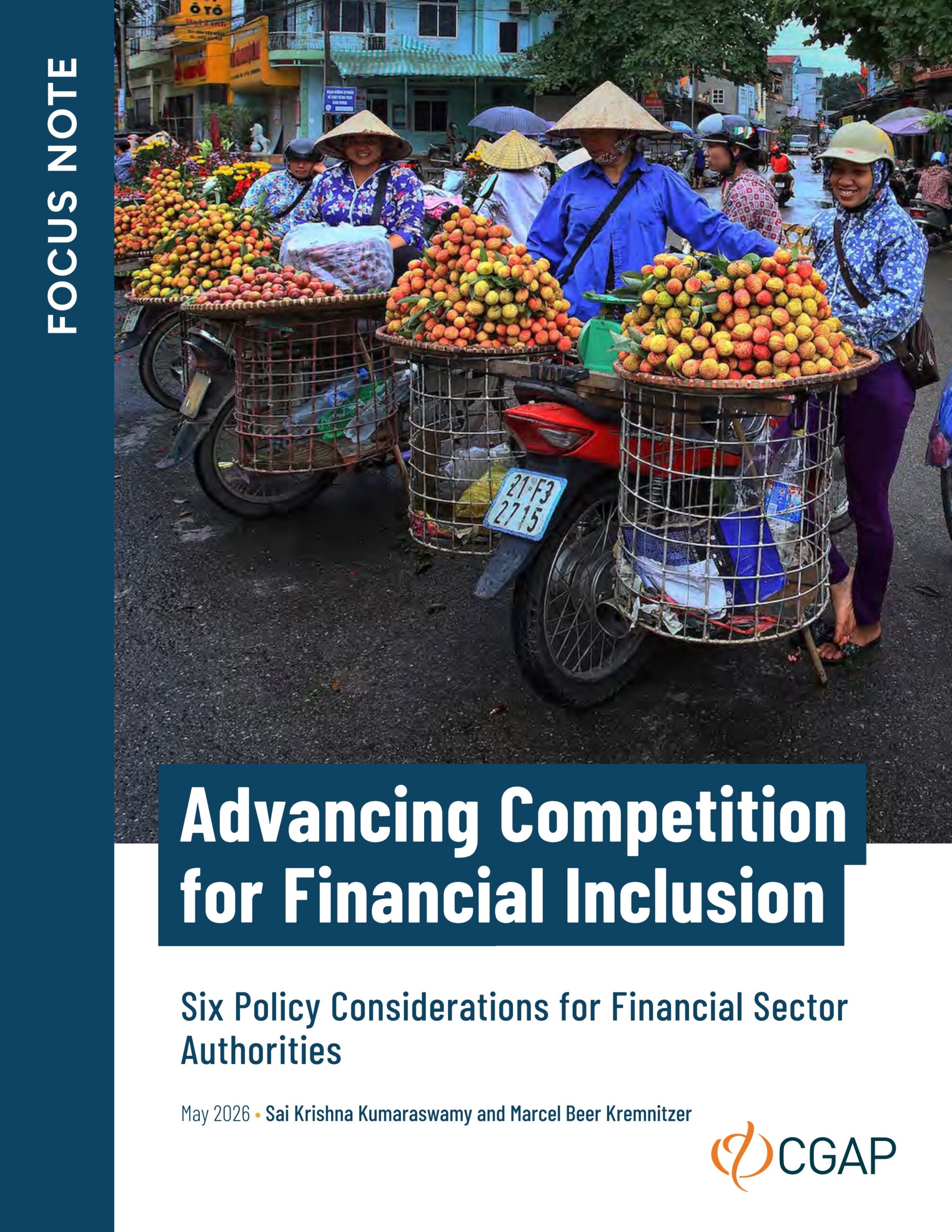
Advancing competition for financial inclusion: Six policy considerations for financial sector authorities
This report provides six policy considerations for financial sector authorities to promote competition and advance financial inclusion. Drawing on eight country case studies, it explains how regulators can use existing mandates, coordinate across sectors, and leverage infrastructure design to address market concentration and support digital financial innovation.

Solutions to protect consumers from fraud in digital finance
Curating 56 successful fraud protection solutions, this report details strategies across intelligence sharing, telecom security, and biometrics. It highlights how AI-driven oversight and multi-sector collaboration, such as Malaysia's NSRC and UK's reimbursement rules, can reduce losses and restore consumer trust in digital financial ecosystems.
Seeing the goal, missing the truth: Human accountability for AI bias
Research demonstrates that Large Language Models exhibit purpose-conditioned bias when informed of downstream tasks. Goal-aware prompting leads to in-sample overfitting and inflated performance before knowledge cutoffs. Results indicate that disclosing objectives compromises neutrality, necessitating the separation of measurement and evaluation in AI-assisted workflows to ensure statistical validity.

Stablecoins in Africa: Translating global principles into local regulatory practice
This paper is the African Chapter of GDF's Global Stablecoin Regulatory Playbook. It examines how global stablecoin regulatory principles can be applied across Africa's diverse markets, addressing reserve management, consumer protection, AML/CFT compliance, and cross-border coordination, while accounting for local financial infrastructure, dollarisation risks, and varying supervisory capacity.
Digitalisation and innovation: Opportunities and risks for financial health
This report examines the impact of digital innovation on financial health. It outlines opportunities in payments, credit, savings, and insurance, whilst highlighting emerging risks such as fraud, overindebtedness, and ill-suited investments. The authors propose policy responses to enhance regulatory frameworks and promote responsible digitalisation in financial services.


