
Library | Asset Class
Fixed Income & Cash
Fixed income includes government bonds, corporate bonds and asset-backed securities. Cash typically refers to money market instruments and short-term, highly liquid investments that provide capital preservation and stability.
Refine
352 results
REFINE
SHOW: 16


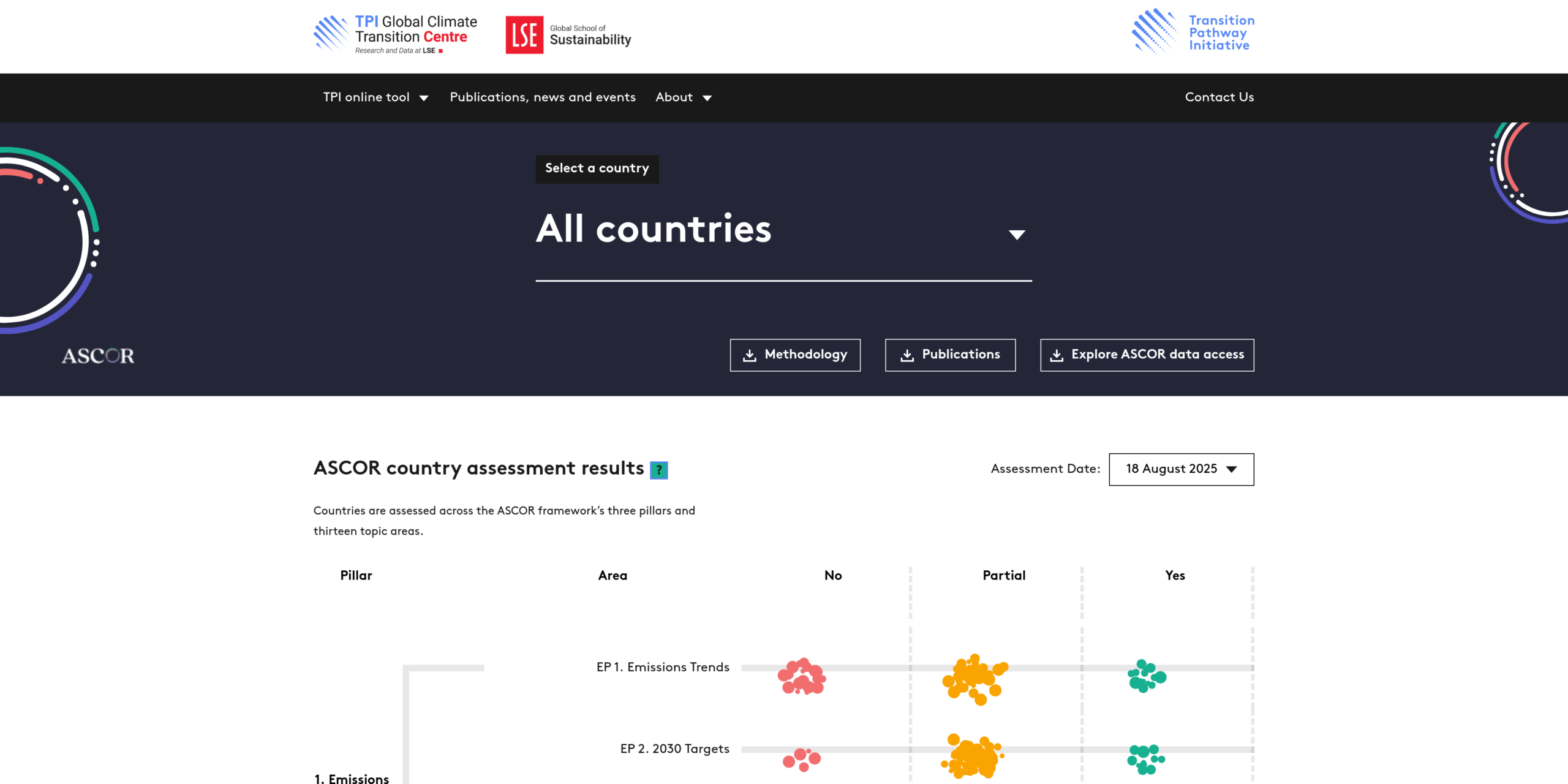
ASCOR Tool
The ASCOR Tool is an investor-led framework for assessing how countries manage the low-carbon transition and the impacts of climate change.
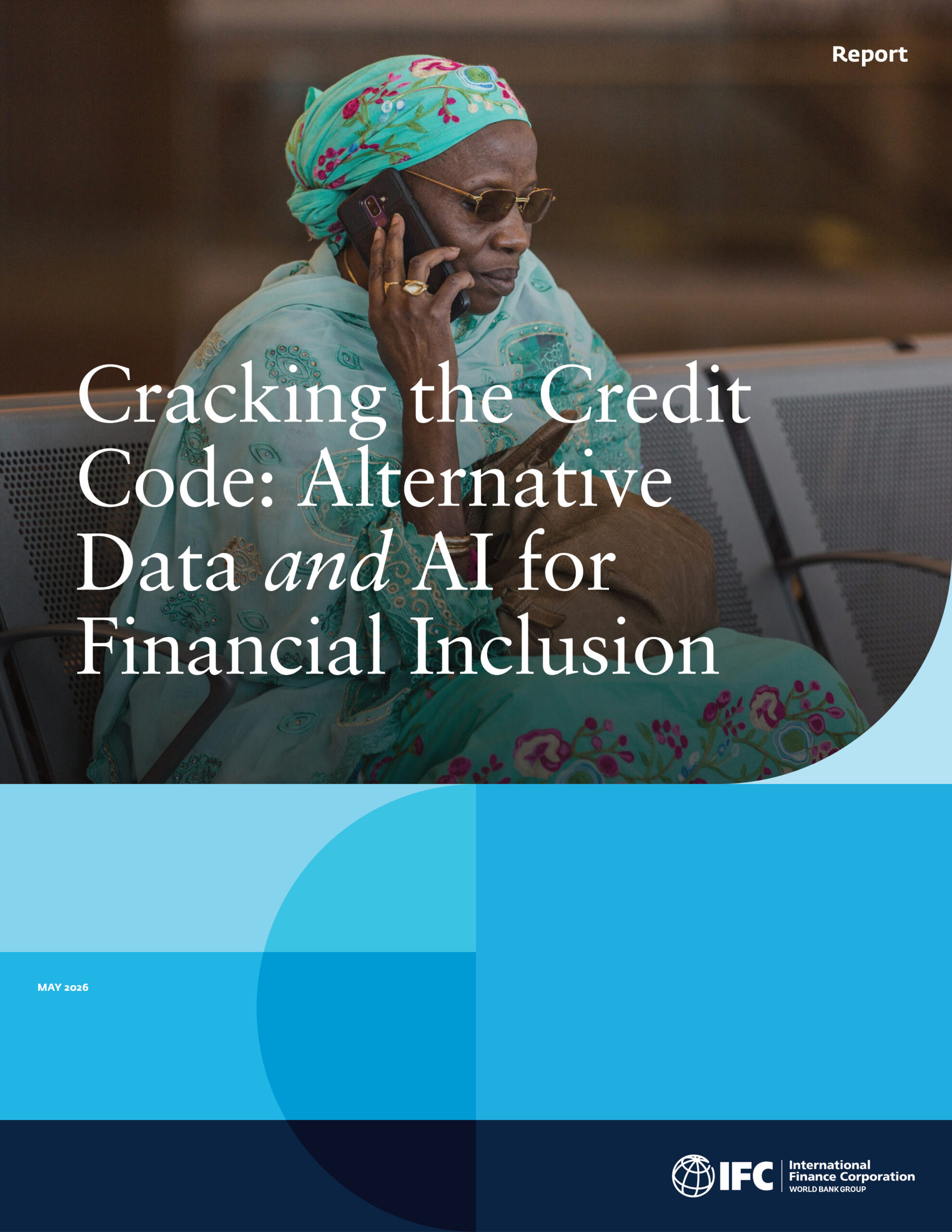
Cracking the credit code: Alternative data and AI for financial inclusion
This report explores how alternative data and artificial intelligence are redefining credit scoring to enhance financial inclusion for women and underserved borrowers. It analyses market trends, evaluates the risks of algorithmic bias, and provides actionable recommendations to scale responsible, inclusive credit access across emerging markets.
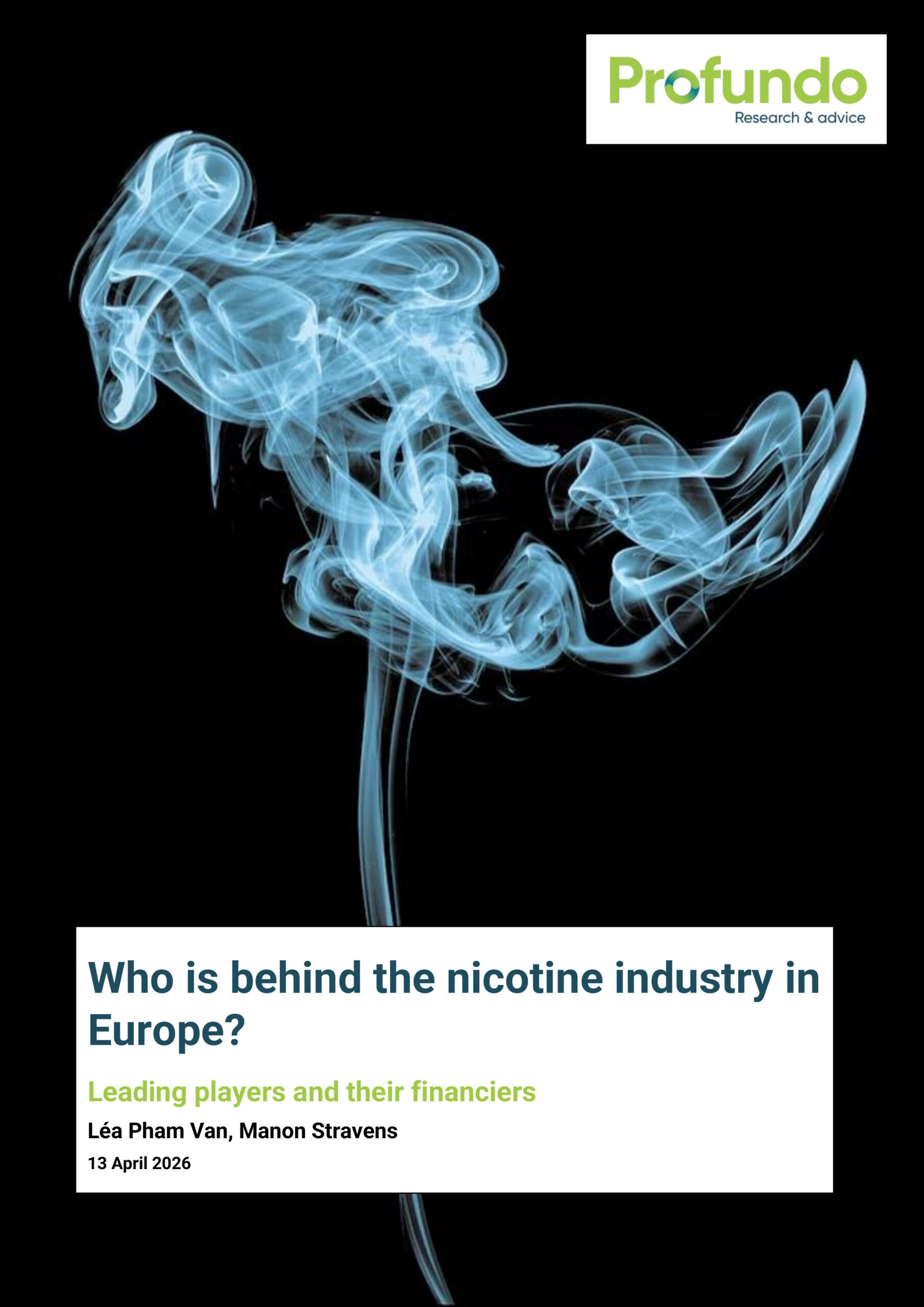
Who is behind the nicotine industry in Europe? Leading players and their financiers
This research maps the key players in Europe's nicotine product industry and their financial backers. It examines ten companies, their supply chains, and specific nicotine-related financing. Findings reveal that major tobacco multinationals receive the vast majority of financing, predominantly from North American and European institutions.
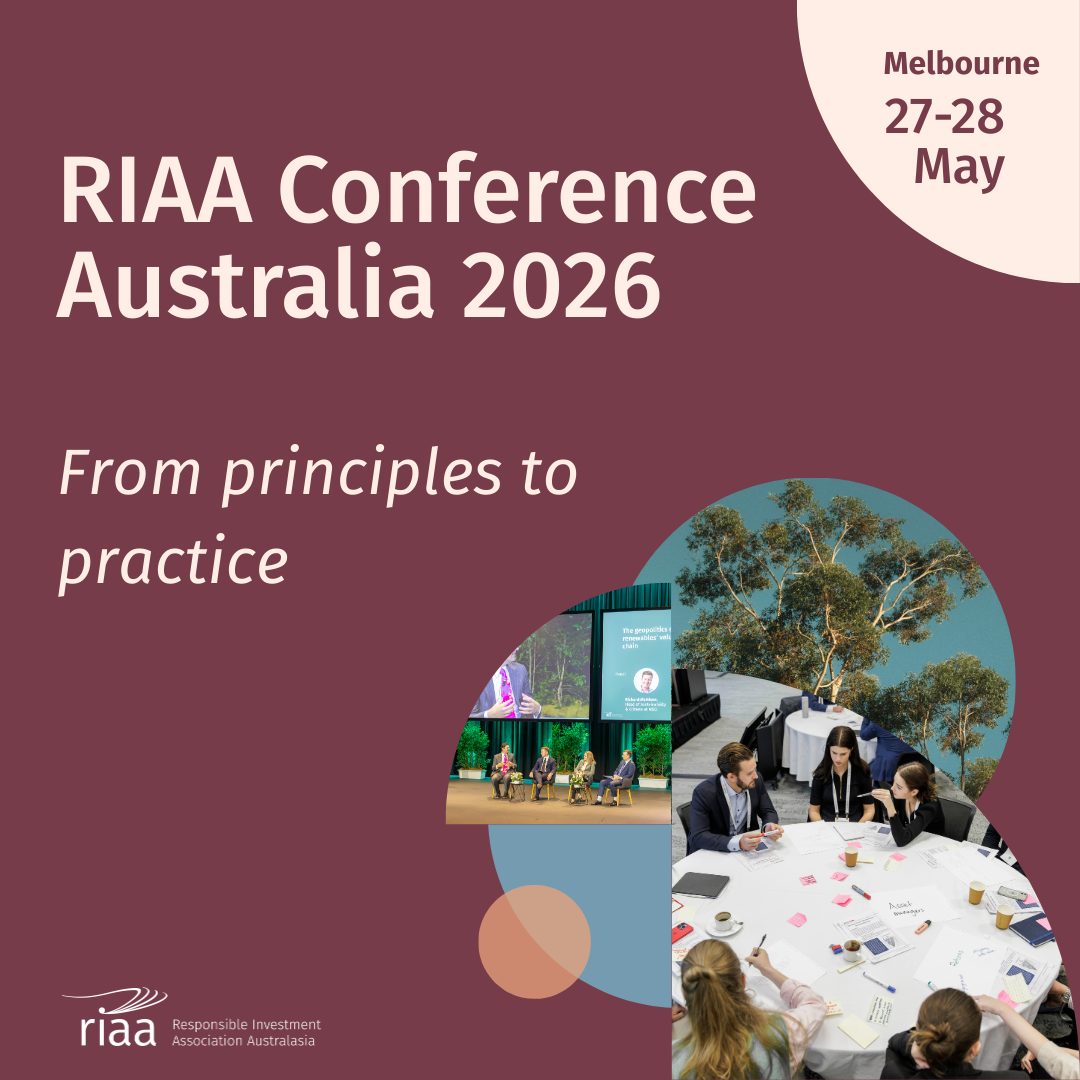
RIAA Conference Australia 2026 - Companion Resources
Responsible investment has moved well beyond principles and pledges. Today’s challenges require practical capability and informed judgement. The RIAA Conference is a must-attend event for finance, sustainability and industry practitioners who want to focus on the key themes for responsible investment in 2026 and what implementation really looks like. Designed as an immersive, hands-on experience, the program focuses on the systems that underpin strong financial performance, and will help you understand how climate, nature, technology, governance and regulation intersect.
These specially curated companion resources have been recommended by the conference speakers and Altiorem team.
These specially curated companion resources have been recommended by the conference speakers and Altiorem team.
Blocking a better world altogether: Rabobank’s bogus policy about animal welfare and sustainable agriculture
World Animal Protection argues Rabobank’s sustainability policies fail to match its financing practices, alleging continued support for companies linked to animal cruelty, deforestation and high emissions. The report urges stricter lending conditions, stronger monitoring and reduced investment in industrial livestock expansion to align with climate and animal welfare goals.
Building the financial case for urban adaptation: Guidance and case studies
C40 and Rebel outline how cities can structure urban adaptation projects to attract private finance, using ten case studies. Bankability depends on revenue logic, risk allocation, public de-risking, early financier engagement and credible monitoring.
Roadmap for ASEAN sustainable capital markets
Provides a five-year strategic roadmap to develop ASEAN sustainable capital markets, outlining four priority areas: strengthening disclosures, expanding sustainable products, building capacity, and enhancing regional connectivity. It aims to mobilise private capital, improve transparency, and align markets with sustainability goals and international frameworks.
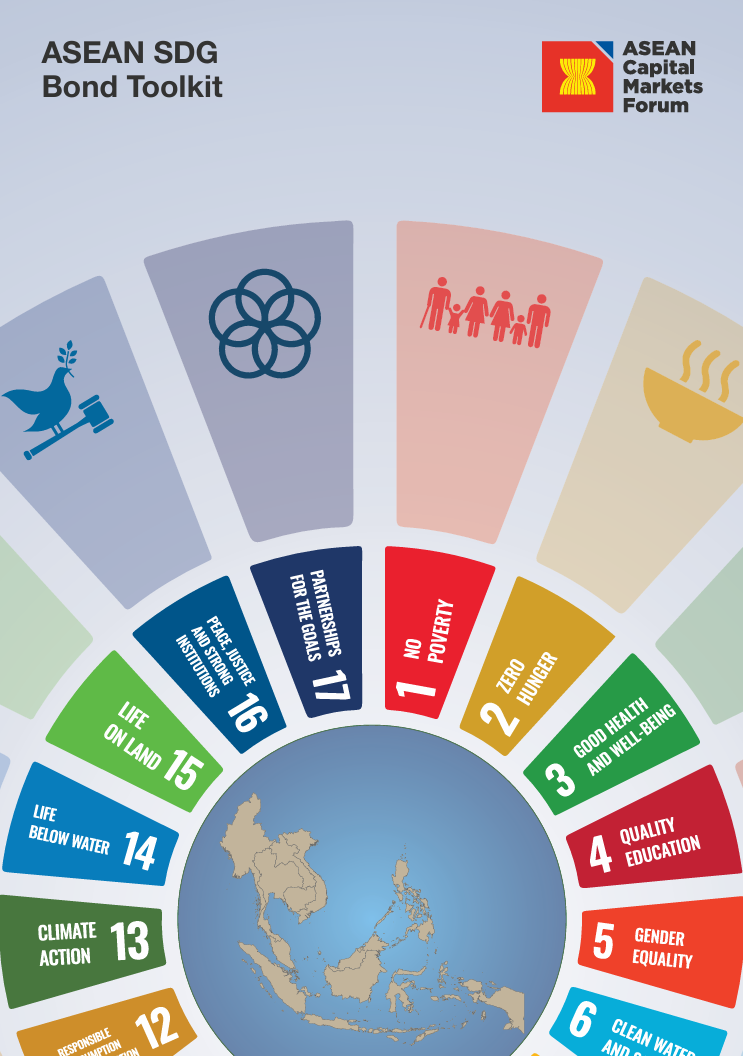
ASEAN SDG Bond Toolkit
Provides practical guidance for issuing SDG bonds in ASEAN, outlining principles, processes, and frameworks aligned with green, social and sustainability bond standards. It explains SDG mapping, eligibility criteria, reporting practices, and market context to support issuers in mobilising capital for sustainable development.
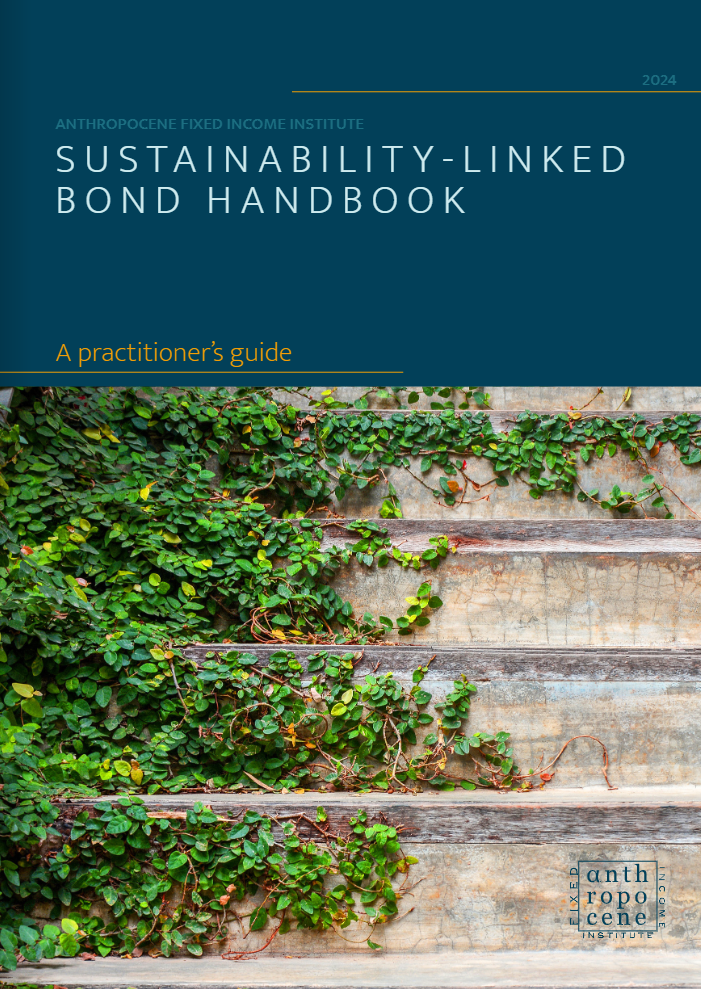
Sustainability-linked bond handbook
The Sustainability-Linked Bond Handbook provides a practical overview of sustainability-linked bonds, covering structure, pricing models and market dynamics. It combines financial analysis with sustainability considerations and includes over 40 case studies, offering guidance for investors and issuers on integrating these instruments into fixed income strategies.
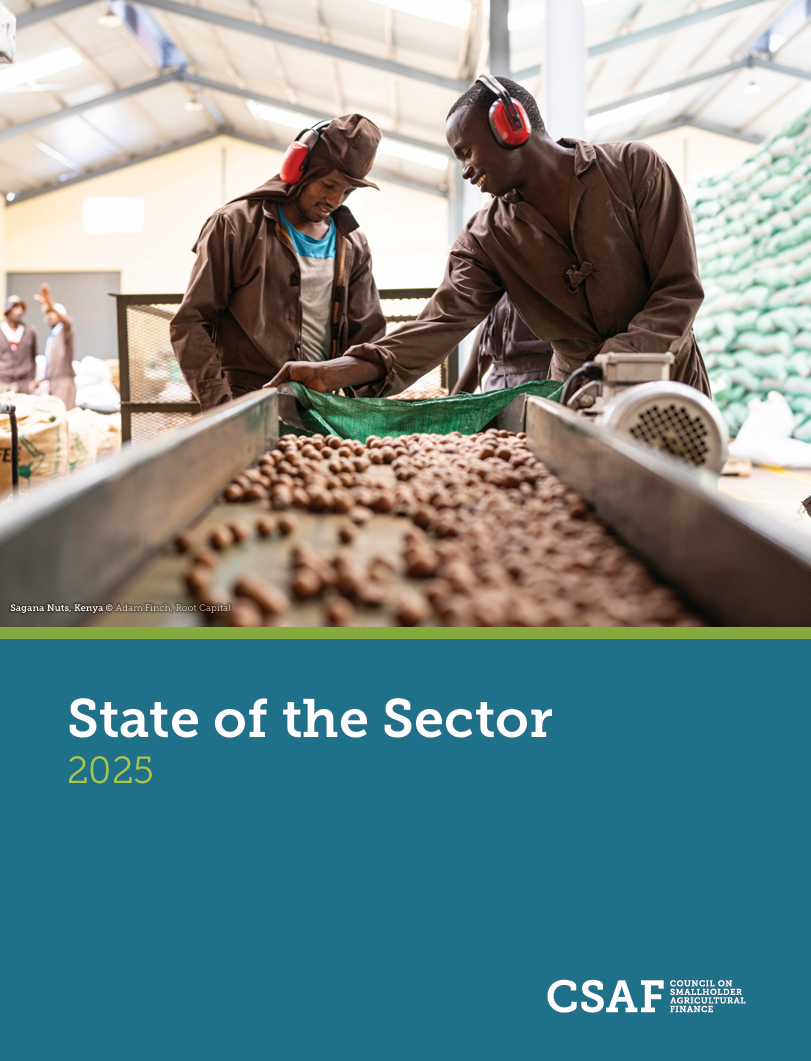
State of the sector series
The State of the Sector is a series that provides annual analysis of the agricultural SME finance market, focusing on lending activity, market dynamics, and risk factors. It examines how financial institutions support small and medium-sized enterprises in agriculture and the broader ecosystem for sustainable and inclusive finance.
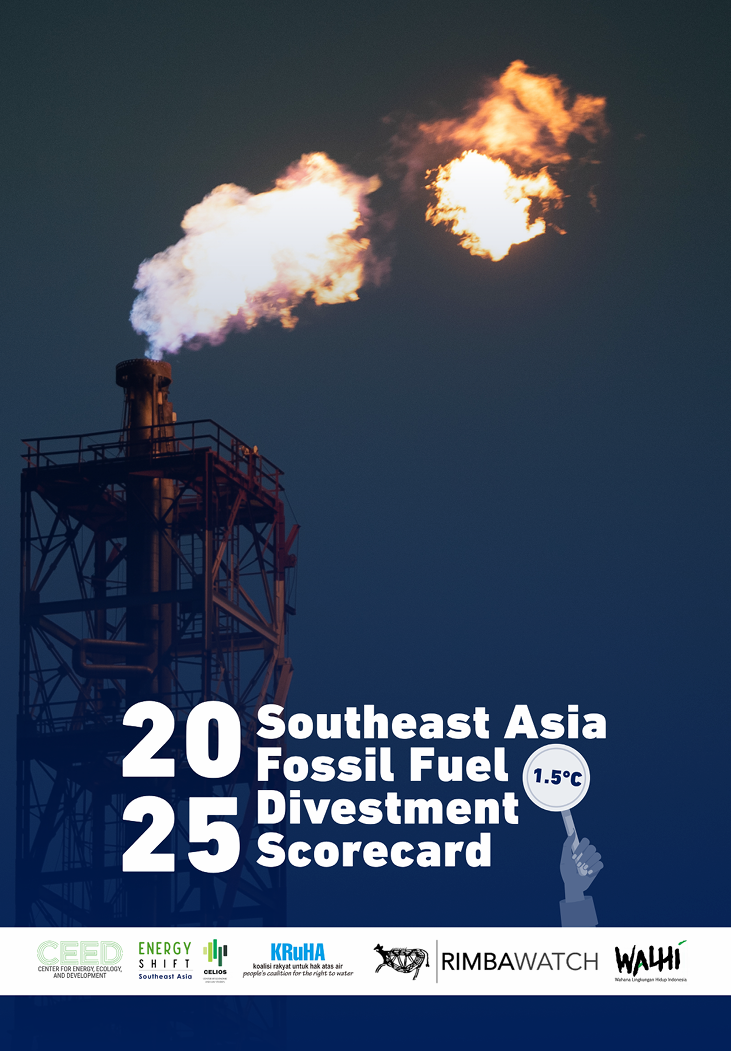
2025 Southeast Asia fossil fuel divestment scorecard
Assesses 35 banks’ fossil fuel financing and climate policies in Southeast Asia, finding continued coal and gas funding despite commitments. International banks dominate financing, with policy gaps and loopholes persisting. The scorecard highlights misalignment with 1.5°C goals and calls for stricter divestment and increased renewable investment.
Australian taxonomy-aligned debt guidance: Issuing use-of-proceeds debt under the Australian sustainable finance taxonomy
Guidance explains applying the Australian sustainable finance taxonomy to use-of-proceeds debt, outlining classification, allocation, and disclosure requirements. It details technical screening criteria, Do No Significant Harm and social safeguards, and supports consistent, transparent identification of climate-aligned investments for issuers and investors.
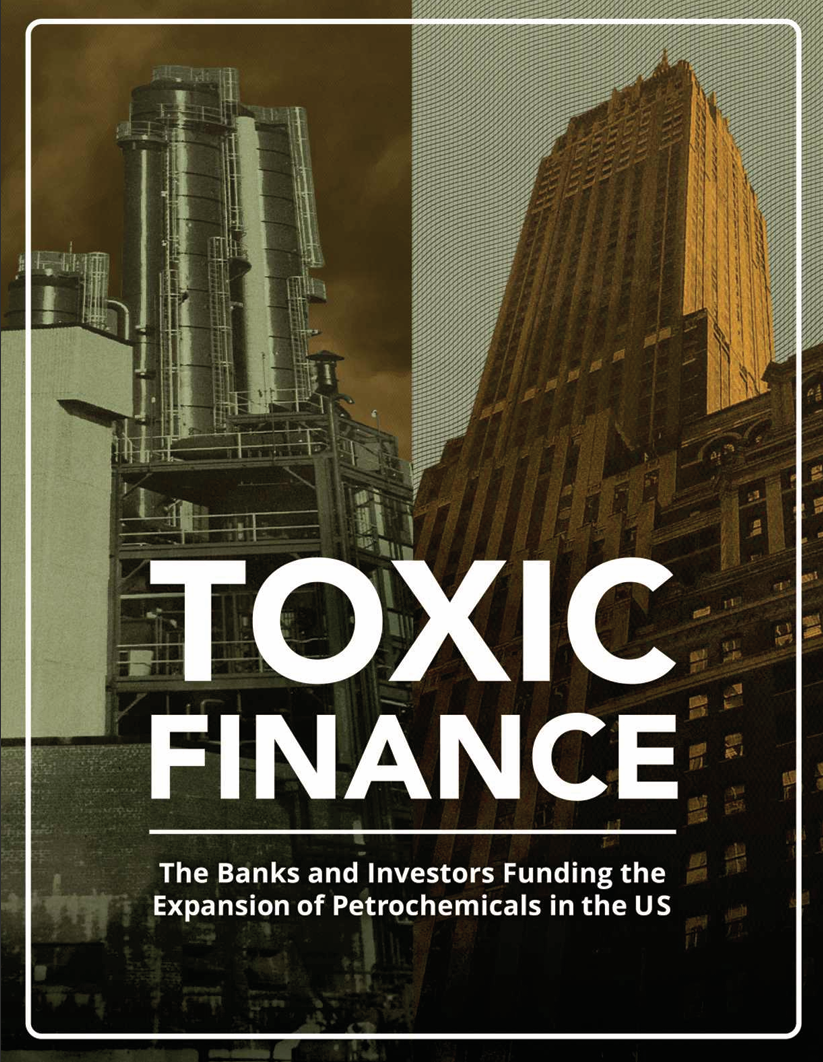
Toxic finance: The banks and investors funding the expansion of petrochemicals in the US
This report argues that banks and investors are enabling US petrochemical expansion despite rising market, legal, climate and public health risks, identifying major financiers and investors while warning that continued support may expose them to financial, reputational and regulatory harm.
Sustainable Finance Roundup March 2026: Markets, Climate Risk, and the Transition in Practice
This month’s sustainability roundup captures a shift from framework development to real-world application, where climate and nature risks are increasingly embedded across financial systems, legal accountability, and decision-making. It highlights how intensifying physical climate signals, evolving disclosures, and maturing litigation are converging with insights on sovereign risk, energy systems, and corporate strategy. Together, these developments show how sustainability is moving beyond principle—being tested, priced, and enforced across markets, regulation, and the real economy.
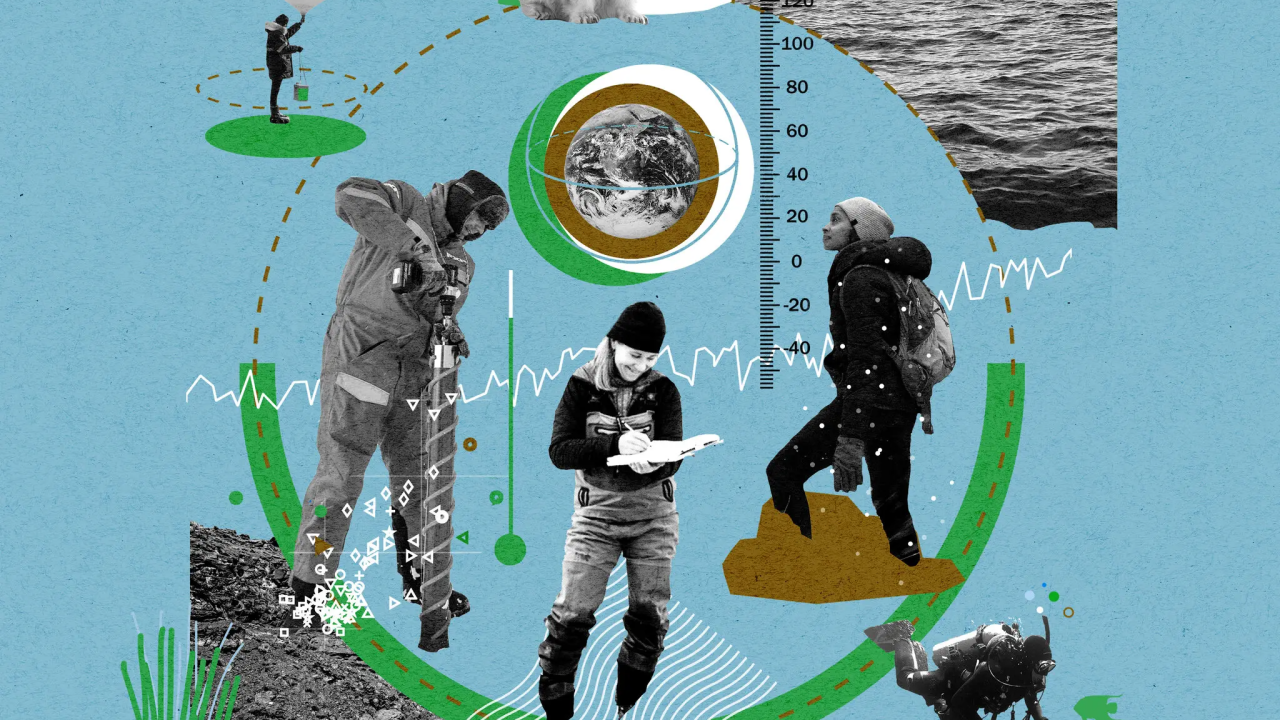
Private doubts, collective conformity: the Power and fragility of climate narratives
This article examines why current climate frameworks persist despite widespread professional skepticism, highlighting institutional incentives and “preference falsification” as key drivers. It calls for more open, cross-sector dialogue focused on diagnosing real problems and unlocking practical, system-level solutions.
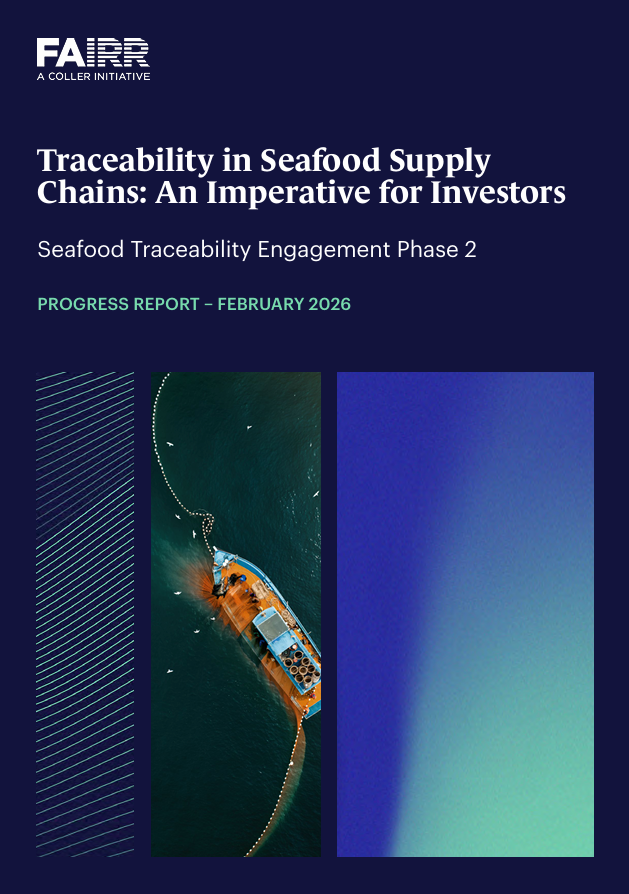
Seafood traceability engagement series
This series examines how investor engagement can drive improved traceability in global seafood supply chains. It focuses on assessing company progress, encouraging adoption of traceability systems, and supporting investors in identifying and managing environmental and social risks within complex seafood value chains.


