
Library | Sustainable Finance Practices
ESG Integration and analysis
Tools, methodologies, and frameworks for embedding ESG factors into financial analysis, valuation, credit assessment, underwriting, and portfolio management, while separating out broader strategic elements.
Team Altiorem recommends

Refine
699 results
REFINE
SHOW: 16


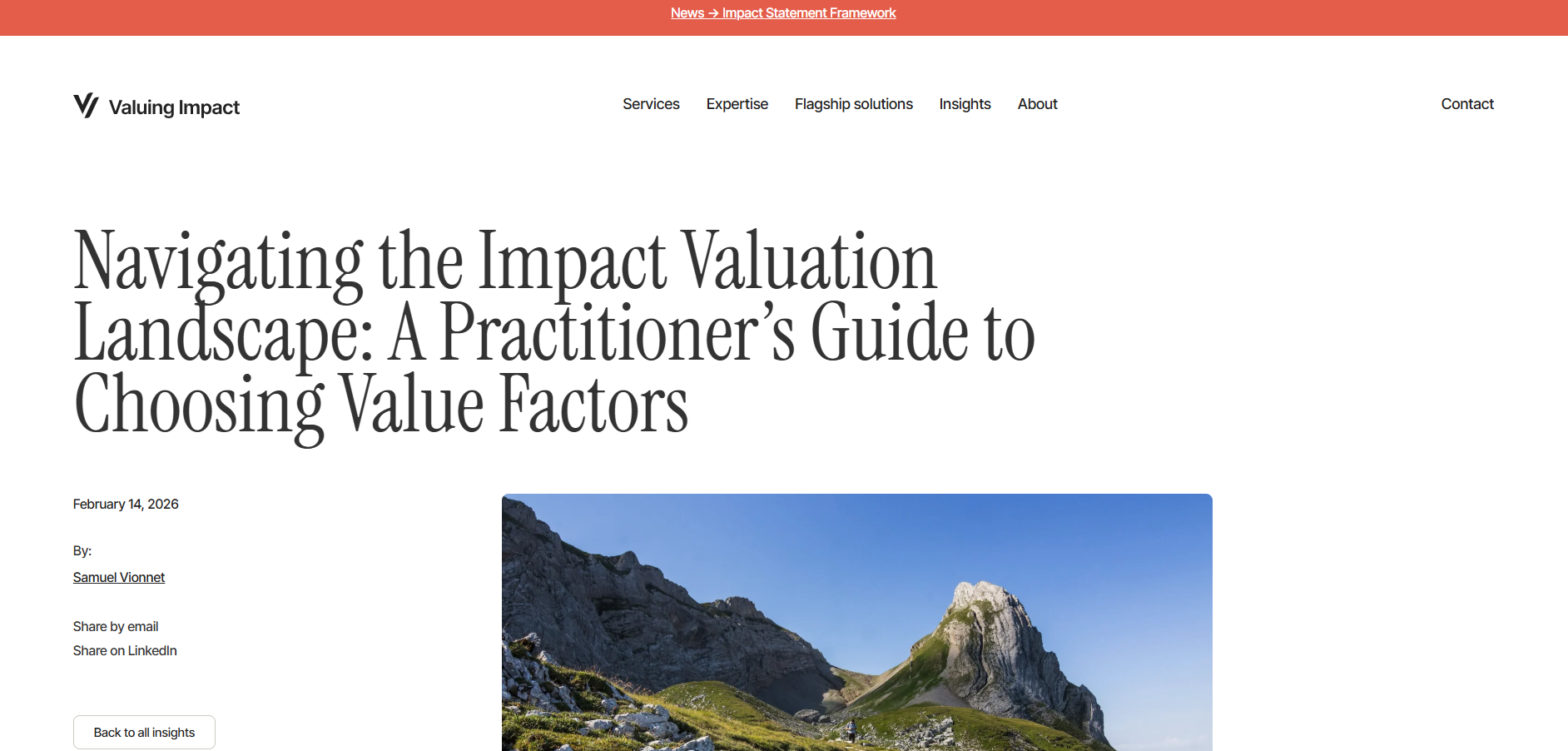
Navigating the impact valuation landscape: A practitioner’s guide to choosing value factors
A practitioner guide that maps available impact valuation methods and value factor sources, comparing their scope, methodology and use cases. It helps users select appropriate data sources for monetising social and environmental impacts, addressing fragmentation and inconsistencies across existing valuation approaches.
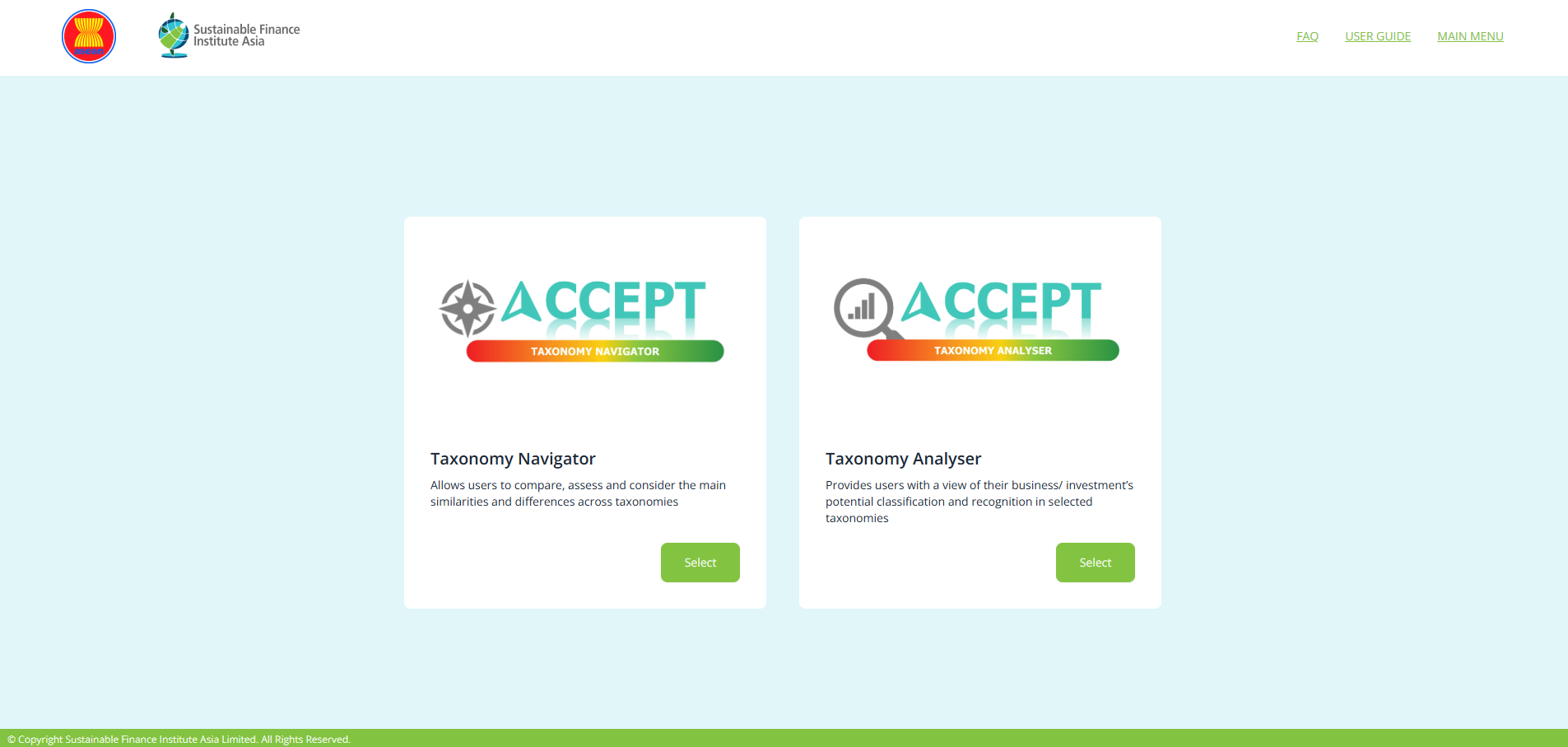
ASEAN Taxonomy Navigator
The ACCEPT Taxonomy Navigator is an online tool that enables users to explore and compare sustainable finance taxonomies, including the ASEAN Taxonomy. It provides a structured view of economic activities and classification criteria, supporting consistent assessment of sustainability alignment and aiding finance professionals in applying taxonomy requirements.
OECD Green Finance and Investment library
OECD’s Green Finance and Investment series provides policy analysis and guidance to mobilise public and private finance for green growth. It examines how regulatory frameworks and investment strategies can scale funding for low-carbon, climate-resilient and resource-efficient infrastructure, technologies and businesses.
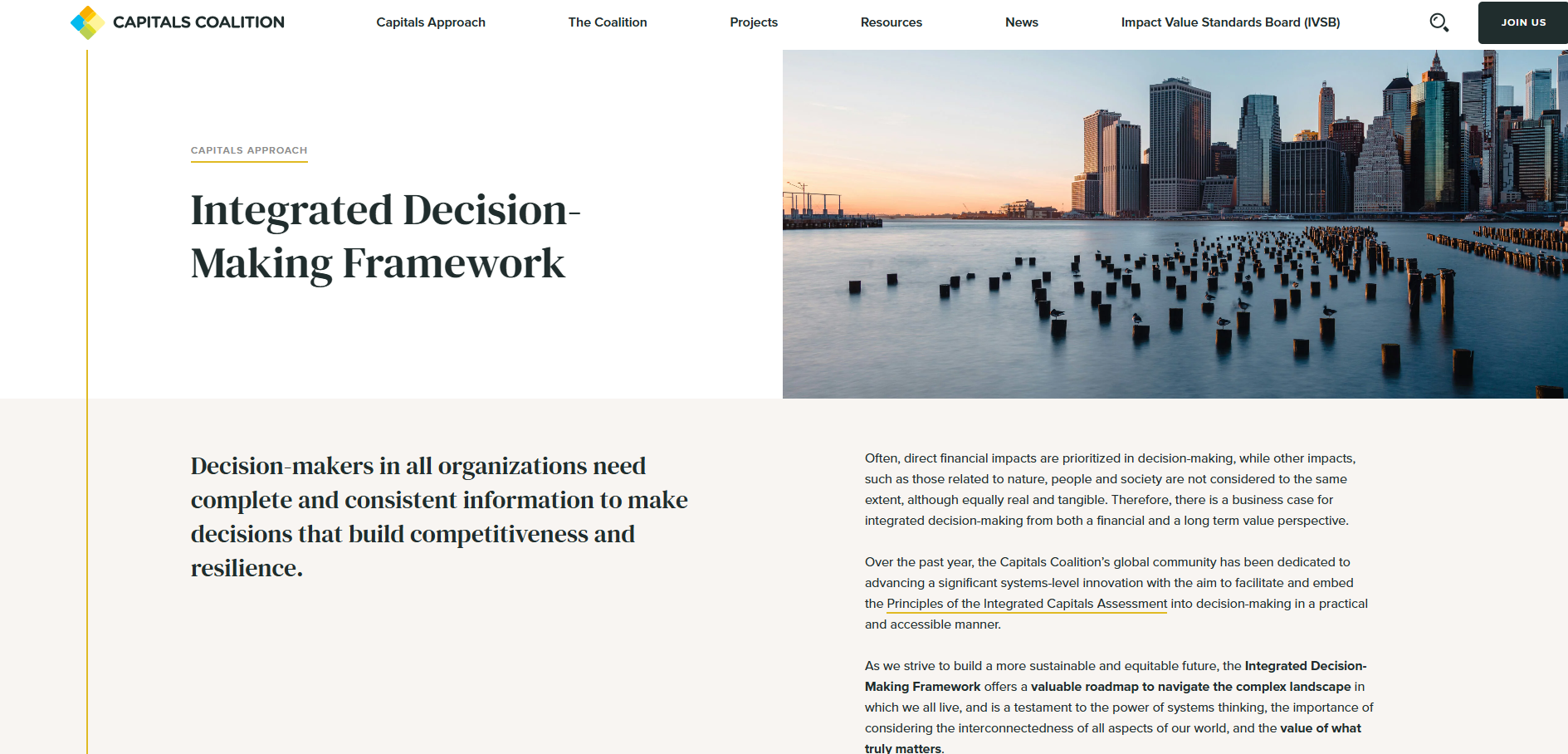
Integrated decision-making framework
The Capitals Coalition’s Integrated Decision-Making Framework provides a structured approach to incorporating natural, social, human and produced capital into organisational decisions. It offers stepwise guidance, governance and technical tools to support consistent valuation of impacts and dependencies, enabling finance professionals to integrate sustainability considerations into decision-making processes.
Handbook of sustainable finance
This handbook explains sustainable finance concepts, ESG scoring, regulation, reporting, sustainable products, impact investing, biodiversity, climate risk measurement, transition and physical risk modelling, portfolio construction, stress testing and risk management for finance practitioners.
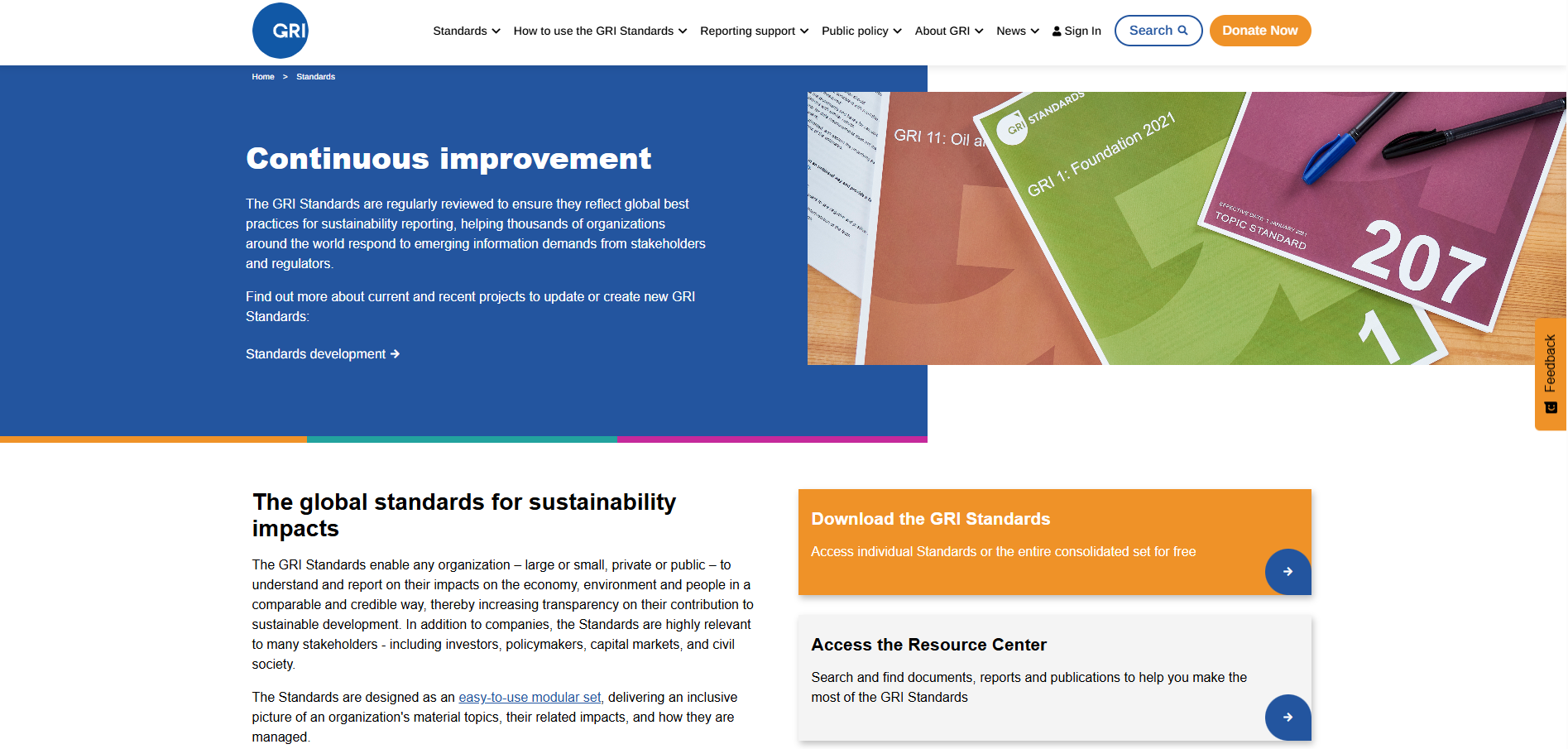
GRI Standards
The GRI Standards are globally recognised sustainability reporting guidelines enabling organisations to disclose economic, environmental and social impacts in a consistent and comparable way. They support transparency, accountability and informed decision-making by helping organisations identify, measure and communicate material ESG impacts and contributions to sustainable development.
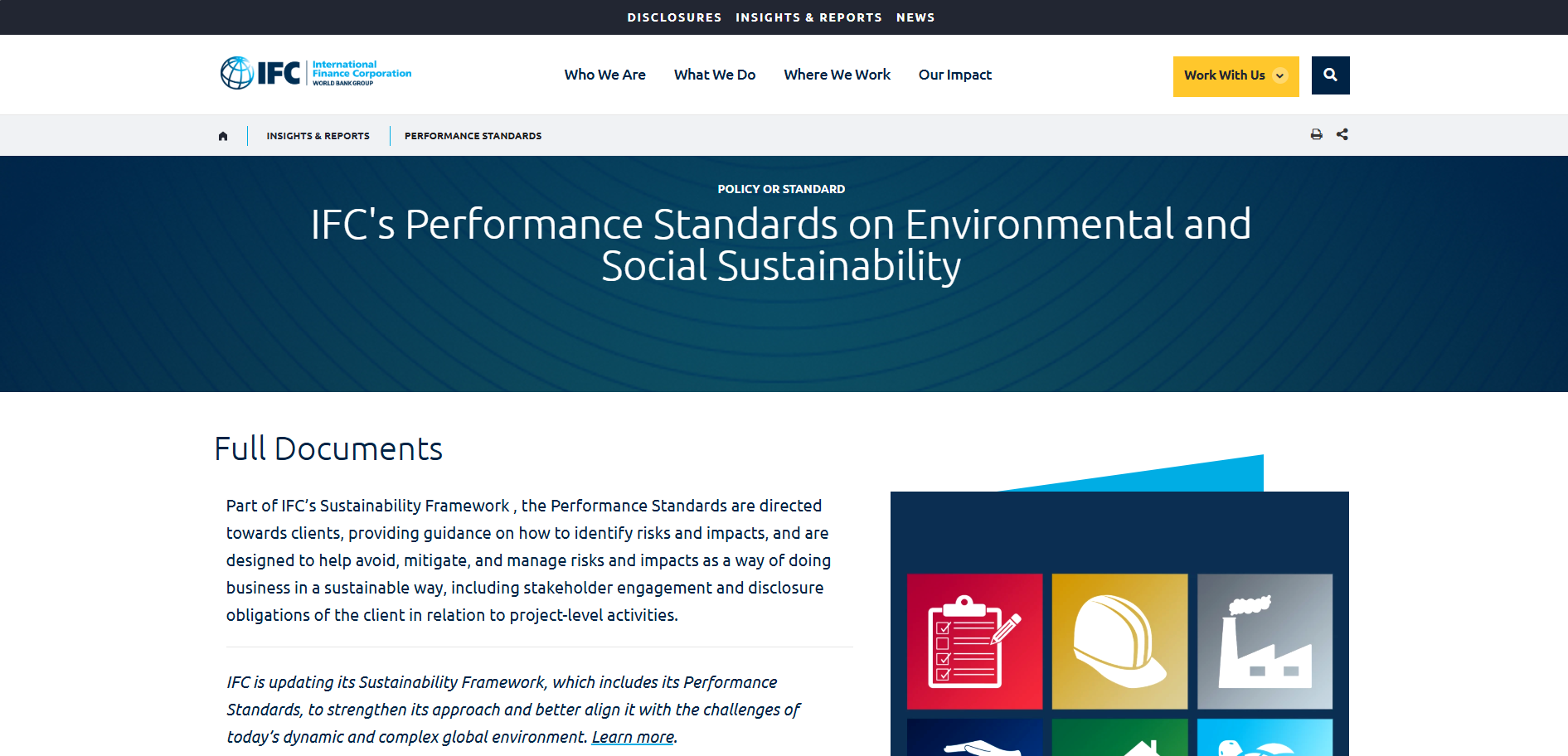
IFC's performance standards on environmental and social sustainability
The IFC Performance Standards (2012) form part of the Sustainability Framework, setting requirements for clients to identify, manage, and mitigate environmental and social risks in financed projects. They comprise eight standards covering areas such as labour, resource efficiency, biodiversity, and community impacts, and are widely used as a global benchmark for responsible investment.
Tipping points: Decision making under deep uncertainty
Examines climate tipping points and their implications for financial decision-making under deep uncertainty. It outlines risks of abrupt, nonlinear climate shifts, limitations of traditional valuation models, and emerging approaches including scenario analysis, resilience planning and climate intervention, emphasising challenges in pricing, timing and managing long-term systemic risks.
2025 Southeast Asia fossil fuel divestment scorecard
Assesses 35 banks’ fossil fuel financing and climate policies in Southeast Asia, finding continued coal and gas funding despite commitments. International banks dominate financing, with policy gaps and loopholes persisting. The scorecard highlights misalignment with 1.5°C goals and calls for stricter divestment and increased renewable investment.

Advancing gender equality through gender lens investing
Examines gender lens investing as an approach integrating gender analysis into investment decisions to promote equality and returns. Outlines strategies, benefits, challenges, and case studies, linking to SDGs and emphasising measurement, engagement, and diverse investment practices.

Energy technology perspectives series
The Energy Technology Perspectives is a series by the IEA that provides analysis of global energy systems, focusing on the development, deployment and innovation of clean energy technologies and their role in achieving sustainable, secure and low-emissions energy transitions across sectors and regions.
Toxic finance: The banks and investors funding the expansion of petrochemicals in the US
This report argues that banks and investors are enabling US petrochemical expansion despite rising market, legal, climate and public health risks, identifying major financiers and investors while warning that continued support may expose them to financial, reputational and regulatory harm.
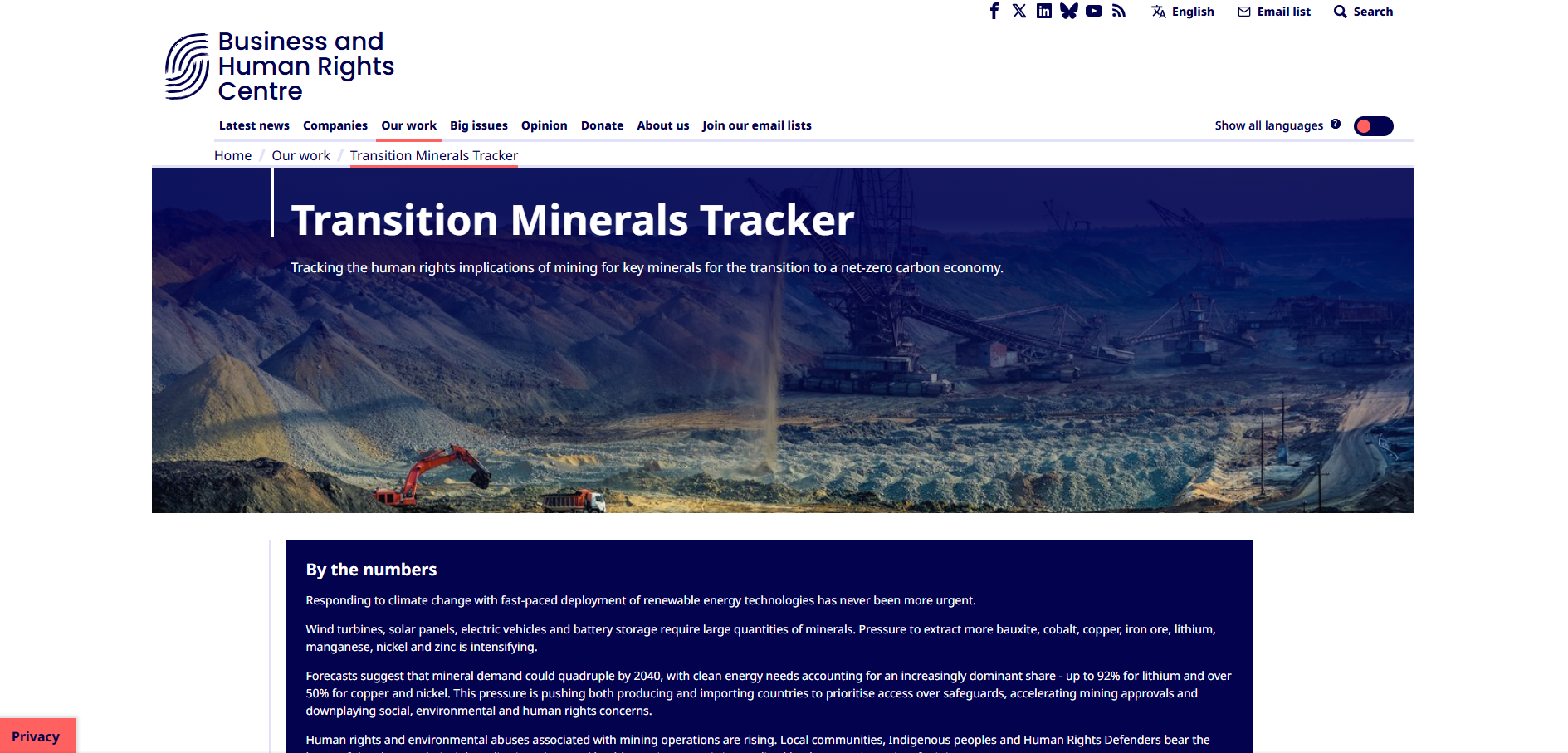
Transition Minerals Tracker
The Transition Minerals Tracker is an online database by the Business & Human Rights Resource Centre that tracks human rights risks linked to mining key minerals for the energy transition. It compiles company data, policies and allegations, enabling users to assess exposure to social and governance risks across global mining operations.
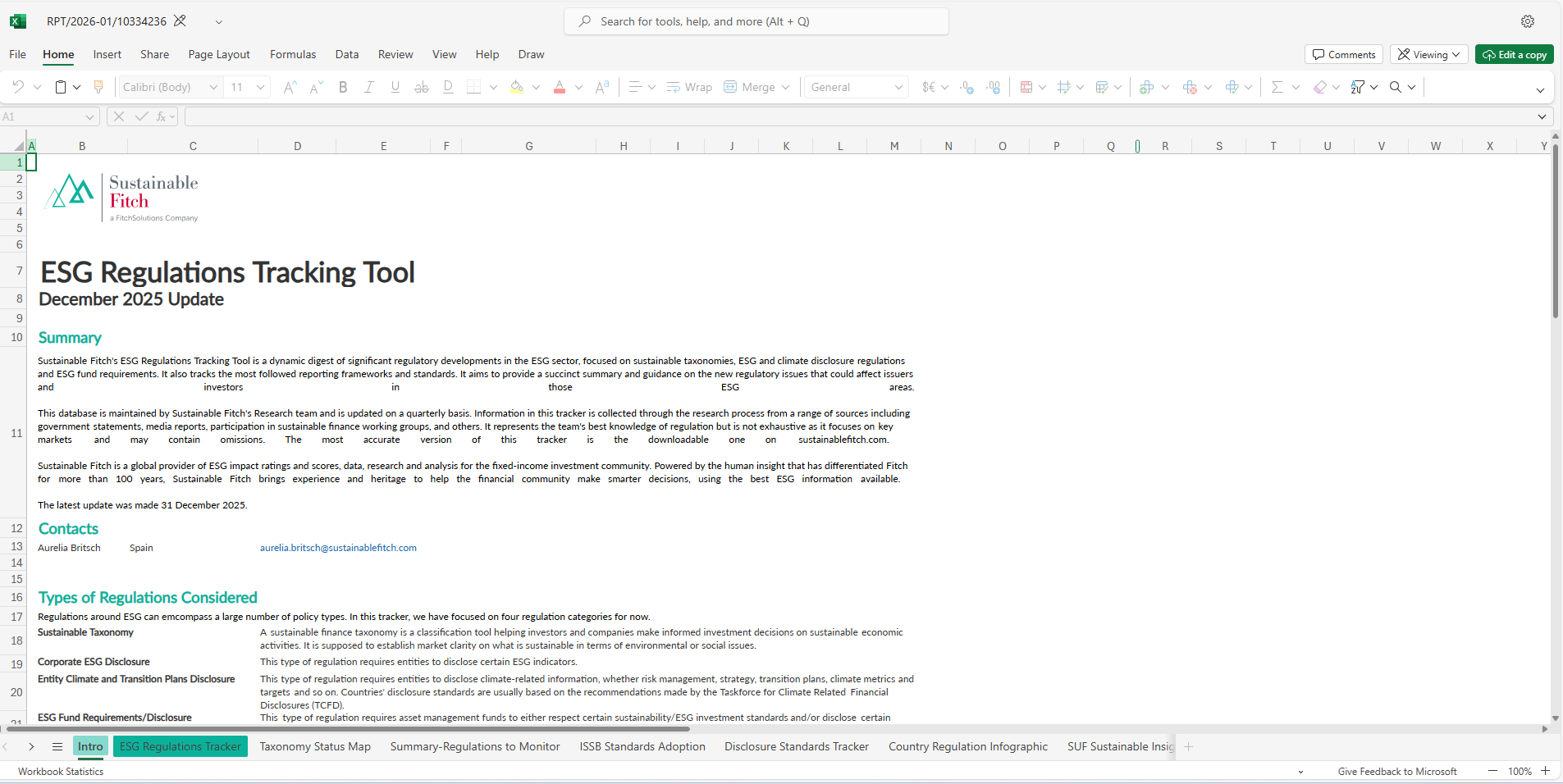
ESG regulations tracking tool
Fitch’s ESG Regulations Tracking Tool monitors global ESG-related regulatory developments affecting corporates. It provides structured, regularly updated insights on policy changes, jurisdictional trends and compliance requirements, supporting finance professionals in assessing regulatory risk, aligning strategies and understanding evolving ESG obligations across multiple markets and sectors.
Guidance for applying absolute environmental sustainability assessment on activities at different scales (BETA version)
Provides beta guidance for applying Absolute Environmental Sustainability Assessment, comparing activities’ environmental burdens against planetary boundaries. It outlines a three-phase, nine-step framework, supported by case studies (buildings, cement, EU consumption), and aligns with existing accounting standards while addressing methodological gaps in allocating environmental limits.
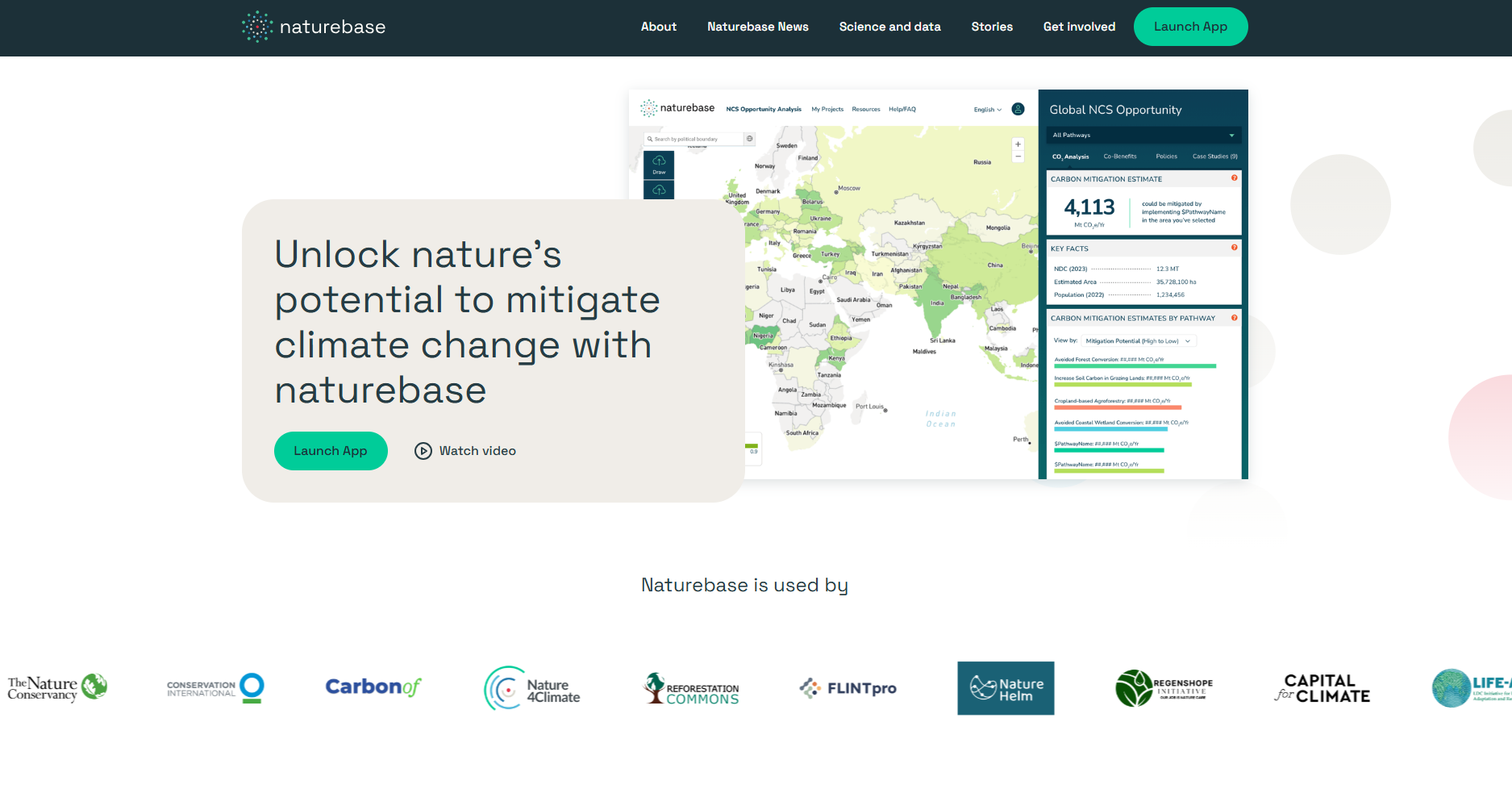
Naturebase
Naturebase is a free, science-based platform that maps where and how to implement nature-based solutions. It provides data on carbon mitigation potential, biodiversity and social benefits, alongside policy guidance and case studies, enabling investors and policymakers to identify, assess and finance high-integrity climate and nature projects.


