
Library | Sustainable Finance Practices
Fixing financial and economic systems
Resources focused on transforming financial and economic systems to prioritise human well-being, equity, and environmental sustainability. Includes systemic change models such as degrowth, green growth, doughnut economics, and limits to growth.
Team Altiorem recommends

Refine
375 results
REFINE
SHOW: 16


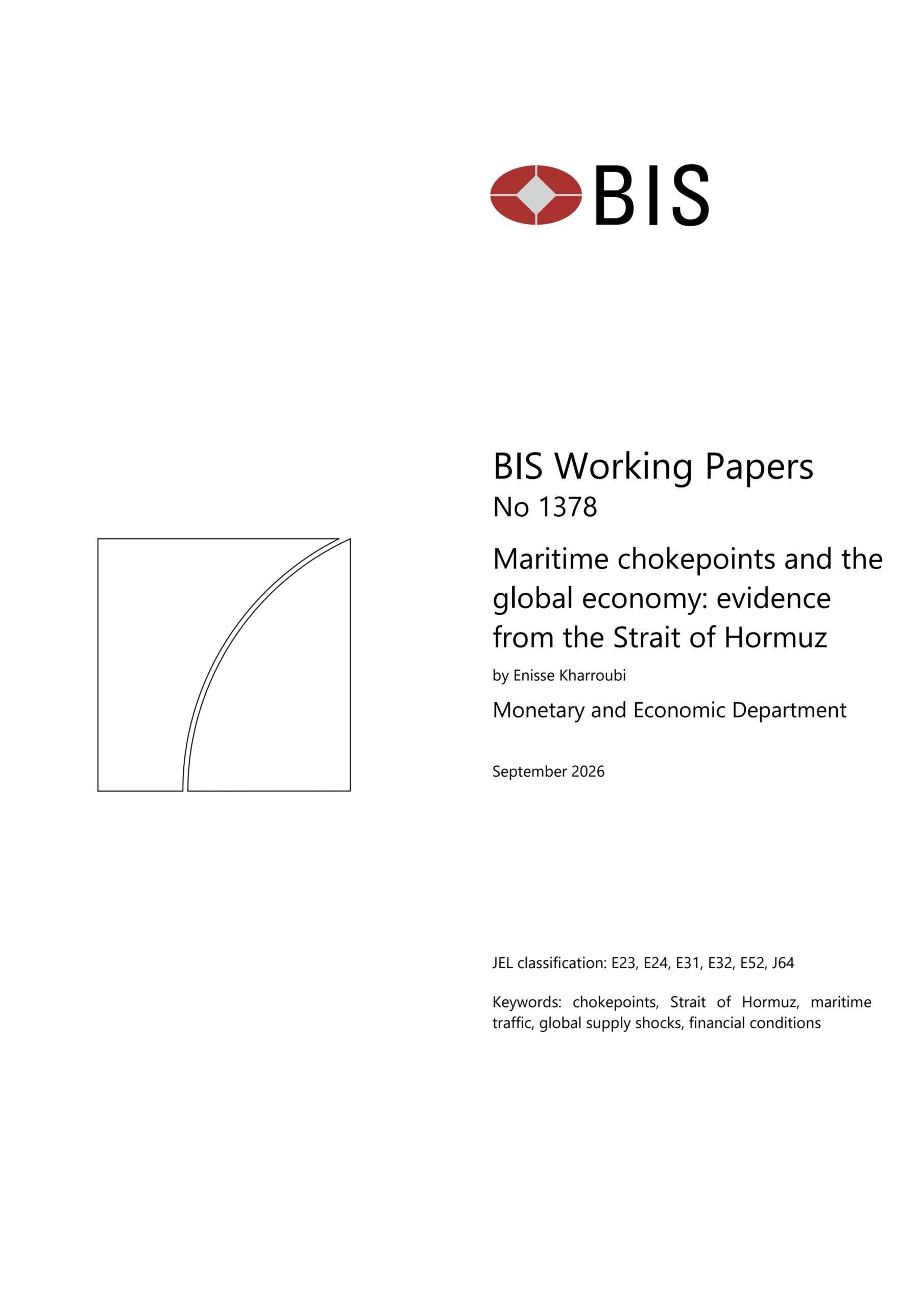
Maritime chokepoints and the global economy: Evidence from the Strait of Hormuz
This research examines the global economic consequences of maritime disruptions in the Strait of Hormuz. Utilising Portwatch data, the analysis demonstrates that traffic shocks act as stagflationary forces, significantly increasing energy prices, reducing global industrial production, and tightening financial conditions through widened corporate and sovereign bond spreads.
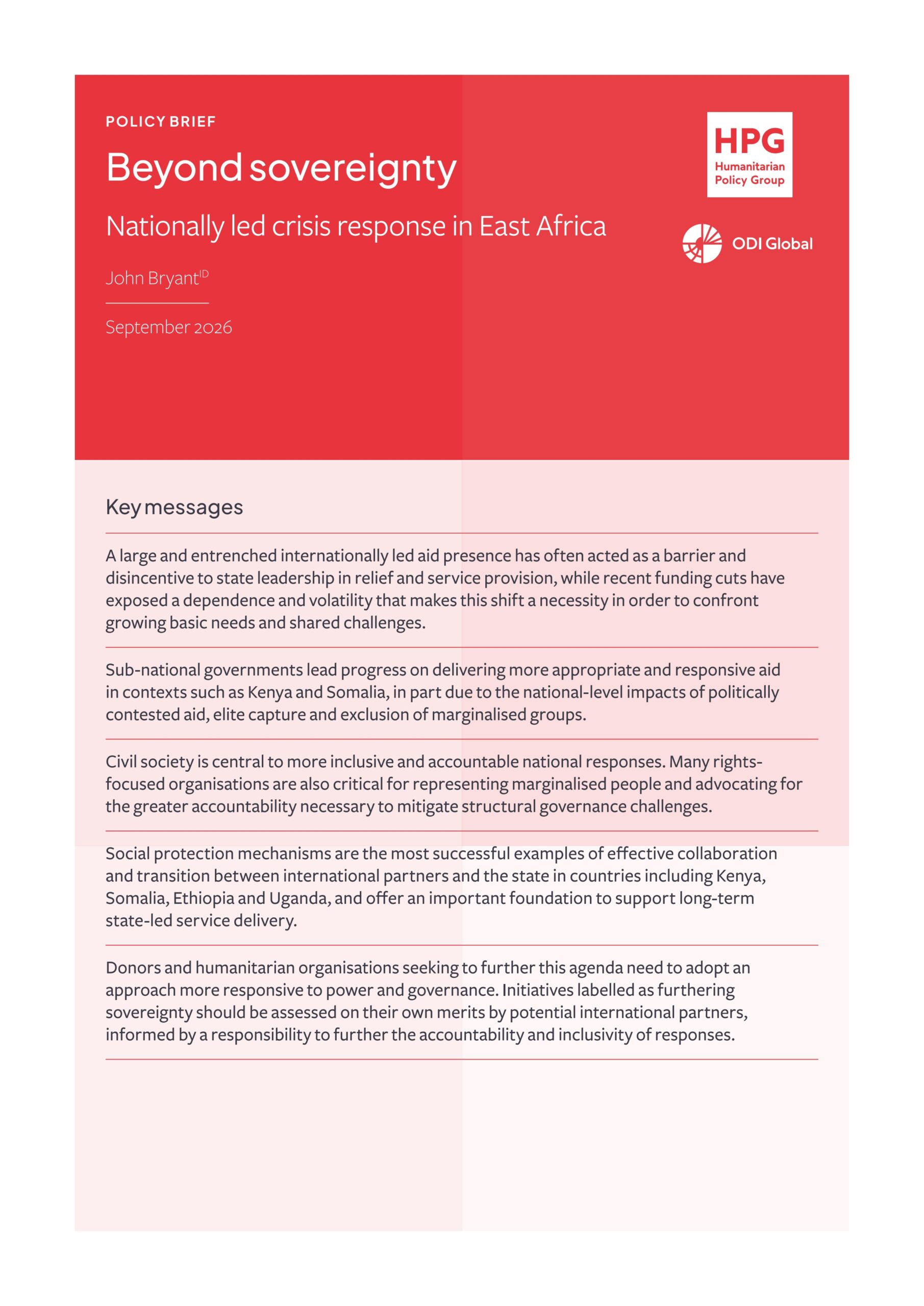
Beyond sovereignty: Nationally led crisis response in East Africa
This report examines the transition towards nationally led crisis response in East Africa. It identifies barriers within international aid structures while highlighting progress in sub-national governance, social protection, and civil society. Recommendations focus on strengthening state accountability and equitable partnerships across Kenya, Somalia, Uganda, South Sudan, and Ethiopia.
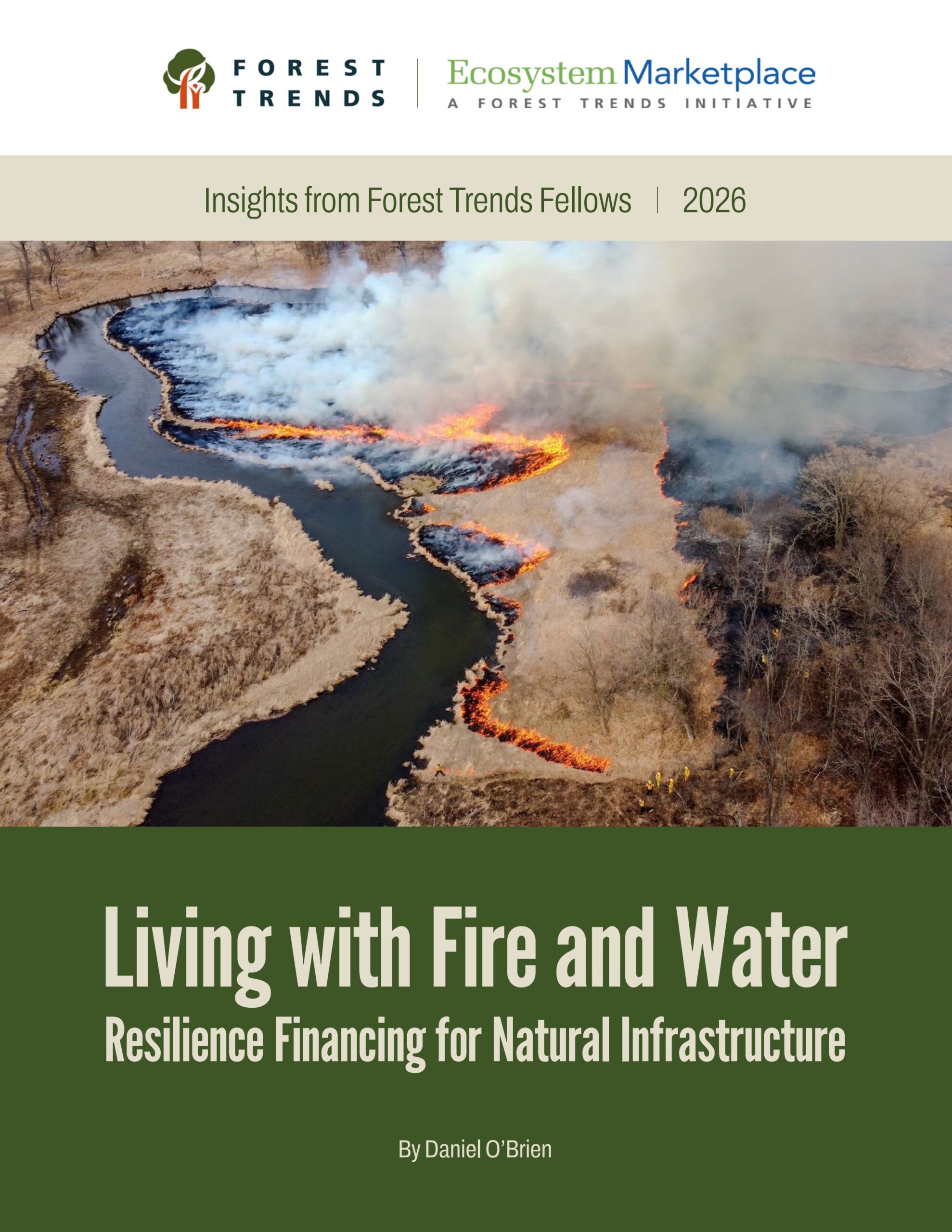
Living with fire and water: Resilience financing for natural infrastructure
This report proposes a resilience-financing architecture to fund natural infrastructure. By wrapping catastrophe bonds with government credit enhancement, it creates a spread to finance landscape-scale mitigation. This mechanism aims to preserve insurability, reduce systemic climate risk, and convert unpriced contingent liabilities into structured, capped financial positions.
The global rise of index-based ownership of firms
This research examines the global expansion of index-based ownership from 2004 to 2023. Using a benchmark-free classification model, the study finds global index ownership reached 16.9% by 2023. It highlights significant regional variations, noting that US ownership is highest in mid-caps, whereas European and Asian indexing remains concentrated in large-cap firms.
International credit to Africa
This research examines the rapid expansion of international credit to Africa since the Global Financial Crisis. It highlights the rise of Chinese lending under the Belt and Road Initiative, the dramatic growth of international bond issuance, and the continued dominance of governments as borrowers in US dollar-denominated markets.
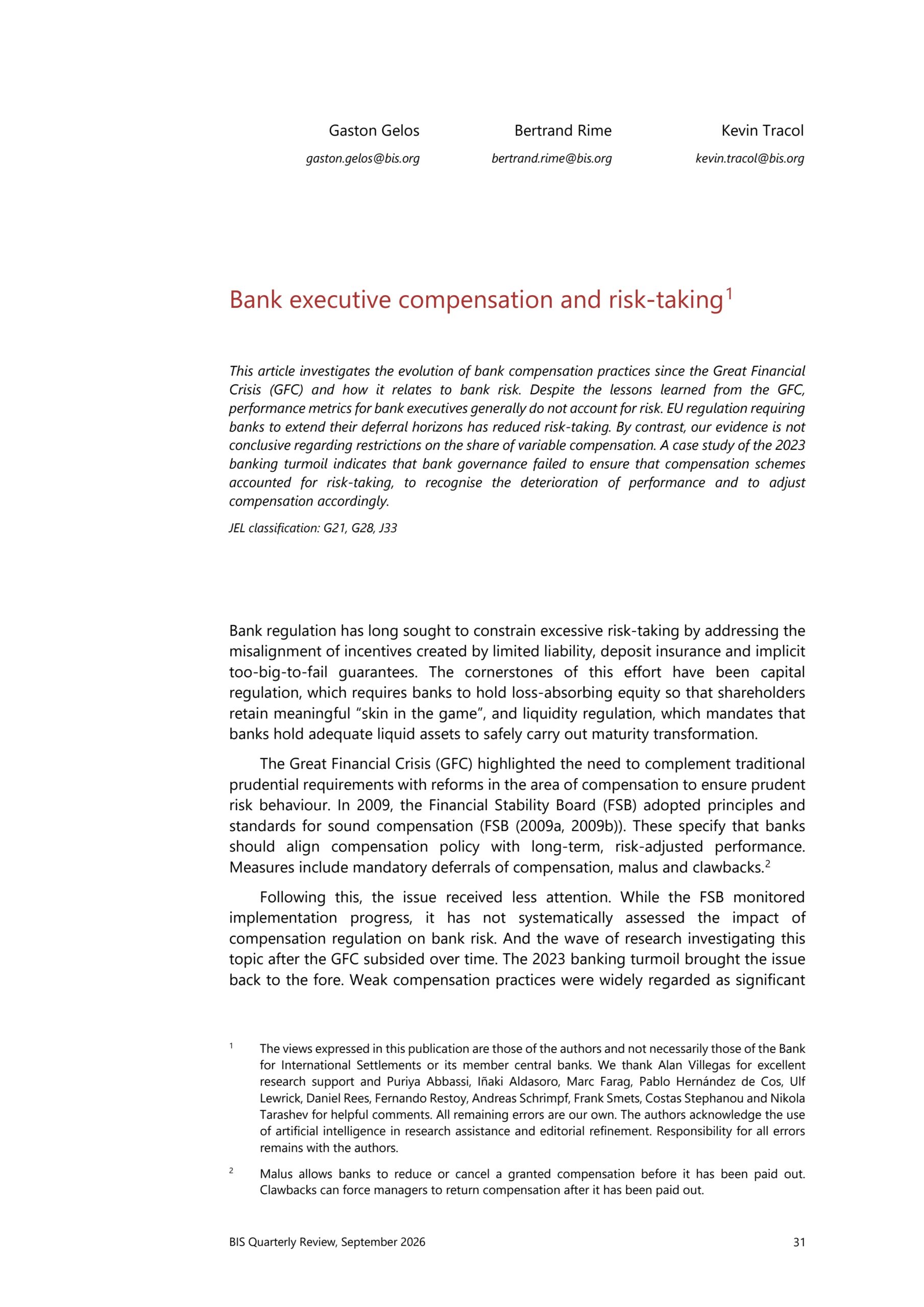
Bank executive compensation and risk-taking
This research investigates bank executive compensation since the Great Financial Crisis. It finds that longer deferral horizons successfully reduce risk-taking and encourage prudent capital management. However, evidence regarding variable pay caps is inconclusive. Case studies from 2023 failures highlight governance shortcomings in risk-adjusting performance metrics and compensation schemes.
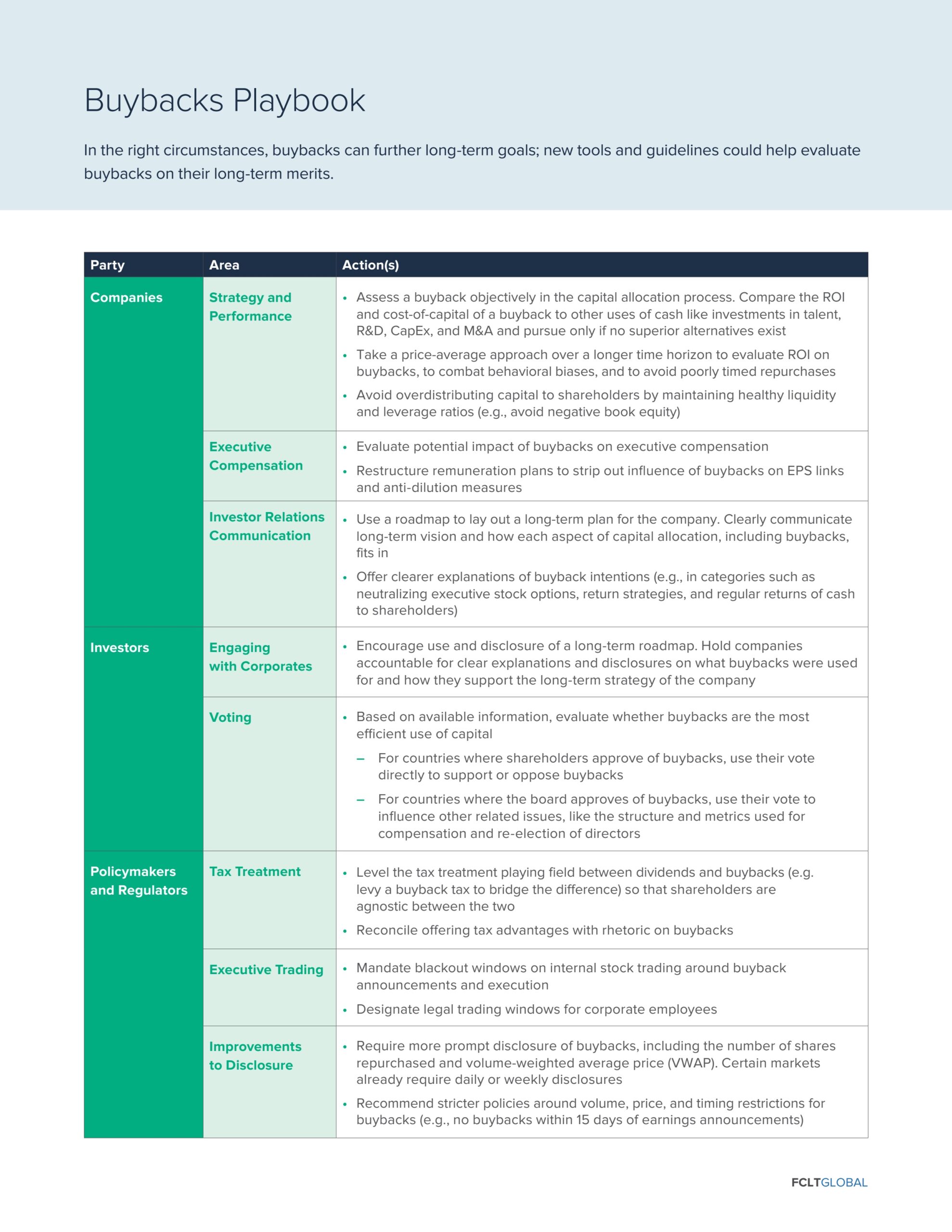
Buybacks playbook
This playbook provides a framework for companies, investors, and policymakers to evaluate share buybacks based on long-term merits. It recommends objective capital allocation, decoupling executive pay from buyback-influenced metrics, and enhancing regulatory disclosures and trading restrictions to ensure repurchases support sustainable corporate strategy rather than short-term gains.
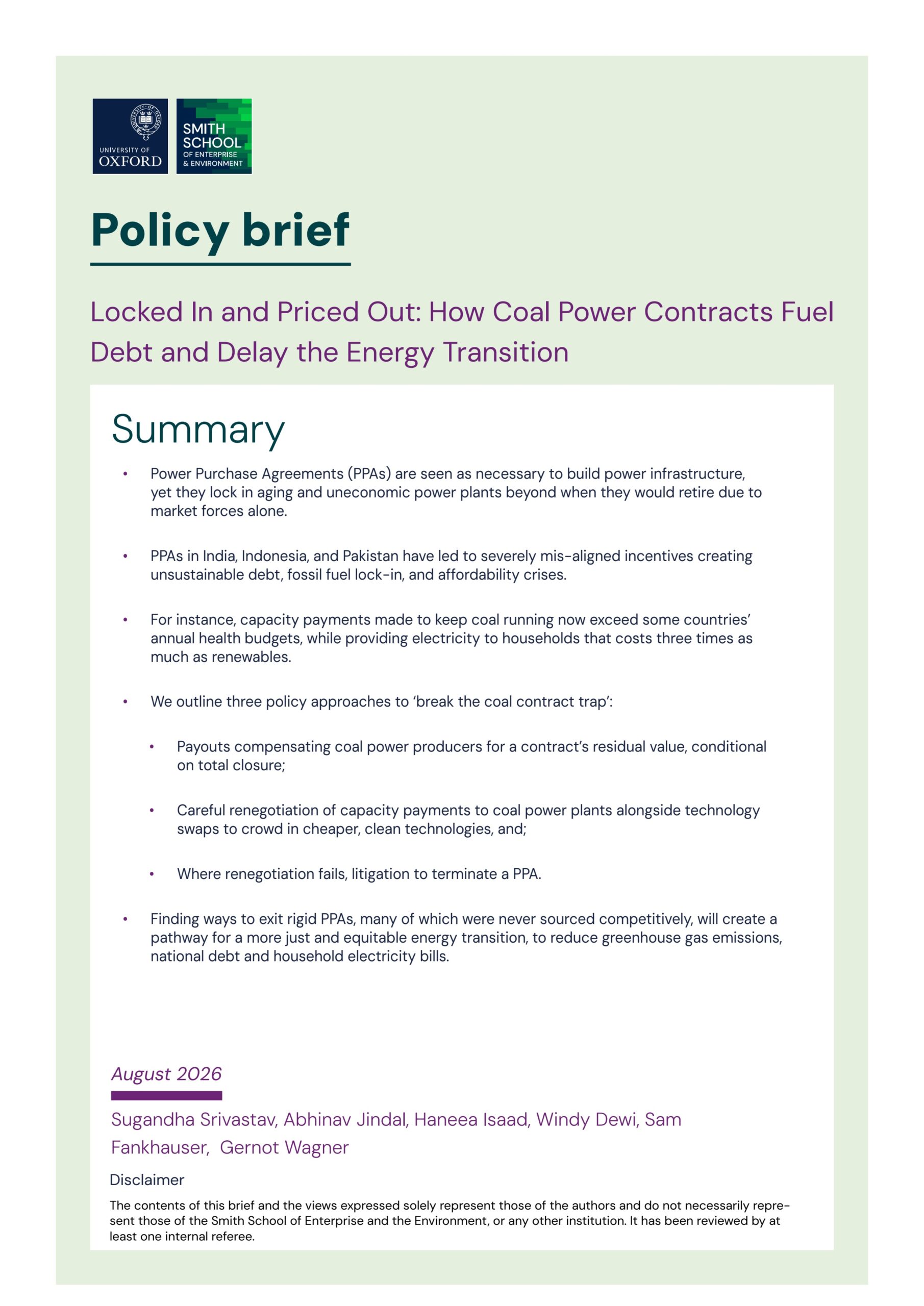
Locked in and priced out: How coal power contracts fuel debt and delay the energy transition
This report examines how rigid power purchase agreements for coal power in India, Indonesia, and Pakistan create unsustainable debt and delay the energy transition. It highlights how these contracts lock in expensive, polluting energy and proposes policy solutions including payouts, technology swaps, renegotiation, and litigation.
A price on carbon: Building towards an Asian CBAM
This report advocates for an Asian Carbon Border Adjustment Mechanism (CBAM) to harmonise carbon pricing across Asia-Pacific. Focusing on steel, aluminium, and cement, it proposes international collaboration between Australia, China, Japan, Singapore, and South Korea to accelerate industrial decarbonisation, address carbon leakage, and unlock green commodity trade.
Enabling framework conditions assessment for subnational climate finance in Indonesia
This report evaluates Indonesia's enabling framework conditions for subnational climate finance. It identifies critical gaps in institutional capacity, financial architecture, and data accessibility. Recommendations focus on expanding urban-specific incentives, leveraging blended finance, and synchronising digital platforms to improve local climate governance and bridge the national investment gap.
Pollution pricing in equilibrium: Production, reallocation, and aggregate impacts
NBER research into the EU-ETS reveals that carbon pricing reduces emissions primarily through market reallocation and long-run technology adoption, rather than short-run input substitution. Doubling permit prices reduces aggregate emissions by 31% over five years, with moderate impacts on total output and employment across the production network.
The SDG partnership guidebook: A practical guide to building high-impact multi-stakeholder partnerships for the Sustainable Development Goals
This guidebook provides a practical framework for building high-impact multi-stakeholder partnerships for the SDGs. It details the partnering lifecycle, essential building blocks like trust and governance, and strategies for business engagement and system transformation. The resource helps organisations become fit for partnering to maximise collaborative value and impact.
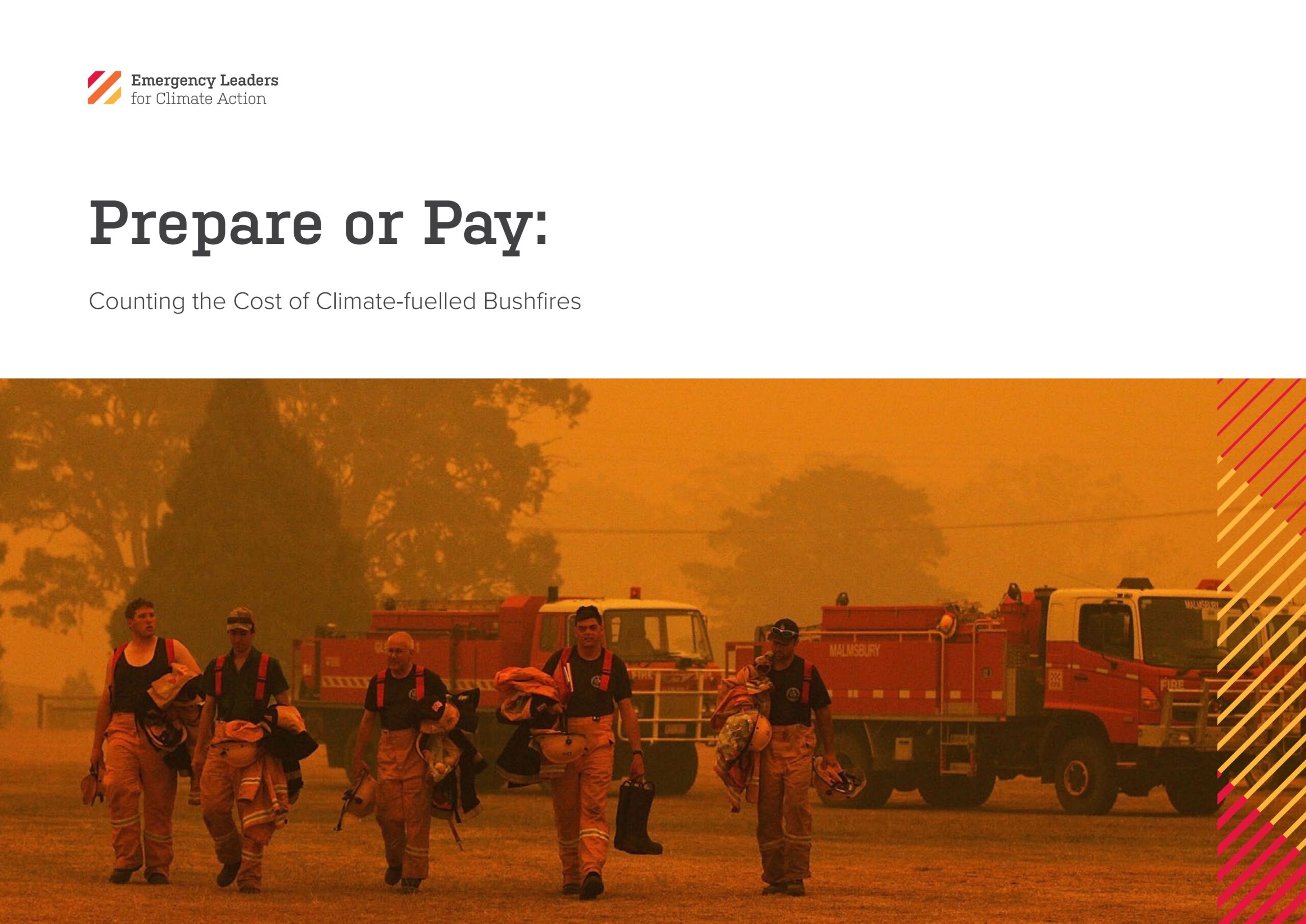
Prepare or pay: Counting the cost of climate-fuelled bushfires
This report quantifies the economic burden of climate-fuelled bushfires in Australia, projecting an average annual cost of $6 billion. It examines how climate change intensifies fire weather and provides recommendations for federal investment in preparedness, community resilience, and the rapid reduction of coal, oil, and gas pollution.
Upgrading financial markets
This field experiment in rural Sierra Leone evaluates upgrading Village Savings and Loan Associations into digital financial service agents. While infrastructure expands access, introducing consumer feedback mechanisms significantly improves service quality, transaction usage, and household shock mitigation. Results demonstrate that accountability is essential for developing functional, scalable financial markets.
Chokepoint disruptions and their macroeconomic consequences
This report examines the macroeconomic consequences of global supply chain chokepoint disruptions. It finds that rising geopolitical tensions threaten critical nodes, causing significant output losses and price pressures. While substitution and inventories mitigate impacts, policy responses must consider a disruption's centrality and the private sector's capacity to adjust.
Pricing power in the mortgage market: Evidence from GSE fee waivers
This research examines GSE fee waivers for lower-income first-time homebuyers, revealing that lenders pass through less than 40% of these savings. Intermediaries captured over 60% of the $1.5 billion benefit. High-cost loan officers and non-banks show the lowest pass-through, highlighting significant market power and search frictions.


