
Library | Sustainable Finance Practices
Impact measurement and verification
Approaches for defining, measuring, monitoring, and verifying the environmental, social, and financial impacts of investments using metrics, indicators, and verification standards.
Team Altiorem recommends

Refine
353 results
REFINE
SHOW: 16


Guidance for voluntary climate change mitigation
This guidance outlines expectations for voluntary climate change mitigation in New Zealand. It details six core principles for high-integrity carbon credits, including additionality and permanence. It distinguishes between contribution and exclusive-use claims and clarifies the role of the New Zealand Emissions Trading Scheme and Nationally Determined Contributions.
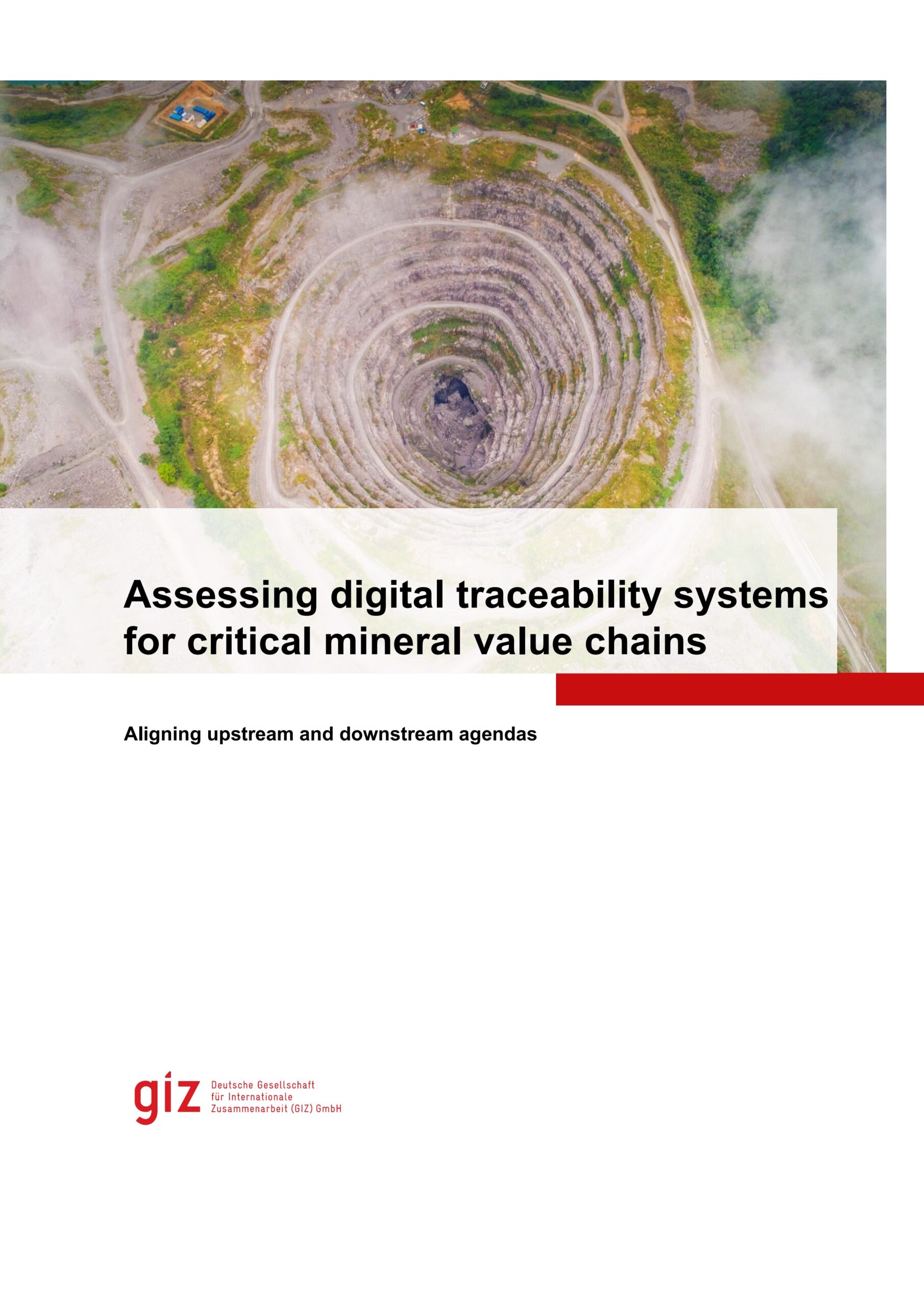
Assessing digital traceability systems for critical mineral value chains: Aligning upstream and downstream agendas
This report assesses digital traceability systems for critical raw materials, evaluating their architecture, feasibility, and impact. It emphasises aligning downstream regulatory demands with upstream producer realities, recommending that traceability should support due diligence and inclusion—particularly for artisanal mining—rather than serving as a standalone compliance burden.
Science Based Targets Network Target Tracker
The SBTN Target Tracker is a public database that monitors companies setting science-based targets for nature. It provides finance professionals with verified data to assess corporate progress on land, water, and biodiversity goals.
Innovations in sustainability systems to support corporate due diligence
A resource hub from ISEAL Alliance providing case studies on how sustainability systems support corporate due diligence. It explores innovations like gamified worker training and digital risk assessments to improve supply chain transparency and human rights monitoring.
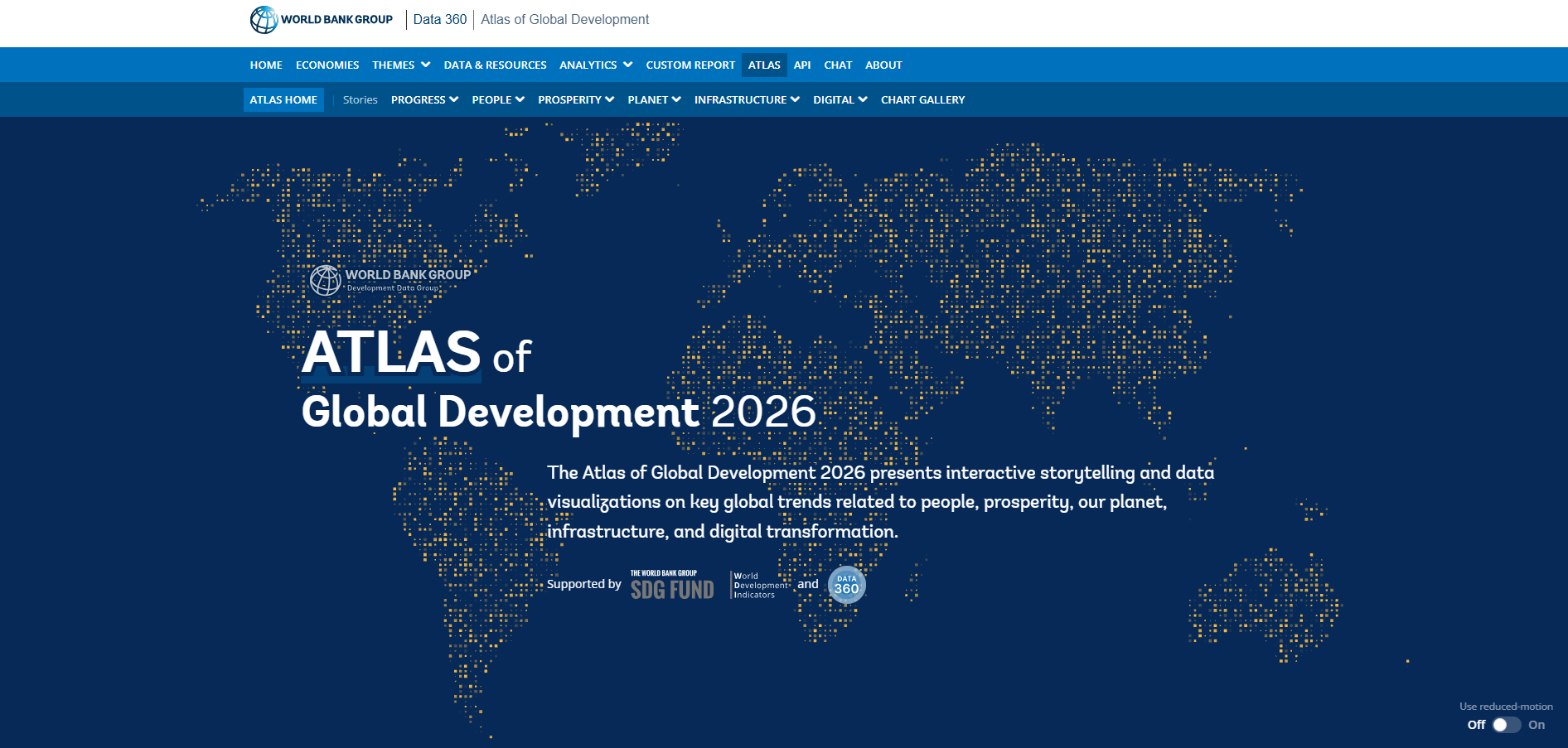
Atlas of Global Development 2026
An interactive data platform from the World Bank tracking 75 years of global progress across people, prosperity, planet, infrastructure, and digital themes.
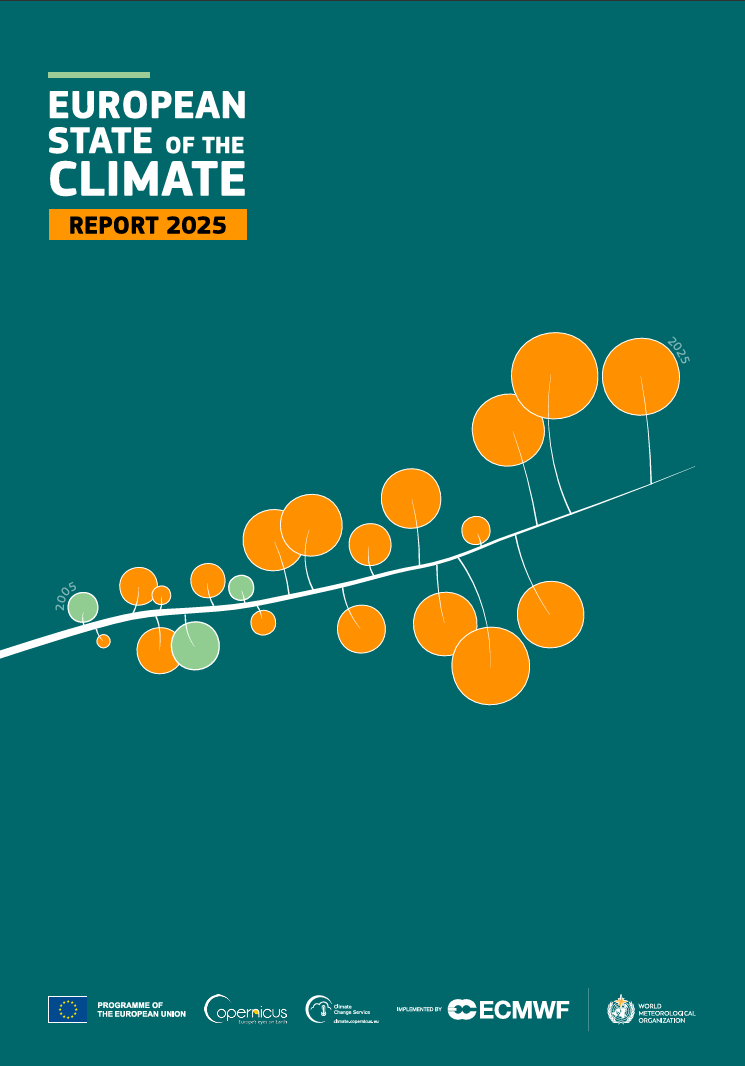
European state of the climate report series
The European State of the Climate is an annual flagship report series providing structured descriptions and analyses of climate conditions in Europe. Published by the Copernicus Climate Change Service and the World Meteorological Organization, it evaluates Earth system variables and key climate events alongside policy actions for biodiversity.
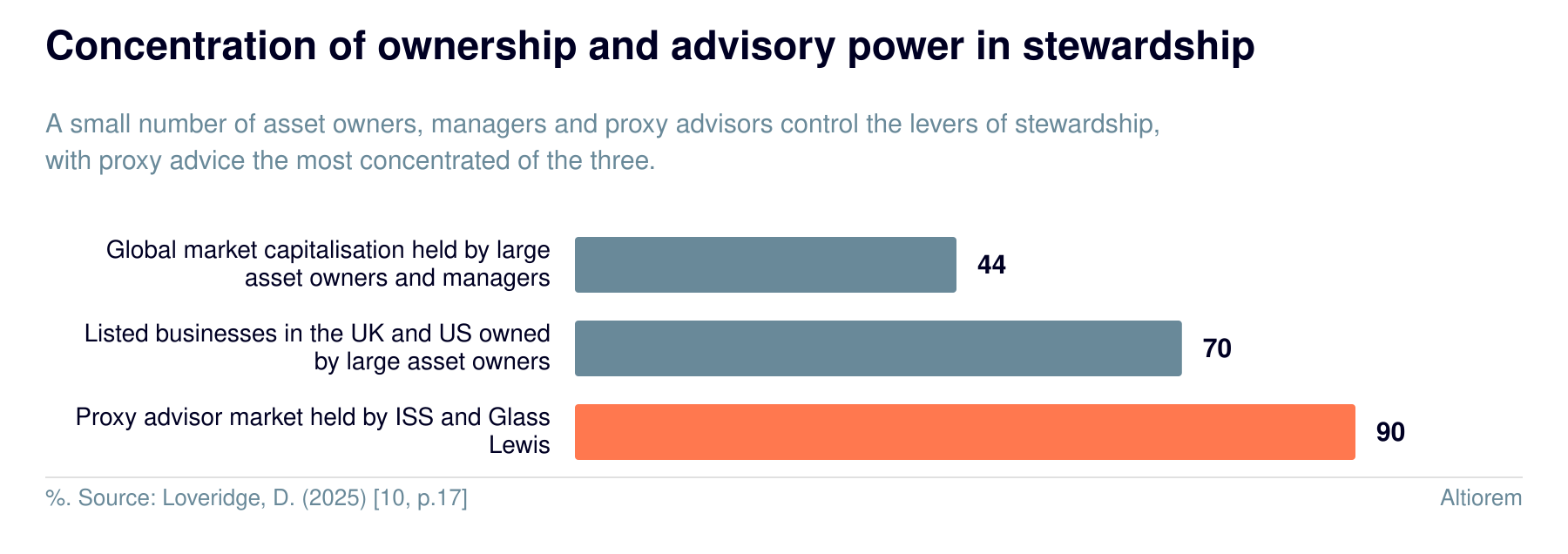
Does stewardship work in controversial sectors?
As at 2025 there were 56 stewardship codes worldwide, 49 of them jurisdiction-specific across 24 jurisdictions and six continents, yet the field has not agreed what stewardship is ultimately for. Codes and practitioner guidance converge on process: written policies, prioritisation by severity, escalation, contribution reporting. Legal scholarship published in 2026 questions whether shareholder pressure alone shifts corporate behaviour at all.
Global Methane Tracker 2026
The International Energy Agency report analyses global energy-related methane emissions, highlighting 124 million tonnes emitted in 2025. It examines abatement strategies, satellite data advancements and policy trends. The research underscores that 30% of emissions could be reduced at no net cost, advocating for robust international standards and increased transparency.
Handbook: Harmonised framework for impact reporting for social bonds
This handbook provides a harmonised framework for impact reporting on social bonds. It outlines core principles, recommendations, and sector-specific metrics for categories including affordable housing, essential services, and basic infrastructure. The document aims to enhance transparency and integrity in the social bond market through standardised reporting practices.
Seeing the goal, missing the truth: Human accountability for AI bias
Research demonstrates that Large Language Models exhibit purpose-conditioned bias when informed of downstream tasks. Goal-aware prompting leads to in-sample overfitting and inflated performance before knowledge cutoffs. Results indicate that disclosing objectives compromises neutrality, necessitating the separation of measurement and evaluation in AI-assisted workflows to ensure statistical validity.
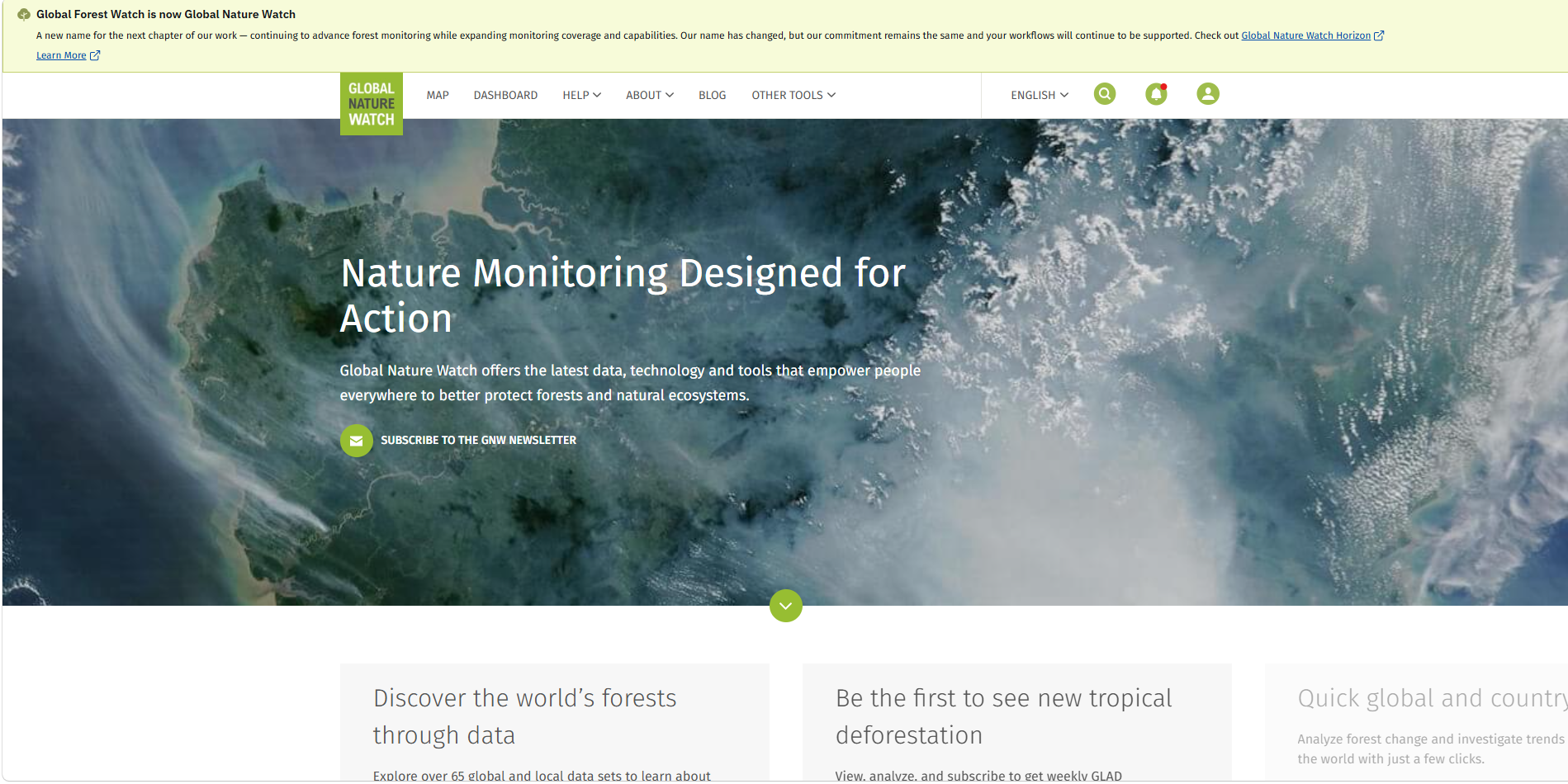
Global Nature Watch
Global Nature Watch is an AI-powered Earth monitoring platform developed by the World Resources Institute and Google. It provides near-real-time data on land-use changes across various ecosystems to support nature-based risk assessment and environmental reporting.
Climate change mitigation and adaptation: What works for data centres? Part 3
This report evaluates climate change mitigation and adaptation strategies for data centres using the ClimaTech database. It assesses the effectiveness of decarbonisation across three scopes and analyses resilience measures for flood, storm, heat, and wildfire risks, providing quantitative performance metrics for various technological solutions.
Coller FAIRR seafood index methodology: May 2026
The Coller FAIRR Seafood Index Methodology outlines the framework for assessing 20 global companies across 16 material topics. It details a bottom-up scoring process, ranging from 0 to 100, and a four-step production cycle. The index measures corporate maturity in response to environmental and social risks in the seafood industry.
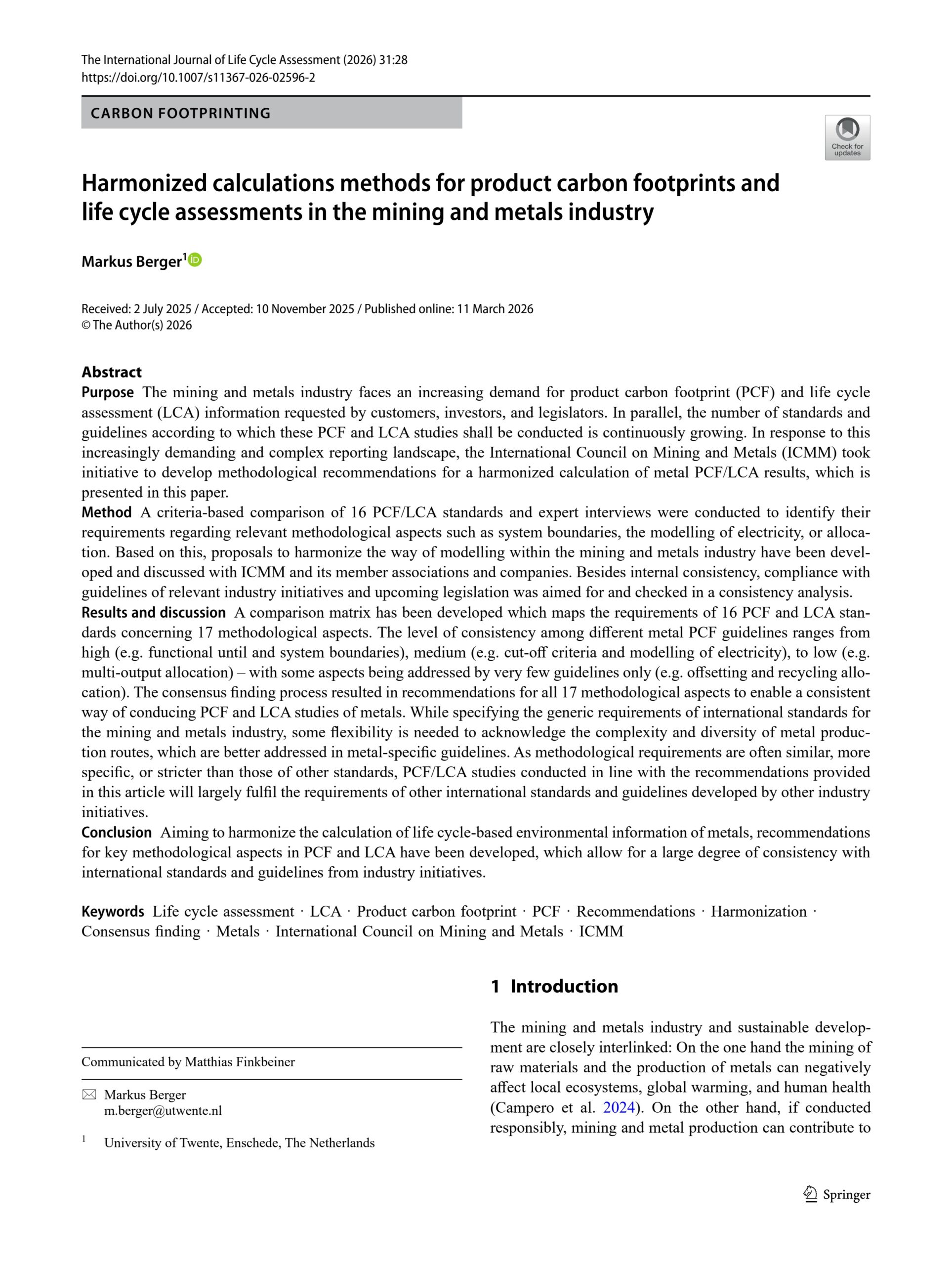
Harmonized calculations methods for product carbon footprints and life cycle assessments in the mining and metals industry
This research presents methodological recommendations for harmonising product carbon footprint and life cycle assessment calculations across the mining and metals industry. Developed with the International Council on Mining and Metals, it establishes consistent guidelines for 17 aspects, including system boundaries, electricity modelling, and multi-output allocation procedures.
Regionalized characterization factors for microplastic emissions in life cycle assessment considering multimedia fate modelling
This research establishes regionalised characterisation factors for microplastic emissions across marine, freshwater, and terrestrial ecosystems. Using fate modelling aligned with USEtox, it evaluates 14 polymers and five size categories. Findings demonstrate that particle size and density significantly influence environmental persistence and subsequent impacts on global species richness.
The current state of BRSR in corporate India 2.0
This report analyses Business Responsibility and Sustainability Reporting (BRSR) data from 300 Indian companies over three years. It identifies progress in disclosure quality, energy intensity trends, and assurance practices. Recommendations focus on standardisation and sector-specific guidance to enhance the decision usefulness of sustainability data for investors and regulators.


