
Library | Sustainable Finance Practices
Product development and trends
Insights into the creation and evolution of sustainable financial products, such as managed funds, green bonds, and ESG-linked loans, highlight innovations aligned with sustainability goals and benchmark evolving practices, consumer demand, and stakeholder expectations.

Refine
198 results
REFINE
SHOW: 16



Community energy: Hope and headwinds
This report examines the Australian community energy sector, highlighting growth to over 126 projects by 2023. It explores the tension between strong community motivations and significant economic headwinds, such as scale diseconomies and market volatility. Key findings emphasise technical expertise and de-risking strategies as essential for success.

Climate Risk Signals Explorer
The Climate Risk Signals Explorer is an AI-powered analytical tool by Climate Proof that tracks climate risk mentions in corporate earnings calls, helping finance professionals monitor physical and transition risks.
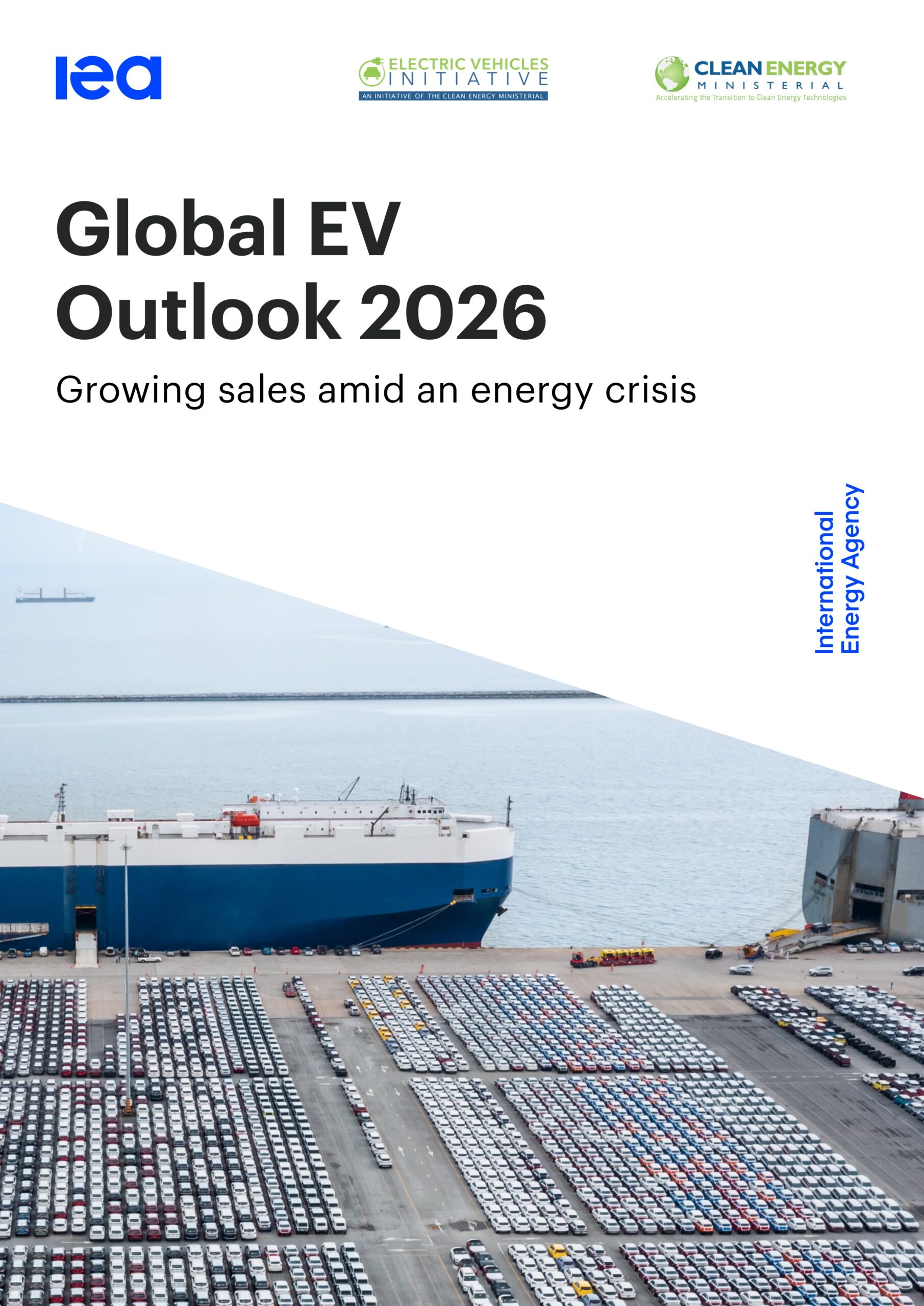
Global EV Outlook series
This benchmark series monitors recent developments in electric mobility across the globe. Produced annually, the report examines deployment of vehicles and infrastructure, battery demand, and policy developments. It evaluates the implications of growing adoption for energy consumption and emissions across major and emerging markets.

Guarantees: From misdiagnosis to strategic deployment: Evidence from expert practitioner interviews
This research examines why climate-aligned guarantees often fail to mobilise private capital effectively. It identifies structural misalignments within multilateral development banks and suggests that strategic deployment requires a move towards portfolio-based approaches, local-currency financing, and better risk layering to address specific investment constraints in emerging markets.
AI managed household portfolios: A preliminary report
This research investigates AI-managed household portfolios, finding that large language models recommend undiversified portfolios concentrated in high-momentum, large-cap technology stocks. While returns may exceed market benchmarks, they do not provide abnormal returns when adjusted for risk characteristics. Recommendations are primarily driven by media attention rather than investment skill.
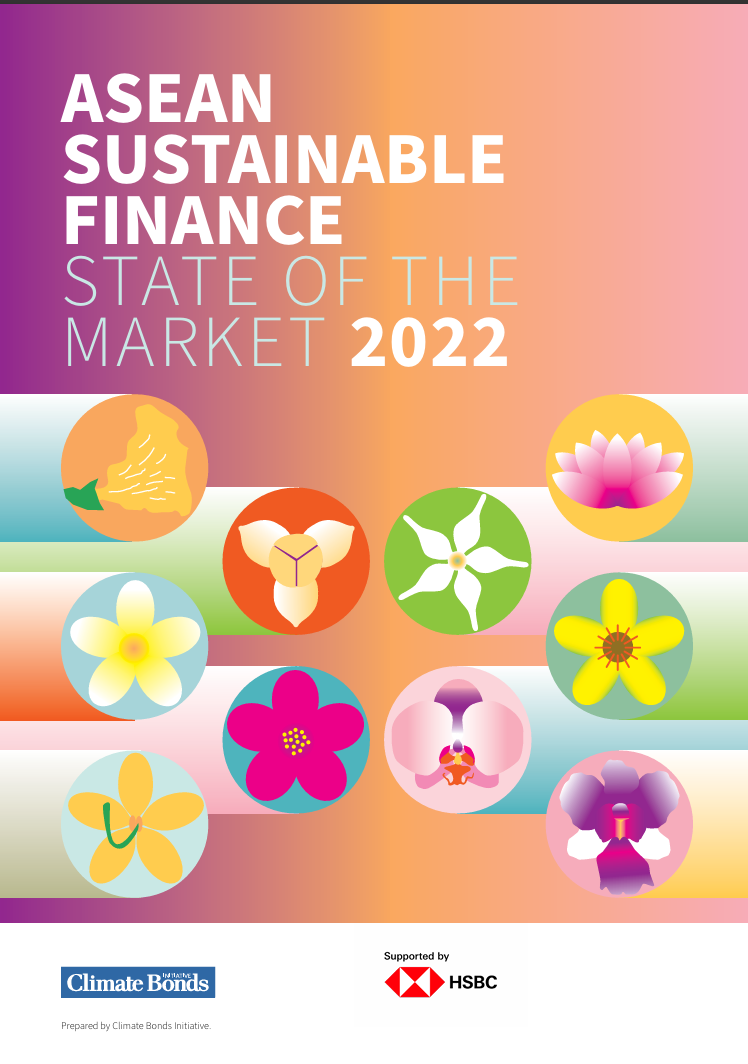
ASEAN sustainable finance state of the market series
This series by the Climate Bonds Initiative examines the development of sustainable finance markets across ASEAN. It covers green, social, sustainability and sustainability-linked debt instruments, alongside market structures, taxonomies, transition finance and policy developments supporting sustainable capital markets across the region.
Business-led blended finance: A practical playbook
This report examines business-led blended finance, which grew to US$24 billion in 2024. It provides a practical playbook for companies to move from passive recipients to active deal architects, addressing the US$4 trillion SDG financing gap through risk management toolkits, sector analyses, and eight global case studies.
Fragmentation of shareholder power
This research examines how fund proliferation and stewardship decentralisation affect corporate governance. It finds that supply-driven growth weakens oversight, while demand-driven expansion by incumbents can strengthen it. Competitive adoption of pass-through voting improves investor preference alignment but often reduces monitoring incentives and firm value.
Global sustainable investment review series
This benchmark series provides a factual mapping of the state of responsible and sustainable investment across major global financial markets. Produced biennially, it offers regional insights and policy recommendations to help finance professionals navigate evolving regulatory frameworks, standardised methodologies, and the transition to a net-zero economy through international cooperation.

ICMA's guidance handbooks series
This guidance series provides a comprehensive set of questions and answers regarding the application of the Green Bond Principles, Social Bond Principles, Sustainability Bond Guidelines, and Sustainability-Linked Bond Principles. It serves as a benchmark series for the sustainable bond market, promoting transparency and standardisation across various financial debt instruments.
Gaining ground: State of private investment in nature 2026
This report analyses the growth of private investment in nature between 2016 and 2025, documenting a fivefold increase in annual capital deployment to $14 billion. It highlights the shift towards institutional-grade natural capital and recommends clearer policy drivers and standardised metrics to unlock investment and bridge the $700 billion finance gap.
Profits and social impacts: Complements vs. tradeoffs for lenders in three countries
This research examines the tradeoff between lender profits and social impact using machine learning across three countries. It demonstrates that algorithmic targeting significantly boosts profit margins in South Africa and the Philippines but may reduce financial inclusion for women and low-income borrowers unless balanced strategies are implemented.
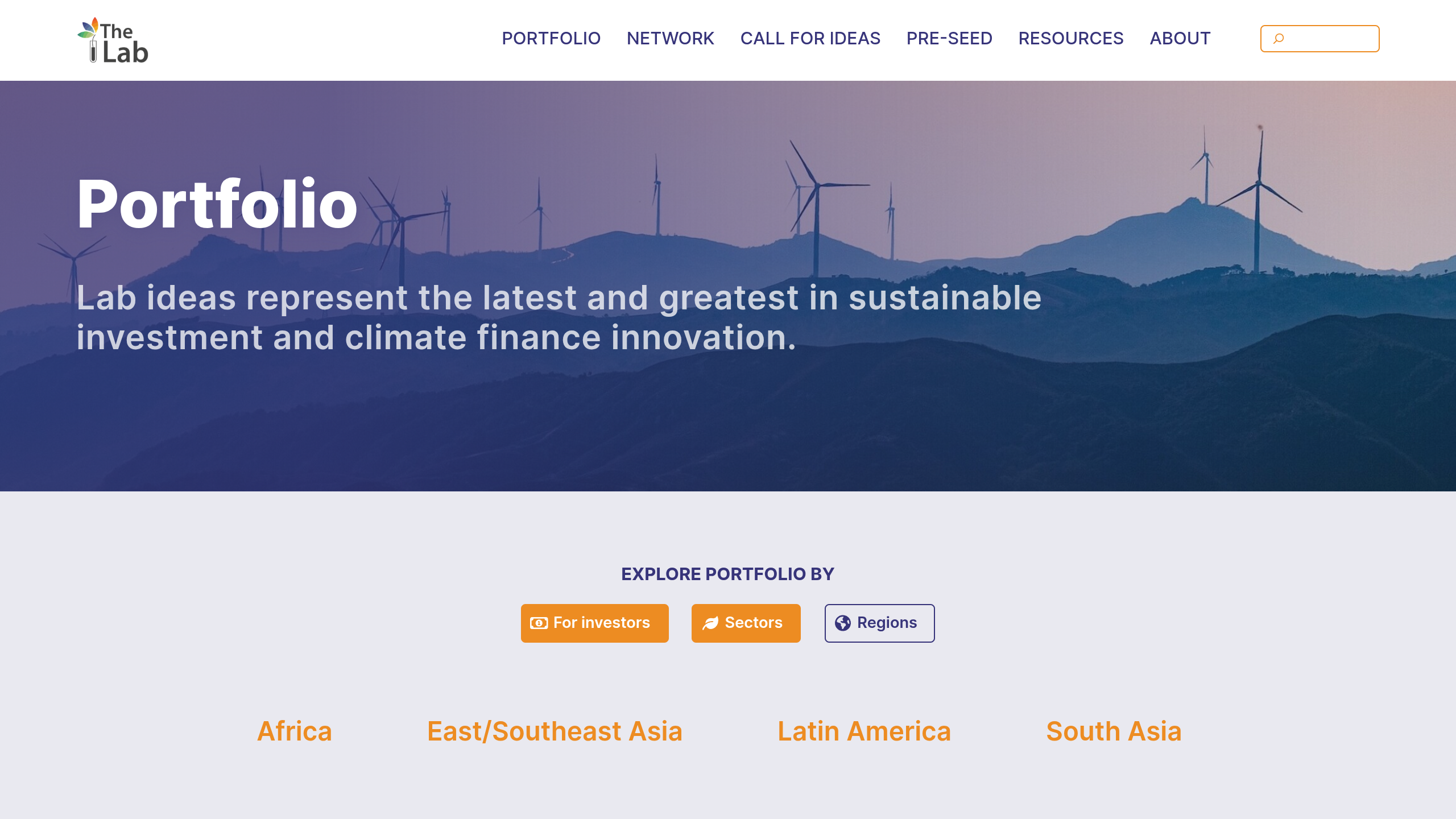
Global Innovation Lab for Climate Finance: Portfolio
The Global Innovation Lab for Climate Finance Portfolio is a database of vetted financial instruments designed to mobilise private capital for climate action. It provides finance professionals with access to innovative blended finance models, case studies, and sector-specific investment structures.
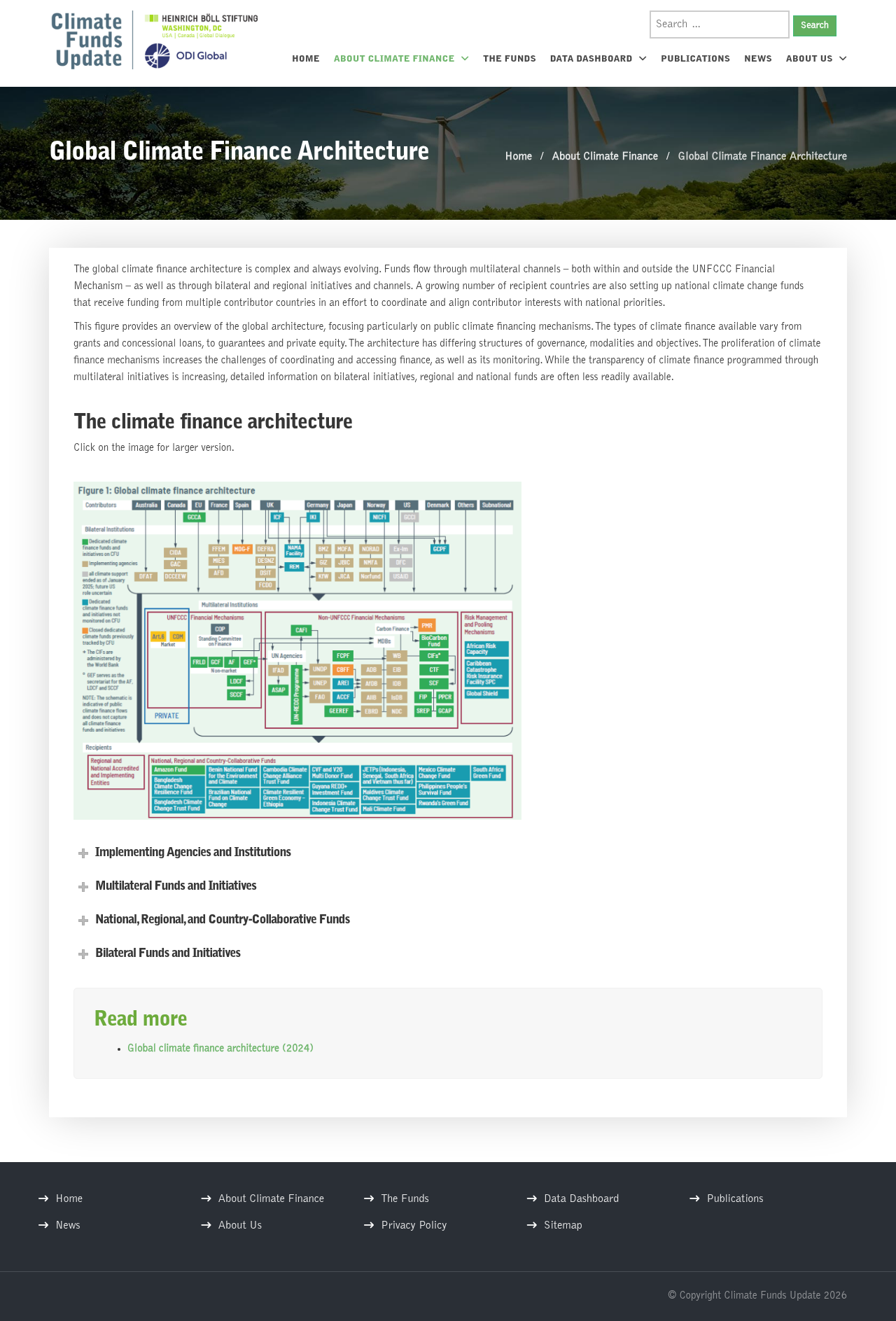
Global Climate Finance Architecture
Climate Funds Update tracks the complex global climate finance architecture, monitoring multilateral, bilateral, and regional funds. It provides critical insights into how international capital is channelled toward climate action in developing nations, supporting ESG analysis and investment context.
Financial Innovation Knowledge Platform
CPI's platform offering practical tools, research, and guidance for public and private actors developing and investing in climate finance vehicles.
Exploring guarantees for resilient and low-carbon cities: Part 2: De-risking urban climate finance series
This report examines how guarantees can unlock private climate finance for cities. It identifies barriers to uptake in emerging markets, such as high costs and complex structures. Proposed solutions include strengthening governance, standardising products, and expanding regional facilities to mobilise the USD 4.3 trillion required annually by 2030.


