

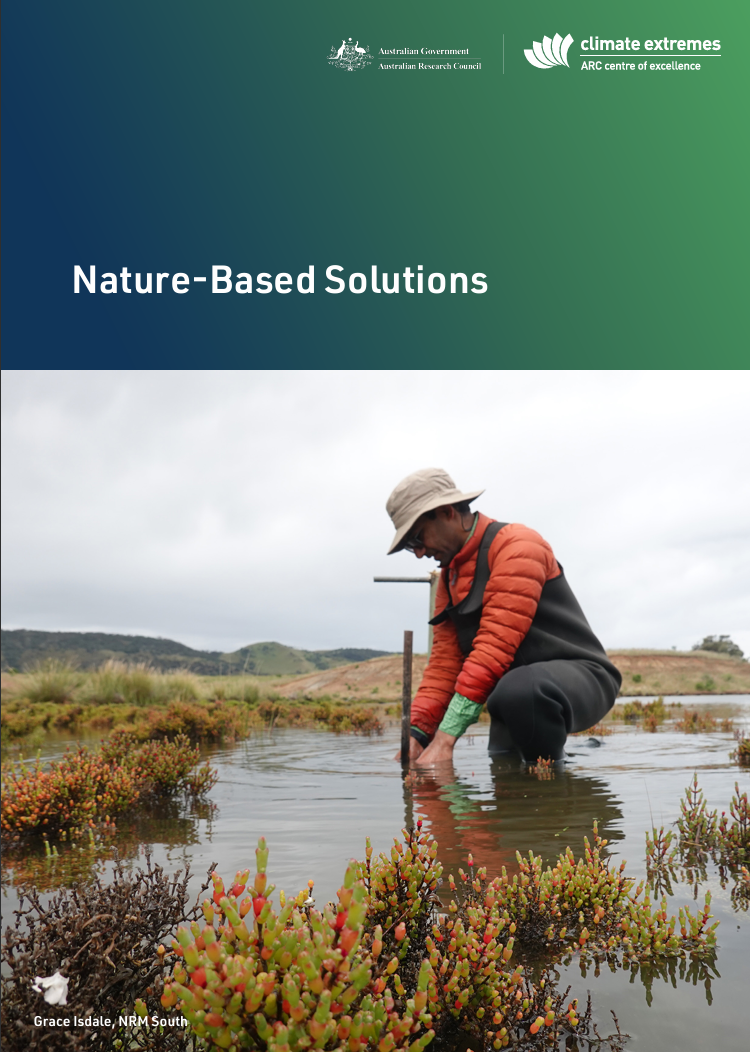
Nature-based solutions
This report explains nature-based solutions as ecosystem protection, restoration and management measures that can support climate mitigation, adaptation and biodiversity. It stresses their carbon-storage limits, vulnerability to disturbance, and the risk of overreliance in net-zero claims without deep emissions cuts.
Please login or join for free to read more.

OVERVIEW
Key messages
Nature-based solutions (NbS) involve protecting, restoring or managing ecosystems to address climate change and biodiversity loss. They can support mitigation and adaptation but face uncertainty regarding effectiveness. The report emphasises that NbS cannot substitute for rapid emissions reductions and should complement, not replace, decarbonisation efforts.
Introduction
To meet the Paris Agreement goal of limiting warming to well below 2°C, global emissions must decline significantly by 2030 and reach net zero by 2050. Over 140 countries, representing around 88% of global emissions, have adopted net-zero targets, and more than 9,000 companies have committed through initiatives such as Race to Zero. NbS are increasingly integrated into these strategies, though debate persists regarding their reliability and appropriate role.
What are nature-based solutions?
NbS are defined as actions that protect, manage or restore ecosystems such as forests, wetlands, oceans and grasslands. They contribute to climate mitigation by enhancing carbon sequestration or avoiding emissions from ecosystem degradation. Examples include preventing deforestation, restoring mangroves and seagrass meadows, and implementing agroforestry systems. These approaches also deliver co-benefits, including biodiversity conservation and ecosystem resilience.
Types of nature-based solutions
The report outlines a range of NbS interventions across ecosystems. These include restoration activities, such as reforestation and wetland rehabilitation, and conservation measures, such as protecting intact ecosystems. Agricultural practices like agroforestry integrate trees into farming systems to enhance carbon storage while supporting productivity. Coastal solutions, including mangrove and seagrass restoration, provide both carbon sequestration and protection against extreme weather.
Effectiveness and potential
NbS can play a meaningful role in climate mitigation by removing carbon dioxide and reducing emissions linked to land-use change. However, their total mitigation potential is limited relative to global emissions. The report highlights that while NbS can contribute to achieving net-zero targets, they cannot offset continued high emissions. Their effectiveness is influenced by ecological conditions, implementation quality and long-term maintenance.
Risks and limitations
There are significant uncertainties regarding the permanence and reliability of carbon stored through NbS. Ecosystems are vulnerable to disturbances such as fires, droughts and land-use changes, which can reverse carbon gains. The report also raises concerns about the use of NbS as carbon offsets, particularly where they delay or replace necessary emissions reductions. Overreliance on offsets may undermine climate targets and create reputational and regulatory risks for organisations.
Role in net-zero strategies
NbS should be integrated cautiously into net-zero strategies. The report stresses that priority must be given to reducing emissions at source. NbS are most appropriate for addressing residual emissions that are difficult to eliminate. Transparent accounting, robust monitoring and clear standards are required to ensure credibility. Policymakers and organisations are encouraged to avoid overstating NbS contributions and to align their use with science-based targets.
Conclusion
NbS offer valuable co-benefits for climate and biodiversity but are not a standalone solution. Their role is complementary, supporting broader mitigation efforts. Effective deployment requires careful governance, realistic expectations and a continued focus on deep emissions reductions to meet global climate goals.




