
Library | Location
Global
Refine
1526 results
REFINE
SHOW: 16


Nature-based solutions for a sustainable critical minerals value chain
This report examines how nature-based solutions (NbS) can be integrated into critical minerals mining. Drawing on case study research and expert events at Climate Week NYC and COP30, it identifies six resilience-building NbS categories and highlights the need for systems-based planning, community collaboration, and improved financing mechanisms.
Airports and aviation emissions: The Airport Tracker as a tool for data-driven advocacy
This policy brief presents findings from the third update to the Airport Tracker, a global inventory covering the world's 1,300 busiest airports. Using 2023 data, it analyses CO₂ and local air pollution from passenger, freight and private jet flights, finding that aviation remains off track to meet net-zero goals.
SRI Connect – Market buzz: SRI/ESG market trends & dynamics
This resource provides an introductory overview of Sustainable and Responsible Investment (SRI) and ESG, explaining key concepts, motivations, terminology, market developments and investment strategies. It is designed to help newcomers understand how sustainability considerations are incorporated into investment practice and the broader sustainable investment industry.
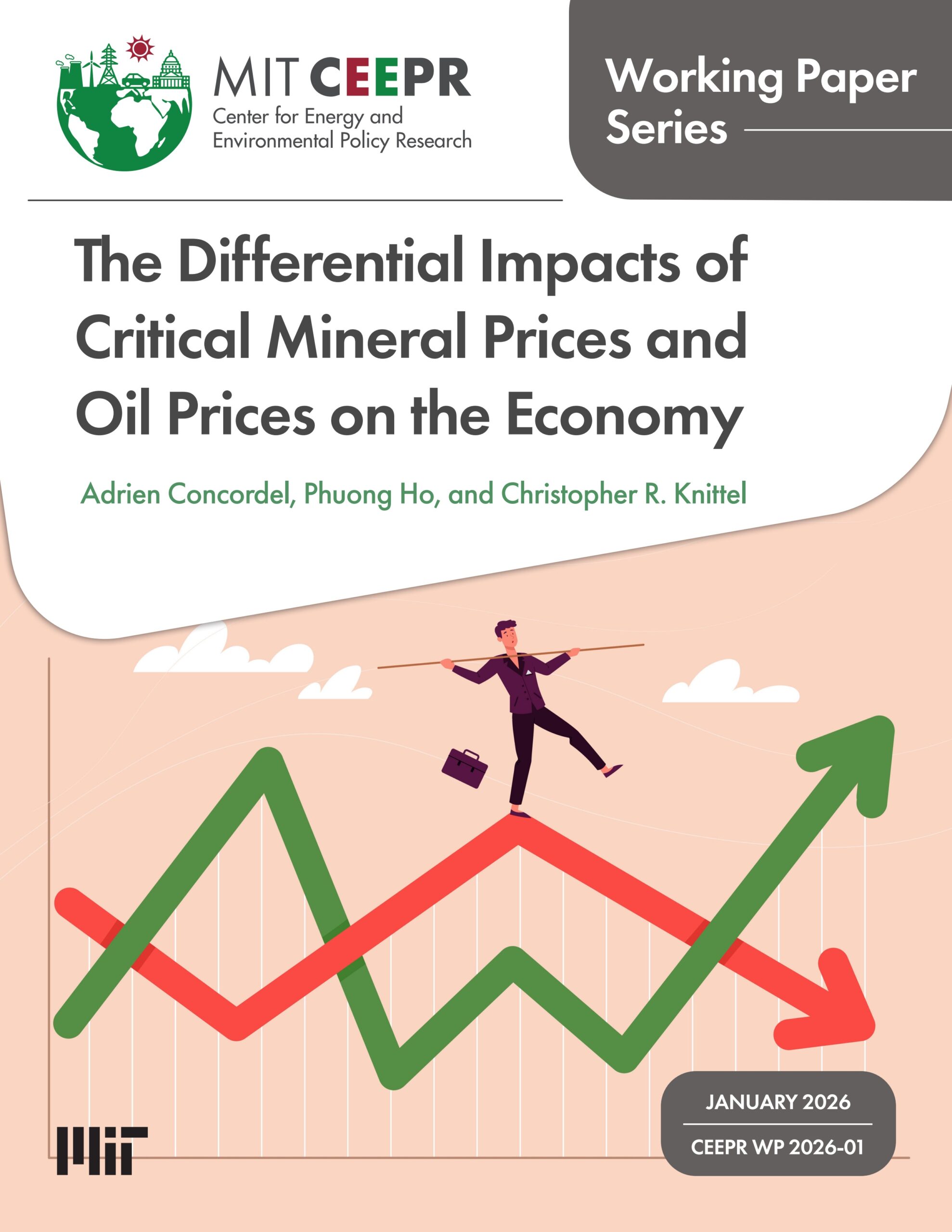
The differential impacts of critical mineral prices and oil prices on the economy
This paper uses a neoclassical open-economy growth model to compare the macroeconomic impacts of critical mineral and oil price shocks. Oil price increases are found to be more contractionary for output and welfare, while mineral price shocks primarily affect investment and external balance sheets, warranting macroprudential and fiscal policy responses.
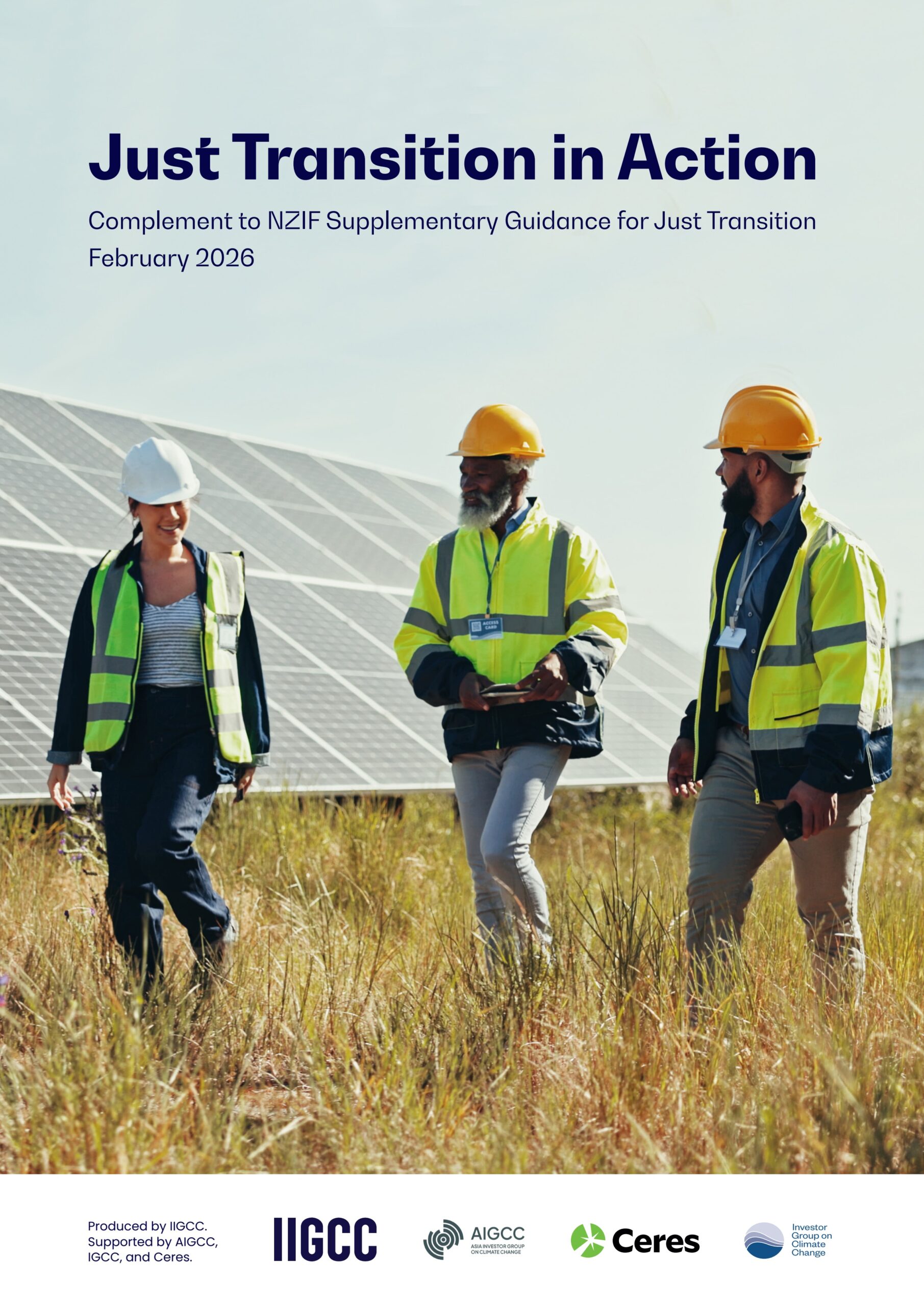
Just transition in action: Complement to NZIF supplementary guidance for just transition
Produced by IIGCC with support from AIGCC, IGCC, and Ceres, this report complements the NZIF Supplementary Guidance on Just Transition. It provides practical case studies and frameworks to help investors integrate social equity considerations into climate-aligned investment strategies across internal direction, asset alignment, and external engagement.
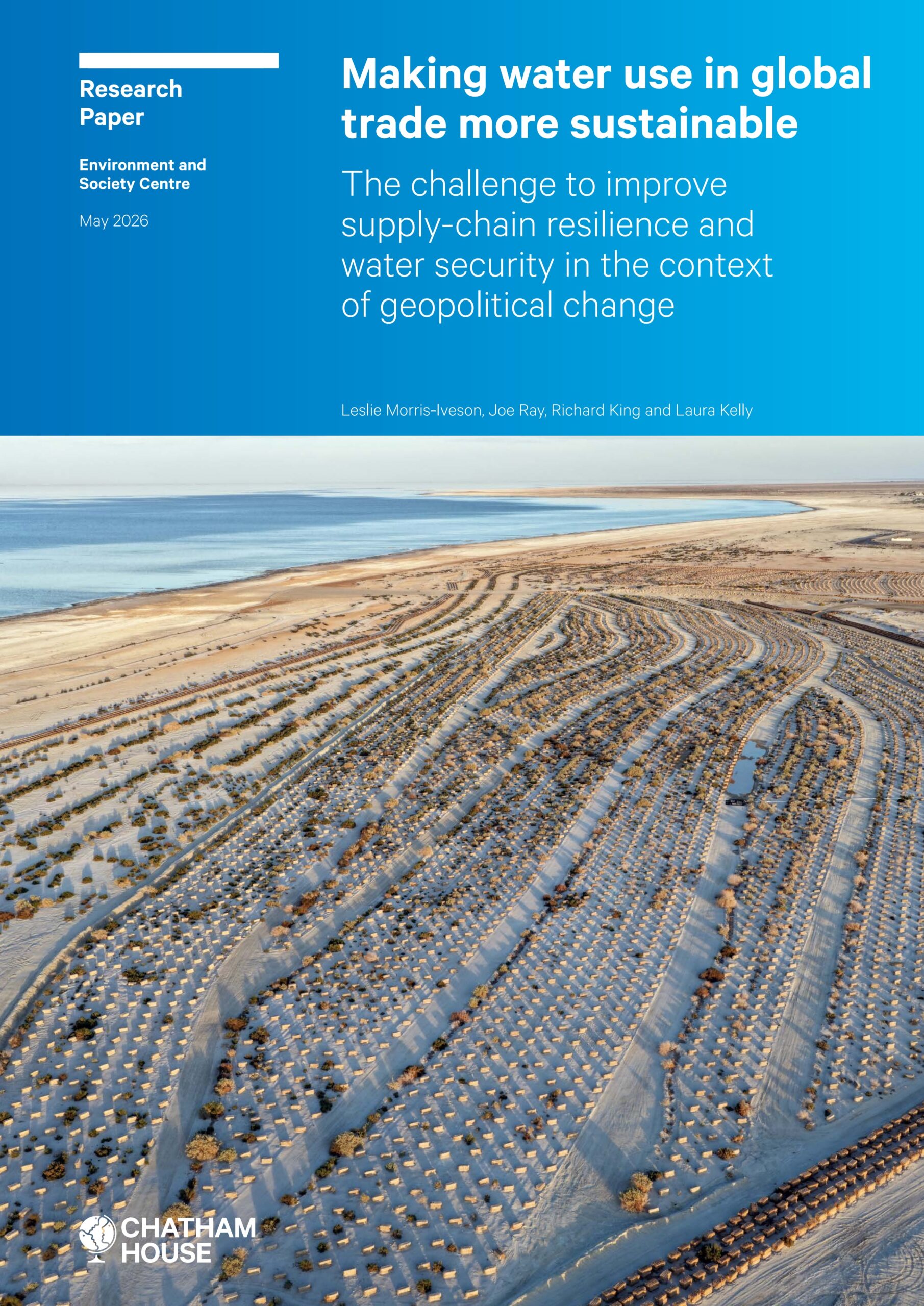
Making water use in global trade more sustainable: The challenge to improve supply-chain resilience and water security in the context of geopolitical change
This Chatham House paper examines how global supply chains drive unsustainable water use and water insecurity, particularly in the Global South. It explores 'virtual water' trade dynamics, the impact of geopolitical fragmentation on cooperative water governance, and presents 10 recommendations for governments, corporations, financial institutions and civil society.
The role of national social dialogue institutions in shaping investment policies
This ILO Working Paper examines how national social dialogue institutions across eight countries and one regional bloc shape trade, investment and responsible business conduct policies. Drawing on eleven case studies, it identifies emerging practices, key challenges including unclear mandates and limited resources, and policy options for strengthening institutional effectiveness.
Leading the charge: Turning risk into reward with a circular economy for EV batteries and critical minerals
This report by the Ellen MacArthur Foundation examines systemic risks in the EV battery value chain and sets out a circular economy framework, identifying five bright spots — battery design, rightsizing, circular business models, regional infrastructure, and data transparency — to build resilience and reduce critical mineral demand.
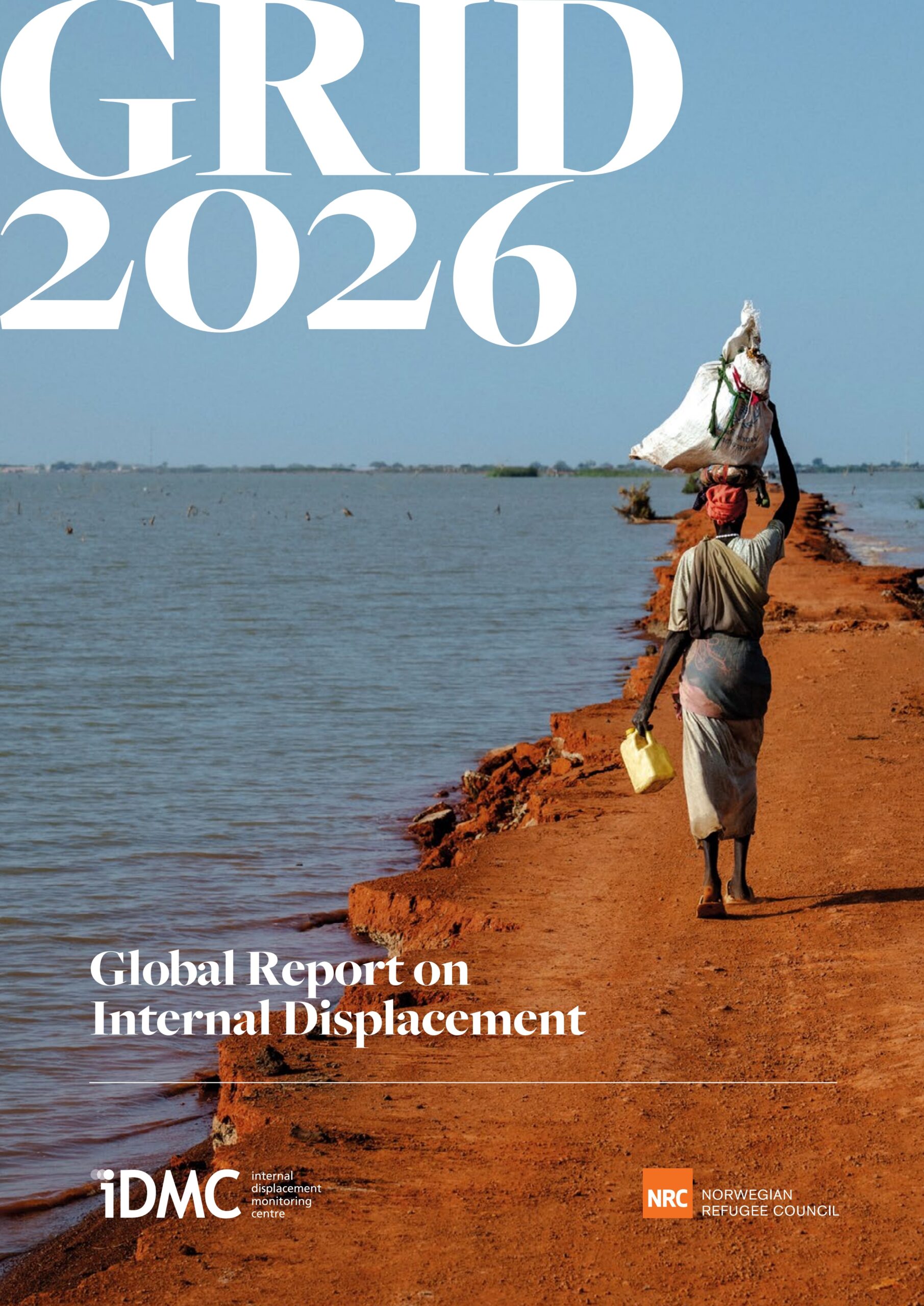
Global report on internal displacement series
The Global Report on Internal Displacement (GRID) is an annual benchmark series published by the Internal Displacement Monitoring Centre (IDMC). It tracks the scale, drivers, and geography of internal displacement worldwide, covering both conflict- and disaster-driven movements across countries and regions.
Data centers and local economies in the age of AI: A shift-share approach
This NBER working paper examines the local economic effects of data centre expansion across U.S. counties from 1995 to 2020. Using shift-share instruments, the authors find positive effects on employment, establishments, income, and house prices, alongside higher electricity prices, presenting a mixed policy outcome for counties hosting data centres.
IEA Methane Tracker Data Tool
The IEA Methane Tracker Data Tool provides interactive, country-level methane emissions data and enhanced policy tracking across the energy sector.
The G7 Net Zero Temperature Check
BSI's G7 Net Zero Temperature Check benchmarks corporate net zero progress across G7 nations, surveying over 7,000 business leaders on climate strategy and commitments.
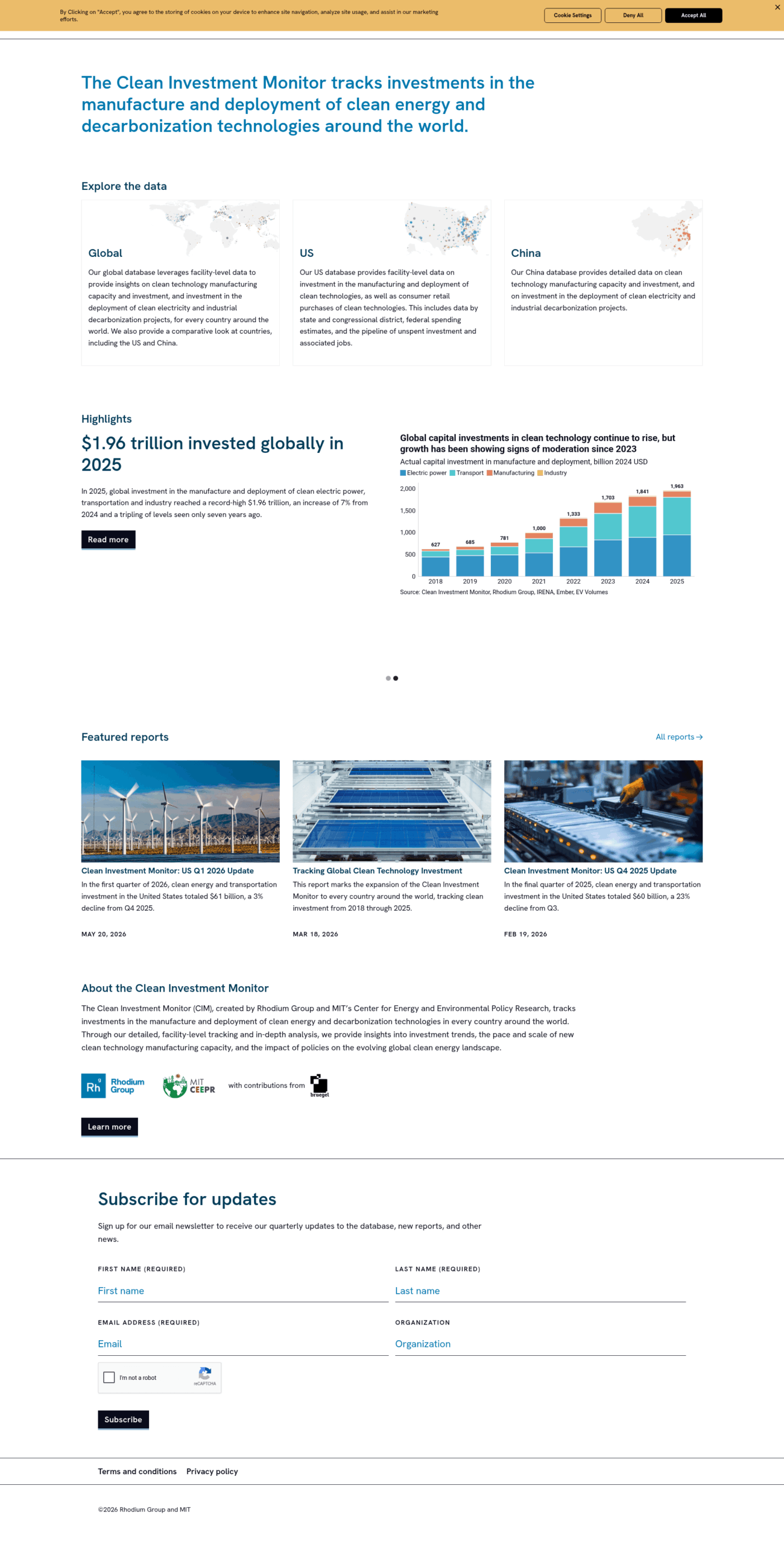
The Clean Investment Monitor
Tracks global investment in clean energy and decarbonisation technologies using facility-level data, covering the US, China, and all countries worldwide.
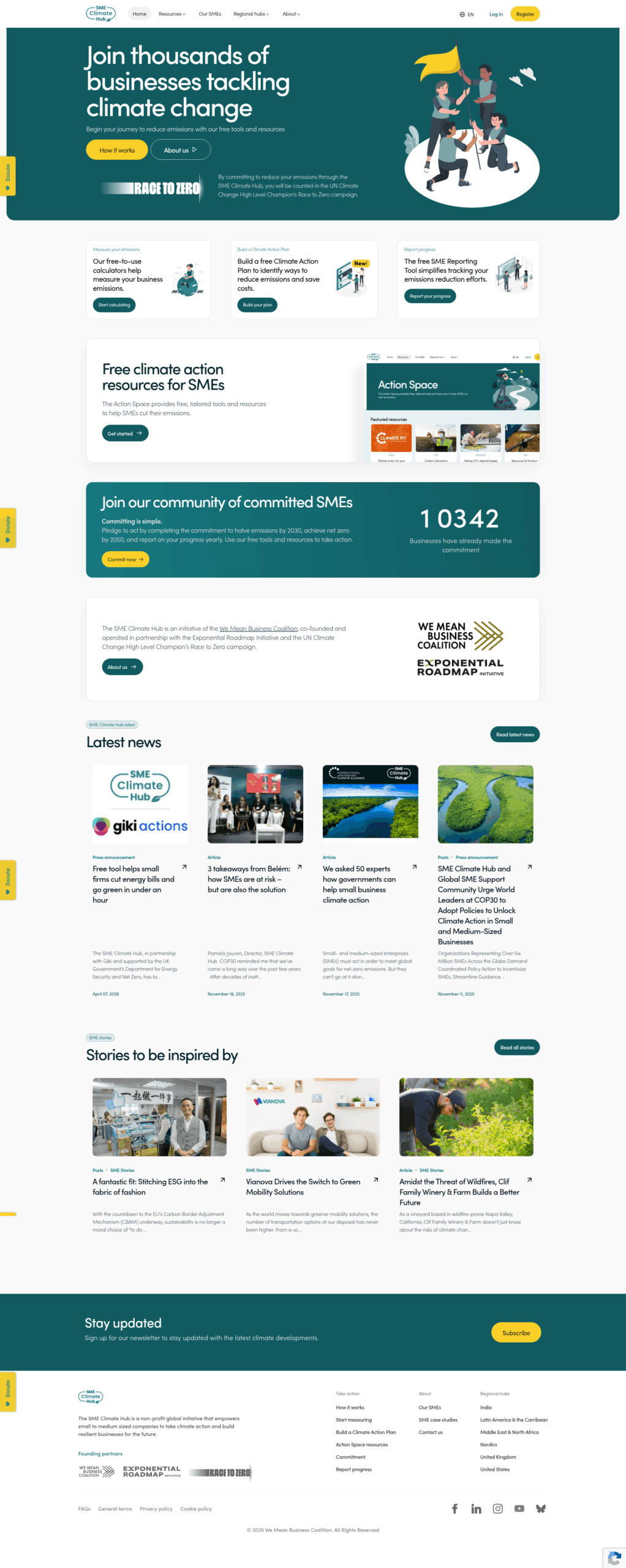
SME Climate Hub
Free platform helping SMEs measure emissions, build climate action plans, and report progress toward net zero by 2050.
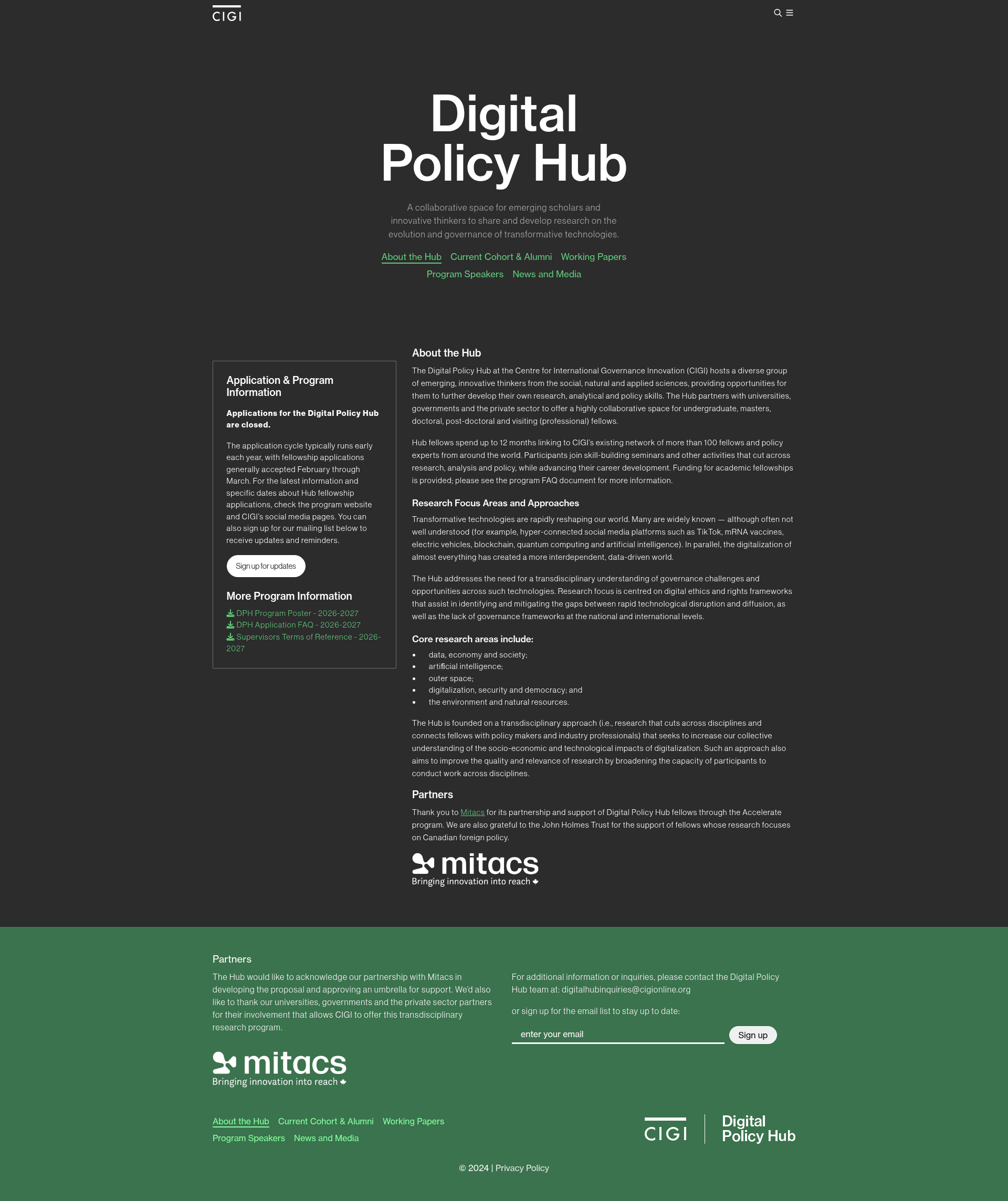
Digital Policy Hub
The Digital Policy Hub, hosted by the Centre for International Governance Innovation (CIGI), is a research and policy platform focused on the governance of transformative technologies. It supports research, analysis and collaboration on topics including artificial intelligence, data governance, digital security, democracy, outer space and environmental impacts of digitalisation.
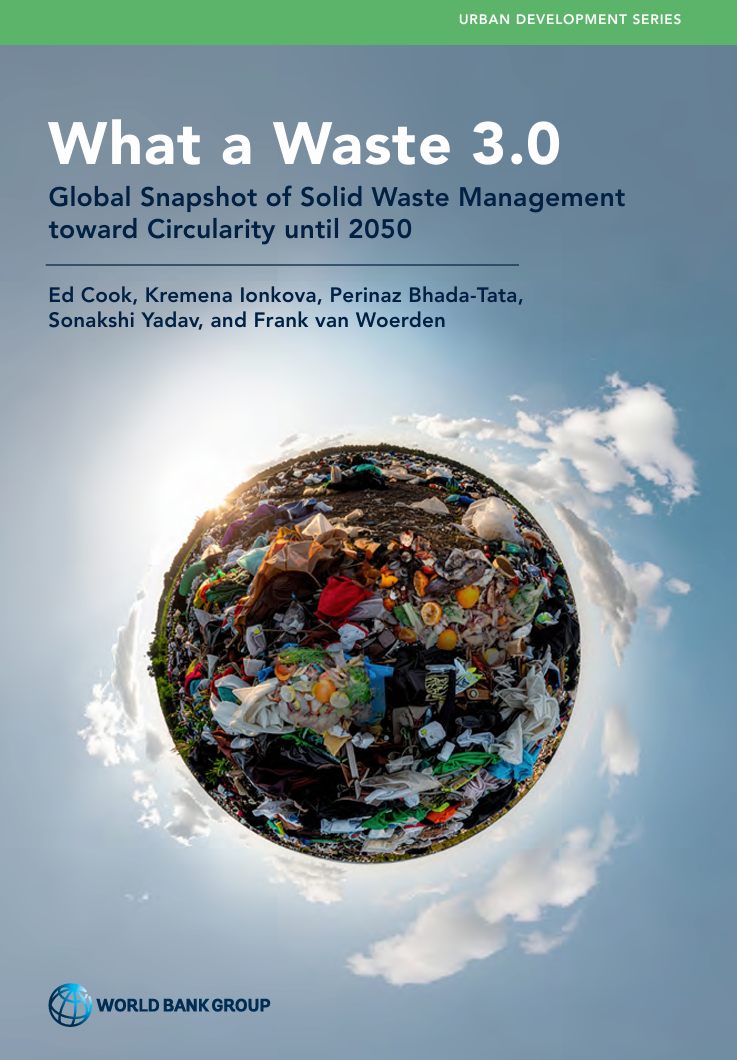
What a waste 3.0: Global snapshot of solid waste management toward circularity until 2050
What a Waste 3.0 provides a global assessment of municipal solid waste management across 217 countries and economies. It analyses waste generation, collection, treatment, recycling, financing, employment, climate impacts and circularity pathways to 2050, highlighting rising waste volumes, infrastructure investment needs, resource recovery opportunities and policy frameworks for sustainable waste systems.


