
Library | Location
Global
Refine
1524 results
REFINE
SHOW: 16


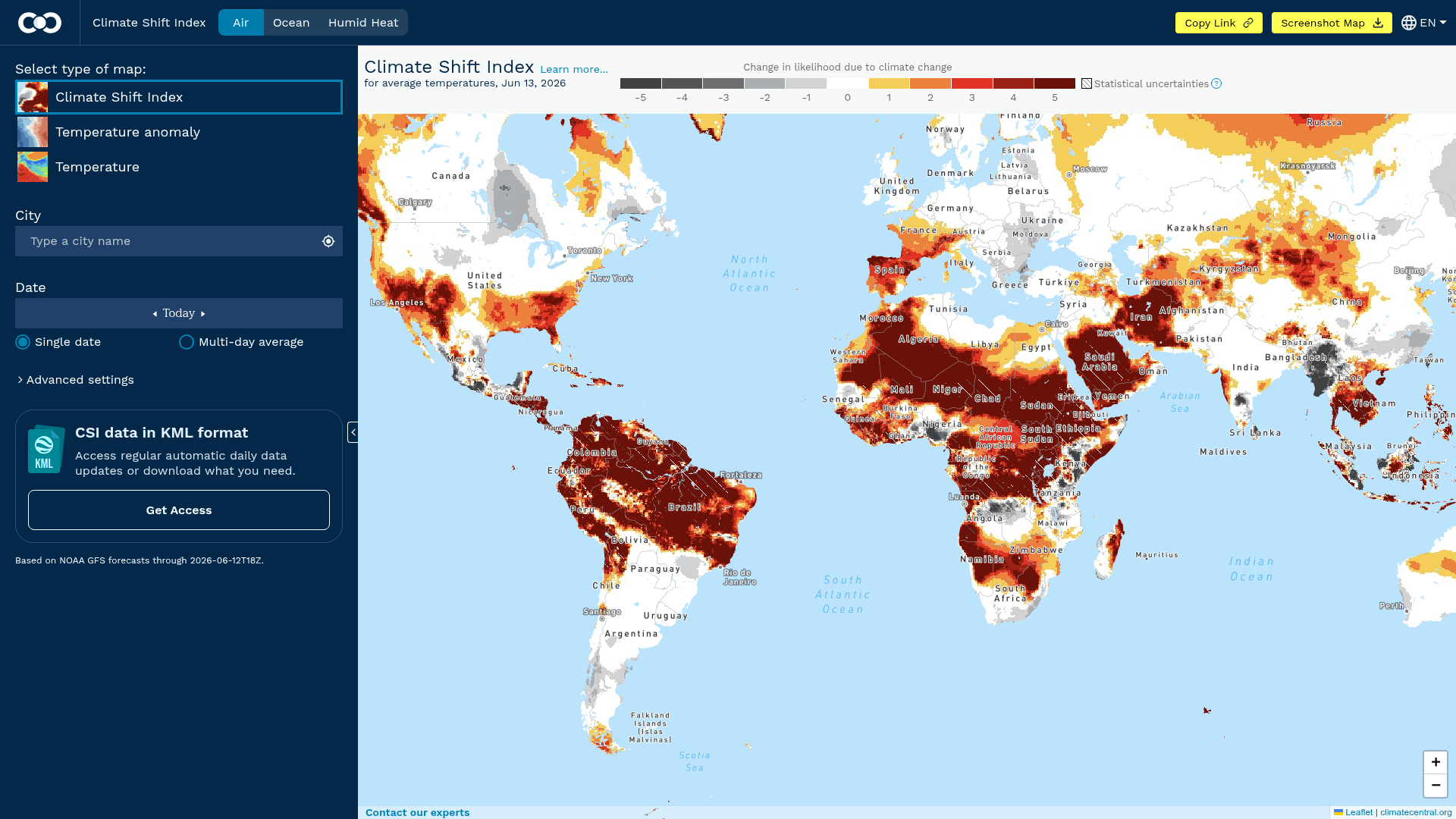
Climate Shift Index Global Map
The Climate Shift Index Global Map by Climate Central is an interactive tool visualising global air, ocean, and humid heat climate factors.
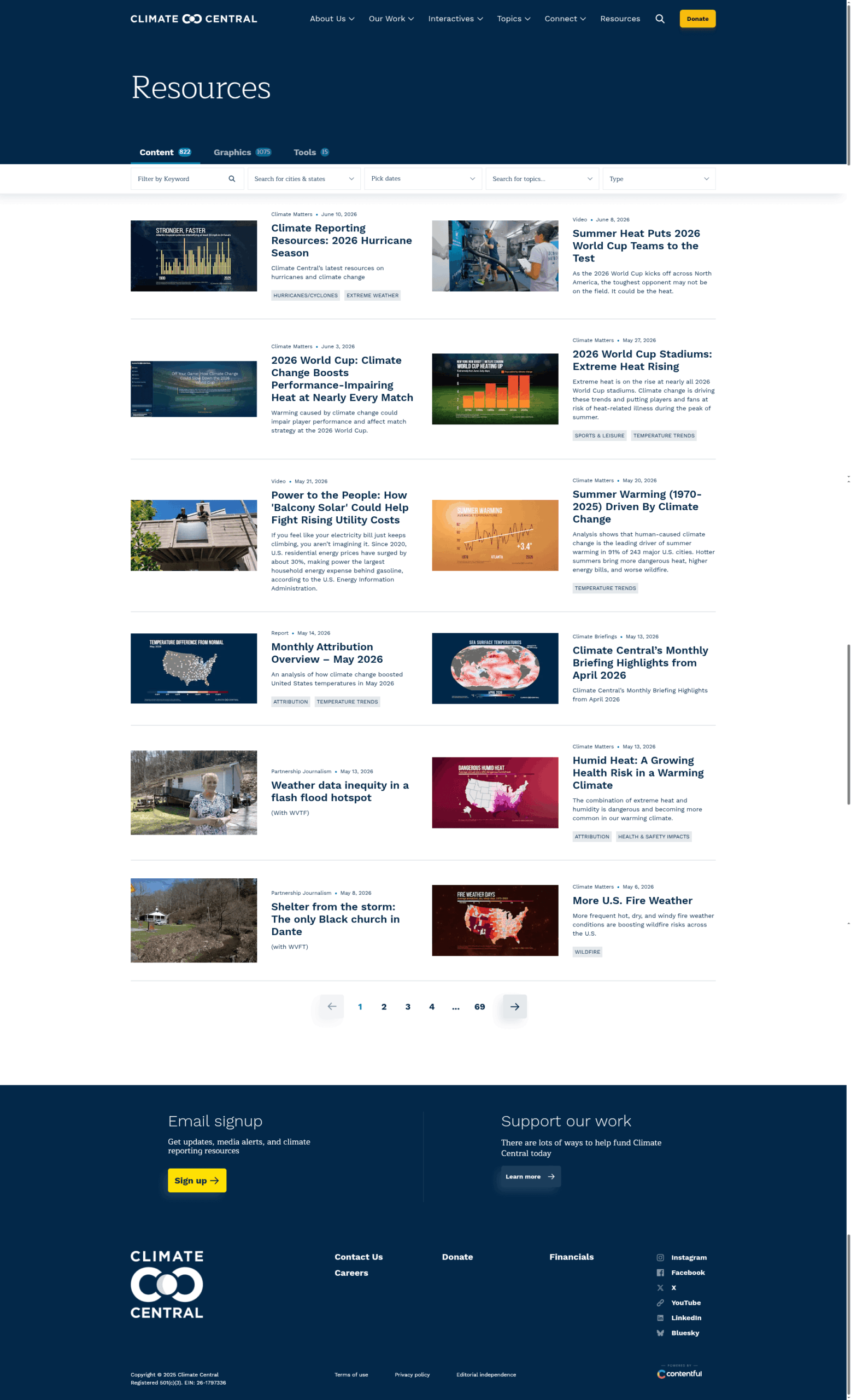
Climate Central
Climate Central Resources is an online library of climate science content, interactive tools, graphics and datasets. It provides evidence-based information on climate change impacts, extreme weather, sea level rise and climate risk, supporting analysis, communication and decision-making across sectors, including finance.
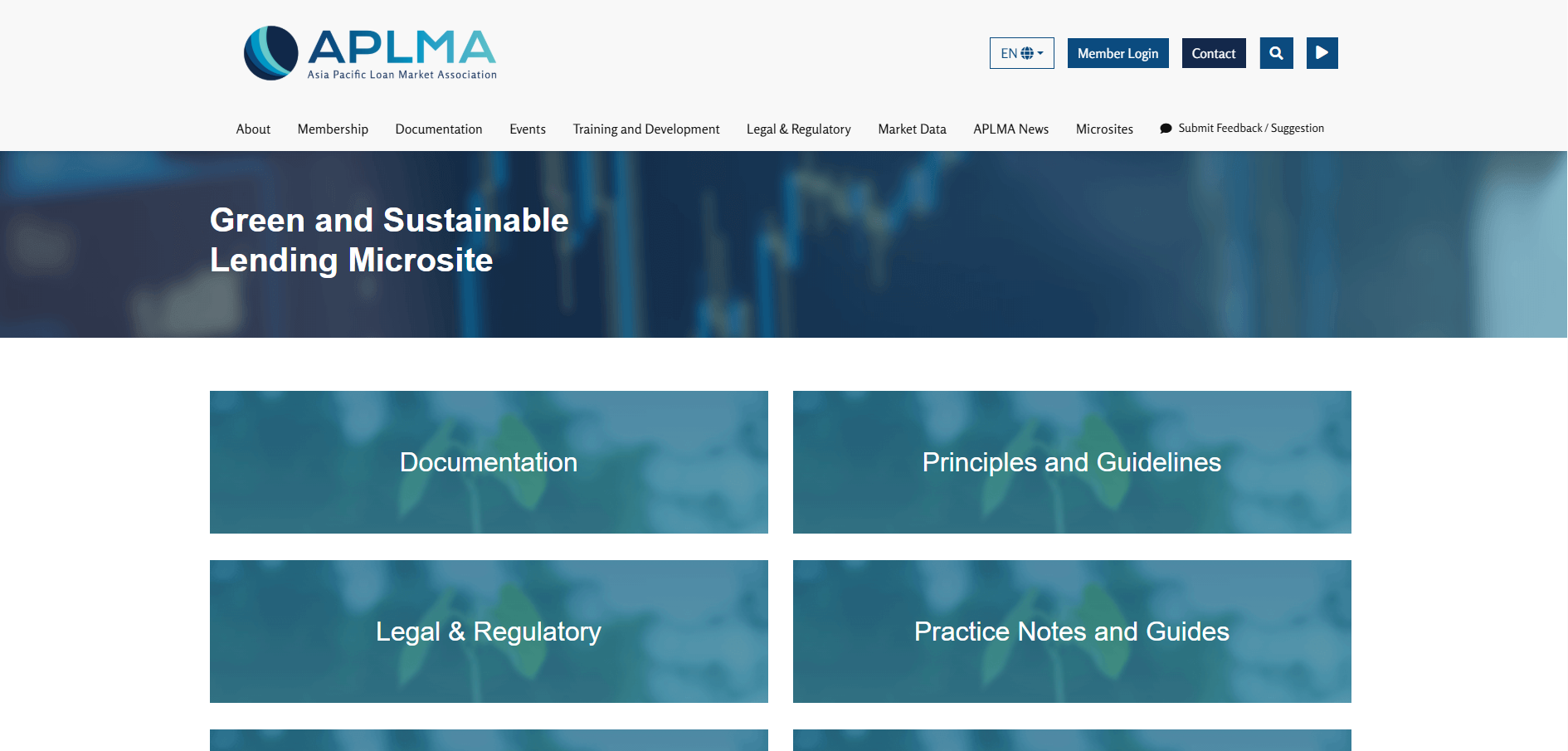
APLMA: Green and Sustainable Lending Microsite
The APLMA Green and Sustainable Lending Microsite provides documentation, principles, guidelines, and market data for sustainable lending.
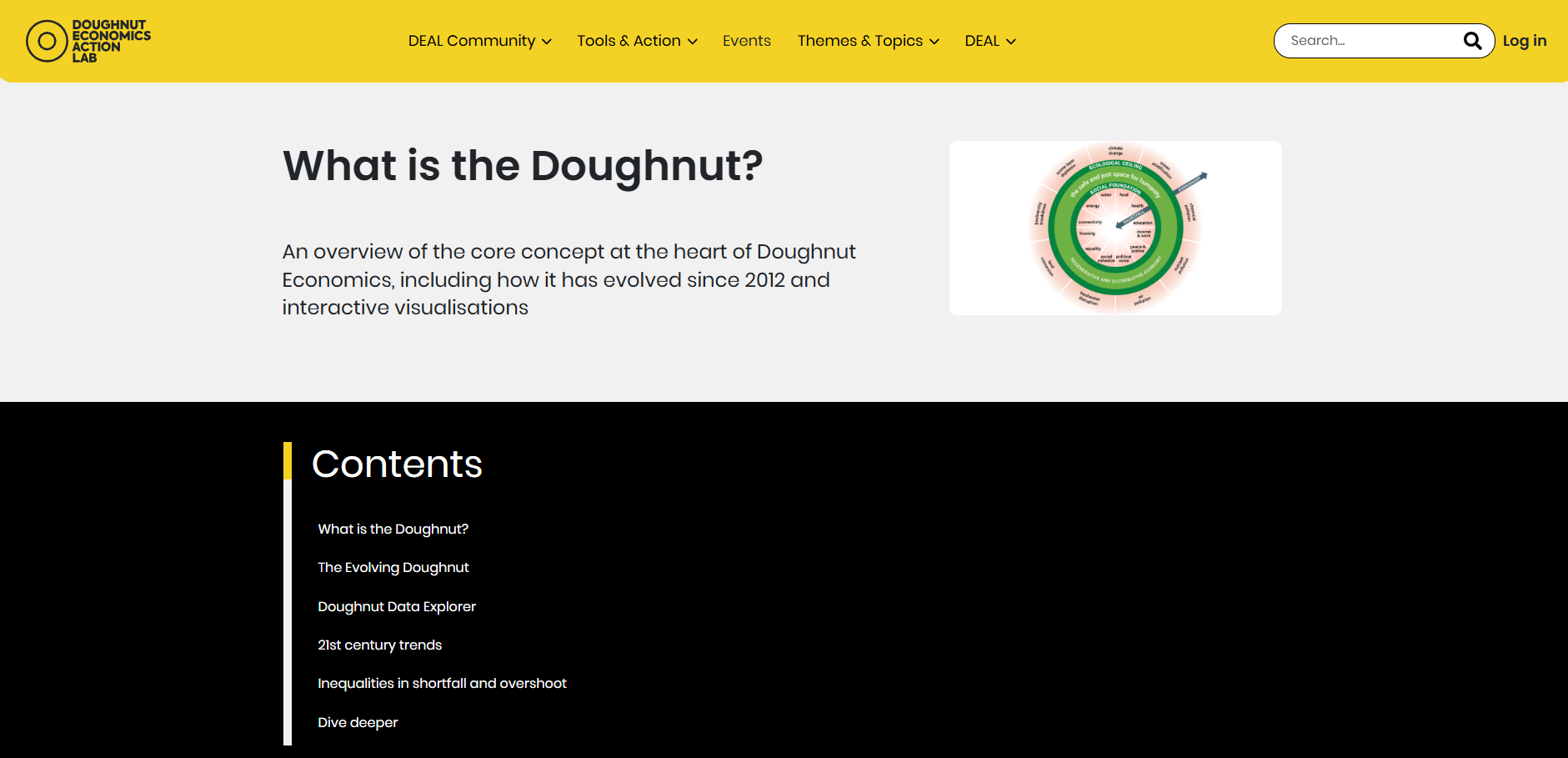
Doughnut of Social and Planetary Boundaries
The Doughnut of Social and Planetary Boundaries is a visual monitor tracking global progress across social foundations and ecological limits.
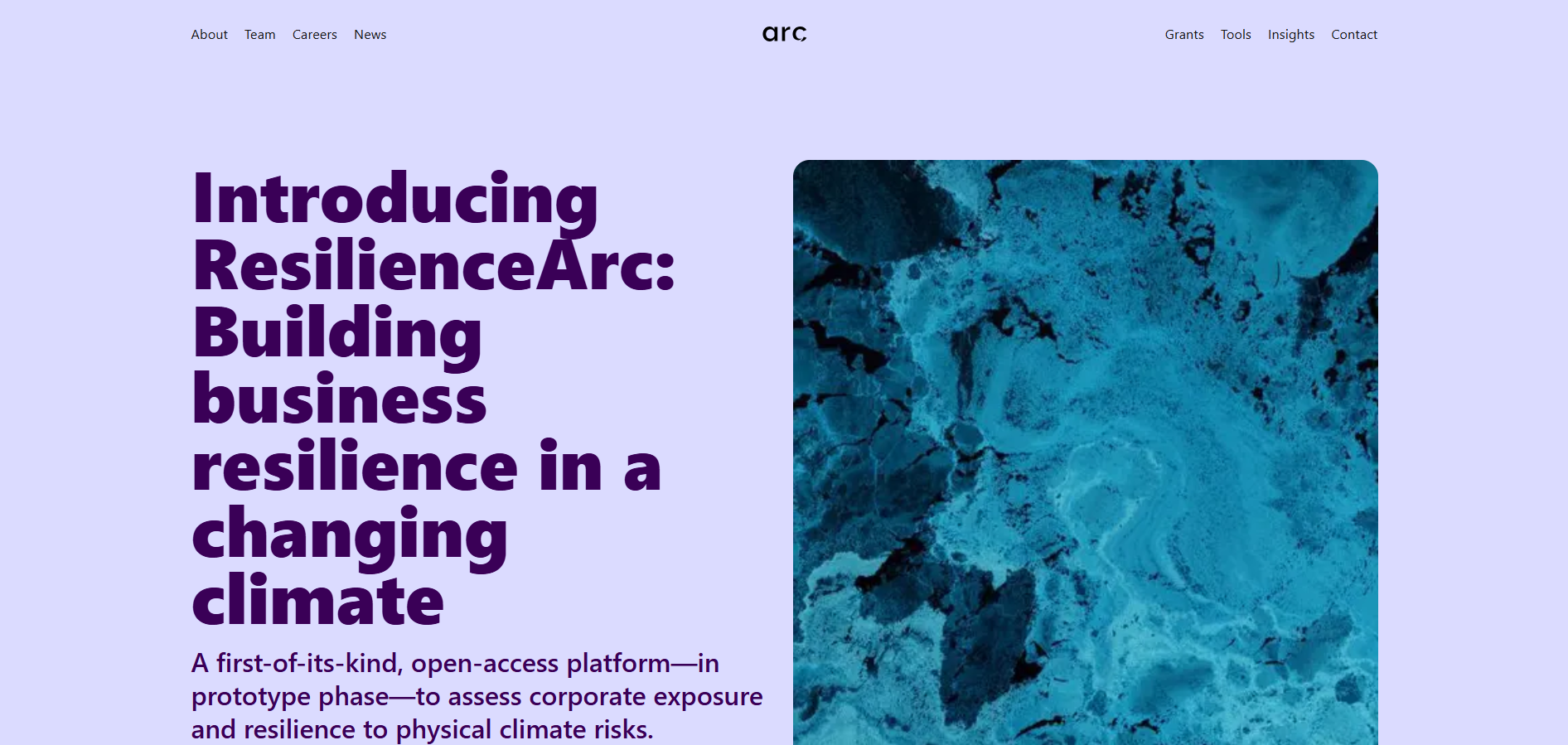
ResilienceArc
ResilienceArc is an open-access platform assessing corporate exposure and resilience to physical climate risks by linking asset-level data.
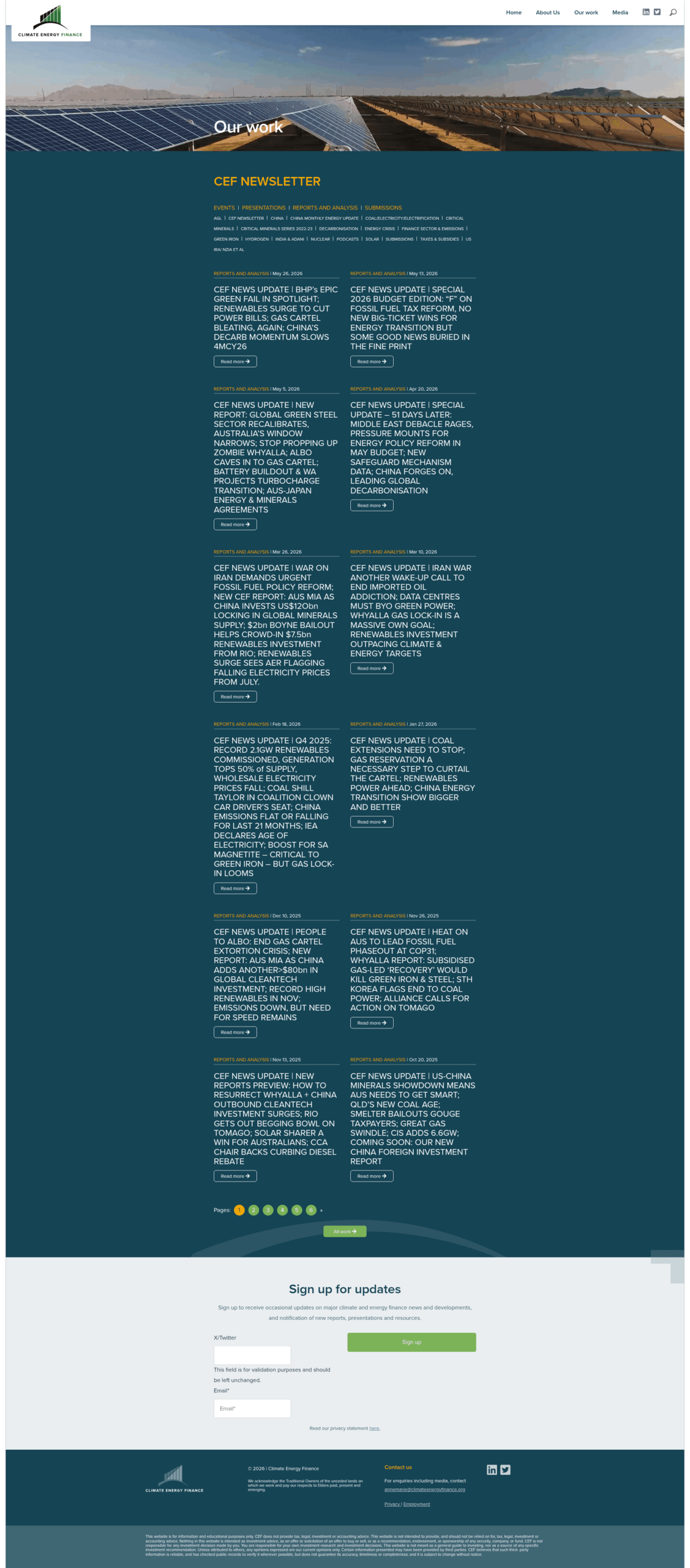
CEF Newsletter
The CEF Newsletter delivers updates and financial analysis on the global energy transition, renewable energy markets, and climate policy.
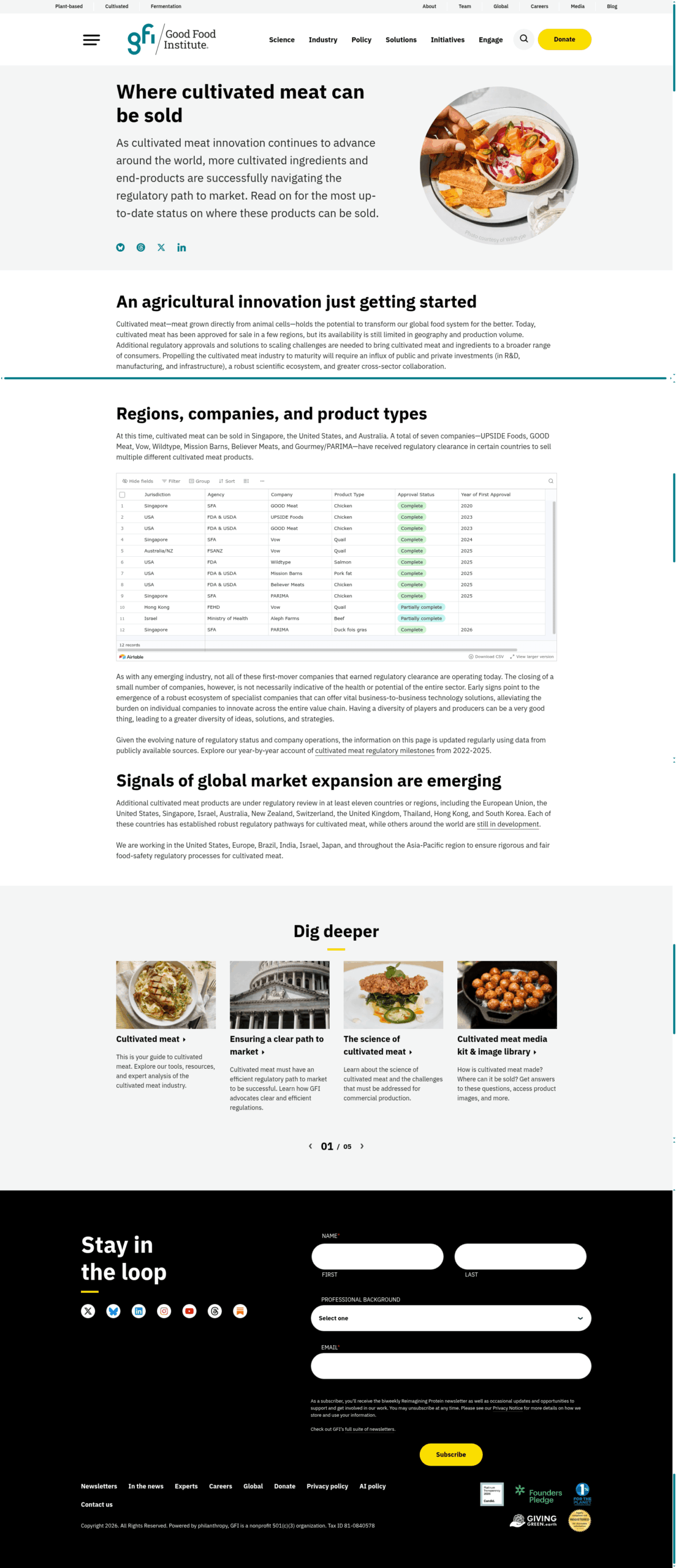
Where cultivated meat can be sold
An interactive tracker by The Good Food Institute mapping global regulatory approvals and market pathways for cultivated meat products.
The Ocean framework: An investor guide to navigating ocean risks and opportunities
This investor guide examines ocean-related risks and opportunities across nine ocean-dependent sectors. It outlines five key drivers of ocean degradation, introduces a seven-step portfolio assessment framework, and provides sector-specific engagement guidance for fisheries, aquaculture and maritime transportation.
Navigating nature-related data: Metrics, sources and uses
This NGFS information note examines available nature-related data resources and methods for integrating them into financial risk assessment. It reviews metrics and indicators against five key criteria, presents four case studies, and identifies data quality, availability, and standardisation challenges. Public-private collaboration and targeted investment are recommended to address data gaps.
The TISFD framework: Recommendations for disclosure of people-related information by businesses and financial institutions
The TISFD Framework (Beta Version 0.1) presents draft disclosure recommendations for businesses and financial institutions on people-related impacts, dependencies, risks and opportunities. Building on ISSB, GRI and ESRS standards, it covers governance, strategy, and impact and risk management pillars, with metrics and targets to follow in future iterations.
Taskforce on Inequality and Social-related Financial Disclosures (TISFD)
A global initiative developing recommendations and guidance for businesses and financial institutions to understand and report on inequality and social-related financial risks and impacts.
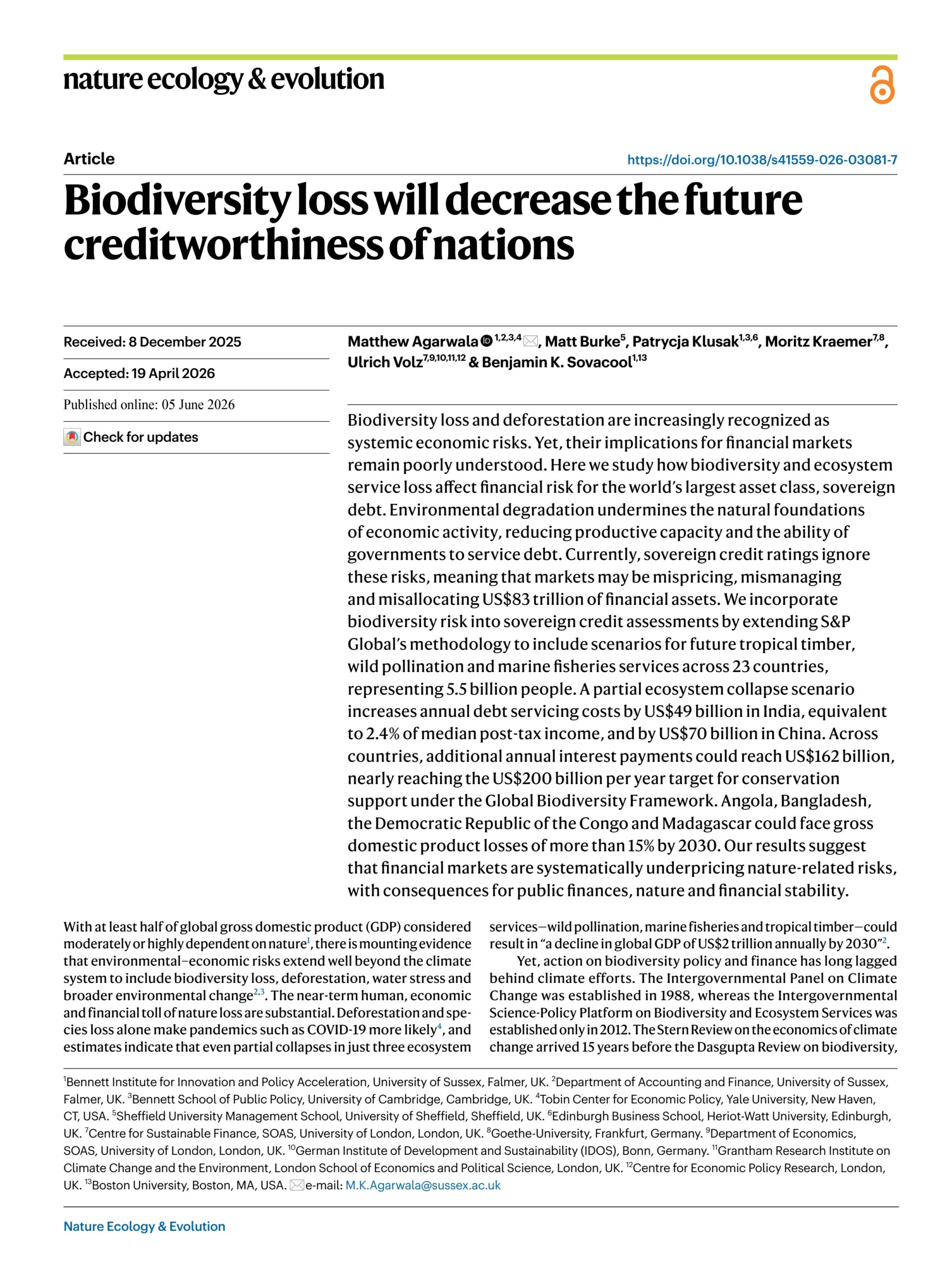
Biodiversity loss will decrease the future creditworthiness of nations
This study examines how biodiversity and ecosystem service loss affect sovereign creditworthiness across 23 countries. Using ecological-economic modelling, it finds that a partial ecosystem collapse could generate US$162 billion in additional annual debt servicing costs globally, highlighting that sovereign credit ratings are systematically underpricing nature-related financial risks.
Red lines in the Abyss: Growing financier concern over deep-sea mining
This report maps 82 financial institutions — representing approximately EUR 24 trillion in combined assets — that have excluded or expressed concern over deep-sea mining. Published by Seas At Risk and the Deep Sea Mining Campaign, it charts growing financier momentum against deep-sea mining and calls for explicit exclusion policies from both financial institutions and governments.
Metals-as-a-Service: A strategic and investable circular business model for the wind energy industry and beyond
Metals-as-a-Service (MaaS) proposes a circular business model for the wind energy sector and beyond, in which metal ownership is retained by a Special Purpose Vehicle throughout the asset lifecycle. The model converts metal procurement from capital expenditure into a service-based structure, enabling securitisation, improved supply security, and circular value creation.
Nature-based solutions for a sustainable critical minerals value chain
This report examines how nature-based solutions (NbS) can be integrated into critical minerals mining. Drawing on case study research and expert events at Climate Week NYC and COP30, it identifies six resilience-building NbS categories and highlights the need for systems-based planning, community collaboration, and improved financing mechanisms.
Airports and aviation emissions: The Airport Tracker as a tool for data-driven advocacy
This policy brief presents findings from the third update to the Airport Tracker, a global inventory covering the world's 1,300 busiest airports. Using 2023 data, it analyses CO₂ and local air pollution from passenger, freight and private jet flights, finding that aviation remains off track to meet net-zero goals.


