
Library | ESG issues
Climate Change
Climate change, driven by human-induced greenhouse gas (GHG) emissions, is increasing global temperatures and extreme weather events. Major GHGs like carbon dioxide and methane primarily come from burning fossil fuels, deforestation, and agriculture. Key sectors contributing to emissions include energy, industry, transport, buildings, and land use, making mitigation and adaptation essential for environmental and economic stability.

Refine
1170 results
REFINE
SHOW: 16


The age of interconnected risks: How interdependencies are shaping the next generation of systemic crises
This report examines rising systemic vulnerabilities driven by interconnected financial, digital, natural, and socio-economic risks. It highlights the gap between market pricing and actual risk, noting how AI, climate change, and geopolitical fragmentation amplify potential crises. It proposes collaborative monitoring and expanded risk-transfer capacity to strengthen global resilience.
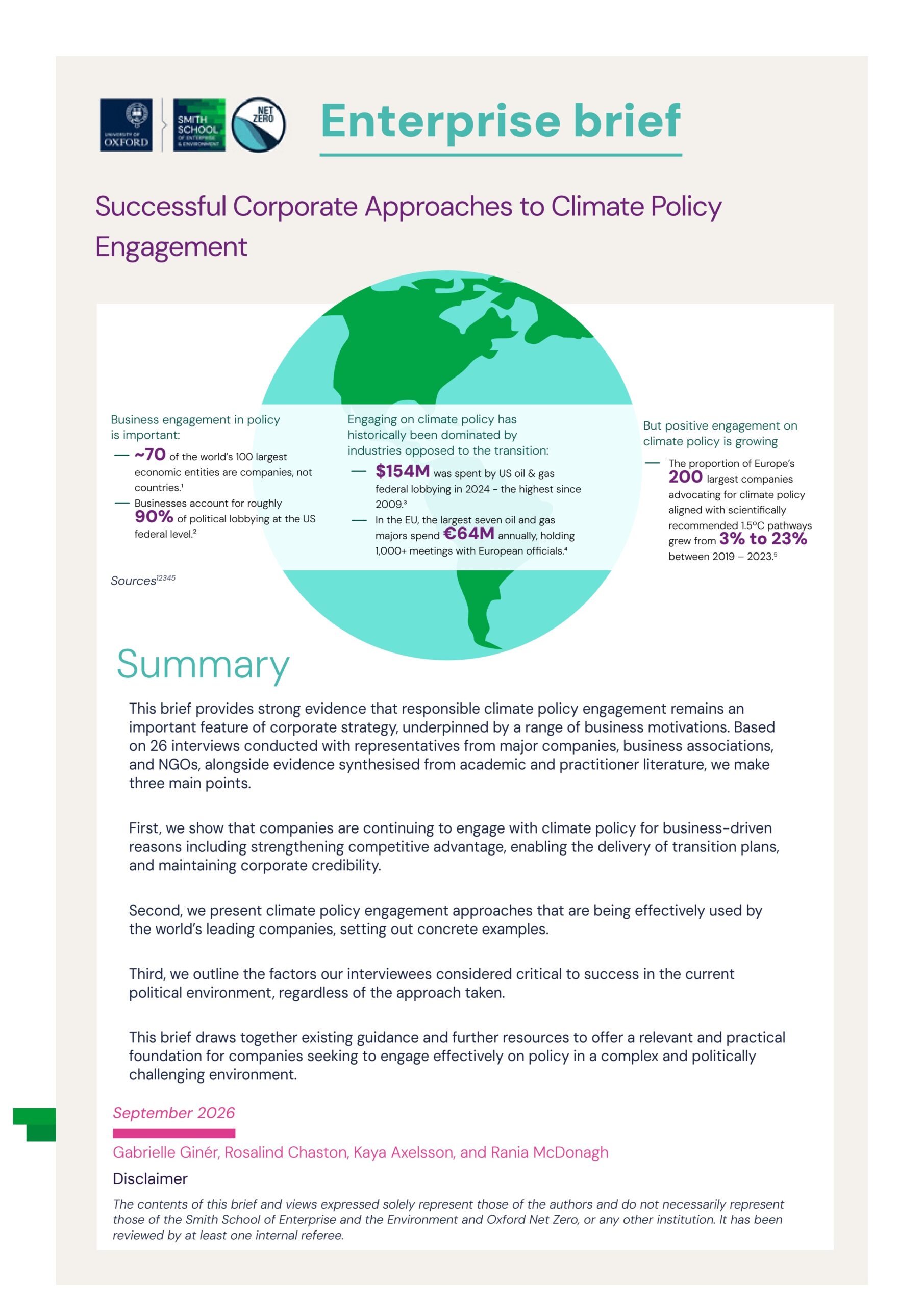
Successful corporate approaches to climate policy engagement
This research examines how leading companies maintain climate policy engagement despite geopolitical challenges. It identifies three core approaches—direct engagement, trade association influence, and coalition forming—driven by business motivations such as competitive advantage and transition plan delivery. Success depends on timing, transparency, and alignment with corporate decarbonisation goals.
Governing climate credibility: Reviewing the governance of climate and sustainability standards
An independent review of governance across five leading climate standard-setters: GHGP, GRI, ISO, ISSB, and SBTi. The report evaluates structures, finance, and independence, identifying strengths and transparency gaps. It offers recommendations to enhance accountability, resource governance effectively, and ensure long-term credibility for net zero objectives.
Connecting nature, climate, and capital: From data to decisions: Natural capital accounting in practice
This research explores Natural Capital Accounting in New Zealand, focusing on the SEEA EA framework. It provides practical steps for businesses to quantify nature-related risks and dependencies. Through case studies, it demonstrates how environmental data informs investment, lending, and strategic management to enhance organisational resilience and long-term value.
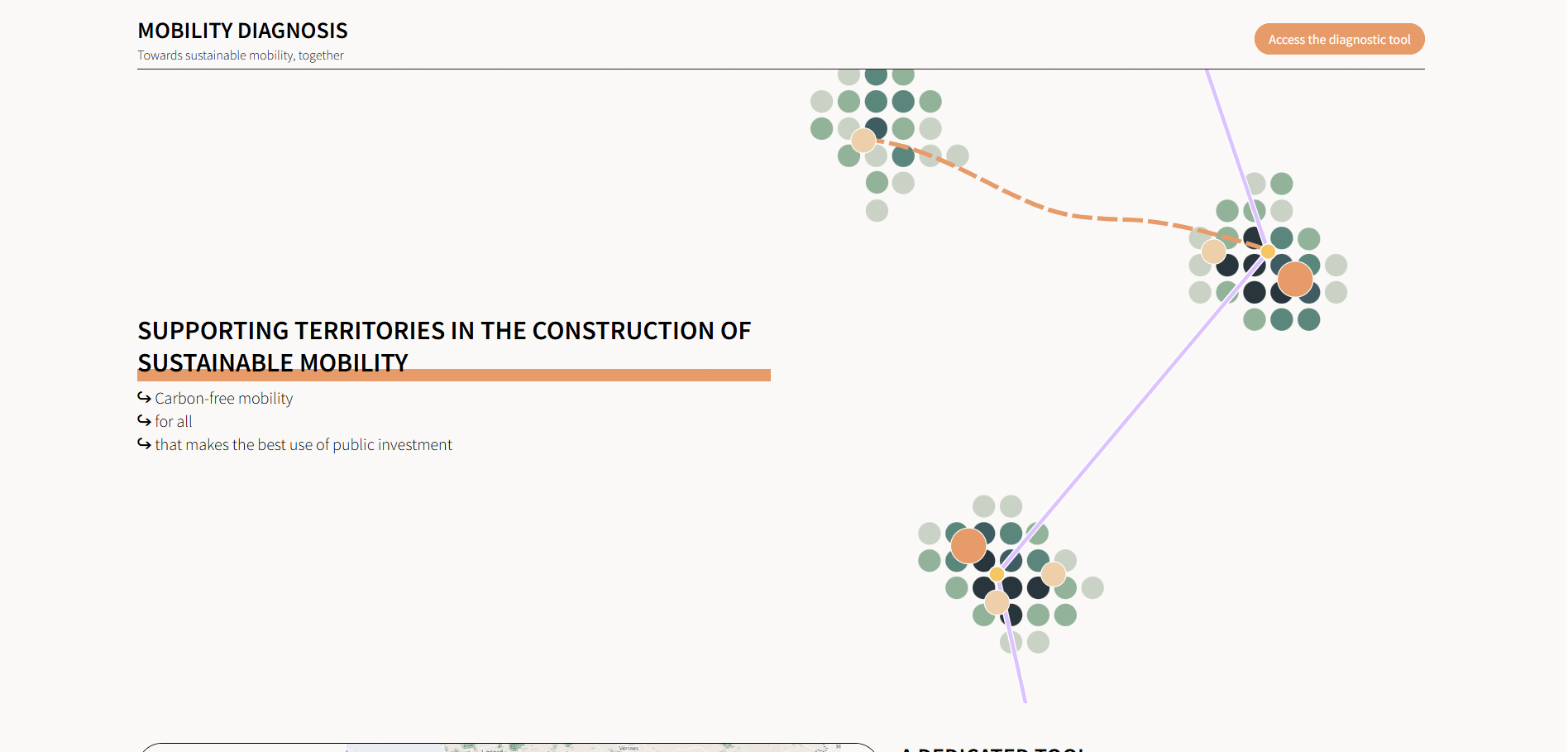
Mobility Diagnosis
Mobility Diagnosis is an open-source territorial analysis tool supported by ADEME. It helps local authorities and planners design decarbonised transport strategies by centralising data on travel practices and geographical profiles.
Guidance for voluntary climate change mitigation
This guidance outlines expectations for voluntary climate change mitigation in New Zealand. It details six core principles for high-integrity carbon credits, including additionality and permanence. It distinguishes between contribution and exclusive-use claims and clarifies the role of the New Zealand Emissions Trading Scheme and Nationally Determined Contributions.
Beyond commitments: Assessing real capital deployment for net zero across 26 high-emitting companies, against the IGCC Capital Allocation Alignment Framework
This research assesses capital allocation alignment with net-zero commitments across 26 high-emitting companies using the IGCC Framework. It finds that while climate strategies are strong, capital sourcing and fossil fuel phase-down plans lag. European companies lead in performance, while the Americas and oil and gas sectors trail significantly.
Expanding the investible market for adaptation: The value and path for institutional investors
This report examines the business case for institutional investors to prioritise climate adaptation. It identifies a multi-billion dollar annual financing gap and outlines how resilience expertise enhances investment performance. A framework of recommendations is provided to help investors navigate asset, network, and economy-level resilience within the Australian context.
Just adaptation: An introduction for institutional investors
This report introduces institutional investors to 'just adaptation', highlighting the financial materiality of fair and equitable climate resilience. It outlines how incorporating social equity into adaptation strategies protects long-term returns, maintains social licence, and identifies priority actions for investors to support vulnerable communities while managing systemic climate risks.
Worlds apart: Contrasting US-China approaches to scaling clean technology manufacturing
Global clean technology manufacturing investment has declined significantly, led by pullbacks in China and the United States. While China addresses overcapacity, US investment reversed following the One Big Beautiful Bill Act. This report explores the diverging drivers, policy shifts, and future competitive landscape for both nations.
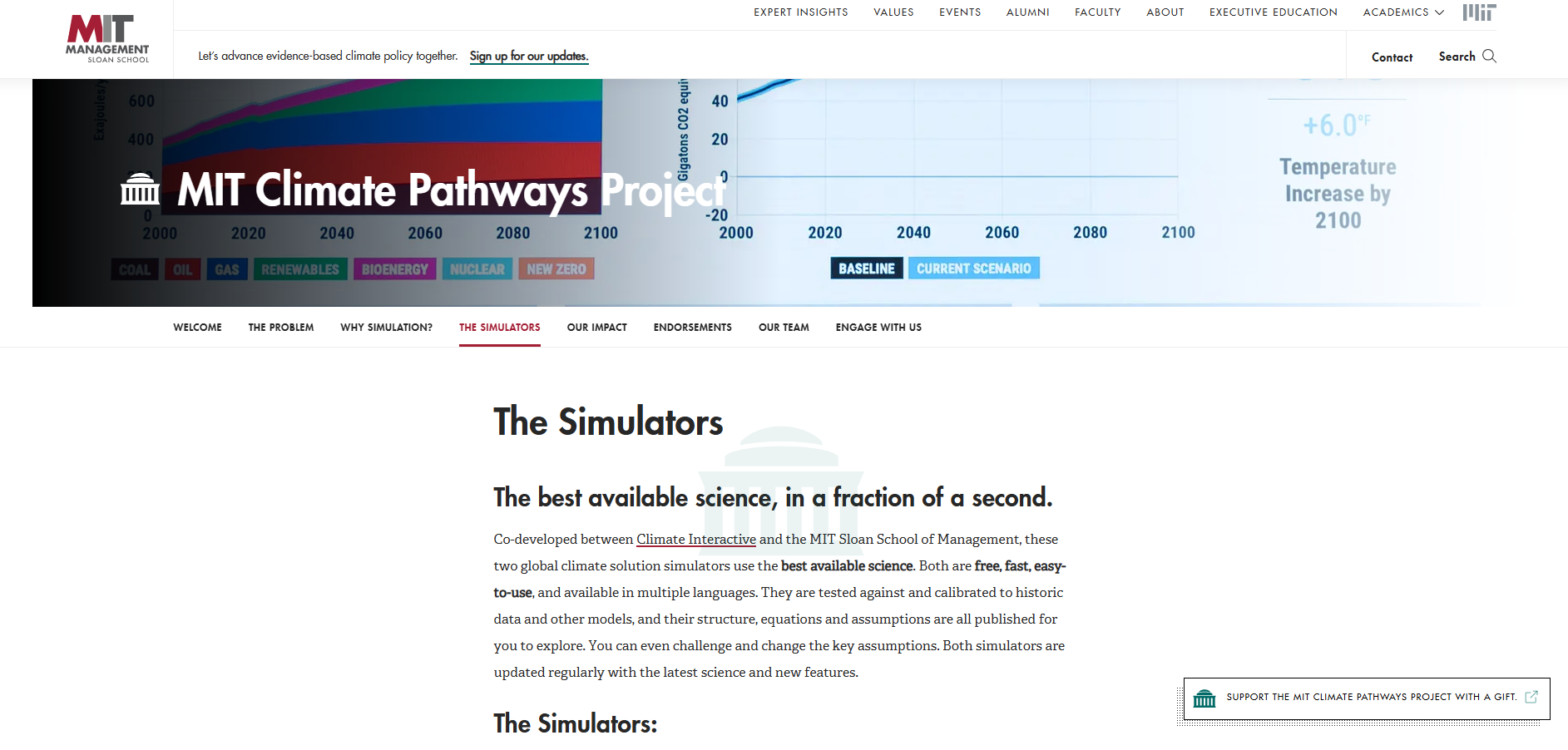
Climate Pathways Project Simulation Tools
A suite of interactive climate policy simulators, including En-ROADS, developed by MIT Sloan and Climate Interactive. These tools help leaders and finance professionals model the impacts of carbon pricing, electrification, and energy efficiency on global warming in real-time.
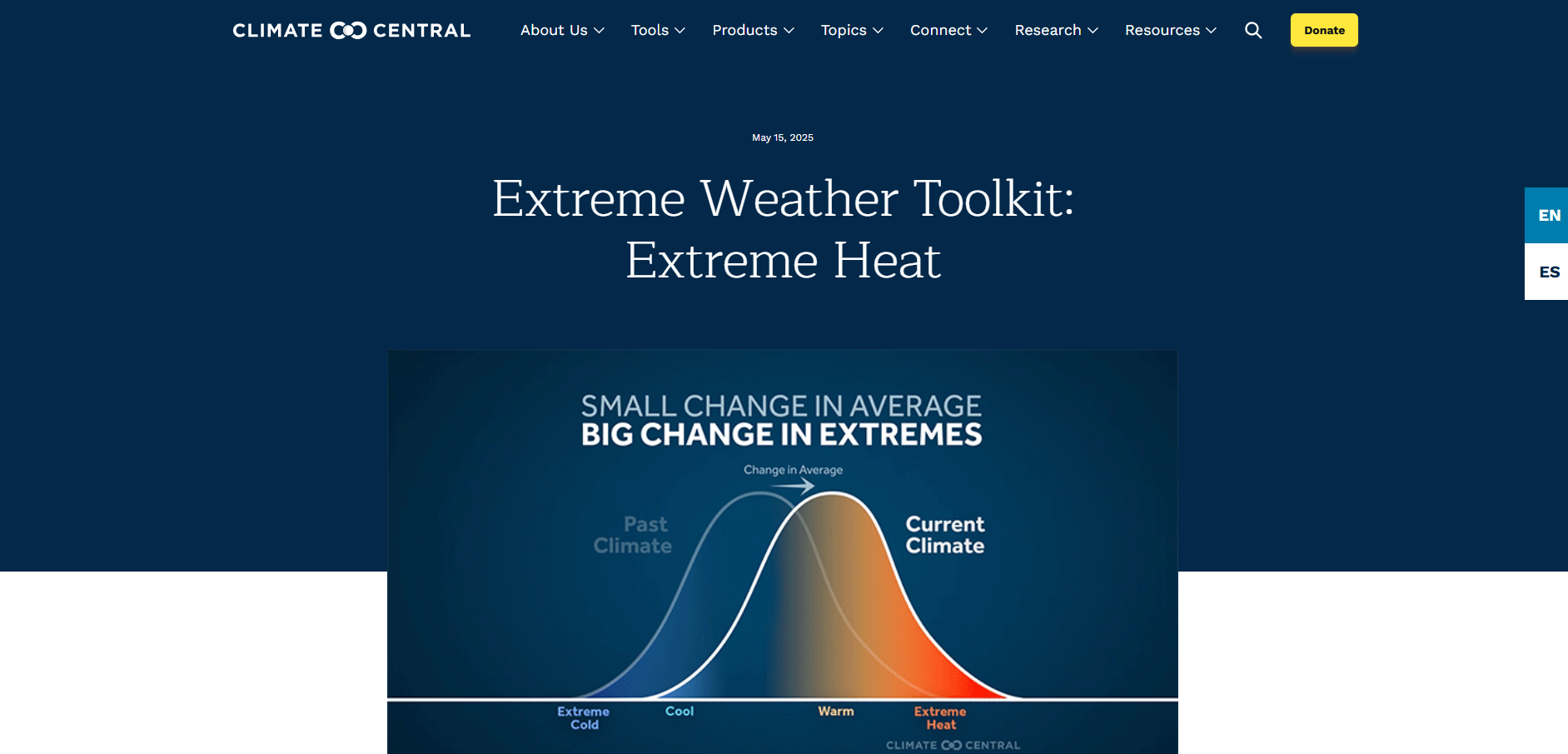
Extreme Weather Toolkit: Extreme Heat
A resource hub from Climate Central providing data, analysis, and visualisations on the trends and local impacts of extreme heat, including the Climate Shift Index and urban heat island studies.
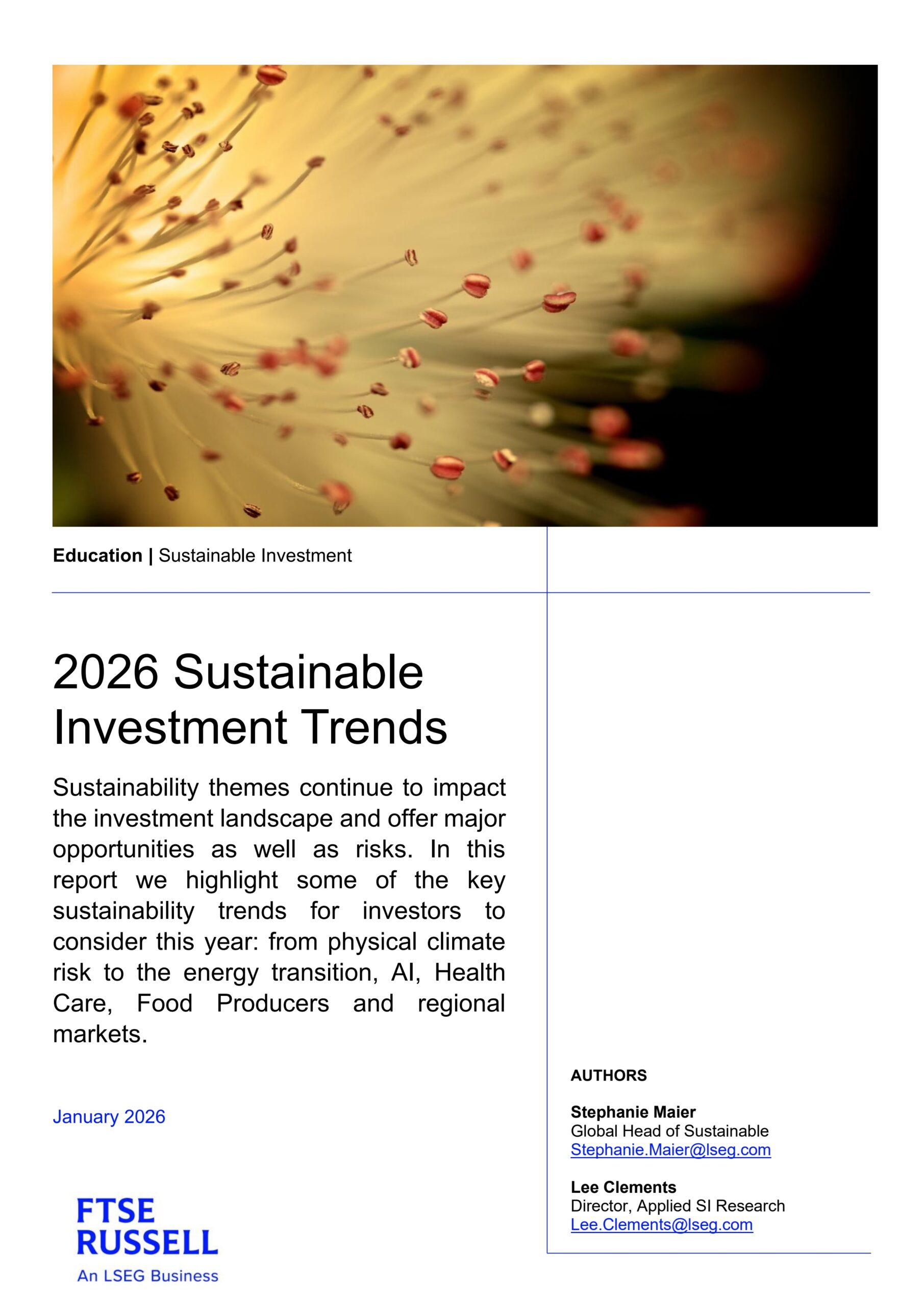
2026 Sustainable investment trends
This report analyses sustainable investment trends for 2026, examining physical climate risk, the energy transition, and Asia’s leadership. It addresses the influence of artificial intelligence on power demand and emission targets, alongside structural challenges in the health care and food production sectors, highlighting resilience and adaptation as key priorities.
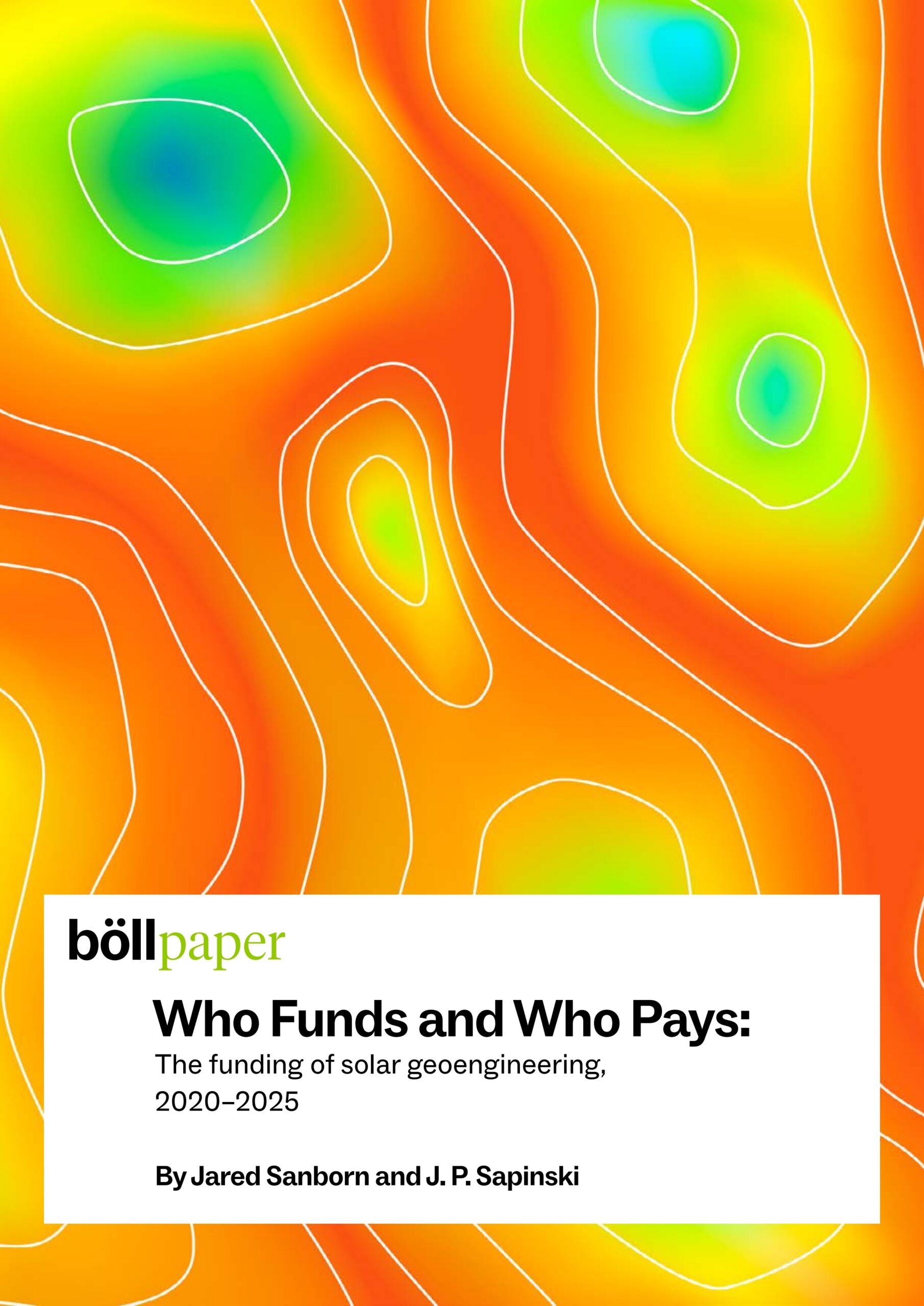
Who funds and who pays: The funding of solar geoengineering, 2020–2025
This report examines the dramatic tenfold increase in solar geoengineering funding between 2020 and 2025. It highlights the dominance of US and UK tech billionaires and government agencies in financing research, raising concerns about transparency, democratic oversight, and the marginalisation of Global South interests in climate policy.
Annual sustainable investment asset owner survey series
This benchmark series examines global asset owner attitudes and approaches to sustainable investment. It tracks adoption levels, thematic priorities, and perceived barriers across diverse regions and asset classes. The research provides factual insights into how sustainability factors are integrated into core investment practices, aiding portfolio construction and risk management.
Collection of Open-Access CARMINE Publications
A comprehensive repository of open-access research and deliverables from the CARMINE project, providing advanced climate-risk assessment methodologies and case study data to support environmental resilience and informed financial risk analysis.


