
Library | ESG issues
Climate Change
Climate change, driven by human-induced greenhouse gas (GHG) emissions, is increasing global temperatures and extreme weather events. Major GHGs like carbon dioxide and methane primarily come from burning fossil fuels, deforestation, and agriculture. Key sectors contributing to emissions include energy, industry, transport, buildings, and land use, making mitigation and adaptation essential for environmental and economic stability.

Refine
1170 results
REFINE
SHOW: 16


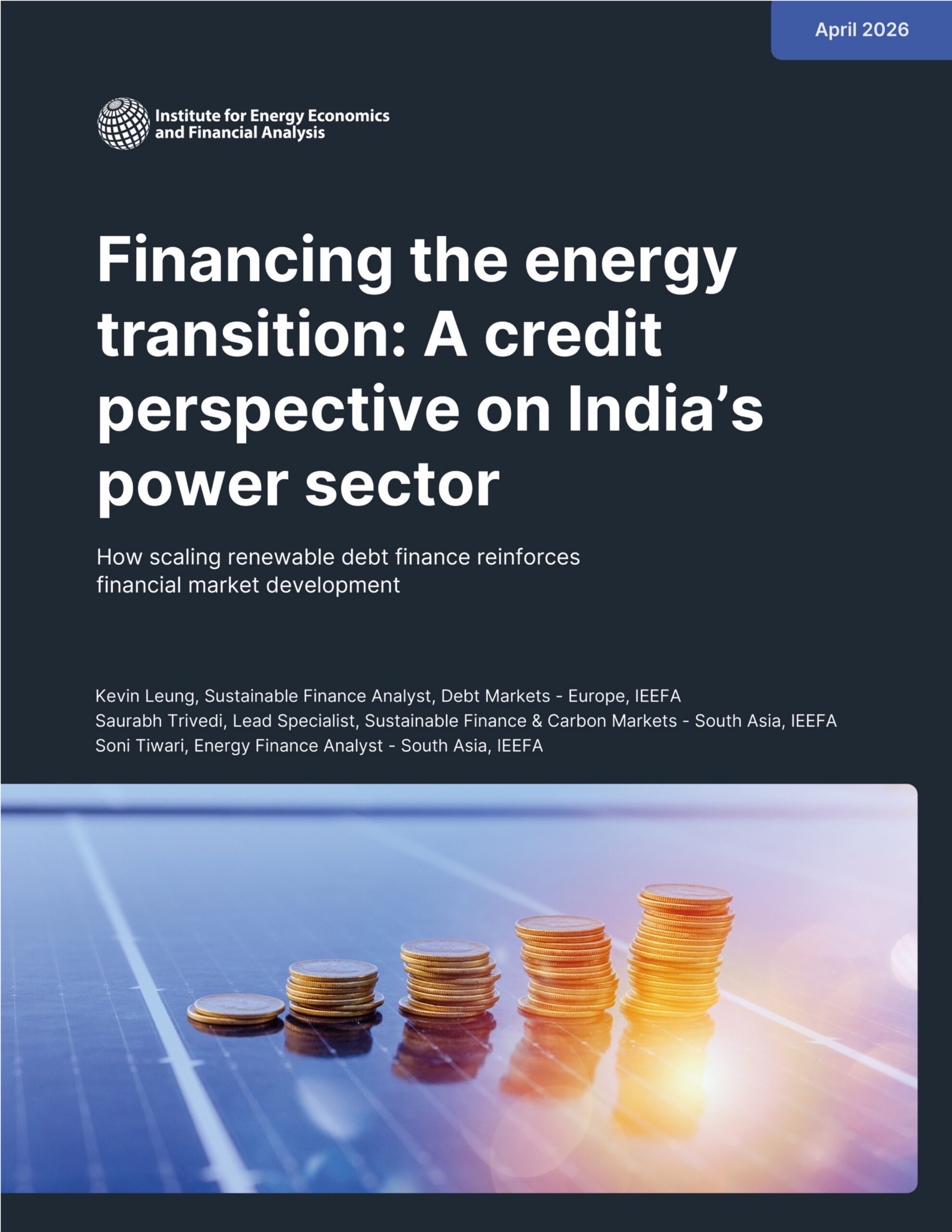
Financing the energy transition: A credit perspective on India’s power sector
This report examines India’s power sector transition from a credit perspective. It highlights the structural divergence between renewable and thermal assets, identifies bottlenecks in domestic debt markets, and recommends strategies to unlock large-scale financing, including the pivotal role of NTPC and the need for deeper institutional investor participation.

Atlas of Global Development 2026
An interactive data platform from the World Bank tracking 75 years of global progress across people, prosperity, planet, infrastructure, and digital themes.

Supporting just transitions through social protection: Key roles for philanthropy
This briefing paper explores how philanthropy can support just transitions to net zero through social protection. It examines the socio-economic risks of decarbonisation, identifies systemic coverage gaps, and highlights catalytic roles for philanthropic capital in capacity building, research, and policy alignment to ensure an inclusive transition.
Global South Climate Database
A searchable database maintained by Carbon Brief providing access to over 1,100 climate experts from the Global South. It enables finance professionals to connect with specialists in carbon markets, climate policy, and regional environmental risks across Asia, Africa, and Latin America.
Climate Data Store (CDS)
The Climate Data Store (CDS) is an open-access platform providing authoritative climate datasets, including historical reanalysis and future projections. It enables finance professionals to assess physical climate risks, track greenhouse gas emissions, and integrate evidence-based environmental data into ESG reporting and investment analysis.
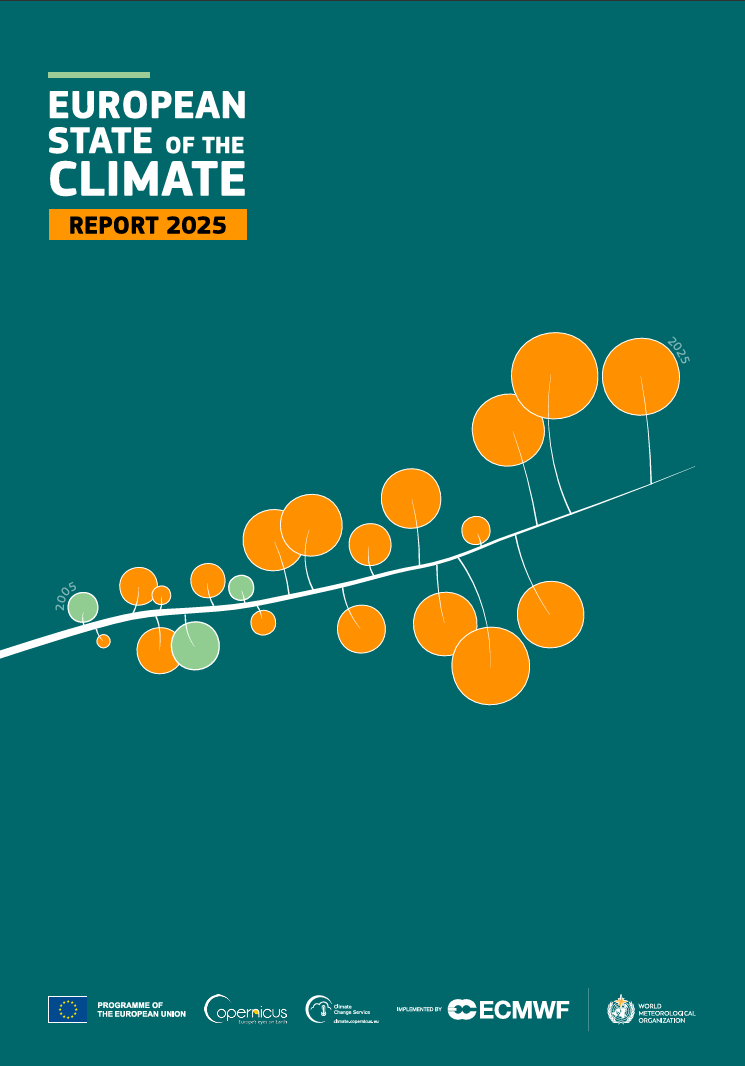
European state of the climate report series
The European State of the Climate is an annual flagship report series providing structured descriptions and analyses of climate conditions in Europe. Published by the Copernicus Climate Change Service and the World Meteorological Organization, it evaluates Earth system variables and key climate events alongside policy actions for biodiversity.
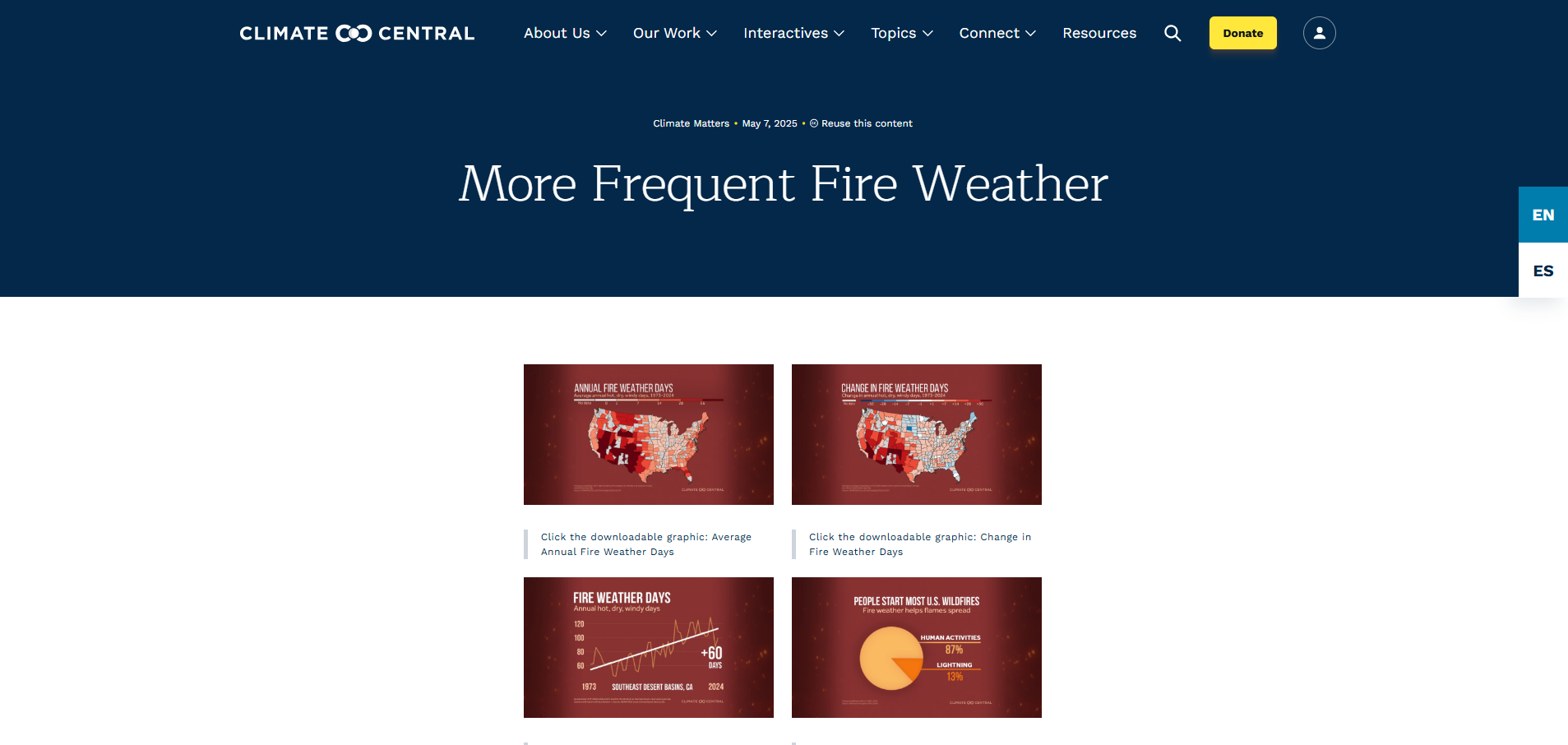
U.S. Fire Weather Historical Trends Data (1973-2025)
A dataset and analysis by Climate Central tracking fire weather trends across the U.S. from 1973 to 2025. It helps users understand the increasing frequency of high heat and low humidity conditions that drive wildfire risk.
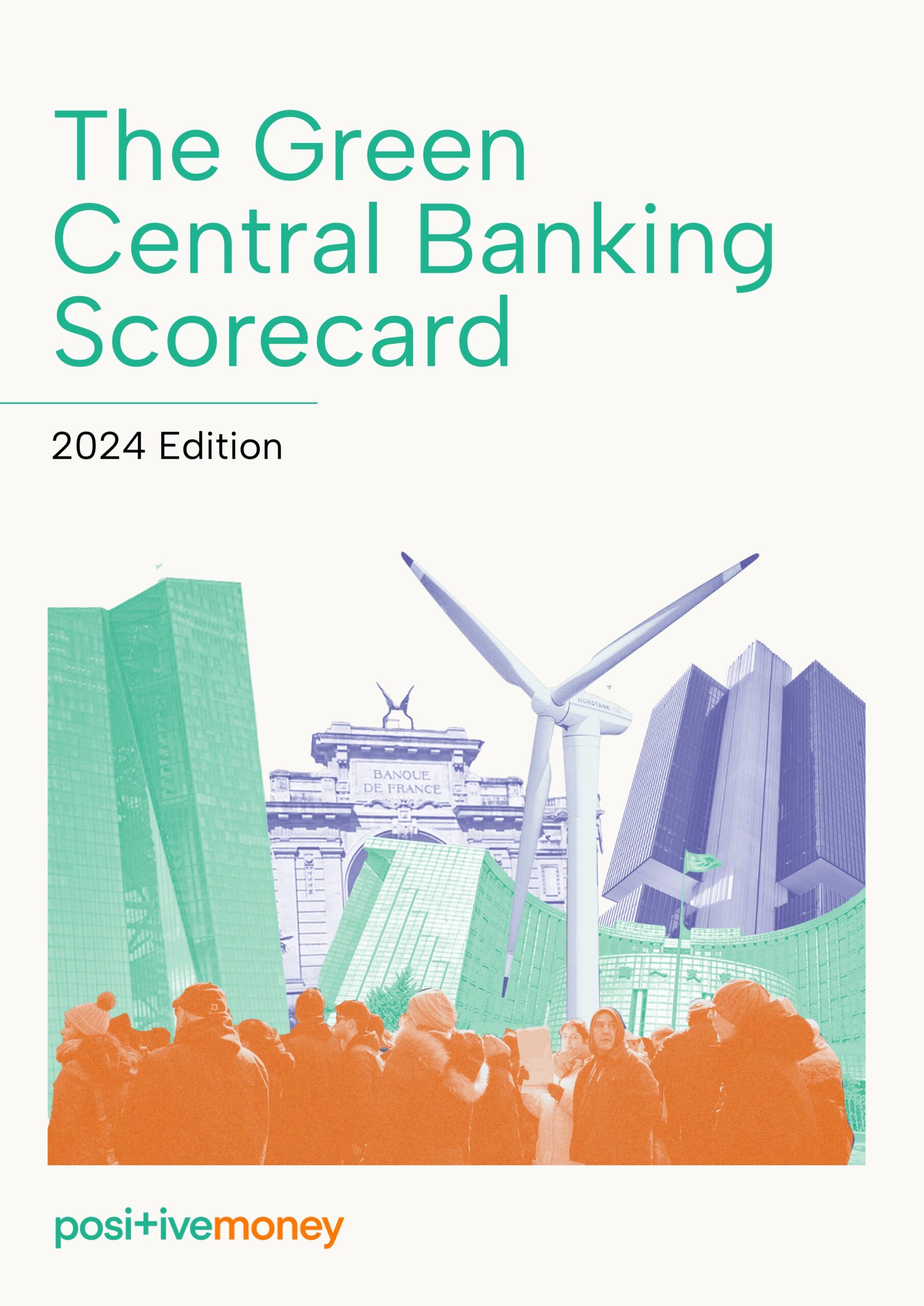
The green central banking scorecard series
The Green Central Banking Scorecard is a benchmark series that ranks G20 central banks and financial regulators on their progress in integrating environmental considerations into their operations. It assesses institutions across research and advocacy, monetary policy, financial policy, and leading by example categories to encourage a just green transition.

SBTi Corporate Net-Zero Standard version 2.0
The SBTi Corporate Net-Zero Standard Version 2.0 provides a framework for science-based target setting and implementation. It introduces an implementation hierarchy, transition planning requirements, and a voluntary Ongoing Emissions Responsibility programme. The standard focuses on context-specific targets and best-efforts delivery to reach net-zero by 2050.

Oxford-GlobeScan global corporate affairs survey series
This benchmark series provides an overview of opinions, trends, and challenges within the corporate affairs function. Produced annually, the research captures insights from senior professionals globally to track the evolution of the corporate affairs agenda, focusing on reputation, sustainability, geoeconomics, and stakeholder engagement.
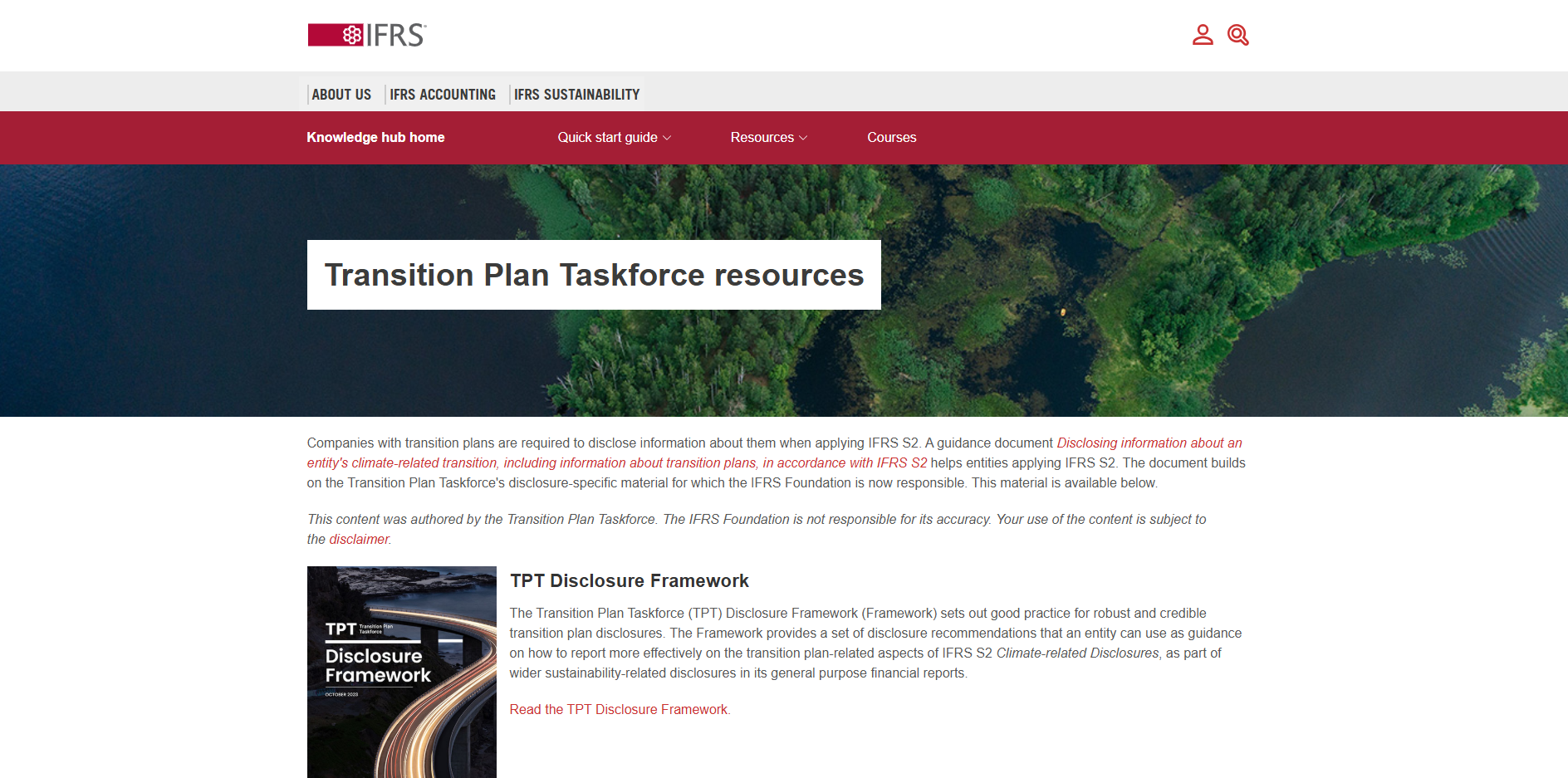
Transition Plan Taskforce Resources
A suite of guidance materials, including the TPT Disclosure Framework and sector-specific guides, designed to help organisations create and disclose robust climate transition plans in alignment with IFRS S2.
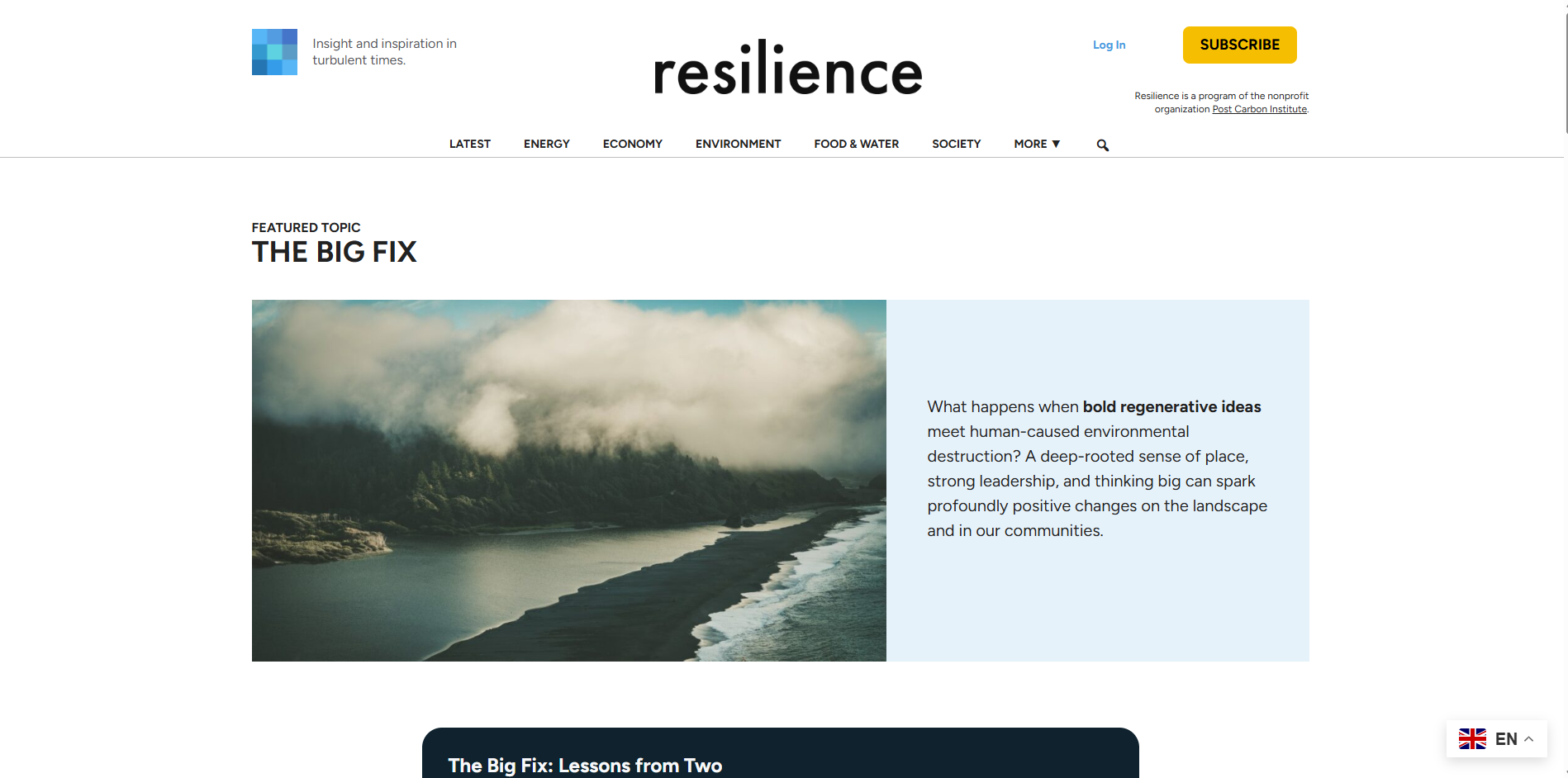
The Big Fix Resource Collection
The Big Fix is a resource hub from Resilience.org and the Post Carbon Institute focused on systemic resilience. It provides curated research and news to help professionals understand and navigate the interconnected ecological and economic challenges of the 21st-century polycrisis.
Hot summer economics: Economic effects of the hot European summer of 2026
This report examines the economic impact of the 2026 European heatwave, estimating a 1% reduction in EU-wide GDP. It details effects on labour productivity, agriculture, and energy sectors while warning of a 'doom loop' where climate damage leads to the weakening of environmental policies to protect short-term growth.

Super-duper El Nino and the bigger problem
This report analyses the 2026 super El Nino, identifying it as the strongest in the modern record. It discusses accelerating human-made global warming, the doubling of Earth’s energy imbalance, and severe health implications. Findings highlight that rising temperatures significantly increase mortality risks for vulnerable populations across Europe and Asia.

Weekly cat report: Review of global catastrophe activity
This series provides a weekly review of global catastrophe activity, covering meteorological events and preliminary financial loss estimates. It tracks natural disasters such as severe convective storms, flooding, and landslides across multiple regions to assist in risk assessment. This report is part of a regular series.
Optimal flood insurance in a second-best world: Fiscal spillovers, reclassification risk and moral hazard
This report evaluates the U.S. National Flood Insurance Program's transition to risk-based pricing. It finds that unintended consequences, such as increased ex post disaster spending and household exposure to climate uncertainty, outweigh moral hazard costs. The authors conclude that an optimal premium subsidy of 52% is required.


