
Library | ESG issues
Climate Change
Climate change, driven by human-induced greenhouse gas (GHG) emissions, is increasing global temperatures and extreme weather events. Major GHGs like carbon dioxide and methane primarily come from burning fossil fuels, deforestation, and agriculture. Key sectors contributing to emissions include energy, industry, transport, buildings, and land use, making mitigation and adaptation essential for environmental and economic stability.

Refine
1170 results
REFINE
SHOW: 16


SME Climate Hub
Free platform helping SMEs measure emissions, build climate action plans, and report progress toward net zero by 2050.
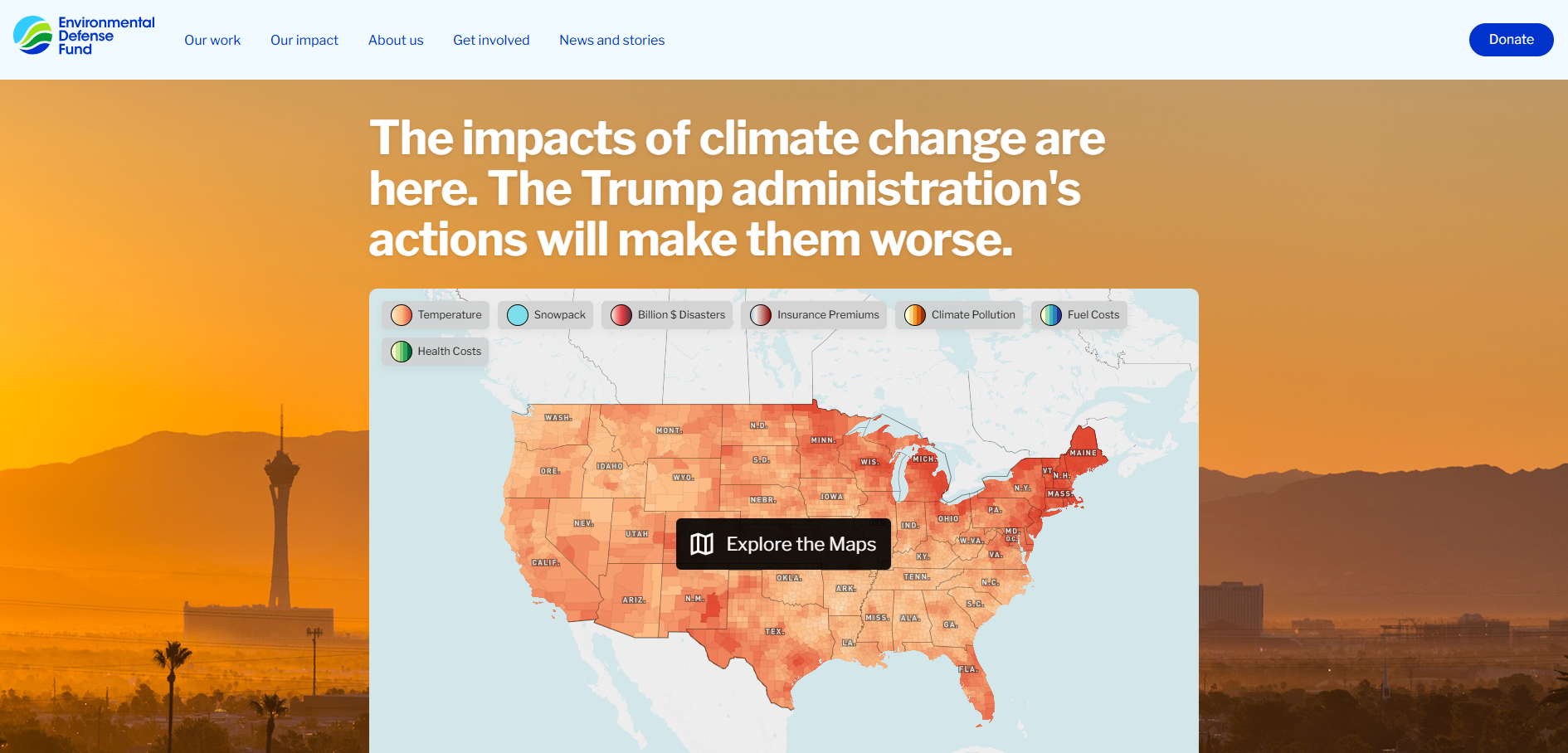
Trump climate endangerment stories
This interactive mapping tool from the Environmental Defense Fund (EDF) combines climate data and community stories to show how climate change is affecting temperatures, water resources, disaster losses, insurance costs and public health across the United States. It also illustrates the projected impacts of changes to federal climate pollution regulations.
National climate change risk assessment for Aotearoa New Zealand series
This benchmark series provides a comprehensive evaluation of climate change risks across Aotearoa New Zealand. It assesses vulnerabilities within the natural environment, built infrastructure, economy, society, and governance frameworks. The series serves as a critical resource for guiding long-term adaptation planning, resilient investment, and strategic policy development.
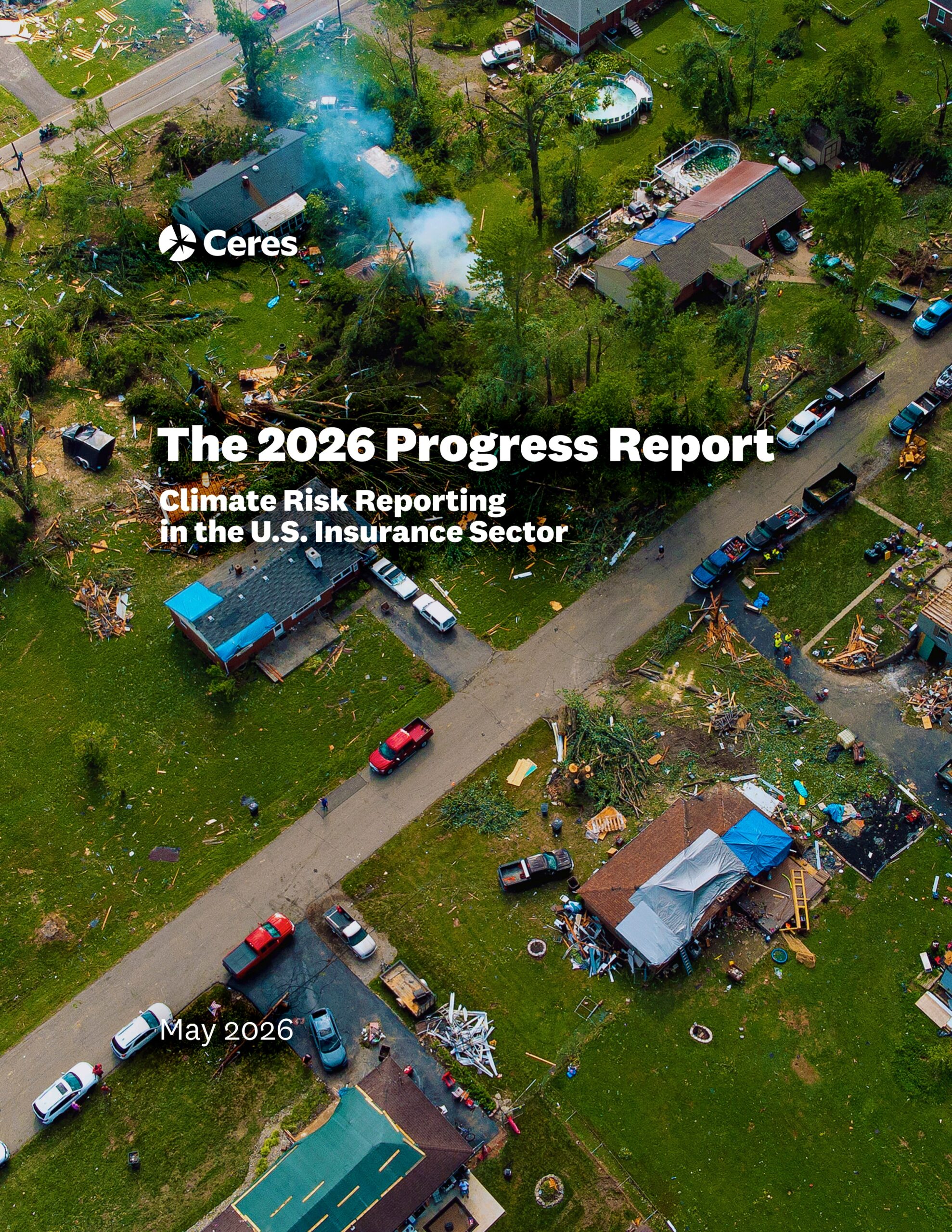
The progress report: Climate risk reporting in the U.S. insurance sector series
This benchmark series assesses the quality and comprehensiveness of climate risk reporting by U.S. insurance companies against the Task Force on Climate-related Financial Disclosures (TCFD) framework. It tracks industry-wide reporting practices, disclosure maturity, governance, strategy, risk management, and metrics over time to evaluate progress in climate-related financial risk disclosure.
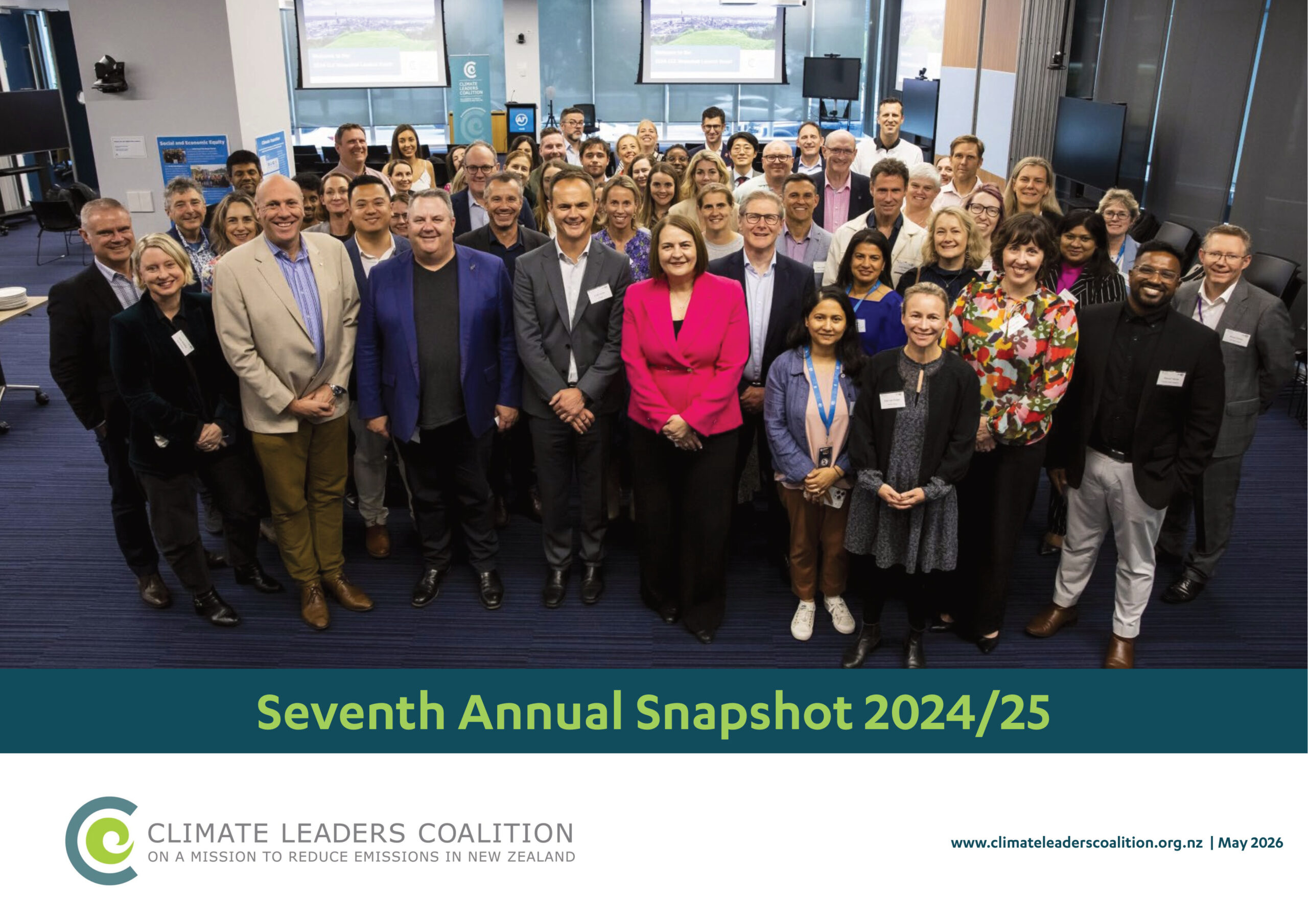
Annual snapshot series
This benchmark series provides annual snapshots of the Climate Leaders Coalition, tracking how New Zealand businesses are progressing on climate action. It outlines signatories’ commitments, emissions management, climate risk and resilience efforts, collaboration initiatives, and leadership activities supporting the transition to a low-emissions economy.
Navigating global risks in the Pacific 2026
A Pacific-focused commentary drawing on the World Economic Forum's Global Risks Report 2026, examining how geopolitical fragmentation, digital transformation, climate volatility and workforce pressures are reshaping operating environments across Australia, New Zealand and the broader Pacific region.
A guide to the New Zealand emissions trading scheme: 2026 update: Design, evolution, and current state
This guide outlines the design, evolution, and current state of the New Zealand Emissions Trading Scheme as of March 2026. It covers sectoral coverage, unit supply, price controls, free allocation, forestry, and emissions trends, including recent legislative changes to agricultural obligations and the 2050 biogenic methane target.
Voice without influence? Global investor voting rationale disclosures in Korea
This study examines whether global institutional investors’ voting rationale disclosures influence Korean firms’ gender diversity and climate-related policies. It finds stronger investor focus on board gender diversity than climate risk, limited influence on large firms, greater impact on smaller firms’ emissions reductions, and evidence that voting rationales affect the credibility of sustainability reporting.
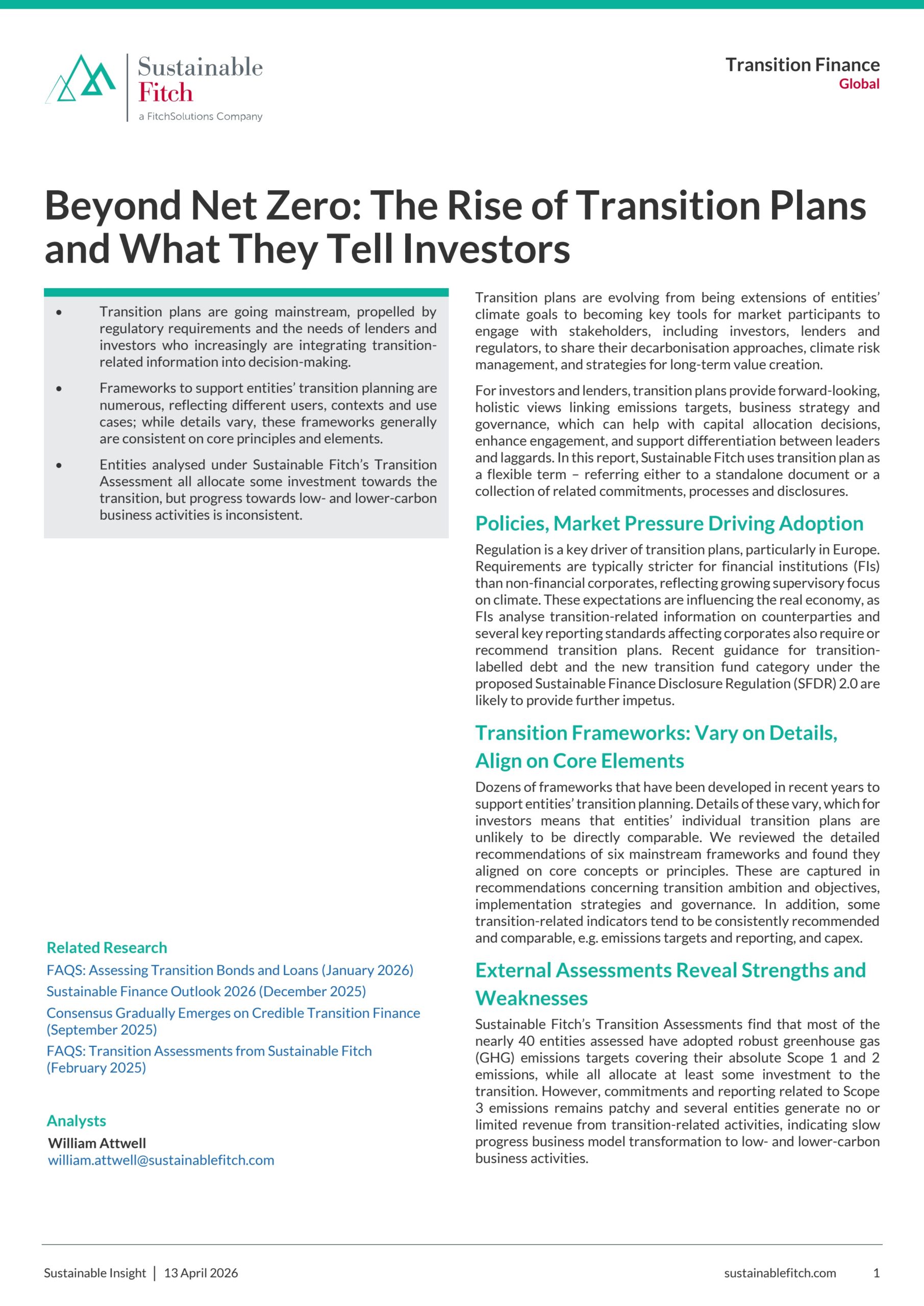
Beyond net zero: The rise of transition plans and what they tell investors
This Sustainable Fitch report examines the rise of corporate transition plans, driven by regulatory requirements and investor demand. It reviews six mainstream transition planning frameworks, finding alignment on core principles but variation in detail, and analyses around 40 entities, revealing strong Scope 1 and 2 targets but patchy Scope 3 commitments and limited transition revenue.
Sustainable finance and corporate law: Lessons from the US
This report analyses the trajectory of sustainable finance and corporate law in the US. It focuses on the SEC's proposed climate disclosure rule and California's state-level reporting mandates, examining the political and institutional challenges these initiatives face and the implications of a federalist approach for corporate compliance.
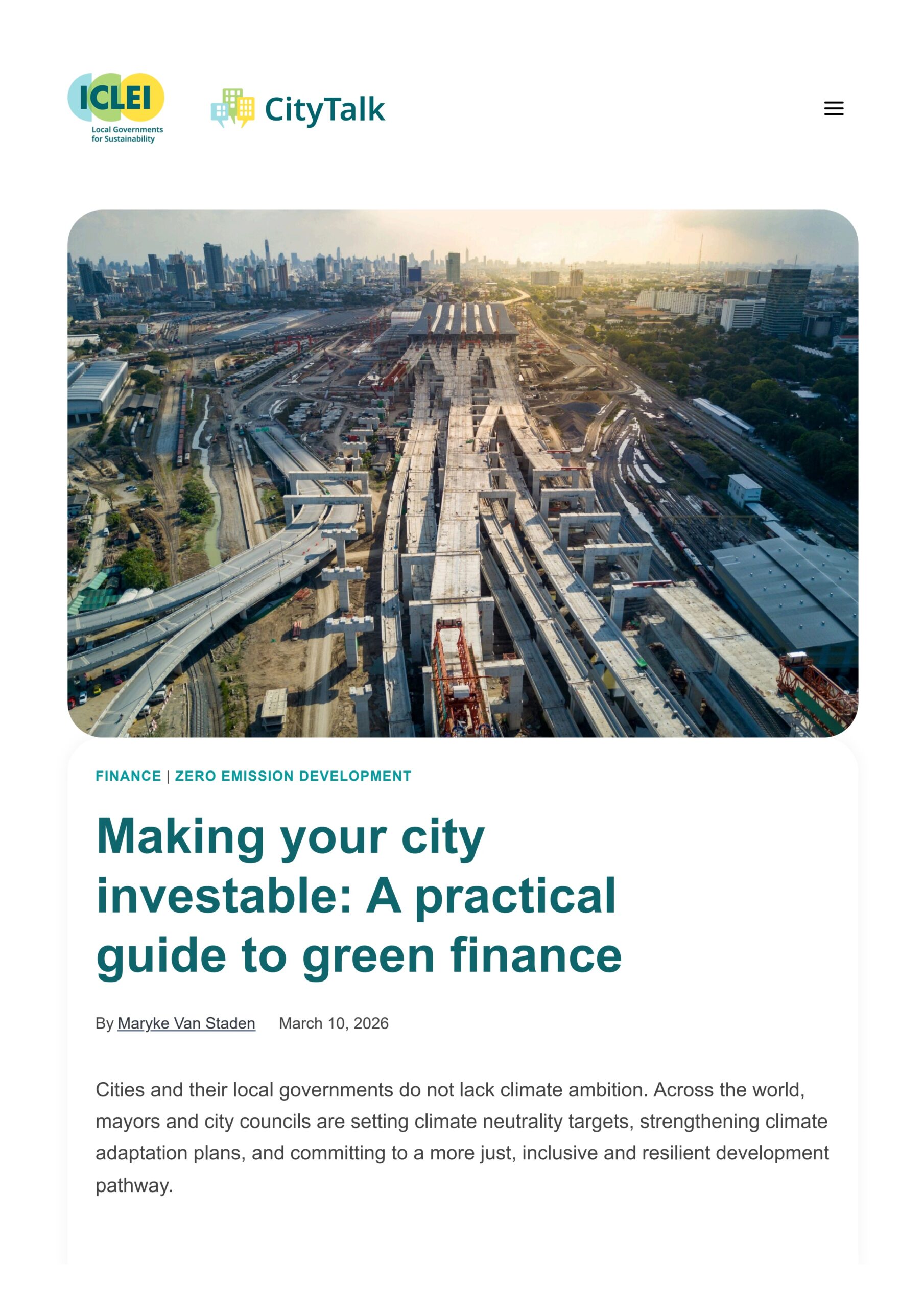
Making your city investable: A practical guide to green finance
This guide outlines how local governments can access green finance by shifting from ad hoc initiatives to embedded institutional strategies. Highlighting successful international examples, it emphasises the importance of transparent governance, predictable project pipelines, and standardised reporting to build investor confidence and secure long-term climate capital.
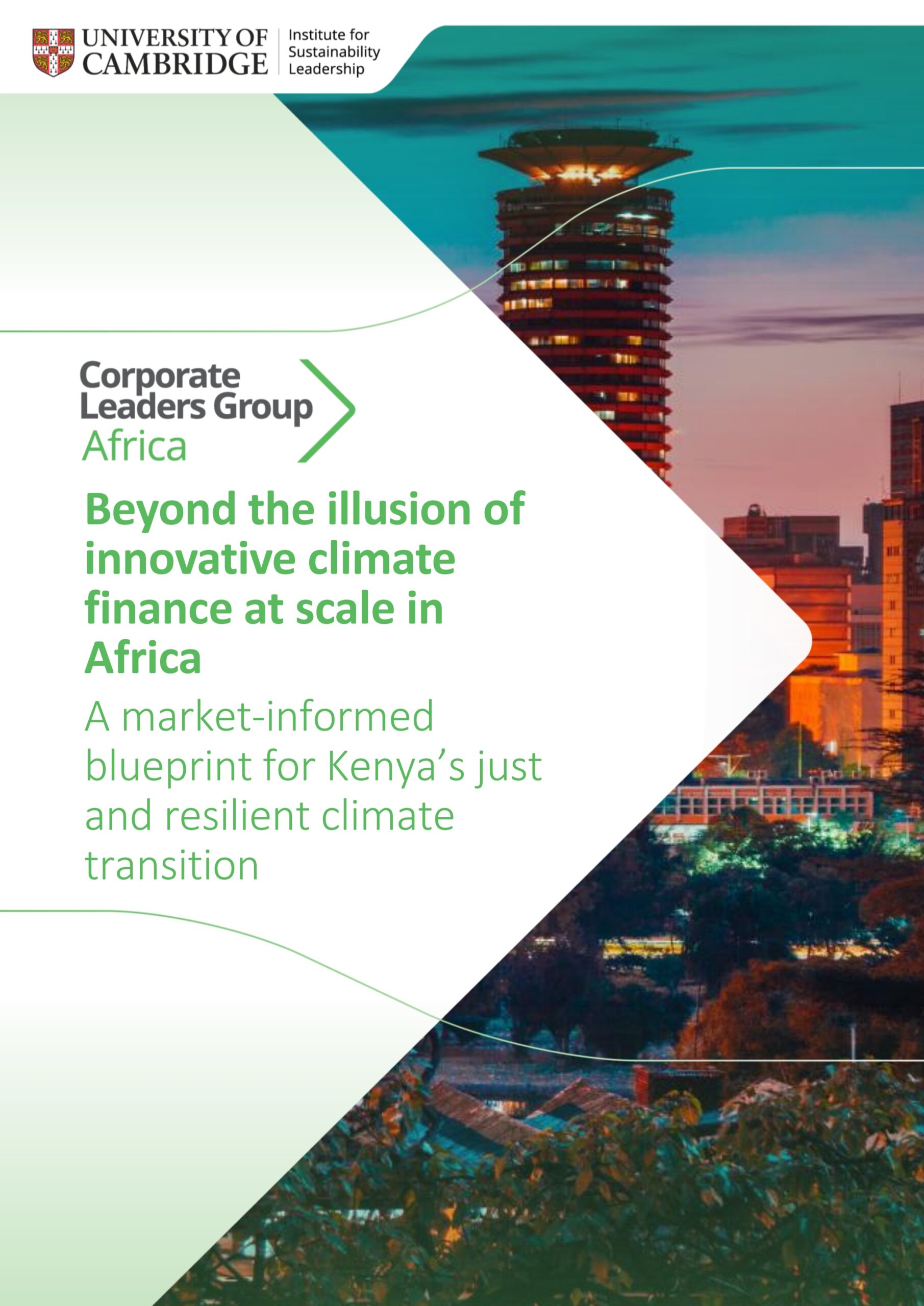
Beyond the illusion of innovative climate finance at scale in Africa: A market-informed blueprint for Kenya's just and resilient climate transition
This report examines why Kenya's climate finance gap persists despite strong institutions, renewable energy leadership and financial inclusion gains. It identifies seven flawed assumptions and recommends a nationally co-ordinated country investment platform to mobilise domestic capital, align incentives and deliver a just and resilient climate transition.
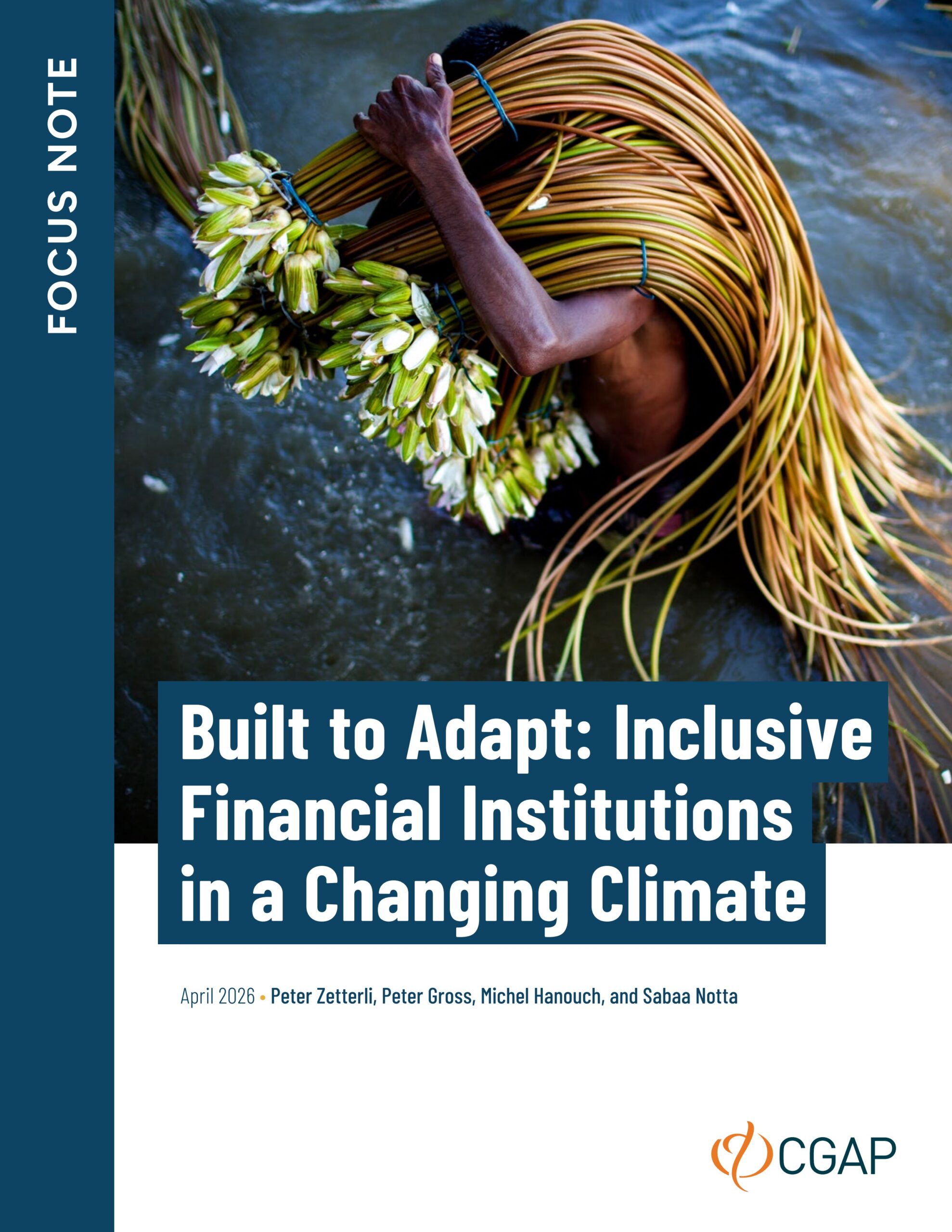
Built to adapt: Inclusive financial institutions in a changing climate
This report explores how inclusive financial institutions can build climate resilience for themselves and their clients. It outlines strategies for risk assessment, innovative risk financing, and adapting product offerings. By adopting a mutually beneficial approach, providers can maintain their social mission while navigating intensifying climate impacts.
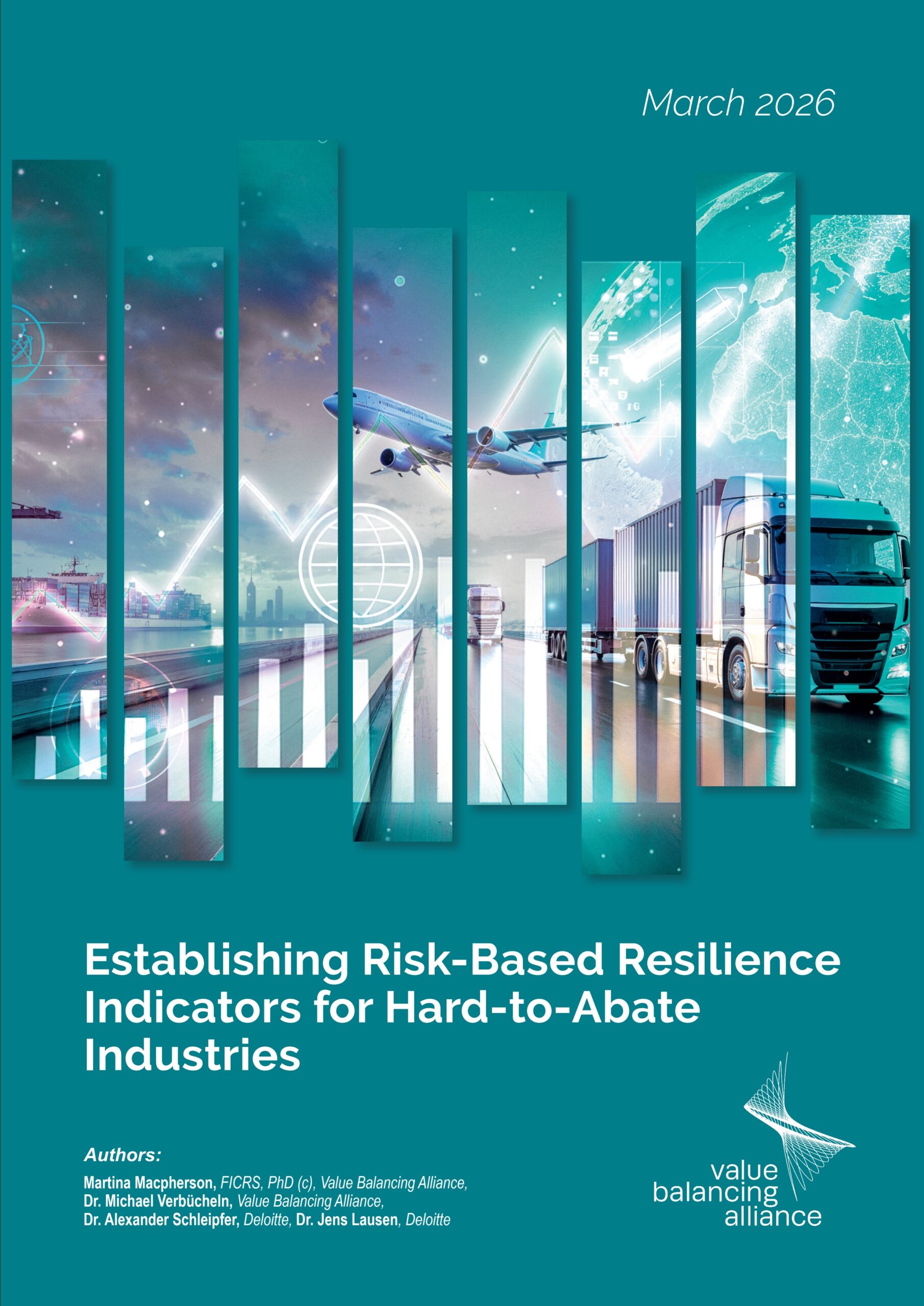
Establishing risk-based resilience indicators for hard-to-abate industries
This report develops a Resilience Indicator for hard-to-abate sectors, evaluating transition and physical climate risks. It offers a transparent, risk-based tool for investment decisions, focusing on cash-flow stability and adaptive capacity, to provide more actionable insights than generic ESG scores.
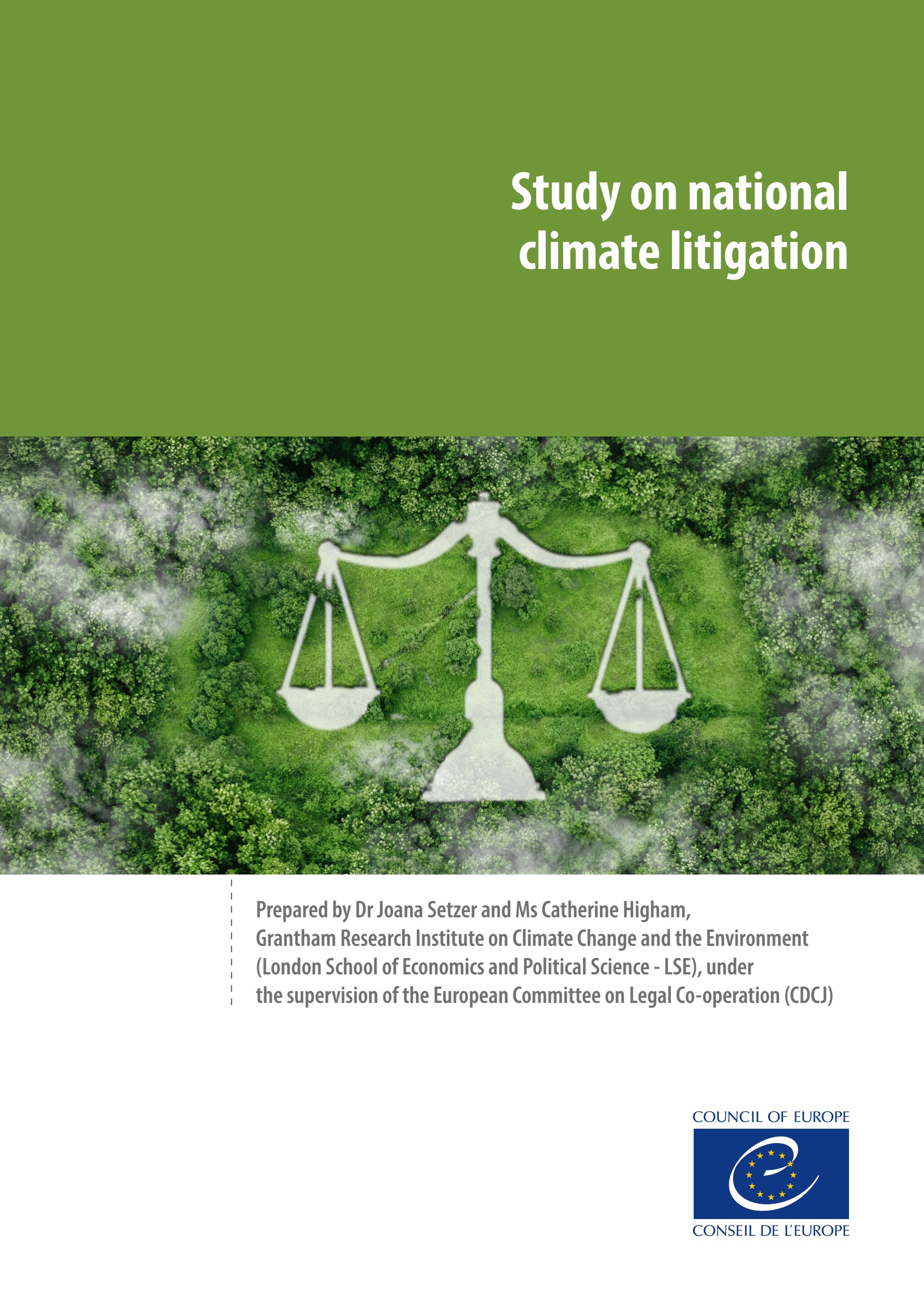
Study on national climate litigation
This report analyses strategic climate litigation trends across Europe, examining cases against states and corporations. It highlights key legal strategies, including human rights claims and polluter-pays mechanisms, while assessing the challenges of enforcing damages and the evolving obligations of governments and high-emitting businesses.
2025 Water sector engagement report
Royal London Asset Management's 2025 report presents findings from a two-year engagement programme with 11 UK water utility companies across four pillars: climate change adaptation, biodiversity, affordability, and antimicrobial resistance. Nearly all companies showed improvement from baseline scores, with biodiversity recording the most notable progress.


