
Library | ESG issues
Climate Change
Climate change, driven by human-induced greenhouse gas (GHG) emissions, is increasing global temperatures and extreme weather events. Major GHGs like carbon dioxide and methane primarily come from burning fossil fuels, deforestation, and agriculture. Key sectors contributing to emissions include energy, industry, transport, buildings, and land use, making mitigation and adaptation essential for environmental and economic stability.

Refine
1170 results
REFINE
SHOW: 16


Time to get real: Current and future best practice for investor engagement on climate policy
This report examines how institutional investors engage on climate policy and sets out guidance for best practice. Drawing on interviews with 70+ individuals and a survey of investors representing approximately USD 33 trillion in AUM, it calls for a shift from disclosure-focused engagement towards real economy policies, and identifies three field-building priorities.
Urban heat risk management: Resource package
This resource package provides practical guidance for local and national governments on managing urban heat risks through governance, planning, nature-based solutions and emergency preparedness. Drawing on global evidence and city case studies, it outlines strategies to strengthen urban resilience to increasing extreme heat.
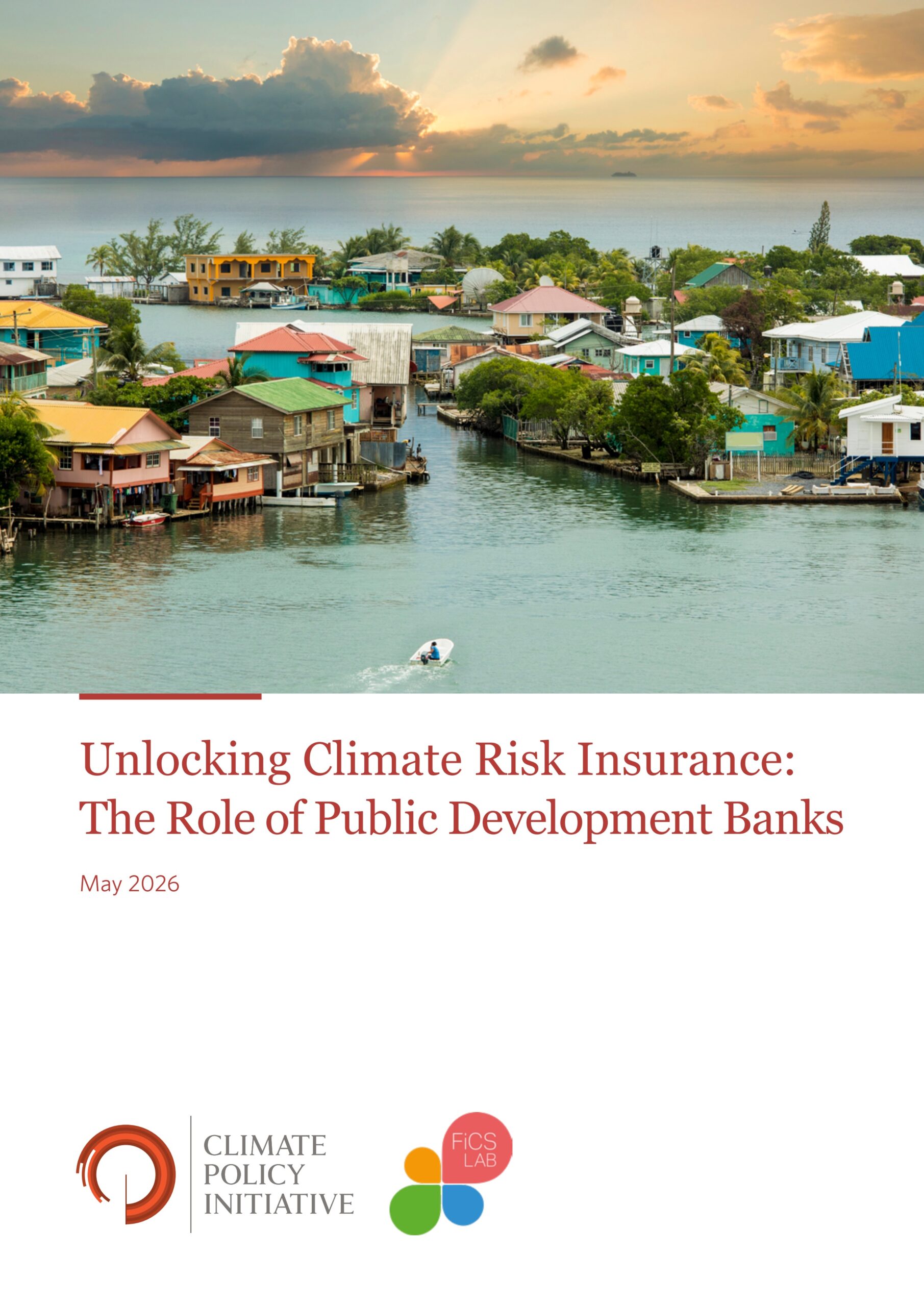
Unlocking climate risk insurance: The role of public development banks
This report examines how public development banks (PDBs) can expand climate risk insurance in emerging markets and developing economies. It identifies five key barriers to insurance uptake, analyses distinct roles for national, regional, and multilateral development banks, and provides recommendations to scale insurance solutions that build climate resilience.
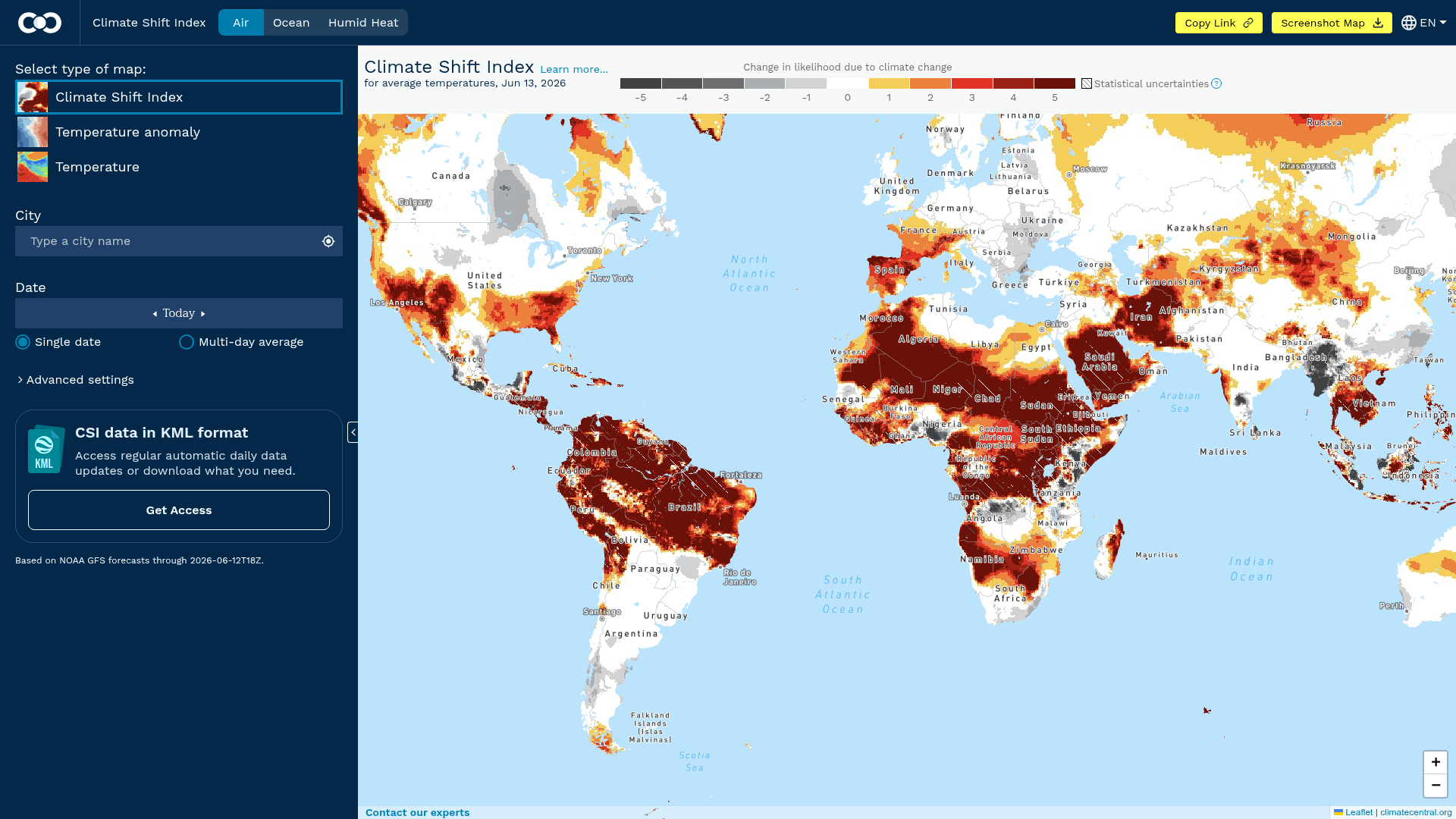
Climate Shift Index Global Map
The Climate Shift Index Global Map by Climate Central is an interactive tool visualising global air, ocean, and humid heat climate factors.
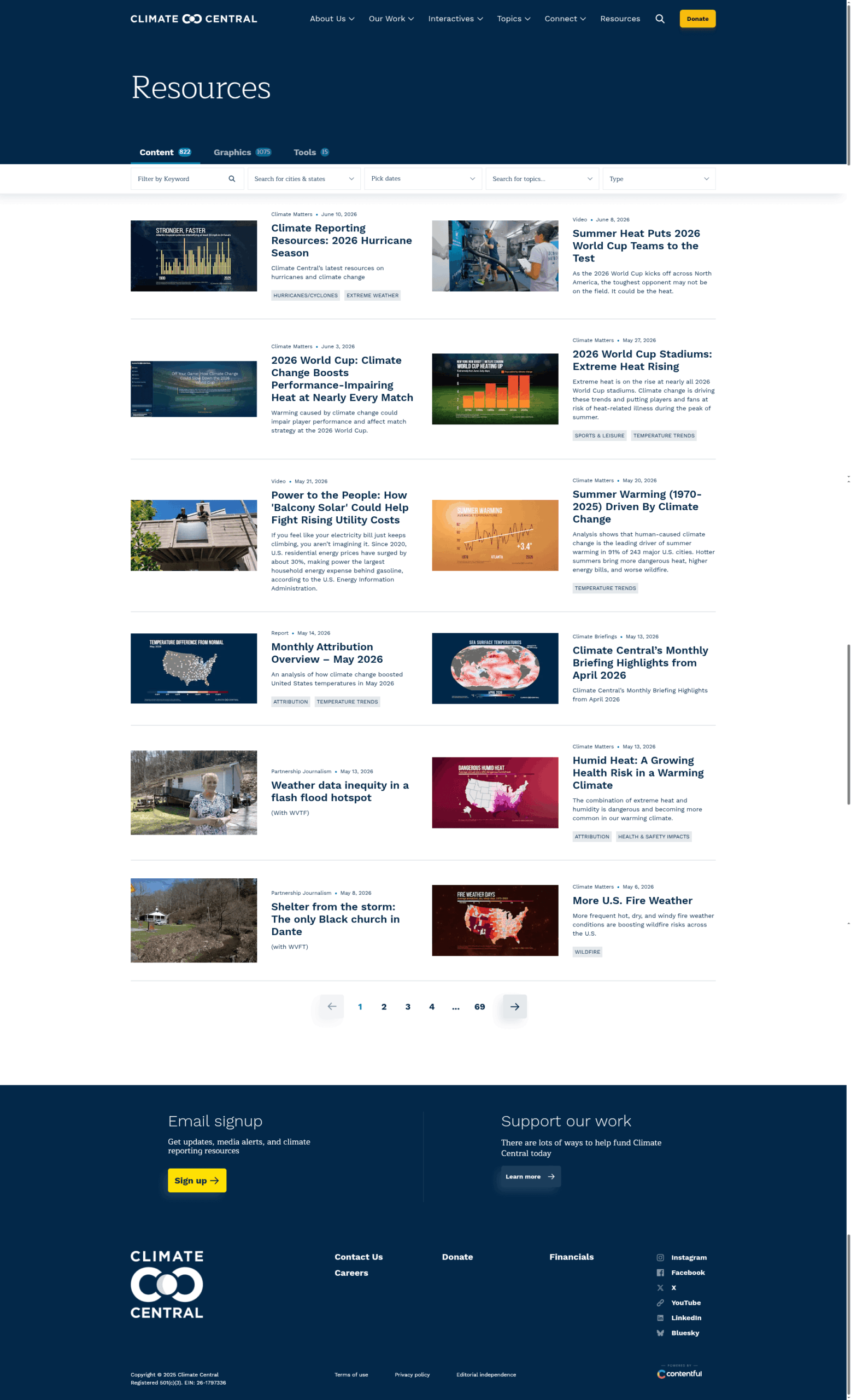
Climate Central
Climate Central Resources is an online library of climate science content, interactive tools, graphics and datasets. It provides evidence-based information on climate change impacts, extreme weather, sea level rise and climate risk, supporting analysis, communication and decision-making across sectors, including finance.
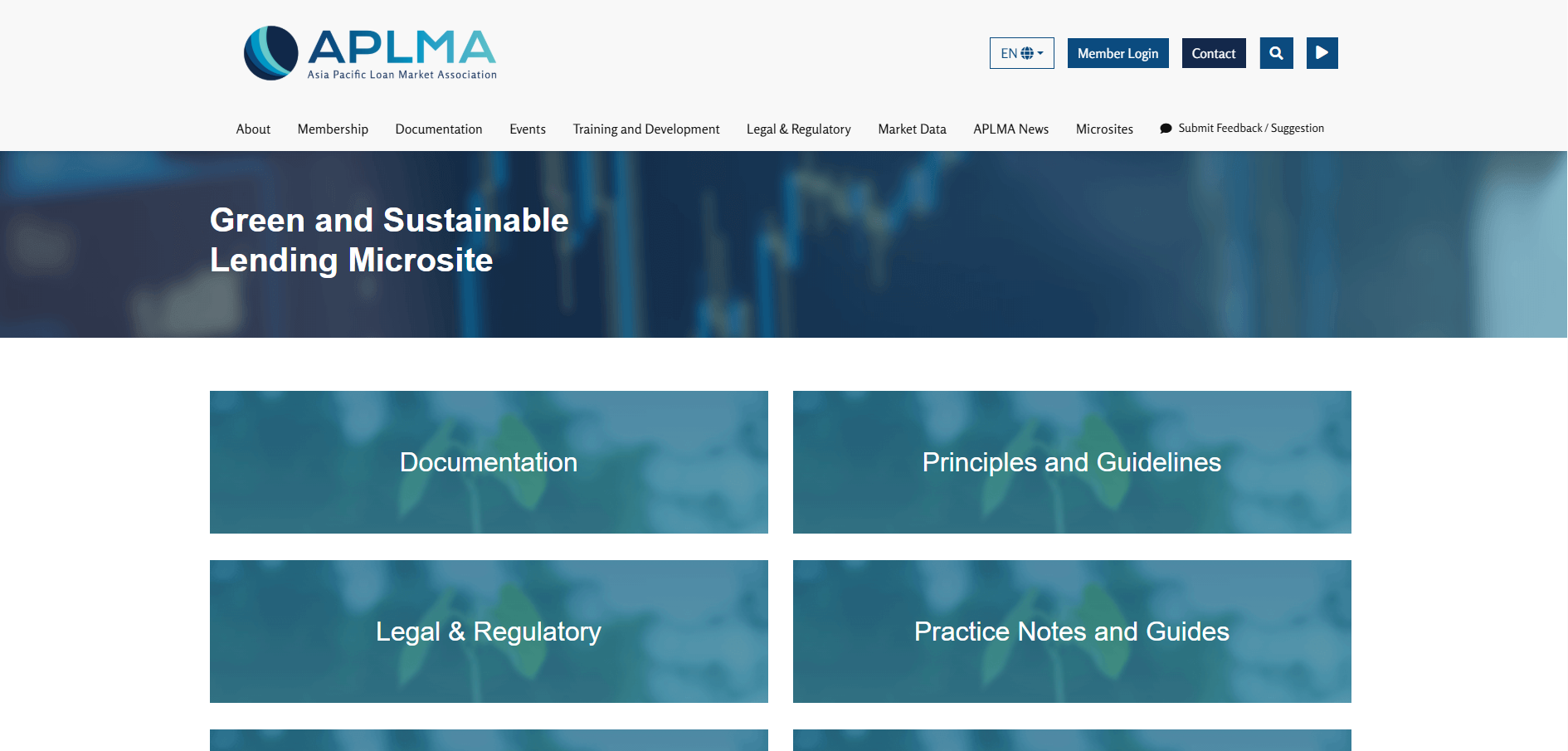
APLMA: Green and Sustainable Lending Microsite
The APLMA Green and Sustainable Lending Microsite provides documentation, principles, guidelines, and market data for sustainable lending.
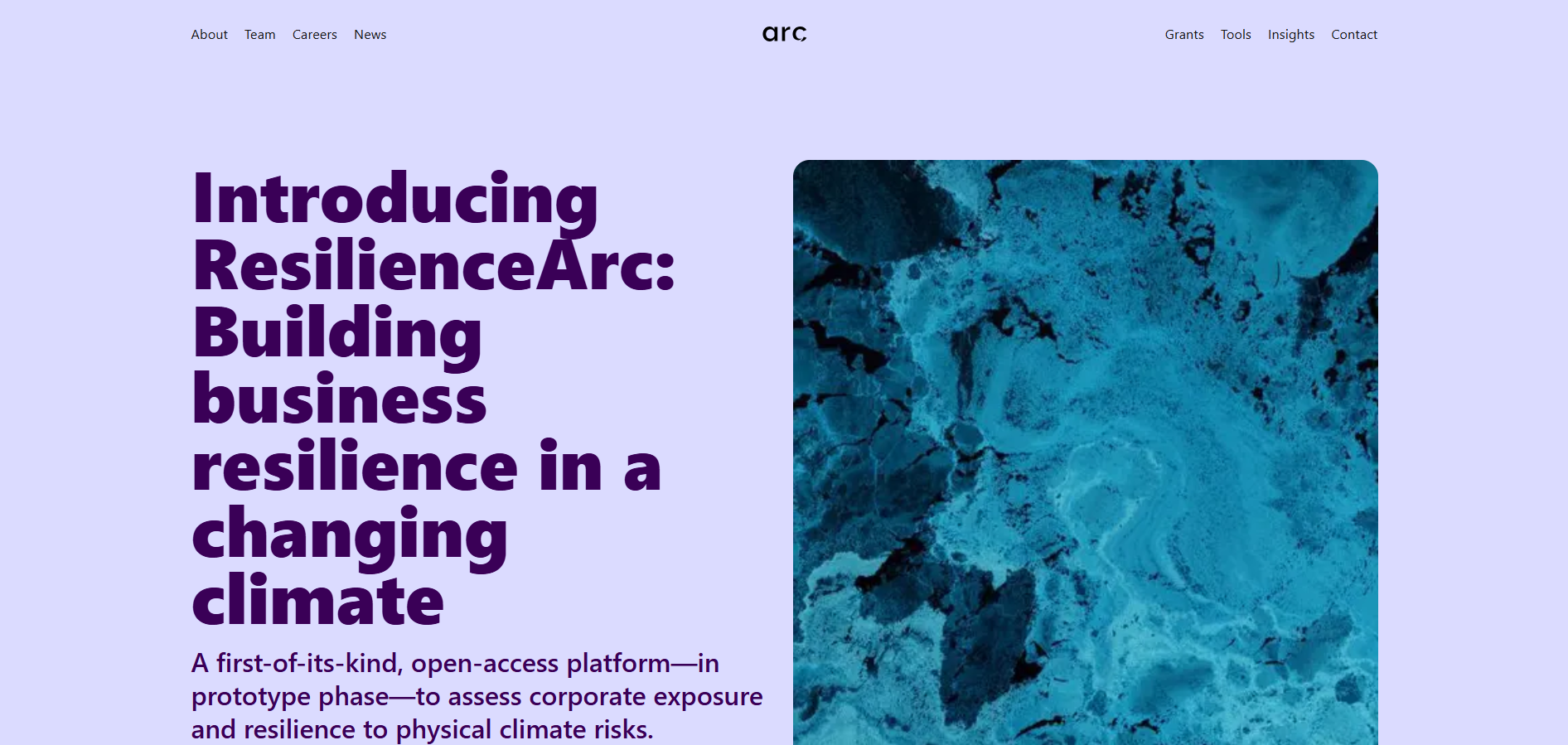
ResilienceArc
ResilienceArc is an open-access platform assessing corporate exposure and resilience to physical climate risks by linking asset-level data.
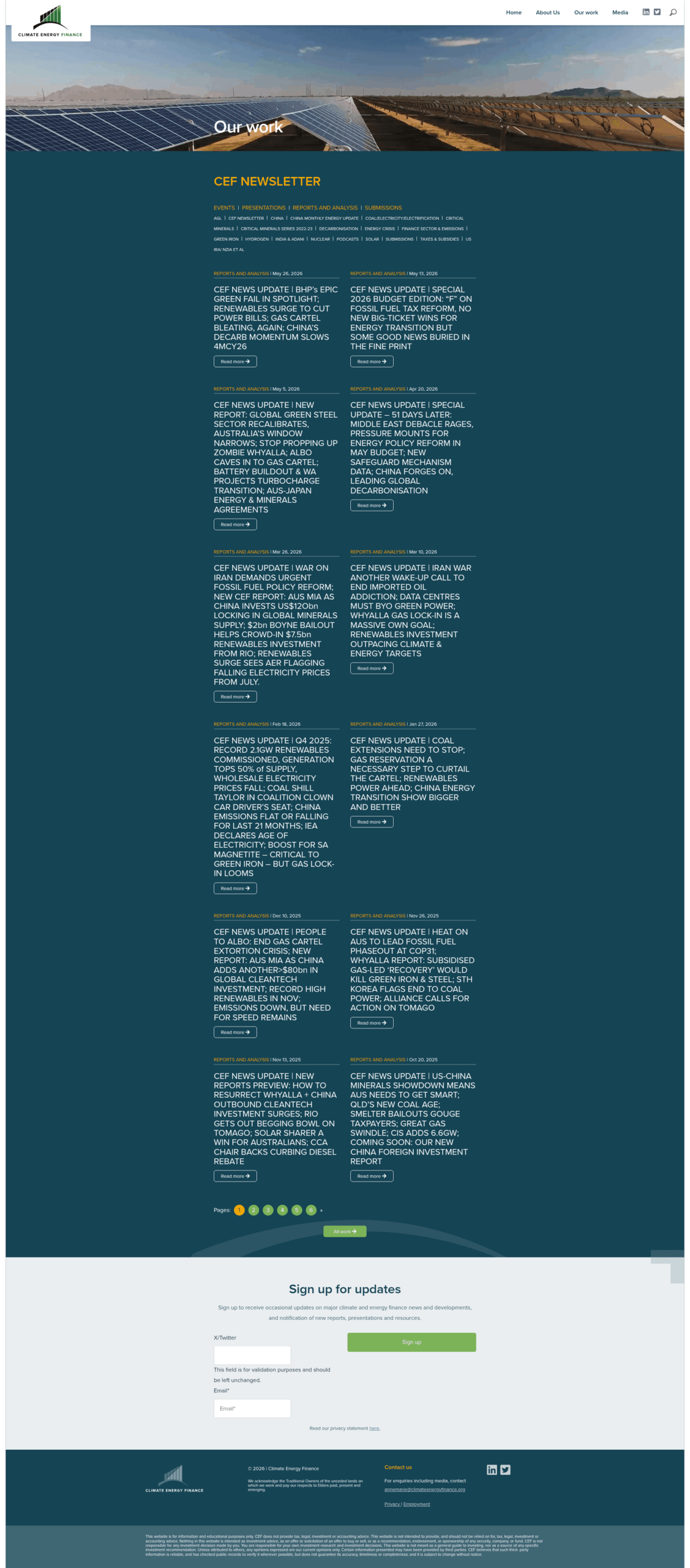
CEF Newsletter
The CEF Newsletter delivers updates and financial analysis on the global energy transition, renewable energy markets, and climate policy.
Navigating nature-related data: Metrics, sources and uses
This NGFS information note examines available nature-related data resources and methods for integrating them into financial risk assessment. It reviews metrics and indicators against five key criteria, presents four case studies, and identifies data quality, availability, and standardisation challenges. Public-private collaboration and targeted investment are recommended to address data gaps.

Driving Australian climate innovation: Unlocking capital to support a clean industrial revolution
Commissioned by IGCC and authored by Pollination, this report reviews climate innovation policy in California, Denmark, the Netherlands, South Korea and Germany to identify gaps in Australia's policy landscape and recommend measures to drive transition industry investment, including strengthening the Safeguard Mechanism and establishing a national industrial strategy.
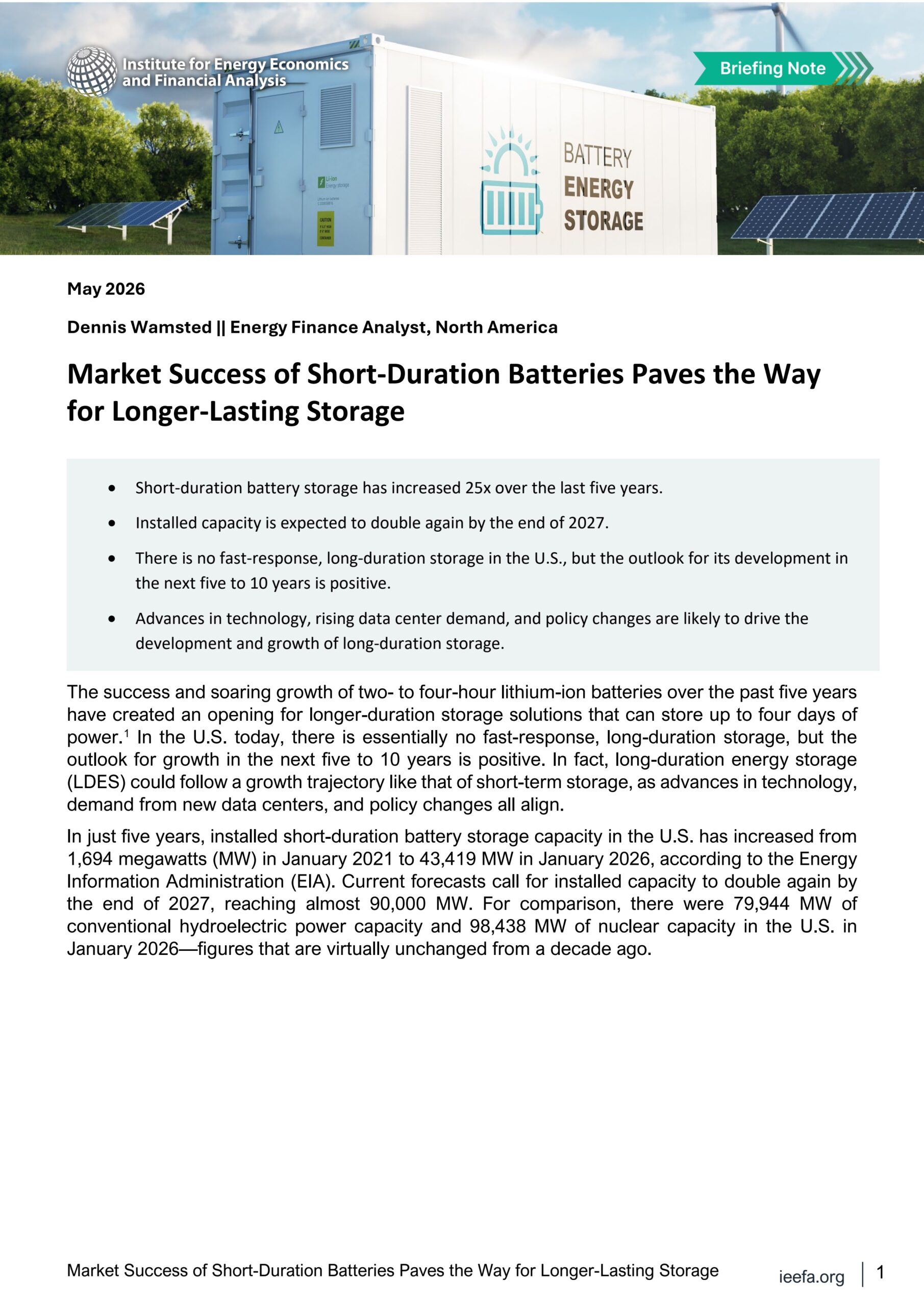
Market success of short-duration batteries paves the way for longer-lasting storage
Short-duration battery storage in the U.S. has grown 25x in five years, reaching 43,419 MW. This IEEFA report examines how that success is opening pathways for long-duration energy storage, driven by state mandates, data centre demand from AI companies, and advances in technologies including iron-air, liquid air, and carbon-oxygen systems.
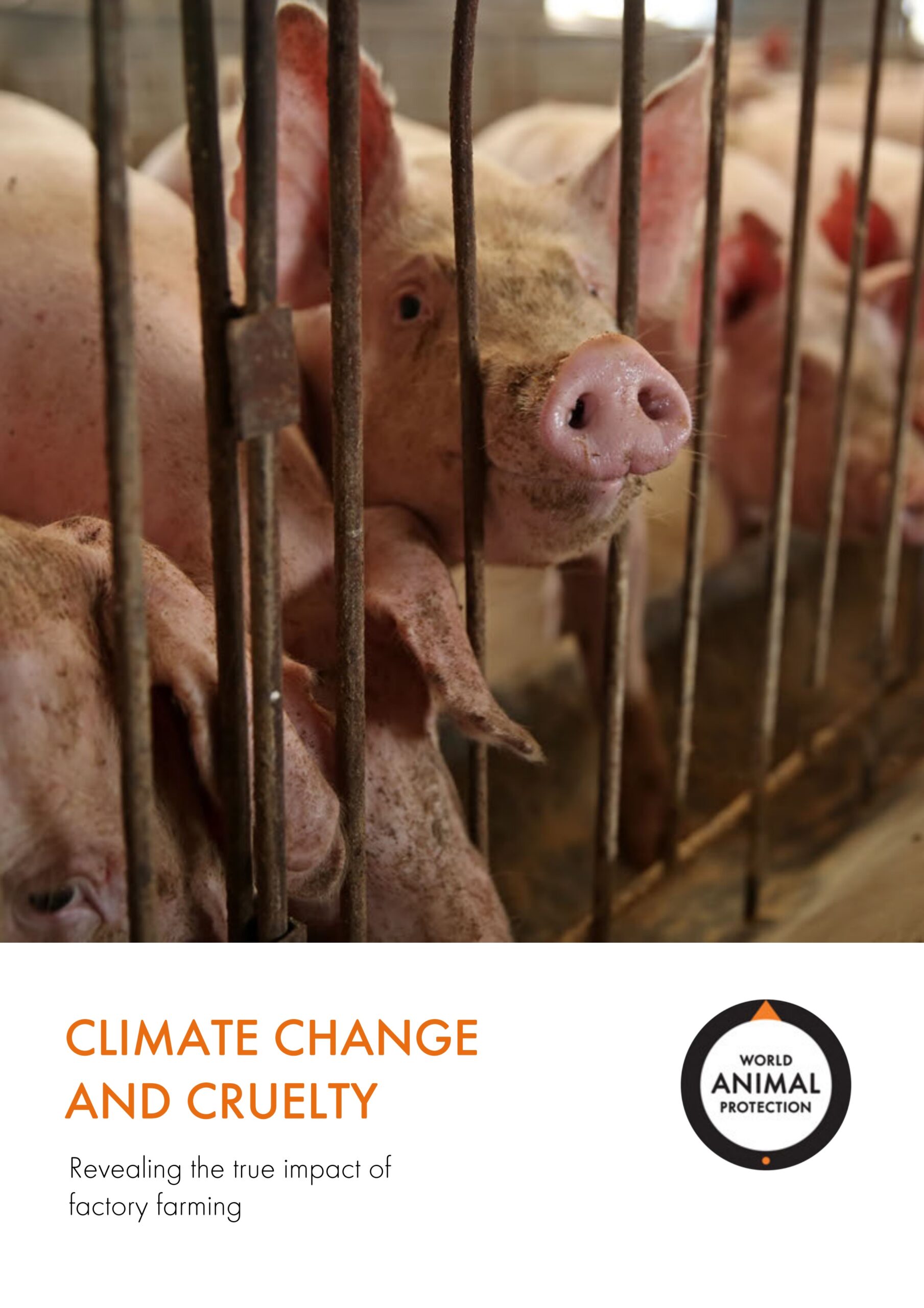
Climate change and cruelty: Revealing the true impact of factory farming
This World Animal Protection report examines the climate and environmental impacts of factory farming in Brazil, China, the USA and the Netherlands. It models scenarios for reduced meat consumption and higher welfare production, finding that eating less and better could halve the climate impacts of chicken and pork by 2040.
Don't mess with the ETS: Priorities for the upcoming EU emissions trading system revision
Carbon Market Watch presents a 10-point plan for improving the EU Emissions Trading System ahead of its upcoming revision. The report argues against weakening the cap, free allocation phase-out, or the Market Stability Reserve, and calls for expanded coverage of aviation, shipping, and biomass, alongside eliminating fossil fuel subsidies from ETS revenues.
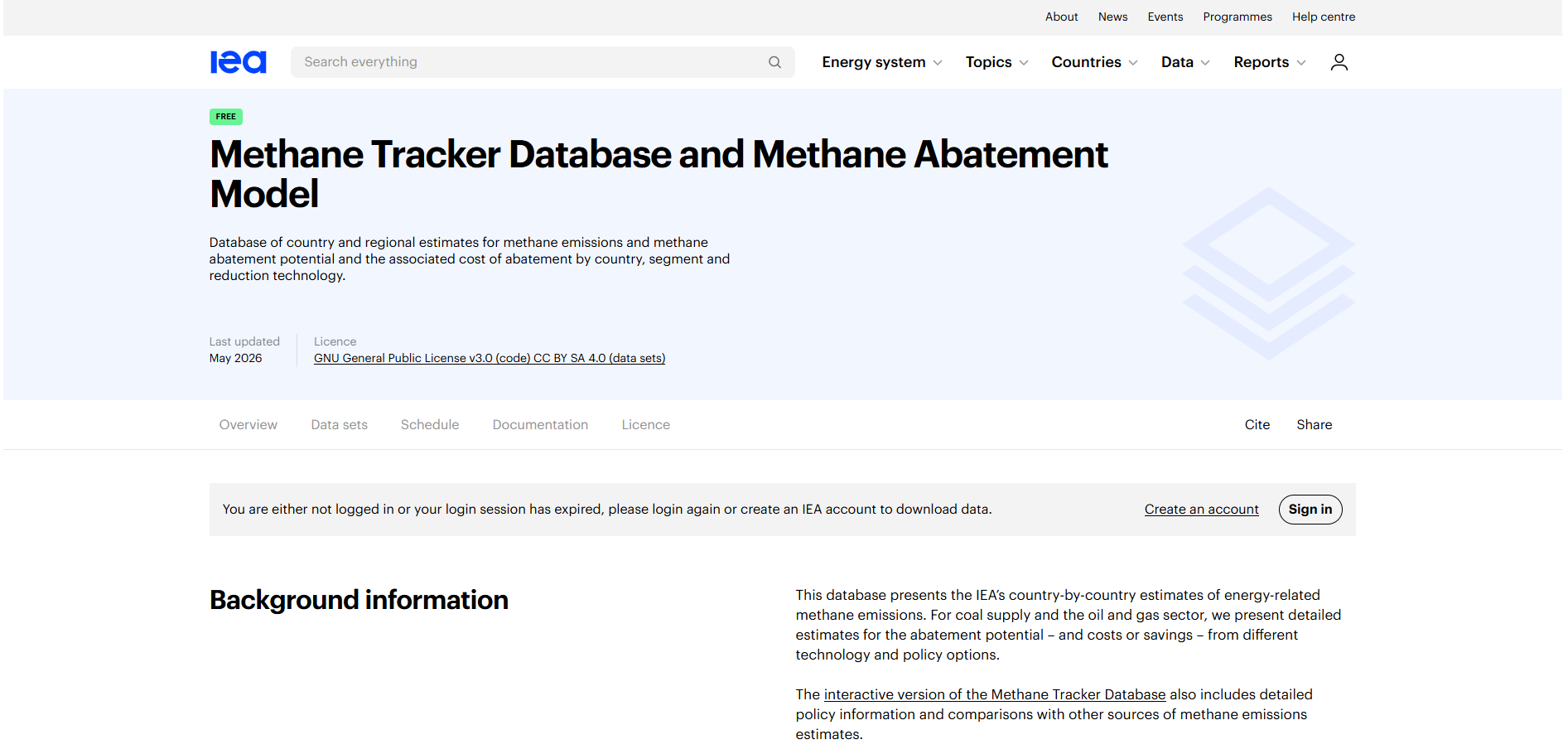
IEA Methane Tracker Data Tool
The IEA Methane Tracker Data Tool provides interactive, country-level methane emissions data and enhanced policy tracking across the energy sector.
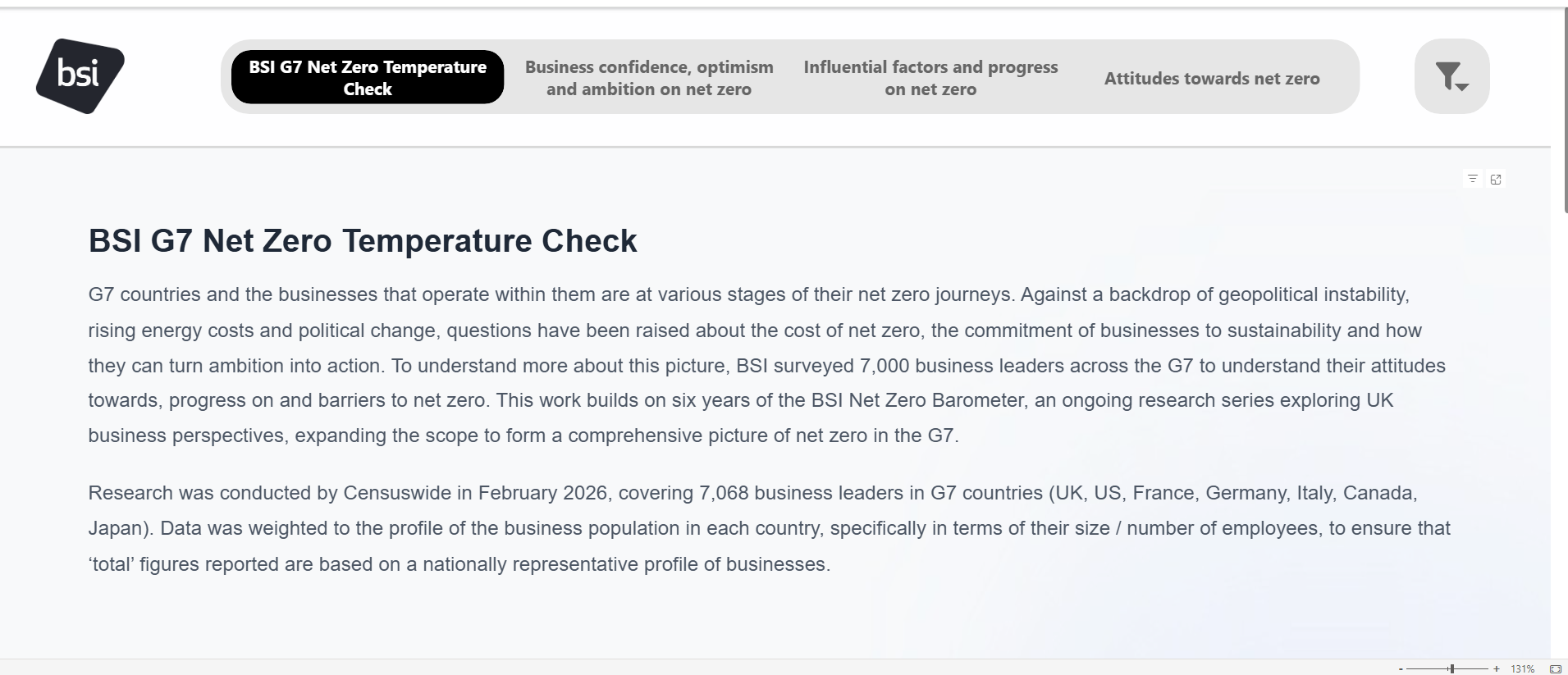
The G7 Net Zero Temperature Check
BSI's G7 Net Zero Temperature Check benchmarks corporate net zero progress across G7 nations, surveying over 7,000 business leaders on climate strategy and commitments.
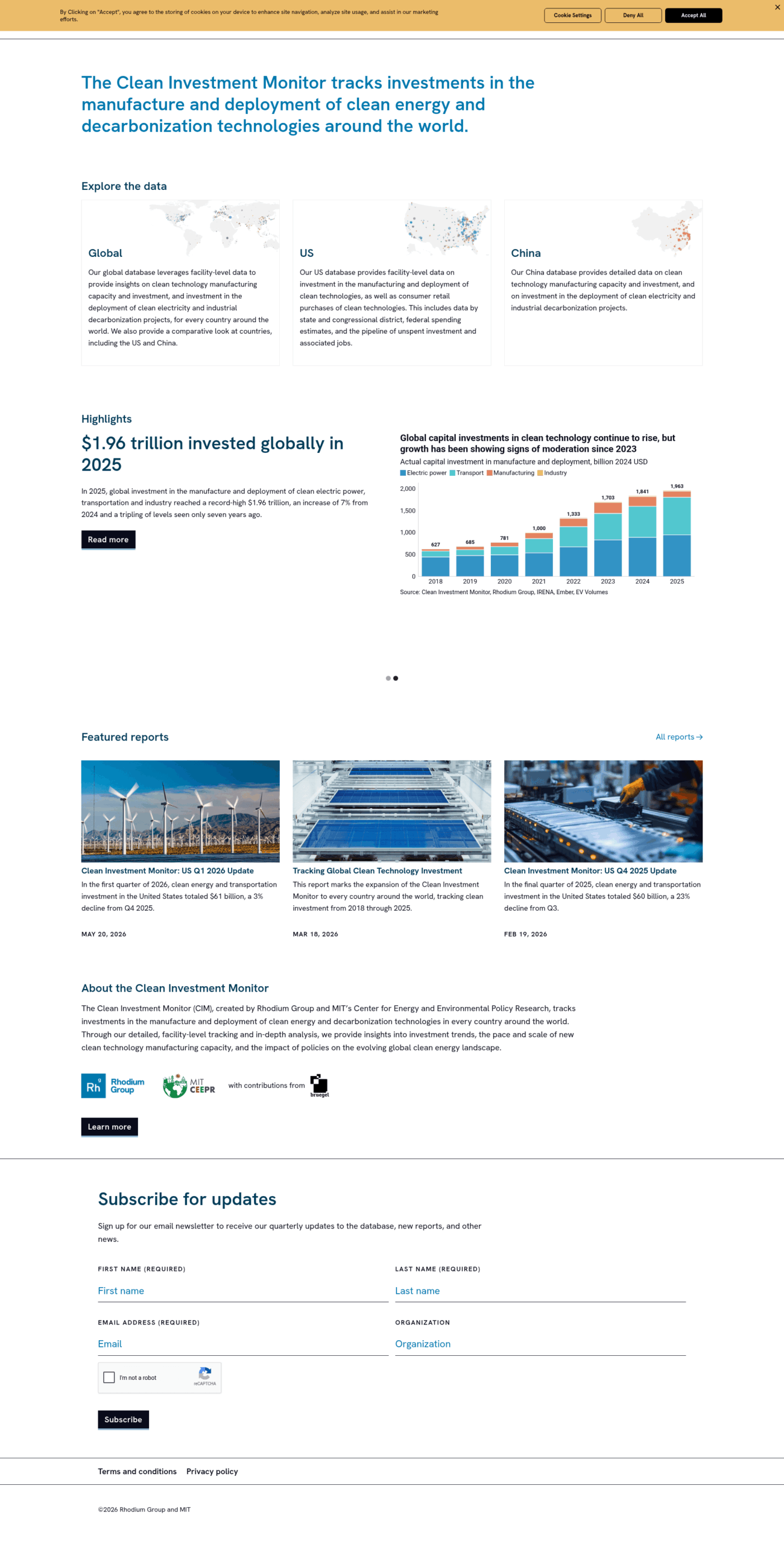
The Clean Investment Monitor
Tracks global investment in clean energy and decarbonisation technologies using facility-level data, covering the US, China, and all countries worldwide.


