
Library | ESG issues
Energy Solutions & Decarbonisation
Energy solutions and decarbonisation refer to strategies and technologies that reduce carbon emissions while ensuring reliable and sustainable energy supply. This includes renewable energy sources like wind, solar, and hydropower, energy efficiency measures, electrification, carbon capture, and clean energy innovations. Decarbonisation is essential for mitigating climate change, enhancing energy security, and transitioning industries toward low-carbon operations.



Refine
450 results
REFINE
SHOW: 16



Sustainable Finance Roundup January 2026: Geopolitics, Energy Transitions, and Systemic Risk
This month’s sustainable finance article roundup examines a landscape increasingly shaped by geopolitics and climate risk, as near-term fragmentation, energy security, and affordability pressures collide with intensifying long-term threats from climate change, biodiversity loss, and water stress. The works featured analyse how these dynamics are reshaping capital allocation, disclosure, and resilience planning, demonstrating the growing need for sustainable finance to integrate geopolitical risk with real-economy transition.
Corporate climate responsibility monitor series
The Corporate Climate Responsibility Monitor is a recurring research series that independently assesses the transparency, integrity and credibility of corporate climate strategies. It evaluates how major global companies set, disclose and implement emission reduction targets, using a consistent methodology to enable year-on-year comparison across sectors.
Global landscape of climate finance series
The Global Landscape of Climate Finance is a benchmark series by Climate Policy Initiative that tracks global climate finance flows, examining the sources, financial instruments, sectors, uses and geographic distribution of public and private investment supporting climate mitigation, adaptation and resilience.
10 New insights in climate science series
The 10 New Insights in Climate Science is an annual series that synthesises recent peer-reviewed climate research across natural and social sciences. It provides a concise, policy-relevant overview of emerging scientific developments to inform decision-makers, practitioners, and stakeholders engaged in climate policy, finance, and governance.
Benchmarking impact: Australian impact investor insights activity and performance series
Benchmarking Impact is a benchmark series that provides a structured, recurring assessment of Australia’s impact investing market. It examines investor activity, market practices, and product development to support comparability over time and inform understanding of how impact investing is evolving across the financial system.
State of supply chain sustainability series
The State of Supply Chain Sustainability is an annual benchmark series that examines how organisations define, govern, and implement environmental and social sustainability across global supply chains. It provides a consistent research framework to track evolving practices, pressures, and management approaches over time.
Peoples' climate vote series
The Peoples’ Climate Vote is a global survey series capturing public perspectives on climate change, policy priorities and collective action. Led by international institutions, it provides a consistent framework to understand how people experience climate impacts and how they expect governments, businesses and global actors to respond.
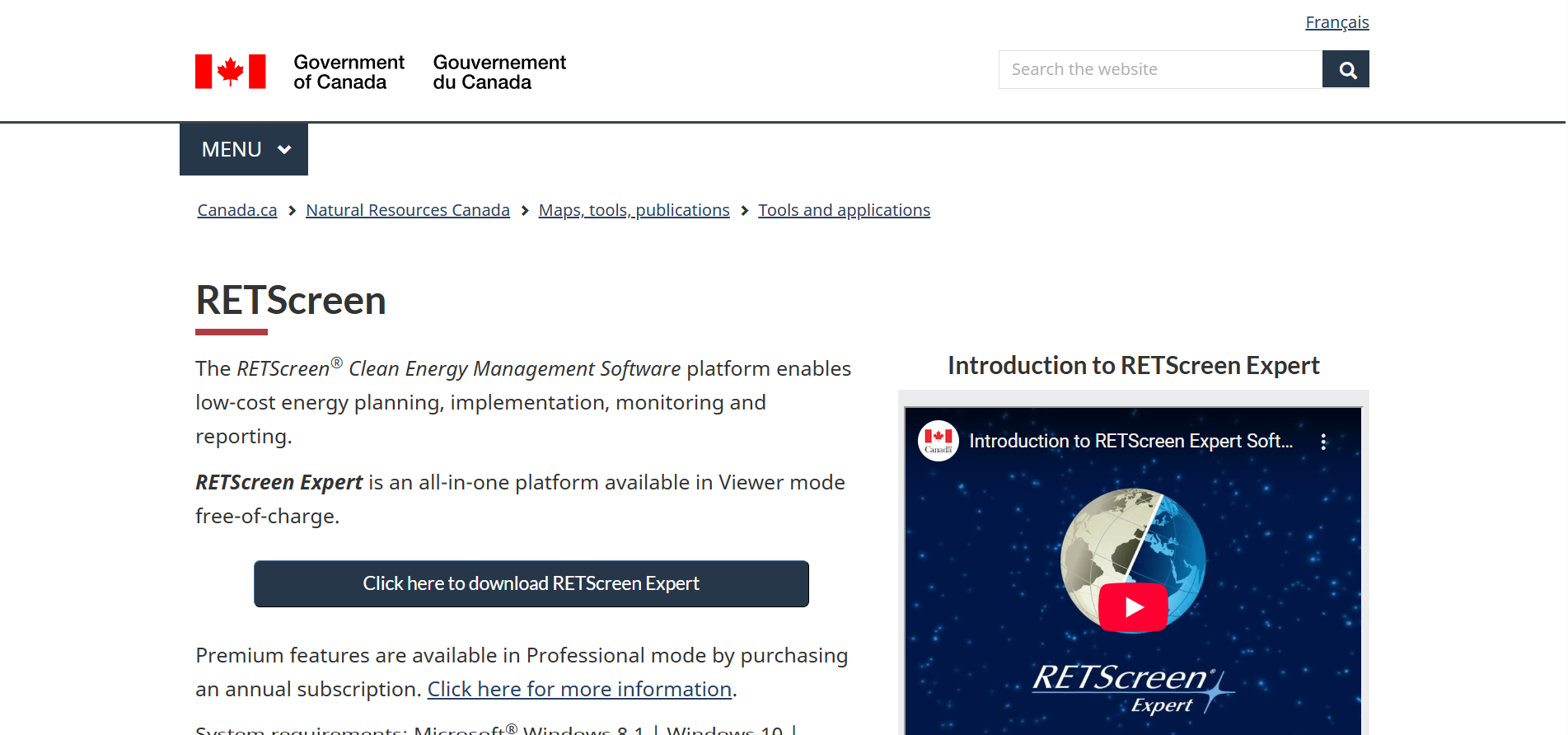
RETScreen
RETScreen is a clean energy management software developed by Natural Resources Canada to assess renewable energy and energy efficiency projects. It supports feasibility analysis, financial evaluation, energy performance tracking and greenhouse gas emissions analysis using integrated global climate, cost and benchmark datasets.

Natural Resources Canada (NRCan)
Natural Resources Canada (NRCan) is a federal department advancing sustainable development of Canada’s energy, minerals, forests and earth sciences. It delivers research, data, policy and tools on climate change, clean energy, critical minerals and resource efficiency, supporting evidence-based decision-making by governments, industry and the public across domestic and international contexts.
TransitionArc
TransitionArc is a public-facing platform that aggregates leading corporate climate transition data and analysis, enabling comparison of companies’ progress on science-aligned targets and disclosure metrics to support investment, engagement and policy decisions. It streamlines disparate assessments into a coherent view of corporate transition performance
Climate transition and global financial stability
This literature review assesses evidence on how delayed, failed or uneven climate transitions affect UK and global financial stability. It finds intensifying physical and transition risks, potential mispricing and spillovers, and significant uncertainty, highlighting EMDE transitions as central to managing systemic financial risk.
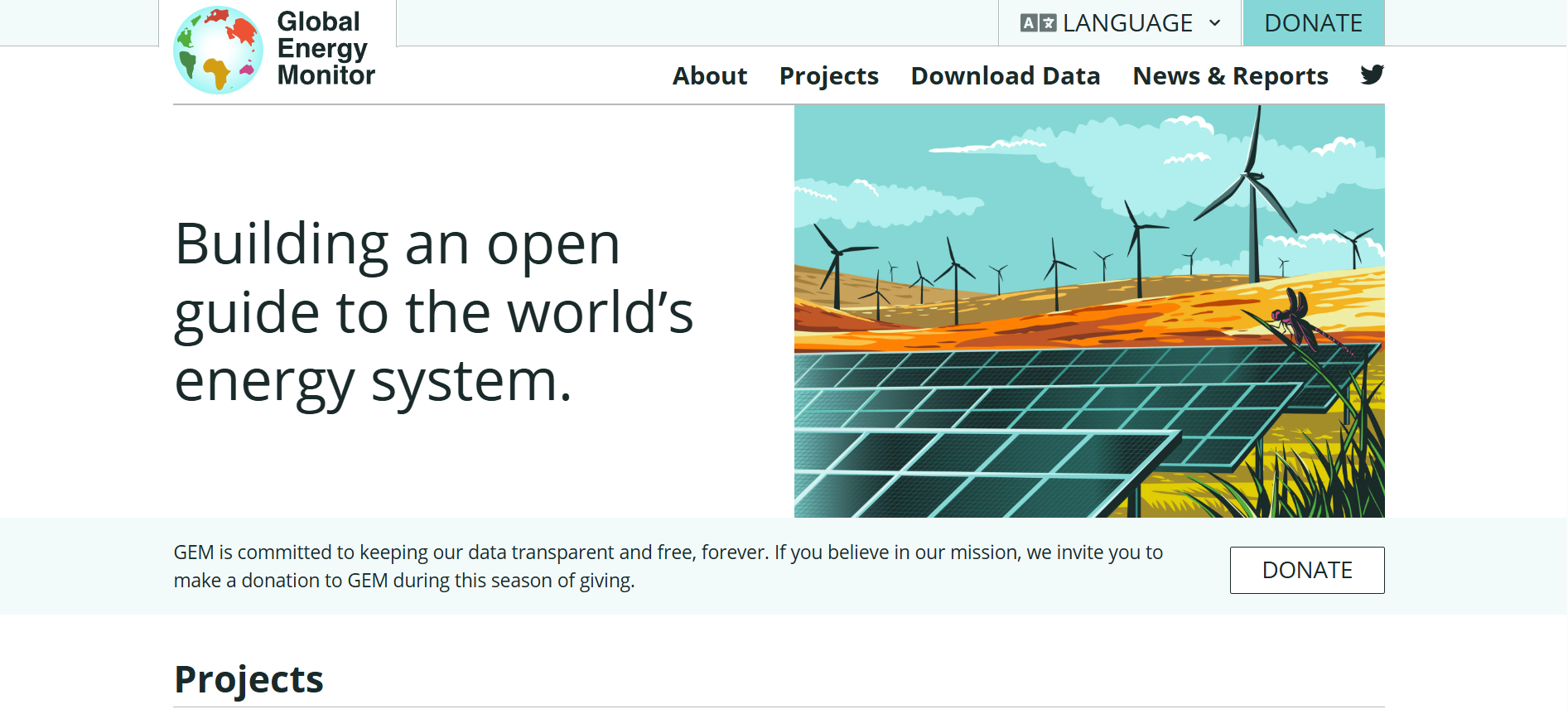
Global Energy Monitor
Global Energy Monitor is an open-access research database that compiles and analyses global energy infrastructure data, including fossil fuel and renewable projects, via interactive tools, maps and downloadable datasets to support informed analysis of energy trends and ownership structures.
Paris Agreement Capital Transition Assessment
PACTA for Banks is a free, open-source climate scenario analysis toolkit that enables banks to assess how well their corporate lending portfolios align with climate scenarios, using sector and asset-level data to inform lending strategy and climate target-setting.
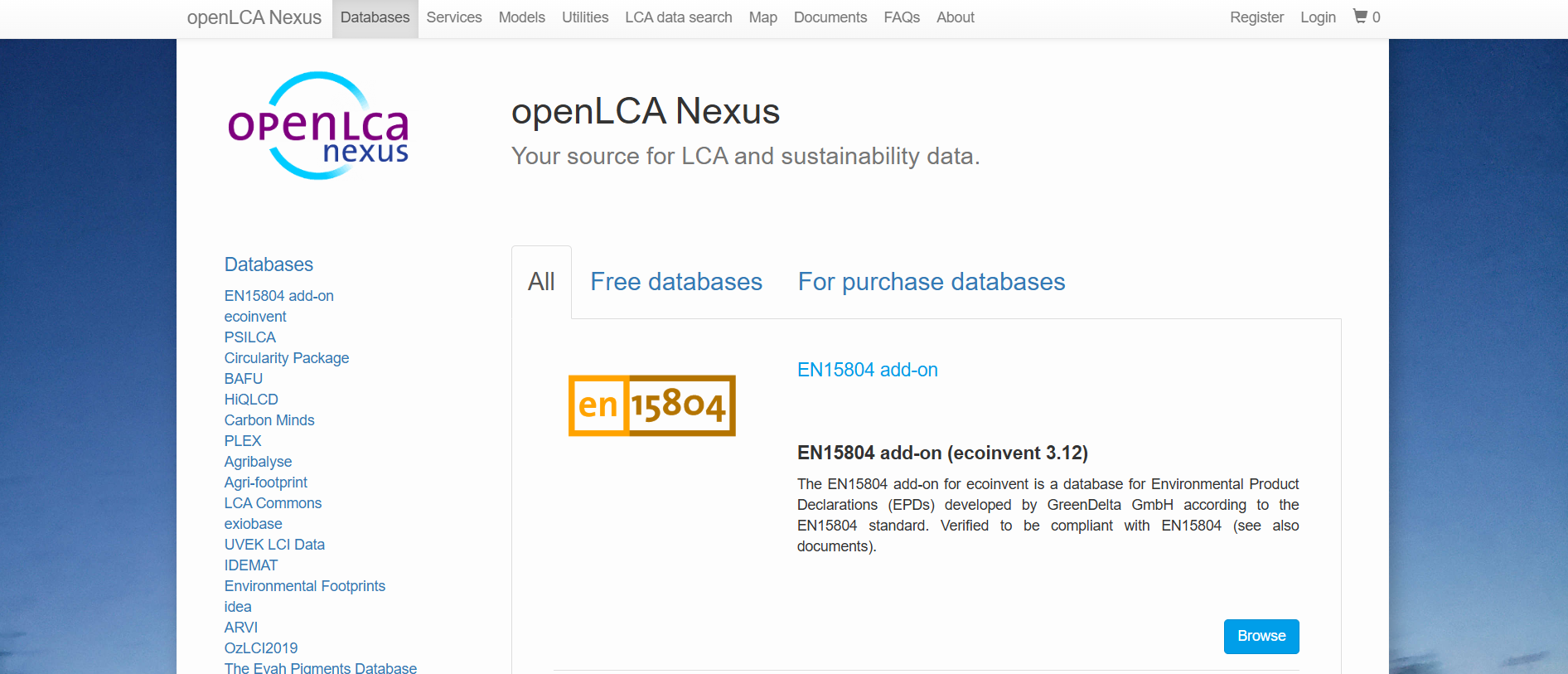
openLCA Nexus
openLCA Nexus is an online repository providing access to life cycle assessment databases for environmental and sustainability analysis. It hosts free and licensed datasets from multiple providers, covering energy, materials, agriculture, transport and waste, designed for use within the openLCA software environment.
OS-Climate: Transition Analysis
OS-Climate Transition Analysis is an open-source scenario-modelling tool that simulates economic, energy and climate system interactions. It supports assessment of transition risks, technology pathways and investment trade-offs under alternative decarbonisation scenarios for financial and strategic analysis.
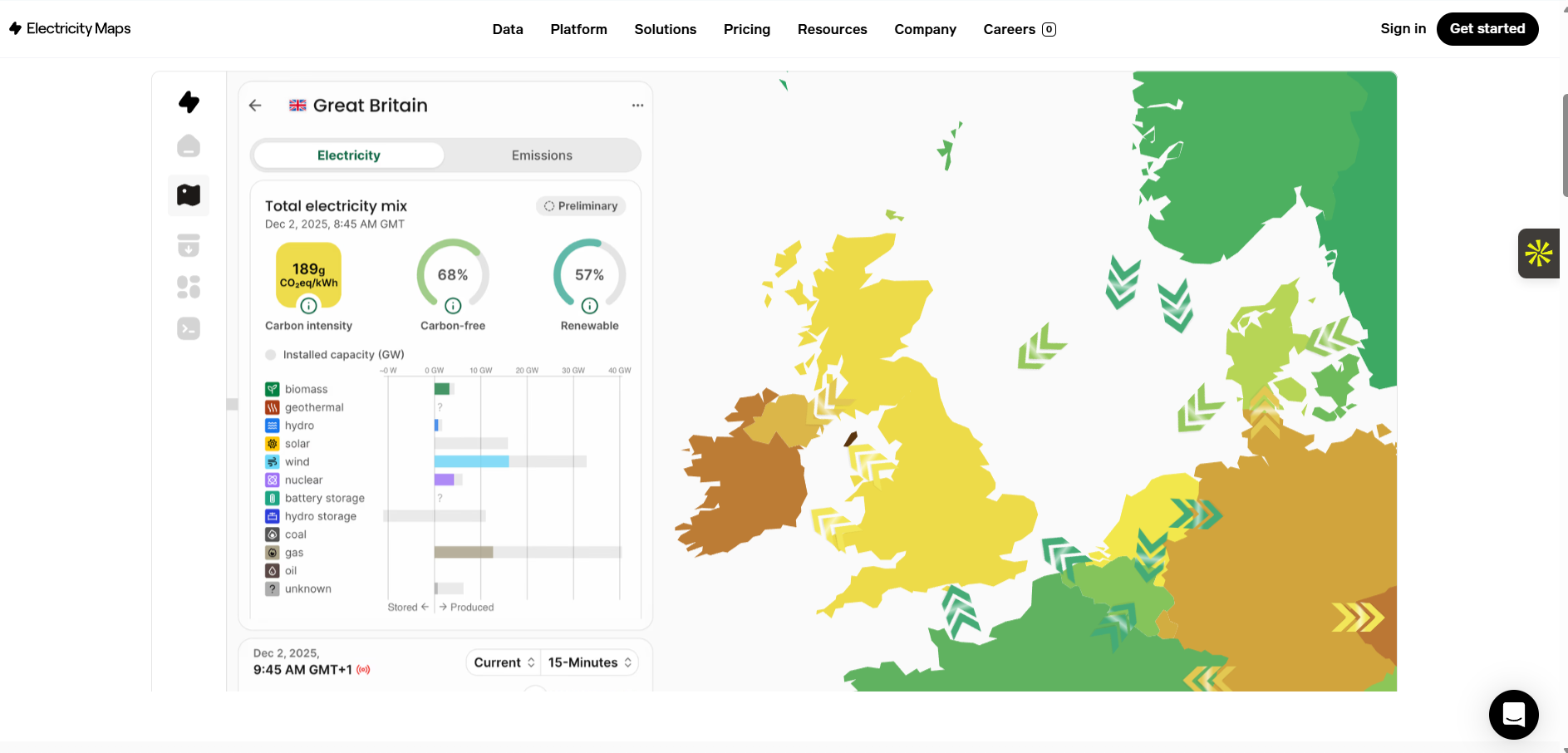
Electricity Maps
Electricity Maps is a global electricity data platform offering historical, real-time and forecasted information on generation mix, carbon intensity, prices and flows via interactive maps and an API. It supports integration into applications for sustainability insights, carbon accounting and energy analysis across regions worldwide.


