
Library | ESG issues
Greenhouse Gas Emissions
Greenhouse Gas (GHG) Emissions, including carbon dioxide and methane, trap heat in the atmosphere and drive climate change. Reducing emissions is vital to mitigating global warming risks and aligning with climate targets like the Paris Agreement, influencing long-term corporate and investment strategies.

Refine
519 results
REFINE
SHOW: 16


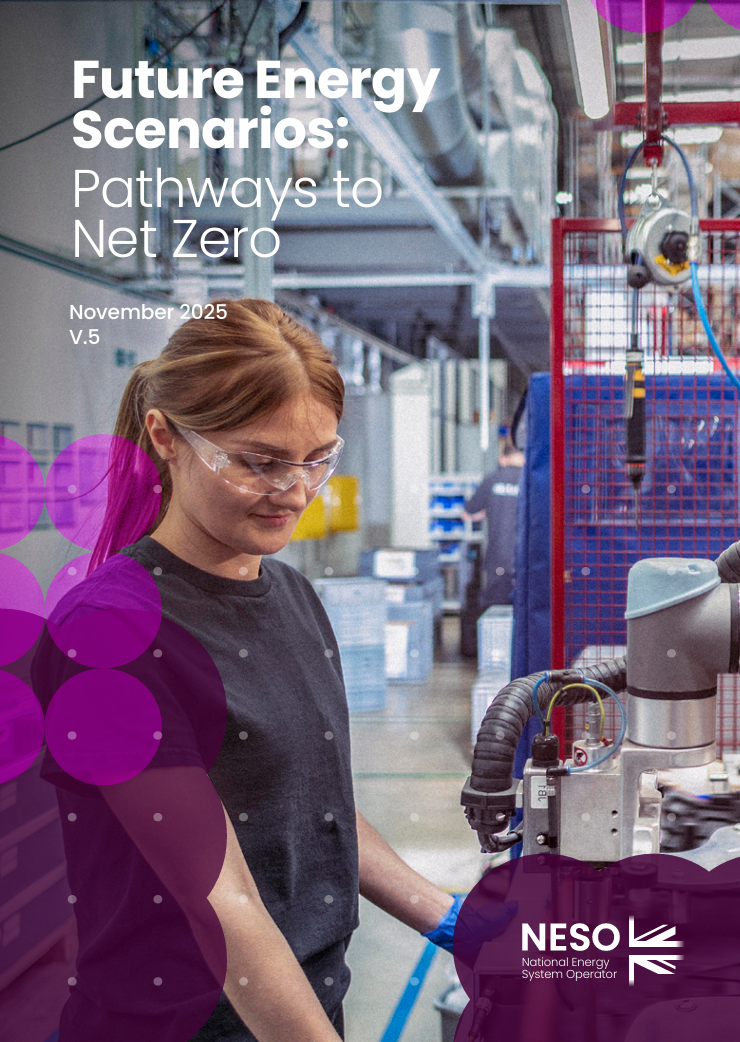
Future energy scenarios: Pathways to Net Zero
Future Energy Scenarios 2025 provides independent pathways for Great Britain’s energy system to reach net zero by 2050. It models demand, supply, flexibility and emissions across electricity, gas and hydrogen, assessing costs, infrastructure needs, carbon budgets and policy choices under varying levels of electrification, hydrogen deployment and consumer engagement.
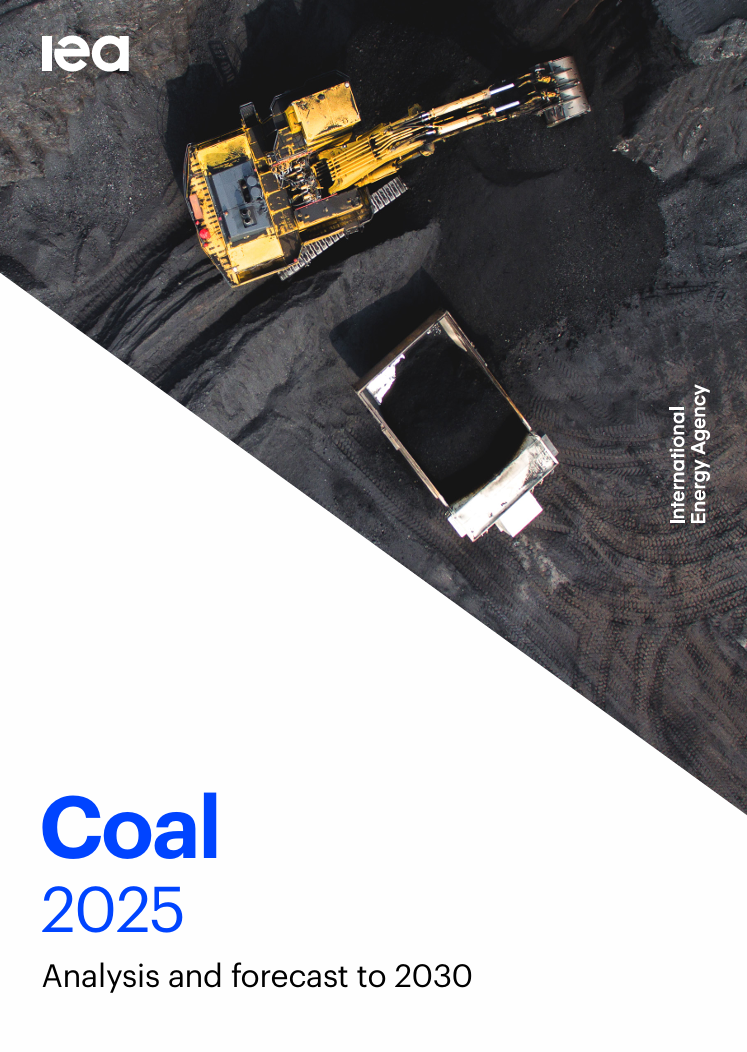
Coal 2025: Analysis and forecast to 2030
This report analyses global coal supply, demand, trade and prices to 2030. It assesses regional consumption trends across power and industry, production outlooks for major exporters, policy and decarbonisation impacts, and market risks. Forecasts highlight shifting Asian demand, plateauing global use, and implications for investment and energy security.
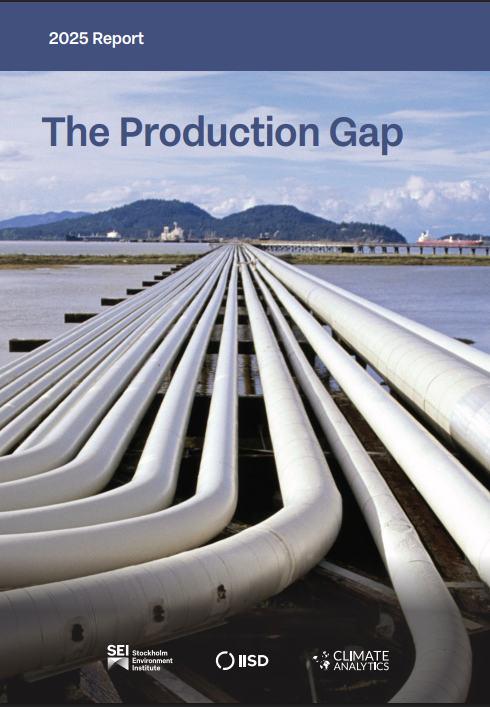
The production gap series
This benchmark series examines the gap between governments’ planned fossil fuel production and pathways consistent with international climate goals. It assesses alignment with temperature limits by reviewing national production plans and policy signals, providing a consistent framework to track progress and comparability across editions.
China sustainable investment review series
The China Sustainable Investment Review is a recurring research series that provides a structured overview of the development of China’s sustainable investment market. It examines policy evolution, market practices, product types, and ESG integration across financial institutions using publicly available information.
The MSCI sustainability institute net-zero tracker series
The MSCI Sustainability Institute Net-Zero Tracker is a periodic benchmark series that monitors how listed companies align with global climate goals. It provides a consistent framework for assessing emissions pathways, transition readiness, disclosure practices and climate-related investment context across markets and sectors.
Climate change & the engagement gap: Why investors must do more than move the needle, and how they can
This report argues that climate change poses systemic risks to diversified portfolios and that conventional ESG engagement is insufficient. It proposes investor-led, enterprise-agnostic “guardrails” to limit greenhouse gas emissions, protect overall economic value, and complement inadequate regulation.
Net zero: A practical guide for cooling businesses
This guideline provides practical guidance for cooling manufacturers to achieve Net Zero by 2050, outlining emissions hotspots, regulatory drivers and decarbonisation levers across Scopes 1–3, with emphasis on efficiency, low-GWP refrigerants, value-chain collaboration and science-based targets.
China Sustainable Investment Forum
China Sustainable Investment Forum (China SIF) is a non-profit platform promoting sustainable finance and responsible investment in China.China SIF convenes investors, policymakers and researchers, producing ESG research, trend reports and high-profile events to advance environmental, social and governance practices in financial markets.

Carbon Trust
Carbon Trust is a global climate consultancy and not-for-profit organisation supporting businesses, governments and investors to reduce carbon emissions. It provides research, advisory services and certification on net zero, energy efficiency and sustainable supply chains, helping accelerate the transition to a low-carbon economy through practical tools, insights and policy engagement.

We can’t ignore the largest source of methane
This article argues the global food system is the largest source of human-caused methane and deserves far more policy and funding attention. It maps key emission “hot spots”—ruminant livestock, food waste in landfills, biomass burning, and flooded rice fields—and outlines practical mitigation options from dietary shifts to landfill capture and improved rice management.

State of the sovereign transition series
An assessment of 85 countries against the ASCOR framework, evaluating sovereign climate performance across emissions pathways, climate policies, and finance to inform investor decision-making and engagement.
Transition forecast series
This benchmark series presents forward-looking assessments of global energy, land use and nature transitions. It consolidates expert judgement with structured policy tracking to outline plausible transition pathways across major economies, supporting investors and financial institutions in scenario analysis, risk assessment and strategic planning.

Energy Transition Advisers (ETA)
ET Advisors is a sustainability and climate advisory firm supporting investors, corporates and financial institutions. It provides research-led advice on climate transition, ESG strategy, sustainable finance and long-term value creation, helping organisations manage risk and align with global sustainability and net zero goals.
Indicators of global climate change 2024: Annual update of key indicators of the state of the climate system and human influence series
This series provides annual, peer-reviewed updates on key indicators of the global climate system and human influence. It tracks developments between IPCC assessment cycles, using consistent methods to support comparability, transparency, and evidence-based decision-making for policy and finance audiences.
Net 0 Tracker
Net Zero Tracker is a publicly accessible database tracking net zero targets and progress of countries, regions, cities and companies. It standardises information on pledges, legal status and implementation, supporting comparison, accountability and evidence-based analysis of climate commitments.
Global carbon budget series
The Global Carbon Budget is a recurring research series that synthesises global data on carbon dioxide sources and sinks. It provides a consistent framework for tracking emissions, atmospheric concentrations, and carbon uptake across land and oceans, supporting analysis of climate system dynamics and policy-relevant assessment over time.


