
Library | ESG issues
Greenhouse Gas Emissions
Greenhouse Gas (GHG) Emissions, including carbon dioxide and methane, trap heat in the atmosphere and drive climate change. Reducing emissions is vital to mitigating global warming risks and aligning with climate targets like the Paris Agreement, influencing long-term corporate and investment strategies.

Refine
519 results
REFINE
SHOW: 16


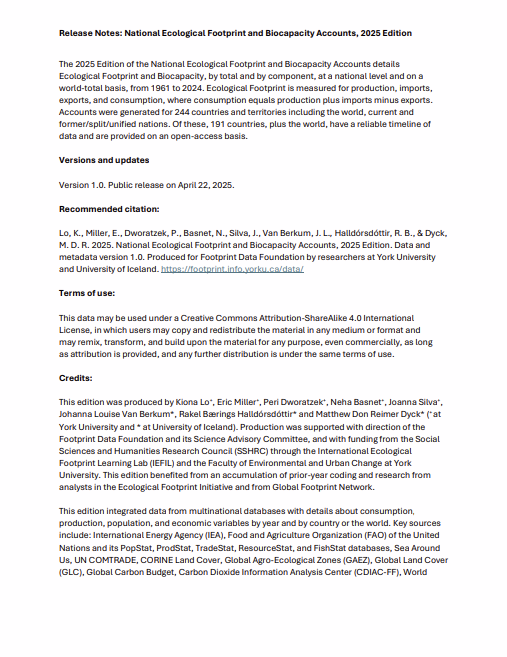
National ecological footprint and biocapacity accounts series
This series provides consistent national and global accounts of ecological footprint and biocapacity, tracking resource demand and regenerative capacity over time. It supports comparative analysis across countries and years, using harmonised methods and internationally sourced data to inform sustainability assessment and policy analysis.
Sustainability disclosure landscape report for risk management: Insights from climate-focused case studies
This report reviews sustainability disclosure standards and regulatory uptake, focusing on climate-related risk management. Using case studies, it examines IFRS S1 and S2 implementation, materiality assessments and transition plans, highlighting disclosure gaps, data challenges and practical approaches to improve decision-useful climate risk reporting.

IFRS S2: Climate-related disclosures
IFRS S2 sets mandatory climate-related disclosure requirements for entities, covering governance, strategy, risk management, and metrics and targets. It integrates TCFD recommendations and SASB guidance to improve consistency, comparability and decision-useful information for users of general purpose financial reports.
AASB S2: Climate-related disclosures
AASB S2 establishes mandatory climate-related financial disclosure requirements for Australian entities, aligned with IFRS S2. It requires reporting on governance, strategy, risk management, and metrics and targets, including greenhouse gas emissions, where climate risks and opportunities may affect cash flows, access to finance, or cost of capital.
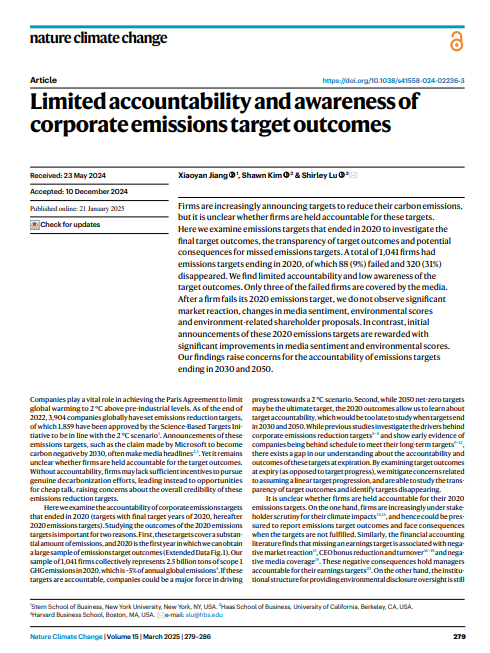
Limited accountability and awareness of corporate emissions target outcomes
The study analyses 1,041 corporate emissions targets ending in 2020, finding limited accountability. Thirty-one per cent of targets disappeared and 9% failed, with minimal disclosure, media attention or market penalties. By contrast, target announcements improved media sentiment and ESG scores, raising concerns for future climate targets.
Net Zero Asset Managers' target disclosures series
The Net Zero Asset Managers Target Disclosures is a reporting series that tracks how participating asset managers set, disclose, and update net zero targets over time. It provides a consistent, initiative-wide view of commitments, disclosure practices, governance arrangements, and methodological approaches across reporting years.
Net Zero Asset Managers Initiative (NZAM)
Net Zero Asset Managers Initiative (NZAM) is a global investor initiative supporting asset managers committed to net zero greenhouse gas emissions. NZAM provides guidance, accountability frameworks, and public target disclosures, helping align investment portfolios with climate goals and support the transition to a net zero economy across global financial markets.

Sustainable Finance Roundup January 2026: Geopolitics, Energy Transitions, and Systemic Risk
This month’s sustainable finance article roundup examines a landscape increasingly shaped by geopolitics and climate risk, as near-term fragmentation, energy security, and affordability pressures collide with intensifying long-term threats from climate change, biodiversity loss, and water stress. The works featured analyse how these dynamics are reshaping capital allocation, disclosure, and resilience planning, demonstrating the growing need for sustainable finance to integrate geopolitical risk with real-economy transition.
Corporate climate responsibility monitor series
The Corporate Climate Responsibility Monitor is a recurring research series that independently assesses the transparency, integrity and credibility of corporate climate strategies. It evaluates how major global companies set, disclose and implement emission reduction targets, using a consistent methodology to enable year-on-year comparison across sectors.
Global landscape of climate finance series
The Global Landscape of Climate Finance is a benchmark series by Climate Policy Initiative that tracks global climate finance flows, examining the sources, financial instruments, sectors, uses and geographic distribution of public and private investment supporting climate mitigation, adaptation and resilience.
10 New insights in climate science series
The 10 New Insights in Climate Science is an annual series that synthesises recent peer-reviewed climate research across natural and social sciences. It provides a concise, policy-relevant overview of emerging scientific developments to inform decision-makers, practitioners, and stakeholders engaged in climate policy, finance, and governance.
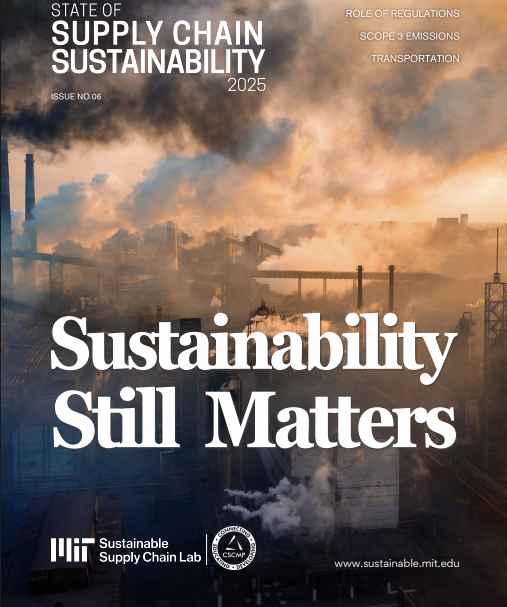
State of supply chain sustainability series
The State of Supply Chain Sustainability is an annual benchmark series that examines how organisations define, govern, and implement environmental and social sustainability across global supply chains. It provides a consistent research framework to track evolving practices, pressures, and management approaches over time.

Voices of Aotearoa: Demand for ethical investment in New Zealand series
This annual research series examines public attitudes, expectations and behaviours relating to ethical, responsible and impact investing in New Zealand. It tracks how consumers engage with investment choices, transparency, fund practices and adviser interactions, providing a consistent evidence base to monitor evolving demand over time.

Carbon Market Watch
Carbon Market Watch is an independent climate policy NGO focused on carbon markets, offsets and climate finance integrity. It monitors EU and global climate policies, produces research and policy analysis, and advocates for robust carbon market rules that protect environmental integrity, human rights and ambition across voluntary and compliance systems.
World Climate Research Programme (WCRP)
World Climate Research Programme (WCRP) is an international initiative advancing climate science and Earth system understanding. It coordinates global research on climate variability, change, extremes and predictability, producing authoritative reports, data and science events that inform policy, risk assessment and climate-resilient decision-making worldwide across sectors and regions for society globally.
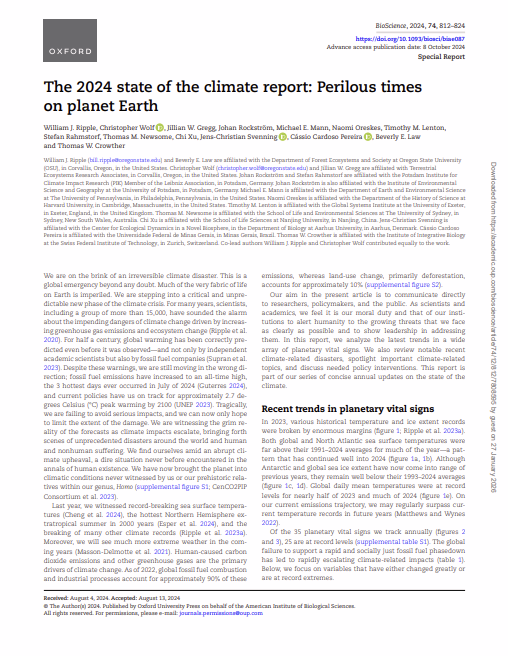
The state of the climate series
This benchmark series provides concise annual assessments of the global climate, using consistent scientific indicators to monitor environmental conditions, human pressures, and system responses. It is designed to support structured analysis and comparison over time for researchers, policymakers, and finance and sustainability professionals.


