
Library | ESG issues
Social
The social pillar in ESG (environmental, social, and governance) assesses a organisation’s impact on people and society. It covers labour practices, diversity and inclusion, human rights and community engagement. Prioritising social responsibility not only benefits society but also mitigates risks, strengthens reputation, and creates long-term value for businesses and investors.
Refine
1119 results
REFINE
SHOW: 16


Walk Free
Walk Free is an international human rights group focussed on the eradication of modern slavery, in all its forms, in our lifetime. Their international team, ranges from statisticians, criminologists, lawyers, and international development experts, working to create and agitate for mass systems change, to address the root causes of slavery.
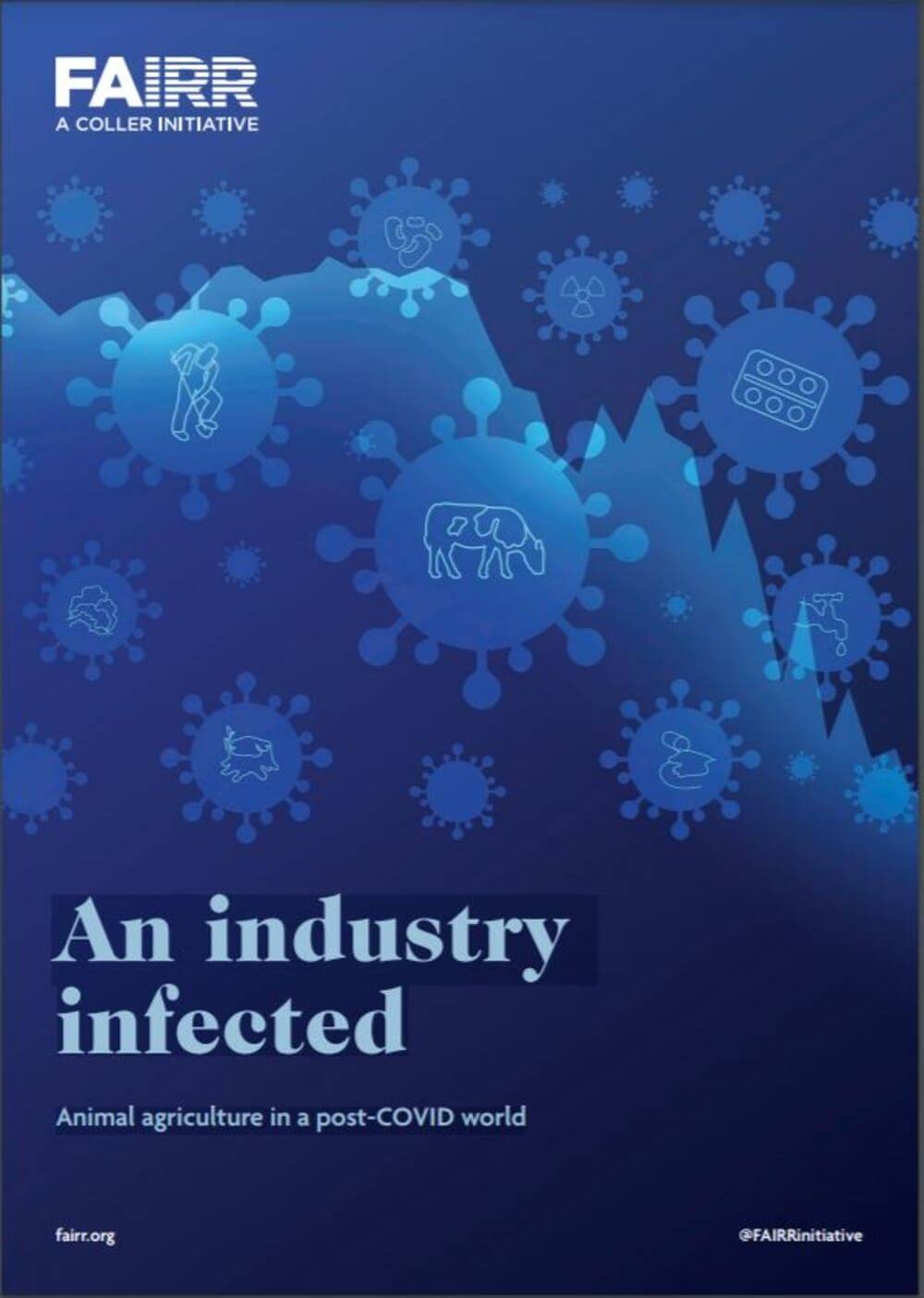
An industry infected: Animal agriculture in a post-COVID world
In light of COVID-19, this report explores the growing concerns that the animal protein industry is vulnerable to fostering diseases, supply-chain bottlenecks, and food safety issues. FAIRR promotes the Coller FAIRR Protein Producer Index, a tool for investors to analyse how companies address animal welfare, and worker and food safety.

Mental health and employers: Refreshing the case for investment
This report analyses the impact of mental health in the workplace. It examines the increasing prevalence and costs to employers of poor mental health among their employees, the actual mental health issues arising and their causes, as well as interventions employers can take and which provide financial return.

Investor toolkit: An investor focus on Indigenous Peoples' rights and cultural heritage protection
This toolkit guides investors on how to assess a company’s relationship with Indigenous stakeholders and its respect for their cultural heritage. The toolkit explains the impact of those issues on long-term financial value before providing detailed guidance on what investors should look for in a company's disclosure and engagement practices.

Rainforest Action Network
Rainforest Action Network (RAN) preserves forests, protects the climate and upholds human rights by challenging corporate power and systemic injustice through frontline partnerships and strategic campaigns. RAN campaigns to stop deforestation, defund climate change and support grassroots movements and affected communities.

Indigenous Environmental Network
The Indigenous Environmental Network is an alliance of grassroots Indigenous Peoples within the United States whose mission is to protect the sacredness of Mother Earth from contamination and exploitation by strengthening, maintaining, and respecting traditional teachings and natural laws.

Building back better with better jobs: Mainstreaming business models for decent work
Recent years have seen declining job security and working conditions as a result of increased outsourcing and 'gig economy' business models. This report serves as a guide on how businesses can build back from the global pandemic and create decent jobs without compromising business competitiveness and profitability.

Business Fights Poverty
A business-led collaboration network focused on social impact comprised of a global community passionate about building an equitable and resilient future. Business Fights Poverty believes in the power of business to help improve the lives, livelihoods and learning opportunities of the most vulnerable people and communities.
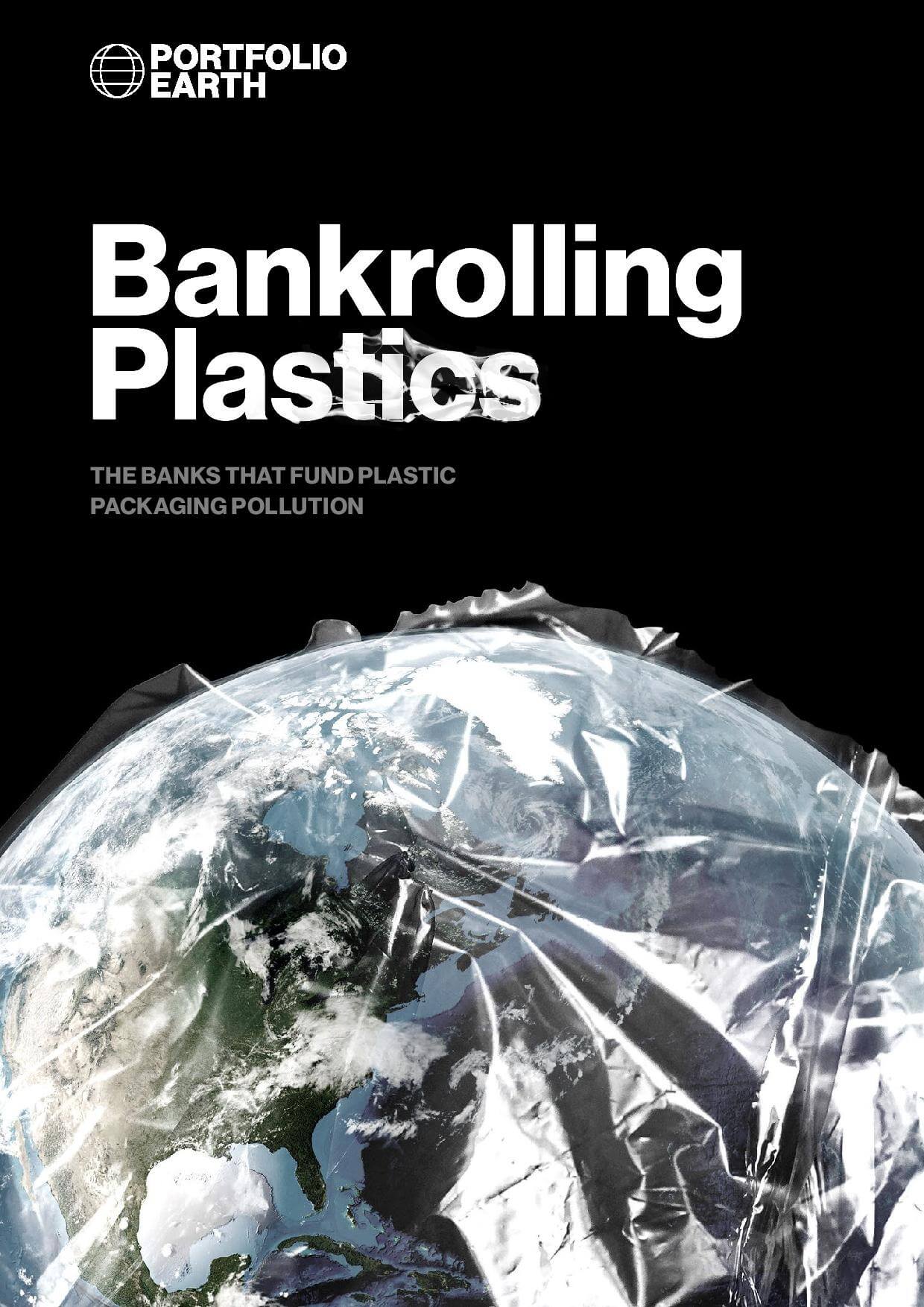
Bankrolling plastics: The banks that fund plastic packaging pollution
Banks continue to finance the global plastics chain, despite the significant risks of lender liability from the impacts of plastic waste. This report highlights the lack of development of any due diligence systems, contingent loan criteria, or financing exclusions at the banks when it comes to the plastic packaging industry.

Beyond compliance: Effective reporting under the Modern Slavery Act
This report provides practical guidance from non-governmental organisations with expertise in modern slavery for commercial organisations reporting under the UK Modern Slavery Act. It provides a business case for business action on modern slavery in supply chains that goes beyond minimum compliance to achieving positive change on slavery and forced labour.
Corporate Justice Coalition
Previously called the CORE Coalition, Corporate Justice Coalition (CJC) is a UK coalition campaigning to ensure corporations are held accountable for human rights and environmental abuses. CJC advocate for a stronger regulatory framework, higher standards of corporate conduct and improved access to remedy for those harmed by corporate activities.

Rhodium Group
Rhodium Group is an independent research provider combining economic data and policy insight to analyse global trends. Key areas of Rhodium expertise include Chinese economic, social and political development, energy and climate change, India’s emergence as a global player and advanced economy restructuring.

Financing the civic energy sector: How financial institutions affect ownership models in Germany and the United Kingdom
Addresses the concept of civic energy concerning the municipal ownership of energy systems in the UK and Germany by contrasting their banking systems to demonstrate how social and cultural values have shaped the civic energy sector. In turn, this demonstrates the importance of financial institutions in the low-carbon transition.

Energy Research & Social Science
Energy Research & Social Science is a peer-reviewed academic journal published by Elsevier that covers social science research on energy systems and energy and society. Established in 2014, it is now among the highest ranked journals on energy and social sciences. .

United Nations Development Programme (UNDP)
United Nations Development Programme (UNDP) is a branch of the United Nations that acts as the global development network. The UNDP is an international entity that addresses sustainability issues regarding poverty, climate change and social injustice by collaborating with international agencies and governing bodies.
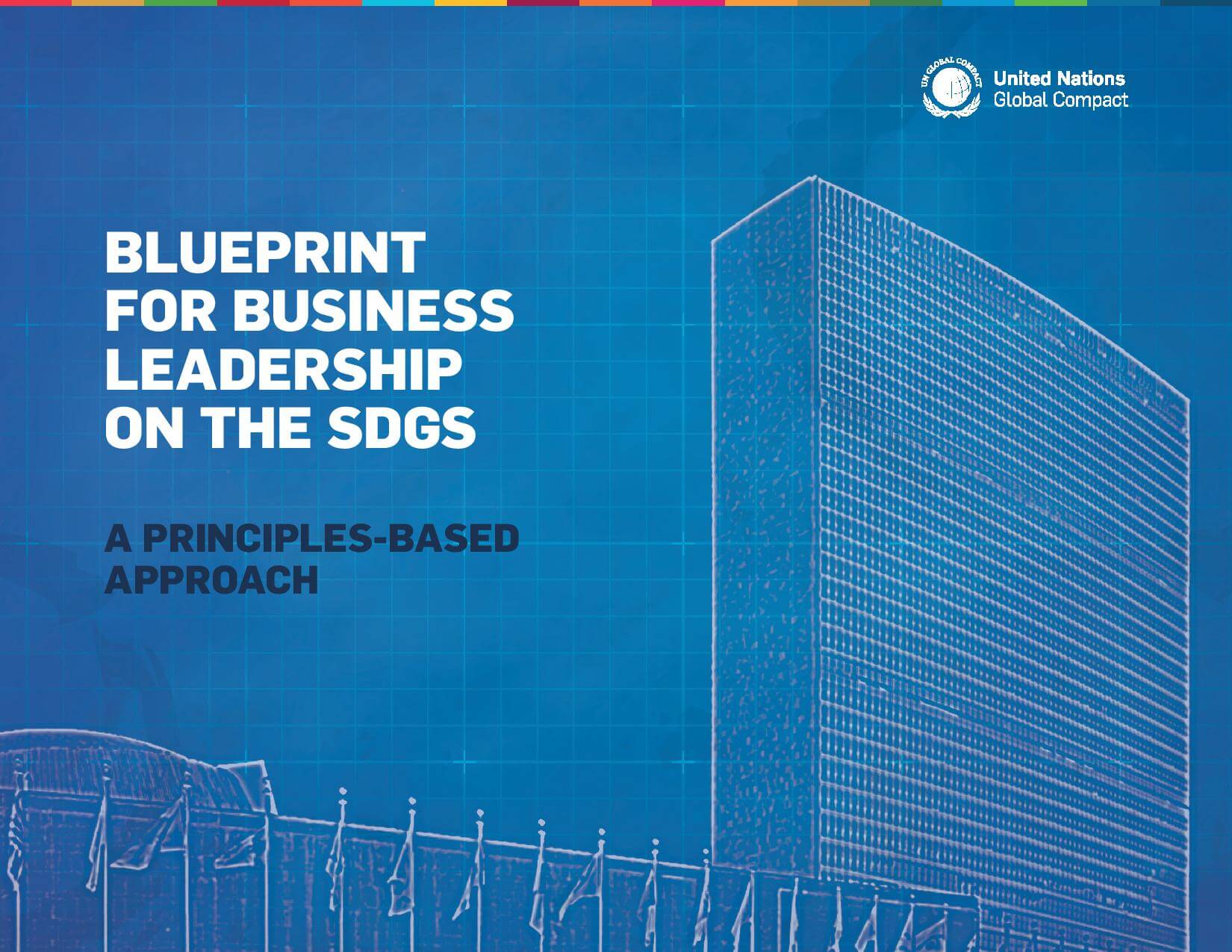
Blueprint for business leadership on the SDGs: A principles-based approach
Business cannot thrive unless people and planet are thriving. This publication presents a framework for the next generation of business leadership with the intention to foster contribution to the United Nations Sustainable Development Goals at scale.


