
Library | SDGs
GOAL 03: Good Health and Well-being
Refine
112 results
REFINE
SHOW: 16


Measuring the impact of data centers in the United States economy: Monetary damage from air pollution and greenhouse gas emissions
This NBER working paper quantifies the environmental costs of US data centre electricity use in 2025. Using facility-level data for approximately 2,800 data centres, it estimates gross external damages of $24.6 billion from air pollution and greenhouse gas emissions, with Texas and Virginia accounting for 30% of the national total.
Urban heat risk management: Resource package
This resource package provides practical guidance for local and national governments on managing urban heat risks through governance, planning, nature-based solutions and emergency preparedness. Drawing on global evidence and city case studies, it outlines strategies to strengthen urban resilience to increasing extreme heat.
Airports and aviation emissions: The Airport Tracker as a tool for data-driven advocacy
This policy brief presents findings from the third update to the Airport Tracker, a global inventory covering the world's 1,300 busiest airports. Using 2023 data, it analyses CO₂ and local air pollution from passenger, freight and private jet flights, finding that aviation remains off track to meet net-zero goals.
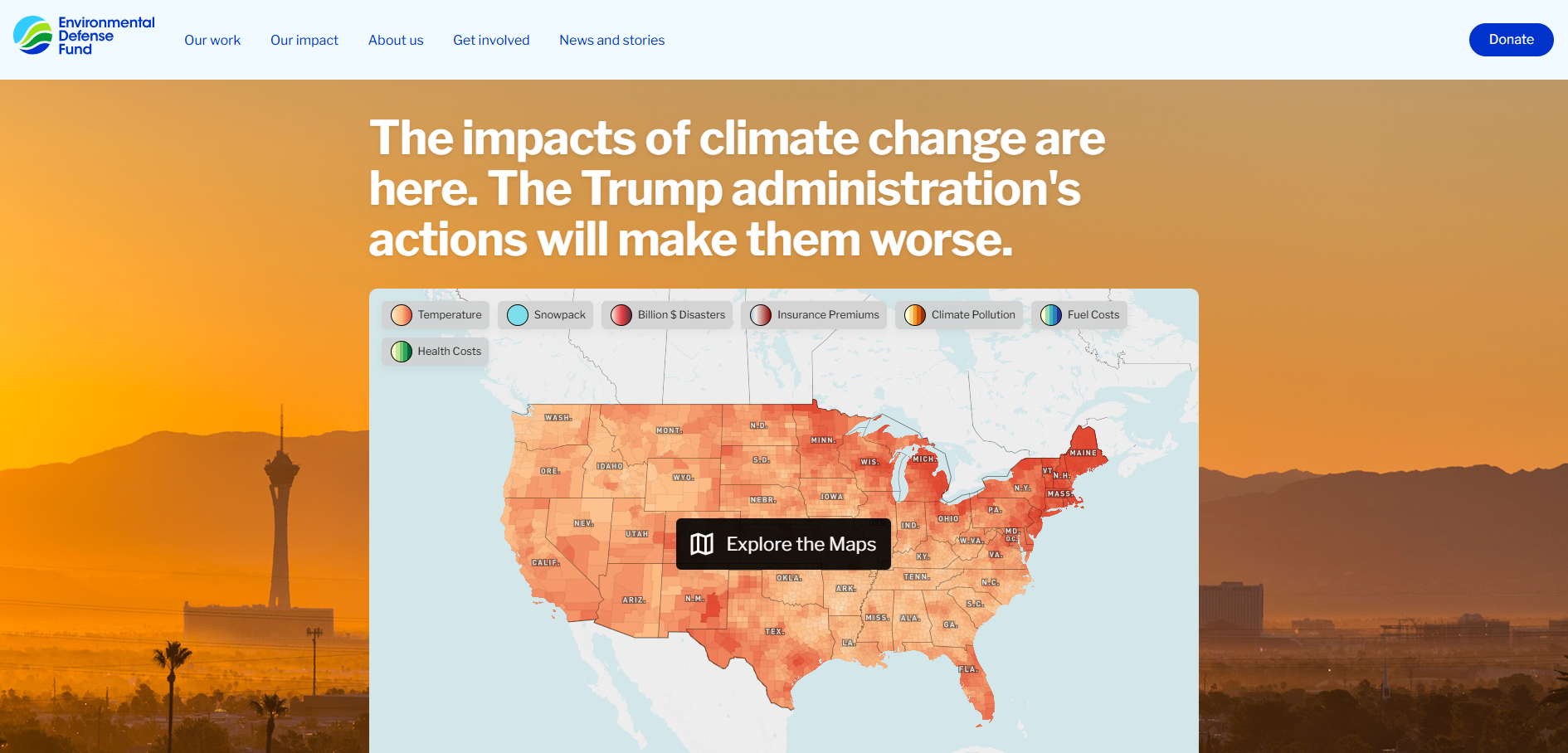
Trump climate endangerment stories
This interactive mapping tool from the Environmental Defense Fund (EDF) combines climate data and community stories to show how climate change is affecting temperatures, water resources, disaster losses, insurance costs and public health across the United States. It also illustrates the projected impacts of changes to federal climate pollution regulations.
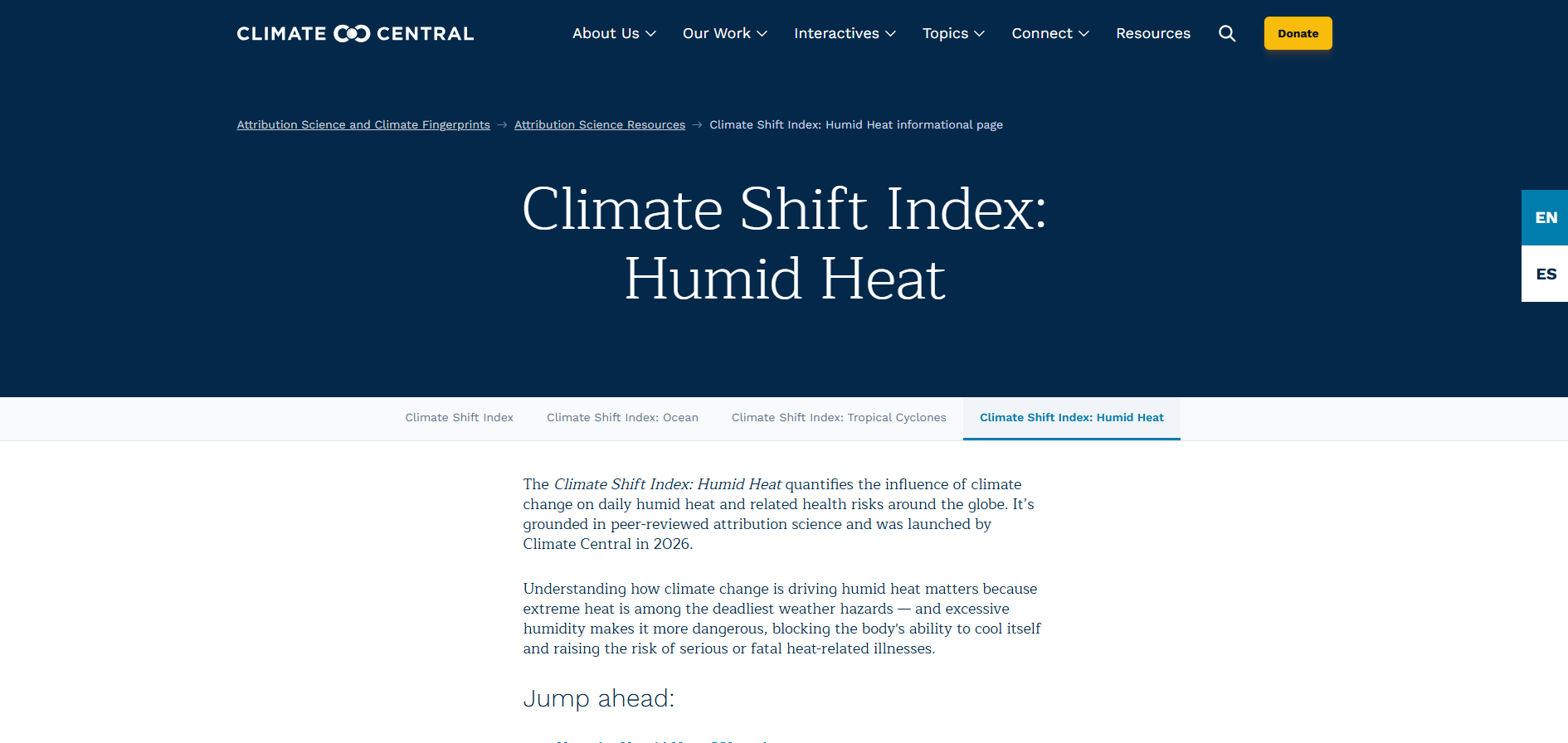
Climate Shift Index: Humid Heat
Climate Shift Index: Humid Heat tracks and calculates the influence of human-caused climate change on daily humid heat conditions across the globe.
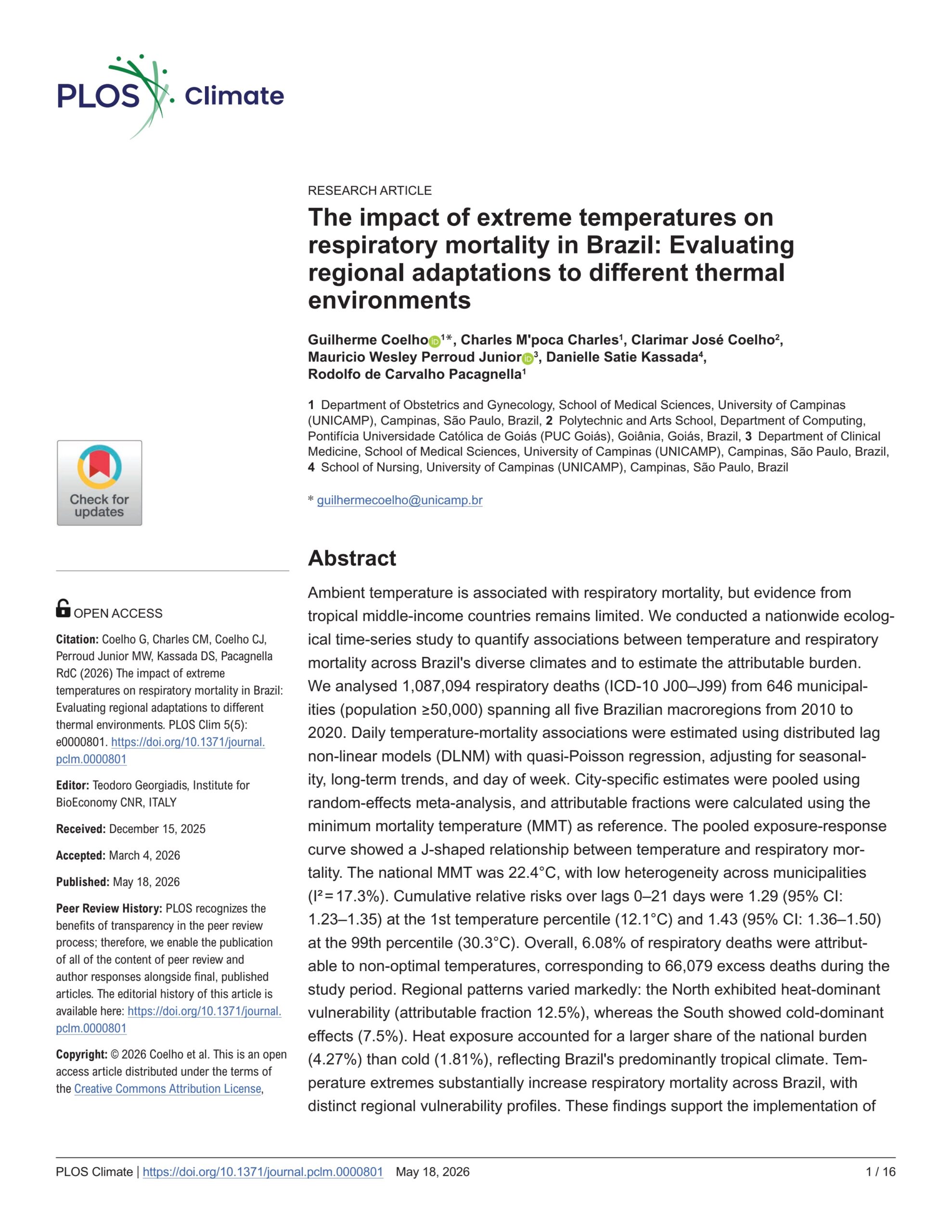
The impact of extreme temperatures on respiratory mortality in Brazil: Evaluating regional adaptations to different thermal environments
This report analyses the impact of extreme temperatures on respiratory mortality across 646 Brazilian municipalities from 2010 to 2020. Findings reveal a J-shaped exposure-response curve, with heat-related deaths dominating in tropical northern regions, whilst cold-related mortality predominates in the subtropical south, underscoring the need for region-specific climate adaptation policies.
CARE for women: Investing in care delivery to improve women’s lives and livelihoods
This report examines the 34% of the global women's health gap caused by care delivery failures. Focusing on cardiovascular risk and perinatal depression, it outlines the CARE framework to standardise screening and referral pathways, demonstrating that preventative care investments yield a three- to six-fold return.
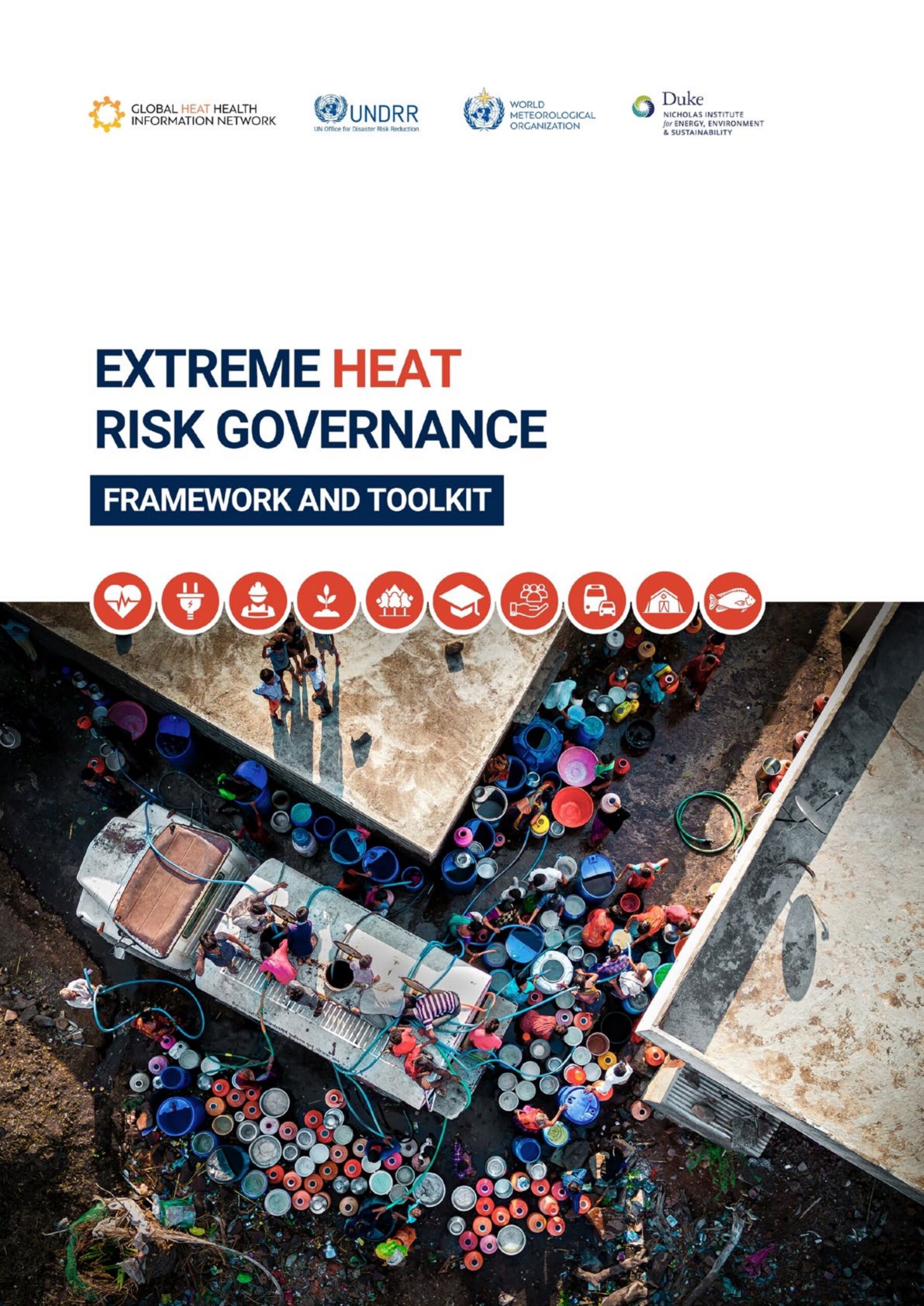
Extreme heat risk governance: Framework and toolkit
This report presents a comprehensive framework and toolkit to help governments and stakeholders manage extreme heat risk. It provides actionable guidance, a maturity assessment tool, and strategies to operationalise governance and develop effective heat action plans across multiple sectors and timescales.
Food systems and antimicrobial resistance: Impacts on food safety, animal production and trade
This report examines the impact of antimicrobial resistance in food systems on public health, animal production, and international trade. It highlights the role of food-borne pathogens and commensal bacteria in transmitting resistance, evaluates risk analysis models, and recommends enhanced surveillance, antimicrobial stewardship, and standardisation of global trade regulations.

Who is behind the nicotine industry in Europe? Leading players and their financiers
This research maps the key players in Europe's nicotine product industry and their financial backers. It examines ten companies, their supply chains, and specific nicotine-related financing. Findings reveal that major tobacco multinationals receive the vast majority of financing, predominantly from North American and European institutions.
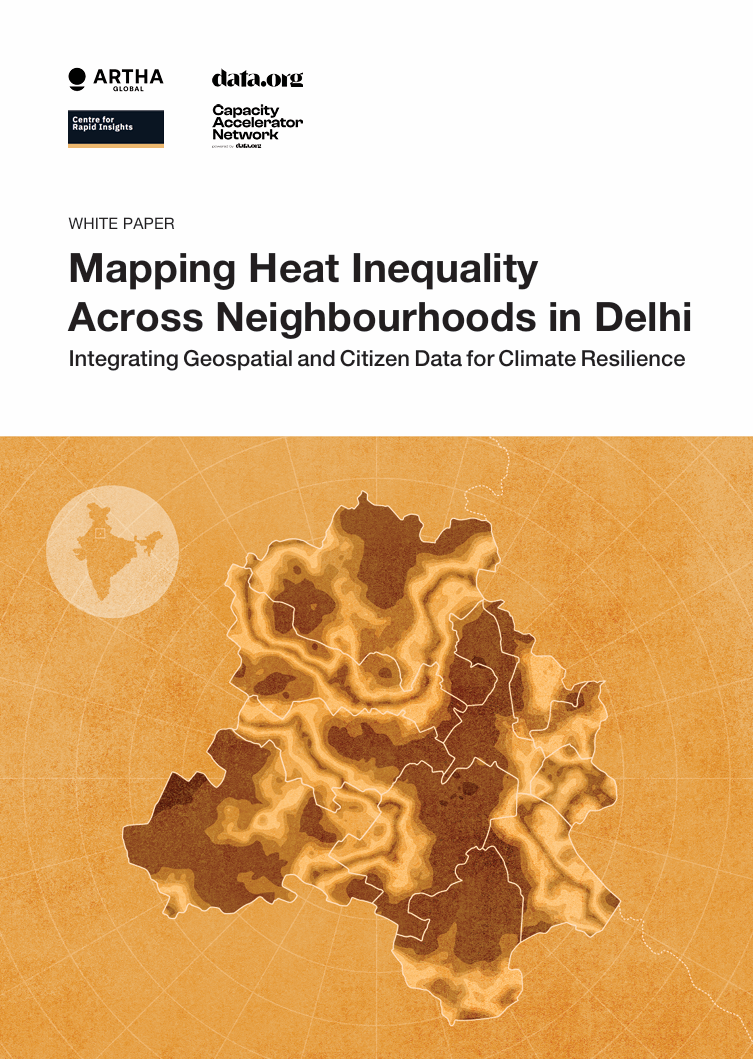
Mapping heat inequality across neighbourhoods in Delhi: Integrating geospatial and citizen data for climate resilience
Delhi heat vulnerability is shaped by neighbourhood density, limited green cover and unequal access to cooling. Using geospatial and household survey data, the report finds higher heat exposure increases illness, sleep disruption and productivity loss, while targeted greening, micro-level heat planning and energy-efficient cooling could improve urban climate resilience.
PFAS: From non-stick to stuck in court – Dashboard
The PFAS: From Non-stick to Stuck in Court Dashboard is an online tool developed by Planet Tracker to help investors assess PFAS litigation risk. It maps facility-level exposure across publicly listed companies, supporting ESG analysis, risk assessment and investment decisions related to environmental liabilities.
Exposing tobacco companies’ retail presence and highlighting regulatory options
The report outlines how tobacco companies use retailer incentives, targeted in-store marketing, and retailer lobbying to sustain product visibility and influence regulation. It reviews policy options, including retail licensing, outlet restrictions, and sales limitations, aimed at reducing tobacco availability and countering industry presence in retail settings.
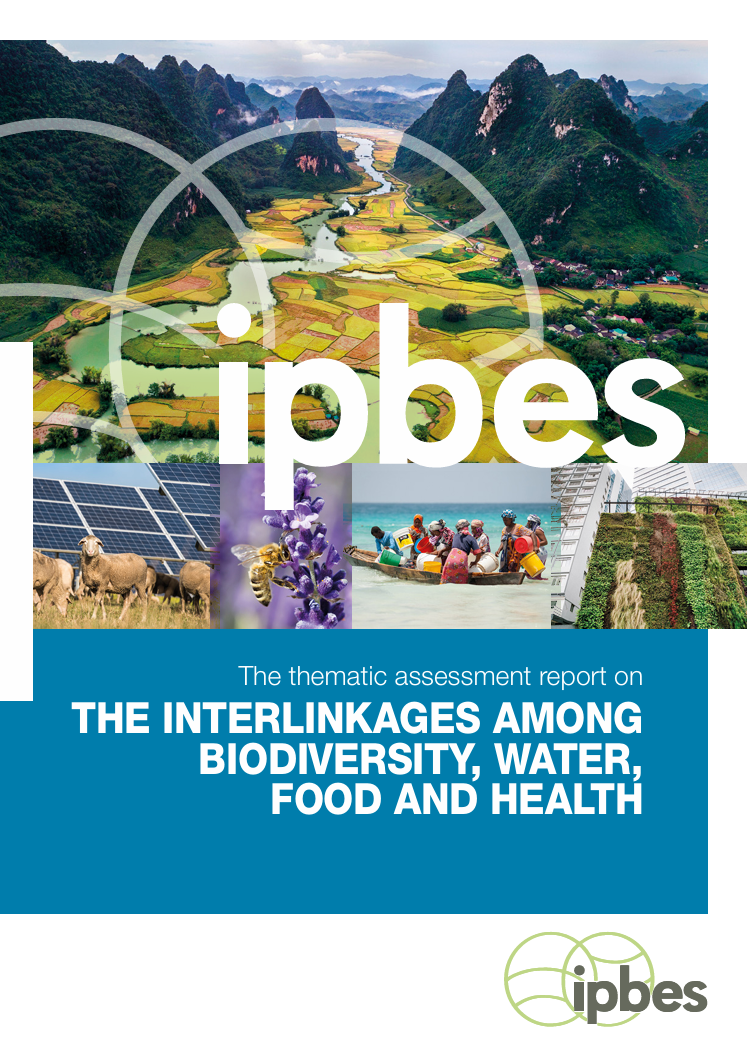
The thematic assessment report on the interlinkages among biodiversity, water, food and health
IPBES assesses links between biodiversity, water, food, health and climate, finding siloed decisions worsen trade-offs. It identifies integrated governance, sustainable consumption, ecosystem restoration and finance reform as response options to support more just and sustainable outcomes.
The unseen costs of blue skies: Pollutant substitution and biodiversity loss
China’s PM₂.₅-targeted regulation reduced particulates but increased O₃ via pollutant substitution driven by incentive distortions. Resulting ozone rises increased mortality and reduced biodiversity, offsetting ~24% of policy benefits. Findings highlight welfare losses from narrow performance metrics and the need for multi-pollutant regulation.

Thriving workplaces: How employers can improve productivity and change lives
World Economic Forum report examining how employer investment in employee health and well-being improves productivity, retention and economic value. It analyses global workforce health data, identifies demographic disparities in burn-out and holistic health, and proposes measurement frameworks and organisational strategies to build healthier, more productive workplaces.


