
Library | SDGs
GOAL 17: Partnerships to Achieve the Goal
Refine
284 results
REFINE
SHOW: 16


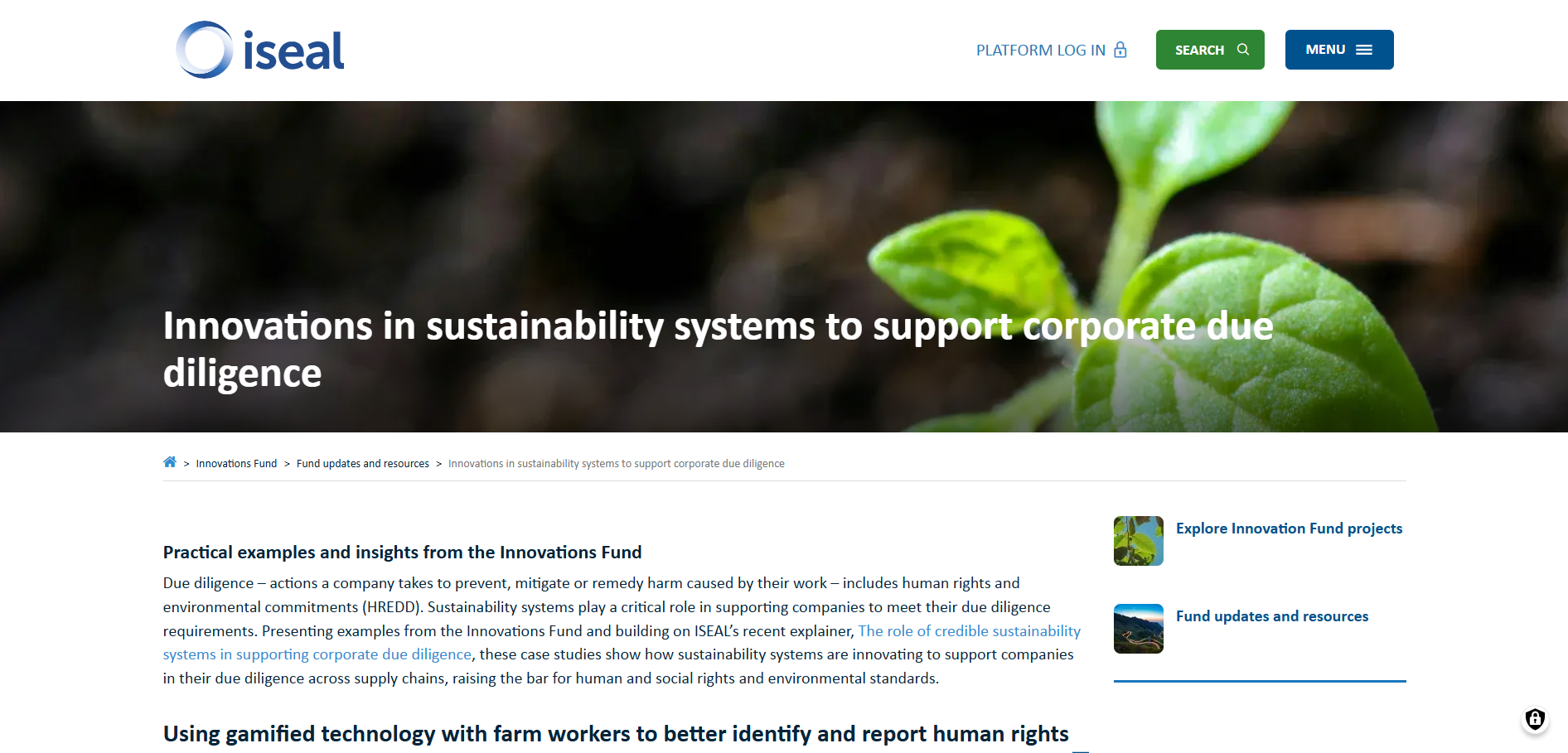
Innovations in sustainability systems to support corporate due diligence
A resource hub from ISEAL Alliance providing case studies on how sustainability systems support corporate due diligence. It explores innovations like gamified worker training and digital risk assessments to improve supply chain transparency and human rights monitoring.
Reconsidering supply chains and industrial policy from the economic security perspective
This report analyses supply chain resilience and industrial policy through the lens of economic security. It evaluates market failures in supply chain investment, examines cases of Chinese economic coercion, and assesses Japanese semiconductor subsidies for TSMC and Rapidus, emphasizing the roles of diversification, existing industrial clusters, and international research collaboration.
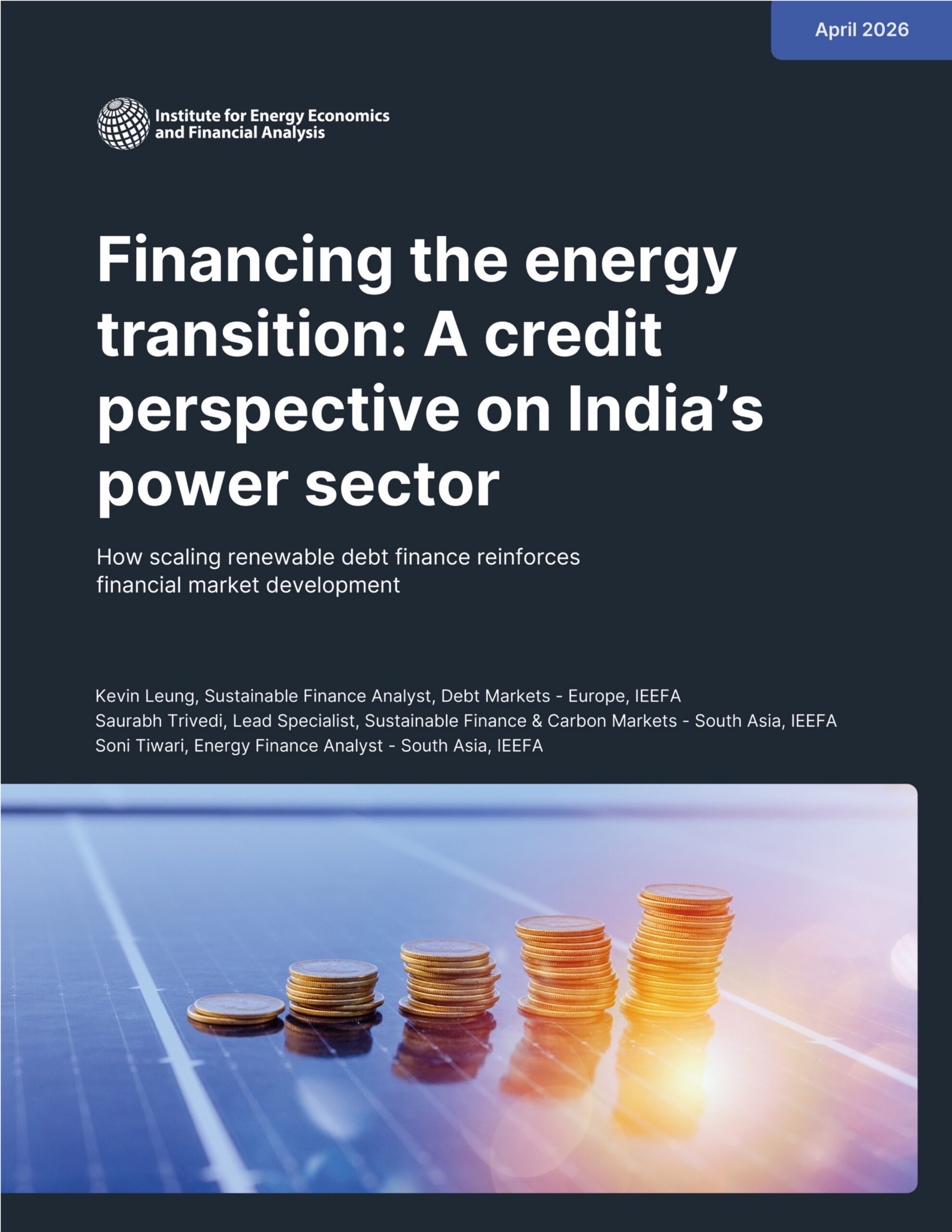
Financing the energy transition: A credit perspective on India’s power sector
This report examines India’s power sector transition from a credit perspective. It highlights the structural divergence between renewable and thermal assets, identifies bottlenecks in domestic debt markets, and recommends strategies to unlock large-scale financing, including the pivotal role of NTPC and the need for deeper institutional investor participation.
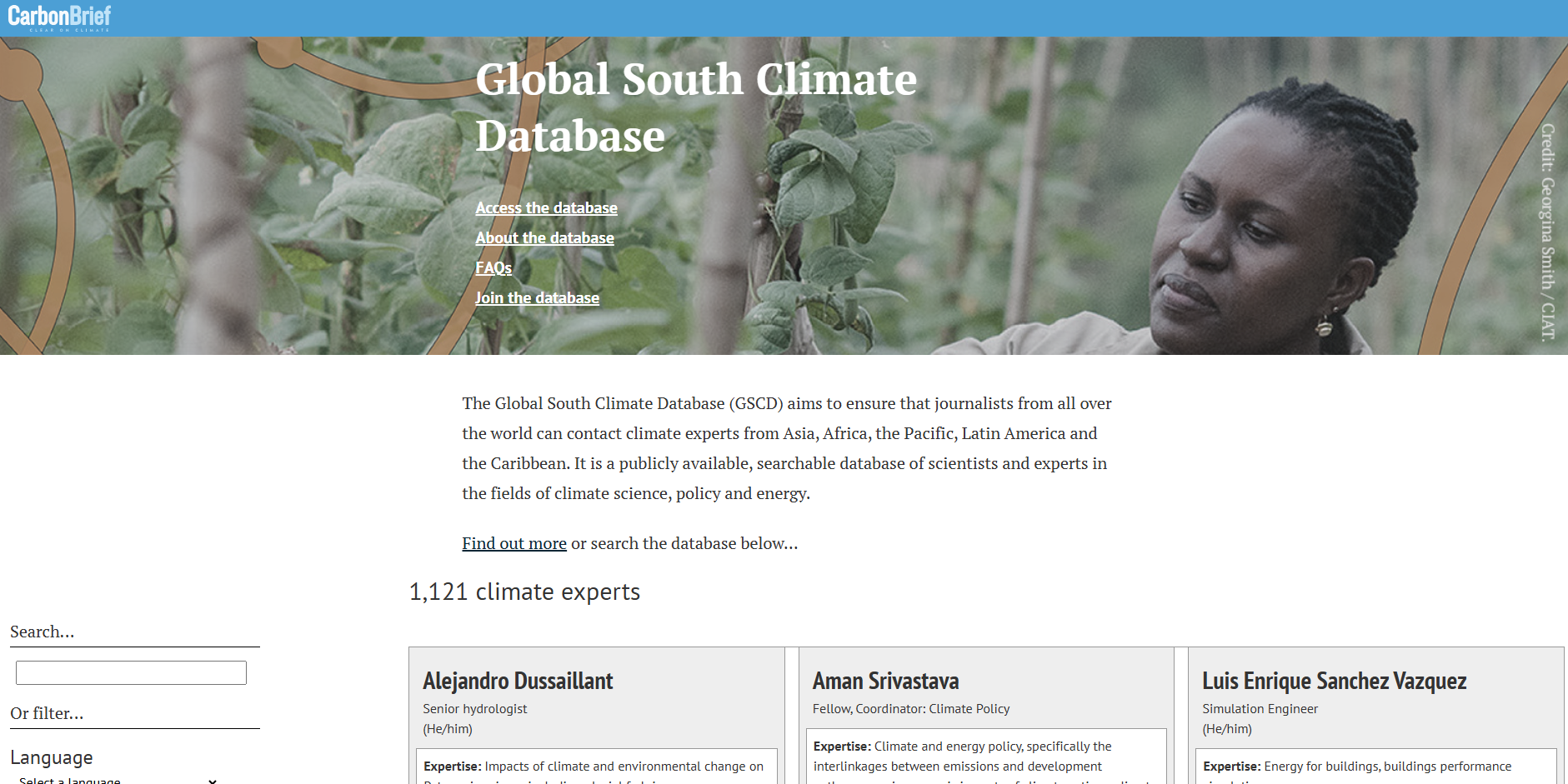
Global South Climate Database
A searchable database maintained by Carbon Brief providing access to over 1,100 climate experts from the Global South. It enables finance professionals to connect with specialists in carbon markets, climate policy, and regional environmental risks across Asia, Africa, and Latin America.
European state of the climate report series
The European State of the Climate is an annual flagship report series providing structured descriptions and analyses of climate conditions in Europe. Published by the Copernicus Climate Change Service and the World Meteorological Organization, it evaluates Earth system variables and key climate events alongside policy actions for biodiversity.
Raw power: China locks-in global dominance of critical minerals and metals with $120bn outbound investment surge
This report details China's structural "Going Global" strategy, tracking over US$120 billion in outbound investment since 2023 to secure critical mineral supply chains. It examines China's refining dominance and provides strategic recommendations for Australian policymakers to build domestic value-adding capacity in the zero-emissions economy.
The green central banking scorecard series
The Green Central Banking Scorecard is a benchmark series that ranks G20 central banks and financial regulators on their progress in integrating environmental considerations into their operations. It assesses institutions across research and advocacy, monetary policy, financial policy, and leading by example categories to encourage a just green transition.
Oxford-GlobeScan global corporate affairs survey series
This benchmark series provides an overview of opinions, trends, and challenges within the corporate affairs function. Produced annually, the research captures insights from senior professionals globally to track the evolution of the corporate affairs agenda, focusing on reputation, sustainability, geoeconomics, and stakeholder engagement.
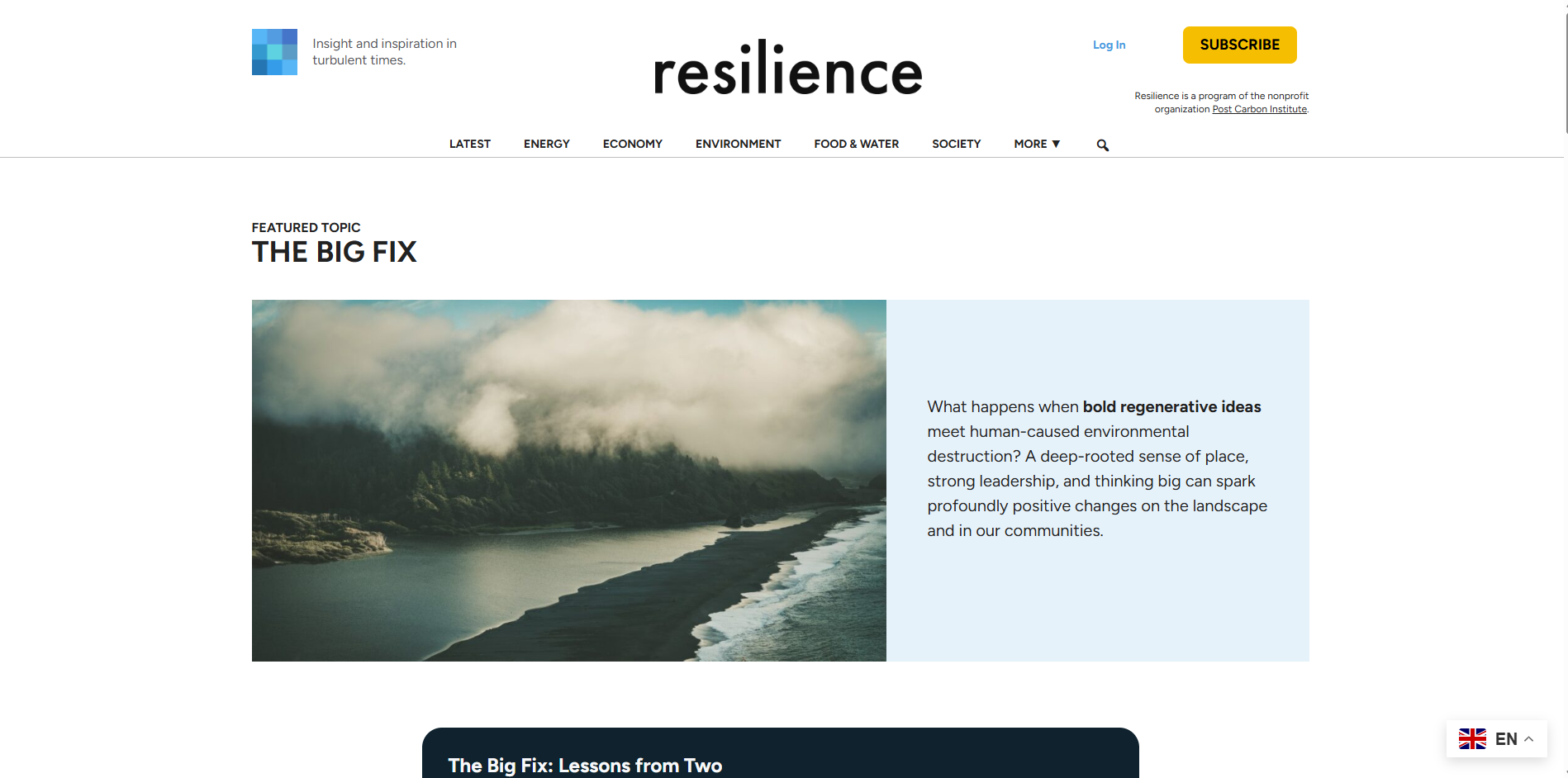
The Big Fix Resource Collection
The Big Fix is a resource hub from Resilience.org and the Post Carbon Institute focused on systemic resilience. It provides curated research and news to help professionals understand and navigate the interconnected ecological and economic challenges of the 21st-century polycrisis.
Unlocking catalytic capital in Australia
This report examines the role of catalytic capital in Australia, exploring how flexible, risk-tolerant investment can mobilise private capital for social and environmental impact. It defines the current market, identifies barriers to growth, and provides case studies of successful deployment across philanthropic, government, and institutional sectors.
Systems stewardship: Managing interconnected climate risks for lasting value
This report examines how Australian investors apply systems stewardship to manage interconnected climate risks. It identifies key practices, such as collaborative engagement and policy advocacy, while highlighting barriers like resource constraints. Six recommendations are provided to help investors safeguard long-term returns and support a net-zero transition.
Empowering consumers as partners in sustainability: Case studies on financial regulation and implementation
This report by Fair Finance Asia examines financial regulation through case studies in Thailand, Pakistan, Indonesia, and Cambodia. It highlights systemic gaps in consumer protection, cybersecurity, gender-responsive inclusion, and ESG accountability. Recommendations are provided for regulators and banks to strengthen consumer engagement and promote sustainable finance practices across Asia.
Guarantees: From misdiagnosis to strategic deployment: Evidence from expert practitioner interviews
This research examines why climate-aligned guarantees often fail to mobilise private capital effectively. It identifies structural misalignments within multilateral development banks and suggests that strategic deployment requires a move towards portfolio-based approaches, local-currency financing, and better risk layering to address specific investment constraints in emerging markets.
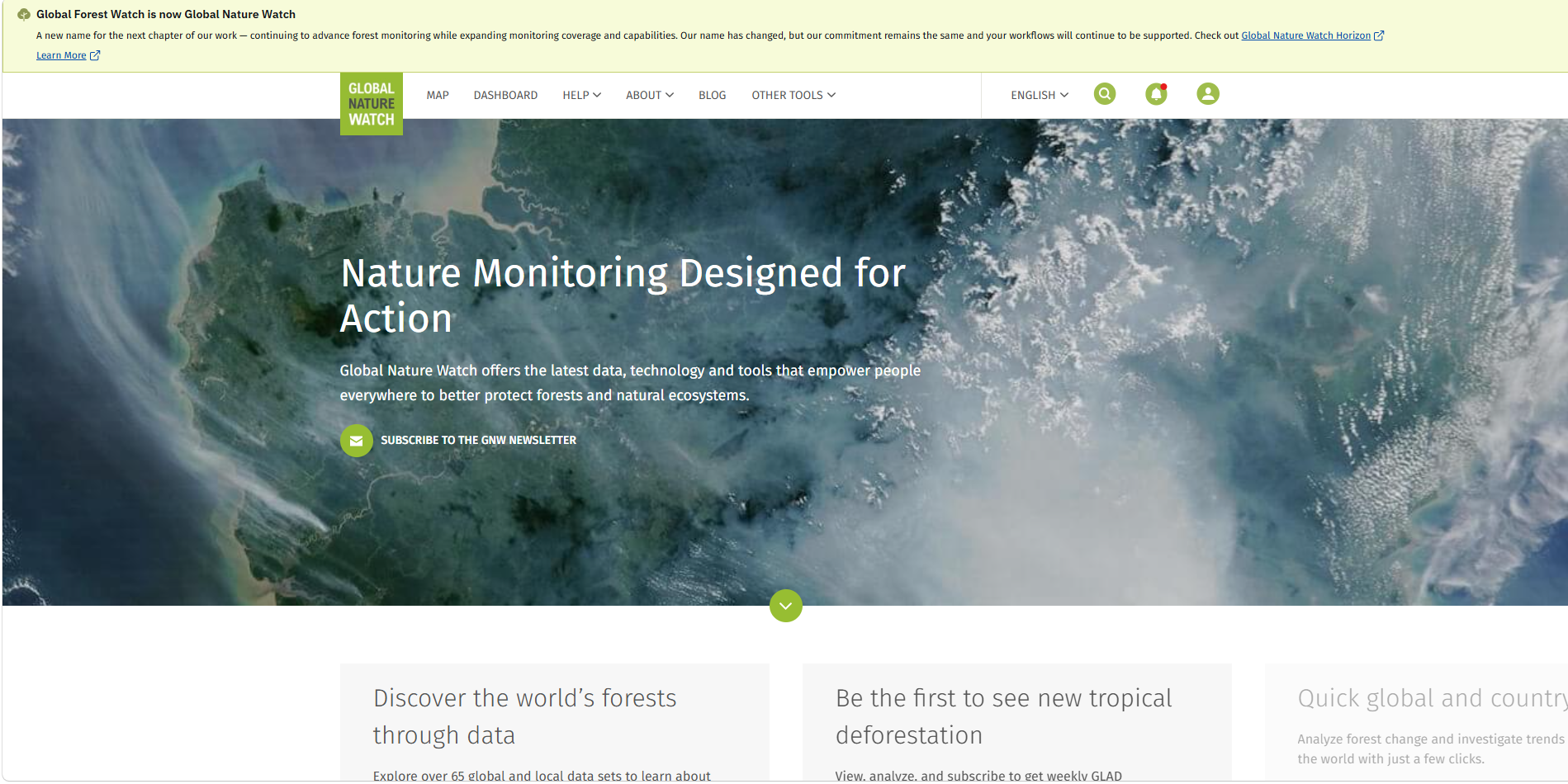
Global Nature Watch
Global Nature Watch is an AI-powered Earth monitoring platform developed by the World Resources Institute and Google. It provides near-real-time data on land-use changes across various ecosystems to support nature-based risk assessment and environmental reporting.
Business-led blended finance: A practical playbook
This report examines business-led blended finance, which grew to US$24 billion in 2024. It provides a practical playbook for companies to move from passive recipients to active deal architects, addressing the US$4 trillion SDG financing gap through risk management toolkits, sector analyses, and eight global case studies.
Stakeholder governance and corporate purpose in certified B Corps: Minimizing conflict and fostering collaboration
This research examines how Australian and New Zealand B Corporations implement stakeholder governance through corporate purpose. Based on 20 interviews, it identifies six roles for purpose in decision-making and signalling. The findings suggest that purpose-led models help attract supportive stakeholders and foster collaboration beyond mere conflict resolution.


