
Library | SASB Sustainability Sector
All industries
Refine
837 results
REFINE
SHOW: 16


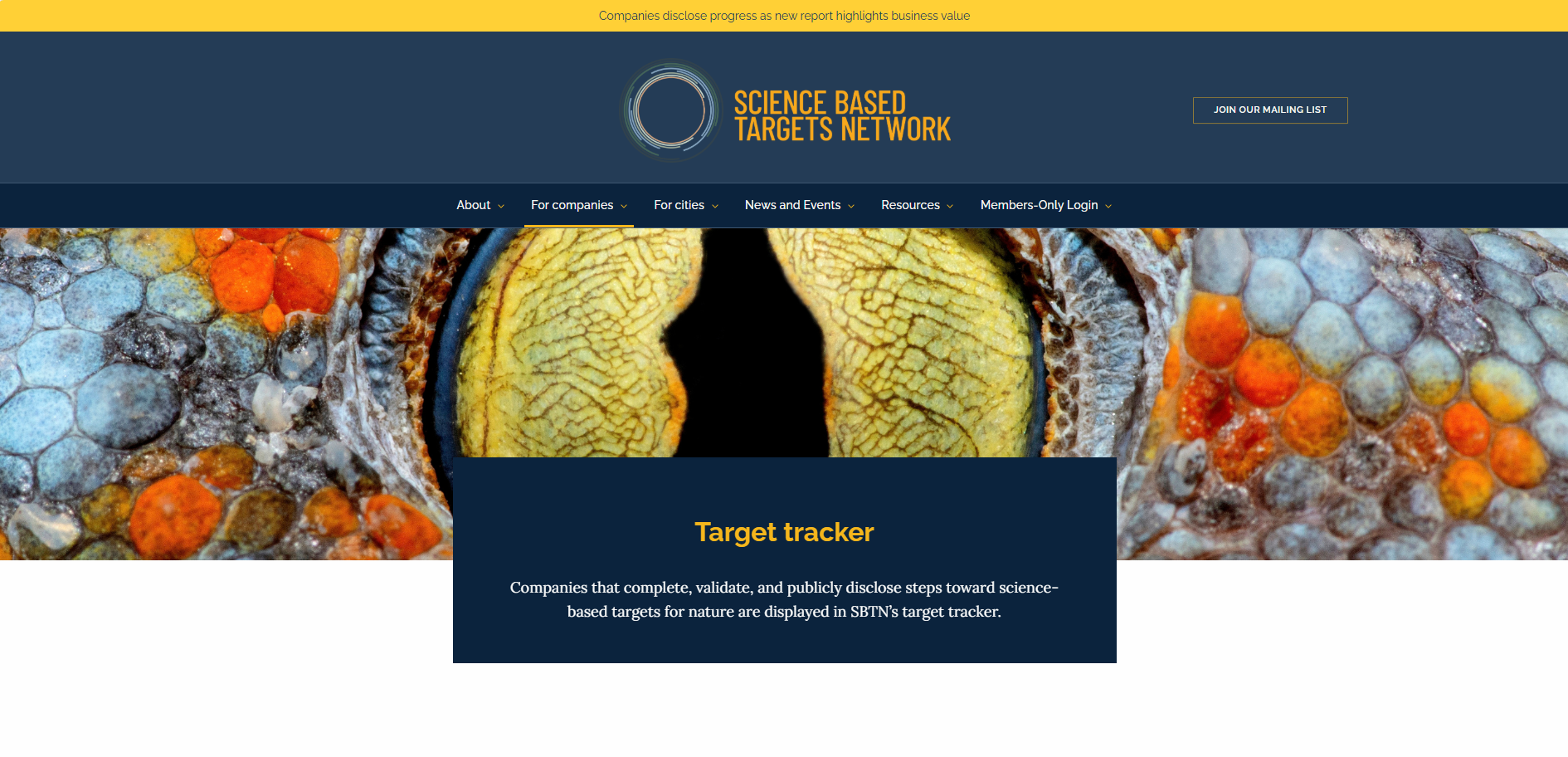
Science Based Targets Network Target Tracker
The SBTN Target Tracker is a public database that monitors companies setting science-based targets for nature. It provides finance professionals with verified data to assess corporate progress on land, water, and biodiversity goals.
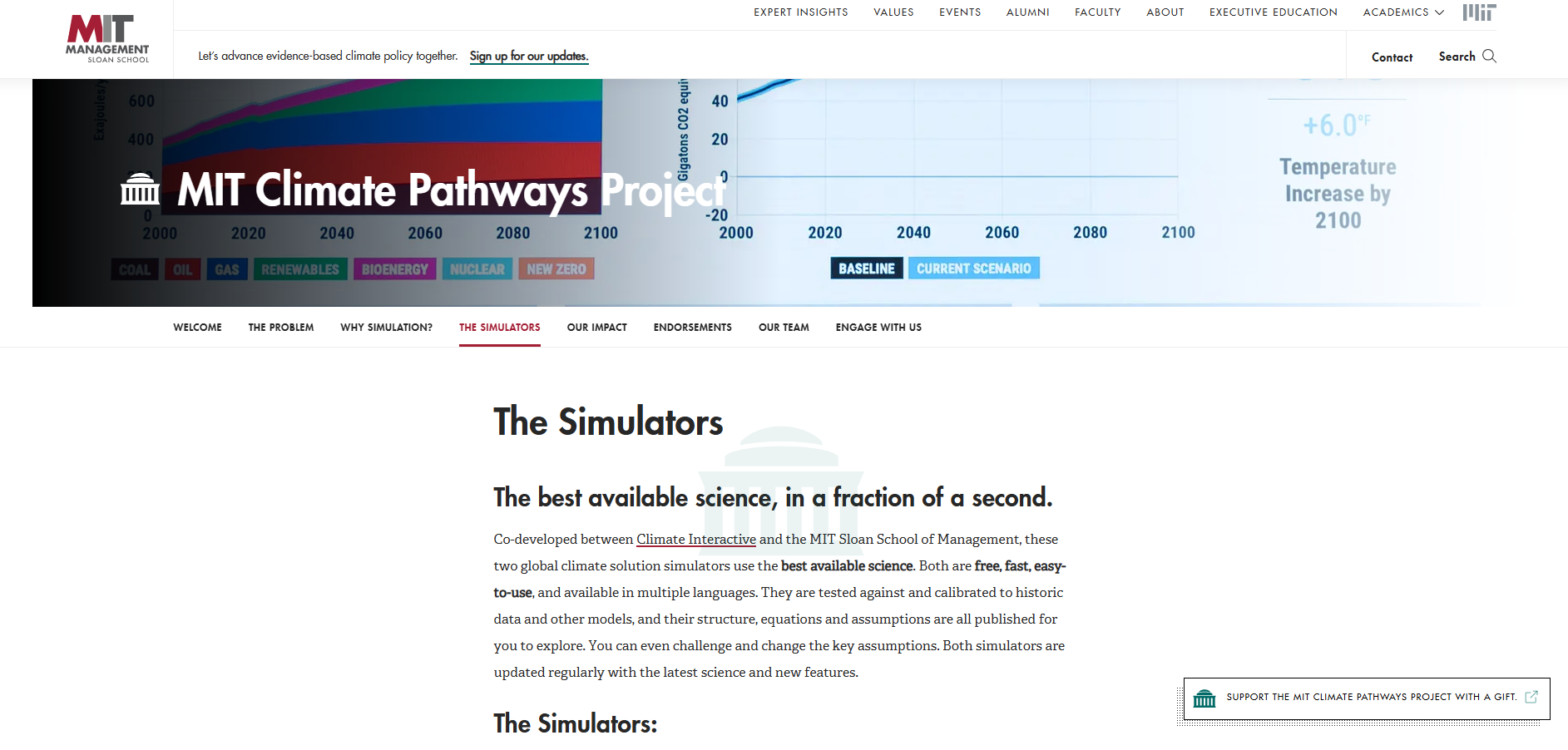
Climate Pathways Project Simulation Tools
A suite of interactive climate policy simulators, including En-ROADS, developed by MIT Sloan and Climate Interactive. These tools help leaders and finance professionals model the impacts of carbon pricing, electrification, and energy efficiency on global warming in real-time.
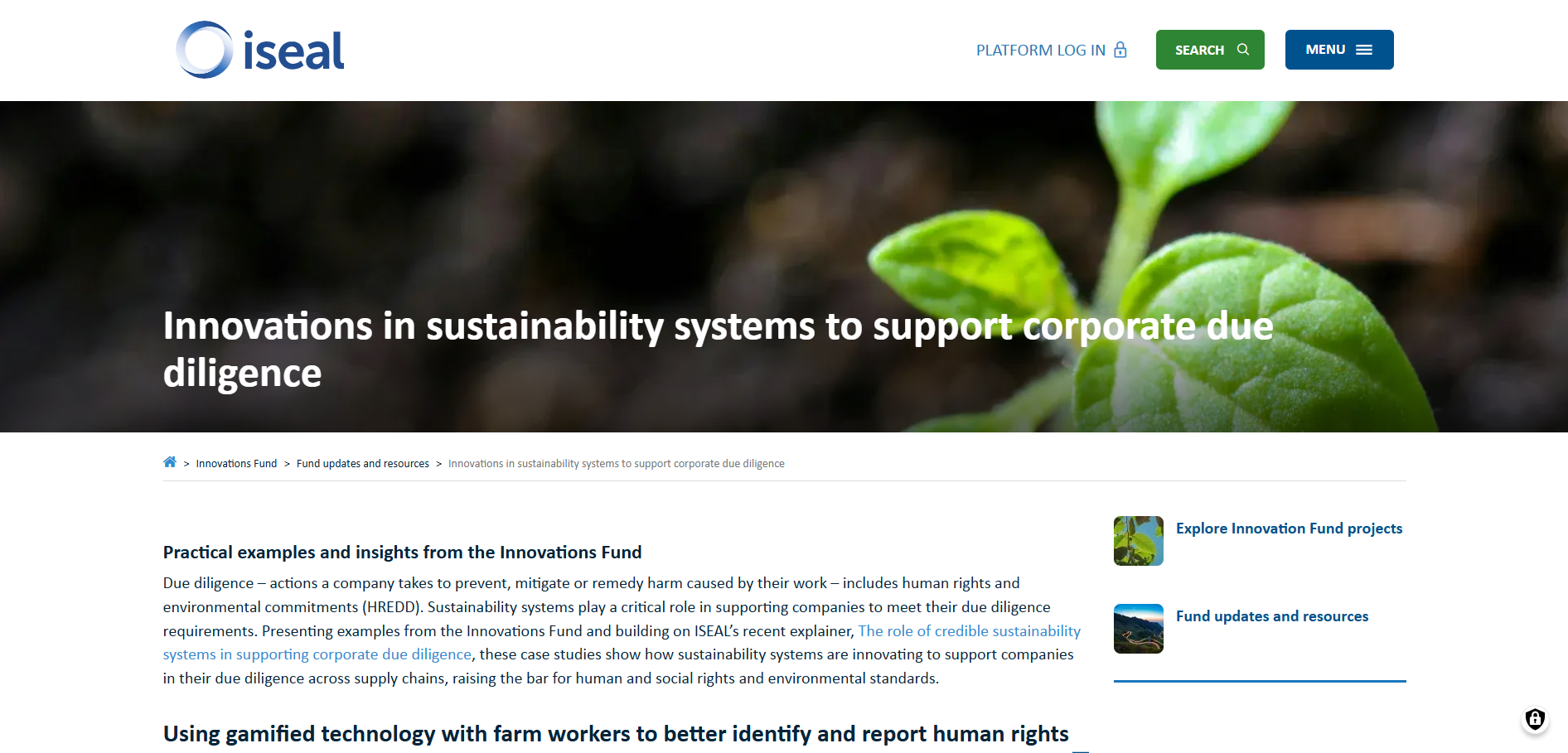
Innovations in sustainability systems to support corporate due diligence
A resource hub from ISEAL Alliance providing case studies on how sustainability systems support corporate due diligence. It explores innovations like gamified worker training and digital risk assessments to improve supply chain transparency and human rights monitoring.
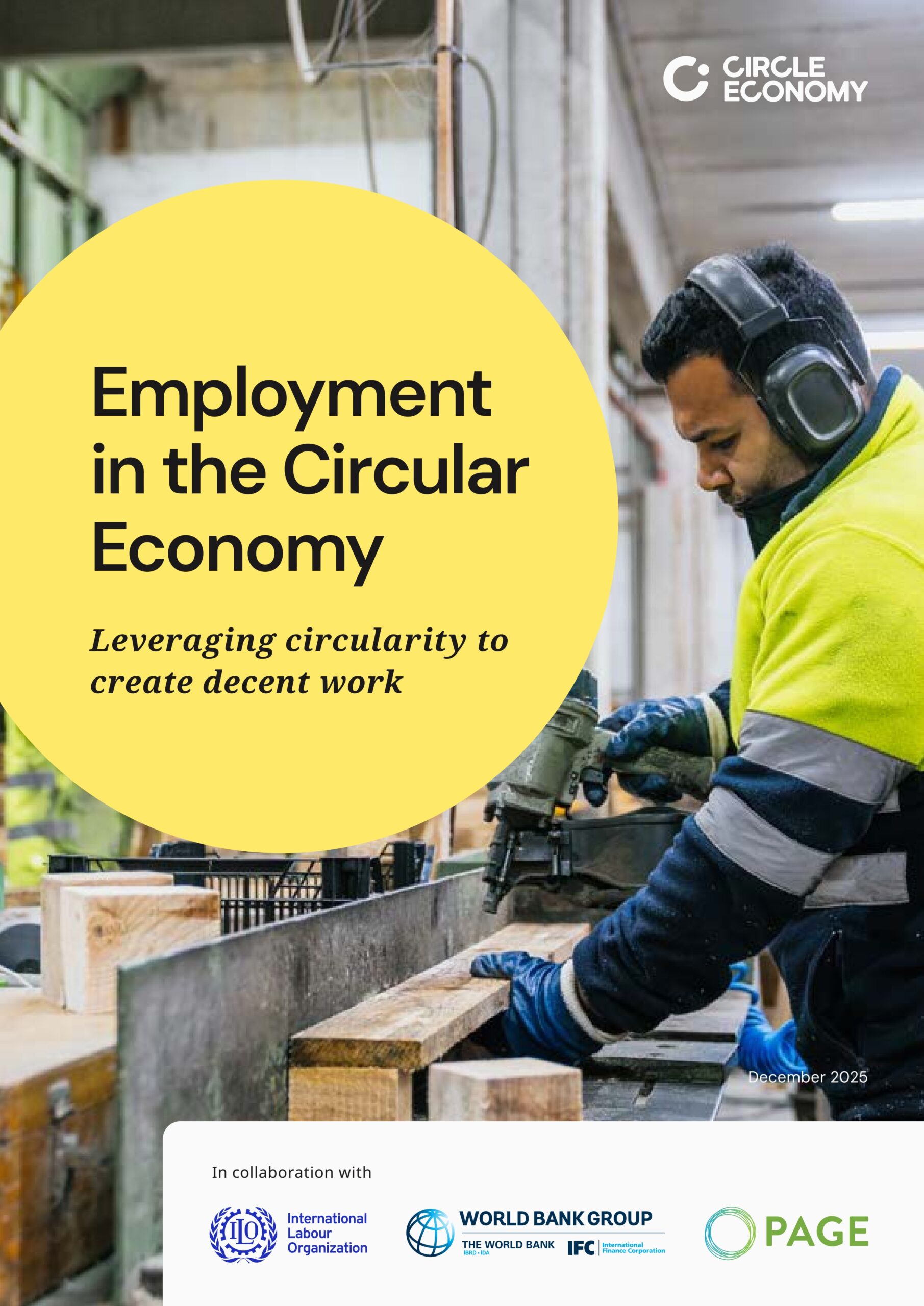
Employment in the circular economy: Leveraging circularity to create decent work
This report provides a global baseline for circular economy employment, estimating that 121 to 142 million people work in the sector. Produced by Circle Economy, the ILO, and World Bank Group, it highlights the prevalence of informal work and the need for policies ensuring a just, inclusive transition.
Collection of Open-Access CARMINE Publications
A comprehensive repository of open-access research and deliverables from the CARMINE project, providing advanced climate-risk assessment methodologies and case study data to support environmental resilience and informed financial risk analysis.
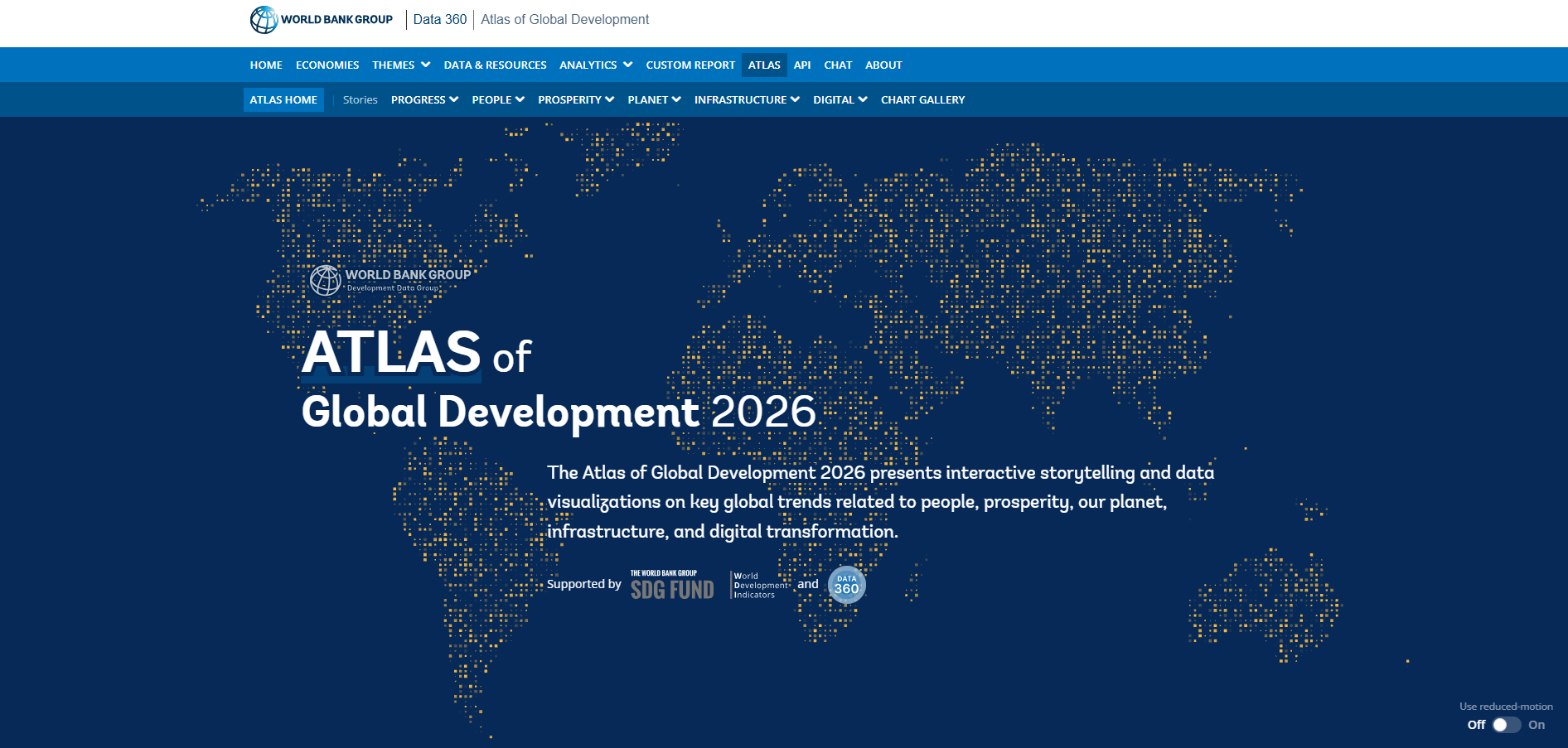
Atlas of Global Development 2026
An interactive data platform from the World Bank tracking 75 years of global progress across people, prosperity, planet, infrastructure, and digital themes.
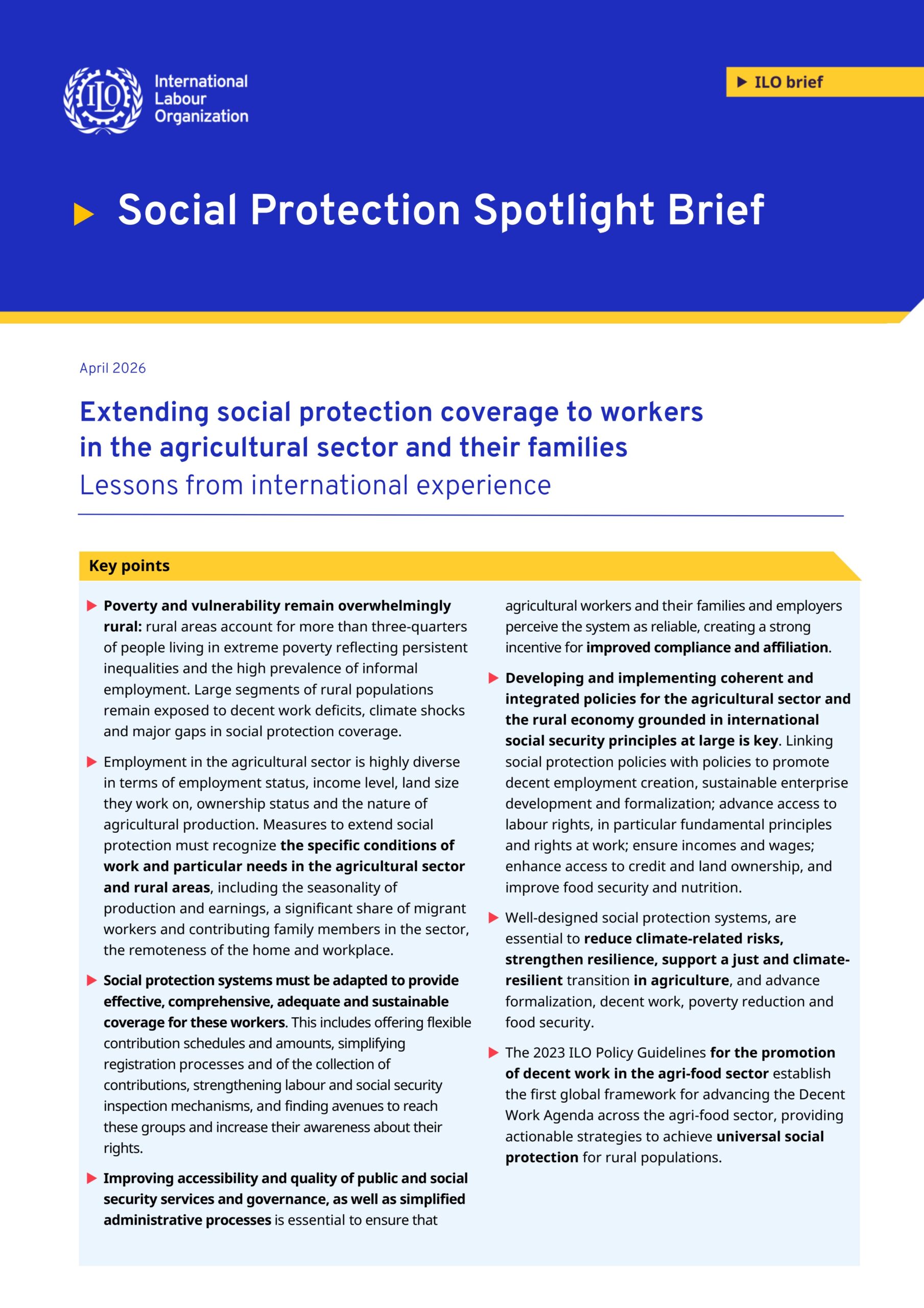
Extending social protection coverage to workers in the agricultural sector and their families: Lessons from international experience
Report examines extending social protection to agricultural workers. Highlighting that rural areas account for more than three-quarters of the extreme poor, it identifies barriers like legal exclusion and informal employment. It presents international solutions, including flexible contribution schedules and mobile service delivery, to achieve universal coverage for rural populations.
AI systems at work: A changing psychosocial work environment
This International Labour Organization report examines the psychosocial risks of AI systems in workplaces. It identifies how algorithmic management and advanced robotics impact mental health, autonomy, and privacy. The paper advocates for integrated regulatory frameworks across labour law and safety standards to protect workers from emerging digital hazards.

Supporting just transitions through social protection: Key roles for philanthropy
This briefing paper explores how philanthropy can support just transitions to net zero through social protection. It examines the socio-economic risks of decarbonisation, identifies systemic coverage gaps, and highlights catalytic roles for philanthropic capital in capacity building, research, and policy alignment to ensure an inclusive transition.
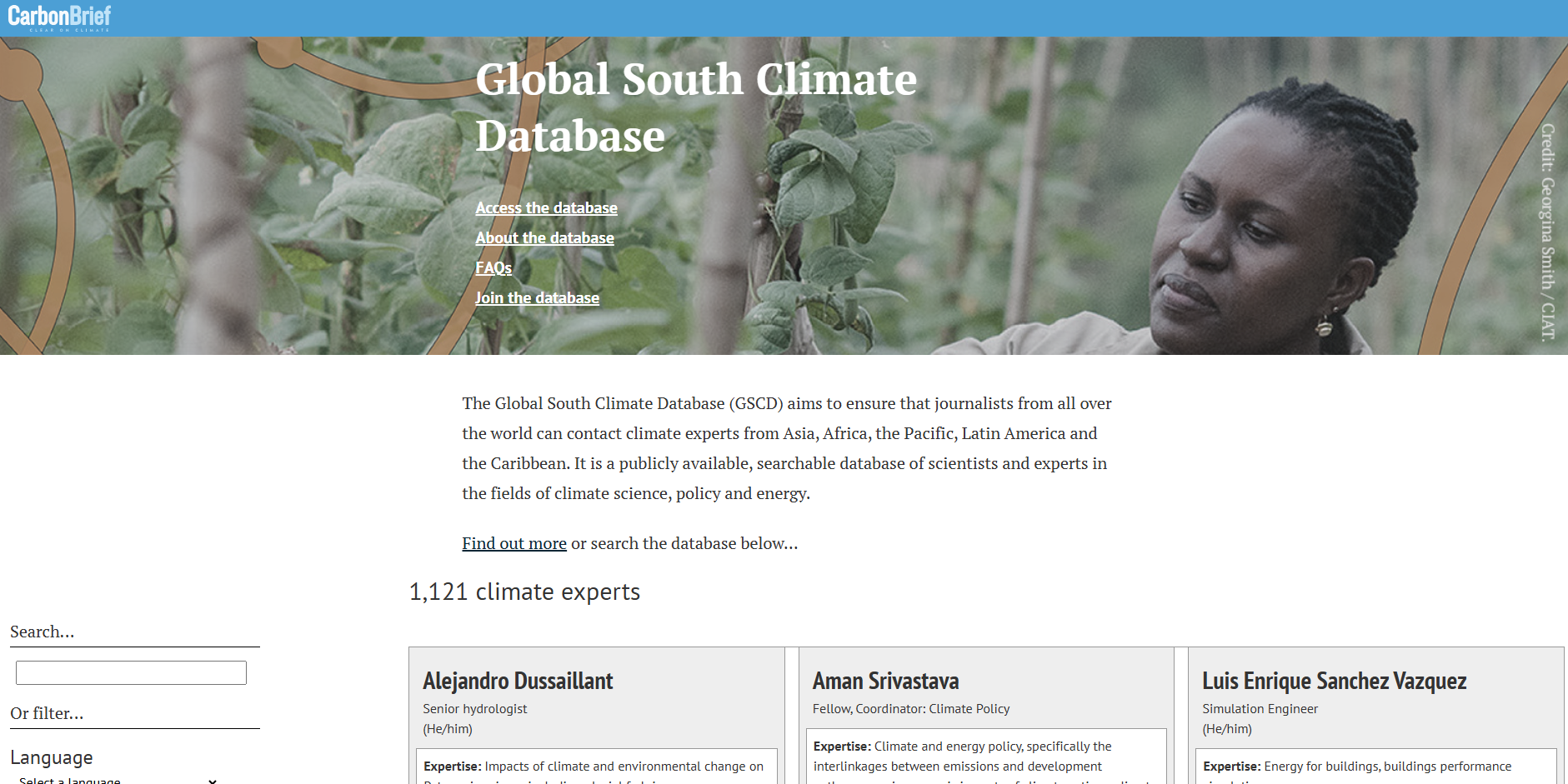
Global South Climate Database
A searchable database maintained by Carbon Brief providing access to over 1,100 climate experts from the Global South. It enables finance professionals to connect with specialists in carbon markets, climate policy, and regional environmental risks across Asia, Africa, and Latin America.
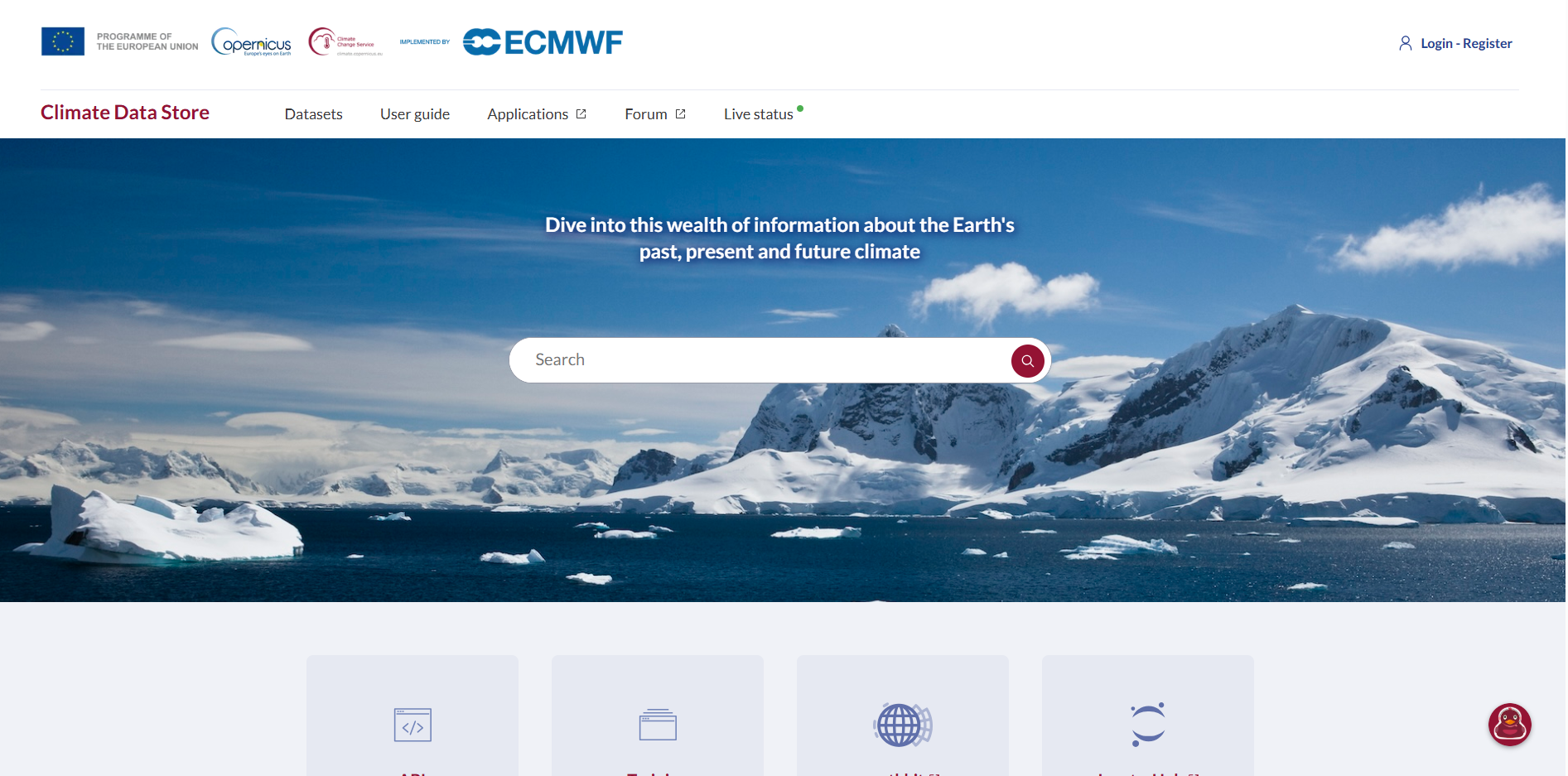
Climate Data Store (CDS)
The Climate Data Store (CDS) is an open-access platform providing authoritative climate datasets, including historical reanalysis and future projections. It enables finance professionals to assess physical climate risks, track greenhouse gas emissions, and integrate evidence-based environmental data into ESG reporting and investment analysis.
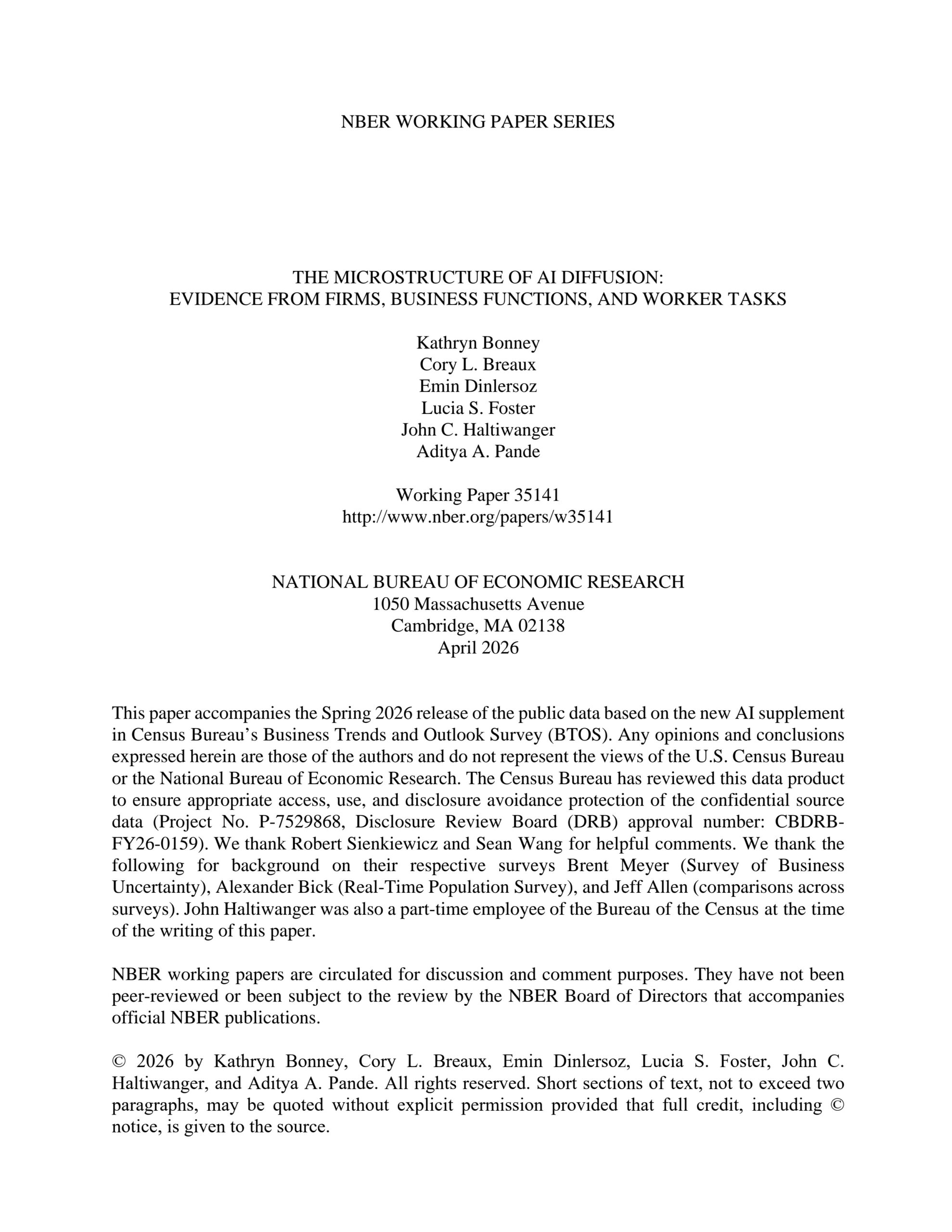
The microstructure of AI diffusion: Evidence from firms, business functions, and worker tasks
This research examines AI diffusion through US firms, distinguishing between organisational adoption and worker-level use. While adoption is growing, it remains concentrated in large, knowledge-intensive sectors. Findings indicate AI primarily augments worker tasks, with capital substitution being more prevalent than labour displacement at this stage of technological integration.

SBTi Corporate Net-Zero Standard version 2.0
The SBTi Corporate Net-Zero Standard Version 2.0 provides a framework for science-based target setting and implementation. It introduces an implementation hierarchy, transition planning requirements, and a voluntary Ongoing Emissions Responsibility programme. The standard focuses on context-specific targets and best-efforts delivery to reach net-zero by 2050.

Oxford-GlobeScan global corporate affairs survey series
This benchmark series provides an overview of opinions, trends, and challenges within the corporate affairs function. Produced annually, the research captures insights from senior professionals globally to track the evolution of the corporate affairs agenda, focusing on reputation, sustainability, geoeconomics, and stakeholder engagement.
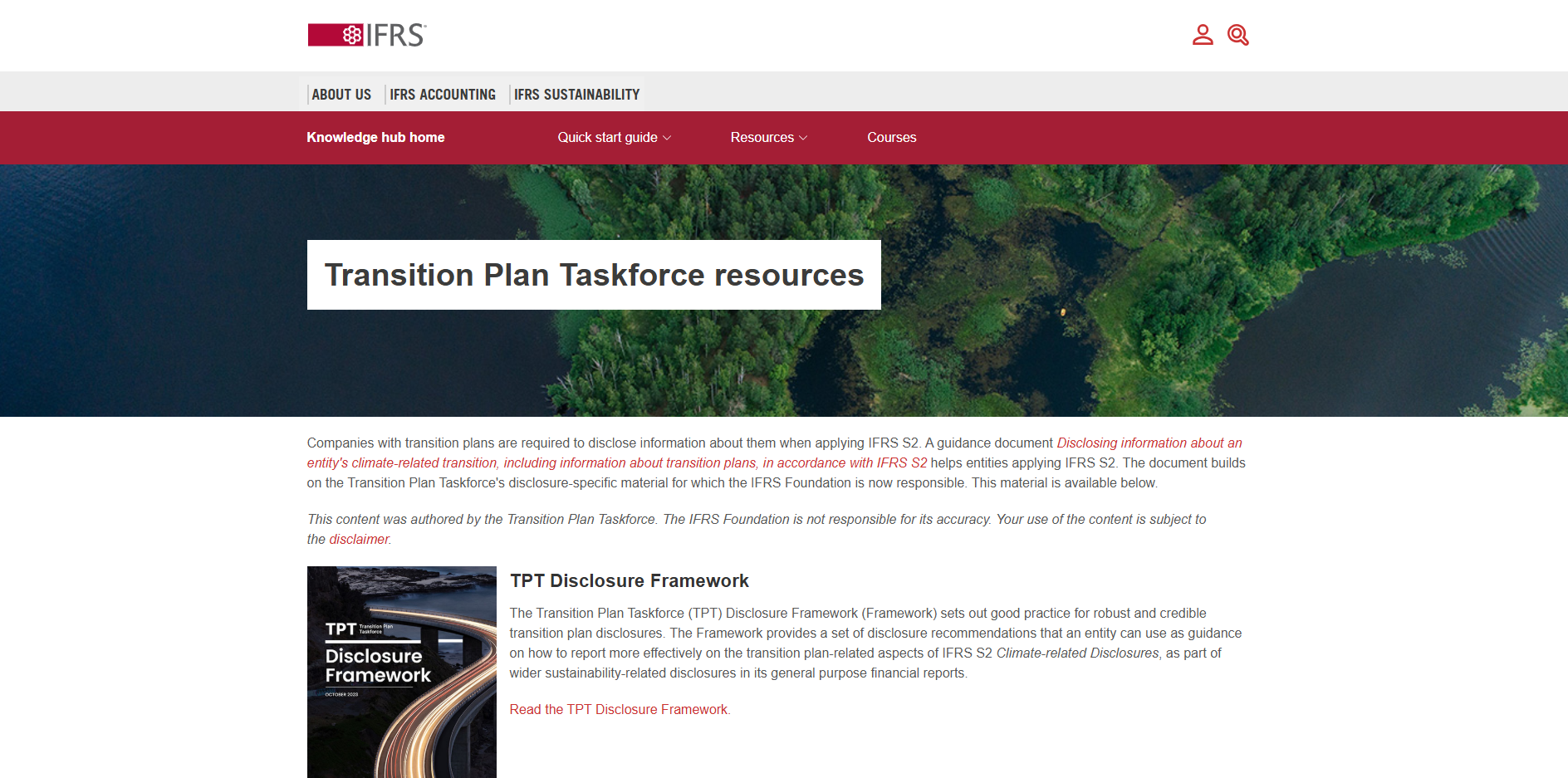
Transition Plan Taskforce Resources
A suite of guidance materials, including the TPT Disclosure Framework and sector-specific guides, designed to help organisations create and disclose robust climate transition plans in alignment with IFRS S2.
The Big Fix Resource Collection
The Big Fix is a resource hub from Resilience.org and the Post Carbon Institute focused on systemic resilience. It provides curated research and news to help professionals understand and navigate the interconnected ecological and economic challenges of the 21st-century polycrisis.


