
Library | Finance relevance
General / All finance professionals
Refine
1353 results
REFINE
SHOW: 16


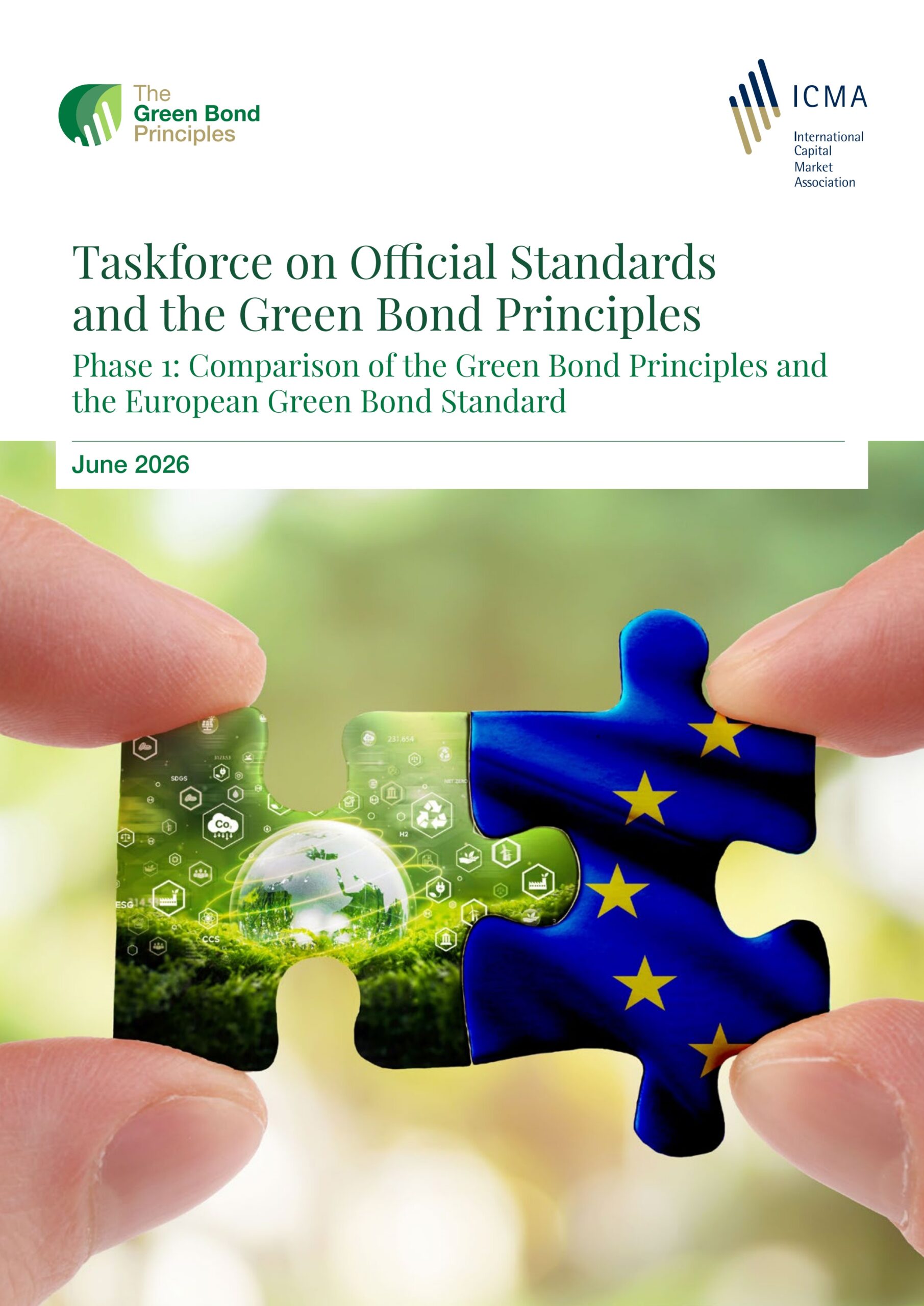
Taskforce on official standards and the Green Bond Principles. Phase 1: Comparison of the Green Bond Principles and the European Green Bond Standard
This report compares the voluntary Green Bond Principles with the regulatory European Green Bond Standard. It identifies high proximity and synergy between the frameworks, providing guidance on how issuers can navigate both sets of requirements to enhance transparency and facilitate global investor recognition in the sustainable finance market.
Financial and economic returns to investing in One Health: Evidence and future directions
This research examines the financial case for investing in One Health to mitigate global health threats. It highlights how integrated approaches reduce costs and improve efficiencies. Through various global case studies, the report demonstrates significant economic returns and provides a strategic blueprint for future sustainable investment.
Energy transition index series
The Energy Transition Index is a benchmark series providing a structured, data-driven framework to assess national energy systems and track transition progress across 120 countries. It evaluates performance through security, equity, and sustainability lenses, alongside transition readiness factors, helping decision-makers identify gaps and understand the conditions required for resilience.
The value of non-value-maximizing managers
This research argues that hiring managers biased towards poorly-measured goals, such as social impact, is often optimal. This selection allows organisations to implement high-powered financial incentives for well-measured tasks without neglecting non-financial objectives. The study highlights how managerial selection and incentive design function as complementary governance tools.
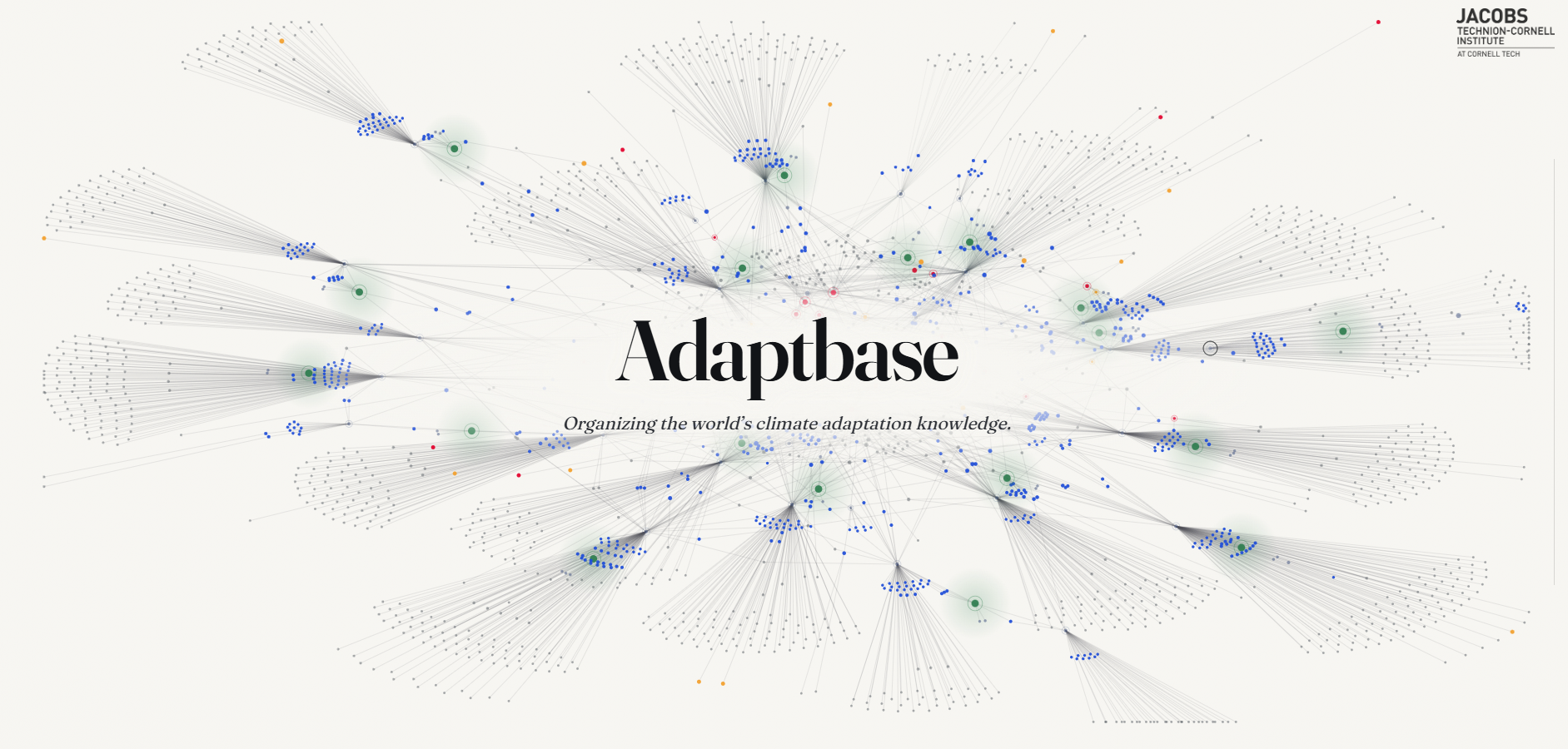
Adaptbase Search
Adaptbase Search is an AI-powered knowledge base that structures climate adaptation data from global city plans. It allows finance professionals to track urban resilience investments, benchmark city responses to climate hazards, and verify adaptation claims through a standardised knowledge graph of actions and outcomes.
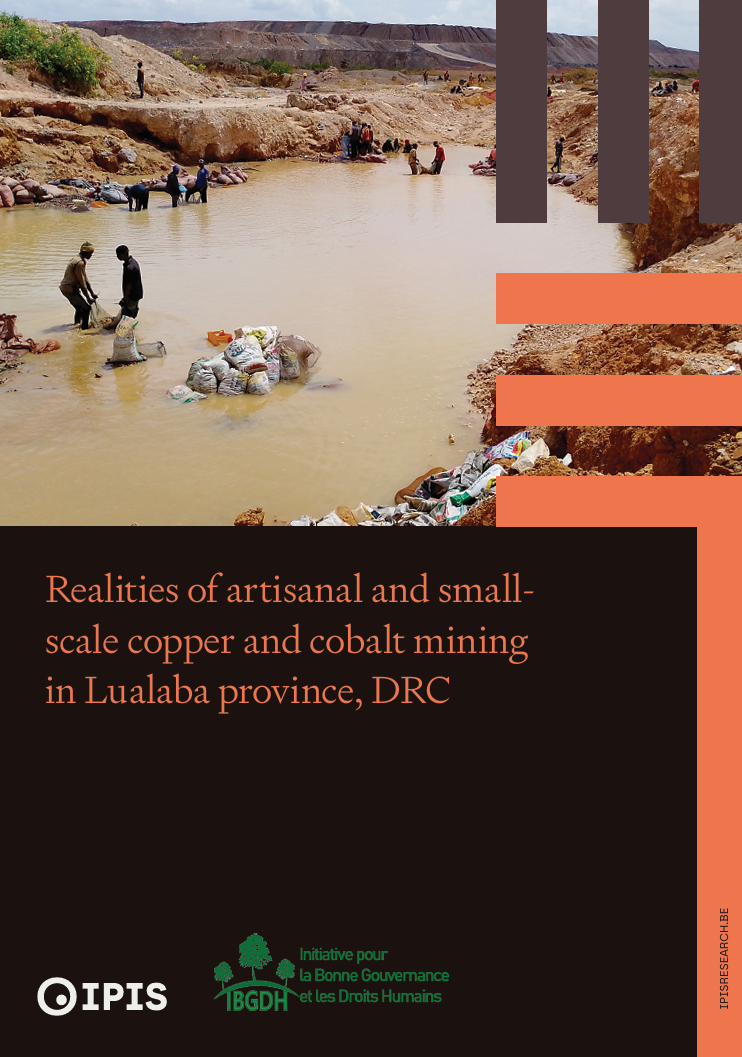
Realities of artisanal and small-scale copper and cobalt mining in Lualaba province, DRC
IPIS and IBGDH mapped 51 artisanal copper and cobalt mines in Lualaba, DRC, employing an estimated 109,000 miners. The study finds few viable designated zones, cooperative elite capture, tension with industrial concessions, unsafe conditions, child labour and extortion by state agents, and recommends creating legal spaces for artisanal miners.
Early VfM adaptation toolkit: Delivering value-for-money adaptation with iterative frameworks & low-regret options
This 2014 DFID toolkit by Watkiss, Hunt and Savage guides advisers in designing value-for-money climate adaptation programmes. Using iterative frameworks, it sequences no- and low-regret options across six steps: risk identification, theory of change, option selection, prioritisation, programme design and economic appraisal, with Ethiopian case studies.
The Omnibus I Directive and the EU sustainable finance trilemma: Sustainability, simplification and harmonization
This research analyses Directive (EU) 2026/470 (Omnibus I Directive), which simplifies the Corporate Sustainability Reporting Directive and Corporate Sustainability Due Diligence Directive. It examines how narrowing regulatory scope and removing substantive obligations impacts the balance between sustainability, simplification, and harmonisation within the European Union's financial framework.
Old workers, young machines: Can AI and automation offset population ageing?
This report assesses the capacity of artificial intelligence and robots to automate ageing workforces across 135 economies. While automation could offset demographic pressures, its effectiveness is limited because ageing often occurs in sectors with low automation potential, such as health and agriculture, particularly in several fast-ageing advanced economies.
Liability and pricing of dual-use AI
This research analyses AI provider liability for dual-use models enabling both cyberattacks and defence. It demonstrates that while liability can improve welfare by reducing contest resources through higher prices, it may increase harm by weakening precautions. Market competition and guardrail incentives significantly influence optimal liability shares.
Innovation, business cycles, and the climate transition
This research documents that non-green innovation is procyclical, while green innovation is countercyclical. This divergence is driven by green technologies' backloaded profit structures and the reduced cost of skilled R&D labour during downturns. The study highlights that innovation subsidies are significantly more effective when implemented during economic contractions.
Economics of demand-side and supply-side climate policies
This research evaluates demand-side and supply-side climate policies, recommending a portfolio that combines carbon use and extraction pricing to mitigate emissions leakage. It emphasises transmission reform, innovation support, and green industrial policies while analysing the domestic and global distributional consequences for low-income and major fossil fuel producing nations.

Powering up: Business perspectives on electrification
A global survey of 1,994 business leaders across 18 markets reveals overwhelming support for clean electrification. While 90% expect largely electric operations by 2035 to improve energy security and competitiveness, 72% believe government policy is moving too slowly, citing grid constraints and high upfront costs as significant barriers.
From planetary hazard to financial stability: Disentangling climate risk and institutional responsibility
This report identifies the misalignment between institutional mandates and climate risk expectations. It distinguishes between planetary, economic and financial risks, outlining six distinct responses. The authors argue that current frameworks distract from real-economy decarbonisation and shift climate costs onto public balance sheets, requiring clearer policy distinctions and instruments.
Government announced increases in carbon pricing and their implications for corporate valuations
This report explores global corporate environmental costs, finding that unpriced carbon emissions represent a material risk to valuations. Analysing approximately 20,000 companies, it illustrates how projected carbon price increases in jurisdictions like Norway and Canada could significantly erode enterprise values, especially within the aviation and maritime sectors.
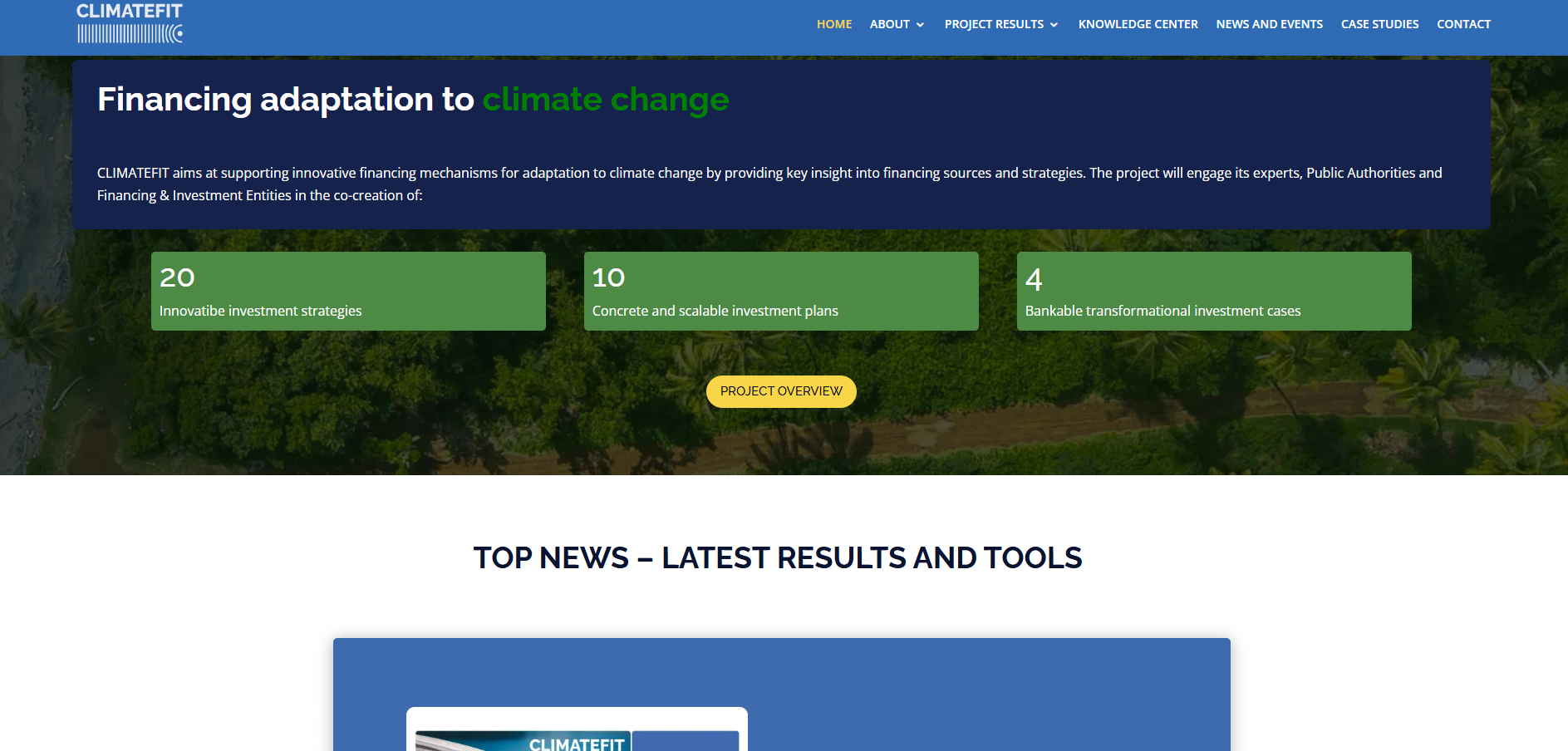
CLIMATEFIT
CLIMATEFIT is an EU-funded initiative that provides public authorities and investors with tools, databases, and methodologies to develop bankable climate adaptation projects and bridge the resilience finance gap.


