
Library | Finance relevance
General / All finance professionals
Refine
1353 results
REFINE
SHOW: 16


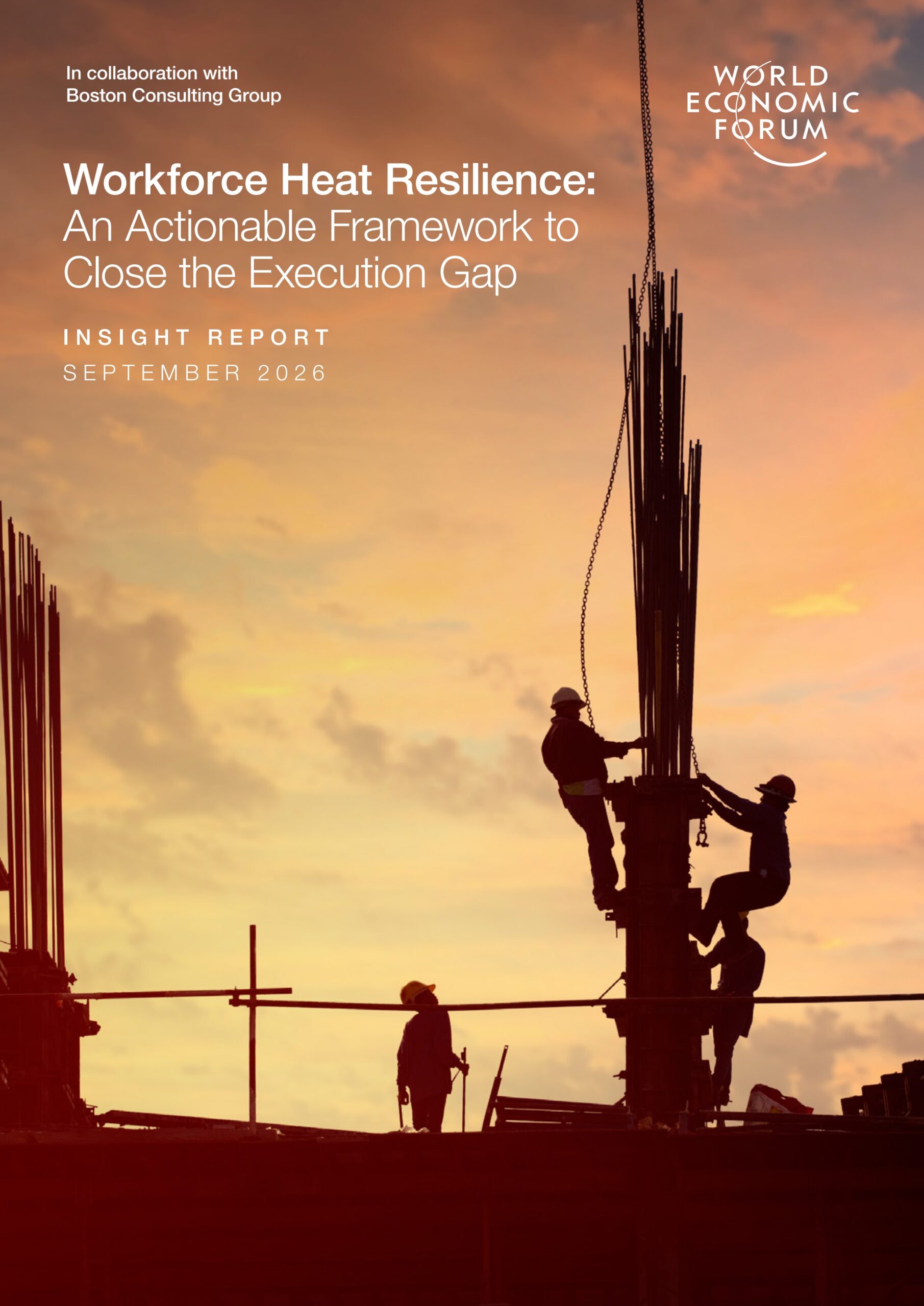
Workforce heat resilience: An actionable framework to close the execution gap
This report provides a framework for businesses to address workforce heat risks. It details a seven-step roadmap to assess climate impacts, design tailored interventions, and scale resilience. With heat-driven productivity losses projected to reach $2.4 trillion by 2030, the document highlights the strategic necessity of protecting workers.
The age of interconnected risks: How interdependencies are shaping the next generation of systemic crises
This report examines rising systemic vulnerabilities driven by interconnected financial, digital, natural, and socio-economic risks. It highlights the gap between market pricing and actual risk, noting how AI, climate change, and geopolitical fragmentation amplify potential crises. It proposes collaborative monitoring and expanded risk-transfer capacity to strengthen global resilience.
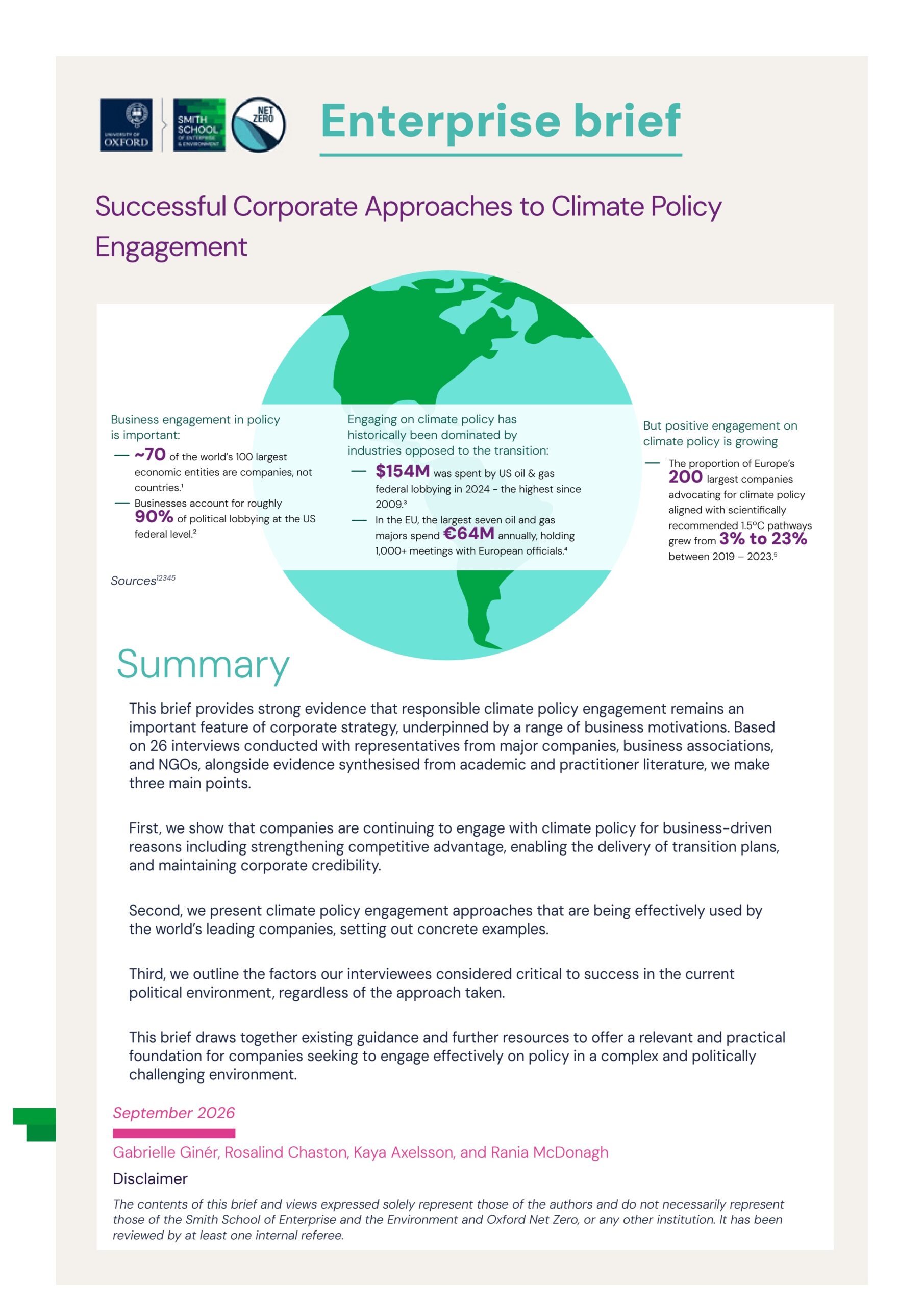
Successful corporate approaches to climate policy engagement
This research examines how leading companies maintain climate policy engagement despite geopolitical challenges. It identifies three core approaches—direct engagement, trade association influence, and coalition forming—driven by business motivations such as competitive advantage and transition plan delivery. Success depends on timing, transparency, and alignment with corporate decarbonisation goals.
Governing climate credibility: Reviewing the governance of climate and sustainability standards
An independent review of governance across five leading climate standard-setters: GHGP, GRI, ISO, ISSB, and SBTi. The report evaluates structures, finance, and independence, identifying strengths and transparency gaps. It offers recommendations to enhance accountability, resource governance effectively, and ensure long-term credibility for net zero objectives.
Public finance in the digital era: Emerging themes 2026
This report explores emerging themes in digital-era public financial management (PFM) for 2026. It examines the integration of artificial intelligence, digital public infrastructure, and earth observation to improve fiscal oversight, tax administration, and public welfare, while highlighting risks from declining international aid and proprietary software lock-in.
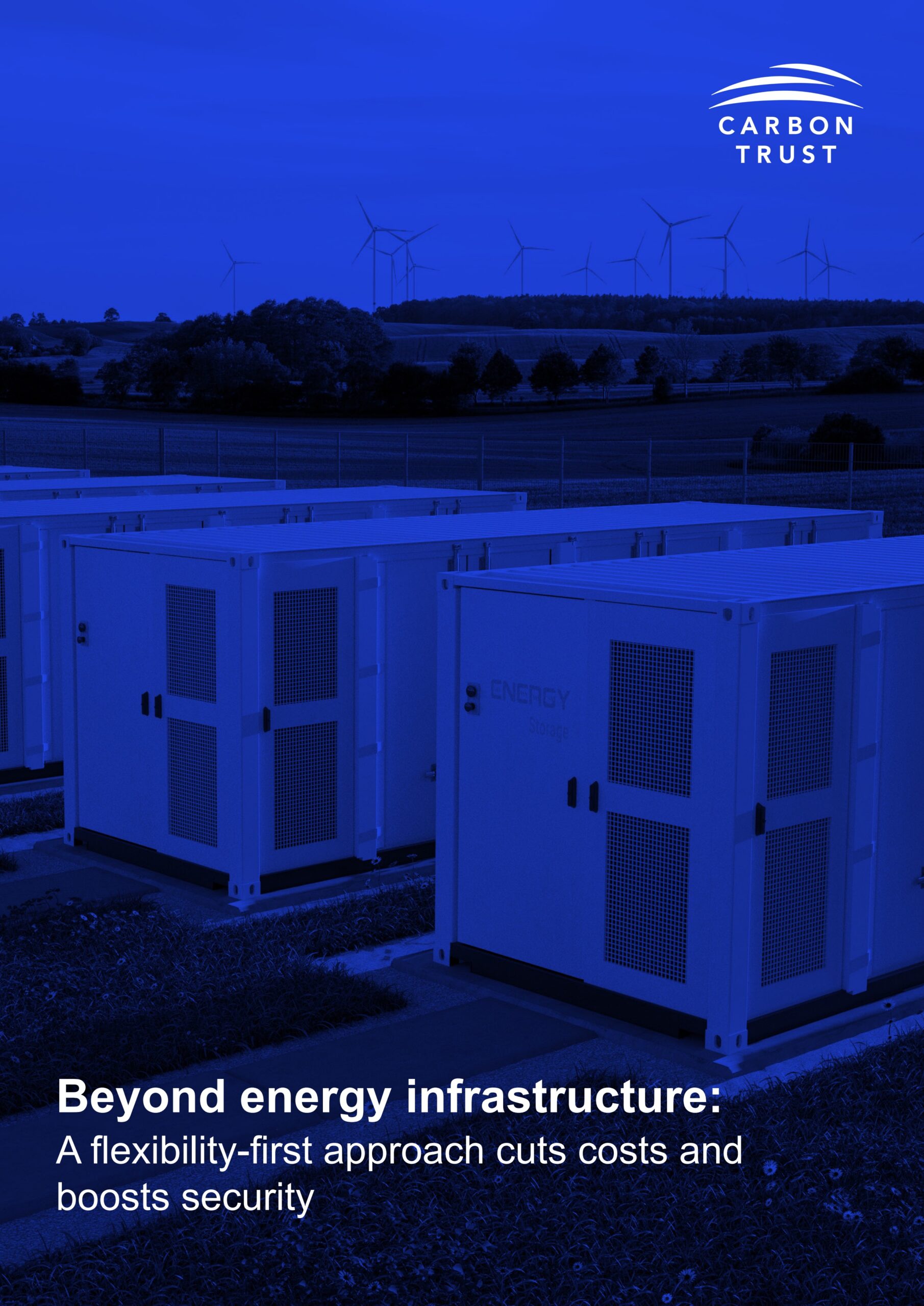
Beyond energy infrastructure: A flexibility-first approach cuts costs and boosts security
This report argues that power system flexibility is core infrastructure essential for energy security and affordability. It demonstrates how quantifying flexibility can reduce costs, citing potential annual savings of £9.6–£16.7 billion in Great Britain by 2050. Policymakers are encouraged to prioritise flexibility-first design over traditional infrastructure-heavy build-out.
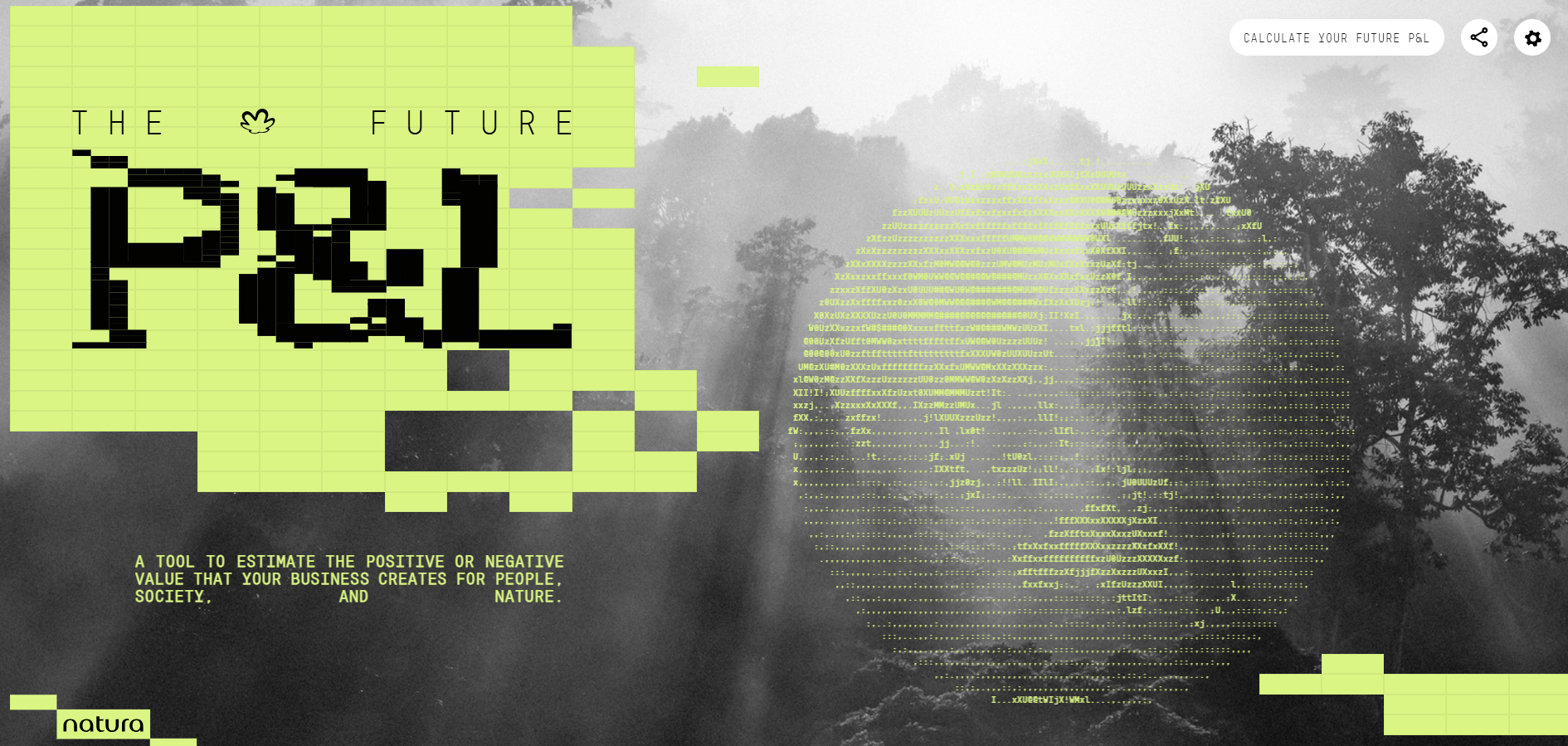
Natura Future P&L Tool
The Natura Future P&L Tool is a free digital platform that enables businesses to measure and monetise their environmental, social, and human impacts. It helps finance professionals integrate ESG externalities into traditional financial analysis to assess a company’s total value creation.
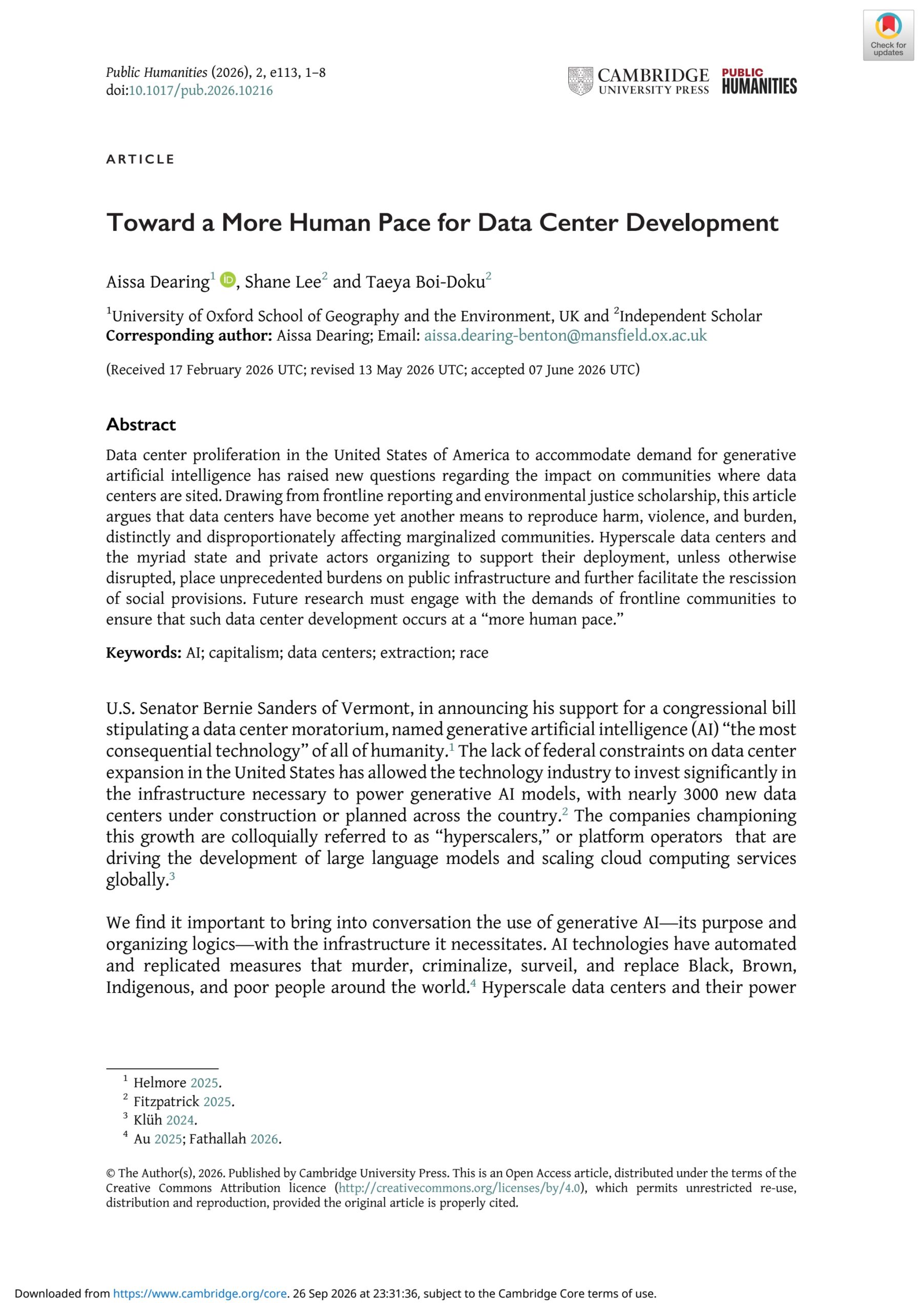
Toward a more human pace for data center development
This research examines the environmental and social impacts of rapid data centre expansion in the United States. It highlights how generative AI infrastructure disproportionately burdens marginalised communities through pollution, increased utility costs, and resource depletion. The authors call for a "more human pace" centred on environmental justice.
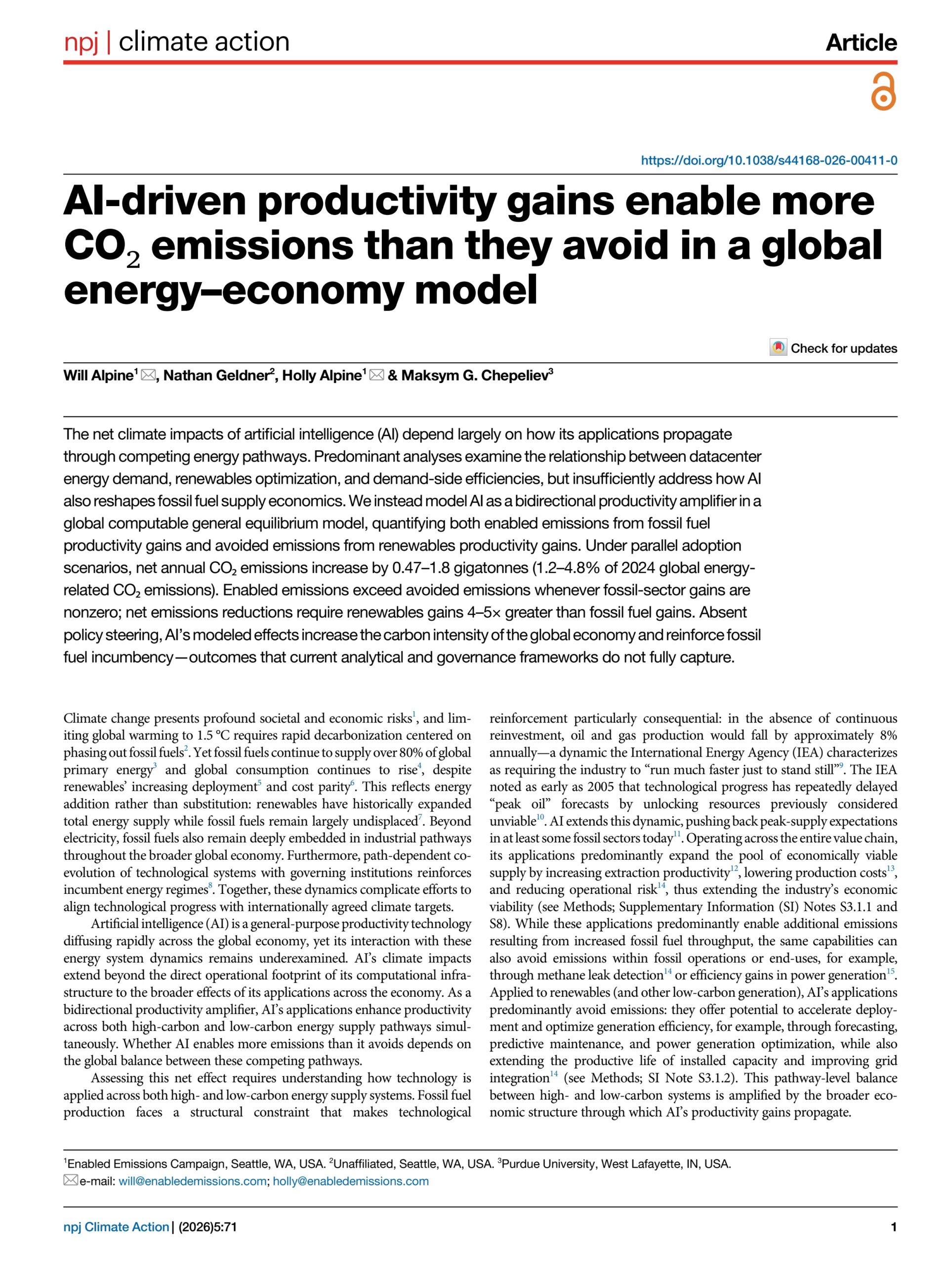
AI-driven productivity gains enable more CO₂ emissions than they avoid in a global energy–economy model
Research using a global energy-economy model indicates that AI-driven productivity gains increase net annual CO2 emissions by 0.47–1.8 gigatonnes under parallel adoption. Enabled emissions from fossil sectors consistently exceed avoided emissions from renewables. Achieving net reductions requires renewable productivity gains to be four to five times greater than fossil gains.
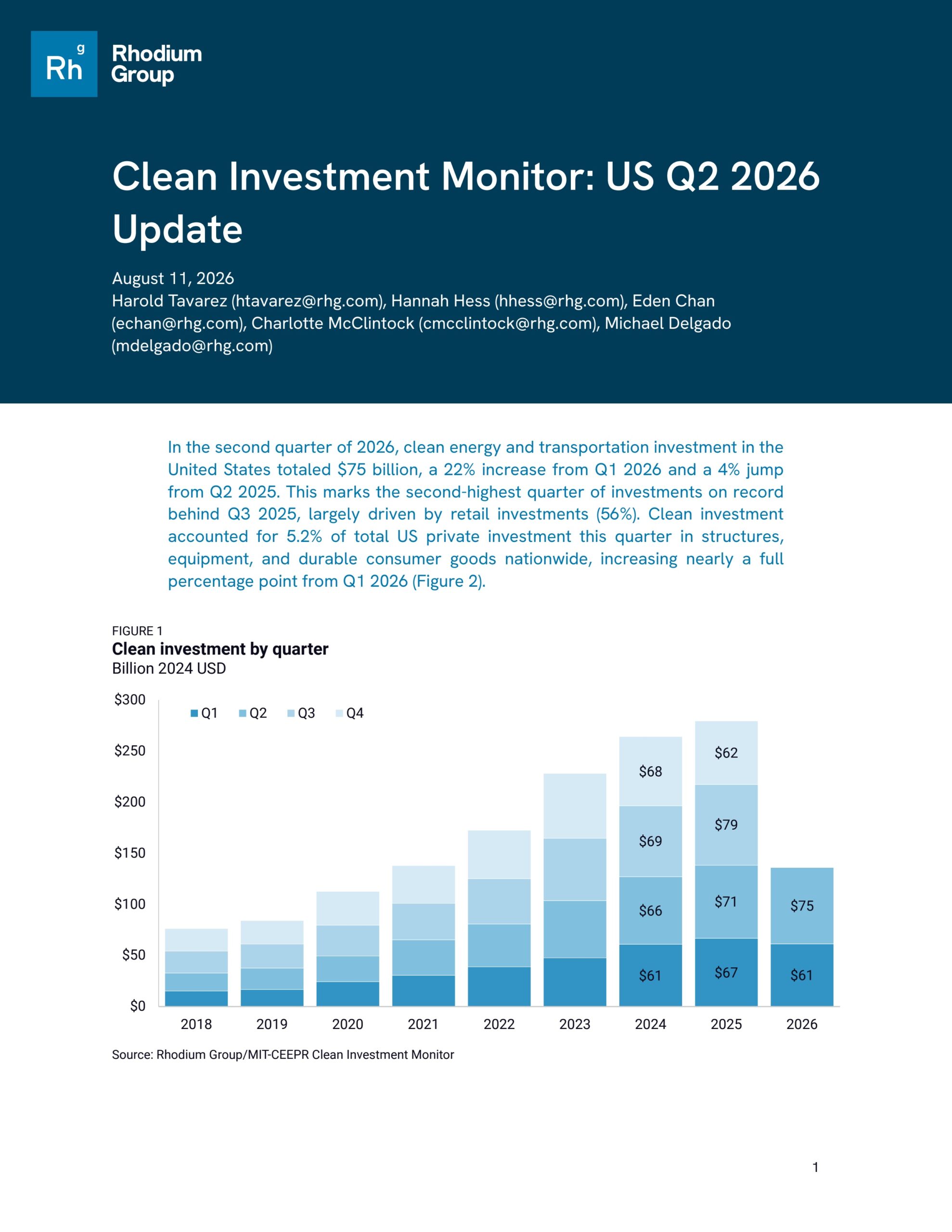
Clean investment monitor: US update series
The Clean Investment Monitor: US Update is a benchmark series providing a comprehensive database of clean energy and transportation investment across the United States. Produced by Rhodium Group and MIT-CEEPR, it tracks the manufacture and deployment of greenhouse gas emission-reducing technologies across manufacturing, energy and industry, and retail segments.
Greenwashing as aspirational signaling: From burden to benefit?
This research analyses the transition of sustainability disclosures from voluntary practices to mandatory legal frameworks in the US and EU. It examines the 'greenwashing enforcement gap' and argues that aspirational signalling, despite inaccuracies, can drive institutional change and attract a prosocial workforce to improve corporate conduct.
Connecting nature, climate, and capital: From data to decisions: Natural capital accounting in practice
This research explores Natural Capital Accounting in New Zealand, focusing on the SEEA EA framework. It provides practical steps for businesses to quantify nature-related risks and dependencies. Through case studies, it demonstrates how environmental data informs investment, lending, and strategic management to enhance organisational resilience and long-term value.
Asking better questions on nature: For chief financial officers
This guide helps Chief Financial Officers integrate nature-related issues into financial decision-making. It outlines how to identify dependencies, assess risks and opportunities, and respond to evolving disclosure expectations. The report emphasises nature as a core driver of performance, resilience and long-term value creation within the TNFD framework.
Leveraging technological solutions for human rights due diligence
This report distils lessons from 25 organisations on leveraging technology to strengthen human rights due diligence in value chains. It categorises various tools, provides case studies, and outlines practical steps for responsible AI adoption, emphasising that technology must complement, rather than replace, human judgement and meaningful stakeholder engagement.
International Ethics Standards for Sustainability Assurance (including International Independence Standards) and other revisions to the Code relating to sustainability assurance and reporting
IESBA’s final pronouncement establishes ethics and independence standards for sustainability assurance by introducing Part 5 to the Code. It outlines five fundamental principles and a conceptual framework to address threats, alongside requirements for tax planning, responding to non-compliance, and leader rotation for public interest entities.
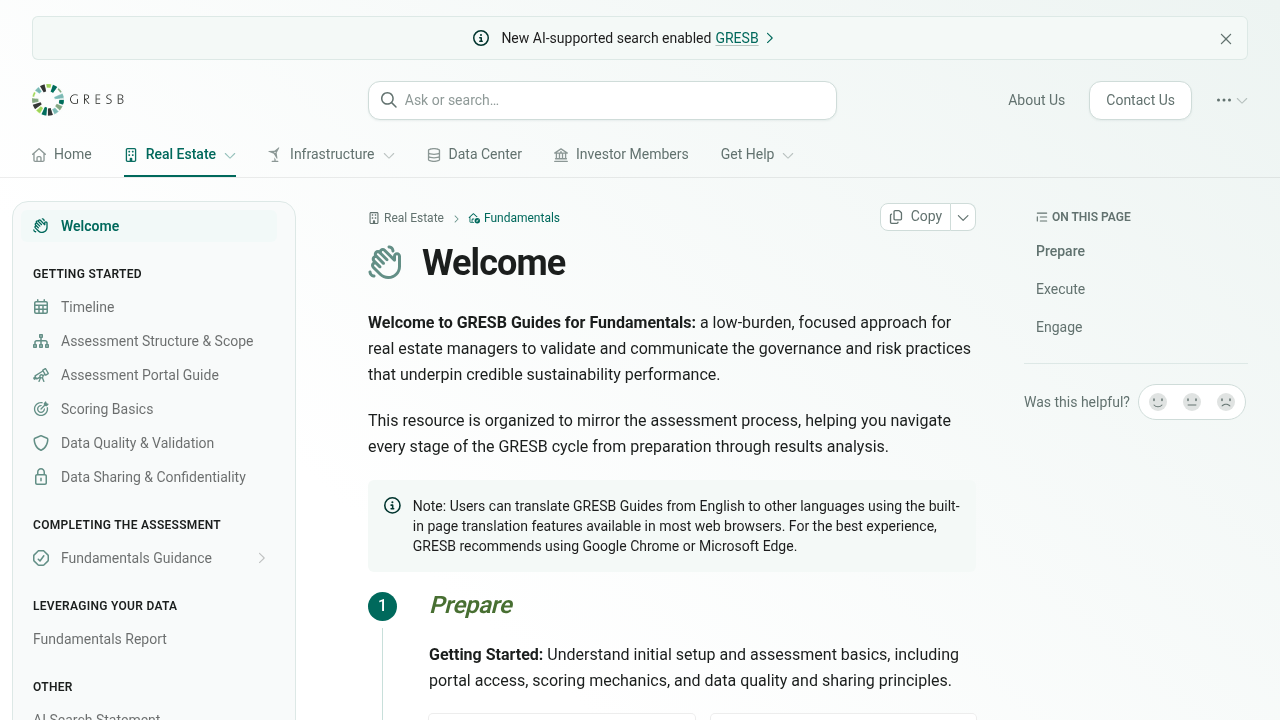
GRESB Guides
GRESB Guides is a comprehensive documentation hub providing methodology, reference manuals, and scoring documents for GRESB’s global ESG benchmarks in real estate and infrastructure. It helps finance professionals navigate reporting requirements and interpret sustainability performance data.


