
Library | Finance relevance
General / All finance professionals
Refine
1353 results
REFINE
SHOW: 16


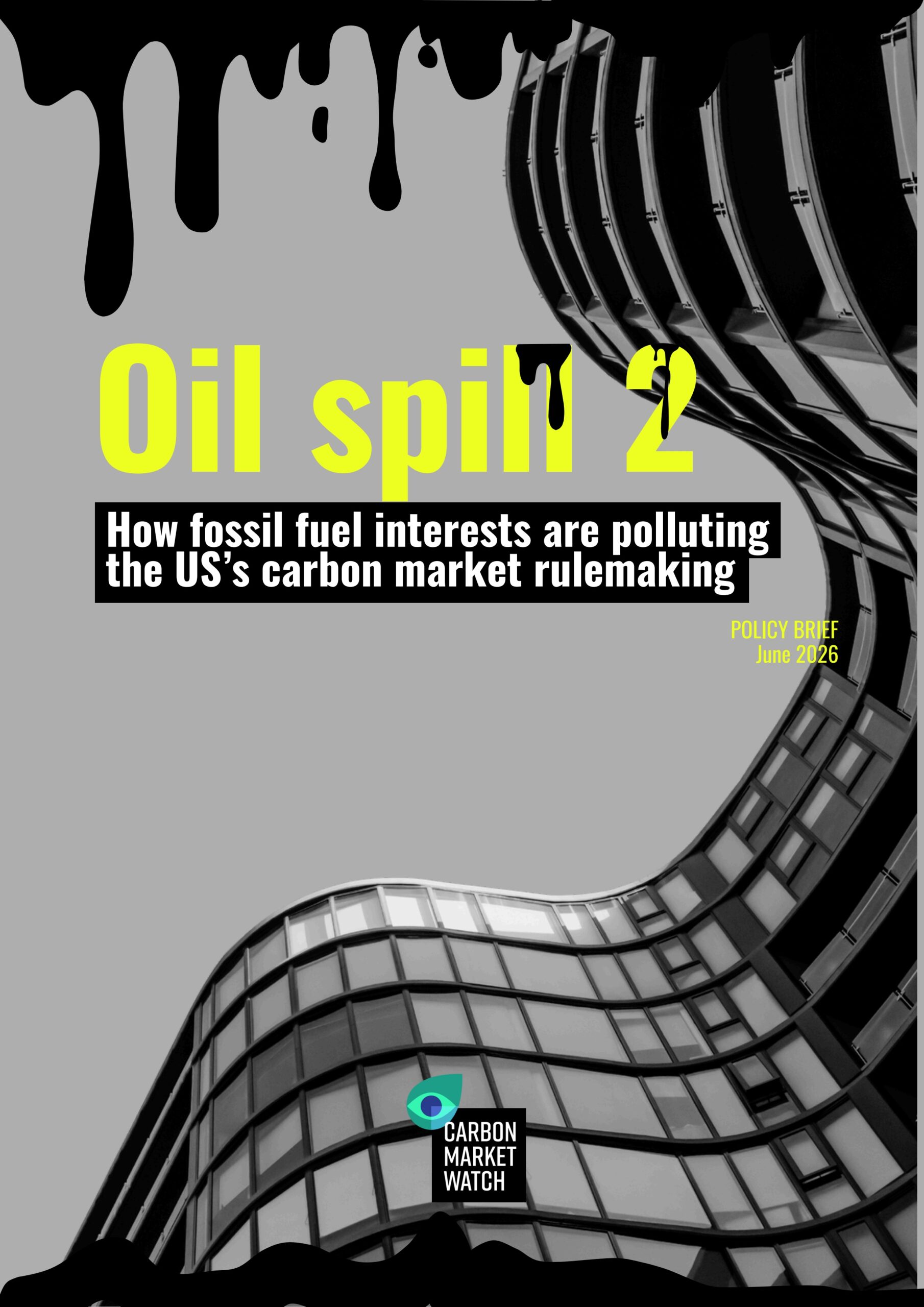
Oil spill 2: How fossil fuel interests are polluting the US's carbon market rulemaking
This report investigates the influence of fossil fuel companies and trade associations on US carbon market regulations. It details extensive lobbying in California and representative roles at the federal level, arguing that these efforts maintain low-quality credits to delay genuine decarbonisation and enable greenwashing.
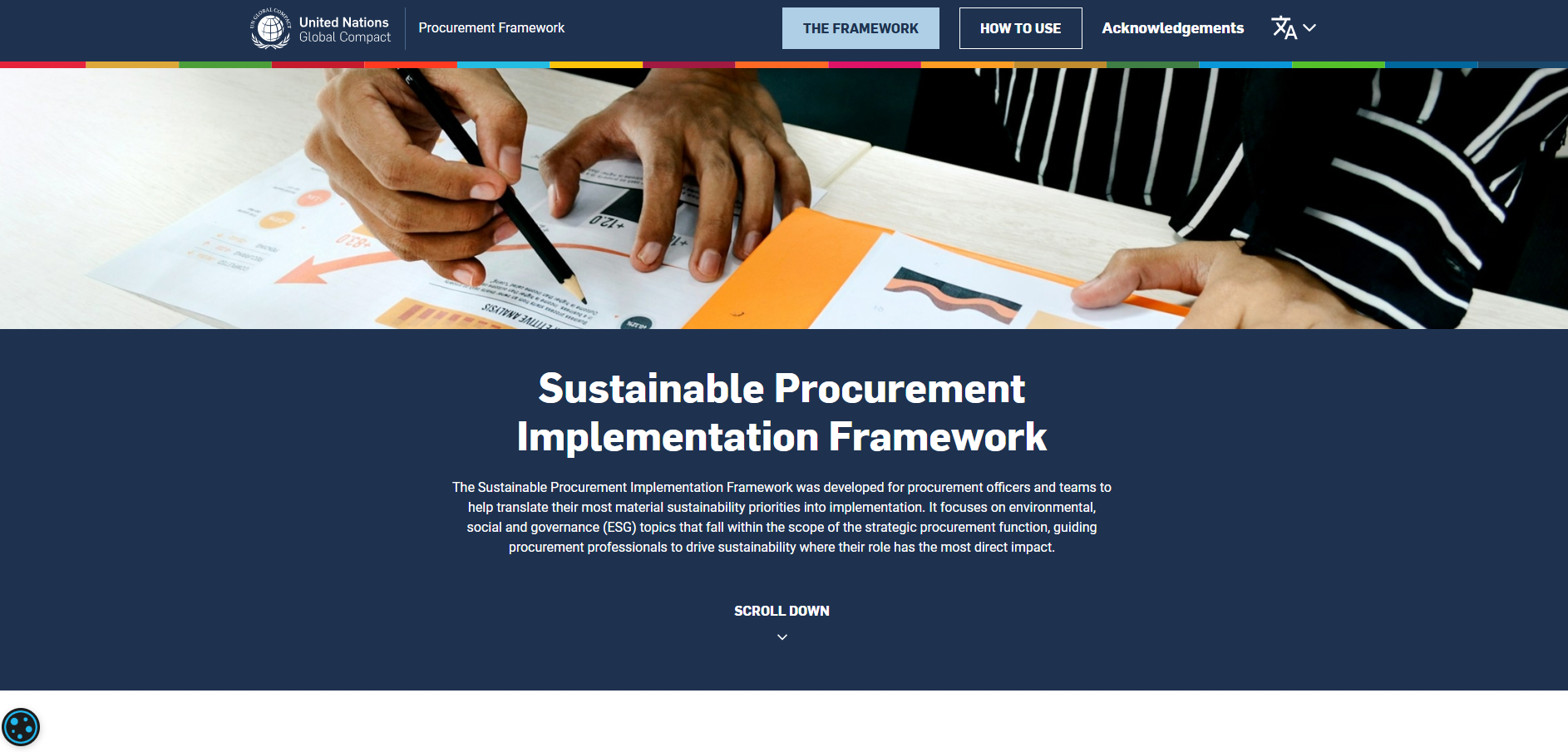
Sustainable Procurement Implementation Framework
The Sustainable Procurement Implementation Framework, developed by the UN Global Compact, provides private sector procurement teams with practical, step-by-step guidance to embed ESG priorities into the procurement cycle and supply chain management.
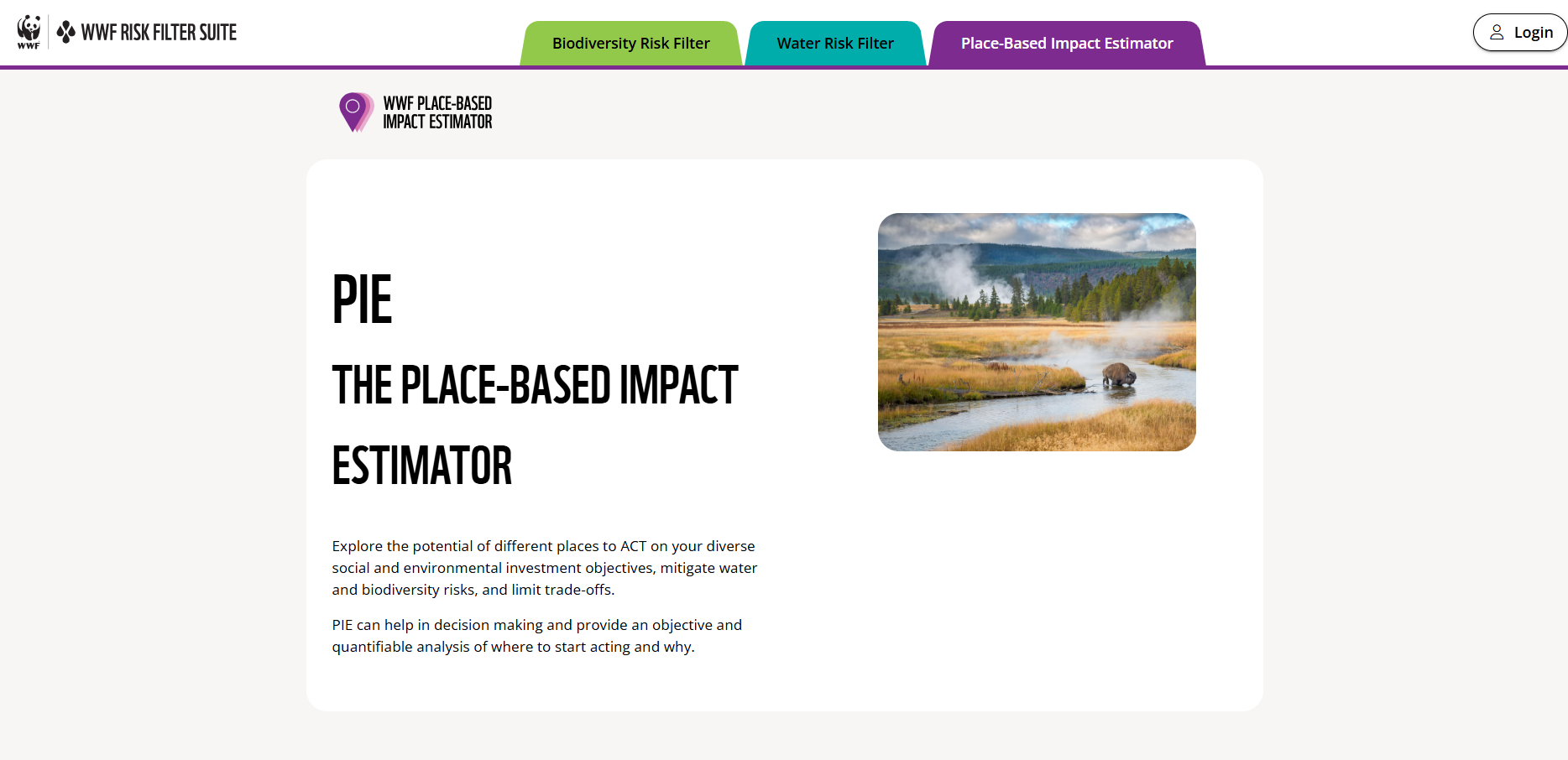
Place-based biodiversity investment tool
The Place-based Impact Estimator (PIE) is a geospatial tool by WWF that helps organisations identify optimal locations for nature-based investments. It balances objectives like carbon storage and biodiversity to help finance professionals select high-impact projects while managing environmental trade-offs.
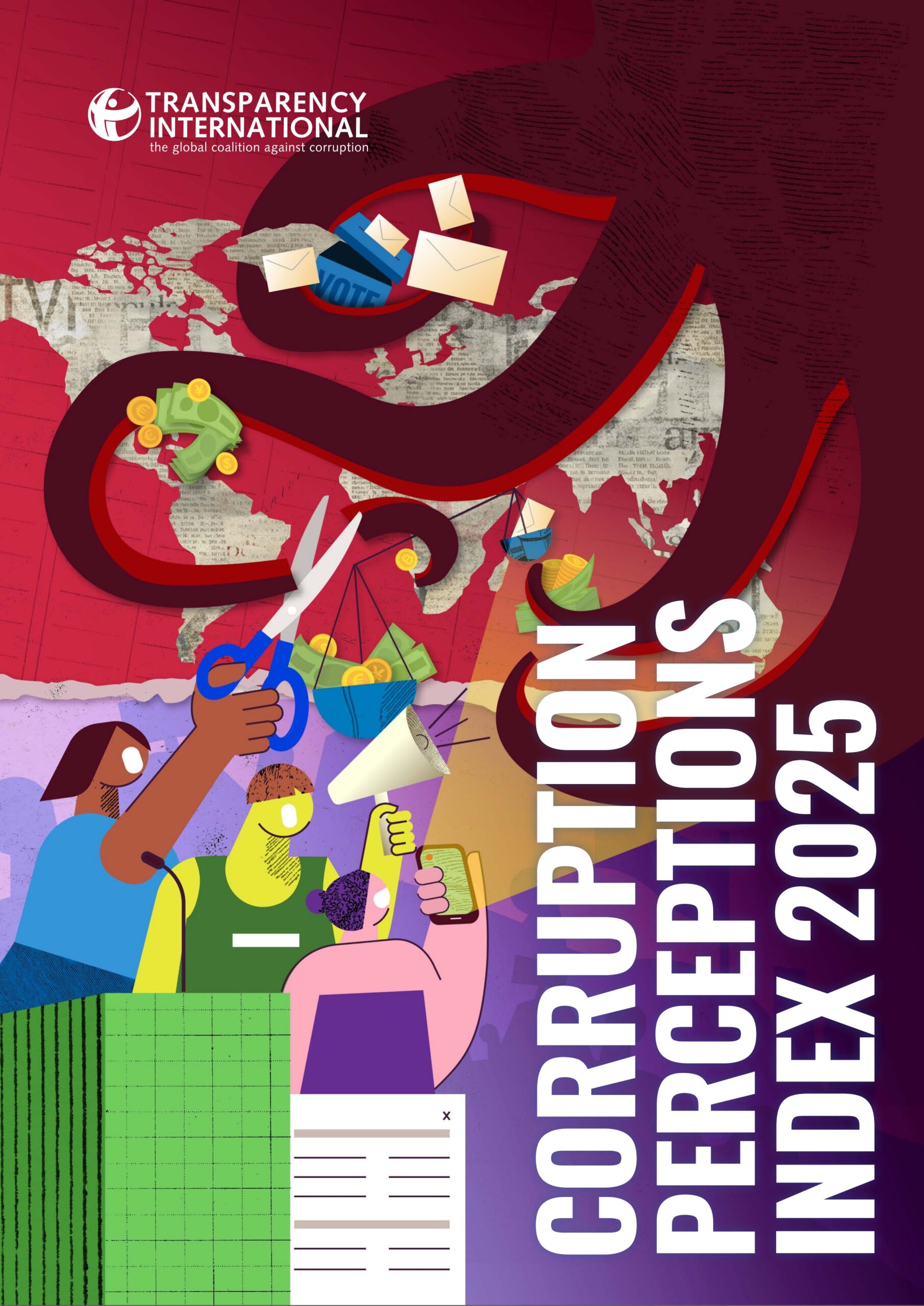
Corruption perceptions index series
The Corruption Perceptions Index is a global benchmark series assessing perceived public sector corruption levels across 182 countries and territories. Produced by Transparency International, the index draws on independent data to provide comparative scores, assisting stakeholders in identifying governance risks and evaluating the effectiveness of anti-corruption reforms and institutional integrity.
Futureproofing industry: Investor priorities for a reformed Safeguard Mechanism
This report outlines investor priorities for reforming Australia's Safeguard Mechanism during the 2026-27 review. It recommends a seven per cent annual decline rate to align with 2035 climate targets, expanding scheme coverage, and implementing financial supports to incentivise on-site abatement over carbon offsets to ensure long-term industrial competitiveness.
ESG ratings and the French Duty of Vigilance Law
An analysis of the 2017 French Duty of Vigilance Law’s impact on corporate ESG and financial performance. Using difference-in-differences analysis, the study finds a significant negative association with social and environmental ESG scores, suggesting the law reduces rating "gaming" or prompts the production of more realistic risk disclosures.
Seeing green: The effects of financial exposures on support for climate action
This research evaluates a randomised controlled trial using financial exposure to the energy sector to build support for climate action. Findings demonstrate that ownership of green and brown assets increases support for mitigation policies through a learning mechanism, where participants consume more financial news and improve their environmental knowledge.
Putting climate coalitions into practice: A common framework for balancing competitiveness and equity
This technical report proposes a framework for international climate coalitions, focusing on emissions-intensive industries such as steel and aluminium. Modelling indicates that coordinated carbon price floors could reduce annual emissions by up to 584 million metric tons. It introduces an 'effective carbon cost' metric to balance global competitiveness and equity.
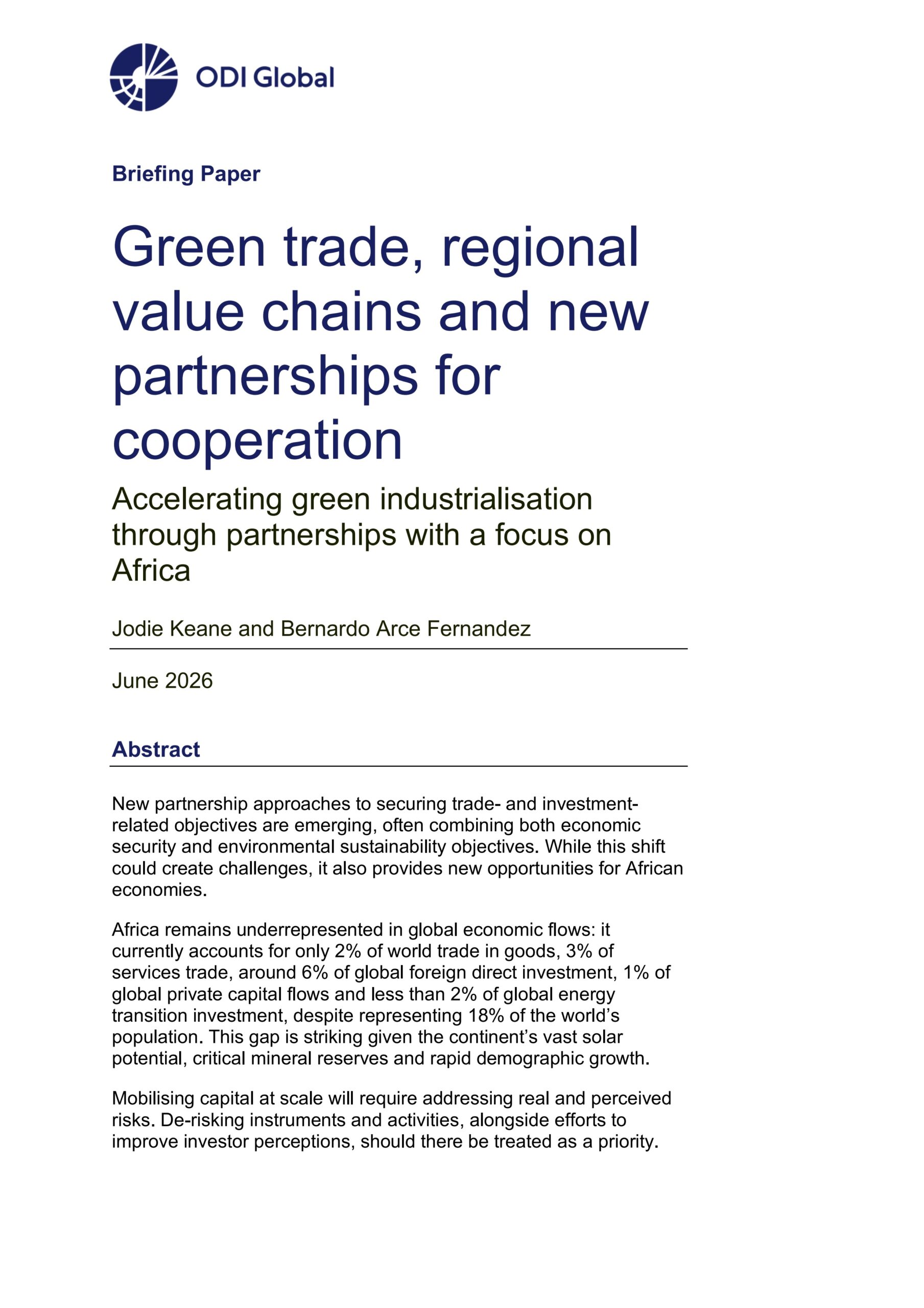
Green trade, regional value chains and new partnerships for cooperation: Accelerating green industrialisation through partnerships with a focus on Africa
This briefing paper examines how green trade and regional value chains can accelerate African industrialisation. It outlines opportunities within the AfCFTA and the African Green Industrialisation Initiative, emphasising the need for de-risking instruments, institutional capacity building, and new partnership frameworks to align international capital with Africa’s sustainable development goals.
First Street Research Library
The First Street Research Library provides transparent, peer-reviewed reports and climate risk data focused on flooding, fire, and heat. It helps finance professionals quantify physical risks and their economic impacts.
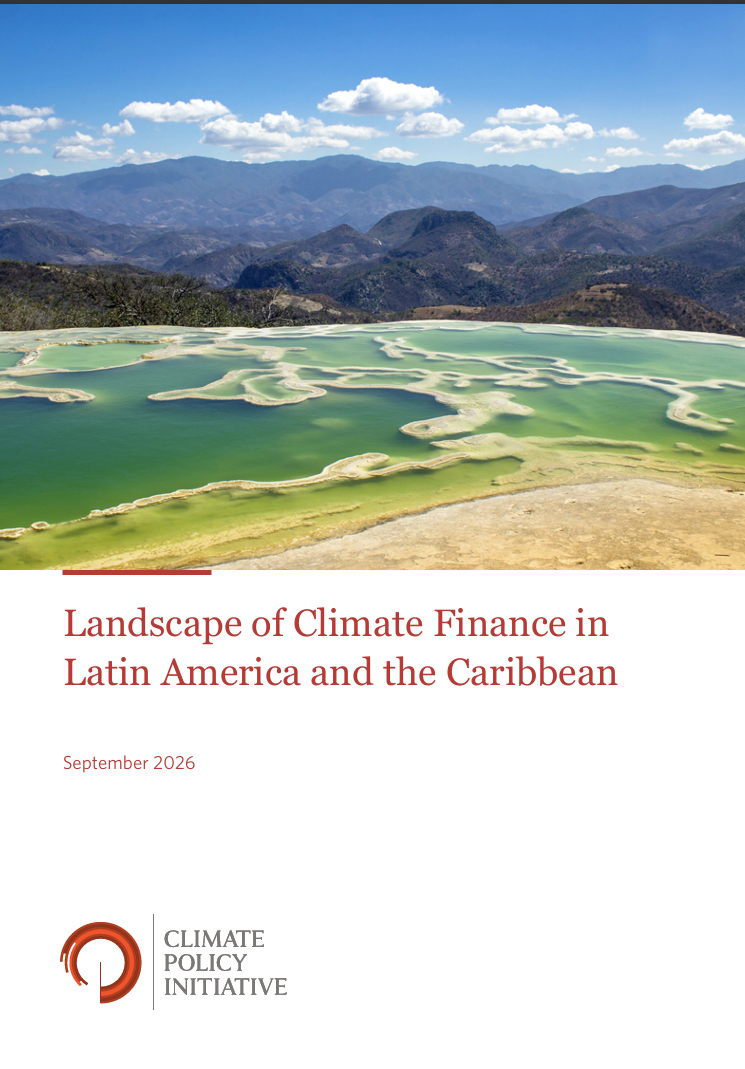
Landscape of Climate Finance in Latin America and the Caribbean
The report assesses climate finance across Latin America and the Caribbean from 2020–2024. Finance doubled to US$108 billion but remains well below estimated needs and unevenly distributed. It examines public and private flows, mitigation and adaptation investment, financing constraints, and measures to mobilise capital and strengthen climate resilience.
Top-down Climate Finance Needs Data Dashboard
Developed by the Climate Policy Initiative, this dashboard provides interactive visualisations of the global financial requirements for climate mitigation and adaptation, helping finance professionals quantify the investment gap.
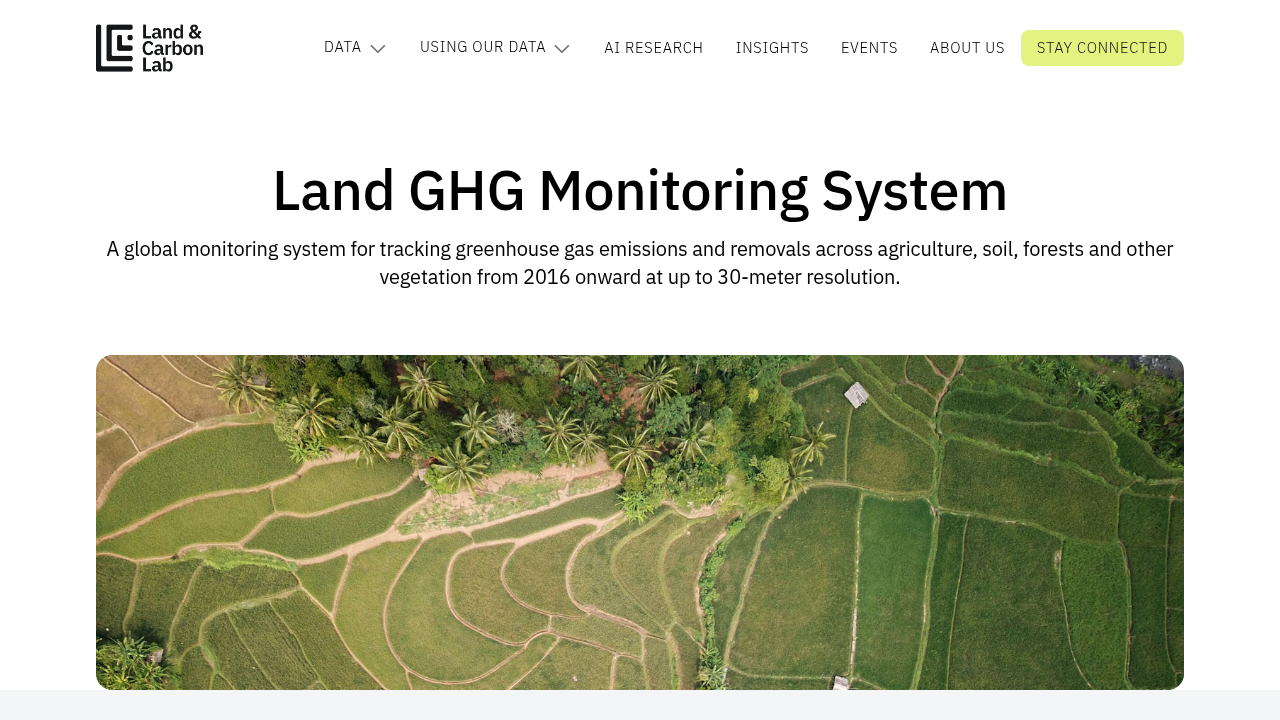
Land GHG Monitoring System
A high-resolution geospatial monitoring system from Land & Carbon Lab and WRI that tracks global greenhouse gas emissions and removals across agriculture, forests, and soils to support corporate accounting and climate-smart land management.
Collaboration in action: How to collectively work towards systems change
This report examines how diverse capital providers collaborate to achieve systems change. It identifies catalytic capital as a pivotal tool for de-risking investments and mobilising private funds. Key findings highlight the necessity of trust, long-term partnerships, and shared metrics to overcome structural barriers and address the $4 trillion SDG financing gap.
Climate resilience, desertification and applied innovation report: A strategic framework for applied innovation in arid and climate-vulnerable regions
This 2026 report establishes a strategic framework for climate resilience in arid regions. It examines technological solutions in water, agriculture, and energy, highlighting Israel's innovation ecosystem and Azerbaijan's renewable energy transition. The document advocates for integrated systems, cross-border cooperation, and robust governance to combat global desertification and land degradation.
The Quadripartite Joint Offer: A call for targeted One Health investment
This advocacy document calls for targeted investment in the One Health Joint Plan of Action. The Quadripartite collaboration proposes a Joint Offer to support at least ten countries over five years, strengthening governance, multisectoral coordination, and sustainable financing to prevent and control global health risks effectively.


