
Library | Sustainable Finance Practices
Issue/sector focused research
General research and analysis that provides deep dives and insights into specific sustainability issues or industry sectors, addressing the current status, trends, risks, and opportunities for the issue but not specifically addressing a finance or business audience.
Refine
761 results
REFINE
SHOW: 16


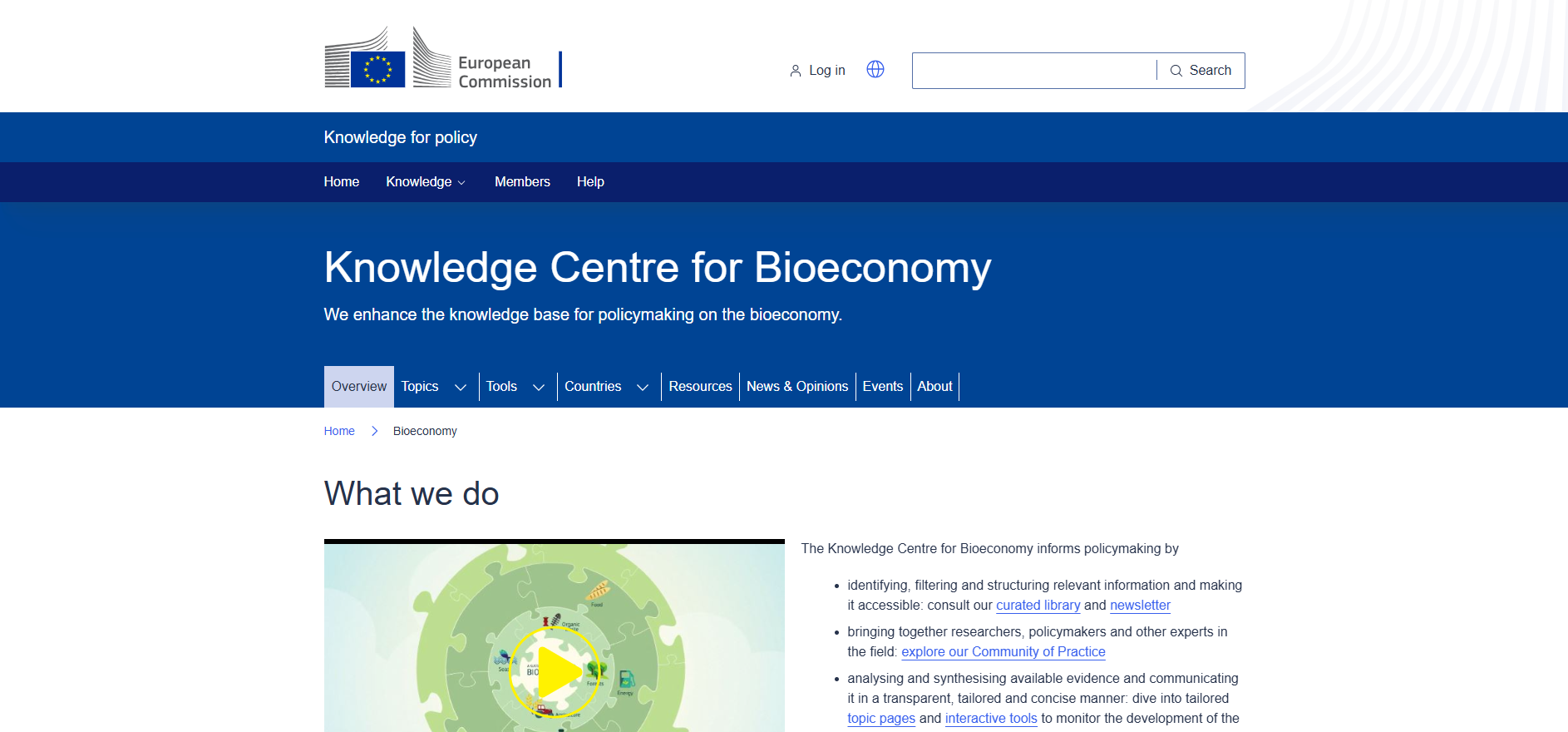
Knowledge Centre for Bioeconomy
The Knowledge Centre for Bioeconomy is a European Commission platform providing curated data, tools and analysis to support evidence-based policymaking. It consolidates research, indicators and policy information on biomass-based sectors, enabling stakeholders to monitor developments and assess the sustainability and economic impacts of the EU bioeconomy.
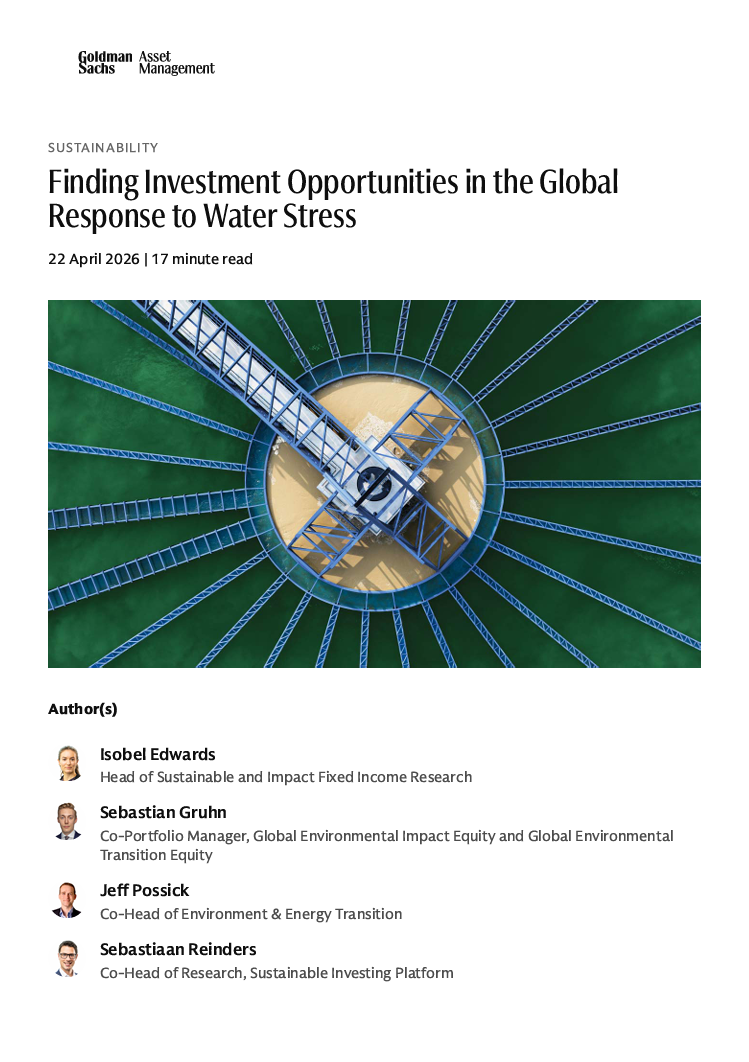
Finding investment opportunities in the global response to water stress
Examines investment opportunities arising from global water stress, focusing on infrastructure renewal, risk management and efficiency gains. Outlines how investors can identify growth across asset classes and technologies addressing water scarcity, supporting resilience, cost reduction and long-term economic trends.
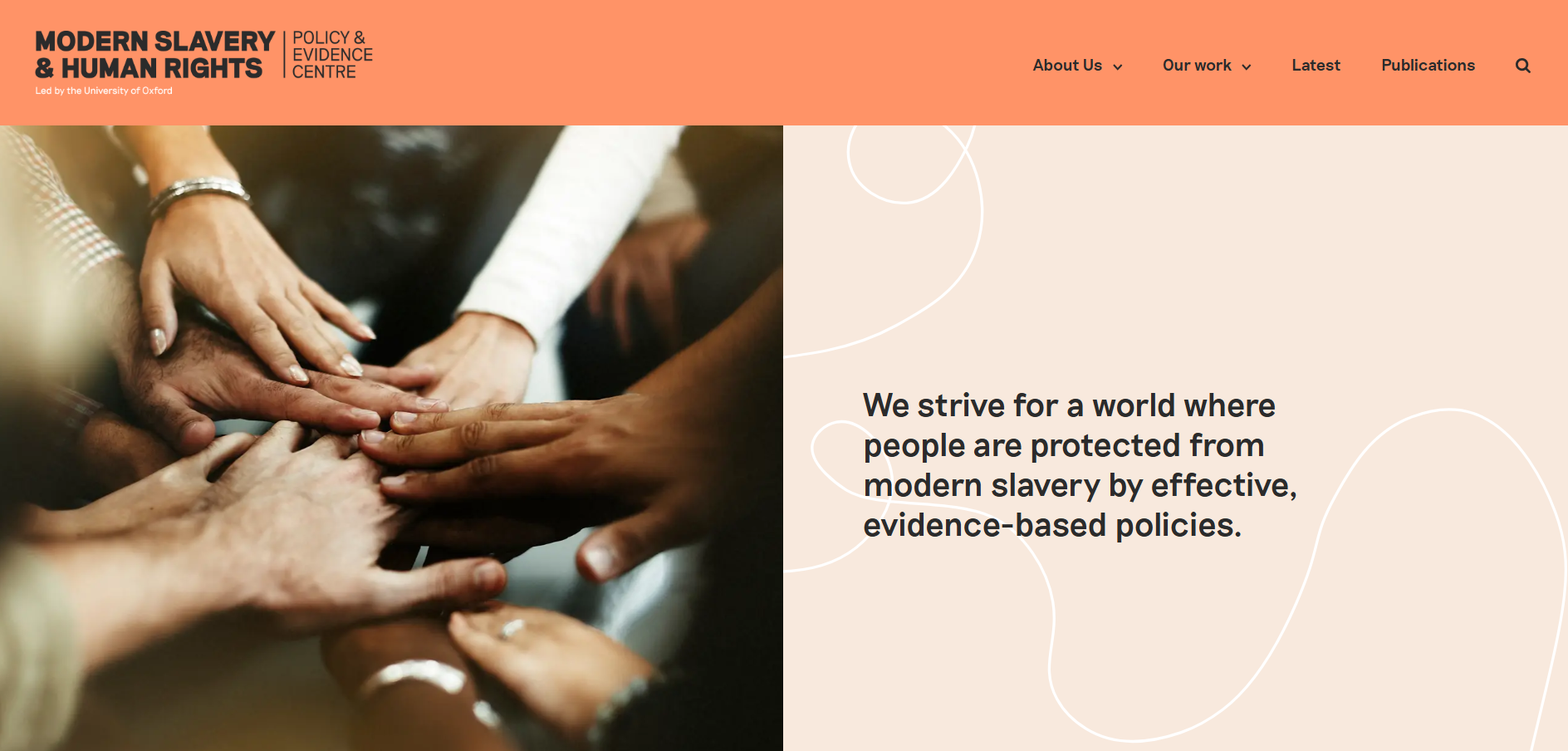
Modern slavery and human rights: Policy and evidence centre
The Modern Slavery and Human Rights Policy and Evidence Centre is a UK-based research initiative that funds and co-creates independent, policy-focused research on modern slavery. It brings together academics, policymakers, businesses and civil society to improve evidence-based laws, policies and practices addressing modern slavery globally.
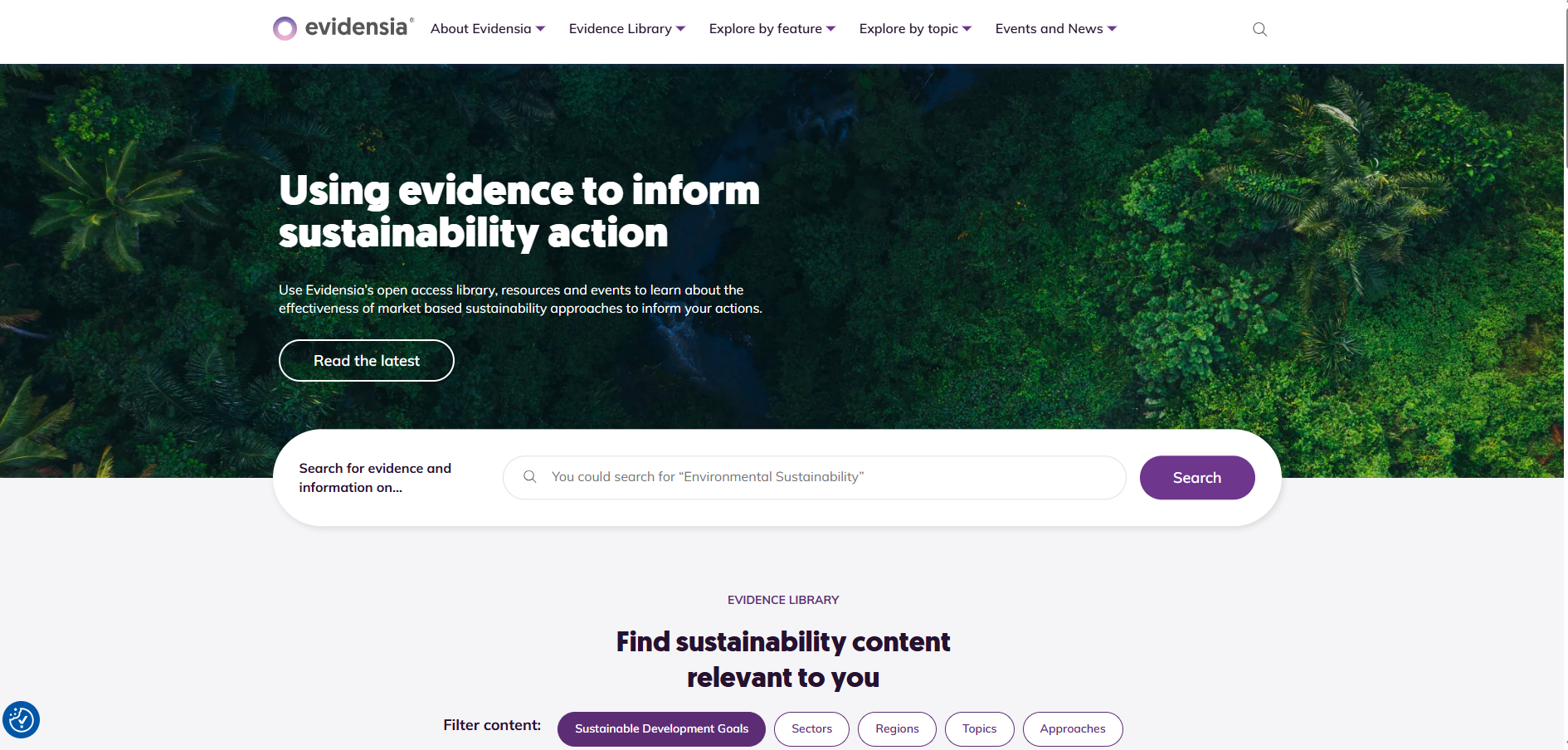
Evidensia
Evidensia is an open-access platform that curates and synthesises credible research on the sustainability impacts of supply chain initiatives and tools. It enables users to access, interpret and compare evidence, supporting informed decision-making and improving the effectiveness of market-based sustainability approaches.
Our Watch: Change the story and key frameworks
Change the Story is an evidence-based national framework developed by Our Watch to guide the primary prevention of violence against women in Australia. It examines social, economic and cultural drivers of gender inequality and outlines coordinated actions across institutions and communities to address these underlying causes.
Our Watch
Our Watch is an Australian not-for-profit organisation leading primary prevention of violence against women and children. It promotes gender equality through research, frameworks, education and workplace programmes. Initiatives such as “Change the Story” support policy and practice change, helping organisations address drivers of gender-based violence across communities, workplaces and institutions.
UNESCO Digital Library
UNESDOC is UNESCO’s digital library providing open access to over 350,000 publications, reports, and archival materials across education, science, culture, and communication. It serves as a central repository of UNESCO’s institutional knowledge, supporting research, policy analysis, and informed decision-making on global development issues.

Recharge for rights: Ranking the human rights due diligence reporting of leading electric vehicle makers
Amnesty International assesses 13 leading EV makers’ public reporting on human rights due diligence in battery mineral supply chains. It finds uneven progress since 2017, but no company demonstrates adequate alignment with international standards; Mercedes-Benz and Tesla lead, while BYD ranks last.
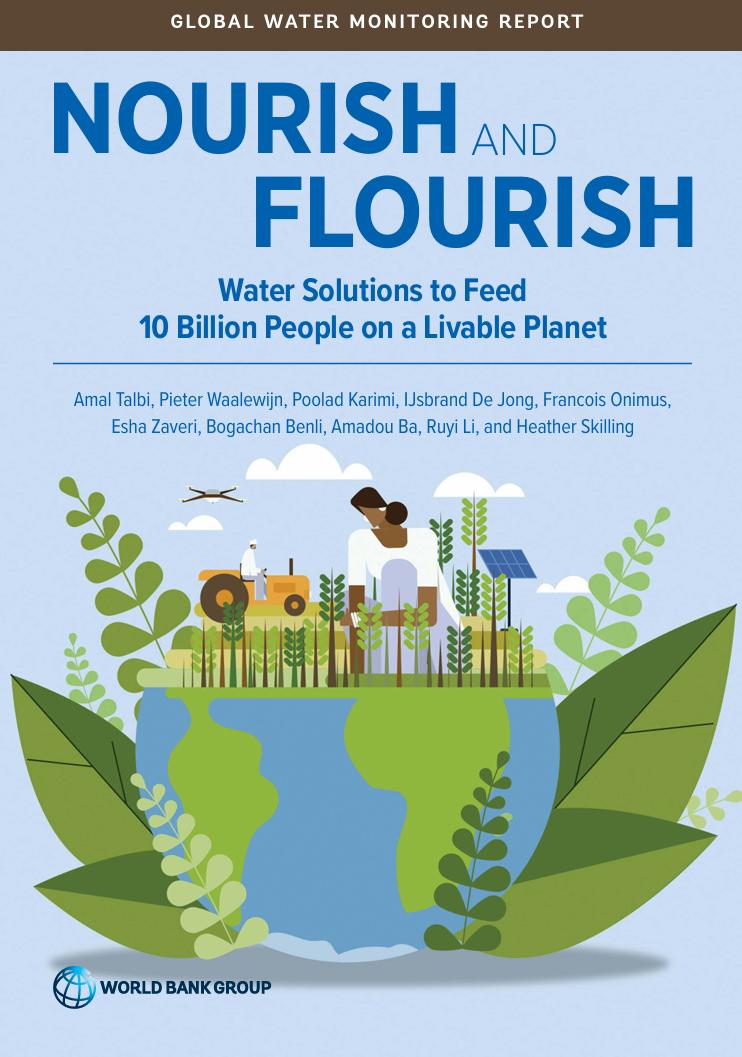
Nourish and flourish: Water solutions to feed 10 billion people on a livable planet
This World Bank report outlines transforming agricultural water management to feed 10 billion people sustainably. It introduces a water-food nexus framework, highlights inefficiencies in current systems, and emphasises data-driven, service-oriented irrigation and financing reforms to improve productivity, resilience, and environmental outcomes.
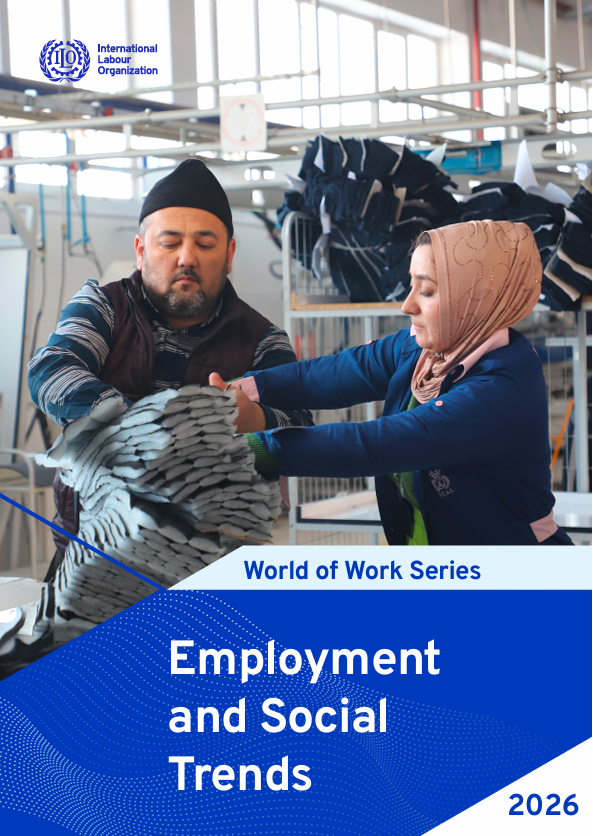
World of work series: Employment and social trends
Global labour markets remain resilient amid uncertainty, but decent work deficits persist. Informality, working poverty and gender gaps remain widespread, especially in low-income countries. Productivity growth is weak, and demographic shifts and AI add risks. Economic growth alone is insufficient to improve employment quality or social outcomes.
Transition Minerals Tracker
The Transition Minerals Tracker is an online database by the Business & Human Rights Resource Centre that tracks human rights risks linked to mining key minerals for the energy transition. It compiles company data, policies and allegations, enabling users to assess exposure to social and governance risks across global mining operations.
Unlocking AI’s potential to serve humanity: Robotics, geospatial AI and communications networks
Examines how AI in robotics, geospatial analysis and communications networks can address global challenges. Highlights applications for human and planetary well-being, including healthcare, disaster response and climate action, and outlines five enabling pathways covering data governance, infrastructure, skills, policy and digital ecosystems.
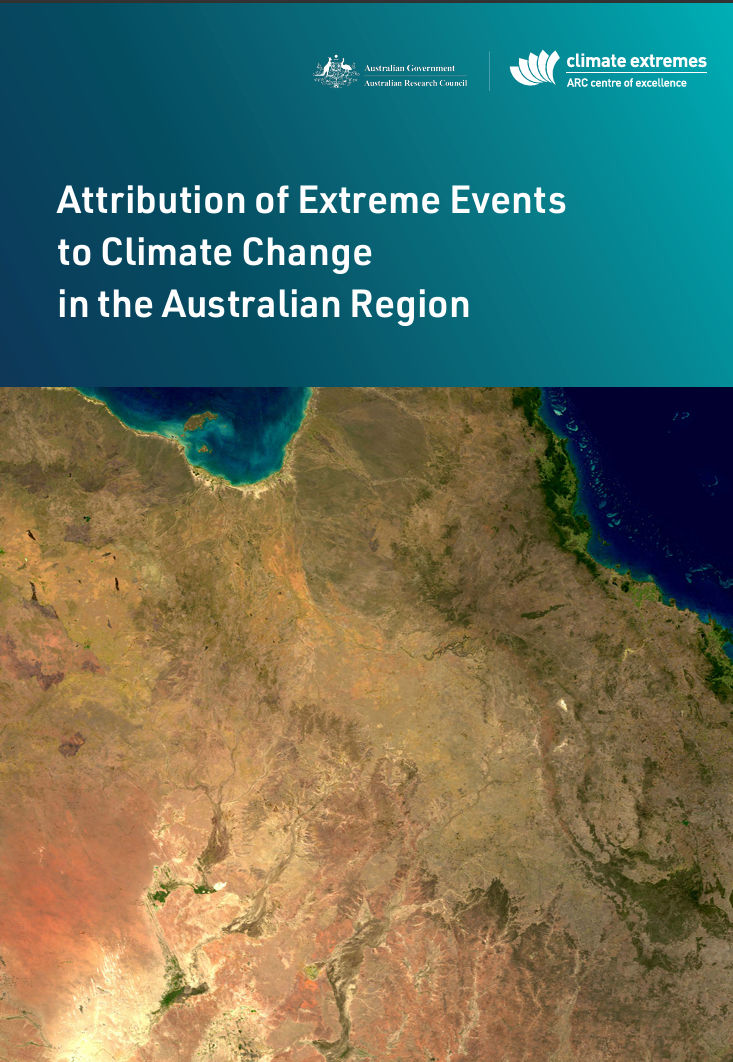
Attribution of extreme events to climate change in the Australian region
This report reviews how reliably climate change can be linked to extreme events in Australia, finding strongest attribution for heat-related events, moderate confidence for some rainfall and drought, and limited capability for storms, east coast lows and multi-year droughts, while outlining research priorities to improve attribution.
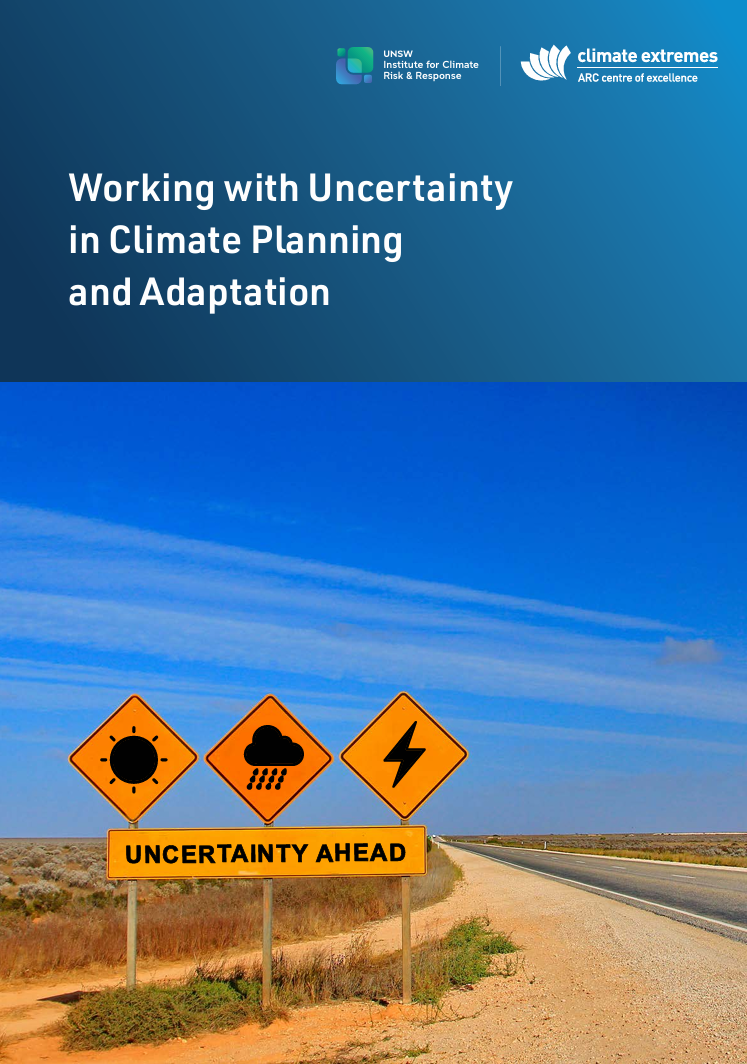
Working with uncertainty in climate planning and adaptation
Explains how uncertainty in climate models affects adaptation planning, highlighting assumptions, variability, model limitations and downscaling challenges. Emphasises using scenarios and probability approaches to inform decisions, while recognising incomplete knowledge and the need for cautious, context-specific interpretation of projections.
Global literature review and survey of implementation constraints on natural climate solutions
Global review and project survey of natural climate solutions across 137 countries finds implementation is constrained mainly by social-behavioural, knowledge, and government or organisational barriers, especially weak policy coordination and implementation capacity. Without targeted enabling measures, near-term mitigation will remain below biophysical potential.
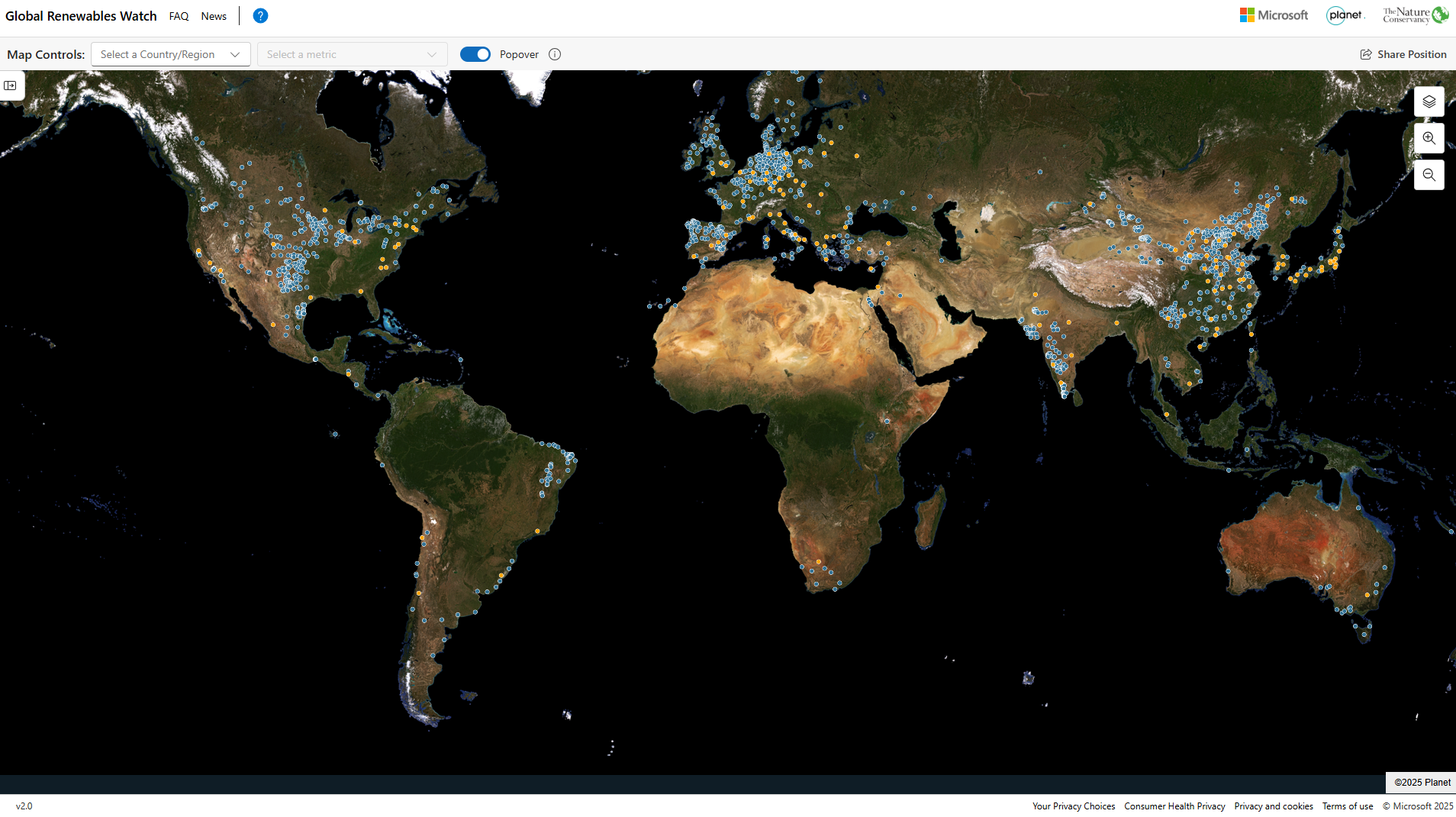
Global Renewables Watch
Global Renewables Watch Atlas is an interactive platform mapping utility-scale solar and wind installations worldwide using AI and satellite imagery. It provides regularly updated geospatial data to track deployment trends, estimate capacity, and assess progress in the energy transition, supporting analysis by policymakers, researchers, and finance professionals.


