
Library | Sustainable Finance Practices
Strategy and Organisational change
Guidance on embedding sustainability into organisational strategy, leadership, governance, culture, and systems to drive long-term transformation.
Refine
267 results
REFINE
SHOW: 16


The illusion of resilience in a degrading supply chain
Senior UK food executives warn that environmental degradation and climate change pose significant financial risks to supply chains. Current industry focus on short-term growth masks structural vulnerabilities. Investors are urged to challenge board capabilities and demand long-term resilience strategies to secure future profitability and food security.
The GIIN Climate Solutions Investing Framework: A resource for asset owners to move from ambition to allocation
This research provides a framework for asset owners to evaluate climate mitigation investment strategies. It outlines foundational concepts and four criteria for selection: identifying climate theses, quantifying decarbonisation contributions, understanding prioritisation, and managing uncertainties. The resource aims to help investors transition from climate ambition to effective capital allocation.
Charting the path: Foundations for a scalable First Nations investment market in Australia
This research outlines foundations for a scalable First Nations investment market in Australia. It identifies systemic barriers and proposes a theory of change focused on representation, systems alignment, and capital flows. The report recommends embedding cultural authority into governance and utilising blended finance to support First Nations economic self-determination.
State of sustainable business 2026
This 2026 research identifies a shift toward a pragmatic era in corporate sustainability, dominated by regulatory compliance. Key findings reveal a disconnect between sustainability teams and executives, stagnant budgets, and a focus on direct operations. AI adoption is rising for reporting, though formal governance remains nascent.
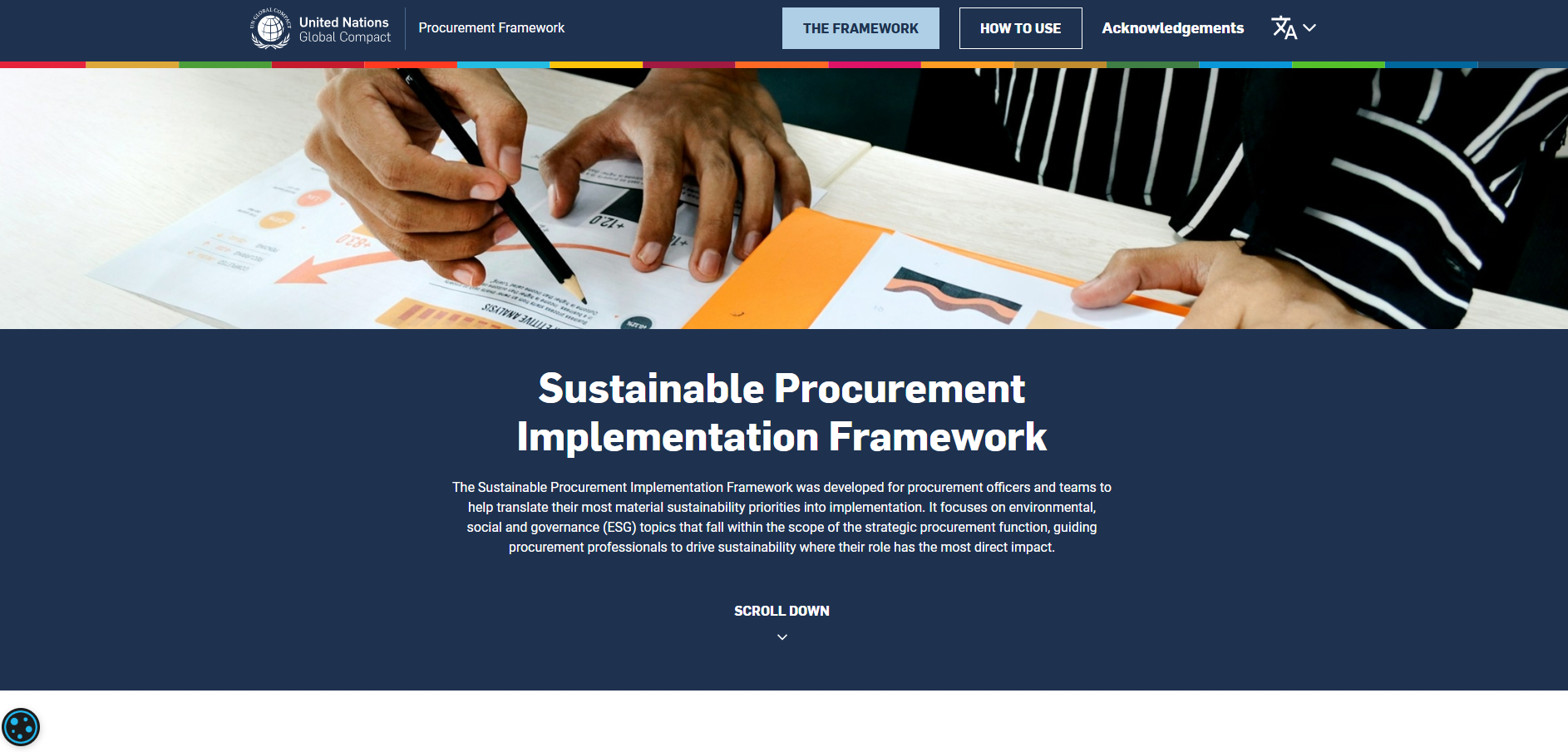
Sustainable Procurement Implementation Framework
The Sustainable Procurement Implementation Framework, developed by the UN Global Compact, provides private sector procurement teams with practical, step-by-step guidance to embed ESG priorities into the procurement cycle and supply chain management.
Collaboration in action: How to collectively work towards systems change
This report examines how diverse capital providers collaborate to achieve systems change. It identifies catalytic capital as a pivotal tool for de-risking investments and mobilising private funds. Key findings highlight the necessity of trust, long-term partnerships, and shared metrics to overcome structural barriers and address the $4 trillion SDG financing gap.
The value of non-value-maximizing managers
This research argues that hiring managers biased towards poorly-measured goals, such as social impact, is often optimal. This selection allows organisations to implement high-powered financial incentives for well-measured tasks without neglecting non-financial objectives. The study highlights how managerial selection and incentive design function as complementary governance tools.
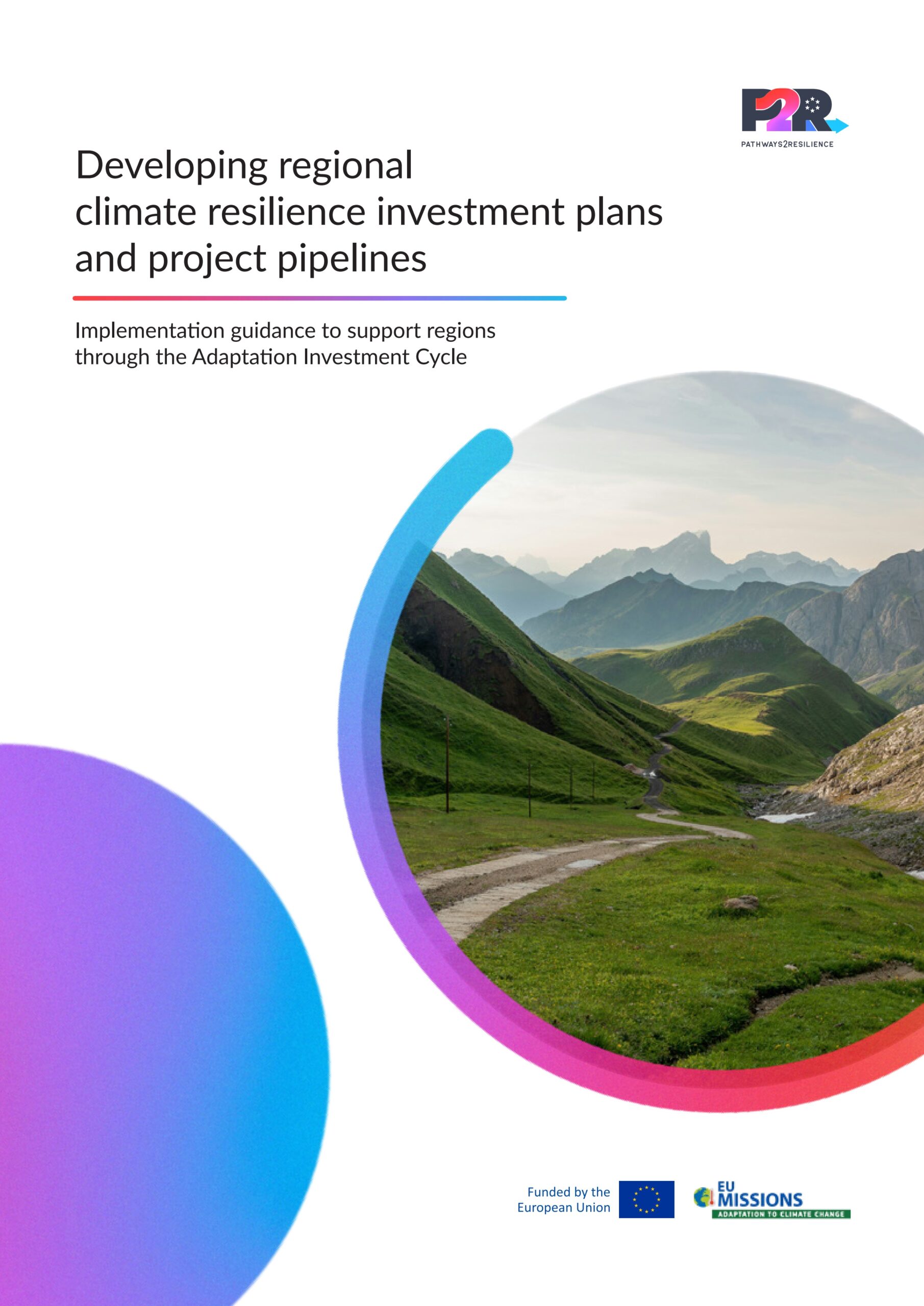
Developing regional climate resilience investment plans and project pipelines: Implementation guidance to support regions through the Adaptation Investment Cycle
This guidance outlines the six-phase Adaptation Investment Cycle for European regions to develop Climate Resilience Investment Plans. It details how to address financing barriers, conduct economic appraisals, and structure bankable project pipelines, aiming to bridge the adaptation funding gap through strategic public and private sector engagement.
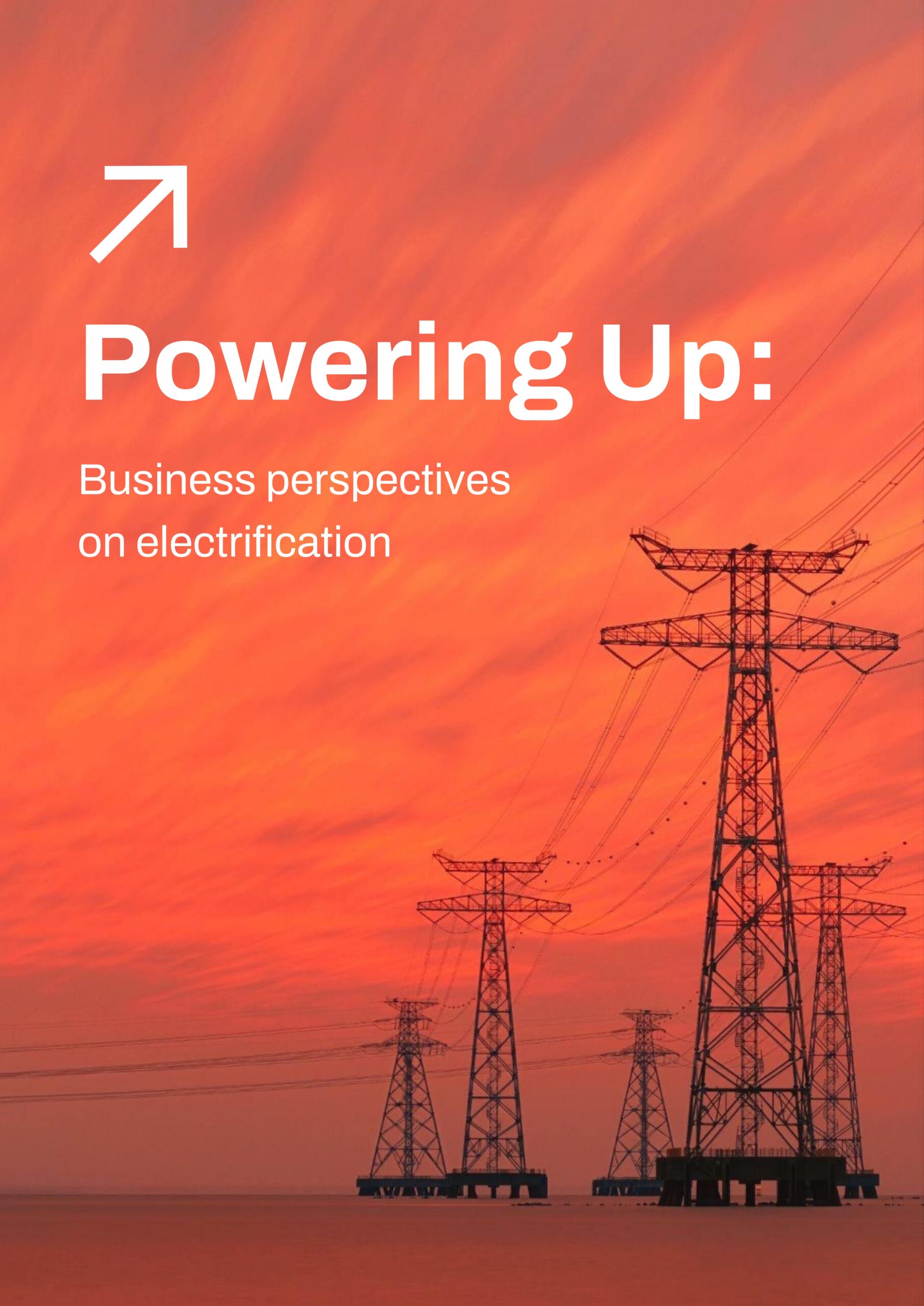
Powering up: Business perspectives on electrification
A global survey of 1,994 business leaders across 18 markets reveals overwhelming support for clean electrification. While 90% expect largely electric operations by 2035 to improve energy security and competitiveness, 72% believe government policy is moving too slowly, citing grid constraints and high upfront costs as significant barriers.
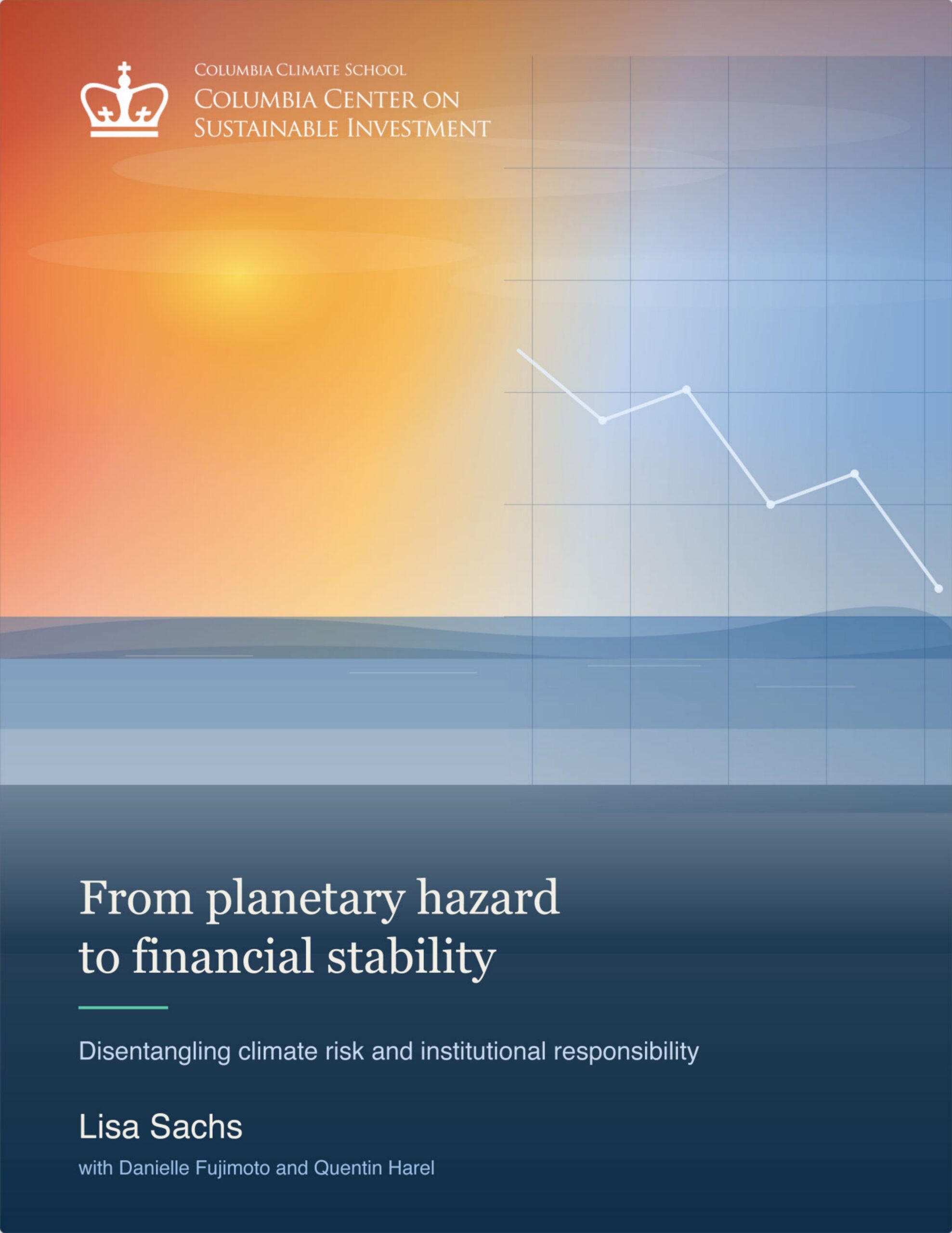
From planetary hazard to financial stability: Disentangling climate risk and institutional responsibility
This report identifies the misalignment between institutional mandates and climate risk expectations. It distinguishes between planetary, economic and financial risks, outlining six distinct responses. The authors argue that current frameworks distract from real-economy decarbonisation and shift climate costs onto public balance sheets, requiring clearer policy distinctions and instruments.
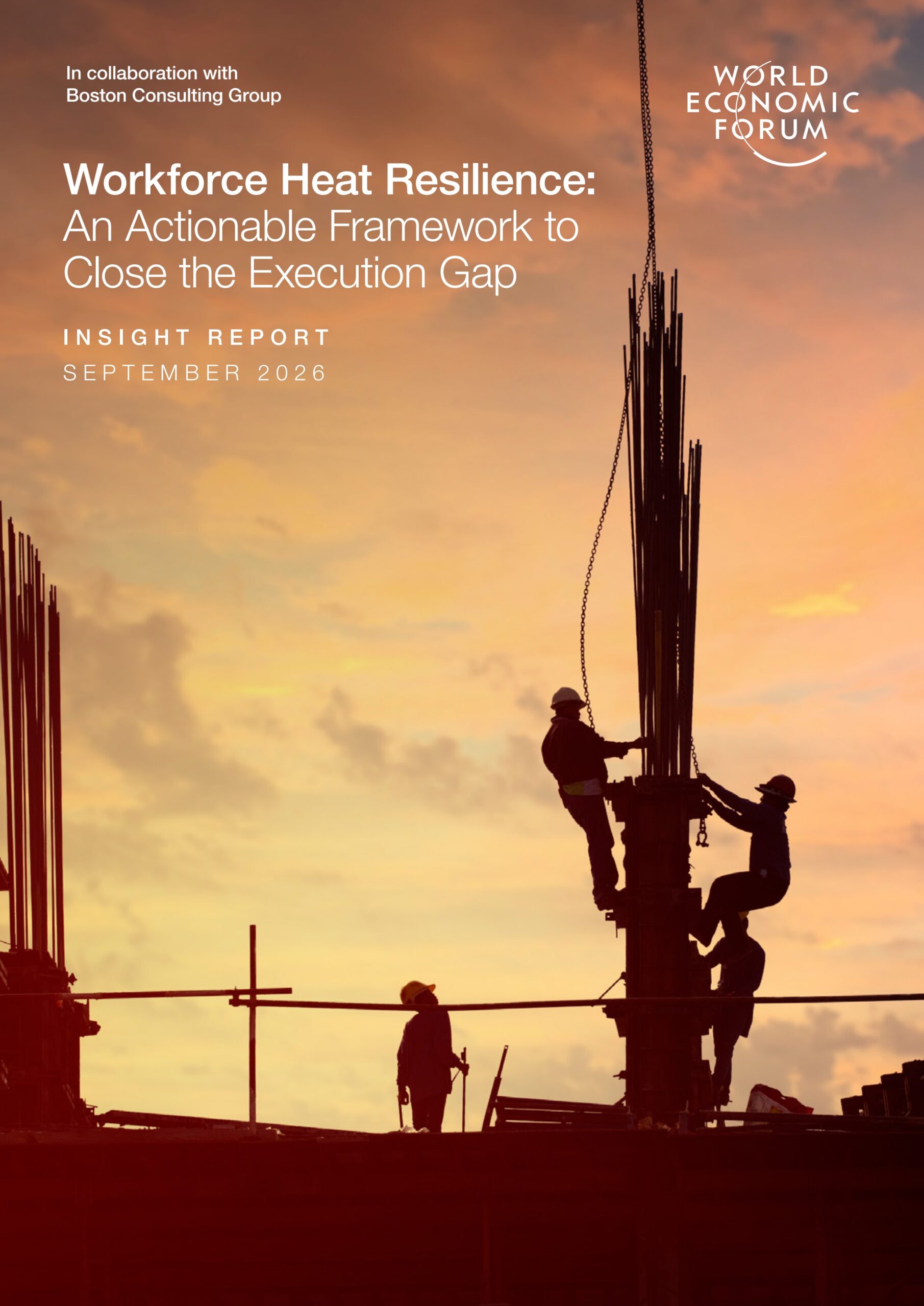
Workforce heat resilience: An actionable framework to close the execution gap
This report provides a framework for businesses to address workforce heat risks. It details a seven-step roadmap to assess climate impacts, design tailored interventions, and scale resilience. With heat-driven productivity losses projected to reach $2.4 trillion by 2030, the document highlights the strategic necessity of protecting workers.
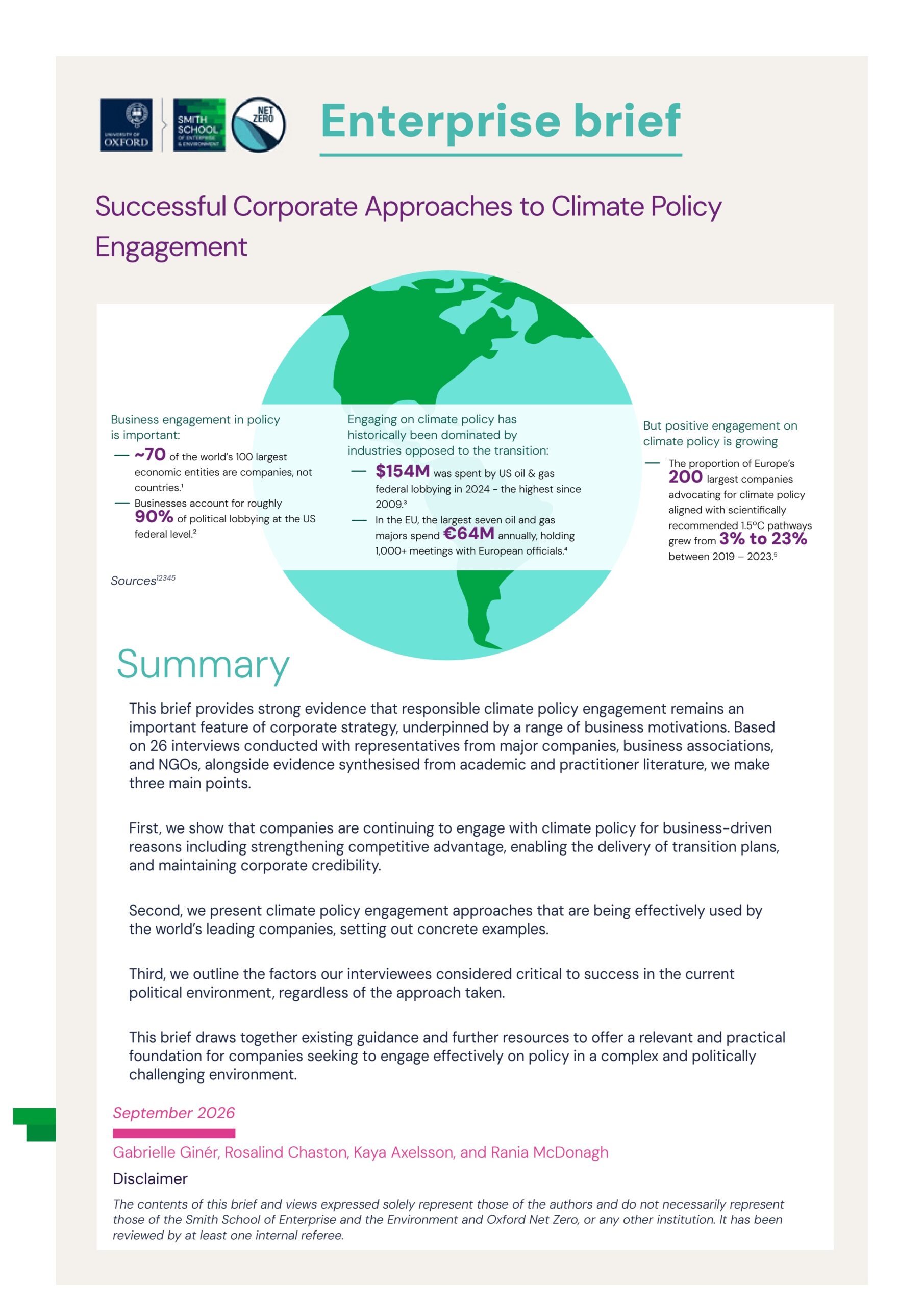
Successful corporate approaches to climate policy engagement
This research examines how leading companies maintain climate policy engagement despite geopolitical challenges. It identifies three core approaches—direct engagement, trade association influence, and coalition forming—driven by business motivations such as competitive advantage and transition plan delivery. Success depends on timing, transparency, and alignment with corporate decarbonisation goals.
Greenwashing as aspirational signaling: From burden to benefit?
This research analyses the transition of sustainability disclosures from voluntary practices to mandatory legal frameworks in the US and EU. It examines the 'greenwashing enforcement gap' and argues that aspirational signalling, despite inaccuracies, can drive institutional change and attract a prosocial workforce to improve corporate conduct.
Connecting nature, climate, and capital: From data to decisions: Natural capital accounting in practice
This research explores Natural Capital Accounting in New Zealand, focusing on the SEEA EA framework. It provides practical steps for businesses to quantify nature-related risks and dependencies. Through case studies, it demonstrates how environmental data informs investment, lending, and strategic management to enhance organisational resilience and long-term value.
Asking better questions on nature: For chief financial officers
This guide helps Chief Financial Officers integrate nature-related issues into financial decision-making. It outlines how to identify dependencies, assess risks and opportunities, and respond to evolving disclosure expectations. The report emphasises nature as a core driver of performance, resilience and long-term value creation within the TNFD framework.
Leveraging technological solutions for human rights due diligence
This report distils lessons from 25 organisations on leveraging technology to strengthen human rights due diligence in value chains. It categorises various tools, provides case studies, and outlines practical steps for responsible AI adoption, emphasising that technology must complement, rather than replace, human judgement and meaningful stakeholder engagement.


