Overview and purpose
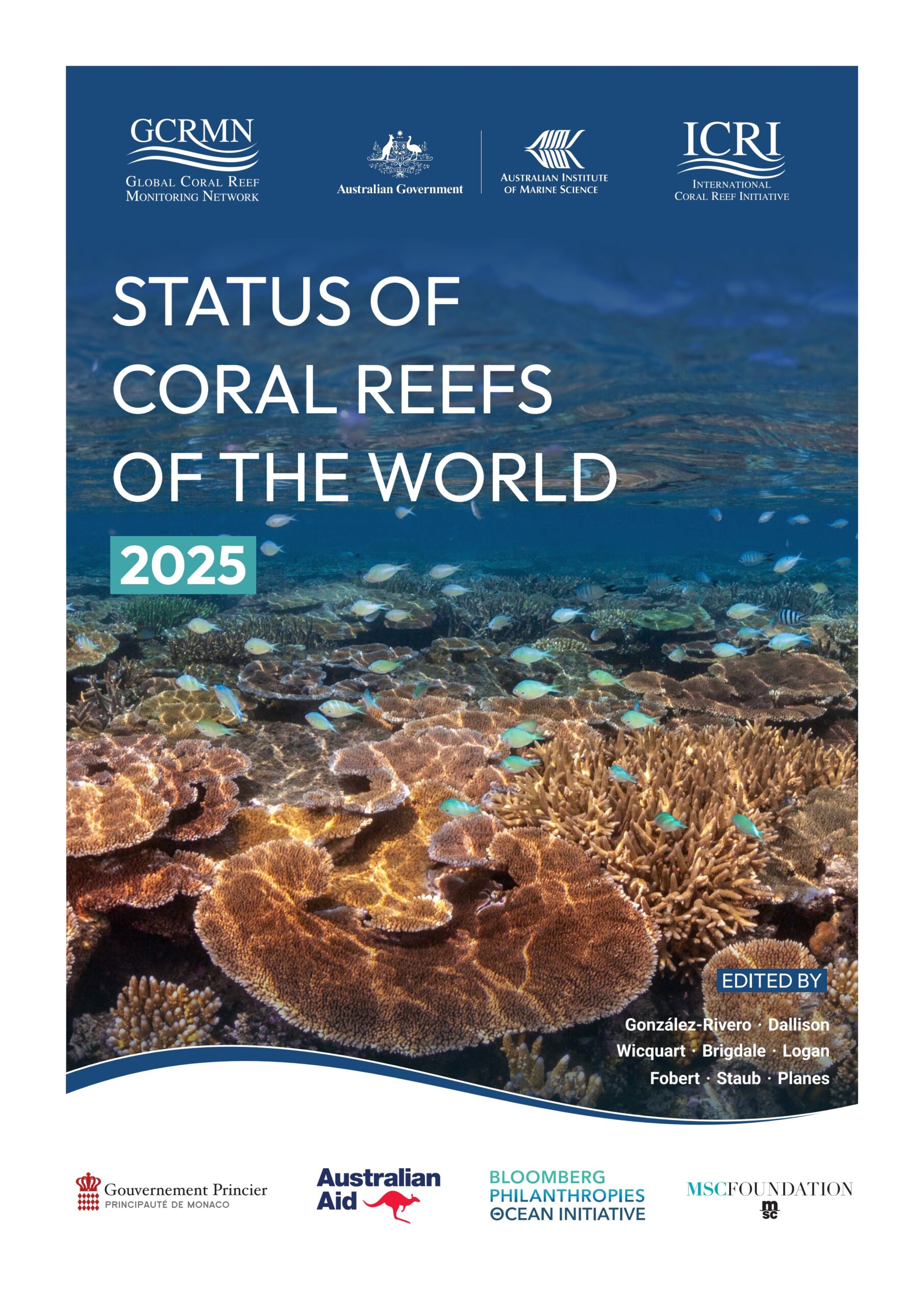
Status of Coral Reefs of the World is a recurring scientific assessment series initiated in 1998 by the Global Coral Reef Monitoring Network (GCRMN). It documents the condition of coral reef ecosystems worldwide and provides a scientific evidence base for understanding environmental pressures, ecological change and conservation priorities.
The series examines coral reef health, biodiversity, climate-related pressures and human activities affecting marine ecosystems. It presents global and regional assessments to support environmental monitoring, conservation planning and sustainability-related decision-making.
Methodology and approach
The series draws on coral reef monitoring data contributed by scientists, research institutions, government agencies and regional monitoring networks. Information is compiled and assessed to examine changes in coral reef condition across geographical areas and monitoring periods.
The methodology includes standardising ecological observations, analysing indicators such as hard coral cover and algal cover, and applying statistical methods to assess spatial and temporal patterns. The 2020 and 2025 editions include dedicated methodological sections addressing data processing and statistical analysis.
The series combines quantitative ecological assessments with regional scientific expertise, environmental context and case studies. Its methodology has evolved over successive editions as monitoring coverage, analytical techniques and available datasets have developed.
Relevance for finance professionals
Finance professionals can use the series as an environmental evidence source when assessing nature-related risks associated with marine ecosystems and coastal economic activities.
Its information is relevant to sustainability analysis involving tourism, fisheries, coastal infrastructure, insurance and investment activities exposed to coral reef degradation or ecosystem change.
The reports can also support biodiversity-related due diligence, environmental risk assessments and the development of nature-related investment research. They provide scientific context for evaluating dependencies on marine ecosystem services and potential exposure to physical environmental risks.