
Library | Resource Types
Benchmark/series
Benchmarks in sustainable finance are standardized metrics or indices that evaluate and compare the sustainability performance of companies, investments, or sectors, guiding decision-making and measuring progress against goals.
Series are collections of reports released periodically, often annually, tracking trends and developments in sustainable finance or ESG issues, providing updated insights and analysis over time.
Refine
104 results
REFINE
SHOW: 16


KnowTheChain's benchmark tool
KnowTheChain’s benchmark evaluates corporate efforts to address forced labour in global supply chains. It assesses companies across sectors using indicators such as worker rights, transparency, and risk management. This tool helps finance professionals and investors identify risks and drive improvements in corporate labour practices, promoting ethical and responsible investment decisions.

UNEP's state of finance for nature series
This series tracks global financial flows to nature-based solutions (NbS) and highlights the gaps between current investments and what is needed to address biodiversity loss, land degradation, and climate change. It examines both public and private sector funding, while also focusing on nature-negative financial flows.

Modern slavery UK benchmark reports
The CCLA Modern Slavery UK Benchmark is an annual benchmark series assessing how major UK-listed companies disclose and act on modern slavery risks in their operations and supply chains, supporting investor engagement and improved corporate practice on human rights due diligence.
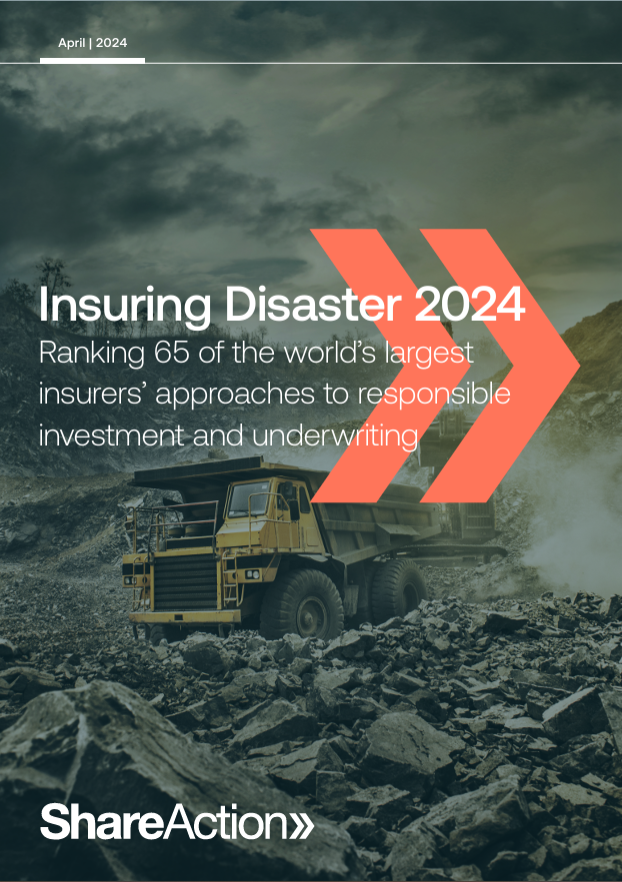
ShareAction's insuring disaster benchmark series
The "Insuring Disaster" series by ShareAction evaluates the responsible investment and underwriting practices of the world's largest insurers, focusing on their approaches to critical environmental and social issues. This benchmark series highlights the industry's impact on climate, biodiversity, and human rights, offering actionable recommendations for improvement.
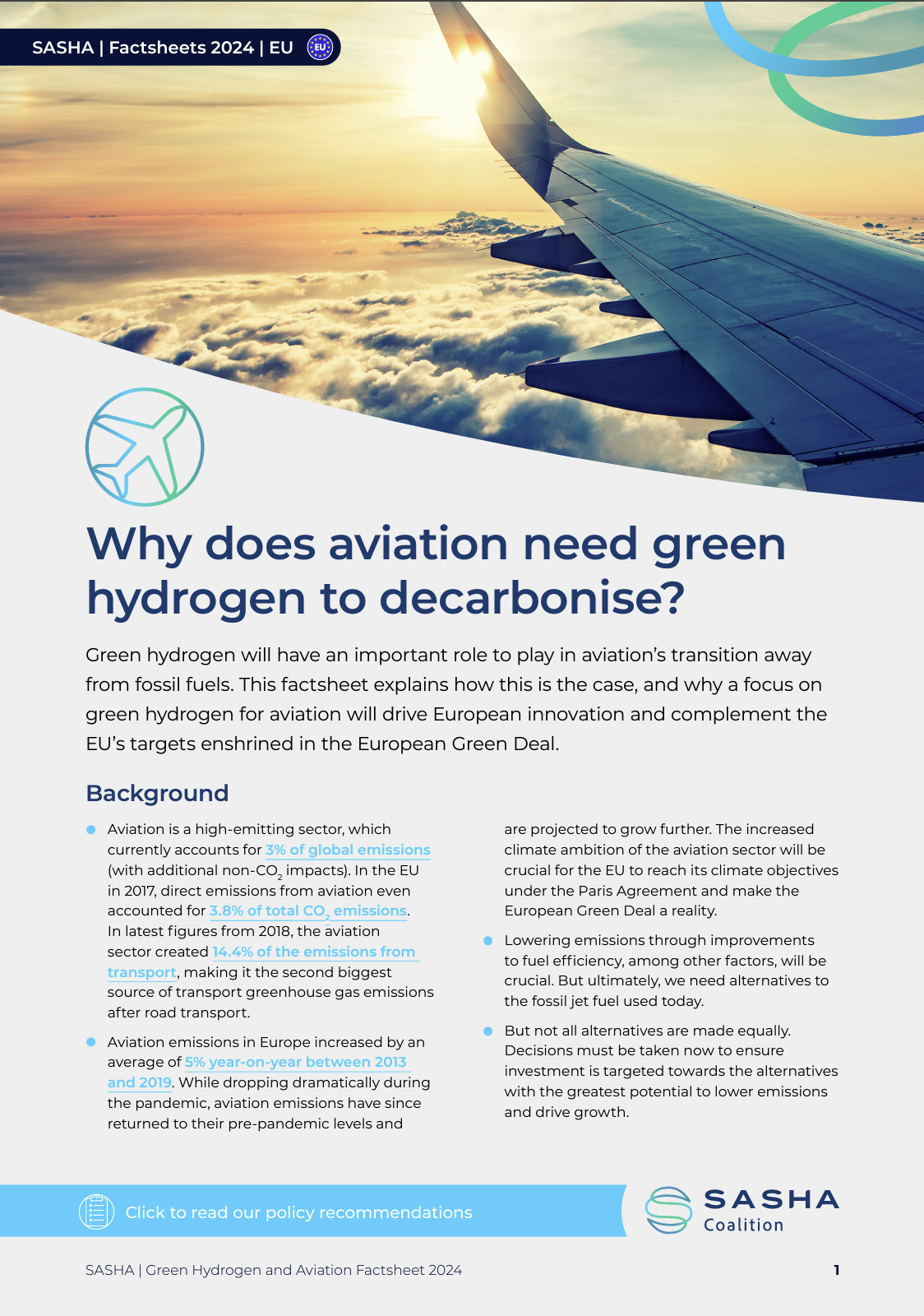
Why does aviation need green hydrogen to decarbonise?
This benchmark series on green hydrogen in aviation explores the UK's and EU's efforts to decarbonise the sector. It covers policy landscapes, innovation, and sustainable growth recommendations, providing essential insights for finance professionals in sustainable finance.

Clean Energy Council's clean energy Australia reports
The series provides an annual overview of Australia's renewable energy sector. This benchmark series covers industry trends, policy developments, and technology profiles across various energy sources such as solar, wind, hydro, and battery storage. It offers insights into state and federal targets, investment trends, and employment impacts within the clean energy landscape.

The global slavery index 2023
This report reveals that 50 million people live in modern slavery. It highlights the G20's $468 billion worth of high-risk imports and identifies North Korea, Eritrea, and Mauritania as having the highest prevalence. Australia, the Netherlands, and the UK have the strongest government responses.

2024 XDI Asia-Pacific real estate investment trust physical climate risk report
This benchmark report assesses the vulnerability of 2,134 assets across 20 APAC REITs to climate risks. By 2050, nearly 10% of properties face high risk, particularly from coastal inundation and flooding, highlighting significant financial implications for investors and the urgent need for adaptation strategies.

Energy transition risks and opportunities initiative's series
Energy Transition Risk and Opportunities Initiative (ET Risk) provides finance professionals with tools to assess energy transition risks and opportunities. The project focuses on sustainable finance, ESG impacts, and climate change, helping users make informed investment decisions.

BCCM's national mutual economy reports
This annual report provides comprehensive analysis of the economic and social contributions of Australia's co-operatives and mutual enterprises (CMEs). It highlights the financial performance of the top 100 CMEs, discusses their impact on both national and international economies, and includes case studies.

ShareAction's voting matters series
Voting Matters are benchmark-series reports by ShareAction evaluating the proxy voting behaviour of asset managers on environmental and social issues. This report analyses the voting patterns of major asset managers to determine their commitment to responsible investment practices.

The Authenticity Advantage
This benchmark report highlights the link between authentic sustainability and improved business outcomes in Australian organisations. The report introduces the Authenticity Index™, measuring commitments, culture, and communication, demonstrating that high-scoring businesses experience better talent acquisition, productivity, retention, innovation, resilience, and profitability.

Banking on climate chaos: Fossil fuel finance series
The "Banking on Climate Chaos" benchmark report examines global banks' financing of fossil fuel companies, highlighting trends and policy shifts impacting climate goals. This series offers critical insights into financial institutions' roles in supporting fossil fuel expansion and their climate commitments.
World Economic Forum's global risks report series
The Global Risks Report is a long-running report series published by the World Economic Forum that examines emerging global risks across environmental, social, economic, geopolitical and technological domains. It provides a forward-looking assessment to support risk awareness, strategic planning and decision-making by finance professionals and policymakers.

2024 XDI gross domestic climate risk report
The 2024 XDI report ranks over 2,600 regions worldwide according to the projected damage to the built environment from extreme weather and climate change, including floods, wildfires and sea-level rises, and which of these regions are likely to see the largest escalation in damage from 1990 to 2050.

RIAA's from values to riches series
This research series gauges Australians' and New Zealanders' awareness, attitudes, and practices around responsible and ethical investing. It provides insights into consumer sentiment and expectations regarding environmental, social, and governance (ESG) factors in investment decisions.


