
Library | ESG issues
Food Systems
Food systems encompass all processes and activities involved in producing, processing, distributing, and consuming food. They have a significant impact on population health and the environment, with key challenges including food security, food waste, nutrition-related diseases, and environmental degradation. Investors can assess companies based on factors such as sustainable sourcing, climate impact, sustainable farming practices, and regulatory compliance.
Team Altiorem recommends


Refine
132 results
REFINE
SHOW: 16


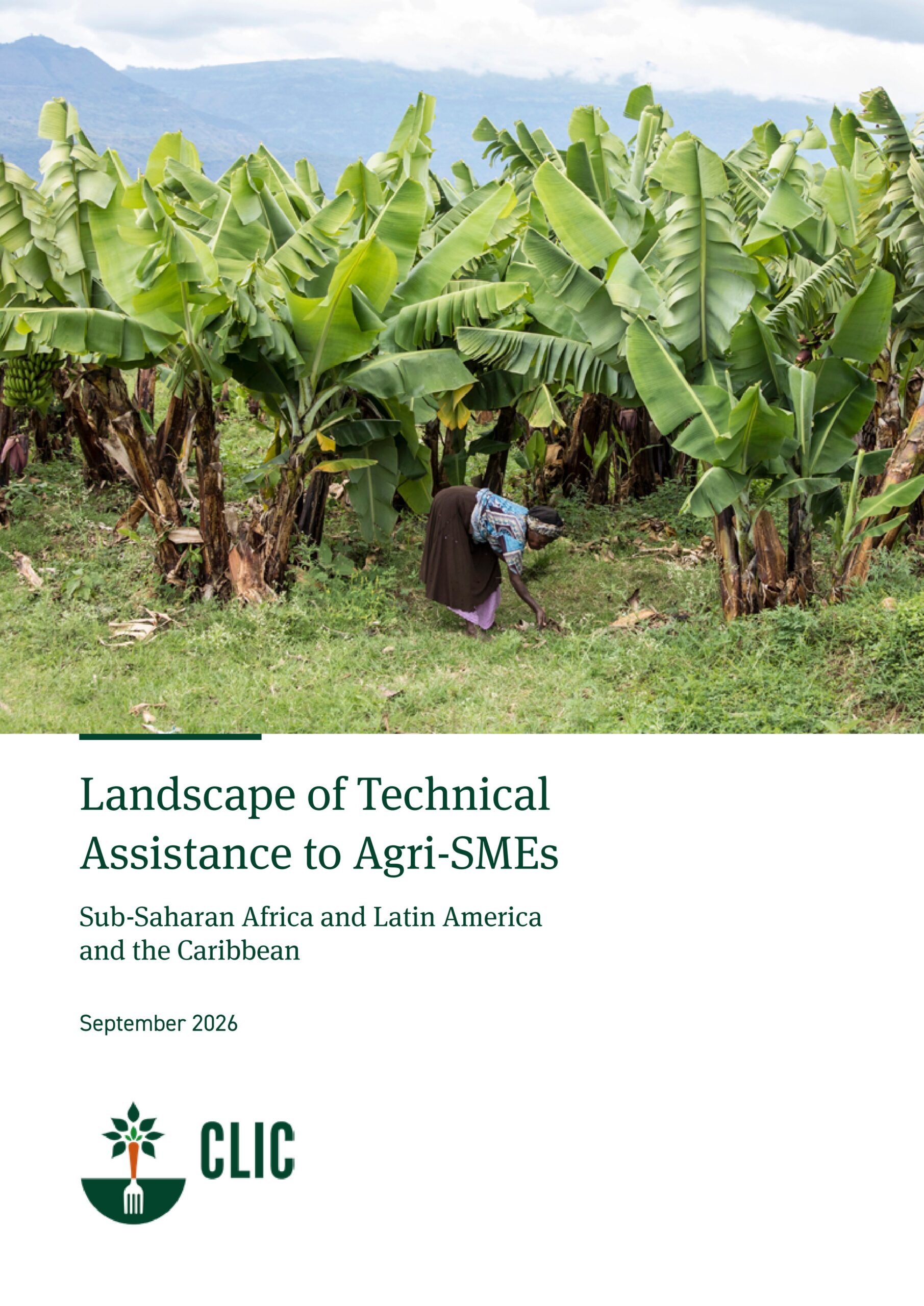
Landscape of technical assistance to agri-SMEs: Sub-Saharan Africa and Latin America and the Caribbean
This report maps the technical assistance ecosystem for agri-SMEs in sub-Saharan Africa and Latin America. It identifies structural gaps in information, pre-investment funding, and coordination. The analysis offers strategies to strengthen the ecosystem, highlighting the importance of nature integration and supporting local providers to improve investment readiness.
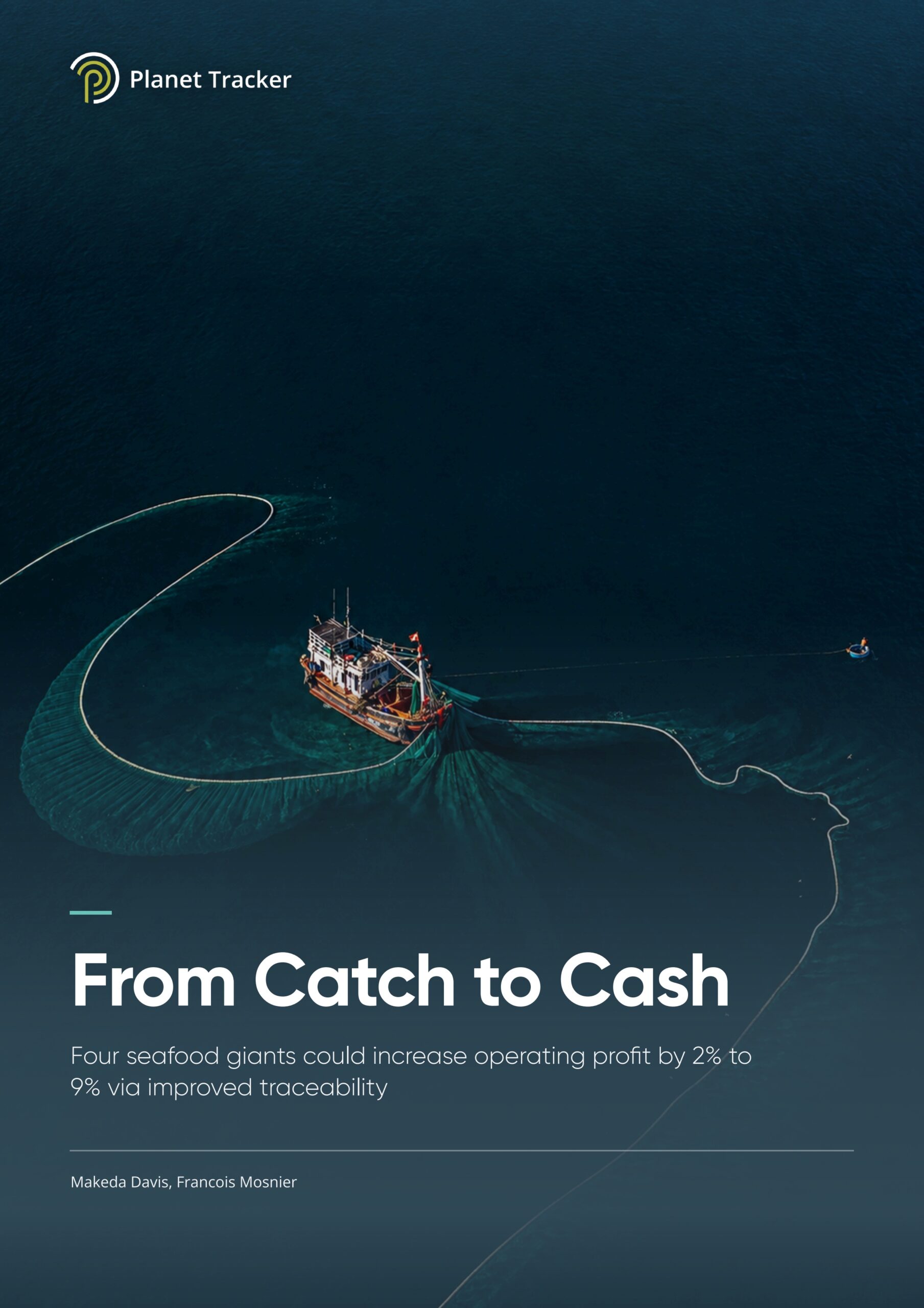
From catch to cash: Four seafood giants could increase operating profit by 2% to 9% via improved traceability
This report analyses the financial benefits of digital traceability for seafood giants Nissui, Umios, Thai Union, and Nomad Foods. It finds that investing in full-chain, interoperable systems could increase operating profits by 2% to 9% by reducing costs, mitigating regulatory risks, and enhancing brand reputation through improved sustainability data.
Agribusiness Atlas: Facts and figures about the corporations that control what we eat 2026
The Agribusiness Atlas 2026 details the unprecedented concentration of corporate power within global food systems. It examines how dominant firms influence policy, drive environmental degradation, and impact food security. The report advocates for democratic food governance, fair pricing for farmers, and public sector alternatives to curb corporate control.
Pricing in resilience: The future of financial services for soil health
This research examines how agricultural finance, markets and policy are transitioning soil health from a conservation goal to a financial metric. It details five forces driving structural carbon demand and seven financial innovations, including carbon warrants and digital verification, designed to reprice risk and unlock institutional capital for regenerative agriculture.
Cultivating investment: Resilient agriculture can pay off for food companies
Extreme weather and climate change are destabilising agricultural supply chains, eroding traditional risk-management effectiveness. This report demonstrates how investing in regenerative agriculture builds resilience, potentially safeguarding $500 million in annual profits. It provides a framework for companies and investors to mitigate financial risks and secure long-term value.
The illusion of resilience in a degrading supply chain
Senior UK food executives warn that environmental degradation and climate change pose significant financial risks to supply chains. Current industry focus on short-term growth masks structural vulnerabilities. Investors are urged to challenge board capabilities and demand long-term resilience strategies to secure future profitability and food security.
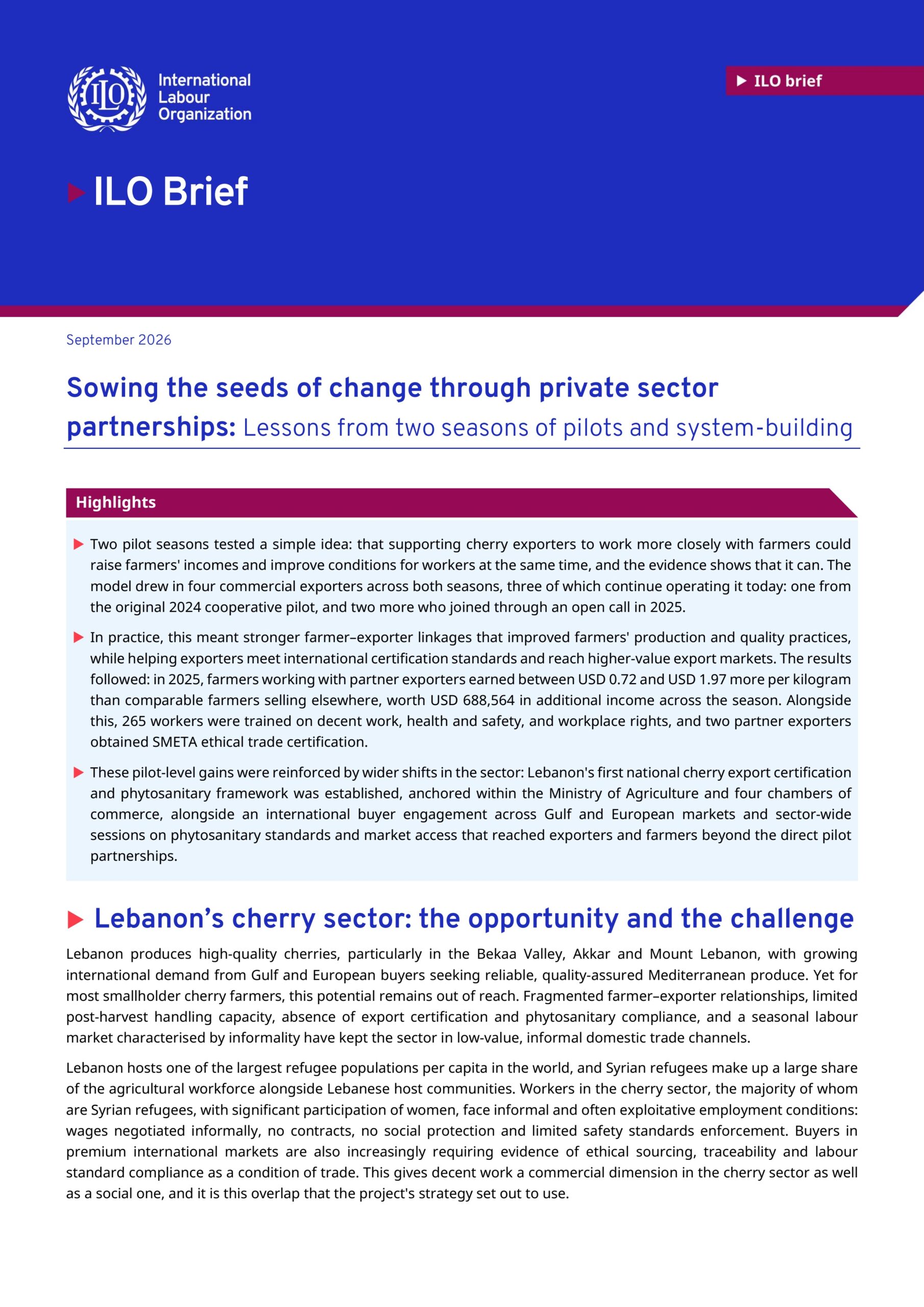
Sowing the seeds of change through private sector partnerships: Lessons from two seasons of pilots and system-building
This ILO report evaluates the BOUZOUR project's efforts to strengthen Lebanon’s cherry sector through private sector partnerships. By establishing a national phytosanitary framework and improving exporter-farmer linkages, the initiative increased farmer incomes by USD 688,564 in 2025, enhanced worker conditions, and expanded access to high-value international markets.
2026 Sustainable investment trends
This report analyses sustainable investment trends for 2026, examining physical climate risk, the energy transition, and Asia’s leadership. It addresses the influence of artificial intelligence on power demand and emission targets, alongside structural challenges in the health care and food production sectors, highlighting resilience and adaptation as key priorities.
Coller FAIRR seafood index methodology: May 2026
The Coller FAIRR Seafood Index Methodology outlines the framework for assessing 20 global companies across 16 material topics. It details a bottom-up scoring process, ranging from 0 to 100, and a four-step production cycle. The index measures corporate maturity in response to environmental and social risks in the seafood industry.
Tracking methane action in the dairy and coffee sector
This benchmark series evaluates the progress of leading dairy and coffee companies in addressing methane emissions. It assesses corporate targets, disclosure practices, and reduction strategies within the food sector. The research provides a comparative analysis of industry performance against global climate commitments to encourage transparency and accountability.

Tropical deforestation outlook: How market trends could impact the Amazon, the Congo Basin, and Southeast Asia-Oceania
This report evaluates market drivers of tropical deforestation across the Amazon, Congo Basin, and Southeast Asia. It analyses impacts from transition minerals, food systems, and fast-turnover products. The document outlines transition pathways and provides policy recommendations to address global trade and consumer demand trends through 2035.
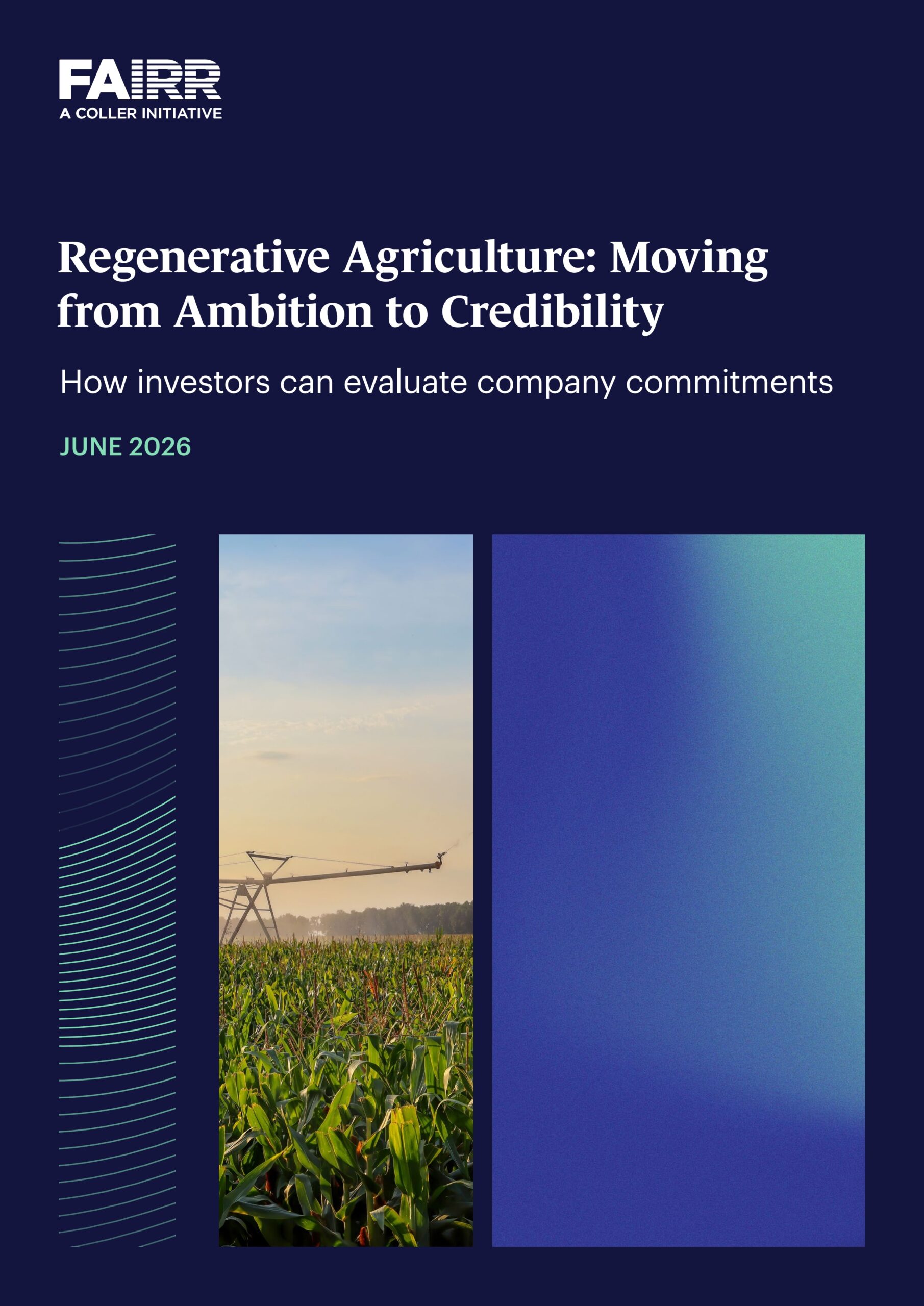
Regenerative agriculture: Moving from ambition to credibility
This report evaluates regenerative agriculture commitments across 78 global agri-food companies. While disclosures have increased, quantified targets have declined to 28%. Significant gaps remain in financial support for farmers and pesticide reduction targets, with the pork and poultry sectors largely overlooked in transition planning.
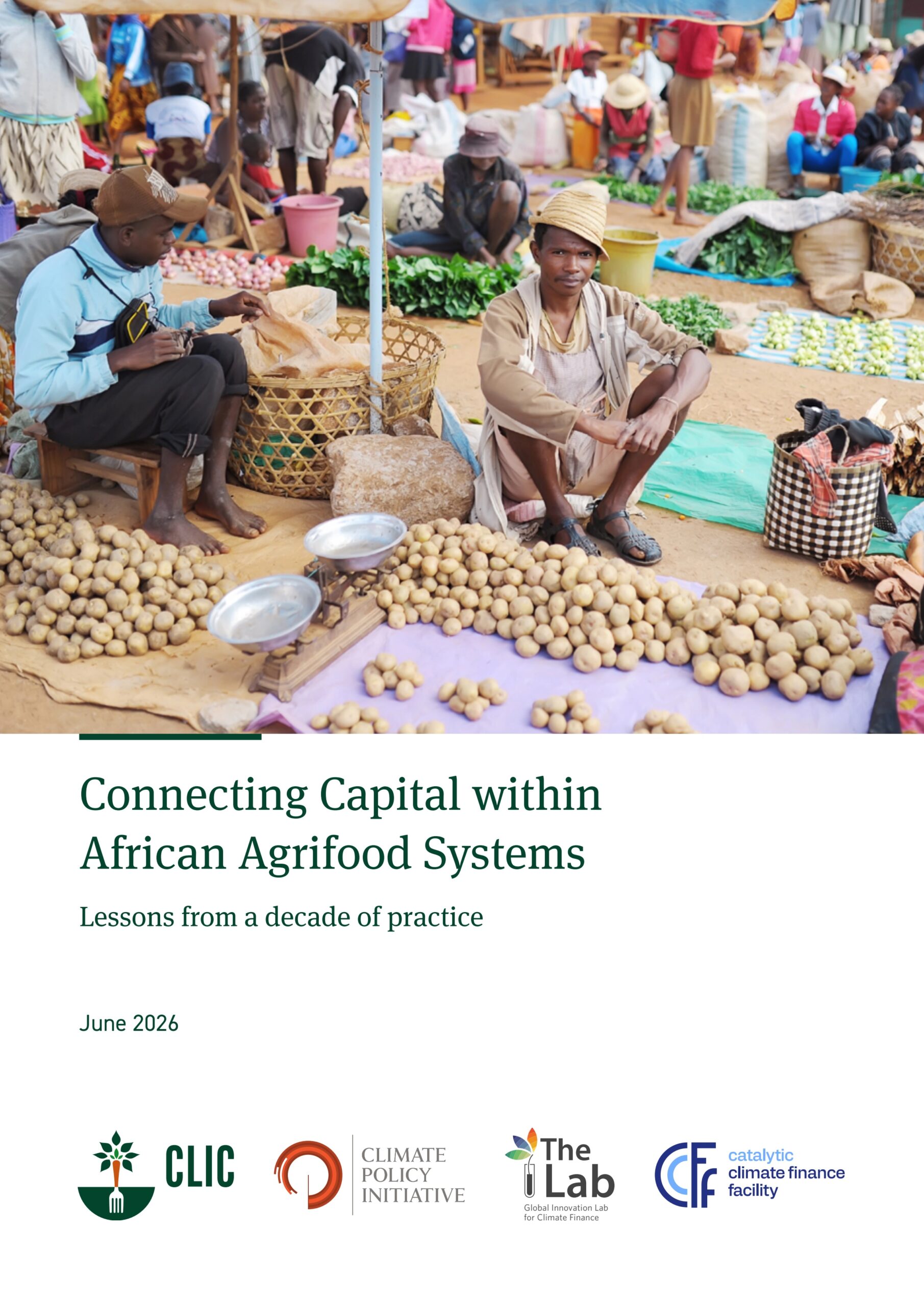
Connecting capital within African agrifood systems: Lessons from a decade of practice
This report examines the structural misalignment between investors and agribusinesses in African agrifood systems. It highlights that while annual climate finance reached USD 7.8 billion, it falls short of the USD 1.1 trillion global requirement. Recommendations focus on improving technical assistance and intermediation to mobilise capital effectively.
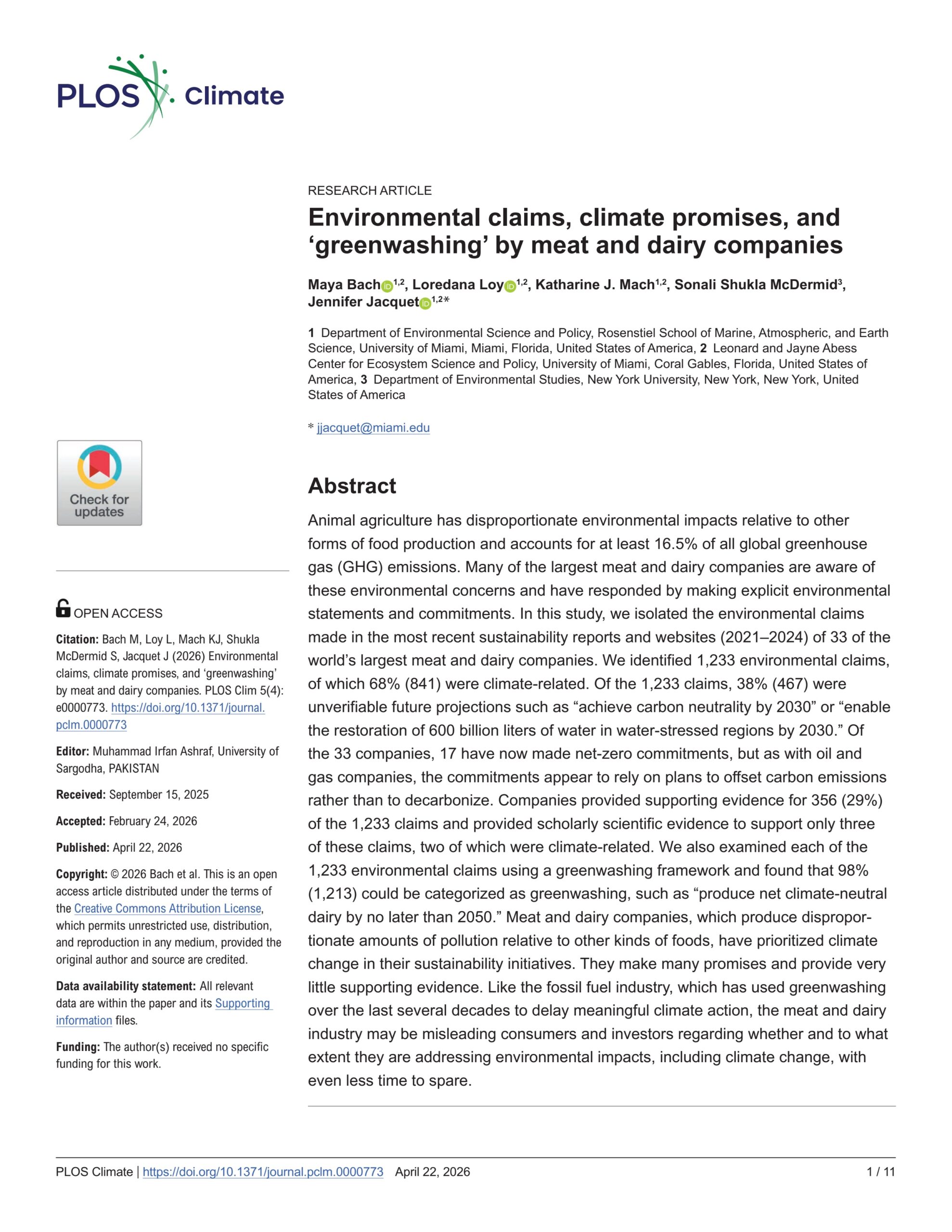
Environmental claims, climate promises, and ‘greenwashing’ by meat and dairy companies
This research examines environmental claims from 33 major meat and dairy companies. It finds that 98% of 1,233 identified claims constitute greenwashing. While most claims are climate-related, many are unverifiable future promises lacking scientific evidence. The industry’s sustainability reporting often mimics tactics used by the fossil fuel sector.
Global report on food crises series
The Global Report on Food Crises is an annual benchmark series tracking acute food insecurity, malnutrition and forced displacement in countries facing food crises. Produced by FAO, WFP and the Global Network Against Food Crises, it delivers consensus-based, multi-agency analysis to guide humanitarian and development decision-making globally.
Where cultivated meat can be sold
An interactive tracker by The Good Food Institute mapping global regulatory approvals and market pathways for cultivated meat products.


