
Library | ESG issues
Governance
The governance pillar in ESG (environmental, social, and governance) refers to the systems, policies, and practices that ensure an organisation is managed responsibly and ethically. It includes issues such as board structure, reporting & disclosures, shareholders & voting, and risk management. Strong governance reduces risks, enhances trust, and supports long-term business sustainability.
Refine
2887 results
REFINE
SHOW: 16


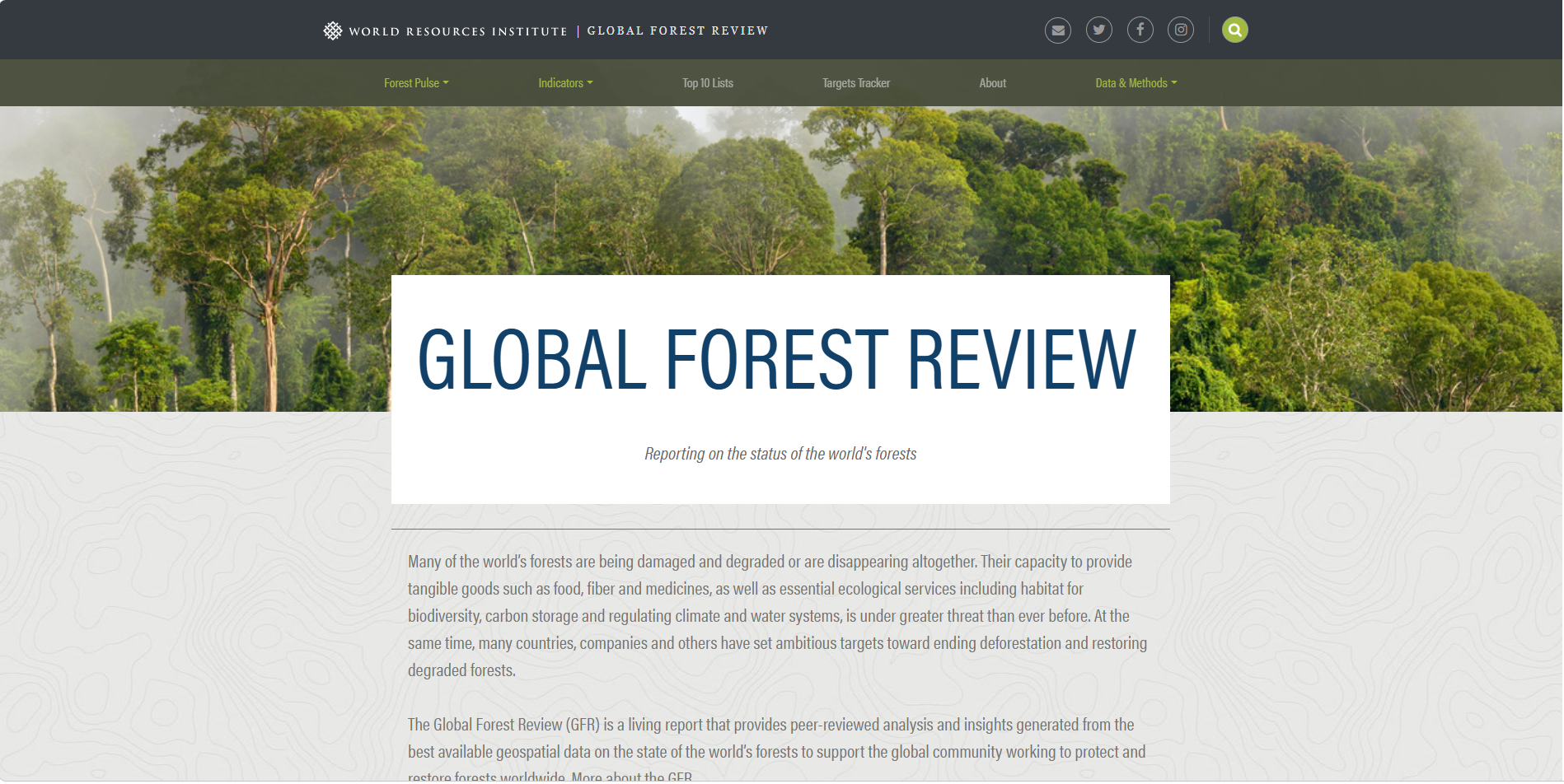
Global Forest Review
The Global Forest Review is an online resource by the World Resources Institute providing annual data on global forest loss, deforestation drivers, and carbon stocks. It helps finance professionals assess environmental risks and track supply chain exposure to deforestation-linked commodities.
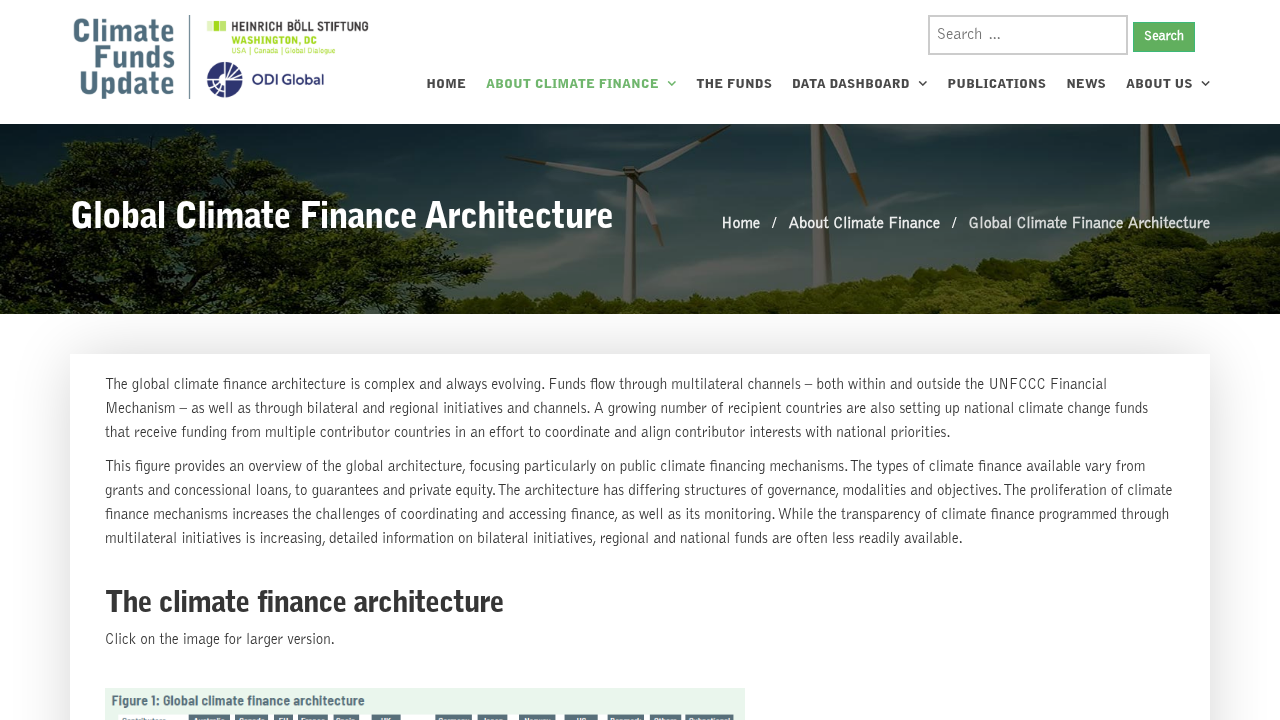
Global Climate Finance Architecture
Climate Funds Update tracks the complex global climate finance architecture, monitoring multilateral, bilateral, and regional funds. It provides critical insights into how international capital is channelled toward climate action in developing nations, supporting ESG analysis and investment context.
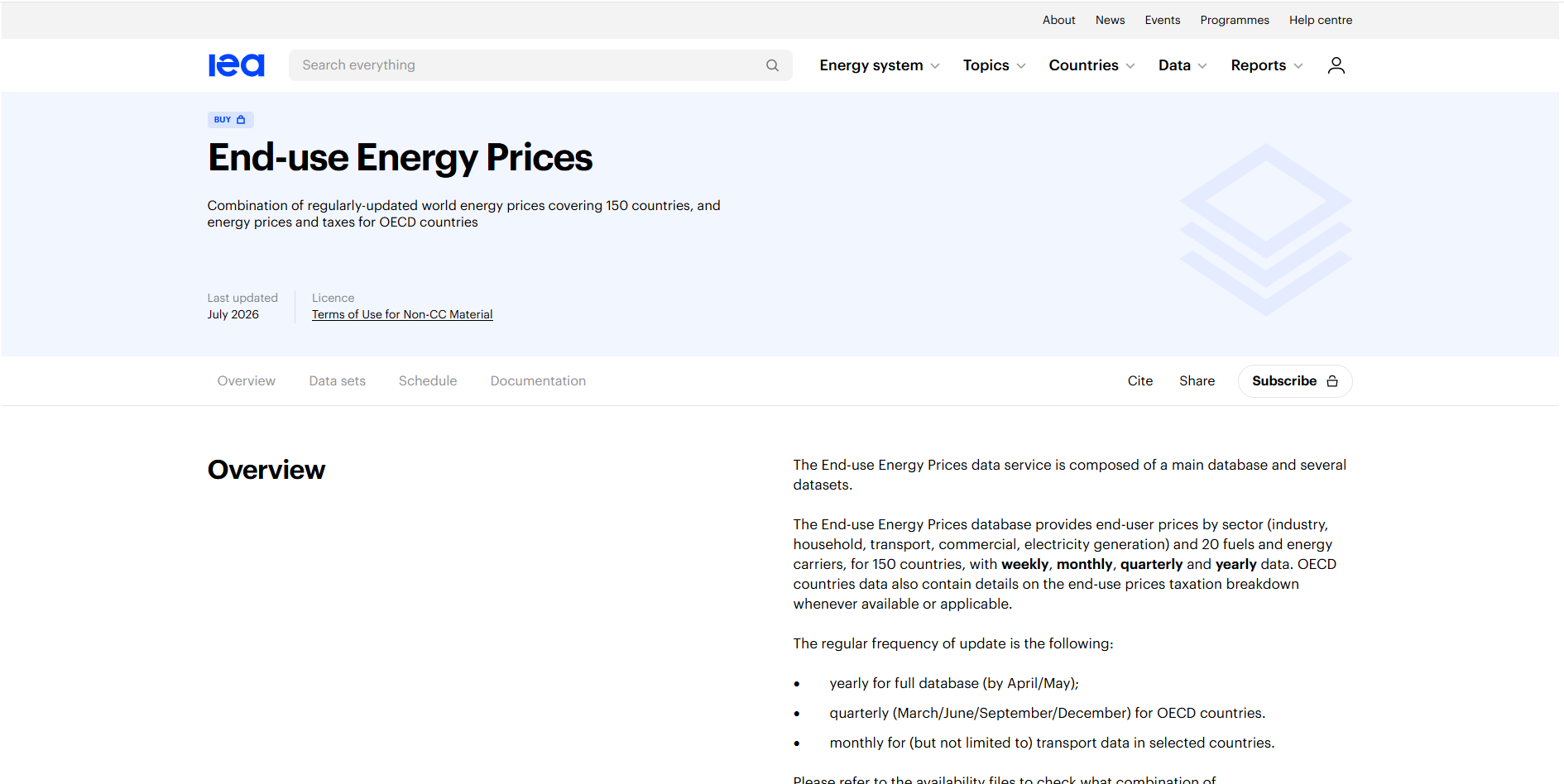
2026 IEA Energy Prices Database
The 2026 IEA Energy Prices Database provides comprehensive global data on energy prices, investment trends, and capital flows. It supports finance professionals in assessing market volatility, conducting risk analysis, and evaluating energy sector investments.
Asset-level physical climate risk register template
The Asset-level physical climate risk register template, developed by the Investor Group on Climate Change (IGCC), enables consistent documentation of climate hazard assessments. It helps investors and managers track risks such as floods and wildfires at the individual asset level to support financial reporting and resilience planning.
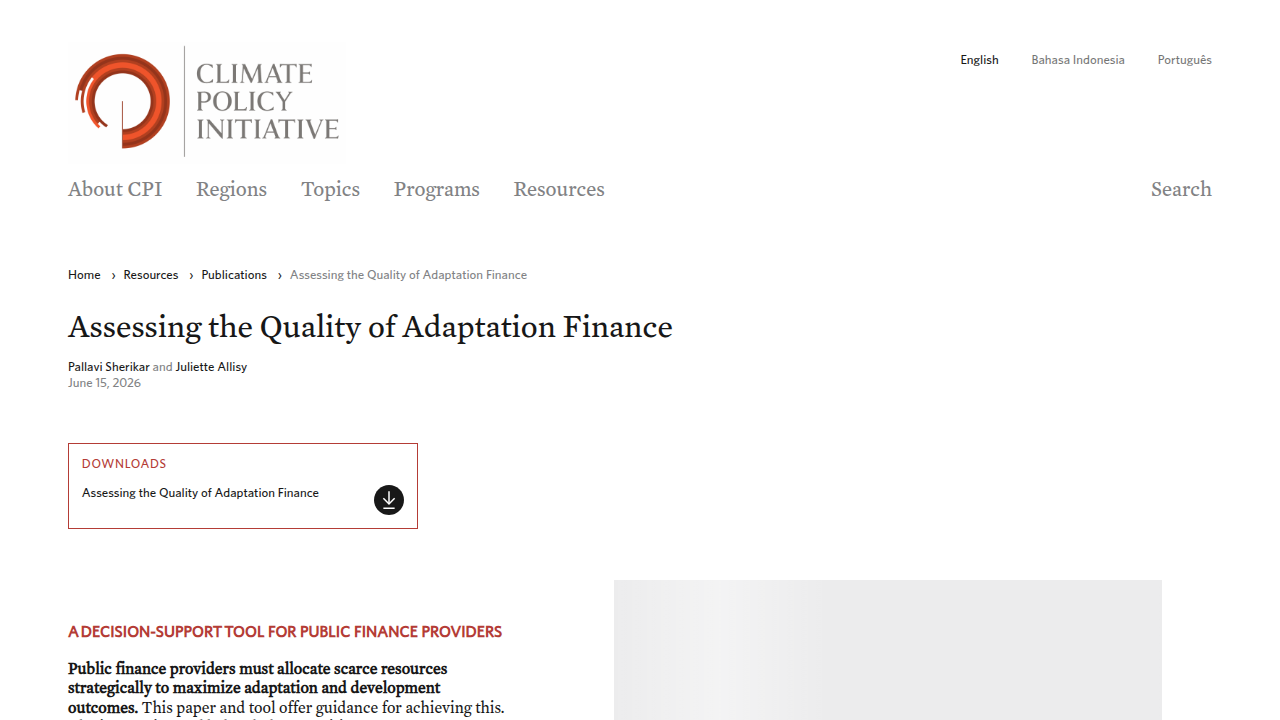
Assessing the quality of adaptation finance tool
A CPI decision-support tool for public finance providers to assess adaptation finance quality across project, market, and system levels.
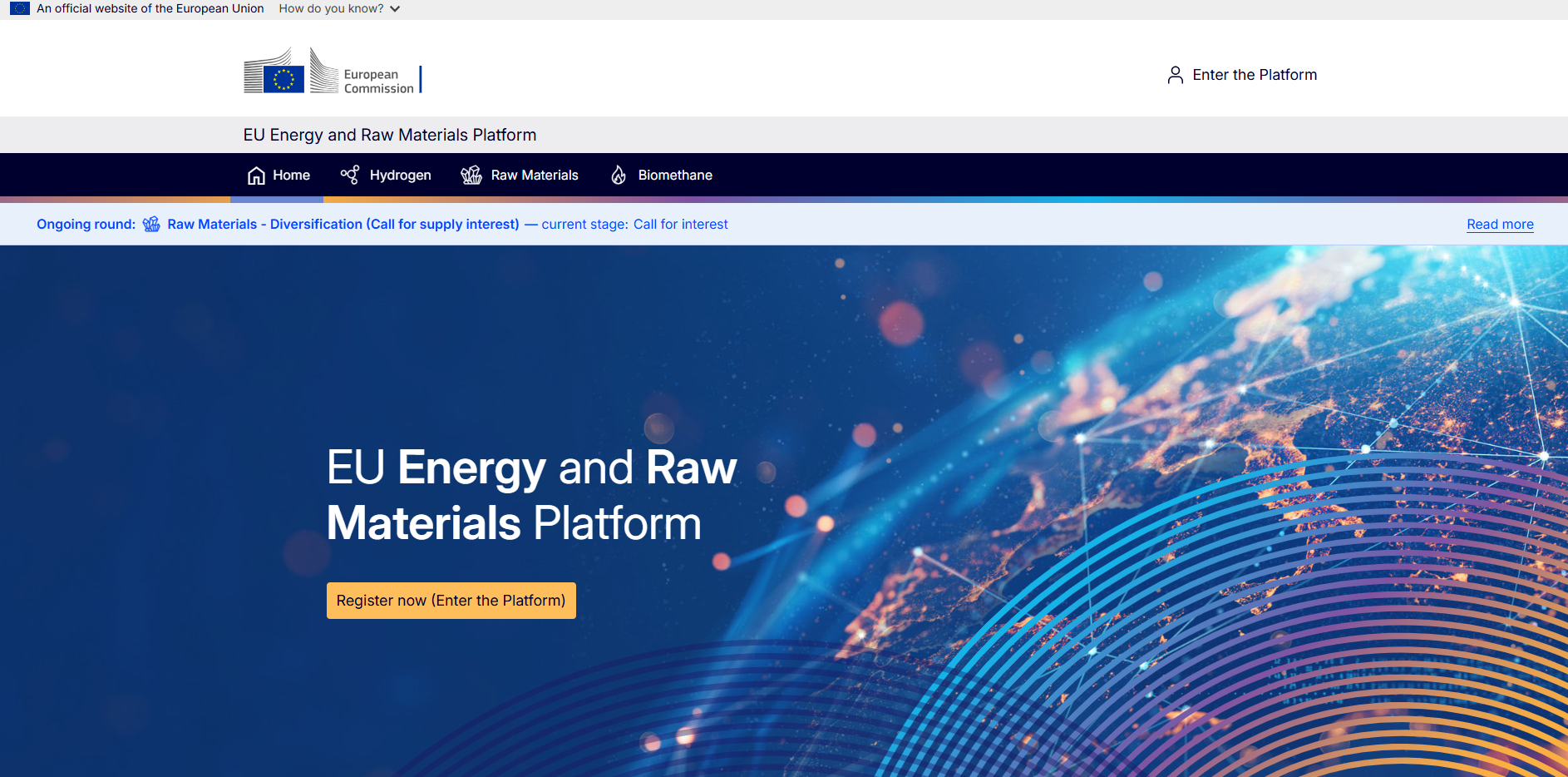
EU energy and raw materials mechanism platform
EU Commission platform aggregating demand for critical raw materials to connect buyers, suppliers, and financial institutions across strategic sectors.
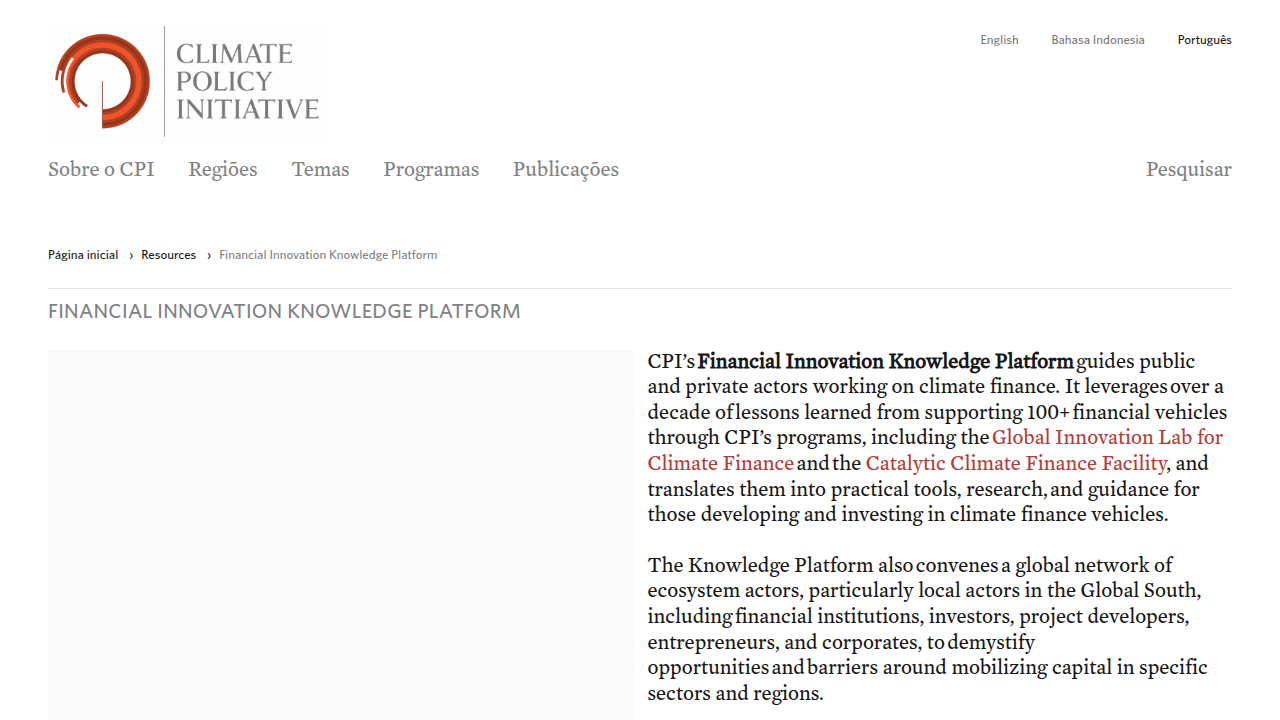
Financial Innovation Knowledge Platform
CPI's platform offering practical tools, research, and guidance for public and private actors developing and investing in climate finance vehicles.
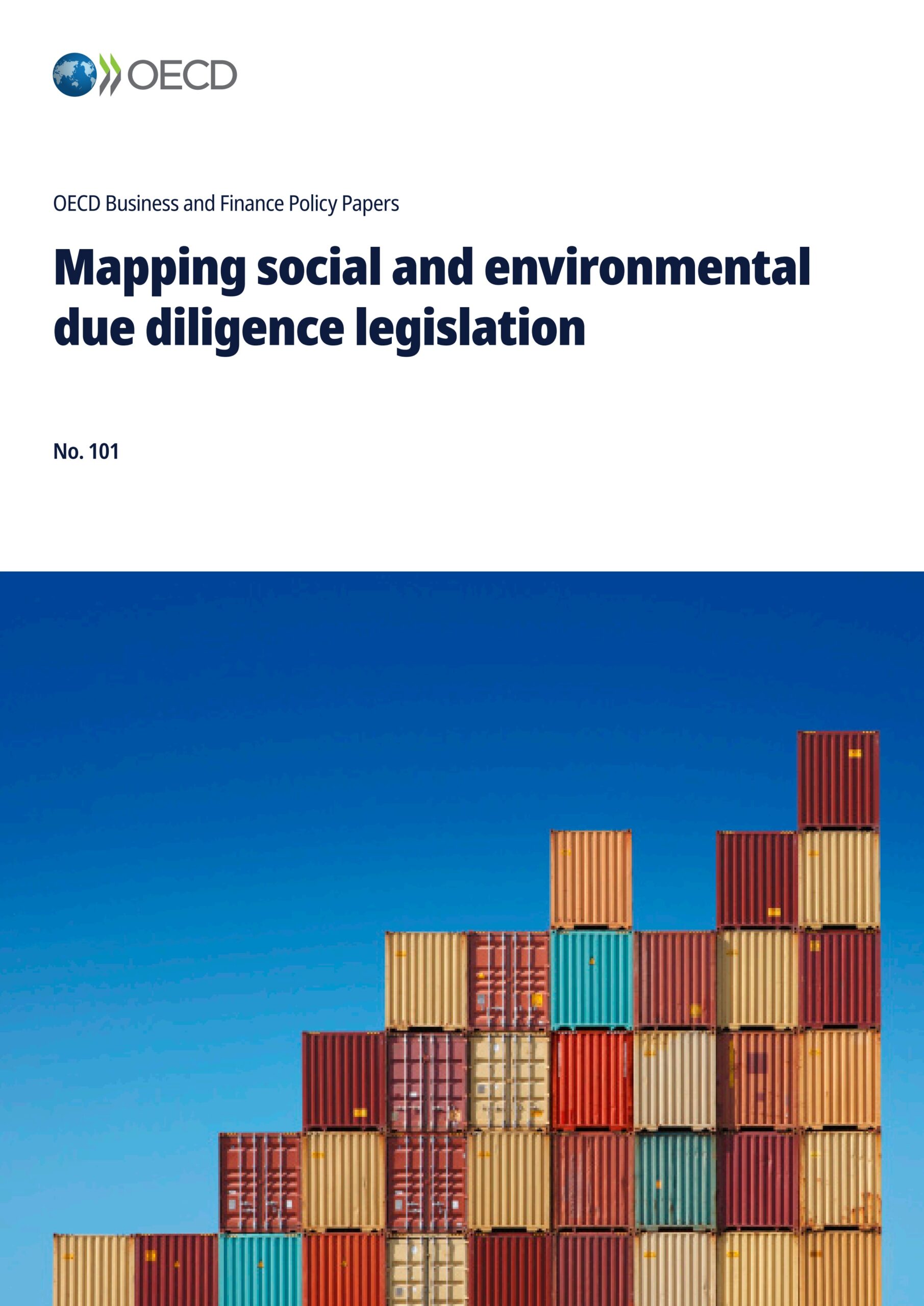
Mapping social and environmental due diligence legislation
This OECD report maps 21 legislative measures across 11 jurisdictions concerning social and environmental due diligence. It identifies key areas of convergence and divergence in regulatory scope and requirements. The findings aim to support international policy co-operation, reduce implementation complexity, and promote consistent global enforcement approaches.
Ocean investment protocol: 2026 revised draft for consultation: A multi-stakeholder plan to enable funding for the Sustainable Ocean Economy
This report provides a framework for scaling finance towards a sustainable ocean economy. It outlines recommendations for financial institutions, insurers, governments, and central banks to manage risks and capture opportunities. The protocol aims to mobilise the US$1 trillion required by 2030 to protect marine ecosystems and ensure prosperity.
The role of investors in measuring and achieving lower embodied carbon in real estate and infrastructure
This guidance outlines strategies for Australian investors to manage and reduce embodied carbon in real estate and infrastructure. It details a maturity pathway from benchmarking to achieving reductions, highlighting mandatory reporting requirements and strategic benefits. The document provides specific actions for equity and debt investors to align with net-zero pathways.

Tips on effective grievance mechanisms for businesses
This report outlines strategies for businesses to implement effective grievance mechanisms aligned with UN Guiding Principles. It highlights how robust engagement can prevent potential financial losses of $25-40 million. Guidance covers design, internal governance, and maintaining effectiveness in high-risk environments to build stakeholder trust and ensure human rights compliance.
Intentional Endowments Network (IEN)
IEN is a peer-learning network supporting endowments and foundations to integrate climate and social inequality considerations into investment strategies.
Responsible investing maturity matrix: Emerging markets
A maturity framework for VC funds and LPs to assess ESG and responsible investment integration across emerging market fund operations.
Fair Finance Ghana ESG policy assessment report
This report assesses ESG policies across five Ghanaian banks using international benchmarks. Results show low sustainability integration, particularly regarding climate change and transparency. It recommends adopting global frameworks, extending ESG accountability to lending portfolios, and improving standardised reporting to align the sector with international best practice.

Global critical minerals outlook series
The Global Critical Minerals Outlook is an annual series published by the IEA that tracks market, investment, technology, and policy trends across critical mineral supply chains. Each edition provides medium- and long-term demand and supply projections for key energy minerals, covering supply security, concentration risks, and diversification developments.
The silence of the loans: Banks should adopt methane policies that cover financing and facilitating emissions
Planet Tracker examines twenty-five banks' policies regarding agricultural methane emissions. Despite methane's high potency, no banks have specific reduction targets for this sector. Most policies focus solely on direct financing, ignoring facilitated debt which constitutes 96% of corporate funding, creating significant financial and regulatory risks for lenders.


