
Library | ESG issues
Governance
The governance pillar in ESG (environmental, social, and governance) refers to the systems, policies, and practices that ensure an organisation is managed responsibly and ethically. It includes issues such as board structure, reporting & disclosures, shareholders & voting, and risk management. Strong governance reduces risks, enhances trust, and supports long-term business sustainability.
Refine
2888 results
REFINE
SHOW: 16


SME Climate Hub
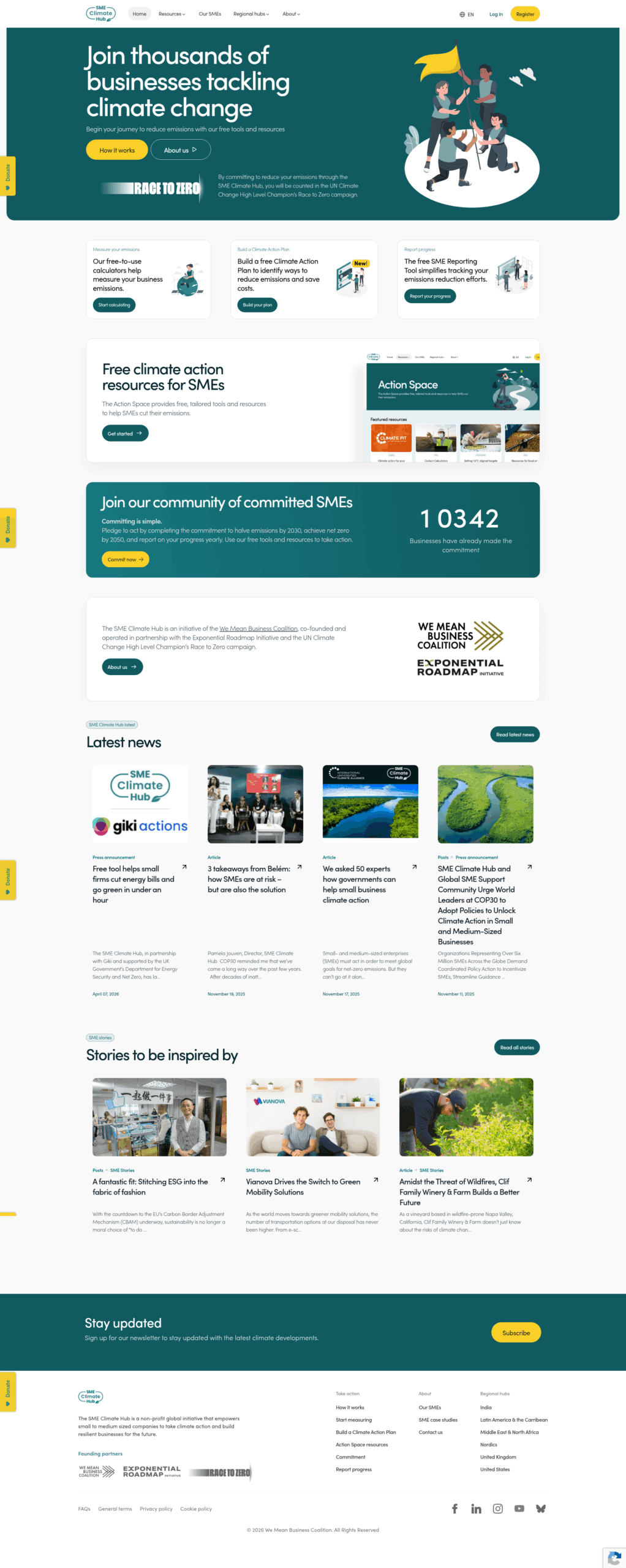
Free platform helping SMEs measure emissions, build climate action plans, and report progress toward net zero by 2050.
Mindful Money Fund Checker
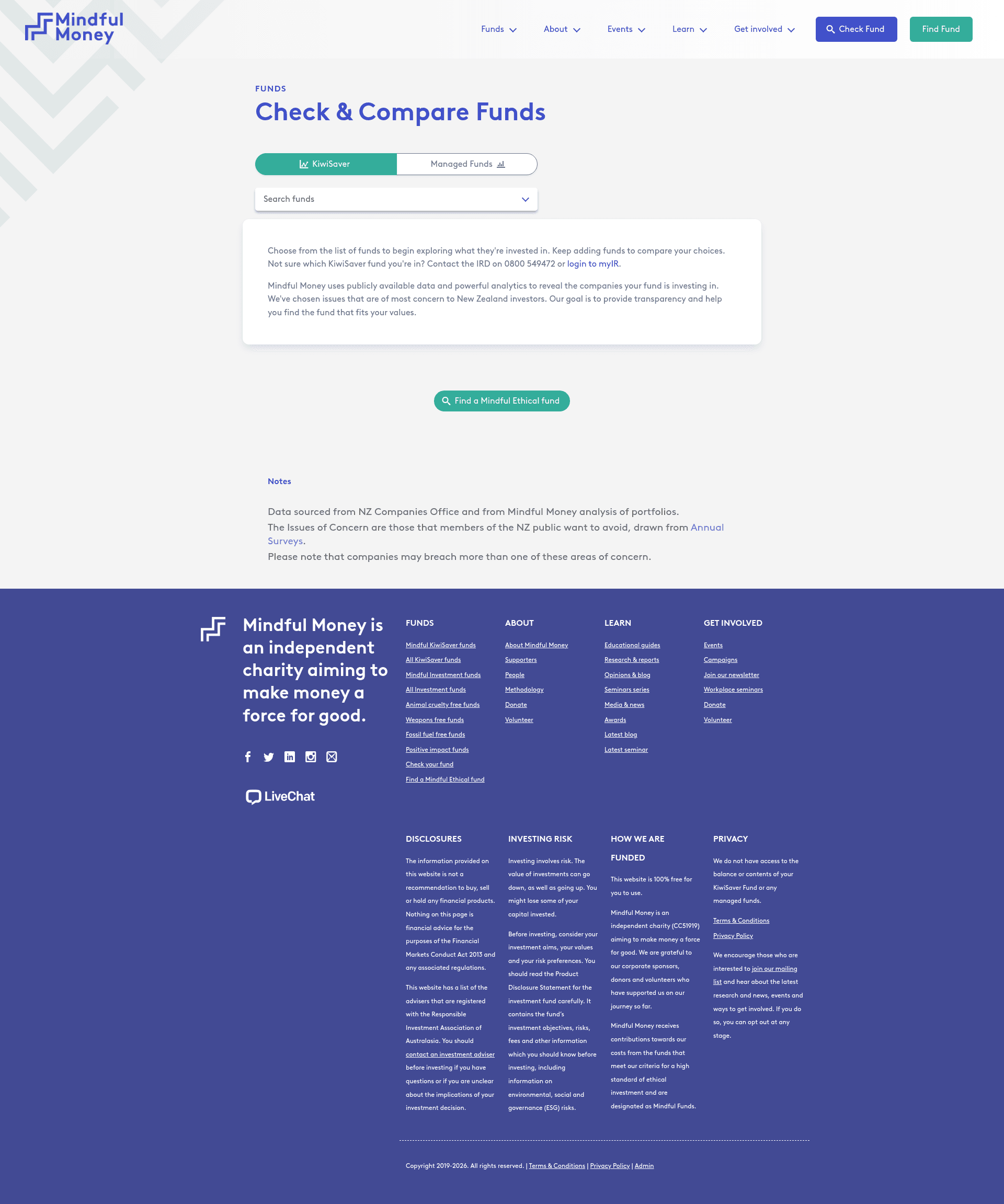
Free NZ tool to check and compare KiwiSaver funds against ethical issues of concern using publicly available data and portfolio analytics.
Trump climate endangerment stories
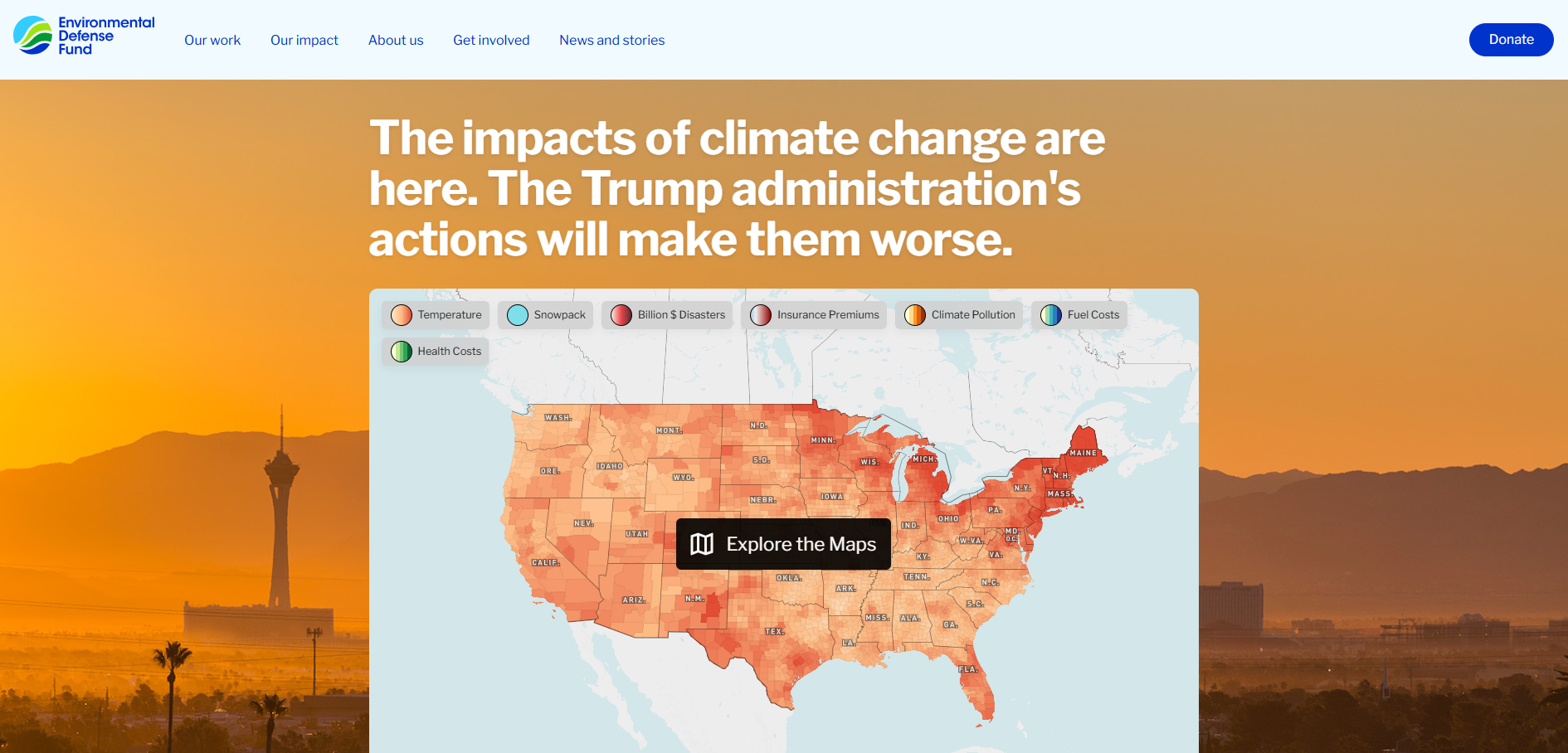
This interactive mapping tool from the Environmental Defense Fund (EDF) combines climate data and community stories to show how climate change is affecting temperatures, water resources, disaster losses, insurance costs and public health across the United States. It also illustrates the projected impacts of changes to federal climate pollution regulations.
Digital Policy Hub
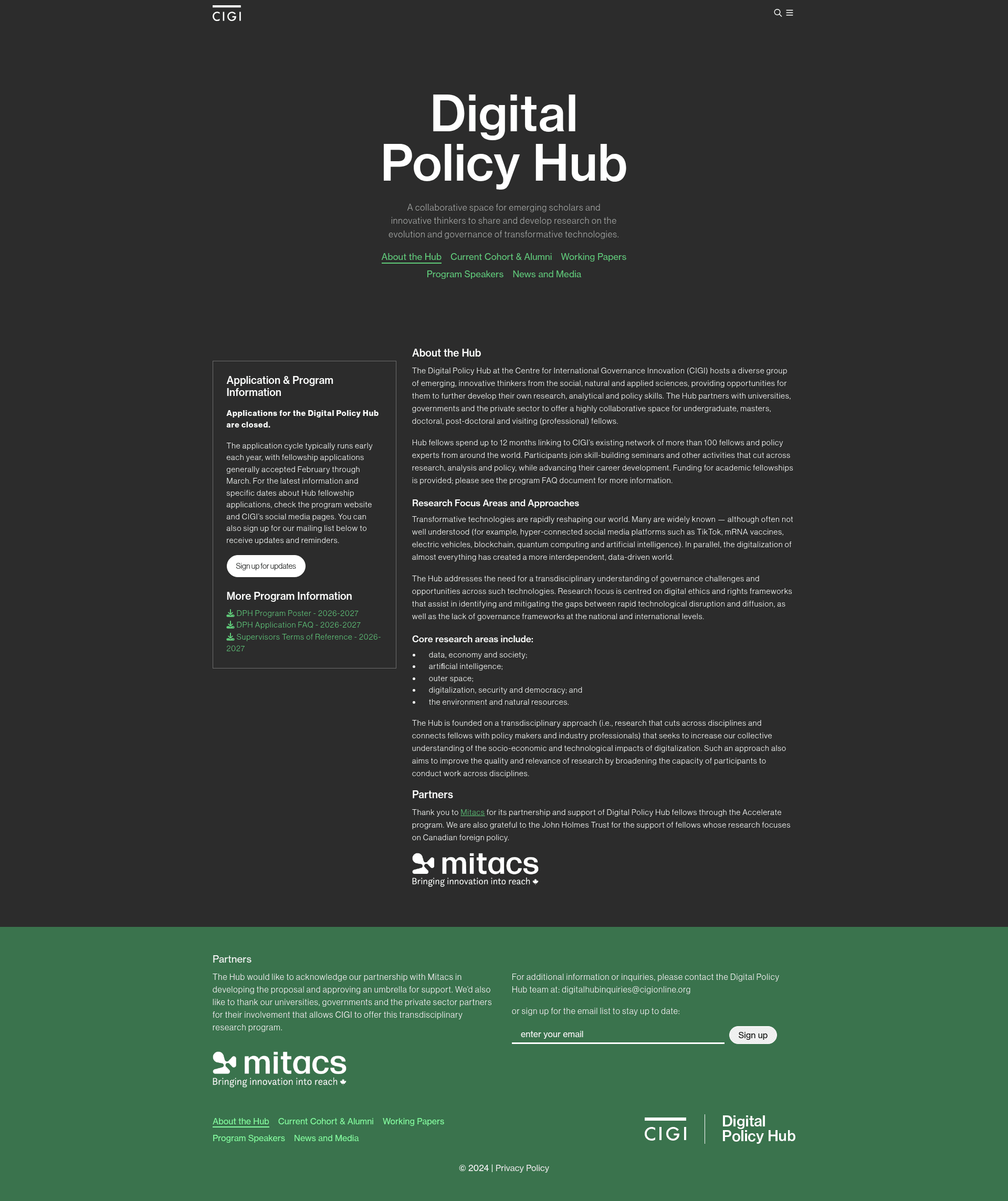
The Digital Policy Hub, hosted by the Centre for International Governance Innovation (CIGI), is a research and policy platform focused on the governance of transformative technologies. It supports research, analysis and collaboration on topics including artificial intelligence, data governance, digital security, democracy, outer space and environmental impacts of digitalisation.
Modeling ghost GDP: Macro-financial risk and diversified portfolios in the age of artificial intelligence, automation, and populism
This PDI working paper stress-tests four AI-driven labour displacement scenarios against US macro-financial data, modelling cascading losses across household debt, corporate credit, equities, pensions, insurance, and fiscal channels. Total economy-wide value at risk ranges from approximately $15–18 trillion (Light) to $62–72 trillion (Aggressive). Predistributive mechanisms are proposed as structural solutions.
National climate change risk assessment for Aotearoa New Zealand series
This series provides the foundational national climate change risk assessments for Aotearoa New Zealand. It evaluates risks across seven domains, including the economy, infrastructure, and the Māori world, to inform adaptation strategies. For finance professionals, it offers essential data for assessing physical risks, insurance viability, and long-term investment stability in a changing climate.
The accountability framework operational guidance series
The Accountability Framework Operational Guidance series provides technical resources for companies to implement responsible supply chain commitments in the agriculture and forestry sectors. It covers environmental protection, human rights, and supply chain governance, offering finance professionals a framework for assessing corporate sustainability practices and managing ESG risks.
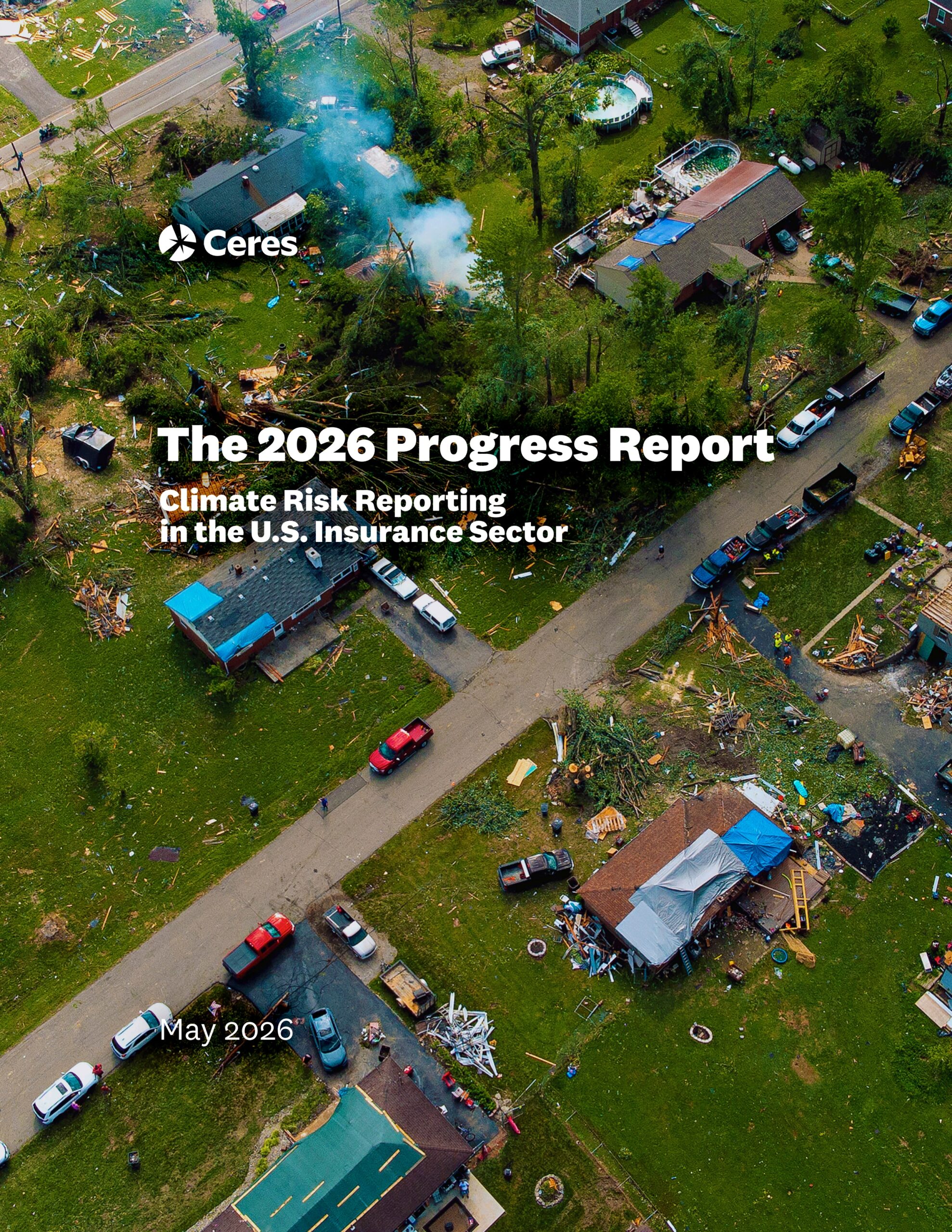
The progress report: Climate risk reporting in the U.S. insurance sector series
This benchmark series assesses the quality and comprehensiveness of climate risk reporting by U.S. insurance companies against the Task Force on Climate-related Financial Disclosures (TCFD) framework. It tracks industry-wide reporting practices, disclosure maturity, governance, strategy, risk management, and metrics over time to evaluate progress in climate-related financial risk disclosure.
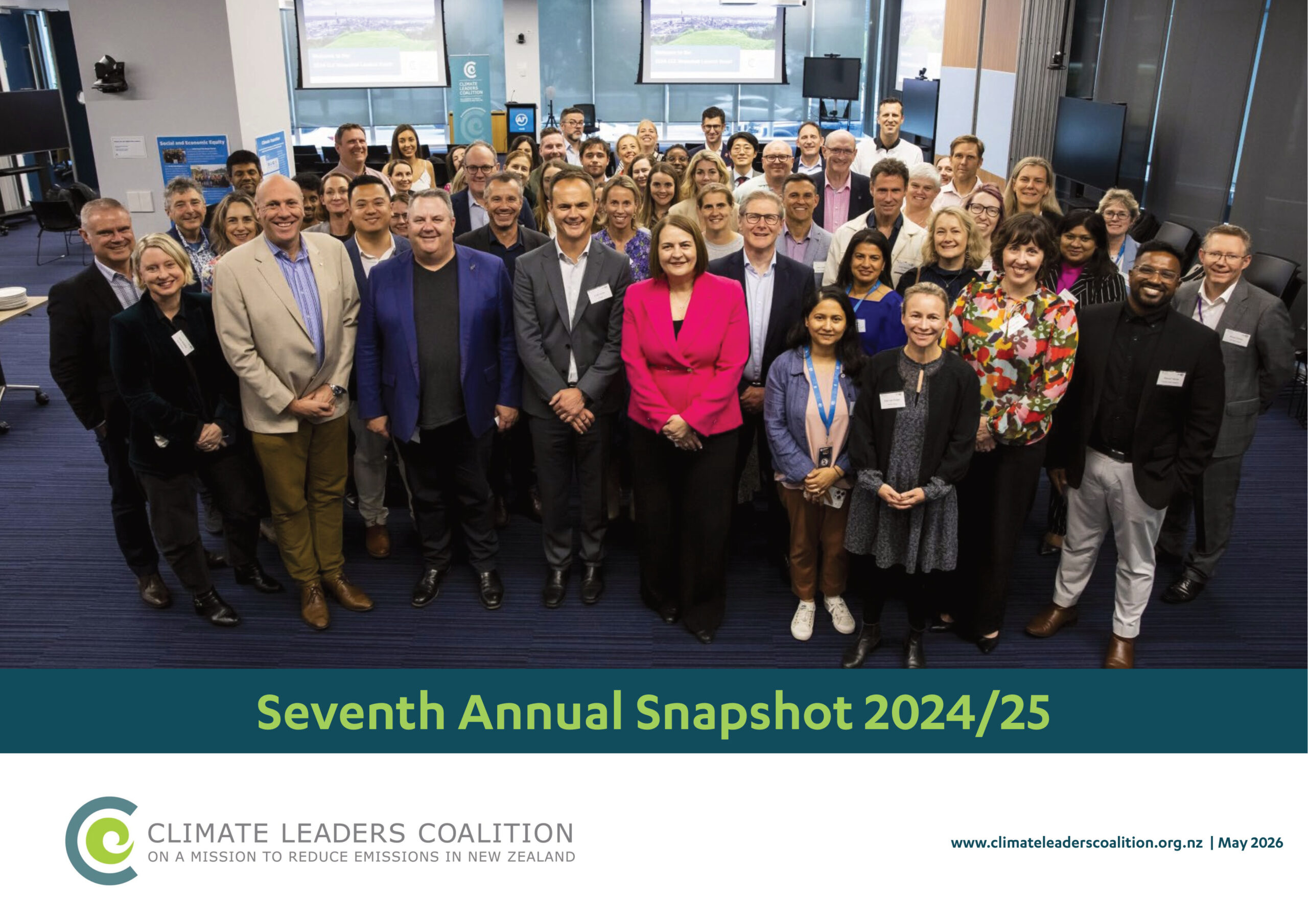
Annual snapshot series
This benchmark series provides annual snapshots of the Climate Leaders Coalition, tracking how New Zealand businesses are progressing on climate action. It outlines signatories’ commitments, emissions management, climate risk and resilience efforts, collaboration initiatives, and leadership activities supporting the transition to a low-emissions economy.
Navigating global risks in the Pacific 2026
A Pacific-focused commentary drawing on the World Economic Forum's Global Risks Report 2026, examining how geopolitical fragmentation, digital transformation, climate volatility and workforce pressures are reshaping operating environments across Australia, New Zealand and the broader Pacific region.
A guide to the New Zealand emissions trading scheme: 2026 update: Design, evolution, and current state
This guide outlines the design, evolution, and current state of the New Zealand Emissions Trading Scheme as of March 2026. It covers sectoral coverage, unit supply, price controls, free allocation, forestry, and emissions trends, including recent legislative changes to agricultural obligations and the 2050 biogenic methane target.

State of the Industry: Cultivated meat, seafood, and ingredients series
This benchmark series is an annual State of the Industry series that provides a global overview of the cultivated meat, seafood and ingredients sector. It tracks commercial developments, investment activity, scientific and technological progress, consumer insights, and government and regulatory developments, assessing the sector’s progress towards large-scale commercialisation and adoption.

The hidden benefit of ESG
This study examines 2,386 U.S.-listed firms from 2016 to 2021 and finds a causal link between higher ESG scores and fewer financial statement restatements in the post-2019 Business Roundtable Statement period. The findings position ESG as a rational risk management tool and challenge the premise underlying anti-ESG legislation.

Five differentiators of outperforming family-owned businesses in India
McKinsey analysed about 300 publicly listed Indian family-owned businesses to identify five differentiators of top performers: core operational excellence, effective generational transition, portfolio diversification, talent and culture, and robust governance. FOBs contribute more than 75 percent of India's GDP and outperform non-family-owned businesses on revenue growth and shareholder returns.

Passing the baton: Creating value through CEO succession at family businesses
This McKinsey report analyses CEO succession at family-owned businesses, drawing on 200 publicly traded and 170 private FOBs globally. It finds that succession on average erodes shareholder value, but top-performing FOBs can achieve the opposite by applying 11 critical practices spanning five foundational and six distinctive areas.
Voice without influence? Global investor voting rationale disclosures in Korea
This study examines whether global institutional investors’ voting rationale disclosures influence Korean firms’ gender diversity and climate-related policies. It finds stronger investor focus on board gender diversity than climate risk, limited influence on large firms, greater impact on smaller firms’ emissions reductions, and evidence that voting rationales affect the credibility of sustainability reporting.


