
Library | ESG issues
Just Transition
A just transition ensures that the shift to a low-carbon economy is fair, inclusive, and leaves no one behind. It prioritises workers, communities, and industries affected by the transition, ensuring they have access to new opportunities, reskilling programs, and social protections. Achieving a just transition is essential for securing public support, economic stability, and sustainable long-term growth.


Refine
156 results
REFINE
SHOW: 16


Corporate climate responsibility monitor series
The Corporate Climate Responsibility Monitor is a recurring research series that independently assesses the transparency, integrity and credibility of corporate climate strategies. It evaluates how major global companies set, disclose and implement emission reduction targets, using a consistent methodology to enable year-on-year comparison across sectors.

Carbon Market Watch
Carbon Market Watch is an independent climate policy NGO focused on carbon markets, offsets and climate finance integrity. It monitors EU and global climate policies, produces research and policy analysis, and advocates for robust carbon market rules that protect environmental integrity, human rights and ambition across voluntary and compliance systems.
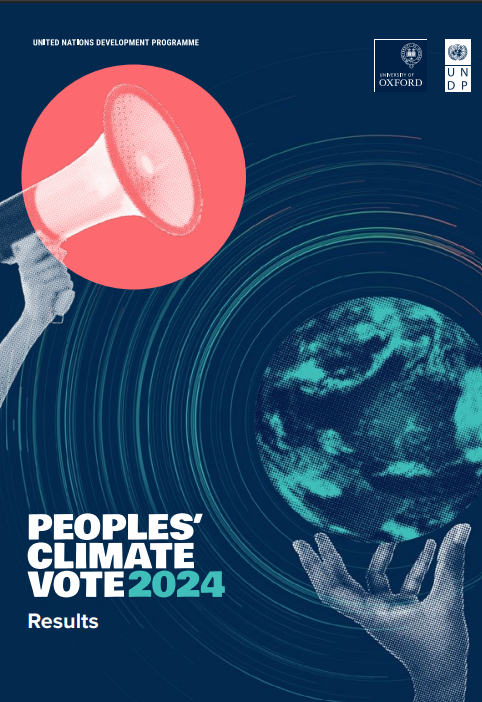
Peoples' climate vote series
The Peoples’ Climate Vote is a global survey series capturing public perspectives on climate change, policy priorities and collective action. Led by international institutions, it provides a consistent framework to understand how people experience climate impacts and how they expect governments, businesses and global actors to respond.

Climate fiduciaries: part II – the duty of even-handedness
This article explores the fiduciary duty of even-handedness and its implications for climate-aware pension fund investing, focusing on emerging legal challenges in Australia and Canada. It argues that unmanaged climate risk may breach trustees’ obligations to act equitably across generations, particularly where younger members bear disproportionate long-term harm.

Systems-informed stewardship part I: Reshaping sustainable and impact finance through systems thinking
This article introduces systems thinking and explains how it is reshaping sustainable and impact finance by addressing interconnected systemic risks like climate change and inequality. It outlines four emerging applications; from systemic risk management to systems-informed stewardship, highlighting the implications for investors’ roles, tools, and decision-making.
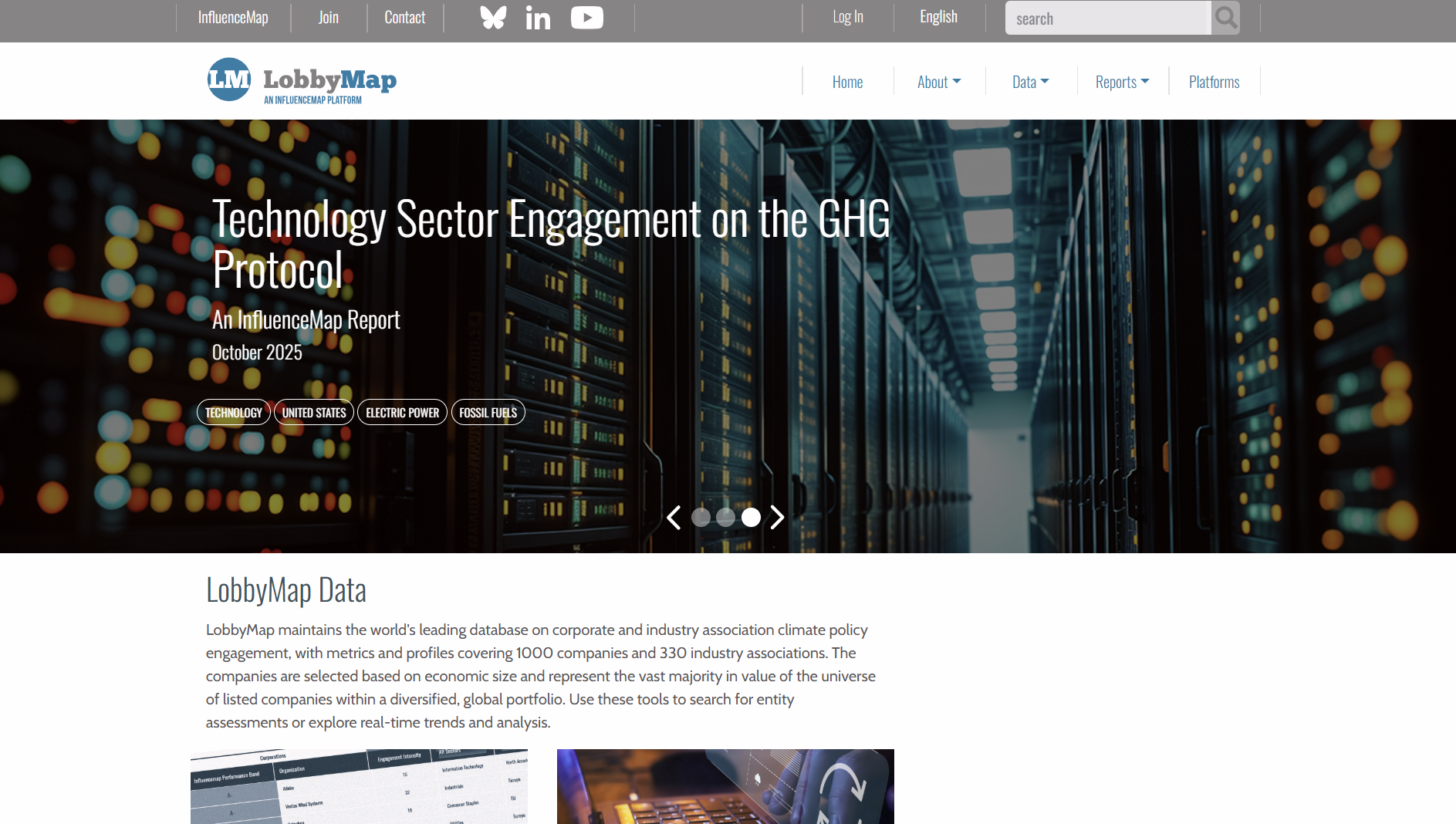
LobbyMap
LobbyMap is an online database that analyses corporate and trade association lobbying on climate and energy policy. It compares stated public positions with lobbying activities to assess alignment, consistency, and potential risks for investors and financial decision-making.
Climate transition and global financial stability
This literature review assesses evidence on how delayed, failed or uneven climate transitions affect UK and global financial stability. It finds intensifying physical and transition risks, potential mispricing and spillovers, and significant uncertainty, highlighting EMDE transitions as central to managing systemic financial risk.

KanataQ Ltd
KanataQ Ltd provides climate and nature risk analytics for financial institutions, corporates and investors. It develops data-driven models, scenarios and tools to assess physical and transition risks, support regulatory reporting, and inform strategic decision-making across climate, ESG and sustainable finance, using forward-looking insights aligned with global climate frameworks and standards.

Global Energy Monitor
Global Energy Monitor (GEM) is a non-profit research organisation that develops and publishes open-access data, interactive tools, and analysis on global energy infrastructure, including fossil fuels and renewable projects. GEM’s datasets and reports inform energy transition, climate policy and public understanding worldwide.
The twin transition century
This paper argues that Europe’s green transition depends on aligning digital transformation with sustainability goals. It outlines how digital research can both reduce its own environmental footprint and enable climate action, calling for long-term, interdisciplinary research investment and coordinated EU policy.
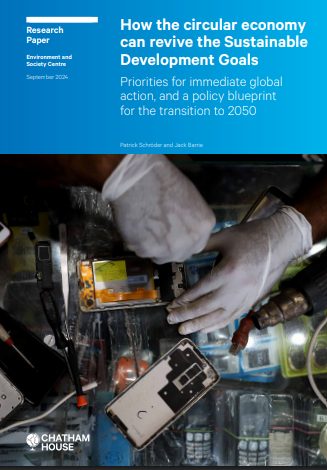
How the circular economy can revive the sustainable development goals: Priorities for immediate global action, and a policy blueprint for the transition to 2050
This report argues that embedding circular economy principles within the Sustainable Development Goals could revive stalled progress. It outlines five global policy priorities and proposes a 2050 blueprint linking circularity, inclusive growth, trade, finance and standards to post-2030 development agendas.

New approaches and challenges regarding trade, climate action, and the WTO
The report analyses how WTO trade rules can support climate action. It assesses tools such as border carbon adjustments, standards, subsidies and technology policy, identifying legal gaps, development impacts and the need for coordinated reforms to align multilateral trade governance with climate objectives.
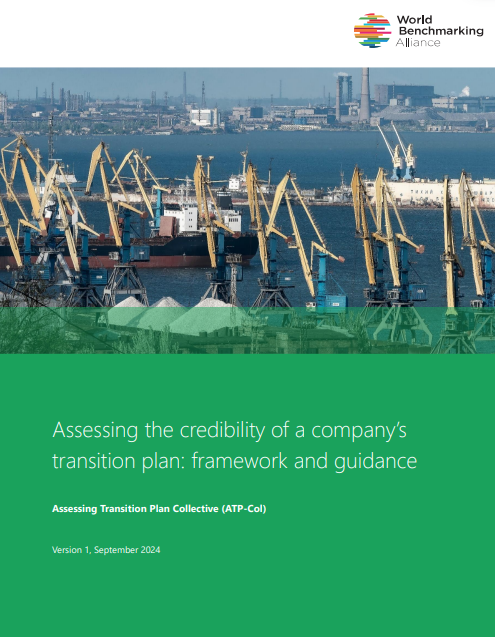
Assessing the credibility of a company’s transition plan: framework and guidance
This report presents a harmonised framework to assess the credibility of corporate climate transition plans. It defines core plan elements, assessment principles, and a four-step process to evaluate ambition, feasibility, consistency, governance, and financial alignment with Paris-aligned decarbonisation pathways.
Defining climate finance justice: Critical geographies of justice amid financialized climate action
The article defines “climate finance justice” as a framework for analysing how financialised climate action shapes equity, power, and outcomes. It critiques climate finance mechanisms, including UNFCCC processes and voluntary carbon markets, and argues for justice-centred approaches that address historical responsibility, governance, and uneven impacts.
Discourses of climate delay
The report identifies twelve “climate delay” discourses that accept climate change yet justify inaction. It groups them into four strategies—redirecting responsibility, promoting non-transformative solutions, emphasising policy downsides, and surrendering to inevitability—and offers a typology to recognise and counter these arguments.
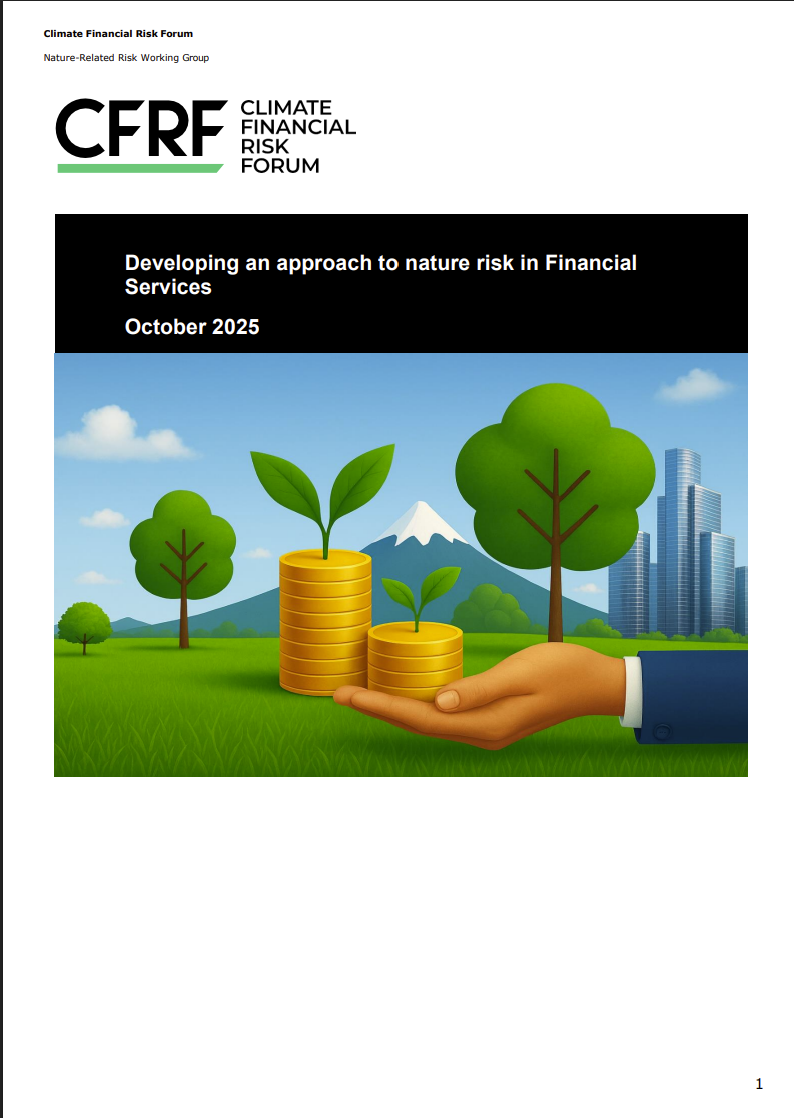
Developing an approach to nature risk in financial services
The report outlines how financial institutions can assess and manage nature-related risks by integrating climate–nature interactions, systemic risk concepts and TNFD-aligned approaches. It highlights data gaps, tipping points, and scenario analysis to support prudent risk management and strategic decision-making.


