
Library | SASB Sustainability Sector
Food & Beverage
Refine
263 results
REFINE
SHOW: 16


Warming and vegetation greening drive recent surge in flash droughts
This research identifies a global shift in flash drought drivers from precipitation deficits to a compound effect of warming and vegetation greening. Anthropogenic greenhouse gas forcing has triggered a surge in these rapid-onset events since 2017, exposing approximately 650 million people and significantly reducing terrestrial carbon productivity.
The value of bottom trawling in Europe
This research assesses the societal value of bottom trawling in Europe, finding annual net costs up to €16 billion. Significant climate impacts from disturbed seabed carbon outweigh private profits. The study highlights substantial trawling within Marine Protected Areas and suggests redirecting subsidies to support an industry transition.
EU’s deforestation footprint highlights need for EUDR
Trase’s assessment reveals the European Union was exposed to 112,500 hectares of annual deforestation between 2021 and 2023. While palm oil exposure fell 91% since 2014, cocoa and cattle remain significant risks. Effective EUDR implementation is vital to sustain progress, particularly as re-export modelling identifies Germany as highly exposed.
Mobilising private finance for nature: Learning from large-scale nature investment vehicles
This report analyses 54 nature investment vehicles to evaluate their effectiveness in mobilising institutional private capital. It identifies sector concentration in forestry and agriculture and highlights gaps in marine ecosystems. The findings emphasise the necessity of blended finance and technical assistance to scale nature-positive investments effectively.
Smallholders and the European Union Deforestation Regulation: Challenges, implications, and pathways to compliance
This report examines challenges faced by smallholders under the European Union Deforestation Regulation. Based on a survey of 333 producers, it identifies land tenure, compliance costs, and technical gaps as major barriers. It recommends coordinated support from governments, the private sector, and sustainability organisations to ensure inclusive market access.
A protein transition for Thai meat producers: A win-win for Thailand’s climate goals and the companies’ net profits and value
This report analyses the business case for transitioning four major Thai meat producers to plant-based proteins. It demonstrates that a 100% transition by 2050 could reduce emissions by 73%, save 8,375 square kilometres of land and increase net profits by 65% compared to traditional animal-based production models.
Gender equality: SSI report (Sustainable and Resilient Value Chains series)
This research examines how voluntary sustainability standards and private sector initiatives address gender equality in agricultural value chains. Applying the Sustainable and Resilient Value Chains framework, it evaluates efforts across five commodities and recommends a 'smart mix' of solutions to transform structural inequalities and empower women producers.
Sustainable Market Share Index 2025 report
This 2025 report by the NYU Stern Centre for Sustainable Business analyses CPG sales, finding sustainability-marketed products hold a 25.4% branded market share. These products grow 4.9 times faster than conventional counterparts and command a 26.6% price premium, despite inflation. Market shares are significantly higher in Germany and the UK.
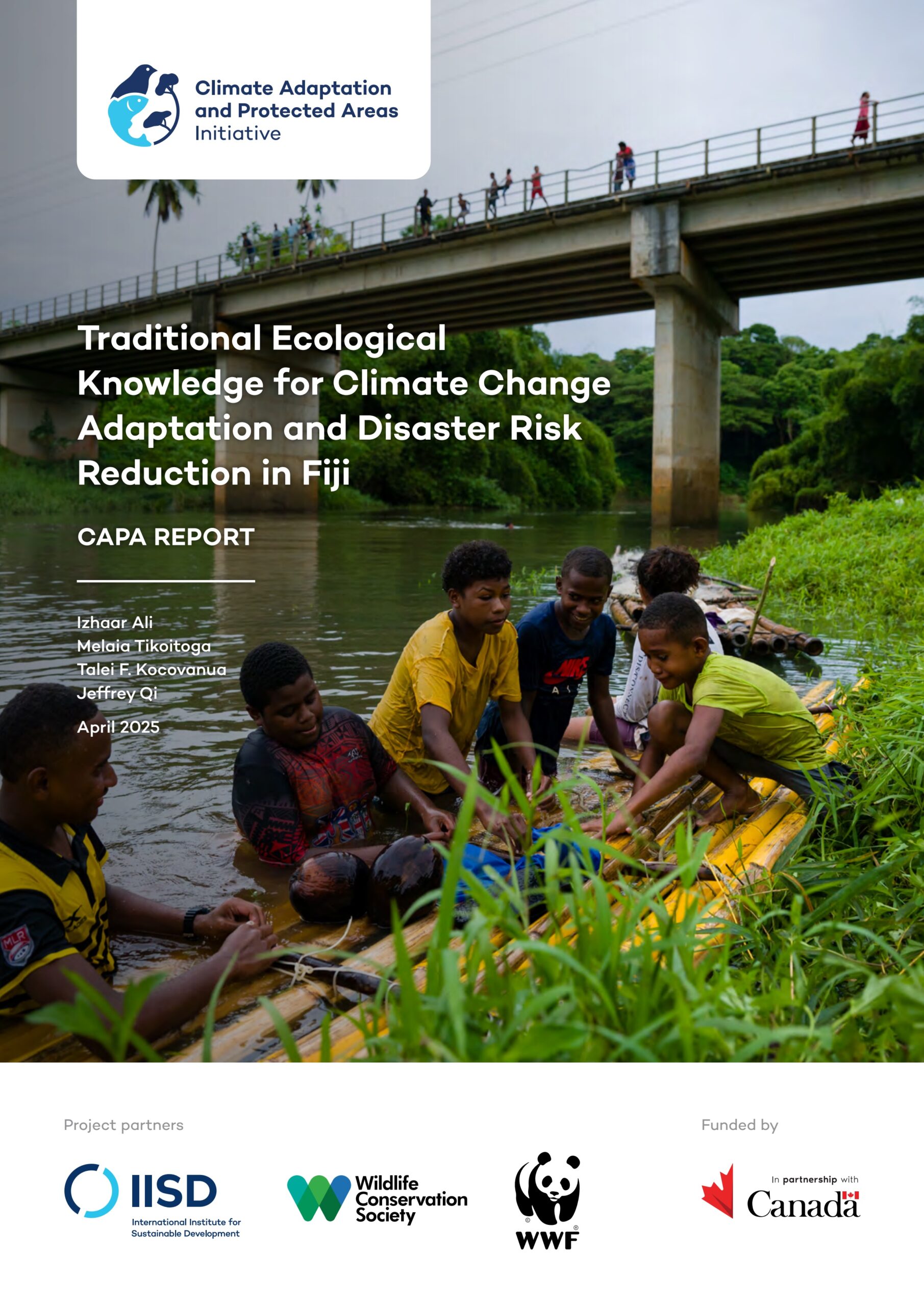
Traditional ecological knowledge for climate change adaptation and disaster risk reduction in Fiji
This report examines Traditional Ecological Knowledge (TEK) in Fiji as a cost-effective, sustainable tool for climate change adaptation and disaster risk reduction. It details how the iTaukei people use traditional housing, food preservation, and early warning systems to enhance community resilience against cyclones, floods, and rising sea levels.
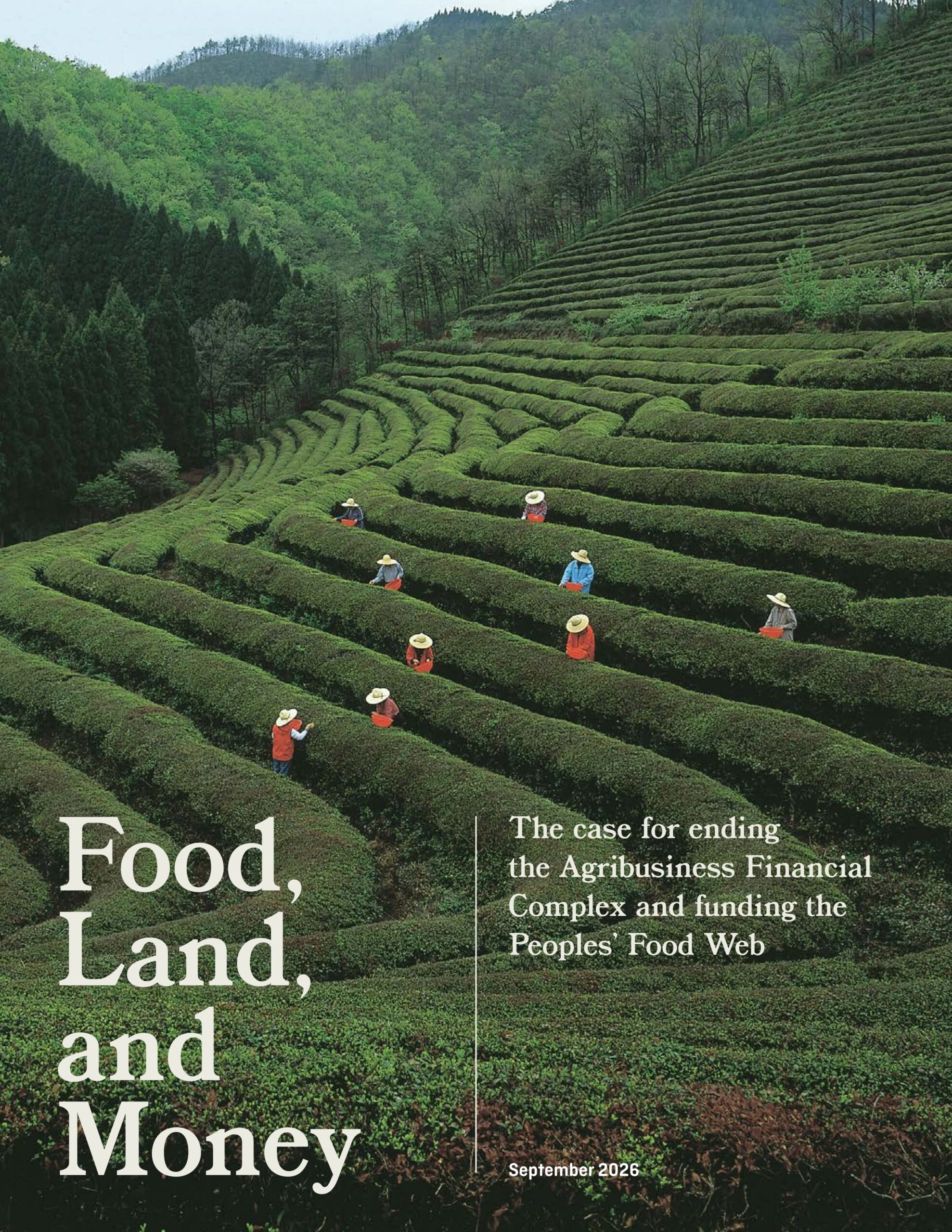
Food, land, and money: The case for ending the Agribusiness Financial Complex and funding the Peoples’ Food Web
This report examines the 'Agribusiness Financial Complex', where global finance and industrial agribusiness prioritise shareholder profit over food security. It analyses the top 100 agrifood companies, highlights the environmental and social harms of financialisation, and advocates for a transition to a decentralised 'Peoples' Food Web' through agroecology.
Investing in Southern Africa’s bioeconomy: A regional pathway for value creation, resilience and green industrialisation
This report examines the potential for the Southern African Development Community (SADC) to transition from raw resource extraction to a value-creating bioeconomy. Identifying six high-growth sectors, it highlights opportunities for green industrialisation and advocates for regional policy harmonisation and innovative financing through the African Bioeconomy Finance Hub.
Cooler laws, safer workers: Evaluating California’s heat standard and injury reduction
This research evaluates California’s 2005 heat illness standard, finding it substantially reduced work-related injuries in high-risk sectors like construction, agriculture, and transportation. Reductions of 15% to 27% were documented, with the most significant impacts occurring during extreme heat and amongst younger workers.
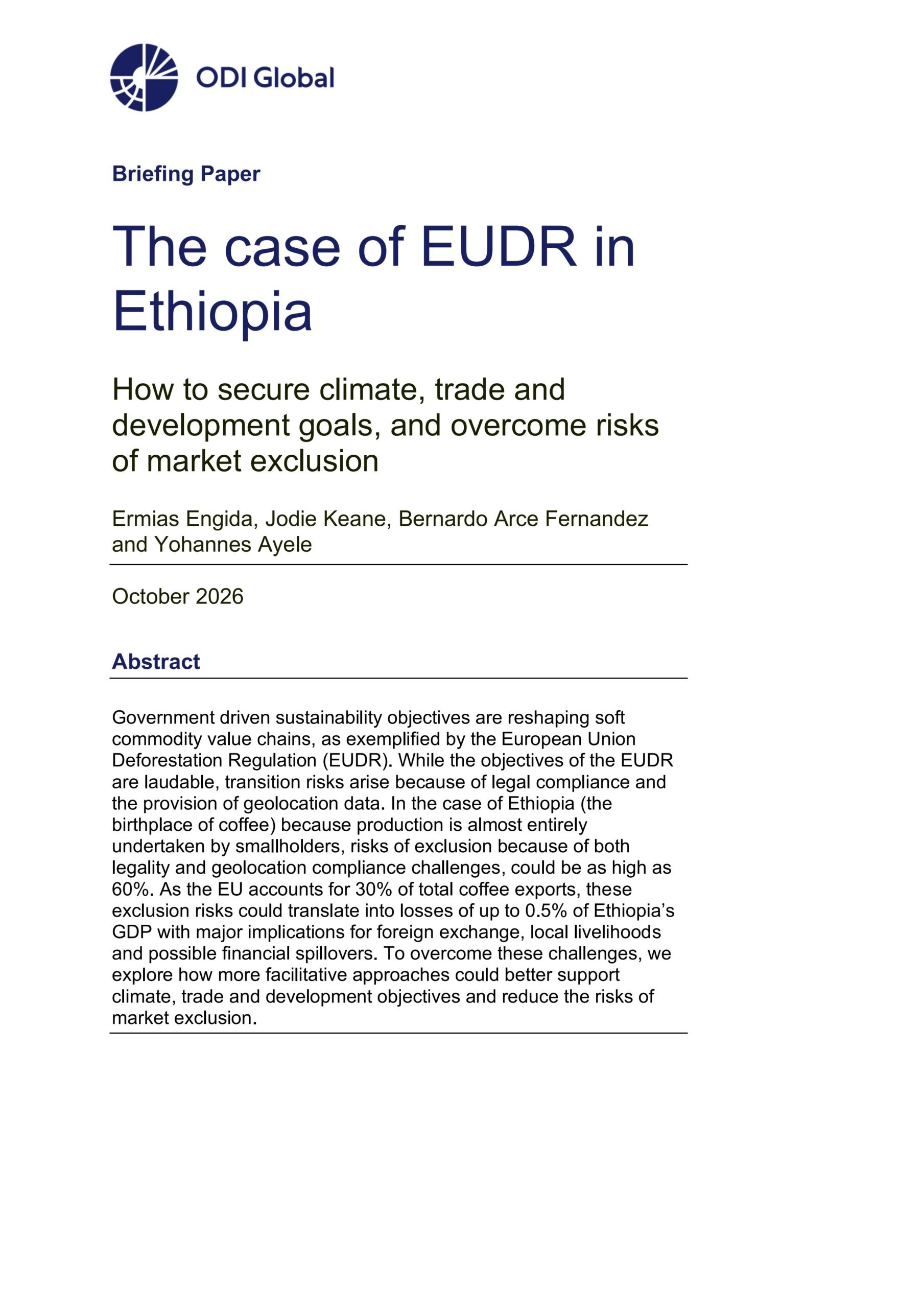
The case of EUDR in Ethiopia: How to secure climate, trade and development goals, and overcome risks of market exclusion
This research evaluates economic and financial risks to Ethiopia’s coffee sector from the European Union Deforestation Regulation. It identifies potential market exclusion for smallholders, significant foreign exchange losses, and financial vulnerabilities, while recommending integrated incentive mechanisms like carbon credits and improved cooperative structures to support compliance and livelihoods.
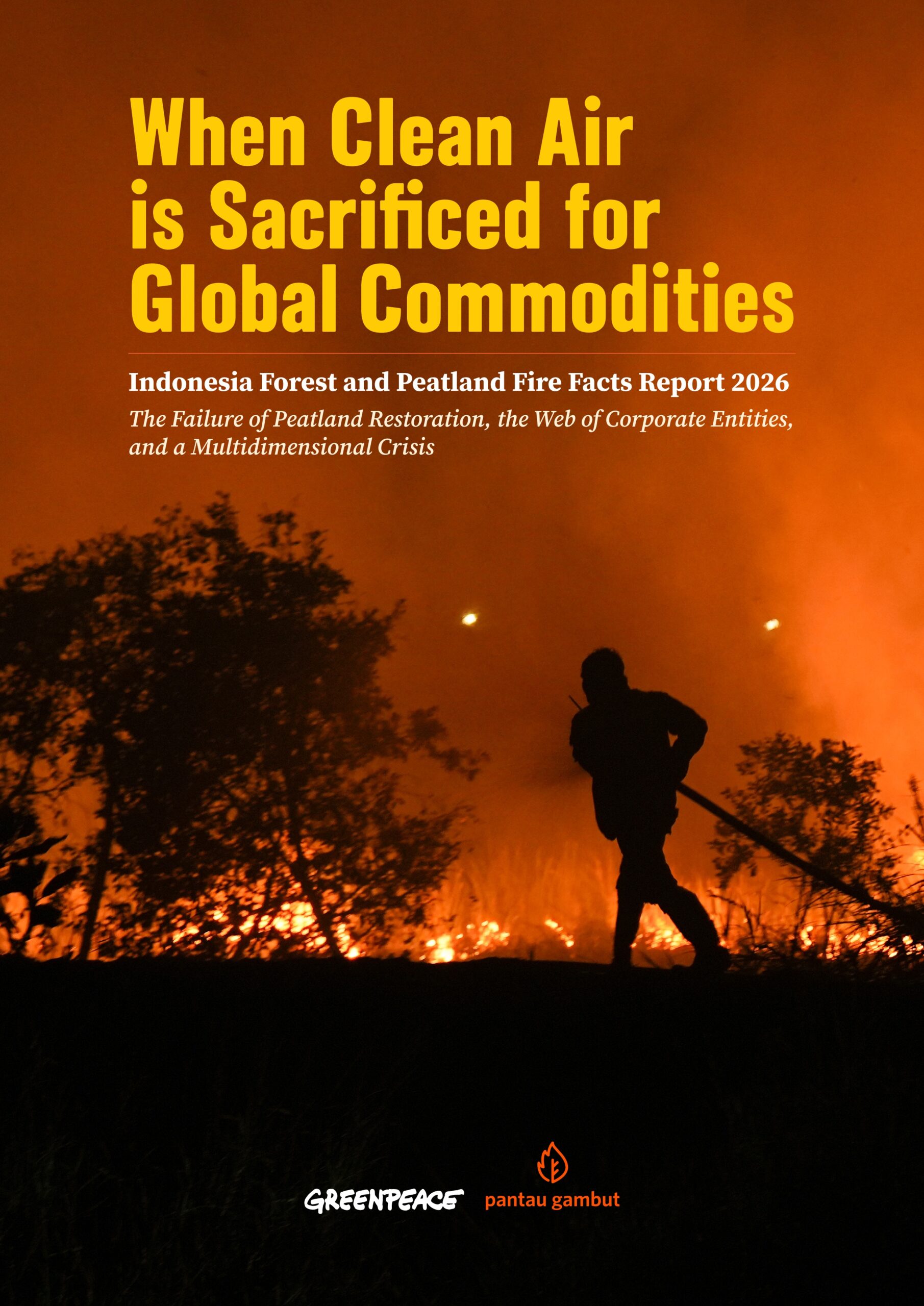
When clean air is sacrificed for global commodities: Indonesia forest and peatland fire facts report 2026
This report examines the 2026 Indonesia forest and peatland fires, highlighting the failure of restoration efforts and the impact of corporate entities. It details health crises affecting 12.5 million people, significant carbon emissions, and transboundary haze while demanding stricter legal accountability for regional governments and global commodity producers.
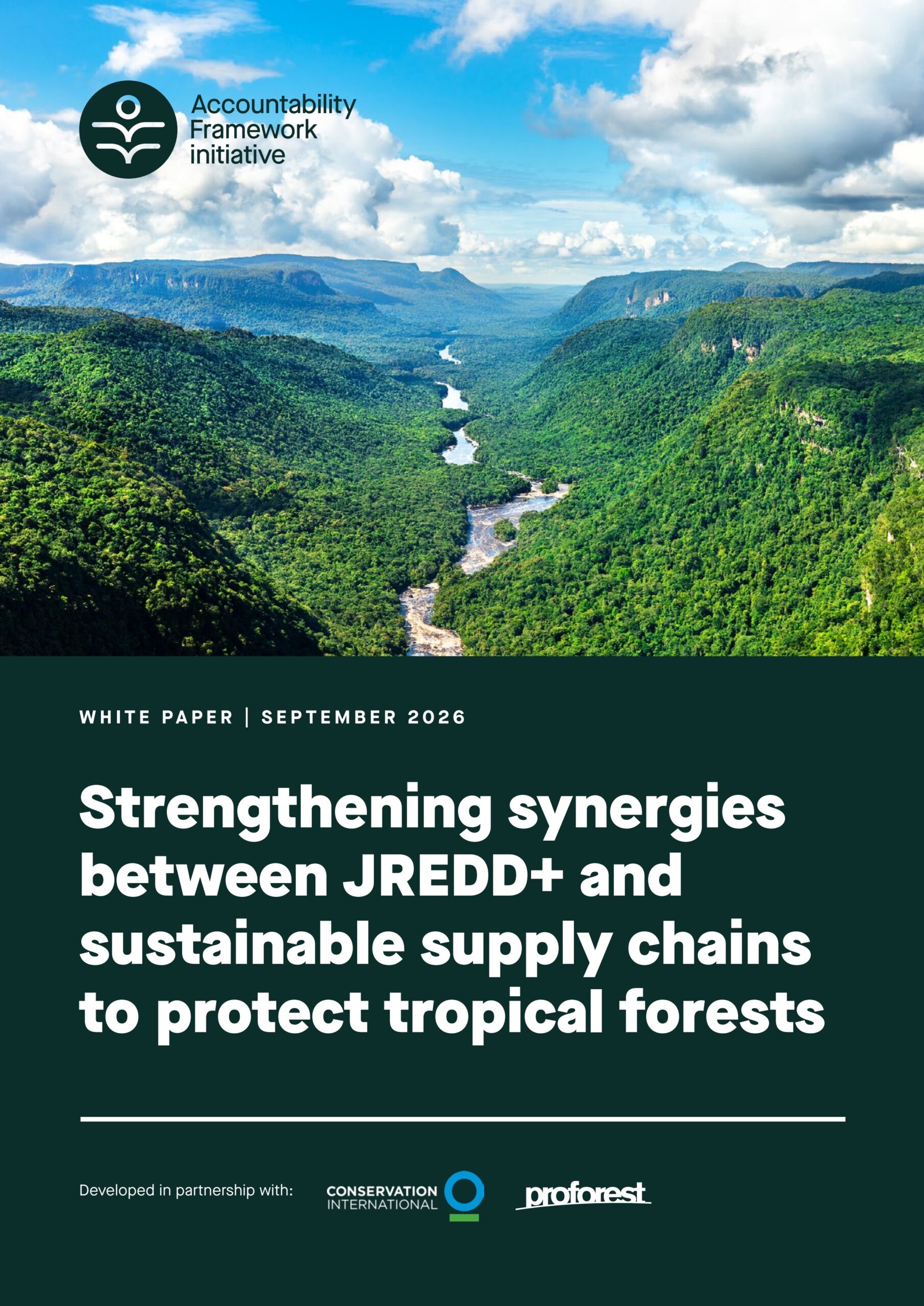
Strengthening synergies between JREDD+ and sustainable supply chains to protect tropical forests
This white paper examines the integration of Jurisdictional REDD+ (JREDD+) programmes with corporate supply chain sustainability. It identifies pathways for corporate engagement, addresses structural barriers, and provides recommendations for recognising jurisdictional progress within sustainability frameworks to scale investment and enhance forest conservation outcomes in commodity production landscapes.
Traceability
The Accountability Framework provides guidance on supply chain traceability to ensure products are free from deforestation and human rights abuses. It outlines traceability requirements for different supply chain actors, defines four approaches for controlling product origins, and provides tools for companies to assess and report on their ethical commitments.


